There is a stretch of the business financing market that rarely gets a name. It sits between the opportunistic world of short-term business funding and the conference room of a traditional bank. Thousands of established, profitable companies live there right now, often without realizing that it is a recognized category with its own business lenders, its own rules and its own path forward.
If your company has outgrown short-term business funding but still hears "not yet" from the bank, you are not stuck. You are in between. And in between is a place the marketplace has been slow to explain, largely because the loudest voices in business lending earn the most when owners never leave the short-term cycle.
This article maps that middle ground: why it exists, why so many good companies land there, and how Private Credit business lenders and SBIC business lenders can serve as the bridge to stable and cost-effective long-term business financing.
The Quieter Options that Most Business Owners were Never Told About
Most business owners learn about business financing in two flavors. There is the bank, with its long applications, collateral requirements and multi-year statements. And there is the fast money: short-term business advances, high-frequency payment products and online business lenders that promise funds in a day. What almost nobody explains is the wide space in between.
That space is home to companies with real revenue, real customers and real history. Many have been operating for five, ten or twenty years. They generate consistent business cash flow, but their profile has a wrinkle a bank cannot work around: a year of uneven earnings, a thin collateral base because they sell services rather than equipment, a recent expansion that temporarily dented margins or existing short-term business debt that makes the balance sheet look more stretched than the underlying company actually is.
These companies are not distressed. They are mis-sorted. The traditional system has two boxes, and they fit in neither. As a result, they are often offered whatever product is easiest to sell rather than the product that fits.
The good news is that the business lending market has changed significantly in the past few years. A large and growing group of non-bank capital providers now focuses on exactly this middle tier. Private credit funds and SBA-licensed investment companies such as SBICs (Small Business Development Corporations) grew in large part because banks stepped back from a segment that is creditworthy but nonstandard. Private credit has since grown into a market worth well over a trillion dollars. That capital needs a home, and well-run, established small and mid-sized companies are a natural fit.
Recognizing that you belong to this category is the first strategic move. It changes the question from "Why won't anyone give us a real business loan?" to "Which business lenders are actually built for companies like ours?"
How the Short-Term Business Funding Cycle Was Built
It is worth being clear about how so many solid companies ended up carrying expensive short-term business funding. In most cases, it was not a bad decision. It was a reasonable decision made inside a marketplace designed to make the short-term option the easiest one to say yes to.
Short-term business funding providers are excellent at marketing. They show up first in search results, they call after a single online inquiry, and they approve quickly. When a payroll gap, a large purchase order or an equipment failure hits, speed feels like the most important feature. Few owners in that moment are shown a side-by-side comparison of the true annualized cost, the total monthly payment burden, or how a second and third position will compound the strain.
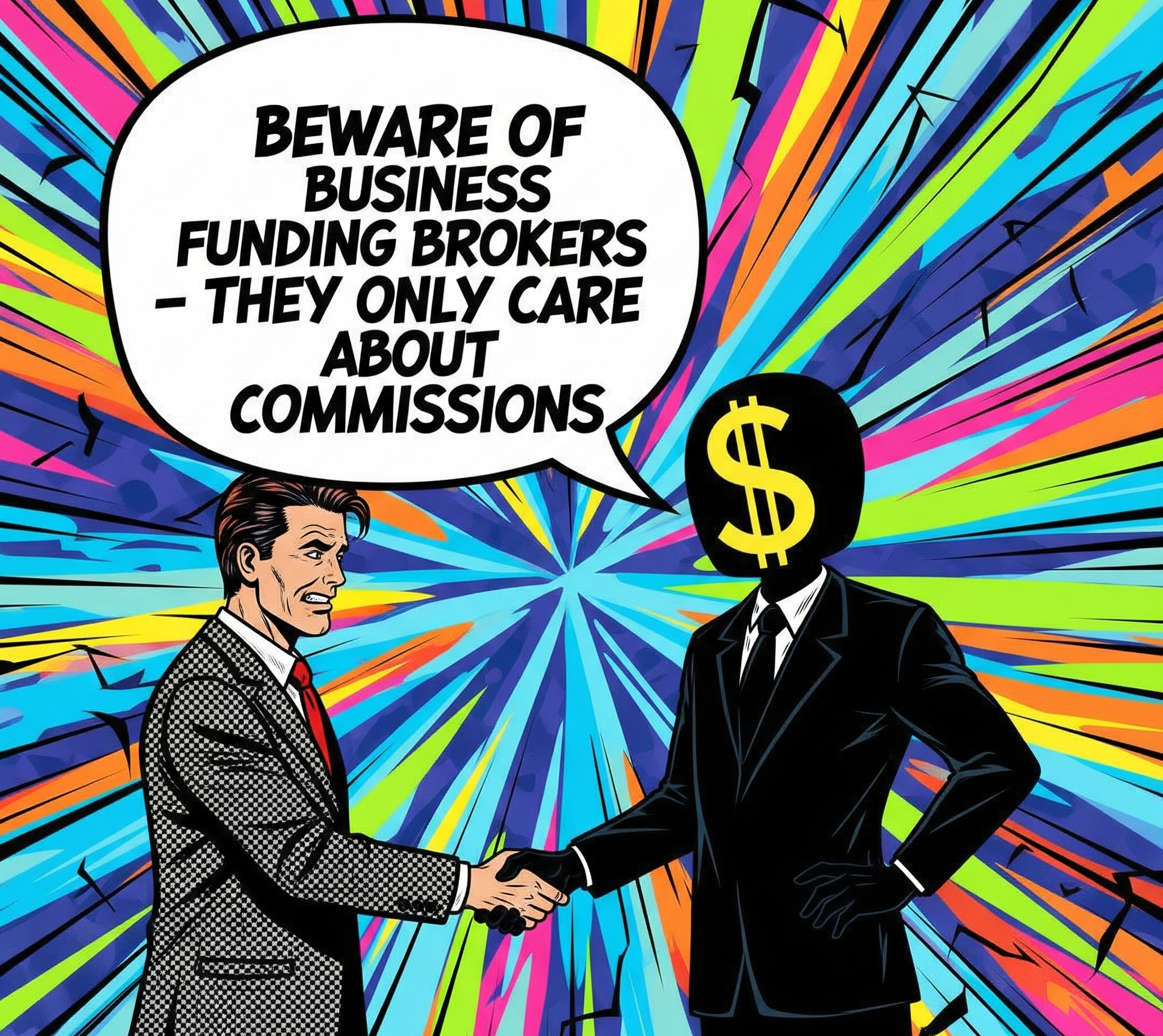
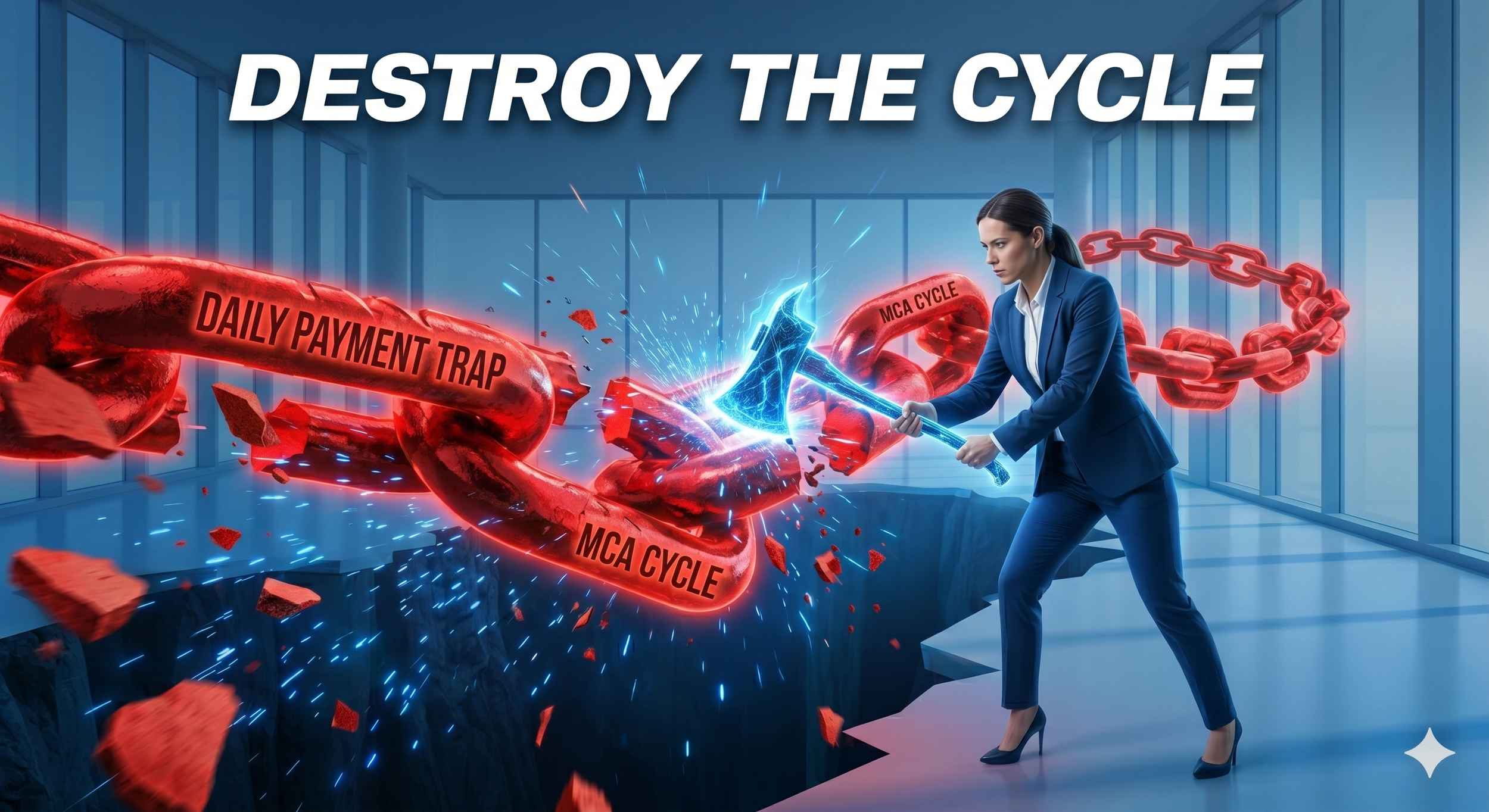
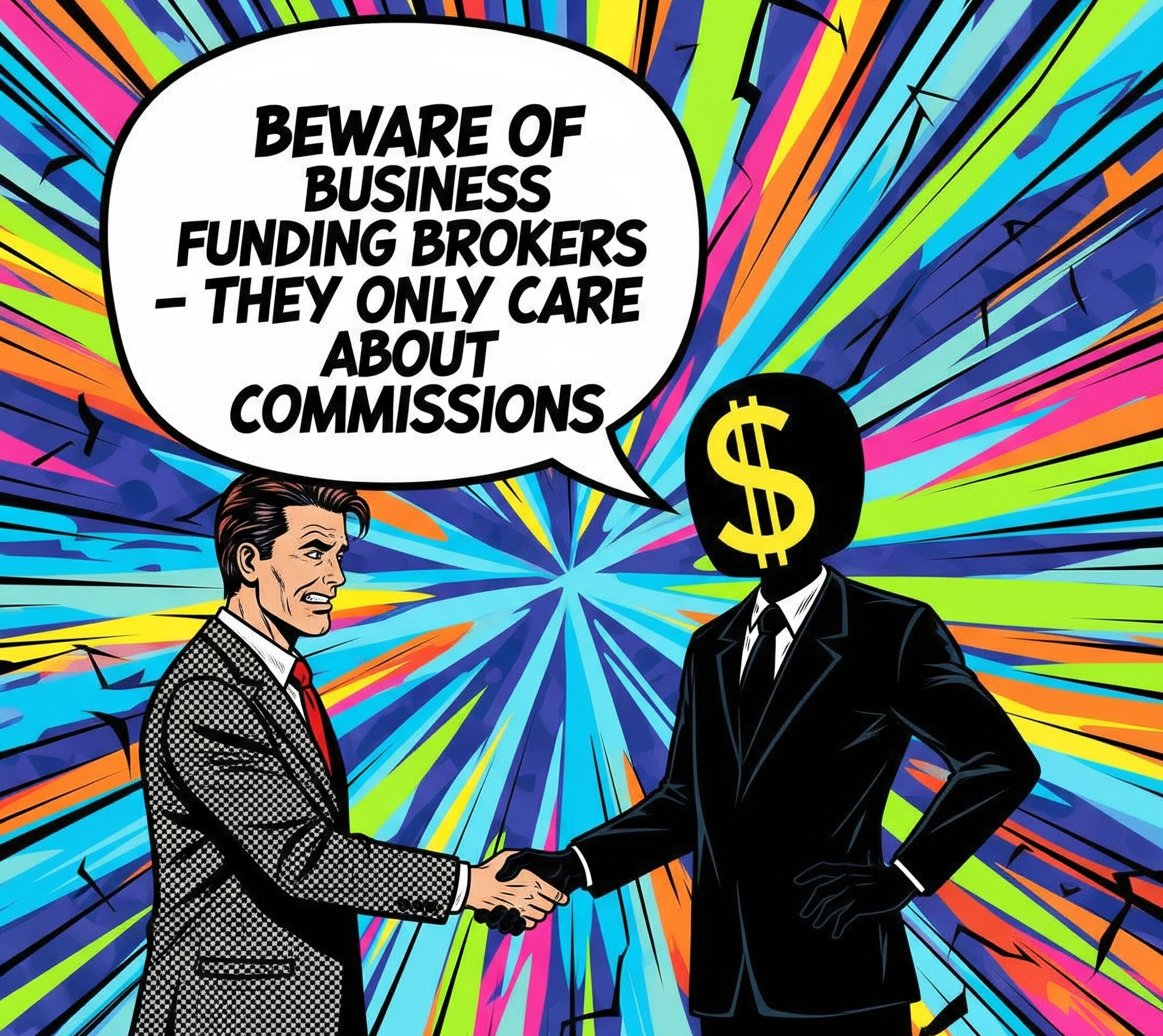
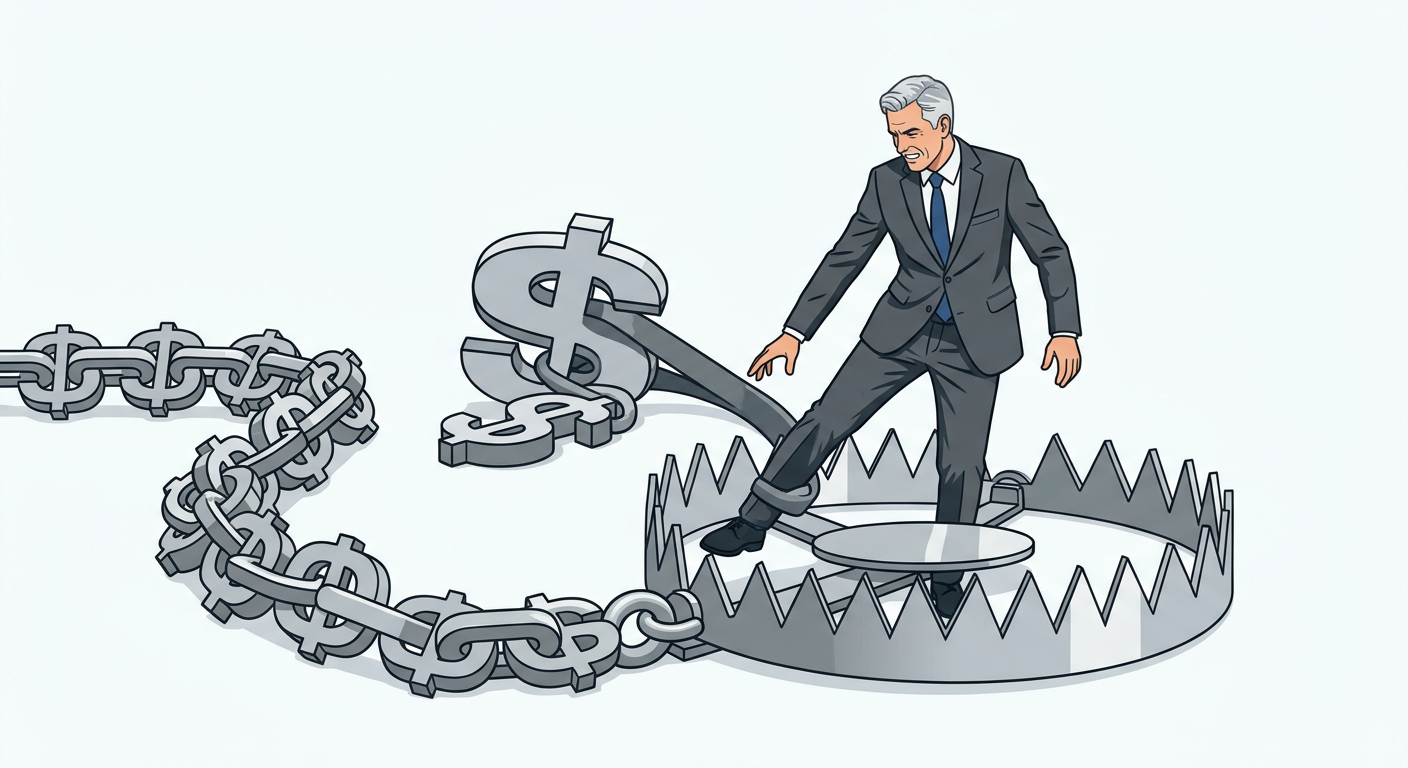
Then the business funding renewal calls begin. Many short-term business lenders offer to "top up" an existing position once roughly half has been repaid. The pitch is framed as a reward for good performance. In practice, it often resets the clock, adds new fees and keeps the company tied to high frequency debits with too short payback periods. Stacking, which means taking a second or third short-term business loan on top of the first, is frequently encouraged by brokers who are paid commissions by the lenders on each new deal.
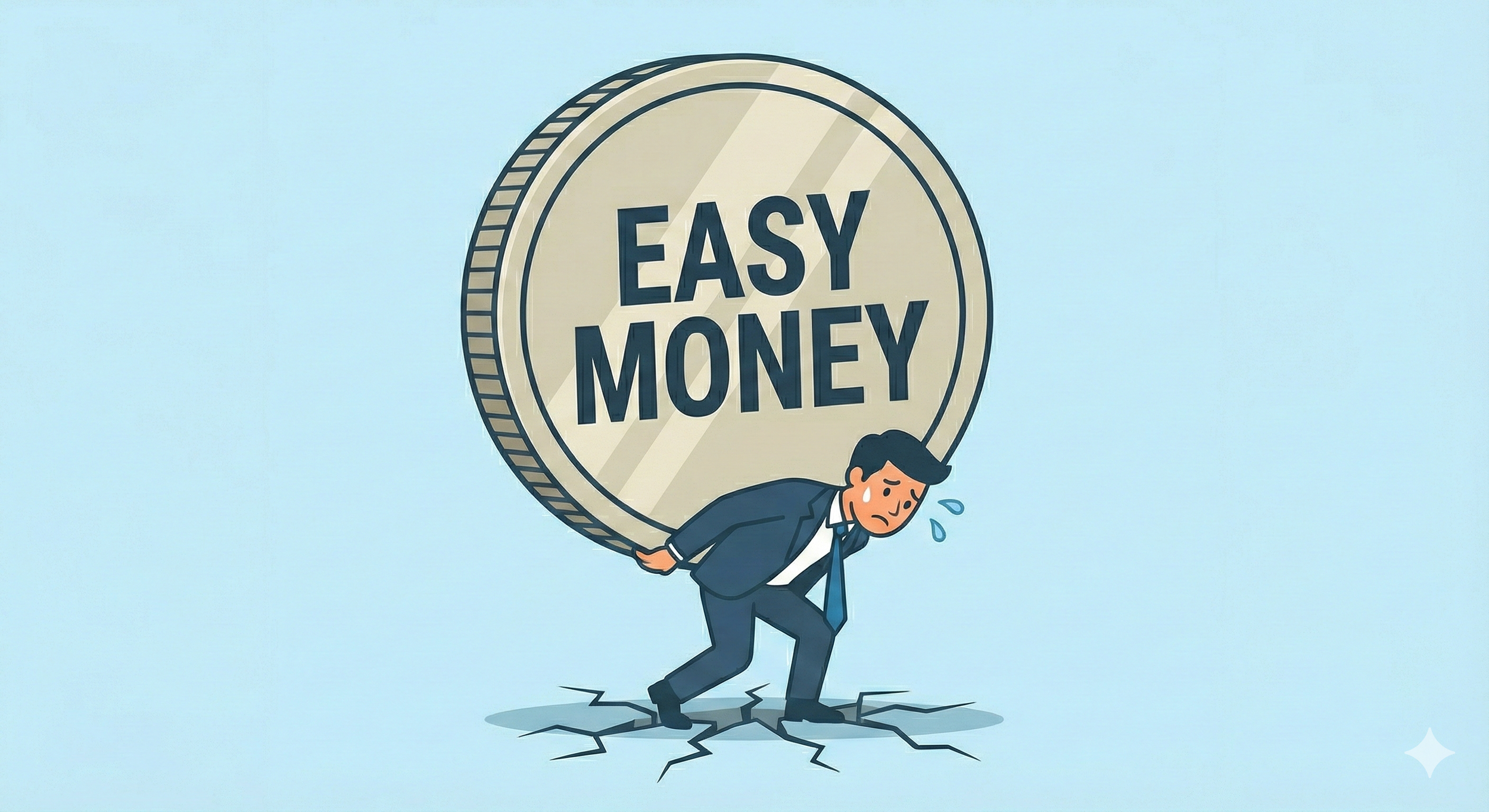
None of this means short-term business funding has no place. It can partially solve a true emergency. But when it becomes the default form of business borrowing, it quietly drains the very business cash flow that would qualify a company for something better. Understanding that the structure of the marketplace, not the owner, created the cycle is what makes it possible to plan the exit calmly.
Why the Bank Still Says "Not Yet"
Banks are not wrong to be careful, but their caution is built around a narrow template. Since the regulatory changes that followed the 2008 financial crisis, including stricter capital rules, banks have had strong incentives to favor larger, simpler, heavily collateralized credits. A mid-sized manufacturer with steady orders but uneven quarterly results, or a service company with excellent clients but little hard collateral, can be a good company and still a poor fit for the bank's checklist.
The most common reasons for a bank decline in this middle tier fall into familiar patterns. Coverage ratios look thin because short-term business debt payments are counted at their full, accelerated pace. Collateral consists mostly of receivables, intellectual property or customer relationships. Tax returns show lower income than the company actually produced, often due to strategic tax planning. A recent loss year was tied to a one-time event. Or the bank has simply decided to limit exposure to a particular industry.
Notice that most of these reasons describe the shape of the file rather than the strength of the company. That distinction matters. A bank's "no" is often a statement about its own constraints, not a verdict on the business.
Business lending conditions also move in cycles, and when banks do loosen their standards, the larger, cleaner borrowers tend to benefit first. For many other companies, the practical answer remains "not yet." The goal, then, is not to keep knocking on the same door. It is to find a business lender whose underwriting model was built for your profile, and to use that relationship to become bank-ready over time.
The Real Cost of Staying Short-Term with Business Loans
The most visible cost of short-term business funding is price. But price is only the beginning.
The second cost is frequency. High-frequency debits pull money out of the company before revenue has finished cycling through. A company might have a strong month on paper and still feel squeezed, because the payments arrived on a schedule that ignored when customers actually pay. That mismatch between the business debt payment calendar and the revenue calendar is one of the most damaging features of short-term business borrowing.
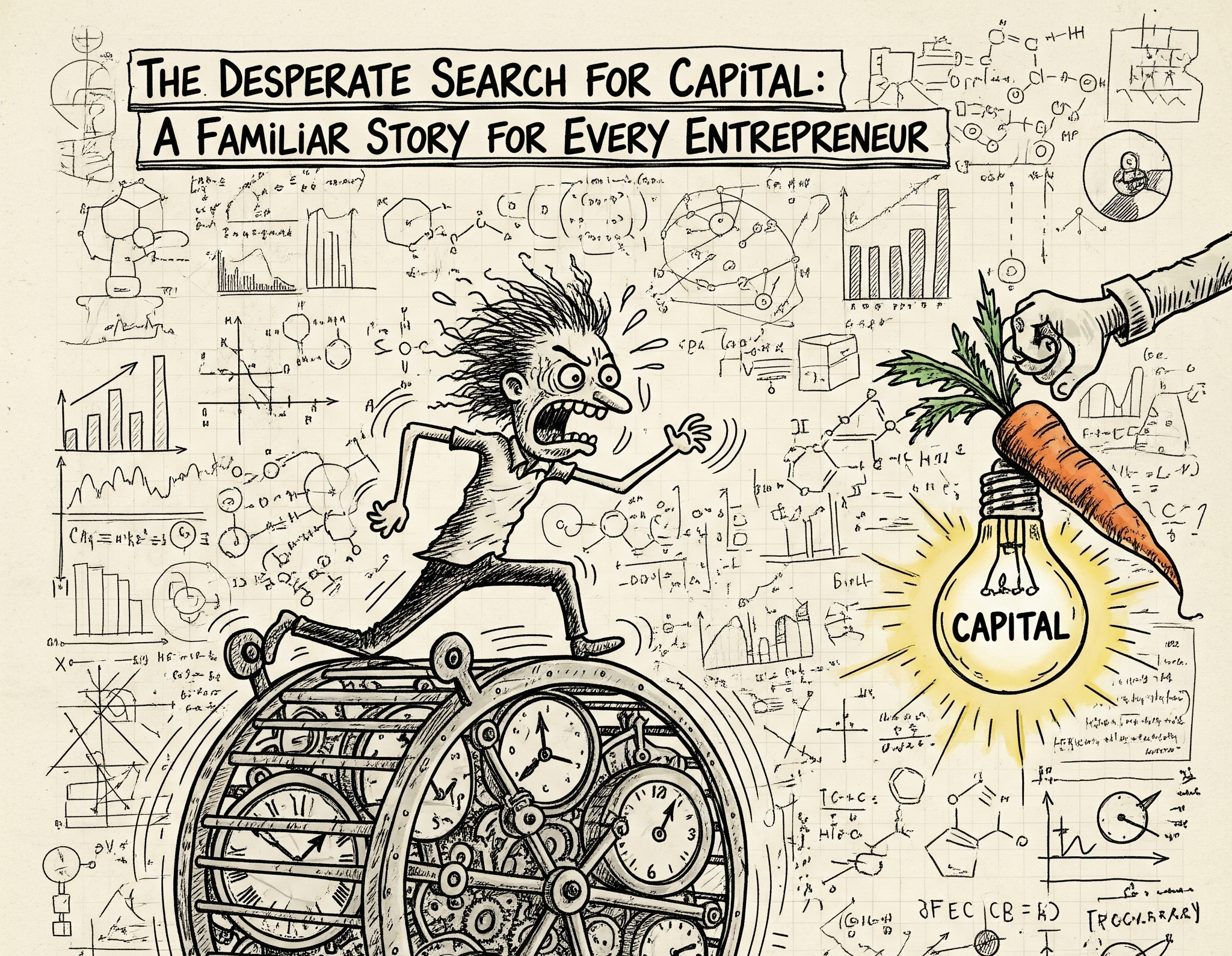
The third cost is opportunity. Business cash flow consumed by aggressive business debt repayment cannot be used for inventory discounts, new hires, marketing or equipment that would raise revenue and widen profit margins. Owners often describe the feeling of running harder simply to stay in place.
The fourth cost is strategic. Multiple short-term positions, UCC filings and frequent renewals all show up when a long-term business lender reviews the file. They can make a healthy company look strained and push it further from the very business financing that would relieve the pressure.
Finally, there is the personal cost. Many owners carry the weight of business debt payment anxiety home every night. That stress affects decisions, relationships and long-range planning.
Measured together, these costs explain why moving into long-term business financing is not only about a lower rate. It is about restoring control over timing, freeing business cash flow for growth and returning the owner's attention to running the company instead of managing payments.
Private Credit Business Lenders and the Insider's Middle Lane
Private credit is a broad term for business lending done by non-bank institutional investment funds rather than deposit-taking banks. These funds raise money from institutional investors such as pension plans, insurance companies and endowments, then make privately negotiated business loans directly to companies. Because they are not bound by the same deposit and capital regulations as banks, they can evaluate a company more holistically and offer more flexible business debt structures.
For a company in the middle tier, that flexibility shows up in several practical ways. Private credit business lenders often underwrite primarily to business cash flow, profitability, EBITDA and enterprise value rather than hard collateral alone. They can structure terms of three to five years or longer, with one monthly payment that fits business cash flow, rather than a payment that created negative cash flow. Some offer interest-only periods and other “ramp up” amortizations at the start, so the company can stabilize after a business debt refinancing. Others build in delayed-draw features on a business credit facility that allows a company to access additional capital later for acquisitions or expansion without starting over.
Pricing is a “few points” higher than a conventional bank business loan, and that should be expected. But it is typically far more sustainable than stacked short-term business advances, and the structure aligns payments with the way the company actually earns and receives revenue.
Private credit also has its own range of quality. Some funds focus on the lower middle market and smaller established companies, while others only consider companies with larger earnings. Terms, covenants and fees vary significantly, and recent market commentary notes that some private credit business lenders are tightening covenant packages. That is why preparation and careful business lender selection matter. The right private credit relationship can serve as a bridge of several years, long enough to rebuild margins, demonstrate consistent performance and eventually graduate to bank business financing at an even lower cost.
Private Business Lenders and the Partnership Behind Long-Term Business Capital
Private Credit business lenders come in a few forms. One area is the SBIC (Small Business Investment Company) program which is one of the least understood sources of long-term business capital. Created by Congress in 1958 and overseen by the U.S. Small Business Administration (SBA), the program licenses privately managed investment funds. Those funds raise private capital and can access SBA-guaranteed leverage, which they then deploy as long-term business debt, equity or a blend of the two into qualifying U.S. small businesses.
One important point is often missed. The SBA does not invest in or lend to your company directly through this program. The SBIC fund does. The SBA's role is to license, regulate and help capitalize these funds, which allows them to offer patient, longer-dated capital to companies that may not fit a bank's model.
The program has real momentum. A final rule that took effect on February 2, 2026 modernized the program and removed outdated requirements. The SBA has also signaled stronger interest in manufacturing, energy, food production and other critical industries, so companies in those sectors may find SBIC managers especially receptive.
For many middle-tier companies, SBIC business financing takes the form of subordinated or mezzanine business debt, sometimes paired with a modest equity component. Terms frequently run five years or more, and interest-only periods are common. This type of capital can sit alongside a senior business lender, helping a company complete a business debt refinancing, fund growth or support an ownership transition while keeping control in the owner's hands.
SBIC funds are selective and typically look for established companies with meaningful earnings and a credible growth or stabilization plan. Eligibility rules continue to evolve, and not every company will fit. For those that do, SBIC capital can be one of the most cost-effective sources of long-term business funding available.
Reading Business Cash Flow the Way a Long-Term Business Lender Does
Before approaching private credit or SBIC business lenders, it helps to see your company through their eyes. Long-term business lenders care less about a single good month and more about consistent, repeatable business cash flow over time.
The first step is separating true operating revenue from everything else. Bank statements often mix customer receipts with business funding proceeds, transfers between accounts and owner contributions. When short-term business advance deposits are counted as revenue, the company can appear larger than it is, and that erodes credibility the moment a reviewer notices. A clean analysis shows operating revenue on its own line, with business financing proceeds and internal transfers categorized separately.
The second step is normalizing earnings. One-time expenses, unusual legal costs, owner compensation above market rates and similar items can often be added back to present a truer picture of sustainable profit. Business lenders will test these adjustments or “add backs”, so each one needs documentation.
The third step is comparing what your business debt service looks like today with what it would look like after a business debt refinancing. The comparison is often striking. A company paying heavy total monthly business debt service debits may show weak coverage today but very healthy coverage once those positions are consolidated into a single long-term structure.
Finally, look for trends: seasonality, customer concentration, receivable timing and the direction of margins. A business lender will ask about each of these. Having clear answers ready signals that the owner understands the company deeply, which is often as persuasive as the numbers themselves.
Rebuilding the Business Debt Stack Before You Apply
Many companies in the middle tier carry several layers of business debt that were never designed to work together: a short-term business loan in first position behind an SBA loan, another business funding in second, an equipment business loan, a business line of credit and perhaps a credit card balance used for working capital. Each was taken for a sensible reason at the time. Together, they create a stack that looks chaotic to a new business lender.
Rebuilding that stack begins with a complete inventory (business debt schedule). List every obligation with its balance, payment amount, payment frequency, effective cost, remaining term, collateral position and any prepayment terms. Many owners are surprised to see the full picture on a single page for the first time.
Next, rank each position by cost and by the pressure it places on business cash flow. The most expensive and highest total monthly debt service payments are usually the first targets for consolidation. Some positions may be close to payoff and better left alone, while others may offer early-payoff discounts worth negotiating.
It also pays to stop adding layers. Declining renewal offers and new short-term positions while you prepare for long-term business financing keeps the file from getting more complicated during underwriting. If a short-term need truly cannot wait, it is worth discussing alternatives before signing anything new.
Finally, prepare the documents a long-term business lender will request: two to three years of financial statements and tax returns, year-to-date interim statements, a current business debt schedule, accounts receivable and payable aging, and at least twelve months of bank statements. A tidy, consistent package shortens the process and supports better terms.
Business Debt Refinancing as a Bridge, Not a Bandage
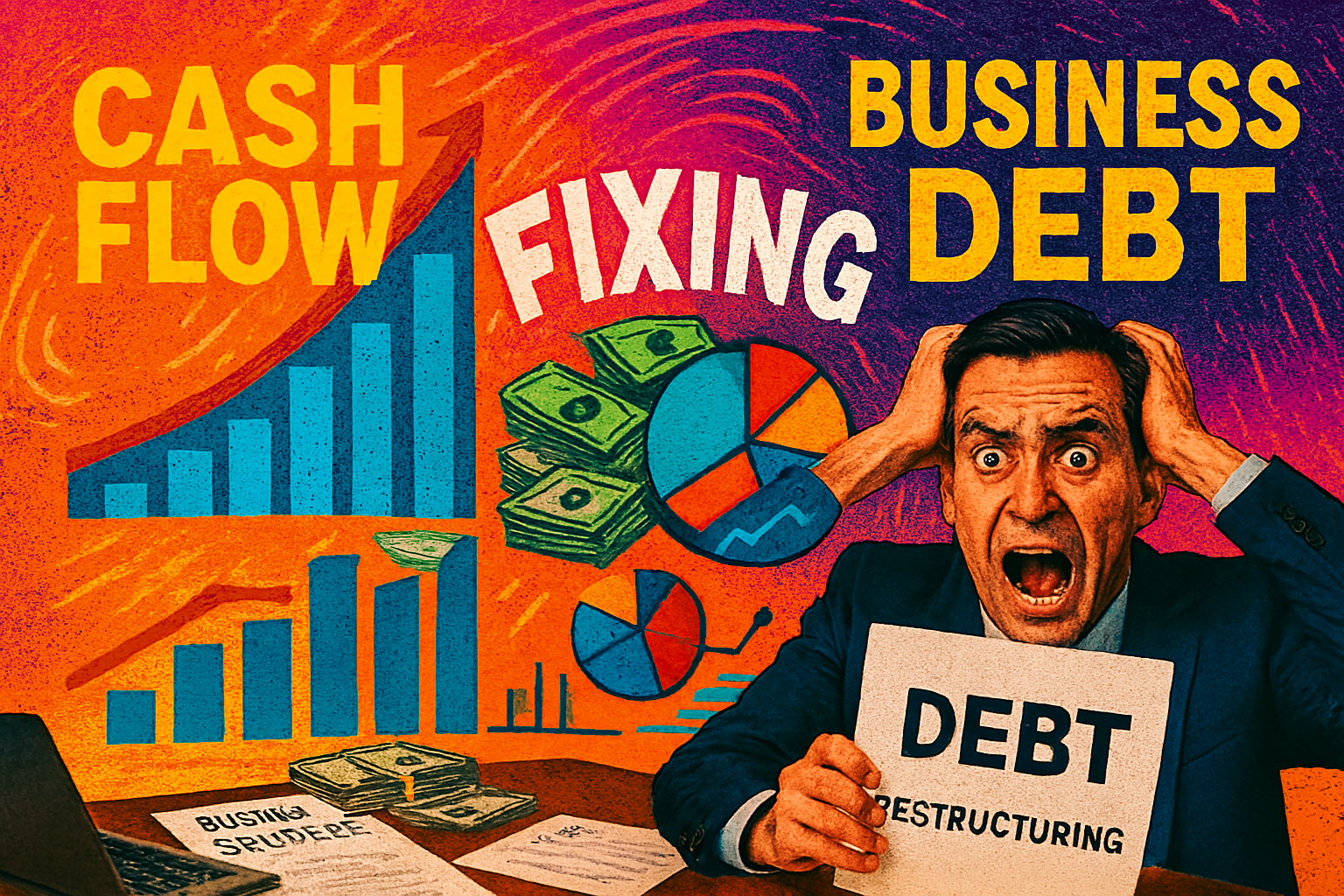
Business debt refinancing is sometimes treated as a quick fix: roll several expensive payments into one and move on. Done that way, it can simply delay the same problem. Done strategically, it becomes a bridge from the short-term world to sustainable long-term business financing.
A strategic business debt refinancing usually has three goals. The first is to replace high-frequency business debt payment debits with total monthly payments that match the revenue cycle. The second is to lower the total cost of capital, even if the new rate is not yet at bank level. The third is to create a predictable runway during which the company can rebuild margins and demonstrate consistent results.
In practice, this might look like a private credit business lender providing a senior term business loan to retire the short-term positions, with an SBIC fund supplying subordinated capital if the gap is larger. Or it might be a single private credit facility with an interest-only period that gives the company room to stabilize.
The key is building the exit into the plan from day one. What would the company need to show in the next few quarters to qualify for bank or SBA business financing at a lower cost? Which covenants need to be maintained along the way? What prepayment terms will allow a graduation without heavy penalties? When those questions are answered at the start, the business debt refinancing works as a bridge with a clear far side.
It is also important to protect the company during the transition. Payoff letters should be obtained in writing, UCC terminations confirmed and any reconciliation rights under old agreements properly closed out. Small administrative steps like these keep old positions from lingering after the new business financing is in place.
The Business Finance Advisor's Role in Crossing the Middle
The middle tier of the business financing market is wide, fragmented and constantly shifting. Private credit funds enter and exit segments, SBIC managers adjust their investment focus, and terms change with market conditions. For an owner who also has to run a company, keeping track of all of it is unrealistic.
This is where an independent Business finance advisor can make a meaningful difference. Unlike a broker paid only when a new short-term product closes, a Business finance advisor's job is to understand the whole picture: the current business debt stack, the true business cash flow, the company's goals and the realistic options available. From there, a Business finance advisor can identify which private credit business lenders and SBIC funds are most likely to fit, present the company in a way that answers their concerns before they raise them, and negotiate structure rather than rate alone.
A good Business Finance Advisor also protects the owner from repeating the cycle. That means reviewing term sheets line by line, comparing true costs across offers, flagging covenants that could cause trouble later and helping plan the eventual move to bank business financing.
Most importantly, the right guidance replaces uncertainty with a plan. Owners in the middle tier have usually done the hard part already. They built a company that survives, serves customers and creates jobs. What they need now is a clear path from the business funding that got them through a tight stretch to the business financing that can carry them through the next decade.
Being in between is not a dead end. With the right preparation and the right partners, it is the starting point for rebuilding on stronger, steadier terms.

More Business Finance and Strategy Articles: