The landscape of American entrepreneurship is currently undergoing a profound and unprecedented transformation, one that is largely hidden from the daily headlines but felt acutely in the offices, warehouses, and storefronts of small to medium-sized enterprises across the nation. For generations, the small business sector has been celebrated as the indisputable backbone of the United States economy, serving as the primary engine for job creation, local community development, and grassroots innovation.
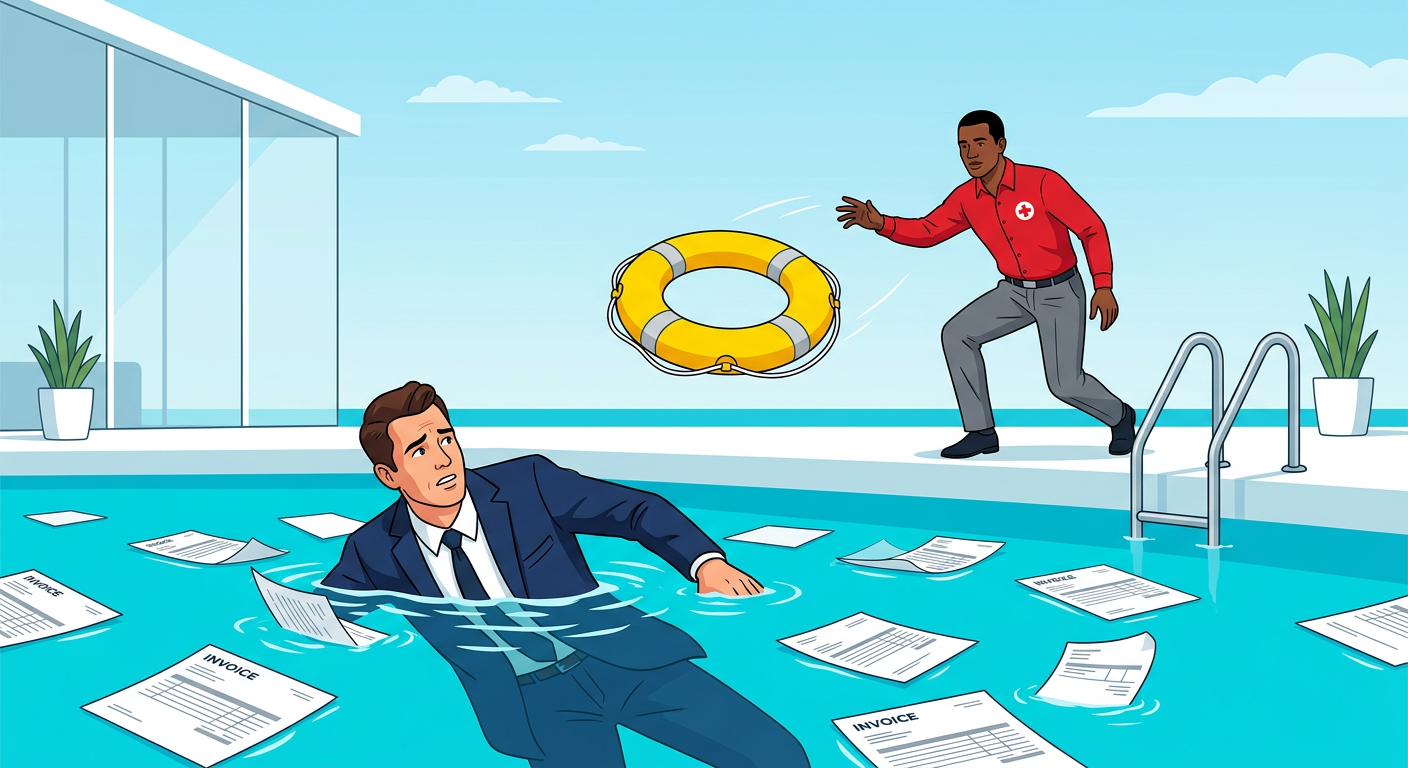
However, beneath the surface of this celebrated narrative lies a brewing storm of financial distress, driven by systemic shifts in how capital is accessed, structured, and managed. We are standing at the precipice of what can only be described as a reckoning a critical juncture where the financial paradigms of the past two decades are colliding violently with the stark realities of sustainable business operations.
This reckoning is not the result of a sudden macroeconomic shock, nor is it the product of a singular catastrophic event like the recent global pandemic. Instead, it is the culmination of years of structural changes in the lending ecosystem, characterized most notably by the explosive growth of alternative, high-cost financing models.
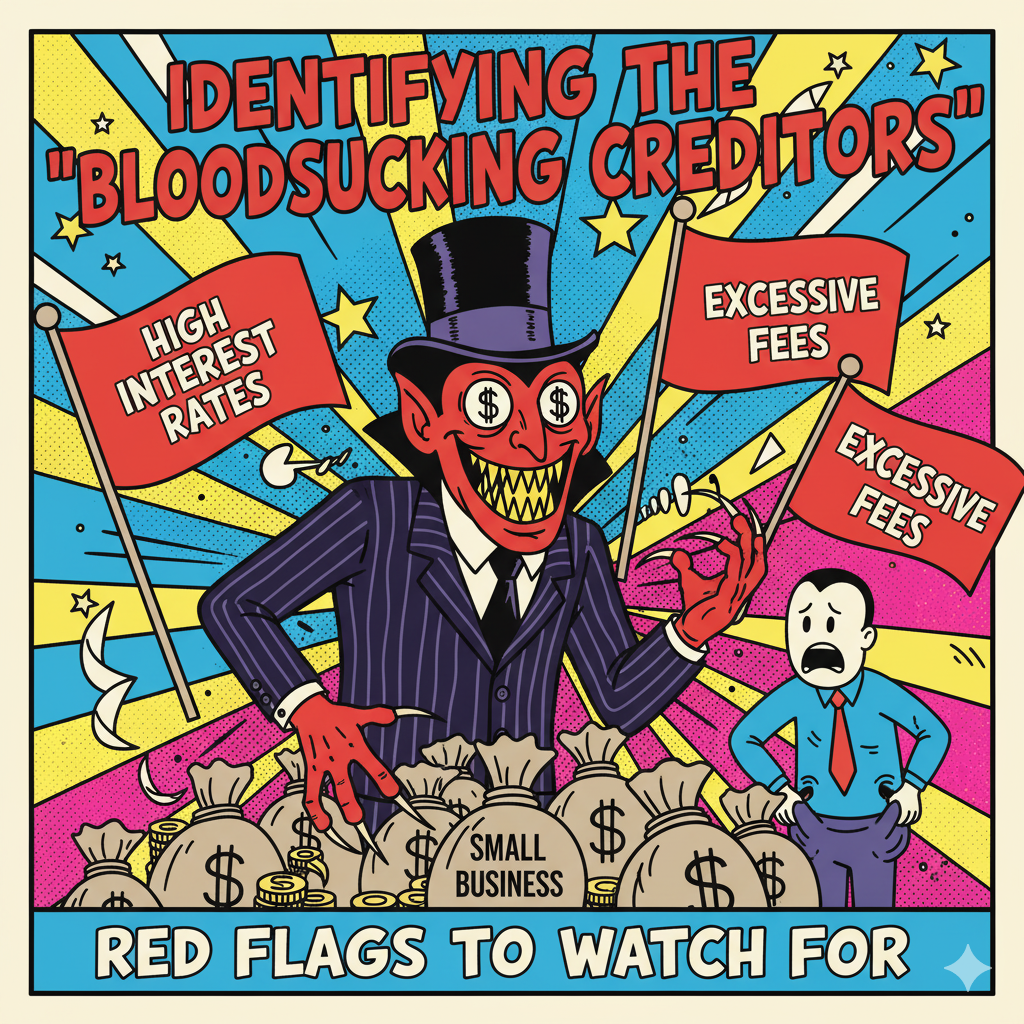
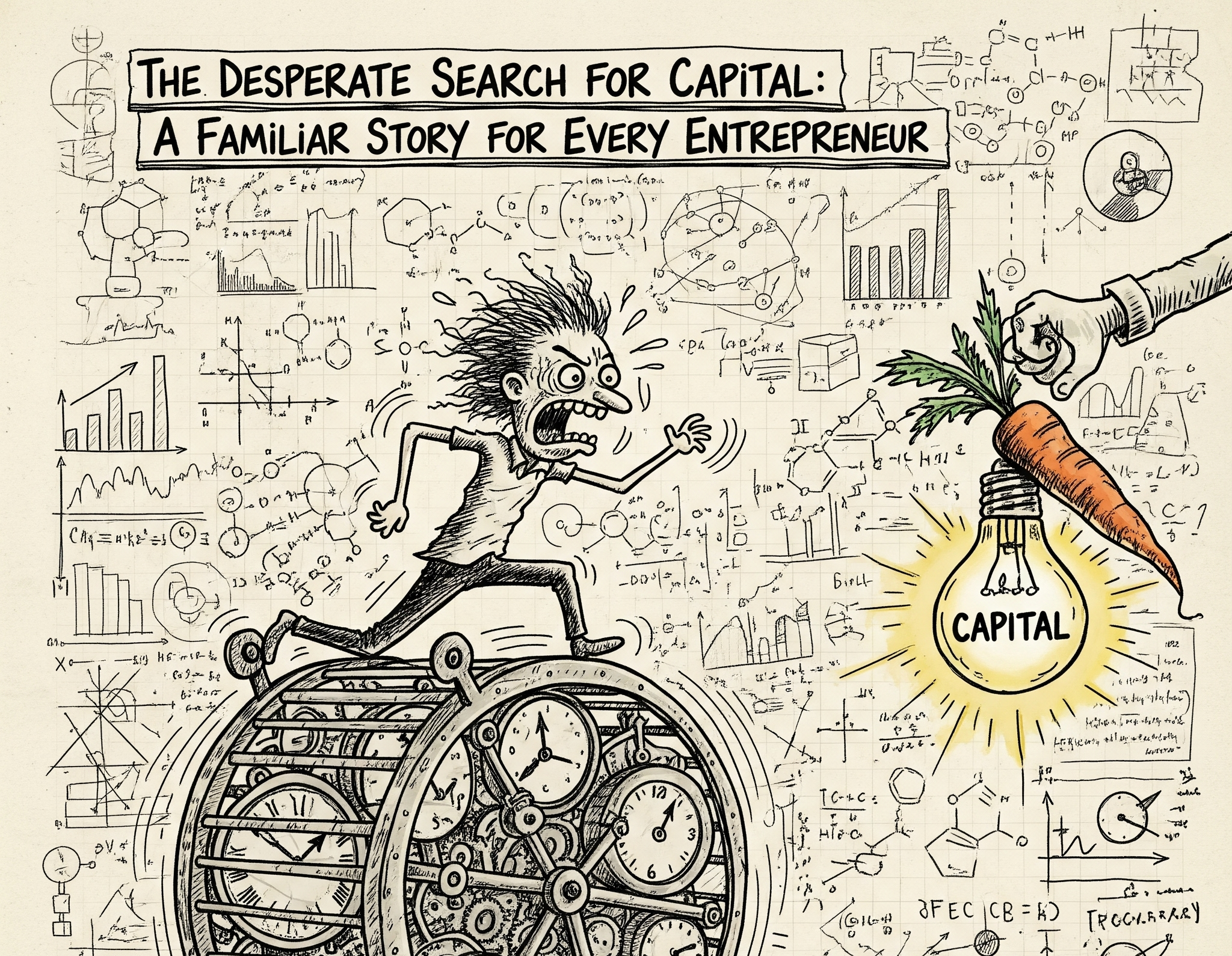
Small business owners, often starved of traditional banking resources and desperate for working capital to navigate volatile markets, have increasingly turned to fast, accessible, but deeply punitive funding mechanisms. As these financial instruments mature and compound, they are fundamentally altering the life cycle of the American small business.
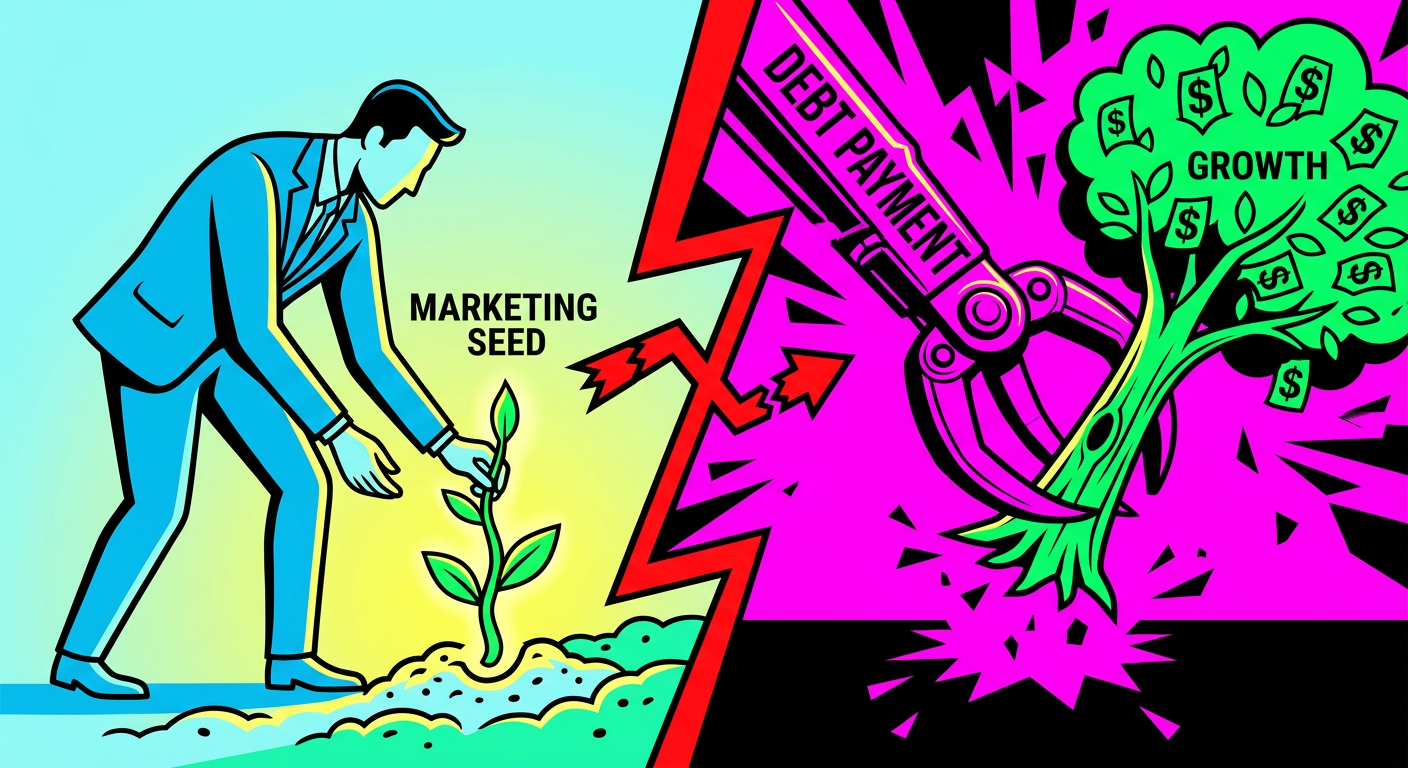
We are transitioning from an era where businesses failed primarily due to lack of market demand, to a paradigm where thriving, revenue-generating companies are being suffocated by the very capital they borrowed to survive.
For the small and medium-sized business owner reading this, the following analysis is designed to serve as both a mirror and a map. It reflects the harsh realities of the current financial ecosystem, validating the immense pressures and unique challenges you may be facing on a daily basis. More importantly, it provides a strategic framework for understanding these macroeconomic forces and navigating your enterprise out of danger.
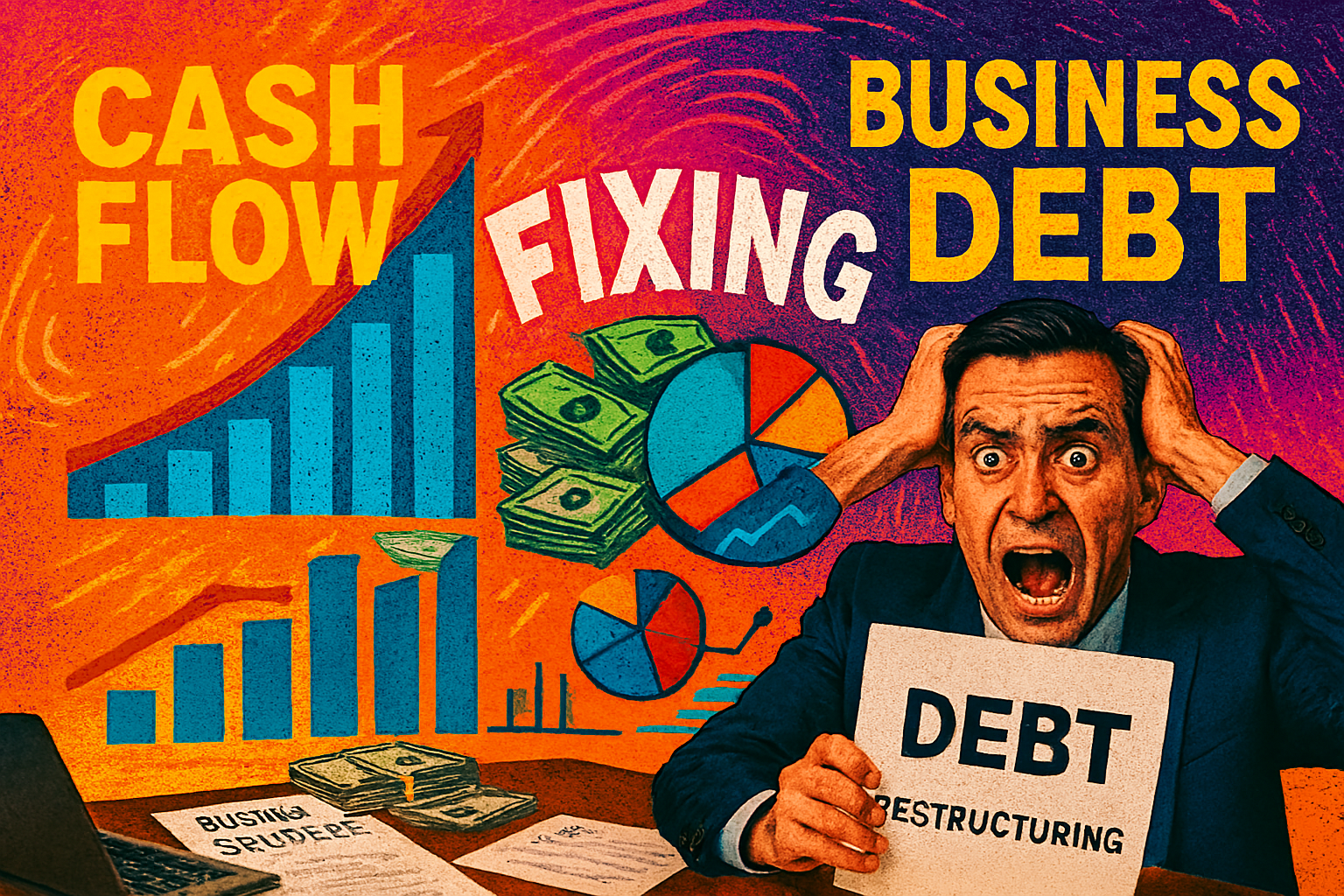
By dissecting the mechanics of the "Merchant Cash Advance" era, analyzing the critical collateral gaps, acknowledging the severe psychological toll on leadership, and outlining a path toward radical financial transparency, this paper aims to equip you with the knowledge necessary to restructure, survive, and ultimately reclaim your company's financial independence.