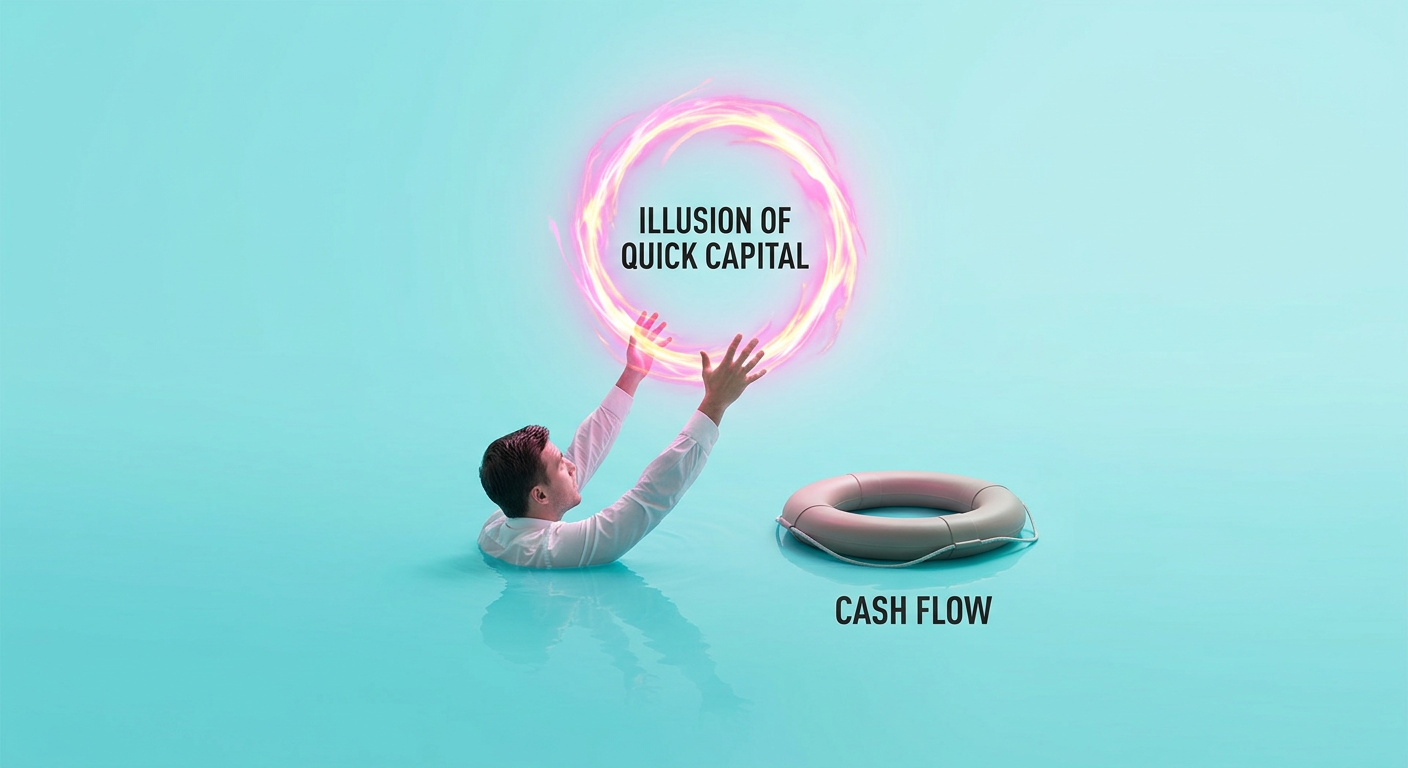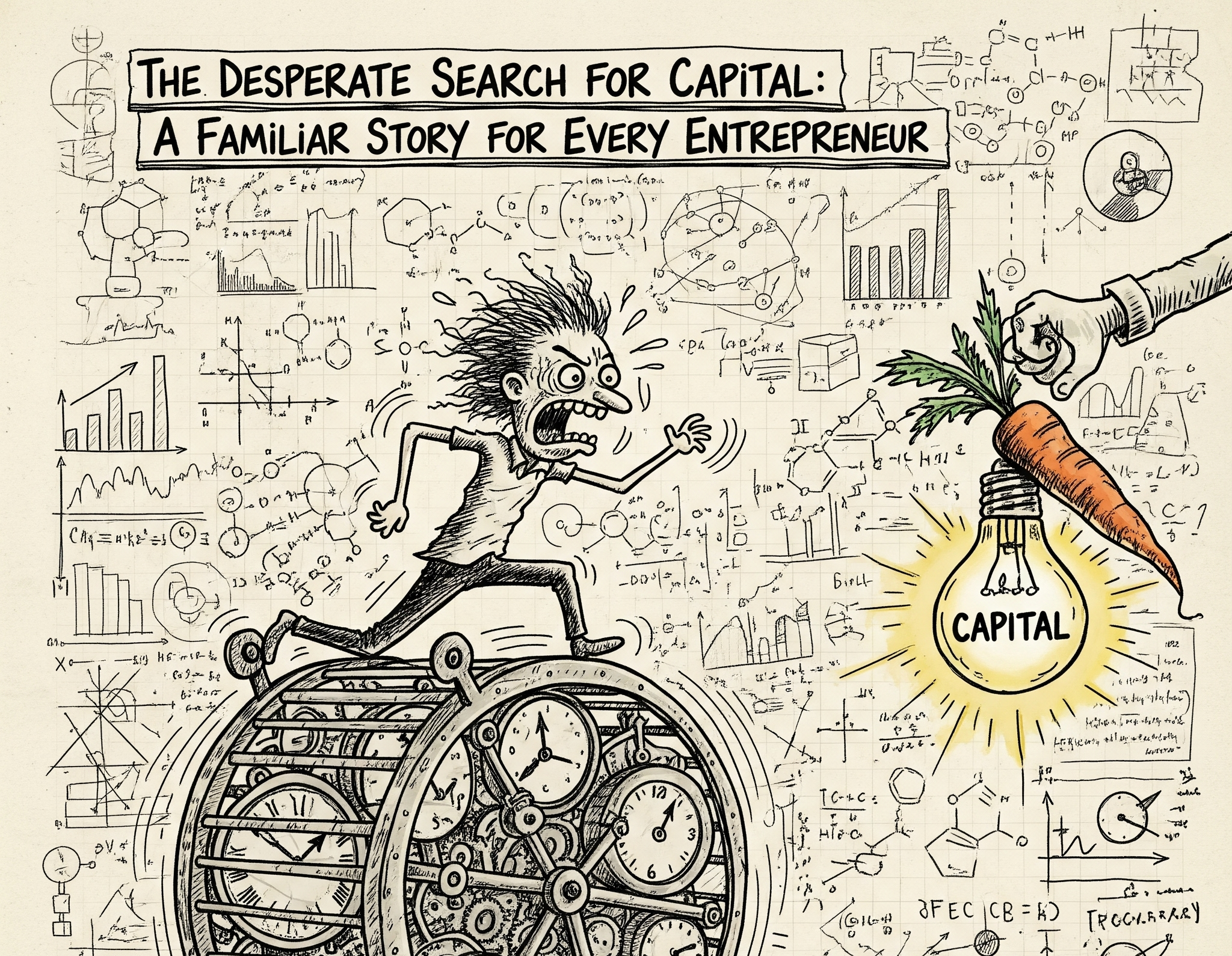
Running a small to medium-sized business is often heralded as a pursuit of ultimate freedom and boundless opportunity. Yet, beneath the veneer of entrepreneurial success lies a deeply hidden narrative that many founders face but few openly discuss. When a company's cash flow turns negative, the dream can rapidly transform into a relentless struggle for survival.
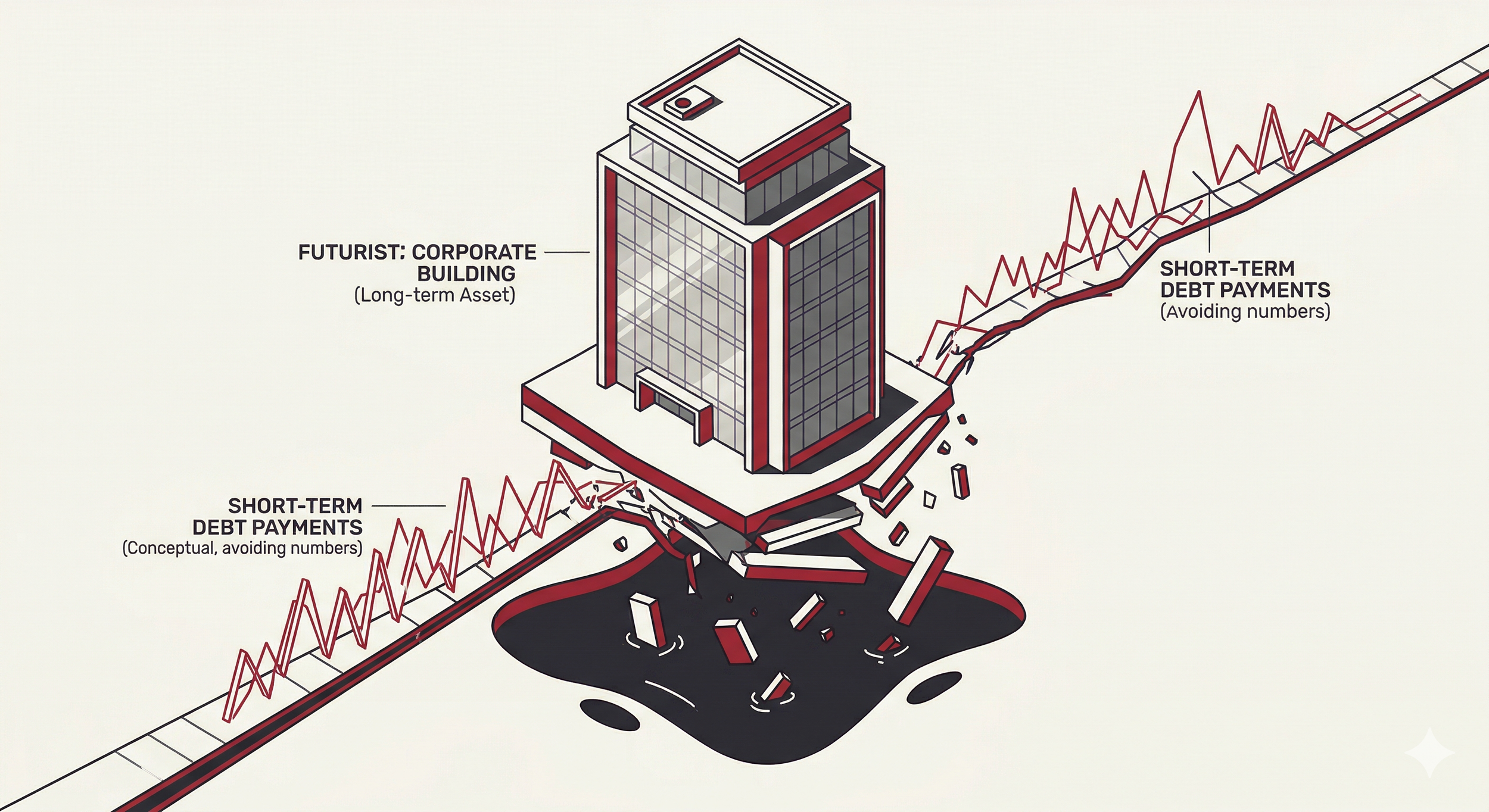
The pressure is magnified exponentially when the business is shackled by aggressive, short-term debt obligations. Capital that matures in a year or less, carrying astronomical annual costs, acts as a silent anchor, dragging down business cash flow, the balance sheet and the mental well-being of the leadership team.
The intersection of financial distress and psychological strain creates a profound emotional toll that reverberates through every aspect of a business owner's life. This is not merely a mathematical problem of revenues minus expenses; it is a daily, visceral experience of anxiety. Aggressive automatic clearing house (ACH) withdrawals systematically drain operating accounts, leaving the founder to agonizingly patch together payroll, vendor payments, and essential operational costs.
The mental bandwidth required to juggle these immediate crises strips away the capacity for strategic foresight, reducing brilliant innovators to panicked firefighters. The capital that was intended to bridge a temporary gap instead becomes a permanent crisis, suffocating the very enterprise it was supposed to save.
Acknowledging the depth of this struggle is the first necessary step toward reclaiming control. By dismantling the stigma associated with distressed balance sheets and aggressive debt, founders can begin to pivot from emotional paralysis to strategic action, ultimately charting a course toward cash flow stabilization and long-term structural health.
The Vicious Cycle of High-Cost Capital
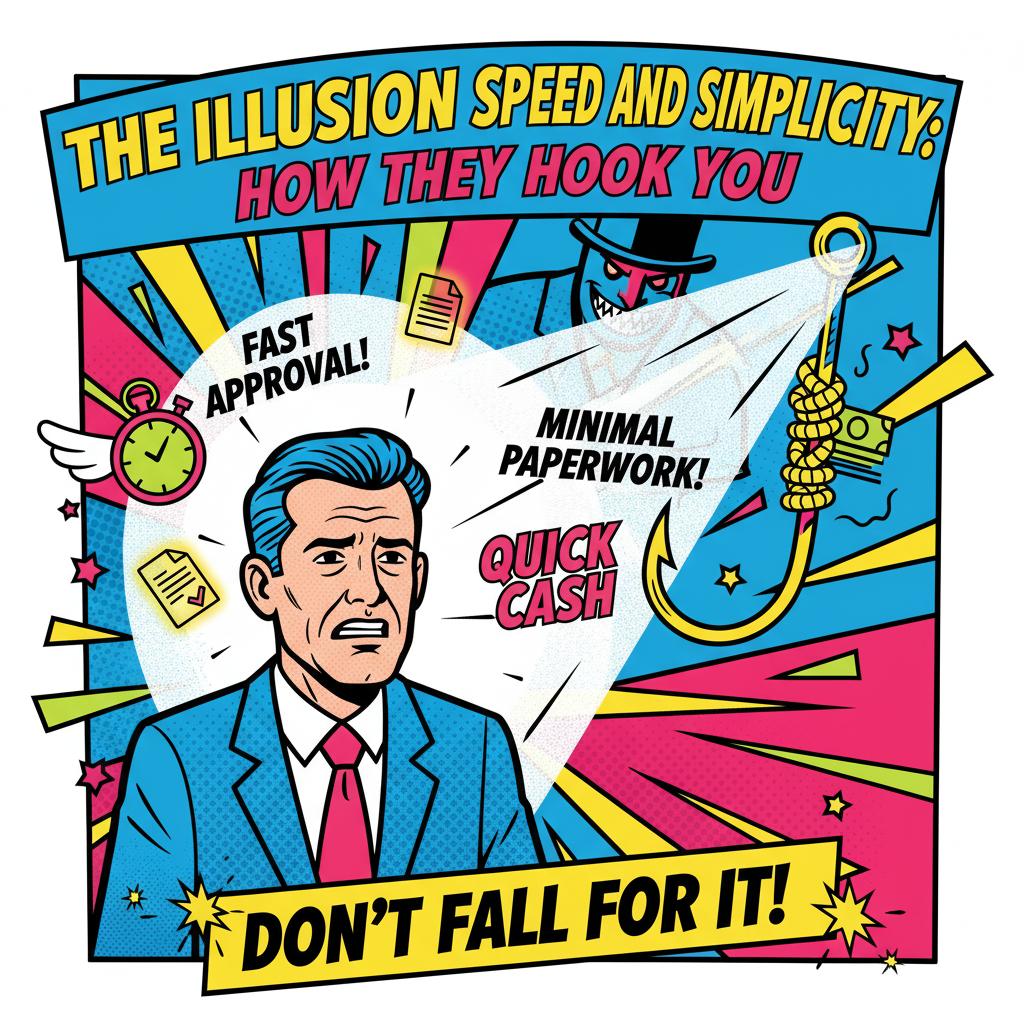
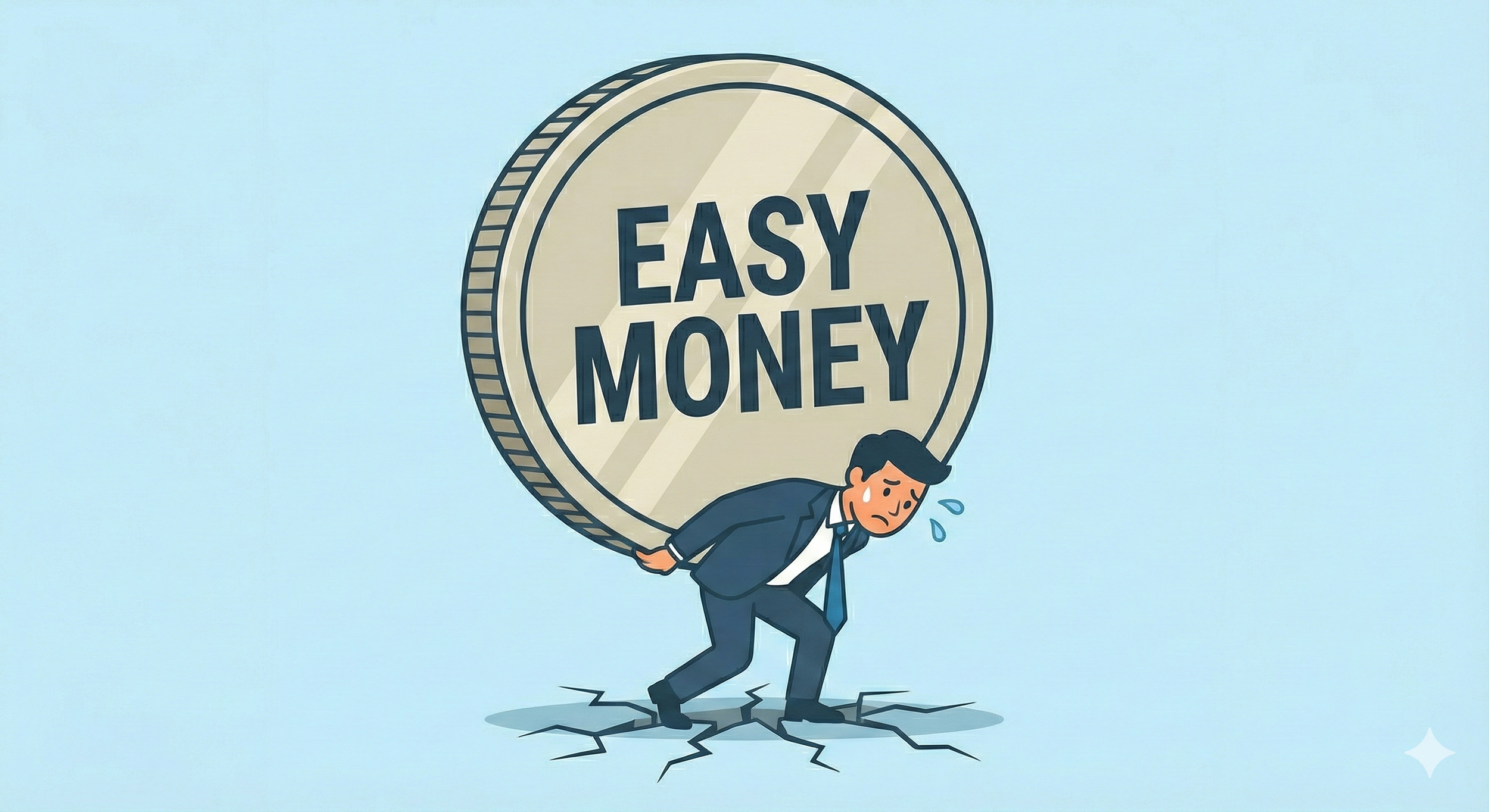
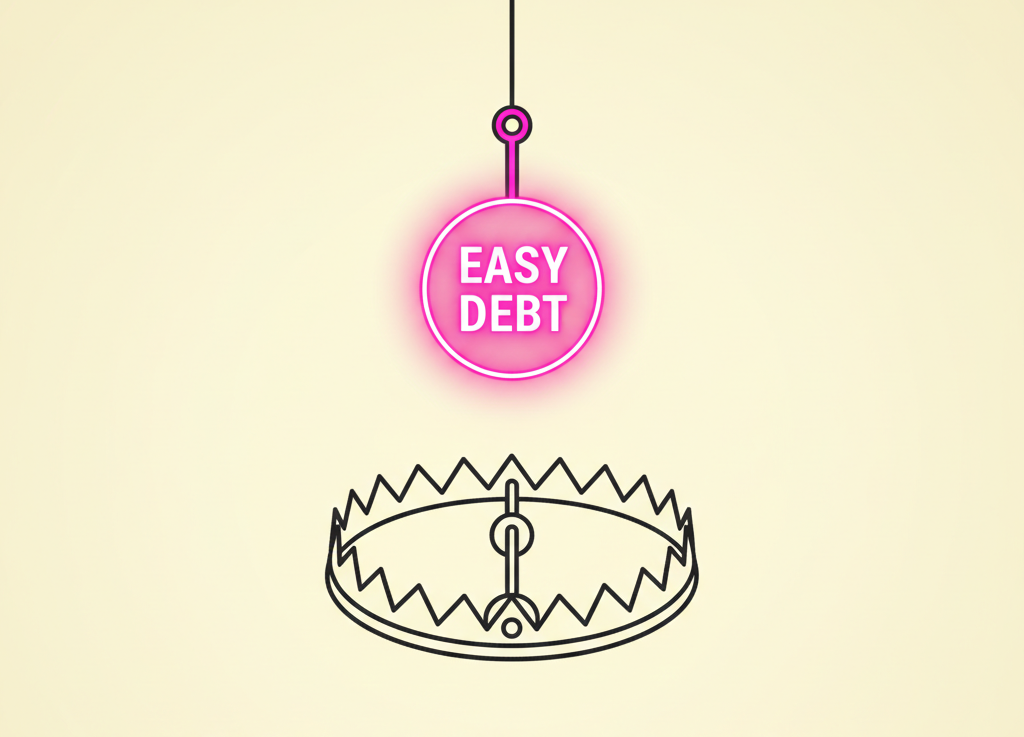
When traditional avenues of financing close their doors, desperate business owners often turn to the alternative lending market. Here, they encounter products such as merchant cash advances (MCAs) and short-term, high-yield loans. These instruments are aggressively marketed as quick, frictionless solutions to temporary business cash crunches. However, the reality of capital that matures in under a year with an annualized percentage rate exceeding 40% is devastating. This is not growth capital; it is survival capital, and it comes at an exorbitant and often fatal cost to the enterprise.
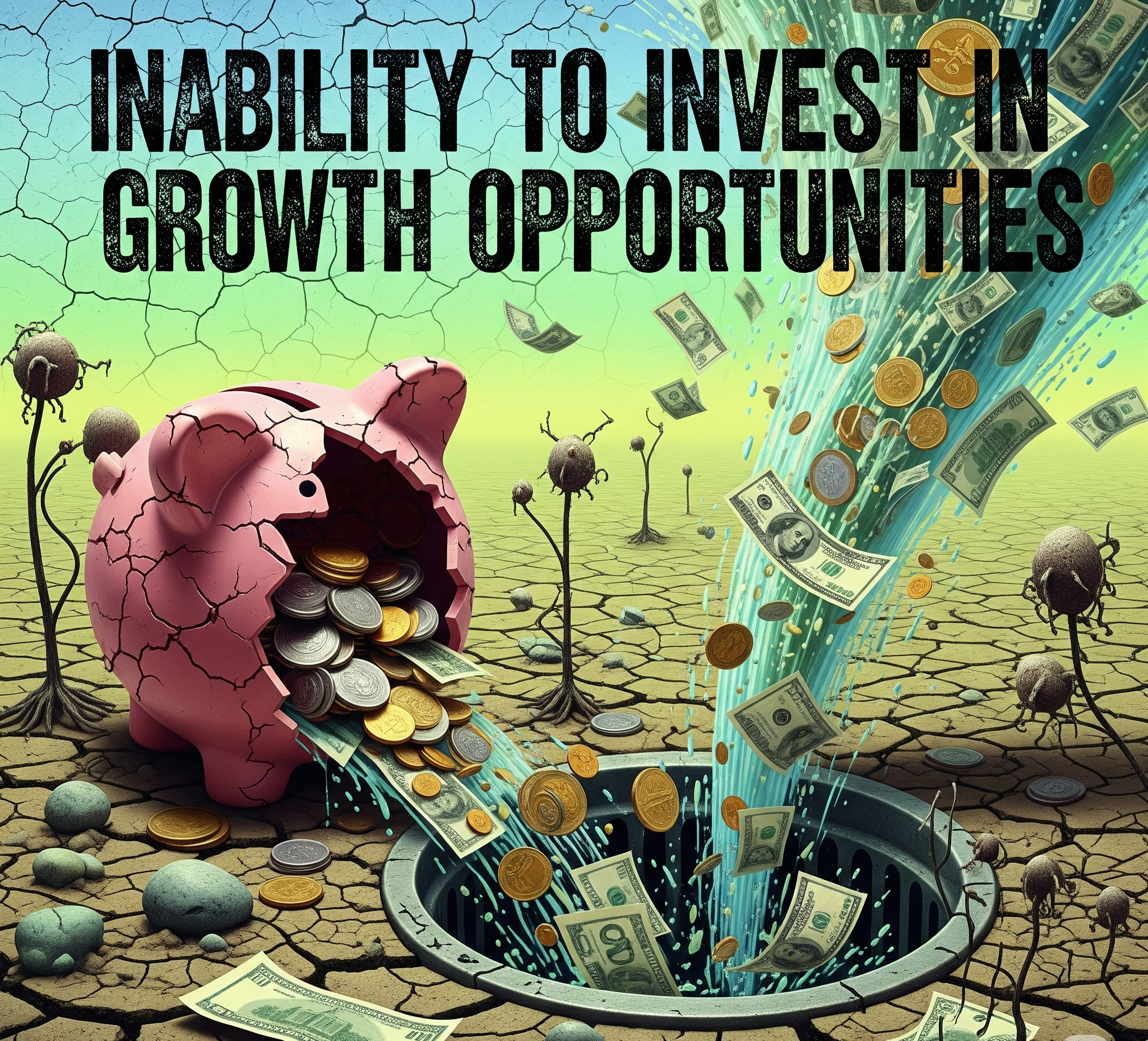
The mechanics of these high-cost business financing structures are designed to ensure the lender gets paid first, regardless of the business's operational health. Through weekly (or even daily) automatic clearing house withdrawals, these lenders siphon a fixed percentage of revenues or a set daily dollar amount directly from the operating account. This aggressive repayment structure completely disregards the natural ebbs and flows of a standard business cycle. Even on days when revenue is zero, the withdrawal hits the account, accelerating the depletion of working capital and pushing the business closer to insolvency.
This relentless cash drain creates a vicious cycle that is nearly impossible to escape through sheer operational effort. Because the cost of capital is so incredibly high, the business must generate margins that are practically unheard of in most industries just to break even on the financing. For example, if a business borrows funds at a 50% annualized rate, they must theoretically generate a 50% return on those specific funds just to tread water. In reality, the funds are usually used to cover past-due payables or payroll, generating zero return, which means the principal and exorbitant interest must be paid out of the already thin margins of future sales.
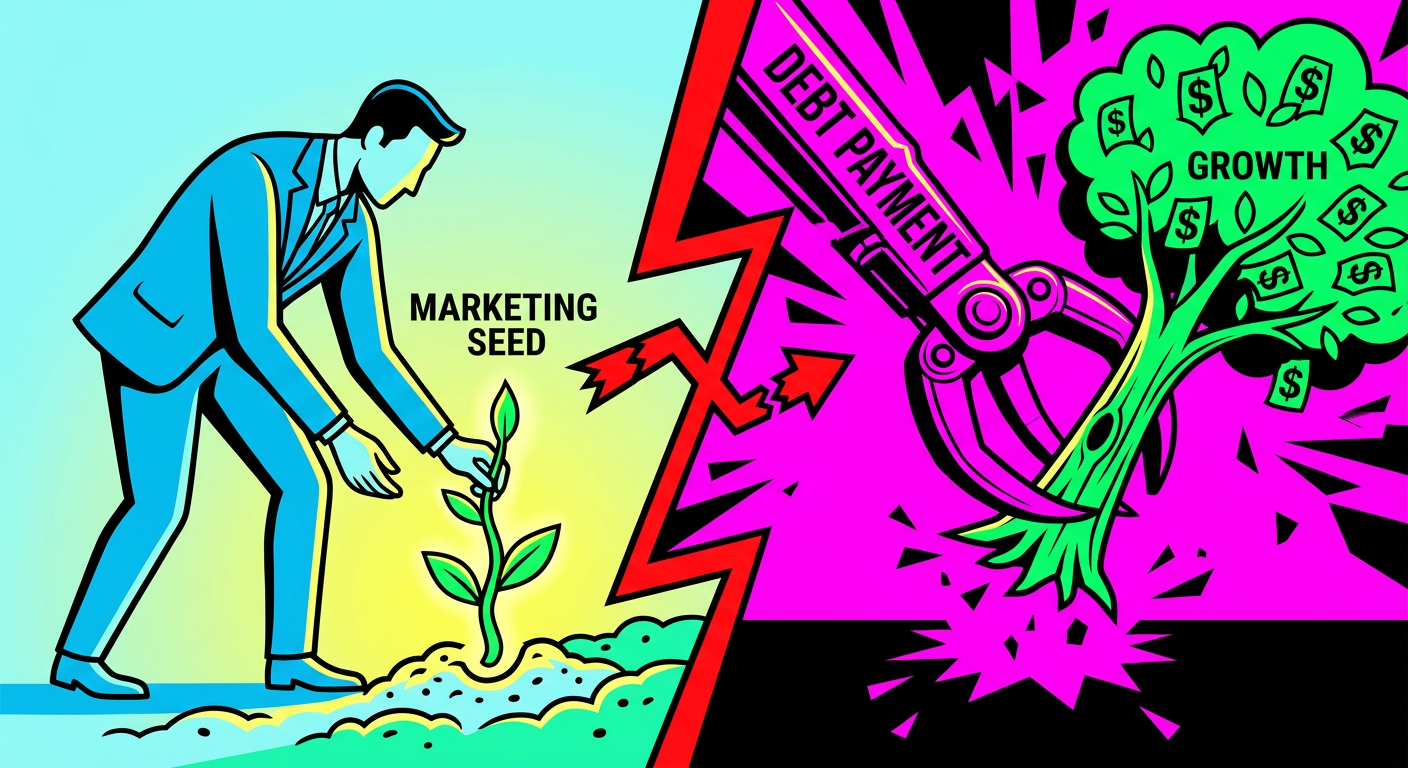
As the aggressive payments consume all available free cash flow, the business finds itself starved of the basic resources needed to operate. This operational starvation leads inevitably to a decline in overall revenue. With revenue falling and fixed ACH debt payments remaining constant, the proportion of income dedicated to debt service skyrockets, tightening the noose around the neck of the business.
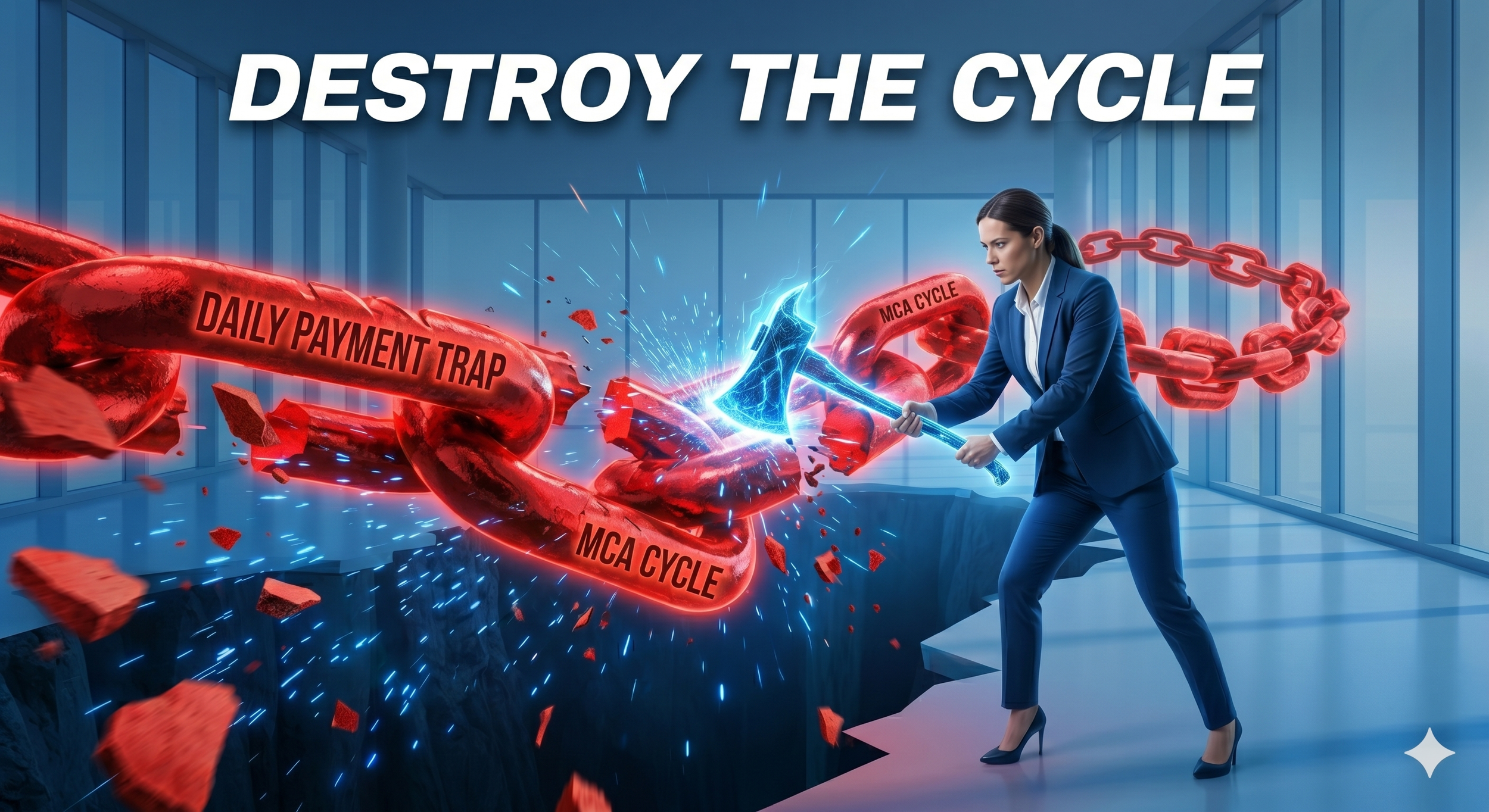
The psychological toll of this cycle is immense. The business owner becomes painfully aware that they are essentially working exclusively for the benefit of the alternative lender. Every sale closed, every contract signed and every ounce of effort expended goes directly to satisfying the aggressive business debt schedule. The entrepreneurial pursuit of building equity and creating wealth is replaced by the grim reality of indentured servitude to a predatory financial structure. Breaking this cycle requires a radical intervention, often involving aggressive debt restructuring and a complete overhaul of the company's capital stack through refinancing of some or all long term liabilities.
Sleepless Nights and the Anatomy of Financial Anxiety
Financial anxiety is not merely a state of mind; it is a profound physiological condition that ravages the body and the brain. For the business owner trapped beneath the weight of high-cost, short-term debt, anxiety ceases to be an occasional visitor and becomes a permanent resident. The constant threat of a bounced payroll, a depleted operating account, or a defaulted payment triggers a perpetual fight-or-flight response. The nervous system is flooded with cortisol and adrenaline, preparing the body for a physical threat that never materializes, but instead manifests as a relentless, gnawing dread in the pit of the stomach.
The most immediate and universal symptom of this financial anxiety is the destruction of sleep. The phenomenon of the 'three in the morning wake-up' is a hallmark of the distressed founder. Exhausted from a day of putting out fires, the owner may fall asleep, only to jolt awake in the dead of night, their mind instantly racing through cash flow projections, vendor apologies and survival strategies. In the quiet isolation of the night, the problems appear insurmountable. The darkness amplifies the fear of failure, the shame of potential bankruptcy, and the terror of letting down employees and family.
This chronic sleep deprivation acts as a massive multiplier for anxiety. Without adequate rest, the brain's ability to regulate emotions, process complex information, and make rational decisions is severely compromised. The business owner becomes irritable, quick to anger and prone to catastrophic thinking. Minor operational hiccups that would normally be handled with ease are suddenly perceived as existential threats. The founder loses the capacity for nuanced thought, viewing every interaction and every decision through the distorted, high-contrast lens of sheer survival.
The physical manifestations of this prolonged stress are profound and dangerous. Business owners grappling with severe cash flow issues frequently report symptoms such as chronic headaches, gastrointestinal distress, elevated blood pressure and a weakened immune system. The body literally breaks down under the weight of the balance sheet. Despite these alarming physical warning signs, the founder often ignores their deteriorating health, convincing themselves that they cannot afford to take a sick day or step away from the helm, further exacerbating the physical toll.
Understanding the anatomy of this anxiety is crucial because it highlights the necessity of treating the financial problem as a holistic crisis. You cannot simply spreadsheet your way out of severe financial distress while ignoring the degraded mental and physical state of the leadership. Stabilizing the business requires simultaneously stabilizing the founder. This means acknowledging the physiological reality of the stress, seeking support, and recognizing that making clear, strategic decisions regarding debt restructuring and balance sheet management is impossible while in a state of continuous panic.
The Ripple Effect on Personal and Family Life
The boundary between a business owner's professional and personal life is notoriously porous even in the best of times. During periods of severe financial distress, that boundary completely collapses. The emotional and mental toll of managing a business strangled by forty percent annualized debt does not stay at the office; it follows the founder home, seeping into the living room, the dinner table and the most intimate personal relationships. The business becomes a black hole, consuming all available emotional energy and leaving nothing behind for spouses, children, and friends.
Spouses and long-term partners are often the primary casualties of this collateral damage. Even if the founder attempts to shield their partner from the grim financial realities, the stress is impossible to hide. The founder becomes physically present but emotionally absent, lost in a labyrinth of cash flow worries. Conversations become strained, intimacy evaporates, and the partner is left feeling alienated and helpless. When the financial truth is finally revealed, often out of necessity when personal assets are required to guarantee business debt, the resulting breach of trust and the sudden shared burden can severely test the foundation of the relationship.
The impact on children can be equally profound. Children are highly perceptive to tension in the household. They notice the hushed, panicked phone calls, the sudden cancellation of family vacations and the pervasive mood of anxiety that permeates the home. The parent who was once engaged, playful, and present is replaced by a distracted, irritable figure who is constantly checking their phone for bank alerts. The business owner, driven by the desire to provide for their family, tragically ends up depriving their family of the very thing they need most: emotional presence and stability.
Friendships and social support networks also wither under the strain. The distressed founder often withdraws from social engagements, partly out of sheer exhaustion and partly out of shame. Watching peers succeed and celebrate milestones becomes painful when one is secretly teetering on the edge of ruin. The founder isolates themselves, cutting off the very support systems that could provide perspective and emotional relief. This self-imposed exile only deepens the sense of despair and the feeling that they are entirely alone in their struggle.
Reclaiming one's personal life requires drawing a hard line in the sand, separating the identity of the individual from the financial state of the business. It requires courageous, honest communication with family members about the reality of the situation, shifting the dynamic from secrecy to a united front. Ultimately, restoring these relationships depends on taking definitive action to resolve the business crisis, whether through aggressive debt restructuring, seeking outside advisory or even accepting a controlled winding down of operations, so that the business stops consuming the life it was meant to support.
The Erosion of Entrepreneurial Vision and Strategic Focus
Entrepreneurship is fundamentally an act of vision. It requires the ability to look at the current market, identify inefficiencies and execute a strategy to create future value. This visionary capacity is the engine of growth for any small to medium-sized enterprise. However, when a business becomes ensnared in high-cost, short-term debt payments, this visionary engine violently stalls. The crushing pressure of negative cash flow forces a catastrophic shift in focus: the founder is dragged from the strategic balcony down into the suffocating weeds of near-term survival.
This erosion of vision happens gradually, then all at once. Initially, the founder may believe that they can manage the high-cost capital while continuing to execute their growth strategy. But as the business debt service begins to consume all available working capital, strategic initiatives are necessarily abandoned. Product development is halted, market expansion plans are shelved and long-term hiring is frozen. The only goal that matters is generating enough cash today to ensure the business opens its doors tomorrow. The visionary leader transforms into a desperate tactician.
Operating in perpetual survival mode profoundly damages the decision-making process. Strategic decisions require patience, capital, and a tolerance for calculated risk. Survival decisions, on the other hand, are characterized by immediate necessity, limited options, and an aversion to any risk that does not guarantee an instant cash return. The founder begins to make choices that are actively harmful to the long-term health of the business simply because those choices generate a small amount of immediate liquidity. They might accept highly unprofitable contracts, deeply discount inventory or alienate loyal customers through aggressive collections.
The loss of strategic focus also demoralizes the broader team. High-performing employees join companies because they believe in the vision and the trajectory of the business. When leadership is exclusively focused on making payroll and servicing toxic debt, the company culture rapidly deteriorates. Employees recognize the stagnation and the underlying panic. Innovation dies, collaboration ceases, and the best talent begins to look for the exit, leaving the founder with an increasingly hollowed-out organization just when they need high performers the most.
Restoring entrepreneurial vision is impossible until the financial hemorrhage is stopped. You cannot chart a course for the future while the ship is actively sinking. Recapturing strategic focus demands a ruthless, objective assessment of the balance sheet. It requires partnering with specialized advisors who can step in, evaluate the debt structure and implement stabilization tactics. Only by offloading the immediate burden of financial survival to a structured process can the founder lift their head, survey the horizon, and begin to act like a visionary leader once again.
The Trap of Chasing Bad Debt with Worse Debt
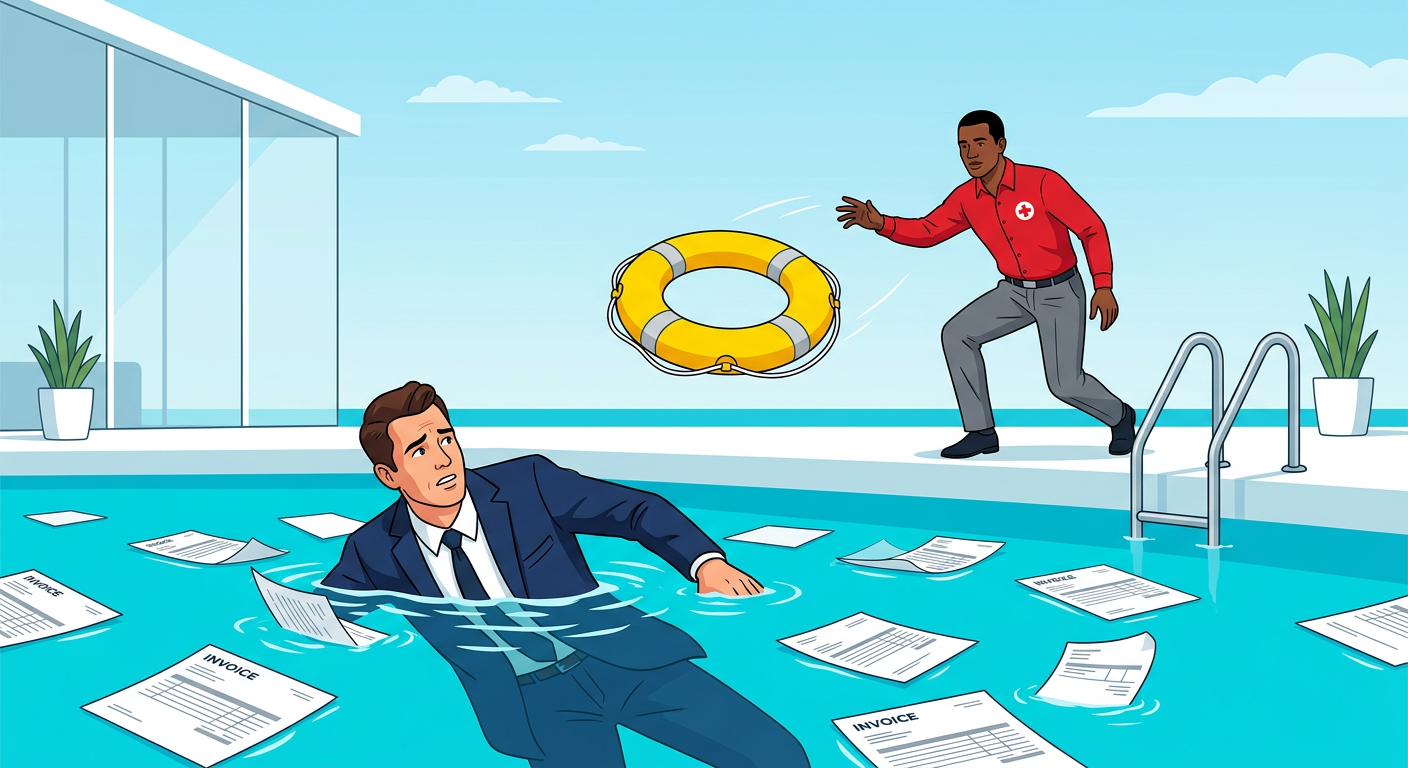
One of the most dangerous psychological phenomena in distressed business finance is the temptation to cure a liquidity crisis by layering on additional, more expensive business debt. This practice, commonly referred to in the alternative lending space as 'stacking,' is a fatal error that accelerates the demise of the enterprise. When the payments of a high-interest loan or merchant cash advance (MCA) begin to strangle the cash flow, the business owner often experiences a moment of sheer panic. In this desperate state, the offer of another rapid funding injection appears as a lifeline, rather than the anchor it truly is.
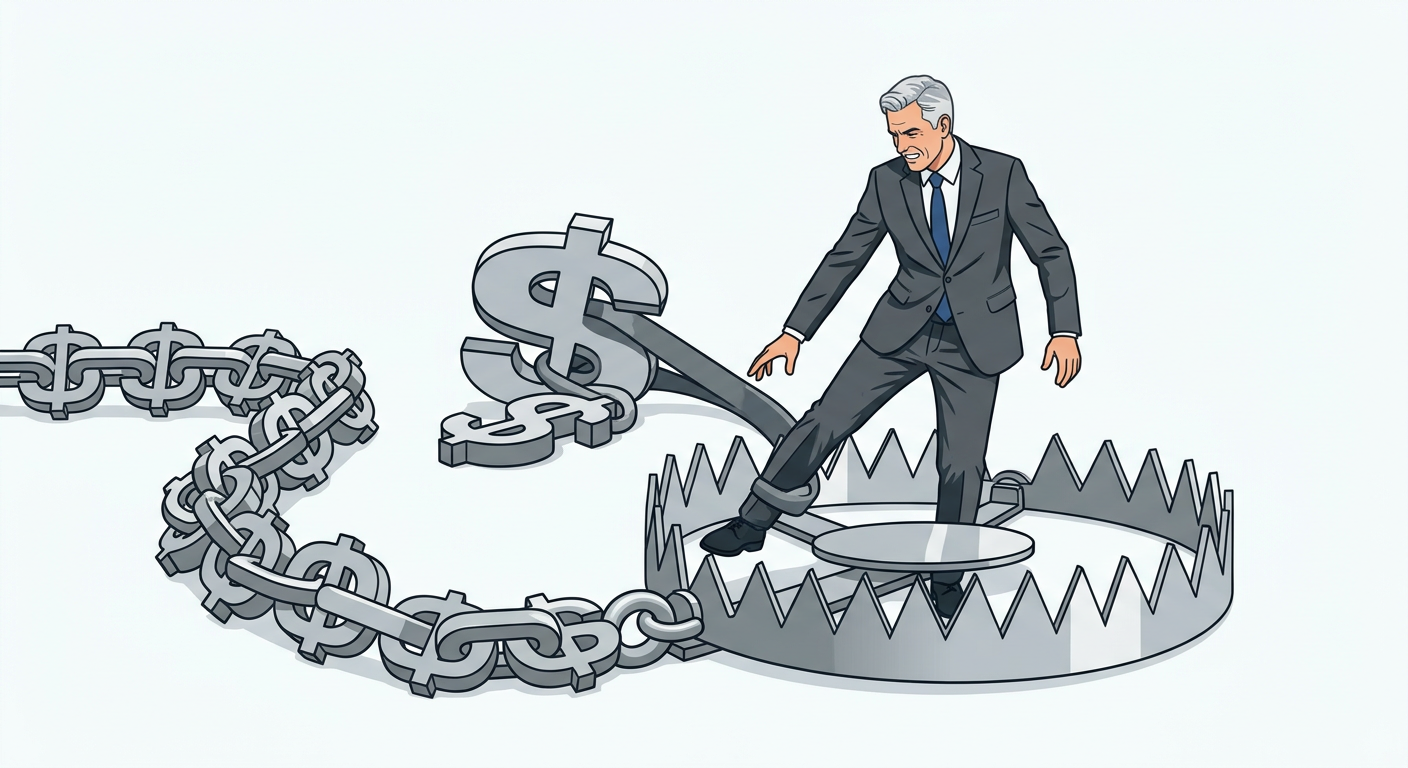
The math behind business debt stacking is inherently destructive. The new advance is typically used to pay off the arrears or the balance of the first advance, leaving very little actual working capital for the business to operate. However, the business is now burdened with the payments of multiple high-interest, short-term obligations. If the company could not generate sufficient free cash flow to service one aggressive loan, it is mathematically impossible for it to service two or three simultaneously. The debt service coverage ratio collapses entirely, and the business enters a terminal cash flow spiral.
Psychologically, taking on a second or third advance provides a fleeting, dangerous sense of relief. The immediate crisis of a bounced payroll is averted, and the operating account temporarily shows a positive balance. The founder experiences a brief dopamine hit, a false confirmation that they have navigated the crisis. But this relief is entirely illusory. The fundamental structural problem, the lack of profitability or the misalignment of the capital stack, has not been addressed; it has merely been compounded and delayed by a matter of months, but more likely weeks or days.
As the multiple ACH draws resume, the reality of the situation rapidly sets in. The business owner realizes they have mortgaged the future of the company for a few weeks of breathing room. The anxiety returns, magnified tenfold, as the required revenue to break even reaches absurd, unattainable levels. The lenders, realizing the risk has escalated, become even more aggressive in their collection tactics, utilizing heavy-handed methods, filing Uniform Commercial Code liens, and freezing bank accounts. The business is no longer operating; it is merely a conduit for transferring capital from its customers directly to its lenders.
Escaping the trap of business debt stacking requires an ironclad refusal to accept any more toxic capital, regardless of the immediate pain. It necessitates a realization that borrowing more money at higher rates to pay off existing high-rate debt is a mathematical impossibility. The only way out is through a comprehensive halt to the borrowing cycle, followed by aggressive negotiation, debt restructuring and a fundamental realignment of the business's expense structure to match its actual, unencumbered revenue generation capabilities.
Reframing Financial Distress and Overcoming Stigma
A massive barrier to resolving severe business debt is the profound stigma and personal shame associated with financial failure. In a culture that idolizes the self-made entrepreneur and celebrates relentless success, encountering severe balance sheet distress feels like a deep, personal moral failing. Business owners internalize the negative cash flow, equating the struggling health of their enterprise with their own worth as individuals. This internalized shame is paralyzing, preventing founders from seeking the help they desperately need until it is entirely too late.
The first step toward recovery is executing a massive cognitive shift: reframing financial distress from a personal failure to a structural mathematics problem. Negative cash flow and unmanageable debt are not indictments of a founder's character, intelligence or work ethic. They are the results of misaligned capital structures, unforeseen macroeconomic shifts, poor initial forecasting or aggressive lending practices. Viewing the crisis objectively, as a puzzle of debits, credits, margins and debt service coverage ratios, strips the emotion away and allows for rational, strategic problem-solving.
Overcoming this stigma requires recognizing how common this situation truly is. The alternative lending industry is a multi-billion dollar sector built entirely on the premise that millions of businesses struggle with working capital and turn to high-cost debt. The founder is not an anomaly; they are participating in a widespread systemic issue within small and medium-sized enterprise finance. Understanding that tens of thousands of capable, brilliant entrepreneurs have walked this exact same path and survived helps to dismantle the isolating walls of shame.
Breaking the silence is a critical component of overcoming the stigma. The founder must be willing to bring the hidden business debt into the light. This means opening the books to qualified professionals such as accountants, specialized turn-around consultants and legal counsel. Presenting a disastrous balance sheet to a professional is terrifying, but it is necessary. Professionals do not view a distressed balance sheet with judgment; they view it with clinical objectivity, assessing the liabilities, evaluating the assets and identifying the levers that can be pulled to restructure the obligations.
By shedding the shame, the business owner reclaims their agency. They transition from a victim of circumstance, hiding from collection calls, to a proactive architect of their own recovery. They can begin to engage with creditors not from a position of cowering fear, but from a position of objective reality, stating clearly what the business can and cannot support. Reframing the narrative from 'I am a failure' to 'My business has a capital structure problem that requires a solution' is the psychological turning point that makes financial recovery possible.
Strategies for Reclaiming Cash Flow and Sanity
Reclaiming the business from the brink of financial disaster demands immediate, decisive, and often painful action. The strategy must be two-pronged: stopping the immediate cash hemorrhage and restructuring the underlying balance sheet to ensure long-term viability. The first step is executing a total freeze on all non-essential expenditures. This is not the time for minor budget trimming; it is the time for a ruthless, line-by-line audit of the profit and loss statement. Any expense that does not directly contribute to immediate revenue generation or core survival operations must be eliminated instantly.
Simultaneously, the business must implement aggressive cash flow management tactics. This involves accelerating receivables by whatever means necessary, offering discounts for immediate payment, relentlessly calling past-due accounts and tightening future credit terms. On the payable side, the founder must transition from passive payer to active negotiator. Communication with essential vendors is critical; explaining the situation transparently and negotiating extended payment terms can free up critical slivers of working capital. The goal is to stretch every dollar, widening the gap between cash coming in and cash going out.
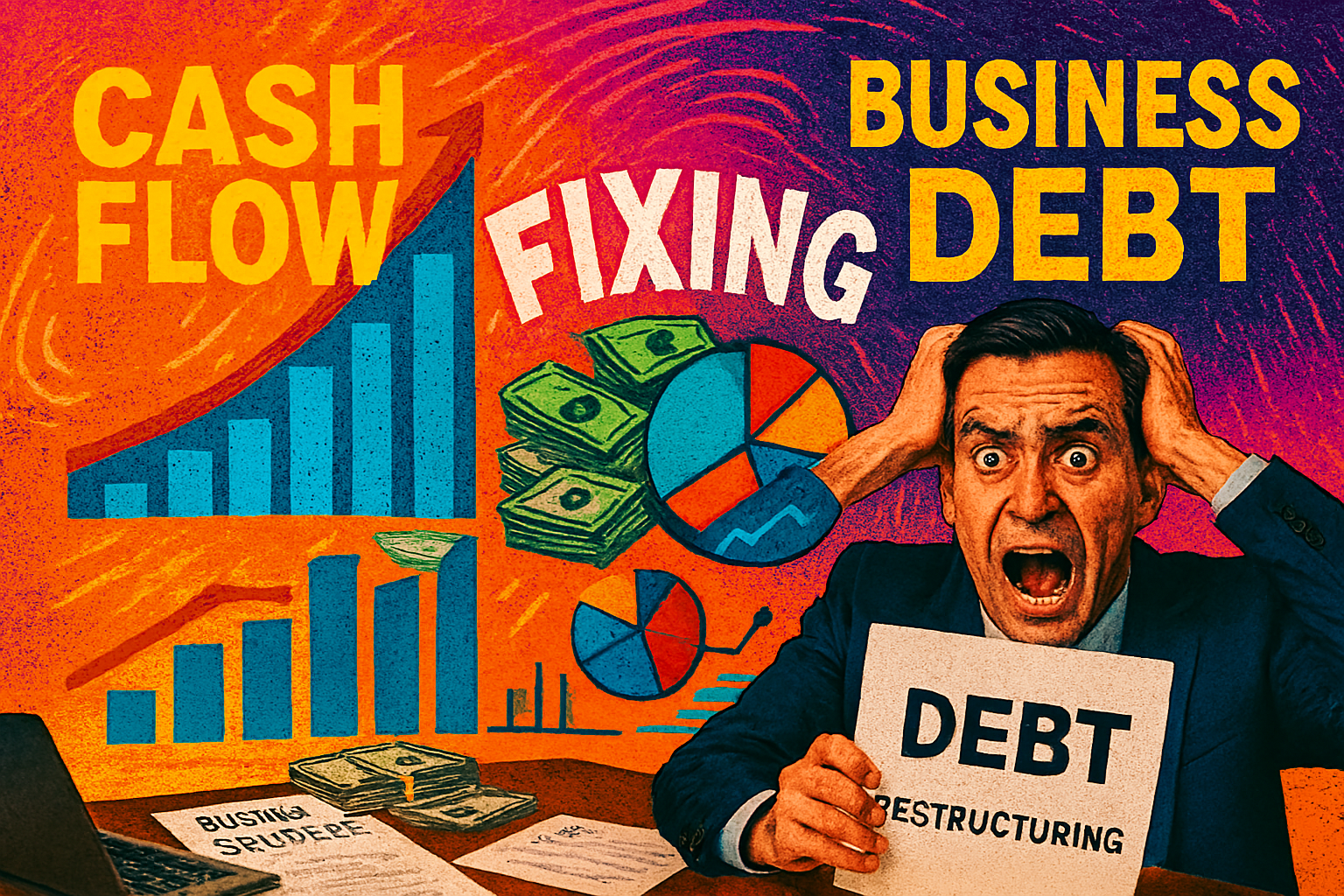
The most critical and complex strategy is confronting the high-cost business debt directly. Continuing to allow aggressive and frequent automatic withdrawals while the business starves is a path to guaranteed ruin. The business owner must engage in aggressive debt restructuring. This often requires the assistance of specialized advisors who understand the specific leverage points and tactics used by alternative lenders. The objective is to restructure or refinance into a longer-term amortization schedule and dramatically lower the effective cost of capital, thereby restoring a functional business debt service coverage ratio.
During this intense restructuring phase, protecting the core revenue-generating engine of the business is paramount. Identify the most profitable products, services, or clients and concentrate all remaining resources on sustaining them. Unprofitable divisions or highly speculative projects must be jettisoned immediately. The business must shrink to its most viable, profitable core. It is far better to operate a smaller, fundamentally sound business than a larger, cash-hemorrhaging enterprise that is collapsing under its own weight.
Finally, reclaiming sanity requires the business owner to establish strict boundaries. The founder must carve out specific times to focus entirely on the financial restructuring and specific times to focus on running the core business. They must also enforce periods of complete detachment to rest and recover. Treating the financial crisis as a project to be managed, rather than a permanent state of being, helps to compartmentalize the anxiety. Implementing these strategies is incredibly difficult, but it is the only viable methodology for moving from reactive panic to controlled, proactive stabilization.
Building a Defensive Moat Against Future Toxicity
Surviving a crisis of high-cost business debt is a monumental achievement, but the work is not complete until the business owner builds structural defenses to ensure it never happens again. The experience of navigating near-ruin must serve as the catalyst for a total transformation of the company's financial philosophy. Building a defensive moat begins with an absolute commitment to cash flow forecasting. The founder must implement robust, granular financial models that project cash positions weeks and months into the future, utilizing conservative revenue estimates and accounting for every single liability.
This forward-looking visibility is the ultimate weapon against toxic capital. High-cost debt thrives on desperation and immediate, unforeseen need. When a business owner can see a potential cash shortfall sixty days in advance, they have the luxury of time. They can secure traditional line-of-credit increases, negotiate with vendors or adjust operational spending long before a crisis materializes. Accurate forecasting transforms cash management from a panicked reaction into a deliberate, strategic discipline, completely removing the necessity for predatory alternative financing.
Furthermore, building a defensive moat requires a fundamental shift in how the business approaches growth and capitalization. The founder must abandon the mindset of growth at all costs and adopt a philosophy of sustainable, profitable scaling. Every new initiative, expansion or hire must be rigorously evaluated against its impact on the balance sheet and its return on invested capital. Growth should be funded by retained earnings or carefully structured, long-term traditional debt, never by leveraging the short-term operational liquidity of the enterprise.
Ultimately, the strongest defensive moat is a pristine balance sheet. By prioritizing debt reduction, building substantial cash reserves and maintaining strict discipline over the profit and loss statement, the business becomes incredibly resilient. A well-capitalized company can weather economic downturns, absorb unexpected shocks and capitalize on market opportunities without ever resorting to the destructive, high-cost capital that nearly caused its demise. The painful lessons of the past become the foundational strength of the future.
The Turning Point Towards Sustainable Stability
The journey from the crushing weight of negative cash flow and aggressive business debt to a state of sustainable stability is grueling, but it is definitively possible. The turning point is rarely a single, dramatic moment of salvation; rather, it is a series of difficult, disciplined decisions executed consistently over time. It begins with the courageous act of facing the exact mathematical reality of the balance sheet, stripping away the denial and acknowledging the depth of the crisis without internalizing the shame.
True stability requires the business owner to transition from isolated panic to collaborative restructuring. Engaging professional financial advisory is not a sign of defeat; it is the hallmark of a mature leader prioritizing the survival of the enterprise. Specialized advisors bring the clinical objectivity, the market knowledge and the negotiation leverage required to untangle the mess of stacked debt, slow down drains on liquidity and architect a viable path forward based on actual enterprise value and realistic cash flow generation.
As the crushing burden of short-term business debt is mitigated through restructuring and refinancing, a profound shift occurs within the leadership. The mental bandwidth that was previously consumed by the sheer terror of meeting payroll is suddenly freed. The founder can breathe. The physical symptoms of extreme financial anxiety begin to subside, and sleep returns. With a stabilized foundation, the entrepreneurial vision that originally built the company is reignited. The focus shifts from surviving the next twenty-four hours to planning the next coming years.
The business that emerges from this crucible is fundamentally different from the one that entered it. It is leaner, more disciplined, and intensely focused on margins, cash reserves, and sustainable growth. The leadership team operates with a deep, experiential understanding of capital structures and risk management. The illusion that revenue solves all problems is replaced by the hard-won knowledge that only positive, unencumbered cash flow guarantees survival. The business is no longer vulnerable to the siren song of quick, toxic capital.
For the business owner currently suffocating under the pressure of high-cost debt, it is critical to understand that the current despair is not a permanent destination. The silent anchor can be cut. By taking decisive action, seeking expert guidance, and committing to a fundamental restructuring of both the balance sheet and the operational mindset, the enterprise can be saved. The emotional toll will heal, the personal relationships can be repaired and the business can once again become the engine of wealth, pride and freedom it was always meant to be.