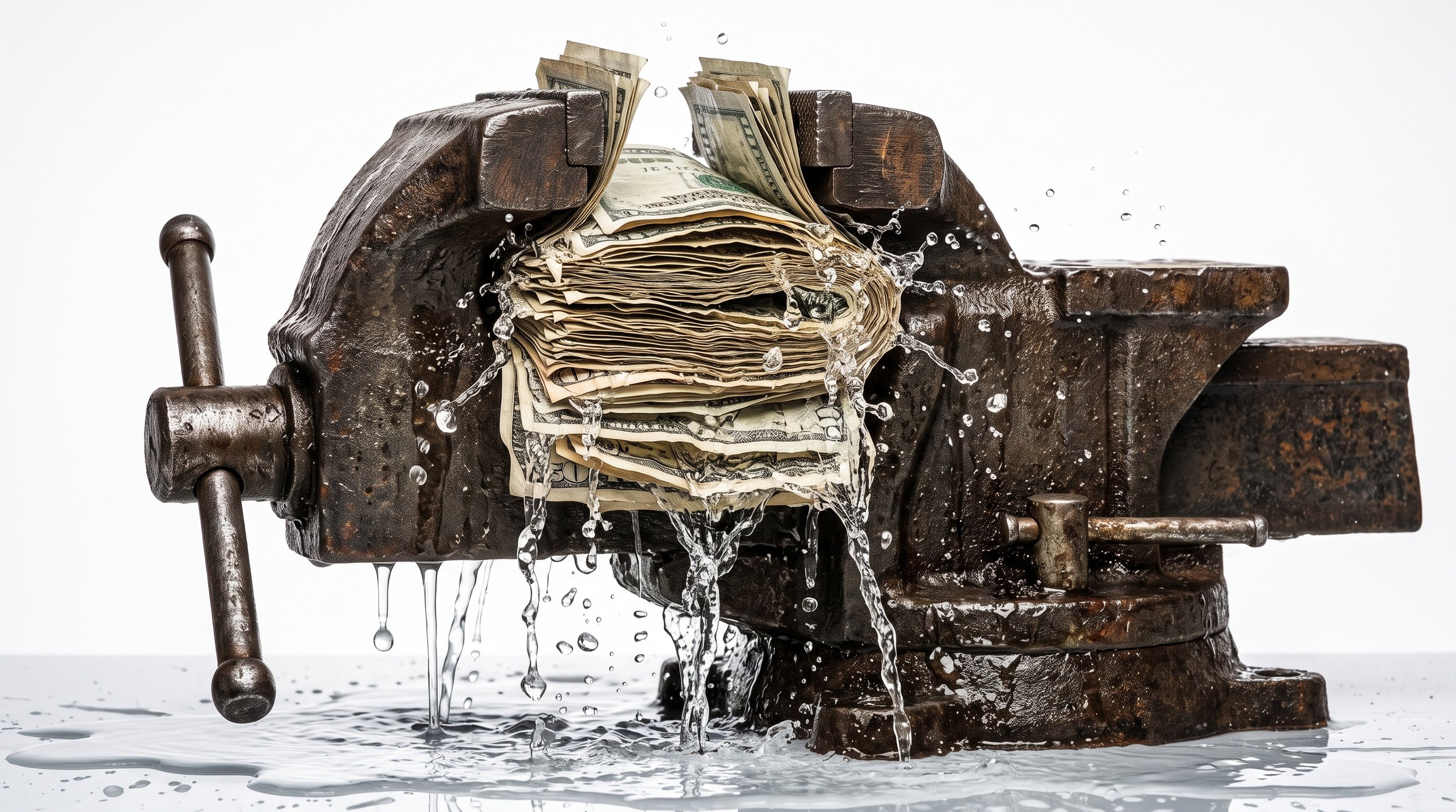
Your business might be profitable on paper and you still feel broke every single week. If that sounds familiar, the problem may not be your sales, your margins or your work ethic. It may be the shape and structure of your business debt.
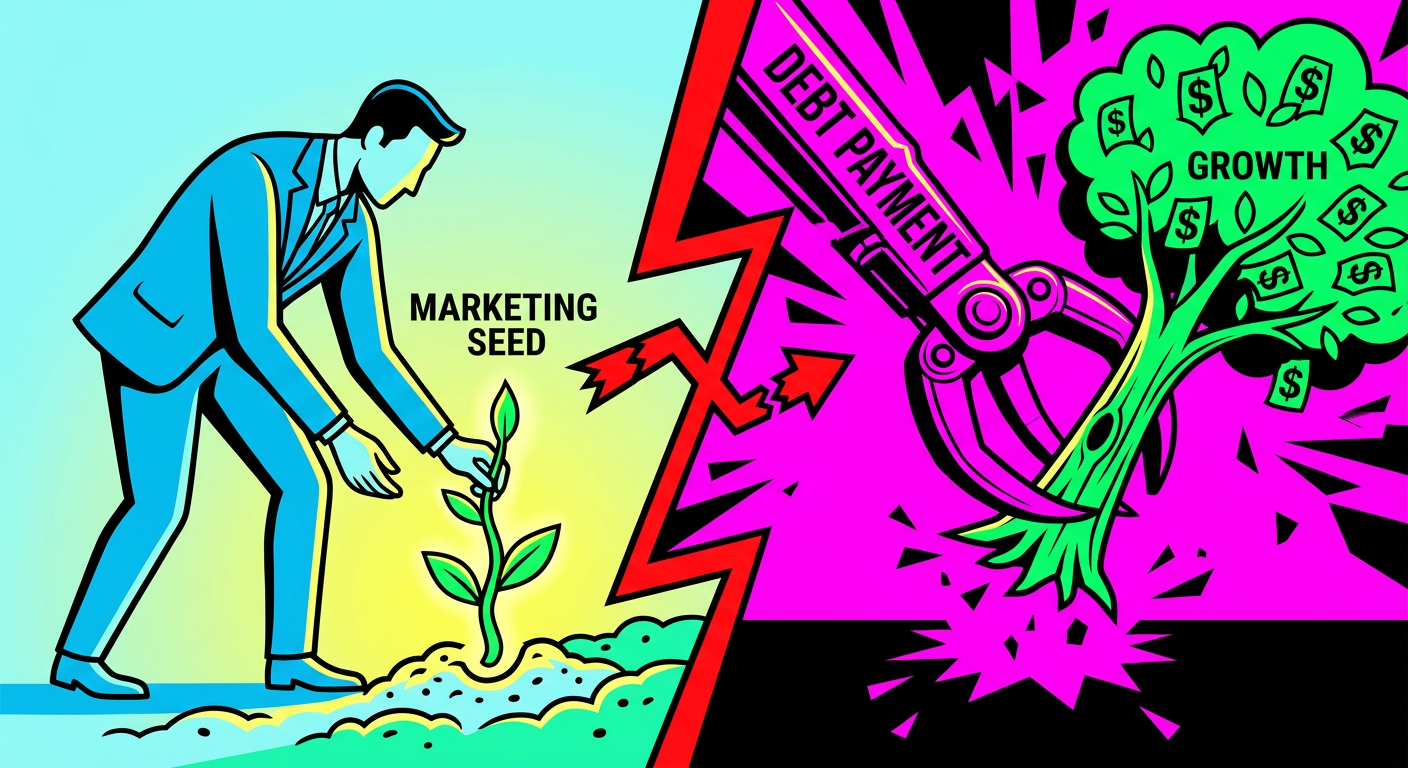
When business loans and advances are structured to be paid back faster than the money they fund can earn a return (ROI), every payment pulls cash out of business operations before it has a chance to do its job. Payroll gets tight, suppliers wait and owners start borrowing again just to cover the last loan payments.
The good news is that this is a structural problem, and structural problems have structural fixes. This article explains how short-term business debt payback creates business cash flow strain, how to spot it in your own numbers and what practical steps you can take to restore breathing room and get your business back on solid ground.
Profitable but Always Short on Cash
One of the most frustrating experiences a business owner can have is looking at a profit and loss statement that shows healthy net operating income, then opening the bank account and finding barely enough cash to make payroll. Many owners assume something is wrong with their accounting, or that they are simply bad with money. In reality, the gap between profit and cash is one of the most common and least understood problems in small and medium-sized businesses.
Profit is an accounting measurement. It tells you whether your revenue exceeds your expenses over a period of time. Business cash flow is something different. It tells you whether money is actually arriving in your account in time to pay the bills that are due. A company can be profitable for the year while running out of cash in March, because the timing of money coming in does not line up with the timing of money going out.
Business debt repayment sits right at the center of this mismatch. Here is something many owners do not realize: the principal portion of a loan payment does not show up as an expense on your profit and loss statement. Only the interest does. So if you are paying back a large loan quickly, your income statement can look great while your bank balance quietly drains away. The principal payments are real cash leaving the business, but they are invisible in the report most owners rely on to judge how they are doing.
When business debt is structured with a short payback period, those principal payments are large and frequent. A loan that might comfortably be repaid over two, three or five years is instead squeezed into 12 or 18-months. The business may be growing, customers may be happy, and margins may be solid, yet the owner feels like they are constantly running uphill.
Understanding this distinction is the first step toward fixing it. If your business is profitable but always short on cash, do not start by cutting staff or slashing prices. Start by looking at how much cash flow is going out the door every month to repay business debt, and ask whether that schedule actually makes sense for what the money was used to finance.
The Matching Principle Every Owner Should Know
Bankers, chief financial officers, and experienced lenders follow a simple rule of thumb that many business owners have never been taught. It is sometimes called the matching principle, and it says this: the repayment term of a loan should match the useful life of the thing the loan pays for.
If you borrow to buy inventory that you will sell within sixty days, short-term financing makes sense. The inventory turns into cash quickly, and that cash repays the loan. If you borrow to buy a delivery truck that will serve your business for seven years, it makes sense to pay for that truck over several years, because it will generate value for several years. If you borrow to buy a building, a long mortgage matches the long life of the property.
Trouble starts when this principle is broken. Imagine a landscaping company that borrows money to buy a new mower fleet and trailers that will last for many seasons. If the owner finances that equipment with a twelve-month loan or, worse, an aggressive-payback advance, the business must generate the entire cost of the equipment in a single year, on top of covering wages, fuel, insurance, and the owner's own income. The equipment is still producing value years later, but the cash to pay for it had to come out almost immediately.
The same mismatch happens when owners use short-term money to fund long-term growth projects. Opening a second location, hiring a new sales team, launching a new product line, or upgrading software systems are all investments that pay off over-time. They rarely return their full cost in a few months. Funding them with business debt that must be repaid in months instead of years creates a gap that the existing business has to fill.
Breaking the matching principle is not always a sign of bad judgment. Often, it happens because the owner needed money quickly and took whatever was available. Traditional bank loans can be slow, and fast financing options are aggressively marketed. But once you understand the principle, you can evaluate every financing decision through this lens: how long will this investment take to pay for itself, and does my repayment schedule give it that much time?
How Short-Term Business Debt Ends Up on Your Books
Most business owners do not set out to load their companies with short-term debt. It tends to accumulate gradually, often during moments of stress or opportunity when speed matters more than structure.
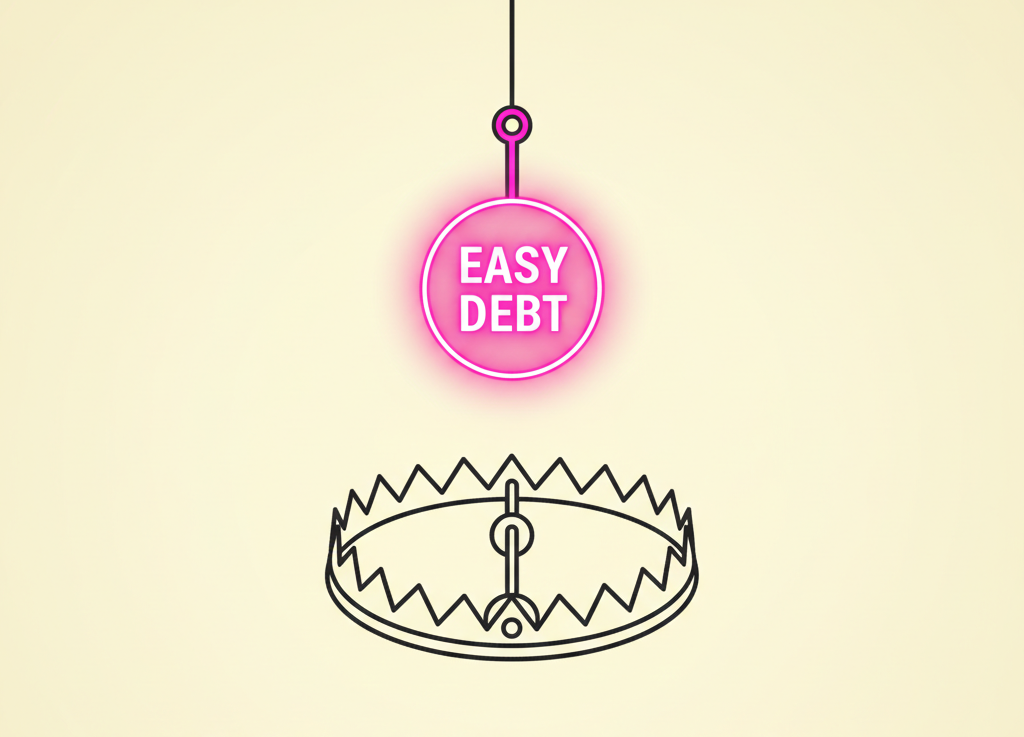
One common path is the fast online loan. These products are designed to be convenient, with simple applications and approvals that may come within a day or two. That convenience often comes with shorter terms and higher costs than a more reasonable or traditional loan. For an owner facing an urgent need, the trade-off can seem worth it in the moment.
Another frequent source is the merchant cash advance (MCA). Rather than a traditional loan, the business sells a portion of its future receivables in exchange for a discounted lump sum today. Repayment is typically collected as a percentage of sales ACH withdrawal from the bank account. Because collections begin almost immediately and continue at a high frequency, these arrangements can put intense pressure on daily business cash flow.
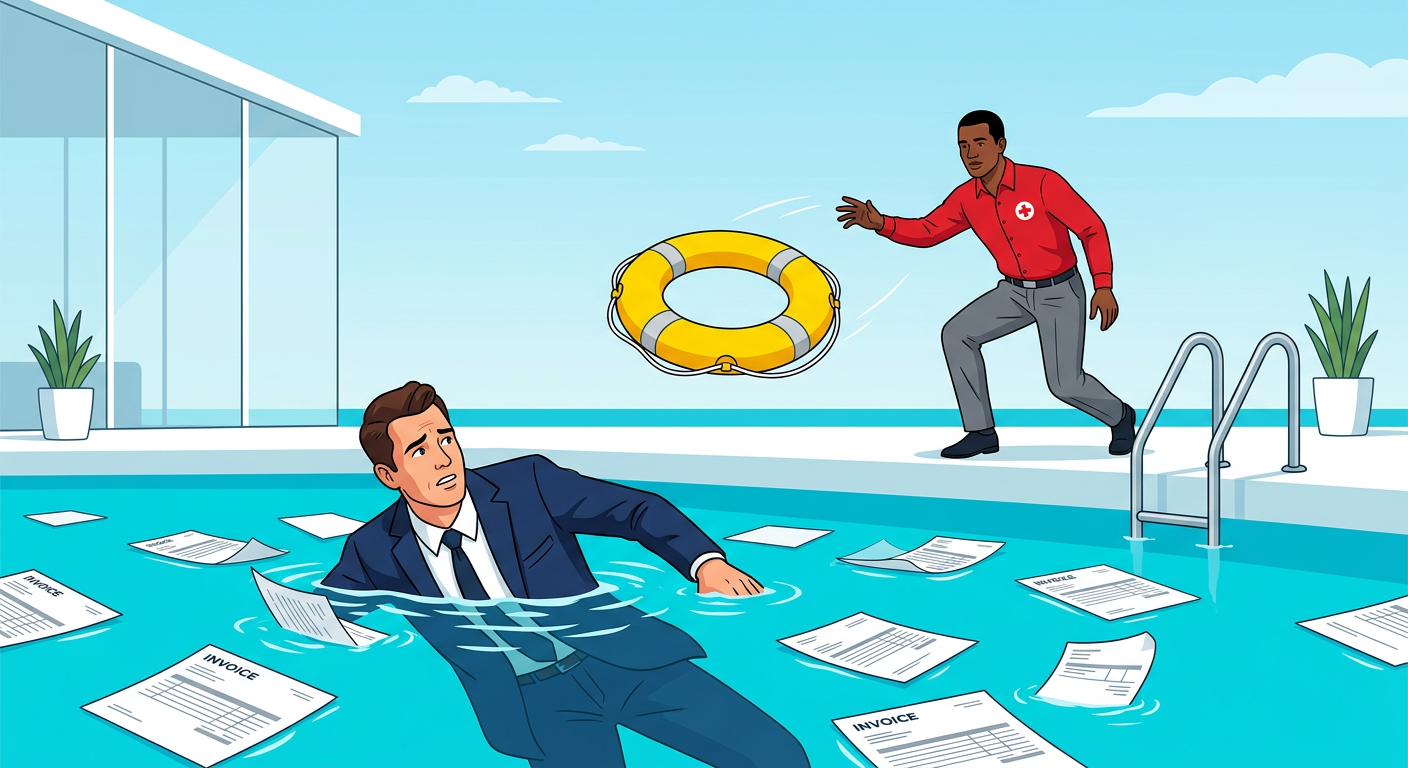
Business credit cards and lines of credit also play a role. A revolving line of credit is a useful tool when used to bridge short gaps, such as waiting for a customer to pay an invoice. Problems arise when the line is used to fund long-term purchases and then stays maxed out month after month. Credit cards used the same way can carry high rates that make the balance stubbornly hard to reduce.
Finally, there is business debt stacking. This happens when a business takes on a second or third short-term obligation to cover the payments on the first. Each new advance or loan may solve this week's shortfall, but it adds another set of withdrawals to future weeks. Business debt stacking (or transactional financing) is one of the clearest warning signs that the business debt structure has become unsustainable, because the business is now borrowing to service borrowing rather than to invest in growth.
Recognizing how the business debt arrived is useful, not to assign blame, but to understand what needs to change. If most of your obligations came from urgent, fast-funded sources, that tells you the business may need a more planned approach to financing going forward, including relationships with lenders who offer longer, more appropriate terms.
The Real Cost of Aggressive Business Debt Payments
Payment frequency is one of the most overlooked factors in business debt. Two loans with similar total costs can feel completely different depending on how often the lender collects.
When payments are monthly, a business has time to collect receivables, sell inventory and accumulate cash before the payment is due. The owner can plan around a predictable date. When payments are taken daily or weekly, that planning window disappears. Money leaves the account before slow-paying customers settle their invoices and before seasonal revenue has a chance to arrive.
Frequent payments also make the true cost of borrowing harder to see. Some short-term financing products quote costs using a factor rate or a flat fee rather than an annual percentage rate. A fee that sounds modest can translate into a very high annualized cost when the term is only a few months and the balance is being repaid from day one. Because you are paying down principal so quickly, you have the full amount for only a short time, yet you pay a fee calculated as if you had it the whole term.
There is also a hidden operational cost. When an owner is constantly watching the bank balance to make sure the next automatic withdrawal will clear, attention is pulled away from sales, customer service and strategy. Overdraft fees and returned payment charges can pile up. Relationships with vendors may suffer when bills are paid late. The stress affects decision-making, and owners under pressure are more likely to accept another expensive advance just to make the problem go away for a few weeks.
If your business is carrying business debt with aggressive collections, take the time to calculate how much leaves your account every month in total. Many owners are surprised when they add it up. That monthly figure is the number you need to compare against your operating cash flow to see whether the structure is truly workable.
Warning Signs Your Business Debt Schedule Is Too Aggressive
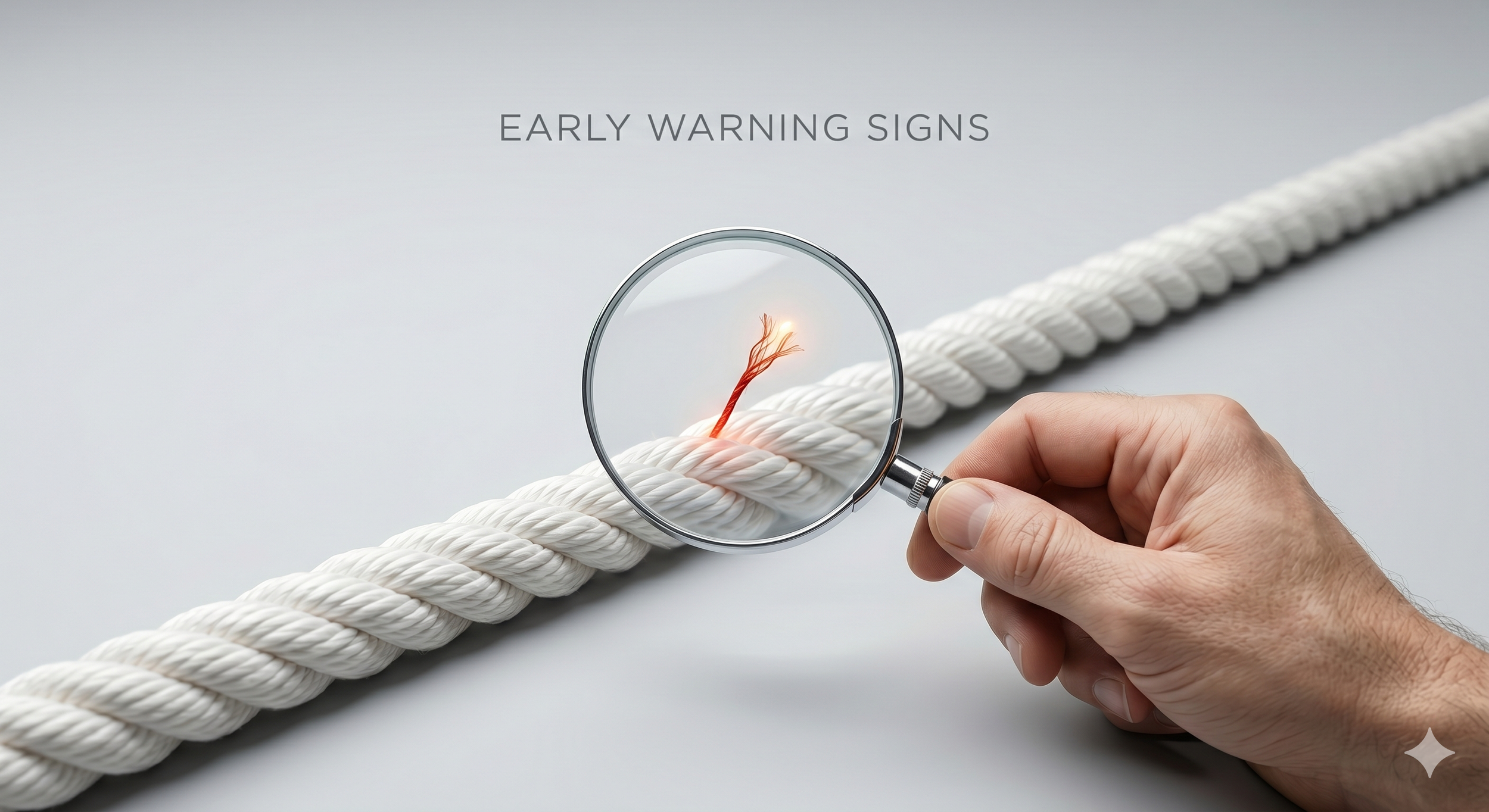
Business cash flow problems caused by short-term business debt rarely announce themselves all at once. They tend to build slowly, and the early signs are easy to dismiss as a bad week or a slow month. Learning to recognize the pattern can help you act before the situation becomes a crisis.
One of the first signs is a shrinking cash cushion despite steady sales. If revenue is holding level or even growing, yet the low point in your bank balance each month keeps getting lower, business debt payments may be consuming more than the business can comfortably generate.
Another signal is stretching your payables. When you start paying suppliers later than you used to, or asking for extended terms you never needed before, you are effectively borrowing from your vendors to cover other obligations. This can damage relationships and may cost you early payment discounts.
Watch for delayed owner pay. Many small business owners quietly skip their own paycheck when cash is tight. Doing this occasionally during a seasonal dip is normal. Doing it month after month while the business appears profitable is a strong indicator that cash is being drained elsewhere, often by business debt service payments.
A fourth sign is reliance on new financing to cover existing payments. If you have accepted a new advance or drawn heavily on a business credit line primarily to keep up with other loan payments, the business debt structure is no longer supporting your business. It is consuming it.
Finally, pay attention to how you feel when you look at your account. Owners who find themselves checking the balance several times a day, dreading certain days of the week, or losing sleep over automatic withdrawals are often experiencing the human side of a structural problem. That stress is information. It is telling you that something about the way money moves through your business needs to change.
A simple measure many lenders use is the debt service coverage ratio (DSCR). It compares the cash your business generates from operations to the total debt payments you must make over the same period. When the cash generated comfortably exceeds the payments, the business has a cushion. When the two numbers are close, or payments exceed cash generated, the business is operating with little or no margin for error. Even a rough version of this calculation can be eye-opening.
Taking an Honest Inventory of What You Owe
Before you can fix a business debt structure, you need to see it clearly through a formal debt schedule. Many owners carry a general sense of what they owe but have never laid every obligation side by side. Doing so is often the most valuable single step in regaining control.
Start by listing every debt the business carries. Include bank loans, equipment financing, lines of credit, credit cards, merchant cash advances (MCAs), online loans, loans from family or partners, and any tax payment plans. For each one, write down the original balance, current balance, the payment amount, how often the payment is made, the remaining term, the interest rate or fee structure, and whether a personal guarantee or collateral is attached.
Next, convert every payment to a monthly figure. A daily payment taken on business days can be multiplied by the average number of business days in a month. A weekly payment can be multiplied by roughly four and one third. Adding these together gives you your total monthly debt service, which is the number that matters most for cash flow.
Then note what each business debt was used for (“source and uses”). Was it equipment, inventory, payroll during a slow season, a buildout, or covering another loan? This step brings the matching principle back into focus. You may discover that long-life assets are being paid off with short-term money, or that some business debt exists only because of earlier business debt structures that favor the lender, and not the business.
Finally, compare your total monthly debt service with your average monthly cash flow from operations, meaning the cash the business generates before it makes debt payments but pays all of its operating expenses. If business debt service takes up a large share of that number, you have identified the source of your cash strain. Lay out the next twelve months on a simple calendar or spreadsheet and mark when each obligation ends. Sometimes relief is closer than it feels, because a large payment may be ending in a few months. Other times the inventory reveals that the pressure will continue unless something changes.
This inventory is also exactly what a lender, advisor or consolidation partner will ask to see. Having it ready shows that you understand your situation and makes every conversation that follows more productive.
Restructuring and Refinancing Business Debt Into A Longer-Term Payback
Once you understand your business debt, the most powerful fix for a short-term payback problem is often to stretch the repayment period so it better matches the life of what you financed and the cash flow cycle (cash conversion cycle) of the business. This is the core idea behind refinancing and consolidation – to matchup a mismatched amortization of business working capital debts.
Refinancing means replacing an existing loan with a new one on different terms. If you have a high-cost, short-term obligation, replacing it with a longer-term loan can dramatically reduce your monthly payment and can cut your cost of capital by 50% to 90%. For a business struggling with cash flow, a lower and more predictable total monthly payment can be worth far more than a small difference in total cost, because it keeps the doors open and frees up cash flow to reinvest in operations.
Business Debt Consolidation combines multiple business debts into a single loan or credit facility with one payment to one creditor. For businesses that have stacked several advances or short-term loans, business debt consolidation can replace a confusing mix of daily, weekly, and monthly withdrawals with one manageable monthly payment. It also simplifies planning, reduces the chance of missed payments, and makes it easier to see the true cost of borrowing.
Be realistic about qualification. Lenders offering longer terms will look at your credit, your time in business, your cash flow and your existing obligations. A business carrying several merchant cash advances may find that some lenders hesitate. This is exactly why the business debt inventory matters. Showing a clear picture, a plan, and the cash flow that will support a single restructured balance sheet and support business debt service payments can make a meaningful difference in how lenders respond.
Negotiating With the Lenders You Already Have
Refinancing is not the only path to relief. In many cases, the lenders you already work with may be willing to adjust terms, especially if you approach them early and professionally rather than waiting until you have missed payments.
It helps to understand the lender's perspective. A lender wants to be repaid. A business that collapses under its business debt load often repays far less than one that is given a workable schedule. Many lenders would rather modify an agreement than pursue collections, legal action or default proceedings, all of which are costly and uncertain for them as well.
When you reach out, come prepared. Bring your business debt schedule, recent bank statements, a simple cash flow forecast, and a clear explanation of what has changed, and the plan to get through current issues.
Then make a specific request. You might ask for a temporary reduction in payment amount, a switch from daily to weekly or monthly collections, an extension of the remaining term, a short period of interest-only payments, or a pause during a known seasonal slowdown. A specific, reasonable proposal is far more likely to be accepted than a general plea for help.
With merchant cash advance (MCA) providers, it is worth reviewing your agreement for reconciliation provisions. Some agreements tie collections to a percentage of actual revenue and allow the business to request an adjustment when sales decline. If your withdrawals are fixed but your sales have dropped, ask whether a reconciliation is available under the contract.
Keep every agreement in writing. Verbal promises can be forgotten or disputed, and you want a clear record of new payment amounts and dates. If negotiations become complicated, or if a lender is threatening aggressive action, consider involving an attorney or a qualified business debt advisor who understands commercial agreements. Professional guidance can be especially valuable when personal guarantees are involved, because the stakes then extend beyond the business to your personal finances.
Most importantly, do not go silent. Lenders who hear nothing tend to assume the worst. Lenders who receive a call, a plan, and regular updates are much more likely to work with you.
Building Business Cash Flow Habits That Protect Your Business
Fixing your business debt structure creates breathing room. Strengthening your cash management habits makes sure that breathing room lasts. The two efforts work best together.
Start with a rolling 13-week cash flow forecast. Unlike a budget, which estimates income and expenses over a year, a cash flow forecast tracks when money will actually move in and out of your account, week by week, for the next thirteen weeks or so. Update it every week. This simple tool lets you spot shortfalls before they arrive, giving you time to act rather than react.
Look closely at how quickly you collect from customers. Sending invoices promptly, offering convenient payment methods, setting clear terms, and following up consistently on overdue accounts can bring cash in faster. Some businesses offer a small discount for early payment or require deposits on large jobs. Every day you shorten your collection cycle is a day of cash you do not have to borrow.
Build a reserve whenever you can. Even a modest cash cushion set aside in a separate account can be the difference between riding out a slow month and reaching for another expensive advance. Many owners find it helpful to automatically move a small percentage of every deposit into this reserve so it grows steadily without requiring constant decisions.
Finally, separate short-term and long-term needs in your own planning. Use a line of credit for brief gaps that will close quickly, such as waiting on a large invoice, and pay it down as soon as the cash arrives. Plan long-term investments in advance, and seek financing for them with terms that match their useful life. This discipline keeps you aligned with the matching principle and prevents the cycle from starting again.
Moving Forward With a Cleaner Business Debt Strategy
Business Debt is not the enemy of a small business. Used wisely, reasonably-priced and structured correctly, it is one of the most effective tools available for growth. It can help you buy equipment, hire talent, open new locations and seize opportunities that would otherwise pass you by. The problem is not borrowing itself. The problem is borrowing on terms that do not fit the purpose.
When business debt repayment schedules are too short, they drain business cash flow faster than the business can replace it. Owners feel the strain as tight payrolls, stretched suppliers, skipped paychecks and constant worry. Left unaddressed, this pressure can push a healthy business toward stacking more business debt, damaged relationships, and in serious cases, closure. But because the cause is structural, it can be addressed with deliberate, structural solutions.
Begin by understanding the difference between profit and cash, and by applying the matching principle to every financing decision. Take an honest inventory of everything you owe and calculate your real monthly business debt service. Explore refinancing and consolidation to stretch payments into a more sustainable shape. Talk openly with your existing lenders before problems become defaults. And build the cash management habits that will keep your business resilient for years to come.
You do not have to work through this alone. Business debt advisors, accountants, and lenders who specialize in small and medium-sized businesses see these situations every day and can help you evaluate your options with clear eyes. Reaching out for help is not a sign of failure. It is a sign that you are treating your business like the valuable asset it is.
The sooner you act, the more options you will have. A business debt structure that fits your business is not just a financial improvement. It gives you back the time, focus and confidence to do what you started your business to do in the first place, which is serve your customers and build something that lasts, not work to pay a lender.

More Business Finance and Strategy Articles: