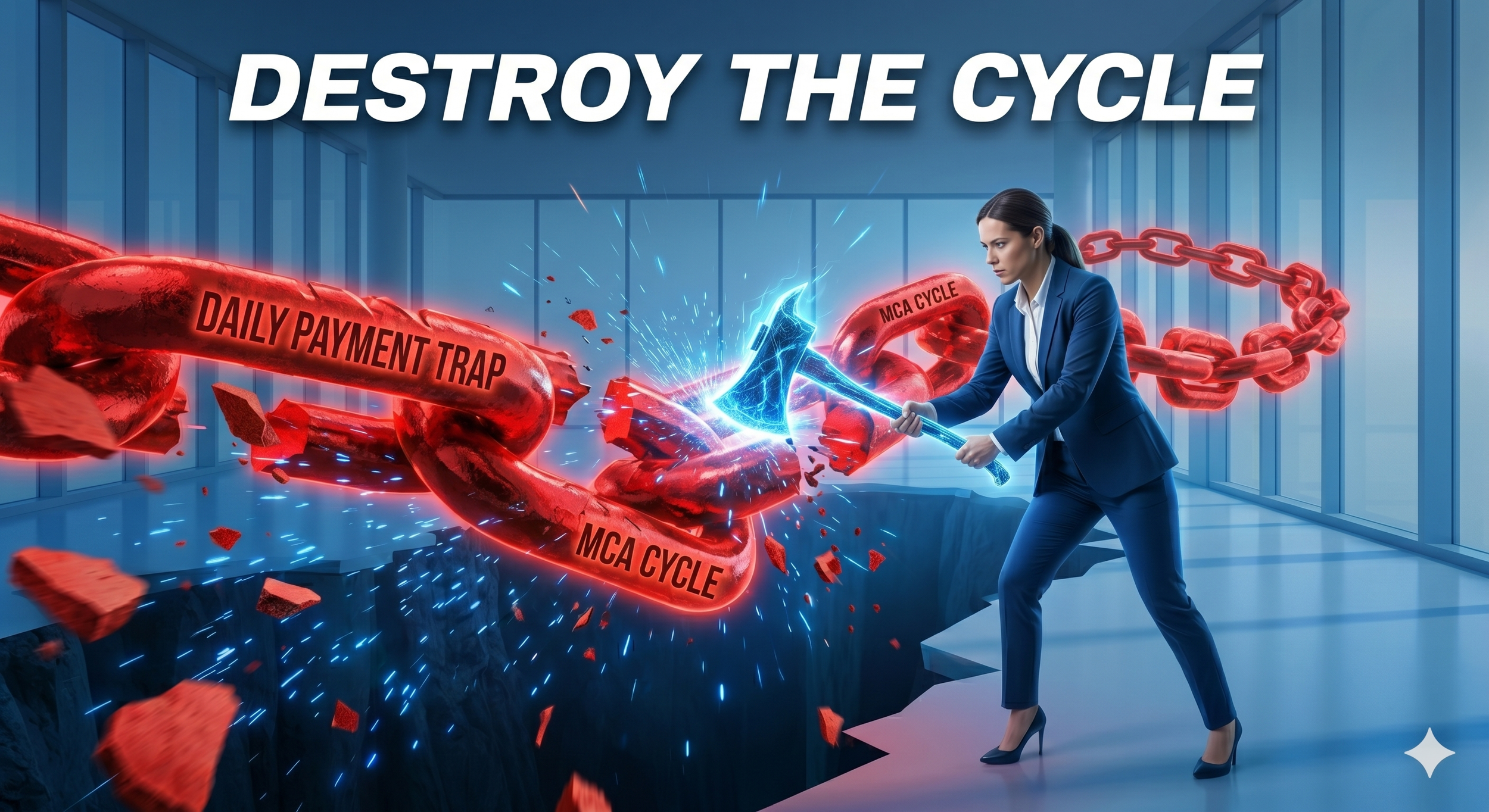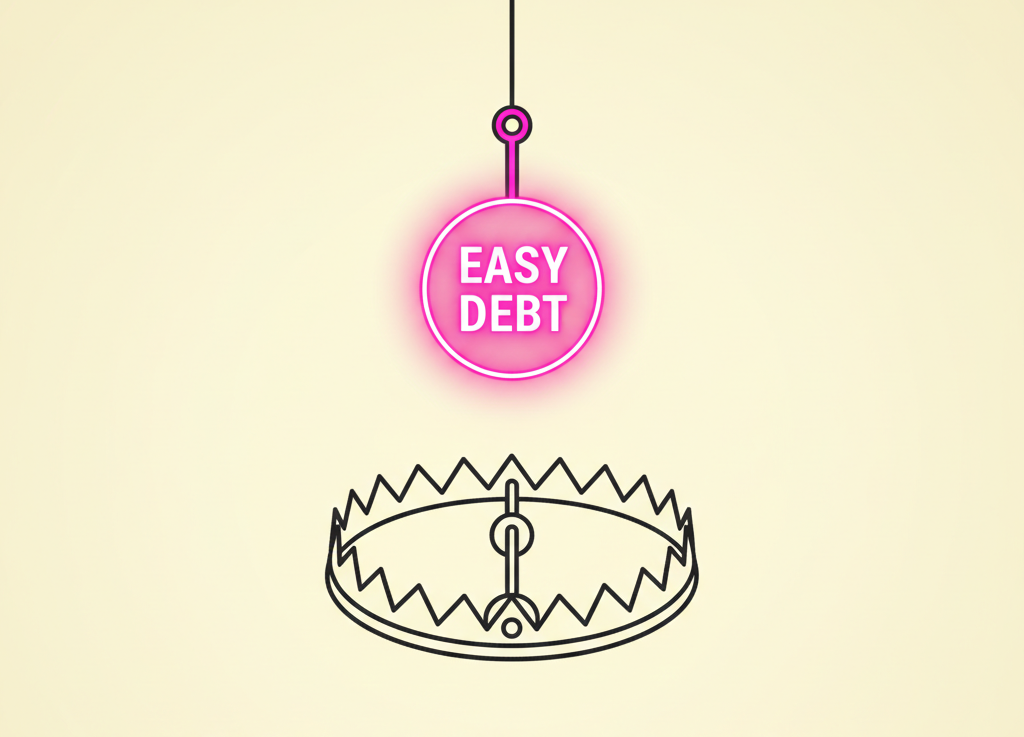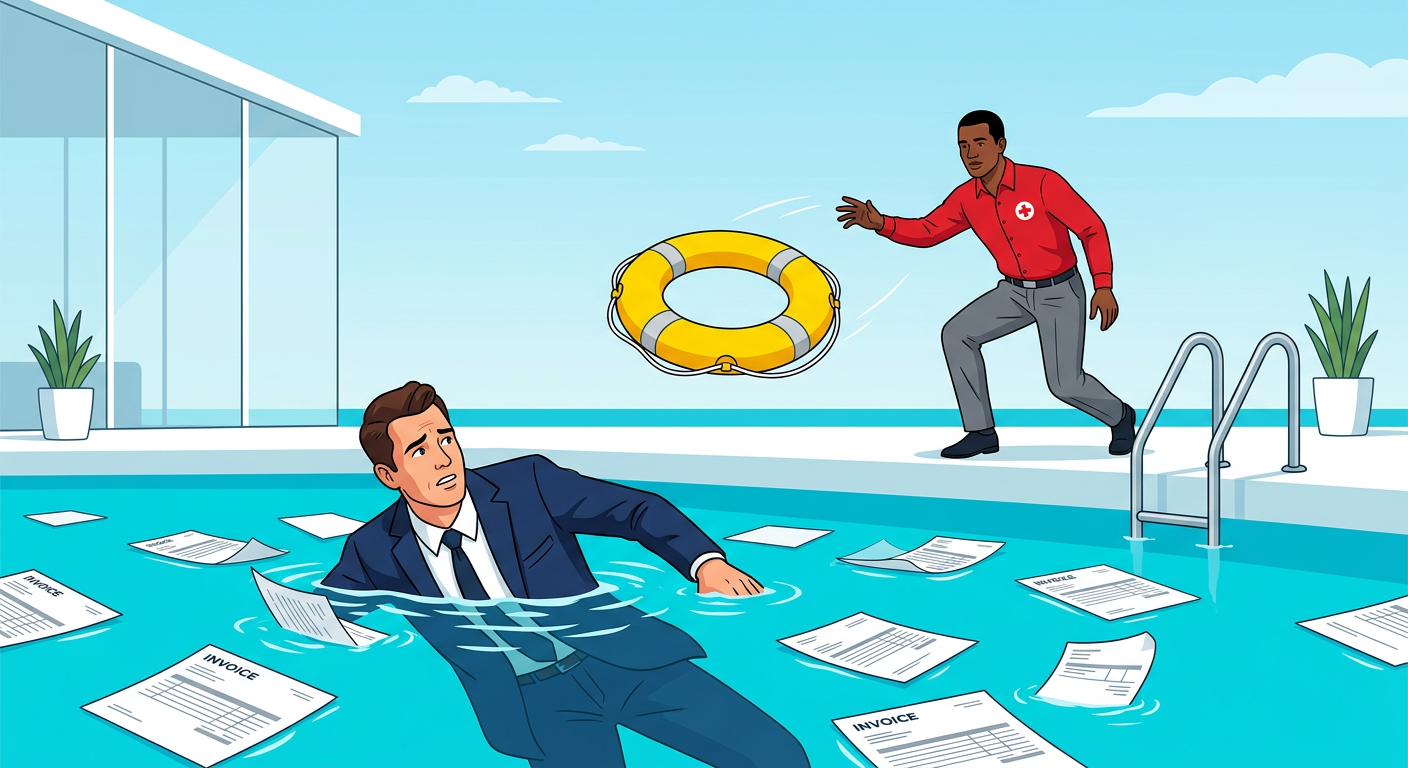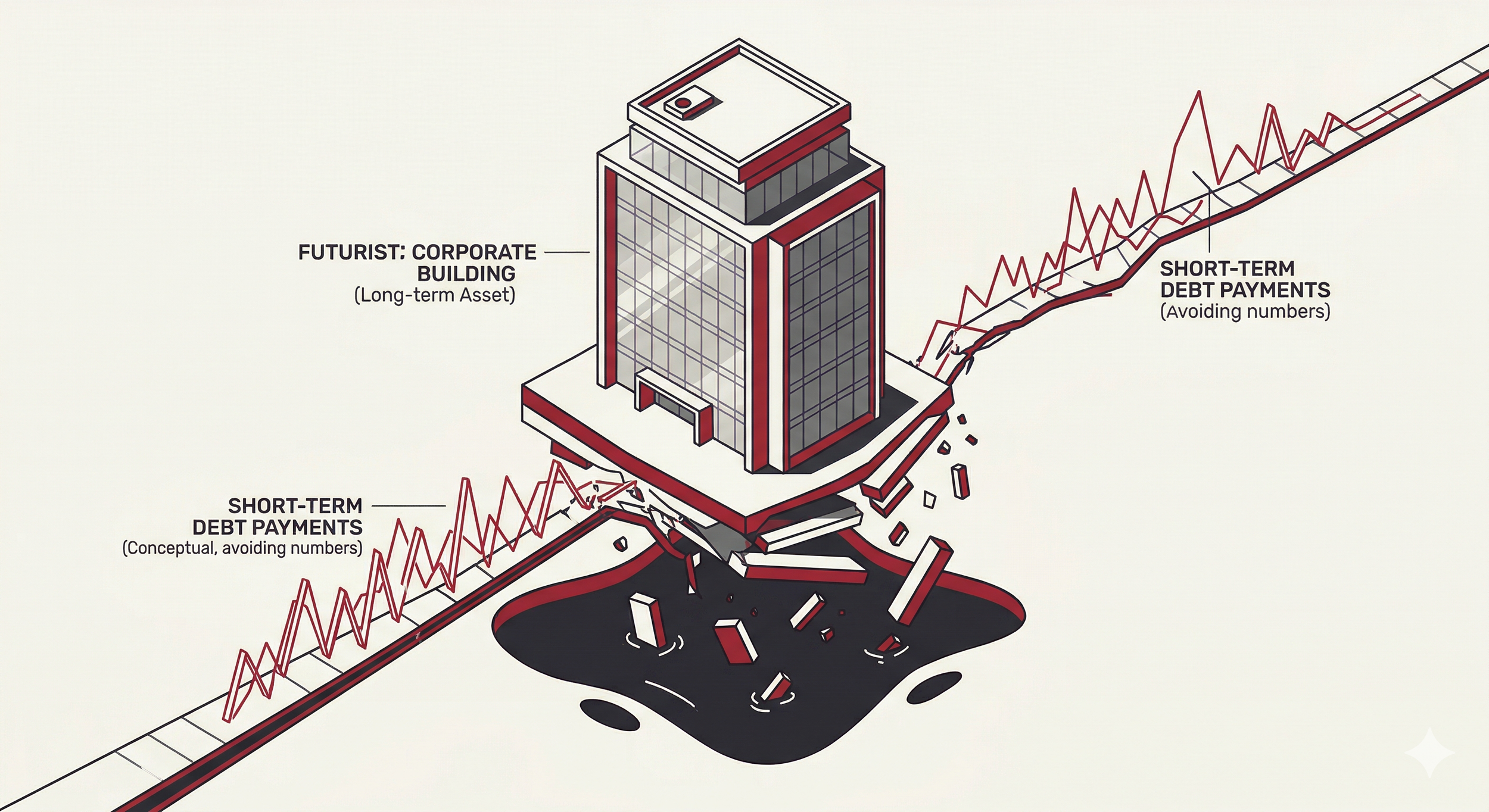
Faced with the immediate, pressing need to meet payroll, purchase essential inventory or execute on a massive new client contract, countless business leaders find themselves turning to the rapidly accessible, yet incredibly dangerous, world of high-cost, short-term financing. While these alternative financial products provide the illusion of immediate relief, they quickly reveal their true, parasitic nature and cause long-term issues by cannibalizing cash flow and then disrupting business operations.
Short-term business financing is engineered not to foster sustainable business growth, but to aggressively extract capital at exorbitant effective interest rates, often trapping the business in a relentless cycle of continuous borrowing just to simply service the crushing debt payment obligations.
The journey out of this high-interest, short-term business debt trap is not achieved by merely increasing sales or working harder; it requires a fundamental, strategic restructuring of the enterprise's entire balance sheet. The key to long-term survival and prosperity lies in successfully executing a pivot away from these toxic, short-term cash drains and transitioning toward sustainable, longer-term business financing solutions.
This transformative shift involves navigating the complex but incredibly rewarding landscapes of private credit markets, Small Business Investment Companies (SBICs) and advanced institutional lending facilities.
These longer-term solutions offer something the short-term market actively destroys: the gift of time. By amortizing business debt over several years rather than compressing it into a brutal 12-months or less, businesses can drastically reduce their monthly cash outlay, stabilize their operational liquidity, and reclaim the working capital necessary to actually execute their strategic vision.
The Anatomy of High-Cost Short-Term Business Financing
To successfully dismantle a restrictive and damaging business financial structure, one must first possess a granular understanding of how that structure operates and exactly why it is so detrimental to the health of an enterprise. The ecosystem of high-cost, short-term business financing is intentionally designed to be opaque and confusing, often masking exorbitant costs behind industry-specific terminology and the allure of instantaneous capital deployment. At the core of this industry are products like merchant cash advances (MCAs), purchase of future revenues for heavily discounted amounts, incredibly aggressive factoring agreements, and short-term working capital loans that bypass traditional underwriting standards focusing only on cash flow and not affordability.
Unlike conventional commercial debt, which is structured around a predictable annual percentage rate and manageable amortization schedules over several years, these alternative products rely on fixed "factor rates" and hyper-accelerated repayment timelines.
When a business takes an advance with a factor rate of 1.40, they are immediately on the hook for a 40% markup on the principal. However, because this inflated balance is forcibly extracted from the company's operating accounts via automatic daily or weekly debits over a period of mere months, the actual annualized cost of capital frequently skyrockets well past 60%+.
This relentless extraction mechanism is the primary engine of financial destruction for small to medium-sized enterprises. Traditional businesses operate on natural cash flow cycles; they expend capital to produce goods or services, deliver them to the market, and await payment over a period of 30 to 90 days. Short-term lenders fundamentally ignore this reality. Their automated clearing house withdrawals strip cash from the business every single day or week, completely irrespective of the company's actual profitability or the status of their outstanding receivables.
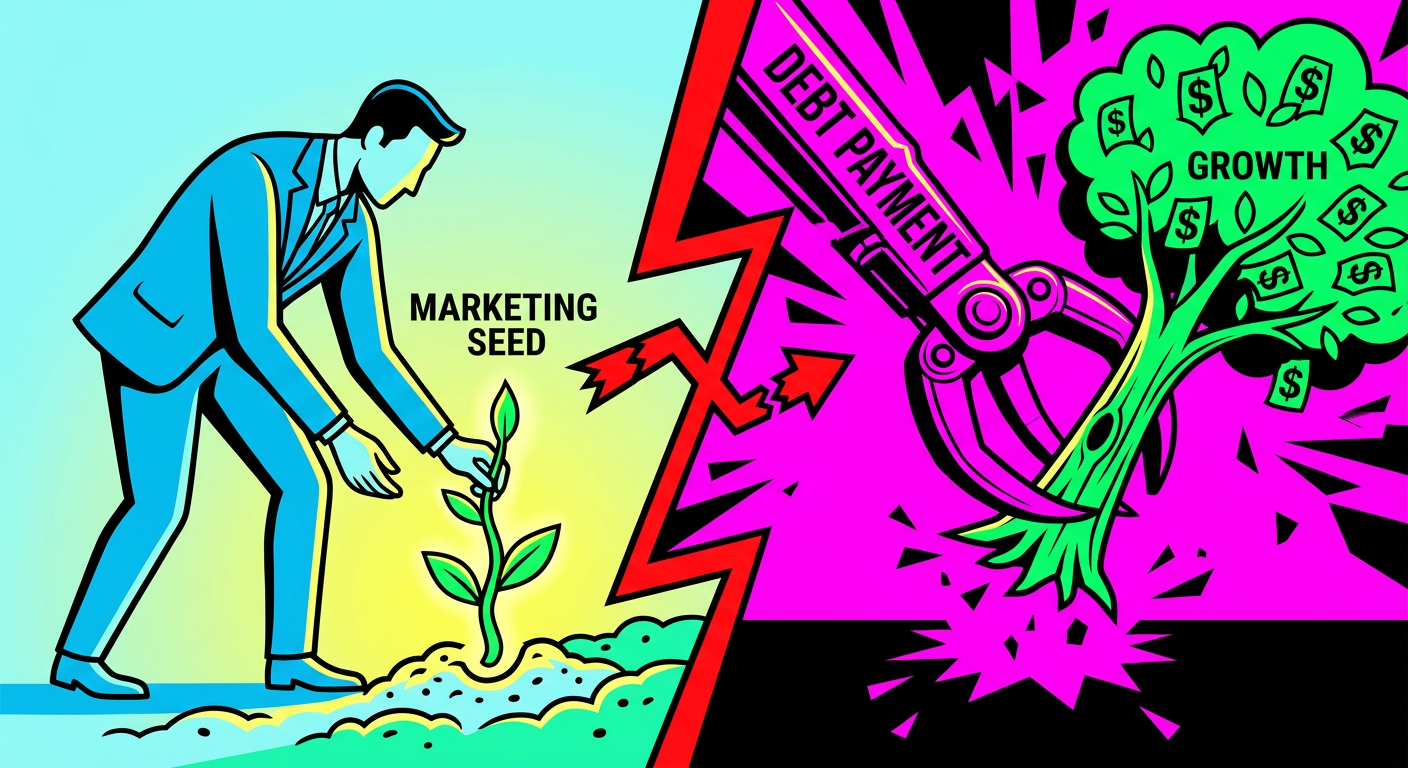
These dynamic forces the business owner to constantly pull forward future revenues simply to satisfy the voracious appetite of the current debt service. The capital that was purportedly injected to fuel growth is almost instantly cannibalized to pay for the privilege of having borrowed it.
As a result, the business experiences a profound and immediate contraction in available operational liquidity, rendering it incapable of purchasing new inventory, investing in marketing or even meeting basic overhead without resorting to further borrowing.
Furthermore, the legal structuring of many of these products, particularly the merchant cash advance, which is legally classified as a purchase of future receivables rather than a loan, allows these providers to entirely sidestep state-level usury laws (governing maximum allowable interest rates) designed to protect borrowers from predatory lending.
This lack of regulatory oversight creates a treacherous environment where the actual cost of capital is obscured, and the aggressive and unethical collection tactics are largely unchecked. Business owners are often required to sign personal guarantees and blanket liens against all business assets, placing their personal financial security in direct jeopardy alongside their enterprise.
Understanding this anatomy is critical because it dispels the myth that a business can simply "out-earn" short-term debt. The mathematical reality of daily or weekly compounding cash extraction dictates that the structure of the debt itself must be eradicated and replaced with a fundamentally different financial instrument.
Identifying the Breaking Point in Cash Flow Operations
The insidious nature of short-term, high-cost capital is that it often masquerades as a successful growth strategy in its earliest stages, only to suddenly and violently precipitate a severe cash flow crisis. Identifying the precise breaking point in a company’s operational liquidity (cash, credit and assets that can be converted to cash within 90-days or less) is a critical prerequisite to initiating a successful pivot toward longer-term financing.
This breaking point rarely manifests as a sudden, catastrophic failure; rather, it is characterized by a gradual, agonizing tightening of the financial noose. The most glaring indicator that a business has reached this critical threshold is the inversion of its debt service coverage ratio. In a healthy enterprise, net operating income significantly exceeds the required debt payments, leaving ample retained earnings for reinvestment and operational buffers. However, when saddled with daily or weekly advances, the sheer volume of cash required to service the short-term debt begins to eclipse the actual net profit being generated by daily commerce.
The business is technically operating, producing goods, and generating top-line revenue, but it is effectively bleeding out internally.
As this business cash starvation accelerates, secondary symptoms begin to infect every sector of the operation. Vendor relationships, often built over years of mutual trust, begin to fracture. The business owner, desperately trying to keep enough cash in the bank to satisfy the automatic deductions, is forced to stretch accounts payable well past standard terms. Strategic suppliers respond by revoking credit lines, demanding cash on delivery, or halting shipments altogether. This supply chain disruption immediately impacts the company's ability to fulfill customer orders, leading to reputational damage and lost future revenue.
Simultaneously, the internal culture of the enterprise deteriorates. Payroll becomes a weekly source of intense executive anxiety, forcing sudden, erratic financial maneuvering that inevitably trickles down to management and staff. Strategic initiatives, capital expenditures and vital marketing campaigns are entirely abandoned, transforming the business from a proactive market competitor into a reactive, defensive entity solely focused on day-to-day or week-to-week survival.
The ultimate manifestation of this breaking point is the phenomenon known as stacking. Desperate to plug the gaping holes in working capital created by the original advance, the business owner seeks out additional, concurrent short-term funding. They take a second advance to pay for the debt service of the first, layering exorbitant fees upon exorbitant fees and introducing multiple daily or weekly cash drains on the operating account. This is the financial point of no return under the current capital structure.
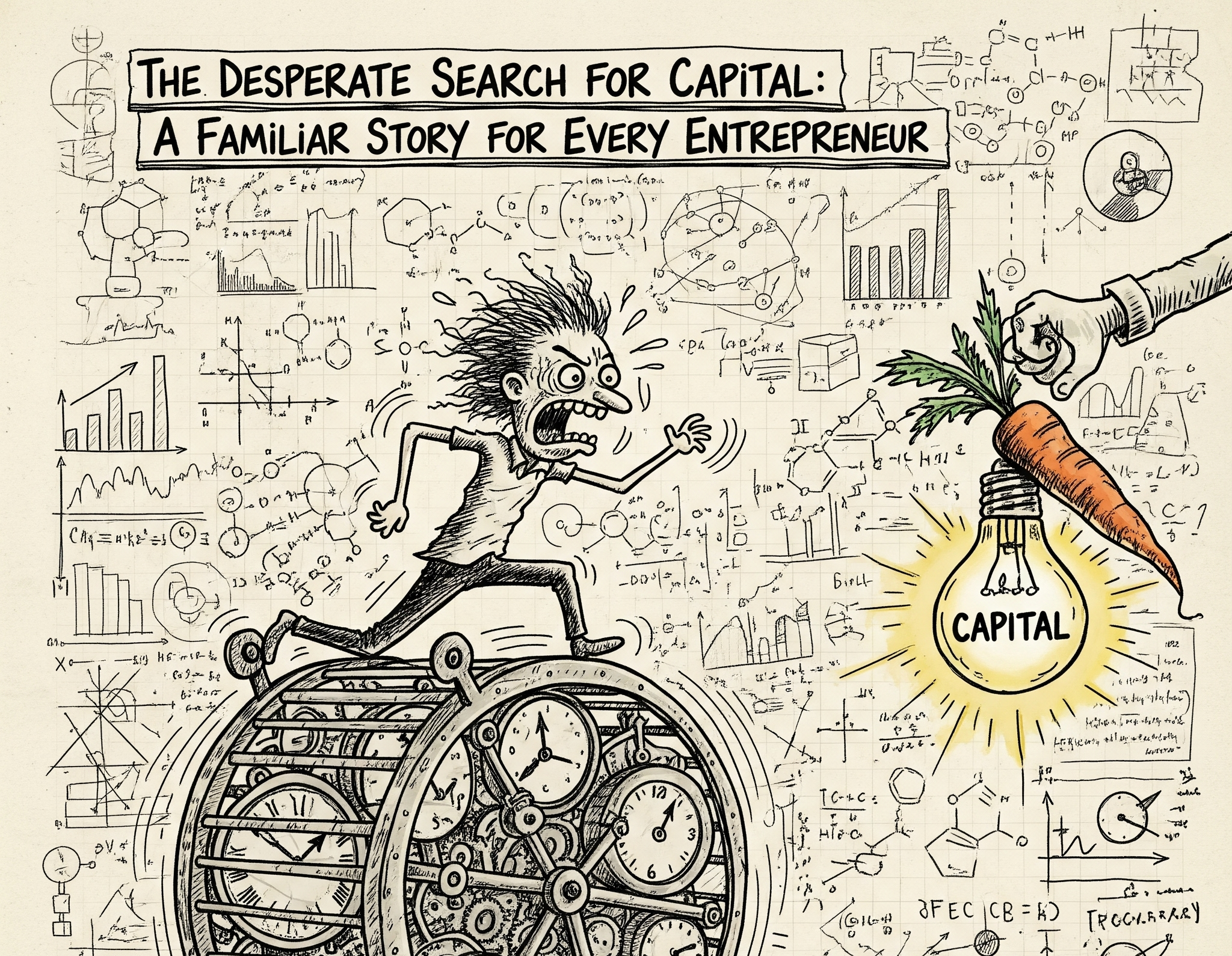
The business is now existing on a mathematical hamster wheel, generating significant revenue but retaining absolutely none of it. Recognizing these symptoms the stretched payables, the paralyzed growth, the relentless daily banking anxiety and the temptation to stack toxic debt is the crucial moment of awakening. It is the realization that the current financial model is terminally flawed and that a radical shift to sustainable, long-term institutional capital is not merely an option, but an absolute necessity for survival.
Payback Over a Longer-Term Reduces Business Cash Outlay
When an enterprise is suffocating under the weight of accelerated repayment schedules, the concept of business debt restructuring must transition from a theoretical financial exercise to an immediate, strategic imperative.
Debt restructuring is the deliberate, collaborative and highly calculated process of changing existing terms and structures with existing creditors whether on a temporary or permanent basis.
Debt refinancing is the paying off of and extinguishing of high-cost, short-term liabilities by replacing them with a new, fundamentally sound financial structures characterized by lower interest rates and significantly extended repayment horizons.
This is not about borrowing more money to fuel immediate expansion; it is about utilizing long-term capital to heal the balance sheet and dramatically reduce the monthly cash outlay required to keep the business operational. The mathematical logic underlying this strategy is irrefutable and transformative. By taking a principal balance that is currently demanding repayment over 9-months and stretching that exact same principal over a period of 2-year, 3-year, 5-year or even 10-year, the resulting reduction in the monthly cash outlay is absolutely staggering.
The strategic imperative of business debt restructuring and refinancing goes far beyond mere cash flow relief; it fundamentally alters the risk profile and the valuation of the entire enterprise.
Short-term debt is viewed by financial analysts and potential investors as highly distressed, reactive capital. It signals underlying operational instability and poor financial planning. Conversely, securing a structured, long-term facility from a reputable institutional lender demonstrates profound corporate maturity and financial discipline. It signifies that the company has undergone rigorous due diligence, passed institutional underwriting standards, and possesses a viable, sustainable business model capable of servicing long-term obligations.
This enhanced financial posture makes the business significantly more attractive to future equity partners, allows for the pursuit of larger, more complex commercial contracts, and firmly positions the enterprise for strategic, unencumbered growth. The restructuring is therefore not just a rescue mission; it is the essential foundation for all future corporate success.
Exploring the Landscape of Private Business Credit Markets
As traditional commercial banks have increasingly retreated from lower and middle-market lending due to stringent post-financial-crisis regulatory frameworks, a massive and highly sophisticated alternative has risen to fill the void: the private credit market.
For business owners seeking to pivot away from toxic short-term advances, understanding the vast landscape of private credit is absolutely essential. Private credit encompasses a broad spectrum of non-bank financial institutions, corporate debt funds, and specialized asset managers that provide customized business debt capital directly to small and medium-sized enterprises. Unlike traditional banks that rely heavily on rigid formulas and strict collateral requirements, private credit funds operate with significantly more flexibility and rely on deep, fundamental analysis of a company's cash flow potential and enterprise value. They are not constrained by the same depository regulations as traditional banks, allowing them to structure creative, longer-term solutions tailored specifically to the unique needs of a transitioning business.
The private credit ecosystem offers a diverse array of financial instruments designed to facilitate comprehensive (“balance sheet”) business debt refinancing and long-term growth. One of the most prominent solutions is the uni-tranche facility, a hybrid loan structure that combines senior and subordinated debt into a single, seamless debt instrument with one blended interest rate and one set of covenants. This is particularly valuable for businesses looking to refinance a messy portfolio of multiple short-term advances, as it consolidates everything into a clean, easy-to-manage facility.
Additionally, private credit lenders frequently offer mezzanine debt, or a subordinated layer of business financing that sits below senior bank debt but above equity. While more expensive than traditional senior debt, mezzanine financing typically features interest-only periods or "payment-in-kind" structures, which dramatically reduce immediate cash outlays and provide the business with the essential breathing room needed to execute operational turnarounds or aggressive expansion plans.
Navigating the private credit landscape requires a shift in mindset from dealing with transactional brokers to building relationships with sophisticated institutional investors.
Private credit lenders are deeply focused on "quality of earnings" and the long-term sustainability of the enterprise's cash generation. They will dive deeply into customer retention rates, gross margin trends, and the strength of the management team. While the cost of capital in the private credit market is higher than that of a prime traditional bank loans by a “few points”, it is exponentially lower than the effective rates of “alternative lenders”, and most importantly, it provides the extended amortization necessary for survival. Engaging with this market often requires the assistance of experienced and specialized business debt advisory firms who can successfully package the business’s financial narrative, approach the right tier of direct lenders through their relationships and assist through underwriting and help negotiate terms, covenants and pricing to secure the most advantageous, long-term financial runway.
Leveraging Small Business Investment Companies for Growth
Another incredibly powerful and often underutilized avenue for businesses seeking longer-term, sustainable capital is the Small Business Investment Company program. Created by the Small Business Administration in the late 1950’s, the SBIC program is a unique public-private partnership designed to funnel highly structured, patient capital directly into the American small and medium-sized enterprise sector.
Small Business Investment Companies are privately owned and professionally managed investment funds that are licensed and regulated by the federal government. The defining advantage of an SBIC is its capital structure; these funds raise private capital from institutional investors and then receive matching leverage from the Small Business Administration at exceptionally favorable, government-backed interest rates. This low cost of capital allows the SBIC to provide highly competitive, long-term financing solutions to the businesses they invest in.
For a business trapped in the cycle of short-term, high-interest debt, an SBIC represents an ideal partner for a comprehensive financial restructuring. SBICs are mandate-driven to support domestic economic growth, and they inherently understand the unique challenges faced by growing enterprises. They offer a variety of financial products, ranging from standard long-term subordinated debt to preferred equity investments.
When an SBIC provides debt financing, it is typically structured as a highly patient, long-term facility, often ranging from 3-years to 5-years with flexible repayment terms that prioritize the company's operational cash flow over aggressive principal recovery. Many SBIC loans feature extended interest-only periods, allowing the business to dedicate all of its free cash flow toward repairing vendor relationships, rebuilding inventory, and fueling sales growth before heavy principal amortization begins. This is the exact antithesis of the short-term lending mechanism that strangles businesses in the alternative lending market.
Partnering with a Small Business Investment Company provides benefits that extend far beyond mere capital injection. Because SBICs are managed by seasoned financial professionals and industry veterans, they often provide invaluable strategic guidance, operational mentorship and access to vast professional networks.
They act as true financial partners, aligning their success entirely with the long-term prosperity of the enterprise. They do not want to see the business constantly struggling to make business debt service payments; they want to see the business dominate its market sector, increase its valuation, and eventually achieve a highly successful exit or refinancing event.
While the underwriting process for an SBIC investment is rigorous and requires a deep level of corporate transparency and professional financial reporting, the reward is access to a stable, supportive and highly strategic source of long-term capital that can permanently eradicate the threat of predatory short-term business lending.
Traditional Commercial Lending and Institutional Alternatives
While the flexibility of private business credit marketplace and the strategic partnership of SBICs are incredibly powerful tools, traditional commercial lending remains the gold standard for long-term business financing and should always be pursued if the enterprise qualifies. Moving from alternative, high-cost advances to a traditional bank loan represents the ultimate validation of a company's financial health and stability.
Traditional commercial banks, regional banking institutions and credit unions offer the lowest cost of capital available in the market, typically featuring single-digit interest rates and extensive amortization schedules that can stretch up to ten years for equipment or working capital, and up to twenty-five years for commercial real estate. Securing a traditional commercial term loan to consolidate and wipe out short-term debt is the most mathematically efficient way to maximize monthly cash flow and rapidly restore the operational liquidity of the enterprise.
However, accessing this traditional institutional capital requires the business to meet incredibly stringent underwriting criteria. Commercial banks operate under intense regulatory scrutiny and have virtually zero tolerance for the chaotic cash flow patterns typically associated with businesses trapped in the hamster wheel of alternative debt.
They rely heavily on historical tax returns, sustained profitability, impeccable personal credit scores of the guarantors, and solid, tangible collateral to secure the loan. If a business has suffered significant losses due to the exorbitant fees of merchant cash advances, their historical financial statements may automatically disqualify them from a traditional bank loan, regardless of how profitable their core operations might be.
This is where the concept of institutional alternatives, such as asset-based lending facilities, becomes critical. Asset-based lenders operate within the institutional space but focus entirely on the liquid value of the company's assets rather than strictly on historical cash flow formulas.
An institutional asset-based lending facility provides a revolving line of credit secured directly by the company's accounts receivable, raw materials, and finished inventory. Because the facility is backed by hard assets that the bank can easily liquidate in the event of default, the lender is willing to look past historical cash flow blips caused by toxic debt. This structure is incredibly powerful for businesses with large outstanding invoices from reliable corporate clients.
As the business generates new sales and issues new invoices, the asset-based lender advances a high percentage of that invoice value immediately, providing a continuous, reliable stream of low-cost working capital. This completely eliminates the need for high-interest factoring or daily or weekly-payment short-term advances. By utilizing an asset-based facility to pay off the toxic debt, the business immediately stabilizes its daily cash flow, aligning its capital structure with its actual business cycle and paving the ultimate pathway back toward traditional, unsecured commercial banking relationships.
Preparing Your Business for the Refinancing Transition
The transition from a chaotic business debt portfolio of short-term advances to a structured, institutional, long-term financing solution is a complex corporate event that requires meticulous preparation. A business owner cannot simply approach a private credit fund or a commercial bank with a desperate plea for help and disorganized financial records; doing so will result in an immediate rejection and further damage the company's credibility.
The first and most critical step in preparing for this transition is executing a complete freeze on the acquisition of any new short-term debt. Under no circumstances can the business take on another daily or weekly advance, renewal, or high-cost consolidation loan while attempting to secure institutional capital. The presence of newly acquired toxic debt signals to an underwriter that the company is fundamentally unstable and incapable of exercising financial discipline.
The owner must commit entirely to the restructuring process, managing the interim cash flow with absolute ruthlessness, even if it requires deeply uncomfortable operational sacrifices and conversations with lenders in the short term.
Simultaneously, the enterprise must undergo a rigorous internal financial audit and entirely professionalize its accounting practices. Institutional lenders base their multi-million-dollar decisions on the accuracy, clarity, and reliability of the company's financial data. If the internal bookkeeping is outdated, messy, or comingled with personal expenses, the transition will fail.
The business must assemble a comprehensive package that includes 3 to 4-years of corporate tax returns, complete financials for each year (P&L, balance sheet and cash flow statement) as well as detailed year-to-date profit and loss statements, accurate balance sheet, and a highly specific debt schedule outlining every single existing business debt liability, its many details such as exact payment, balance, start date, etc, and the precise payoff amount required to extinguish it.
Beyond historical data, the business owner must collaborate with their business financial advisors to build a compelling and mathematically flawless "pro forma" financial model. Because the company's historical financials will look deeply distressed due to the massive cash extraction of the short-term debt, the pro forma model serves to paint the true picture of the company's potential. This document explicitly demonstrates to the institutional underwriter how the business will perform the moment the toxic debt is eradicated and replaced with the new, longer-term facility. It highlights the massive surge in retained free cash flow and proves, unequivocally, that the underlying core of the business is highly profitable and more than capable of comfortably servicing the new institutional debt. By presenting an immaculate financial narrative, the business owner shifts the conversation from a high-risk rescue operation to a highly secure, logically sound, and incredibly attractive long-term investment opportunity for the lending institution.
Navigating the Underwriting and Due Diligence Process
Once the business has been meticulously prepared and a formal application is submitted to a private credit fund, an SBIC, or a traditional commercial lender, the enterprise enters the grueling and highly analytical phase of underwriting and due diligence. This phase requires extreme patience, emotional resilience, and a deep understanding of the institutional lender's psychology. Unlike the automated algorithms of the short-term financing world, which can approve funding in hours based on superficial banking data, institutional due diligence is a forensic, exhaustive examination of every facet of the business.
The underwriter’s primary mandate is capital preservation; they are trained to relentlessly search for hidden liabilities, operational weaknesses and macroeconomic vulnerabilities that could threaten the repayment of the loan over a 2 to 5-year, or even 10-year horizon. The business owner must view this process not as an adversarial interrogation, but as a mandatory, collaborative partnership designed to ensure the ultimate long-term stability of the transaction.
During the due diligence phase, the lender will frequently engage third-party professionals to verify the integrity of the company's assets and earnings. This may involve commissioning an independent "Quality of Earnings" report, where specialized accounting firms dive deeply into the company’s revenue recognition policies, customer concentration risks, and the sustainability of its profit margins, actively stripping out any anomalies or one-time events to arrive at the true, recurring cash flow of the business. If real estate or heavy machinery is being utilized as collateral, formal commercial appraisals and Phase One Environmental Site Assessments will be ordered to confirm market value and eliminate legal liabilities. Furthermore, the legal teams representing the lender will meticulously review all corporate governance documents, key client contracts, vendor agreements, and outstanding litigation to ensure the business operates on a sound, unimpeachable legal foundation.
Navigating this intense scrutiny requires the business owner to maintain absolute transparency and highly responsive communication.
The underwriter will continuously issue requests for additional documentation, granular clarifications of obscure ledger entries, and detailed explanations for historical dips in revenue. It is crucial to respond to these requests instantly and comprehensively; any delay or perceived obfuscation will immediately erode trust and jeopardize the entire funding process.
Working closely with an experienced investment banker, a specialized debt broker, or a highly competent Chief Financial Officer is invaluable during this gauntlet. These professionals act as interpreters, translating the raw operational reality of the business into the precise, risk-adjusted financial language that institutional credit committees demand. By surviving the rigorous due diligence process, the business not only secures the vital long-term capital it desperately needs but also emerges as a stronger, more disciplined, and highly professionalized corporate entity.
Cultivating Sustainable Capital Partnerships for the Future
The journey from the brink of financial disaster caused by short-term advances to the absolute stability of a long-term institutional facility teaches a critical, unforgettable lesson: the nature and structure of a company's capital is just as important as the quality of the product or service it sells.
To ensure that the enterprise never again falls victim to the catastrophic hamster wheel of predatory lending, the business owner must adopt a permanent, sophisticated approach to corporate finance, actively cultivating sustainable capital partnerships for the future. This begins with implementing rigorous, institutional-grade financial disciplines internally. The company must completely abandon reactionary accounting and establish strict, forward-looking cash flow forecasting models. By tracking operational liquidity on a rolling thirteen-week basis, management can accurately identify potential capital shortfalls months in advance, completely eliminating the sudden, desperate panic that drives business owners into the arms of high-cost alternative lenders.
Furthermore, the business must establish and fiercely protect a substantial, highly liquid cash reserve. The significant monthly savings generated by the massive reduction in debt service should not be entirely diverted to rapid expansion or executive distributions; a critical percentage must be systematically funneled into a dedicated corporate treasury account. Building a robust war chest capable of sustaining core operations for multiple months acts as the ultimate internal defense mechanism against unforeseen macroeconomic downturns, sudden client defaults, or major supply chain disruptions. When unexpected challenges arise, the business can simply draw upon its own fortified reserves, entirely bypassing external debt markets and maintaining absolute operational autonomy.
Ultimately, long-term financial security requires treating institutional lenders as continuous, strategic partners rather than mere transactional vendors. The business owner must proactively manage their relationship with their new commercial bank, private credit fund, or SBIC. This means consistently providing pristine, timely financial reporting, scheduling regular quarterly strategic reviews with loan officers, and transparently discussing long-term expansion plans long before new capital is actually required.
By demonstrating flawless financial discipline, unwavering transparency, and a commitment to sustainable, profitable operations, the business continually reinforces its profile as a premier, blue-chip client. This profound trust guarantees ongoing access to the most favorable, lowest-cost capital in the global markets, permanently securing the enterprise against predatory forces and providing the infinite financial runway necessary to build an enduring, highly successful corporate legacy.