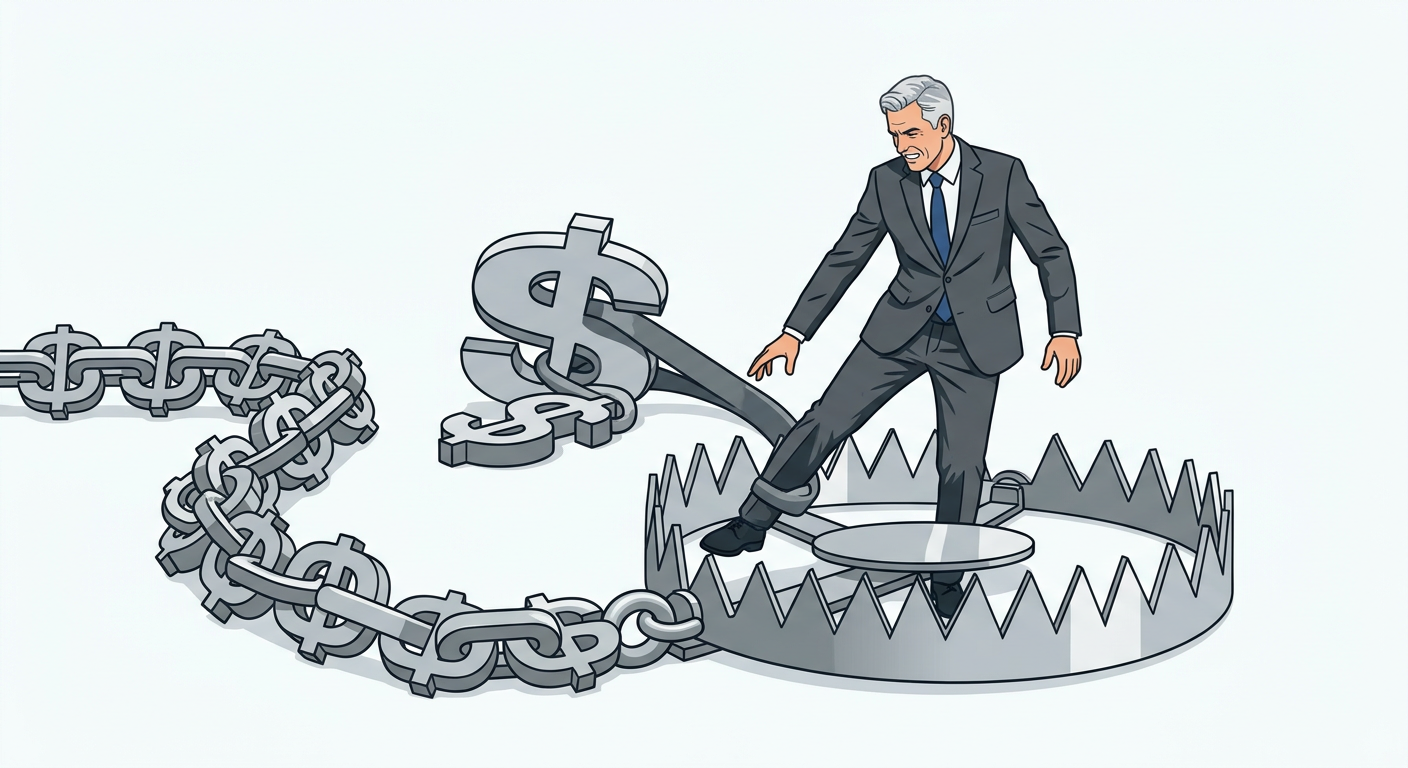
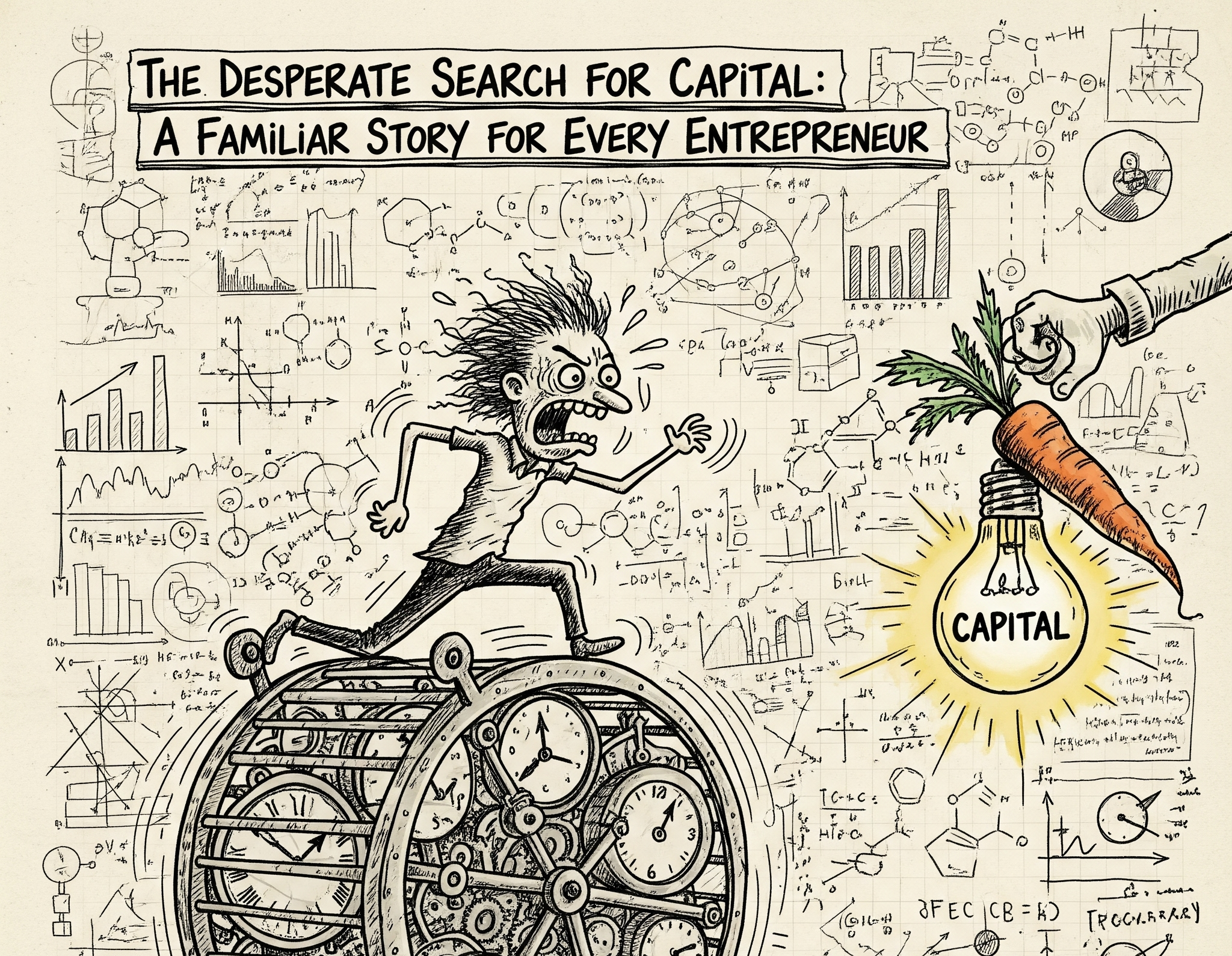
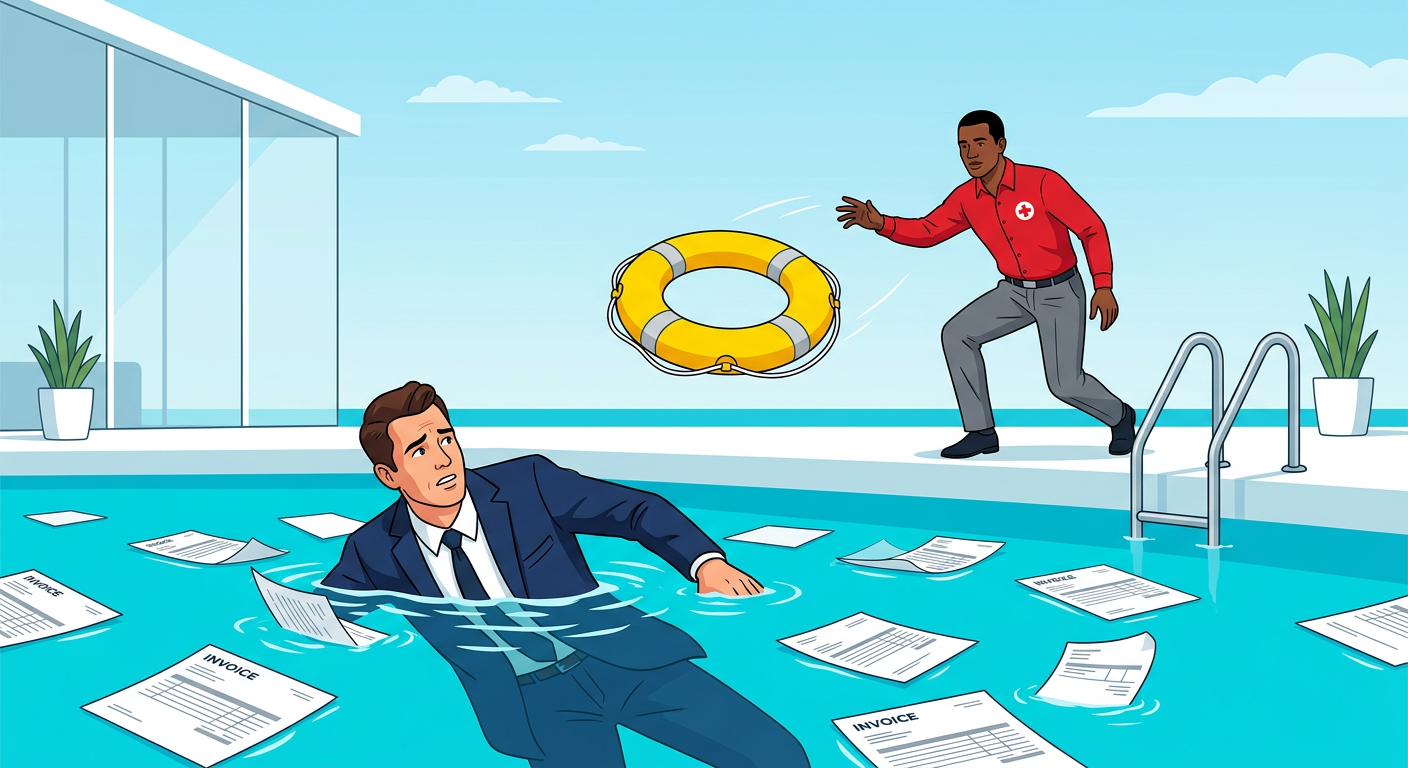
You may be feeling the squeeze of business financing that was supposed to help you grow. Many business owners discover too late that the money they borrowed came with hidden costs that drain cash, disrupt operations and leave them more vulnerable post-transaction. The problem is rarely just the interest rate. It is the short payback period. The disconnect starts with the people and processes that stand between you and the longer-term, affordable business capital you need.
Business “funding” brokers present themselves as your advocates while collecting commissions from the lenders. Cash-flow lenders approve funding deals with underwriting that prioritizes volume over sustainability. The result is financing that extracts every available dollar of free cash flow and sometimes forces you to plug gaps with personal equity or high-interest credit cards. In the worst cases, you end up stacking new business debt just to service the old (reverse Ponzi scheme). This article explains how those dynamics work and what you can do to protect and fix your business balance sheet.
The Illusion of the Helpful Broker
Most business owners who need capital turn first to a financing or “funding” broker. The pitch is straightforward. The broker has relationships with dozens of lenders, understands the market and will shop your deal to allegedly find the best terms. You pay nothing upfront. The broker gets paid only if a deal closes. On the surface this looks like a low-risk way to access capital and a smart use of an intermediary who knows the landscape better than you do.
In practice the broker’s incentives are not aligned with yours. Brokers are paid by the lender, not by you. Their compensation is usually a percentage of the funded amount or a fixed fee that rises with the size and cost of the financing. Higher-priced products often carry larger commissions. A merchant cash advance or short-term revenue-based loan that charges the equivalent of 40% to 80%+ percent annualized may generate a far larger payout for the broker than a lower-cost term loan or line of credit from a commercial bank or private credit business debt investment fund.
Because the broker’s income depends on closing a deal and maximizing the commission, the pressure is to match you with the lender that pays the most, not the one that offers the most sustainable structure for your business. You will never see the full range of options. The broker presents a short list of pre-approved or recommended products that happen to carry attractive commissions. The conversation focuses on speed and approval odds rather than total cost of capital, repayment flexibility or impact on business cash flow. Many owners walk away believing they received independent advice when in fact they received a curated sales pitch.
Many brokers also work with a limited panel of lenders who actively solicit broker business. Those lenders design products and commission structures specifically to attract business “funding” brokers or intermediaries. The result is a marketplace in which the broker’s primary customer is the lender, even though the broker’s marketing is aimed at business owners. Understanding this incentive structure is the first step toward making better financing decisions. Once you recognize that the person presenting the options has a direct financial interest in the outcome, you can begin to ask better questions and demand greater transparency.
How Broker Commissions Steer Your Financing
Commission structures in the alternative lending space are rarely transparent to the borrower. A typical arrangement might pay the broker 10% to 15%+ of the funded amount, sometimes more for higher-risk or higher-cost products. On a $200,000 advance that carries a factor rate of 1.45 or 1.49, the broker’s fee can easily exceed $20,000 to $30,000 dollars. That money does not come out of the lender’s pocket in isolation; it is built into the pricing you ultimately pay through higher factor rates, fees and shorter repayment windows.
Because commissions are paid only on funded deals, brokers have a strong reason to push volume. They may encourage you to borrow more than you need or to accept a shorter repayment term that increases the effective cost. They may downplay the frequent payment burden because the lender’s underwriting model assumes the payments can be absorbed. When you later struggle, the broker has already been paid and has little ongoing obligation to help you restructure. Some brokers maintain a relationship after the close, but the economic incentive to do so is weak once the commission is secured after 30-days.
Some brokers also receive volume bonuses or preferred-partner status from particular lenders. Those arrangements further tilt recommendations toward specific products. The broker may genuinely believe the product is a good fit, but the belief is shaped by the compensation system and by repeated exposure to the same lenders’ marketing materials. Independent advice is rare when the adviser’s livelihood depends on commissions paid to them by lenders. The more you understand about how the money flows, the better positioned you are to evaluate whether the recommendation serves your interests or the “funding” broker.
Default Rates and Reckless Cash Flow Lending
Business cash-flow and business revenue-based lenders have grown rapidly by offering fast approvals based on recent bank statements and sales history rather than traditional credit underwriting. The model can work for businesses with strong, predictable revenue. Too often, however, the underwriting prioritizes the ability to collect weekly (and sometimes daily) payments over the long-term health of the borrower. Speed becomes a selling point that masks the highly-dangerous, underlying business credit risk.
Default and loss rates in parts of the alternative lending market are substantially higher than those of conventional bank loans. Lenders price for that risk by charging elevated rates and fees. The high pricing is then used to justify aggressive collection practices and to support the commissions paid to “funding” brokers. When lender’s defaults rise, the remaining borrowers effectively subsidize the losses through higher borrowing costs. The industry’s overall performance depends on a continuous flow of new originations to replace those that fail.
Poor underwriting shows up in several ways. Lenders may approve deals for businesses that already carry multiple cash-flow products. They may ignore seasonal patterns or one-time revenue spikes that inflate recent deposit averages. They may assume that a business can sustain frequent withdrawals that leave little room for unexpected expenses, inventory purchases or slow periods. The result is a portfolio of loans that look profitable on paper until the defaults materialize and collection costs rise.
When defaults do occur, the consequences for the business owner are severe. Personal guarantees are common. Bank account freezes, aggressive collection calls and legal action can follow. The same underwriting that approved the loan often provides little cushion when the business hits a rough patch. High default rates are not simply a cost of doing business for the lender; they are evidence that the underwriting process itself is extracting value rather than supporting sustainable growth. Businesses that survive often do so by sacrificing other priorities, not because the financing was well designed.
Underwriting Designed to Capture Free Cash Flow
Traditional commercial institutional underwriting looks at business debt-service coverage ratios, working capital and the overall balance sheet. Many cash-flow lenders focus instead on recent deposits and average daily ledger balances. Their models calculate how much they can withdraw each day or week while still leaving the business able to operate at a minimal level. The goal is to maximize the size of the advance and the certainty of repayment within a short window, typically 6 to 9-months or less.
This approach treats free cash flow as a residual that belongs to the lender rather than as a resource the business needs for reinvestment, reserves and resilience. Payments are often fixed ACH withdrawals that continue regardless of business sales fluctuations. When sales dip, the fixed withdrawal can create an immediate cash shortage. The business then has to scramble to cover payroll, suppliers or rent. Over time the constant pressure erodes the working capital that healthy businesses rely on.
Some products include continuous monitoring of the business bank account. The lender can adjust the withdrawal amount or trigger additional collection steps if balances fall. While this is presented as risk management, it also means the lender has real-time visibility into your cash position and the ability to prioritize its own recovery. The underwriting is engineered to leave as little discretionary cash as possible after debt service. In effect the lender becomes a senior claimant on every dollar that enters the account.
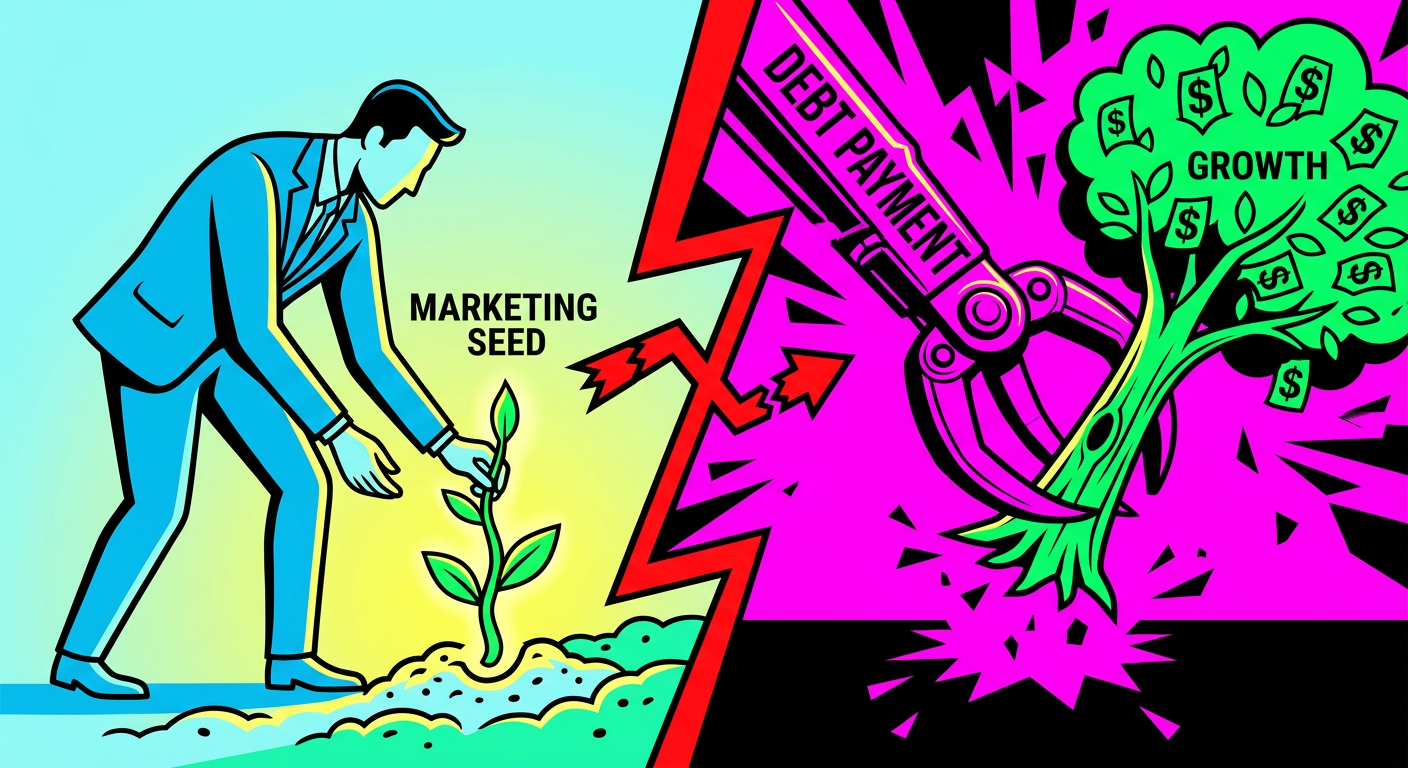
The practical effect is that the financing itself becomes a constraint on business growth. Instead of using the capital to expand capacity or weather a temporary downturn, the business spends its energy managing the repayment schedule. Owners report delaying equipment purchases, reducing inventory or cutting marketing simply to keep the daily payments from bouncing. The loan that was supposed to fuel the business ends up restricting it. What looks like access to capital on day one becomes a structural limitation on the business’s ability to operate and invest.
Operational Disruption Caused by Debt Service
When business debt service consumes most of the available cash and business liquidity, operations suffer in ways that are not always obvious at the outset. Owners themselves spend disproportionate time on cash management rather than on customers, product development, or strategy. The mental load alone can reduce decision quality across the organization.
Aggressive ACH payment structures amplify the problem. A single slow day or a delayed customer payment can trigger an overdraft or a returned ACH. Each returned payment often carries a fee and can damage the relationship with the bank. Some lenders respond to missed payments by accelerating the remaining balance or by placing holds that further restrict access to funds. The business then faces both the original business debt burden and the additional costs and friction created by collection activity.
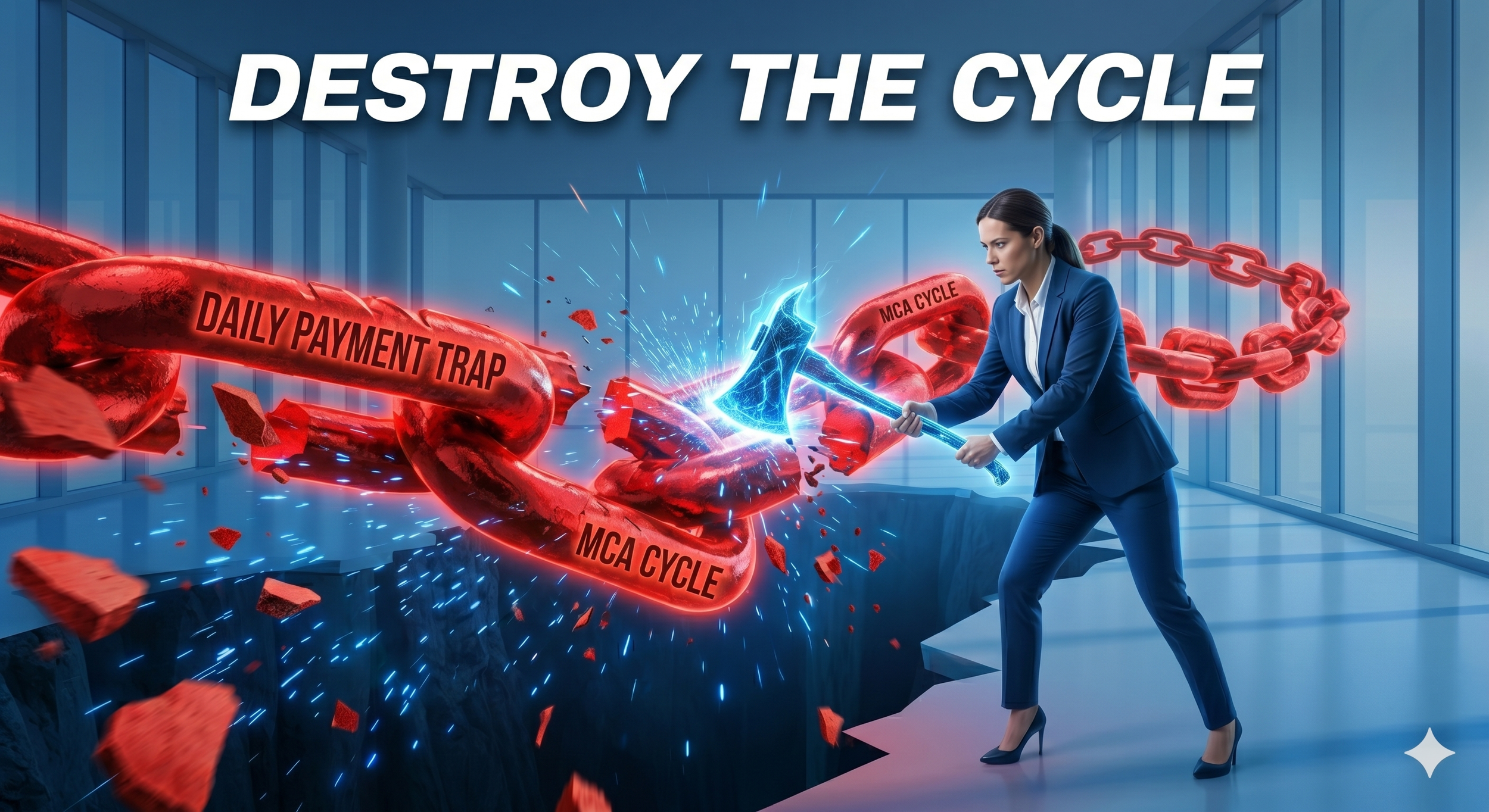
The cumulative effect is a business that operates in a constant state of short-term crisis. Long-term planning becomes difficult. Opportunities that require even modest cash outlays are deferred. The owner’s attention is consumed by the next payment rather than by building a more resilient operation. In extreme cases the financing triggers a downward spiral in which declining performance leads to more aggressive collection, which further damages performance. Breaking that cycle requires more than another short-term advance; it requires a fundamental change in the capital structure and the payment obligations that come with it.
Why Owners End Up Injecting Their Own Equity
When the combination of high debt service and operational disruption leaves gaps, many owners reach into personal savings, home equity or retirement accounts. They do so because the alternative, default or further damage to the business appears worse. The original financing was often sold as a way to avoid putting personal capital at risk. In practice it frequently forces the opposite outcome. Personal guarantees already put personal assets on the line; equity injections make the exposure immediate and tangible.
Personal equity injections are rarely part of the original plan. They appear when the cash-flow projections used by the lender prove optimistic or when unexpected costs arise. Because the financing already claims most free cash flow, there is little liquidity buffer inside the business. The owner becomes the lender of last resort. In some cases the equity is used simply to keep the ACH payments from failing for another few weeks, buying time rather than solving the underlying problem.
This dynamic has long-term consequences. Personal capital that could have been used for genuine growth or for a more conservative capital structure is instead used to keep an over-leveraged business afloat. The owner’s personal financial risk rises even as the business’s formal debt remains high. In some cases the personal funds are used to make the next round of payments, simply delaying the inevitable restructuring or complete default. The emotional and financial cost of these decisions compounds over time and can affect the owner’s willingness to take calculated risks in the future.
Using Credit Cards as the Emergency Backstop
When bank balances are too low to cover daily operations and personal equity is limited, credit cards become the default solution for many small businesses. Owners use personal or business cards to pay suppliers, cover payroll shortfalls or meet the fixed ACH withdrawals from their financing. The interest rates on those cards are often higher than the already elevated cost of the cash-flow product. What begins as a temporary bridge can quickly become a permanent and expensive additional layer of business debt.
Credit-card balances also create a second layer of high-cost debt. Minimum payments consume additional cash. Available credit shrinks, reducing the ability to handle future emergencies. If the business later seeks more conventional financing, the elevated credit card total utilization and the existing cash-flow debt both count against it. Lenders and underwriters view high revolving balances as a sign of distress, even when the balances were incurred solely to service earlier alternative financing.
The pattern is common enough that some lenders and brokers anticipate it. They know that businesses under pressure will stretch every available credit line. The underwriting that left little free cash flow effectively pushes the owner toward these higher-cost stopgaps. What begins as a short-term bridge can quickly become a permanent and expensive part of the capital structure. Breaking the reliance on cards requires either a successful restructuring of the underlying debt or a period of disciplined cash generation that rebuilds reserves.
Cycle of Stacking New Business Financing to Pay Existing Business Debt
One of the most damaging outcomes is the decision to take on additional financing solely to service or pay off earlier advances. A business that is struggling to meet aggressive ACH payments from one product is offered a larger or longer-term product from another lender. The new capital is used to clear the old balance and to provide a brief period of breathing room. Within months the new payments become equally burdensome, and the process repeats. Each cycle increases the total obligation while the underlying cash-flow capacity remains constrained.
This stacking is facilitated by the same broker and lender ecosystem that originated the first deal. Brokers earn new commissions on each successive transaction. Lenders that specialize in refinancing existing alternative debt market themselves as solutions to the very problems their industry helped create. The business ends up with a larger total obligation, often at comparable or higher effective rates, and with even less flexibility. The appearance of a solution masks the reality of deeper leverage.
Each new layer of (transactional) business debt further reduces free cash flow and increases the likelihood of eventual default. The owner’s personal guarantees accumulate. Credit reports and bank relationships deteriorate. What started as a single financing decision becomes a multi-year struggle to manage an unsustainable capital structure. Recognizing the pattern early is essential. Once a business has stacked multiple cash-flow products, the options for clean exit or conventional refinancing narrow considerably, and the cost of correction rises.
Practical Steps to Regain Control
Recognizing the dynamics is the first requirement for change. Before engaging any broker or lender, calculate the true cost of capital under realistic cash-flow scenarios, including slower periods and seasonal variation. Insist on seeing the full range of options, not just those that carry the highest commissions. Ask explicitly about the broker’s compensation and about any preferred-lender relationships. A broker who refuses to discuss compensation or who claims all options are equal is unlikely to be acting solely in your interest.
When evaluating offers, focus on the payment structure and the residual cash flow after debt service rather than on the headline funding amount. Prefer products that allow payment flexibility or that are sized conservatively relative to historical free cash flow. Consider whether commercial bank or private credit financing might better match your needs even if the approval process is slower. Speed is valuable, but it is not worth a capital structure that undermines the business.
If you already carry high-cost cash-flow business debt, explore options for consolidation or restructuring before taking on additional products. In some cases a longer-term, lower-payment facility from a different source can improve the situation; in others the better path is to reduce spending, improve collections or inject capital on more transparent terms. Avoid using new advances solely to pay old ones unless the new structure is demonstrably more sustainable and leaves meaningful free cash flow after the new payments.
Finally, treat personal equity and credit-card capacity as scarce resources. Deploy them only when the expected return clearly exceeds the cost and when the financing itself will not recreate the same cash-flow pressure. Building a capital structure that leaves genuine free cash flow is slower and less dramatic than the rapid funding offers that dominate the alternative market, but it is far more likely to support lasting growth rather than continuous crisis management. The goal is not to avoid financing altogether; it is to use financing that expands your options instead of constraining them.
Protecting the Business You Have Built
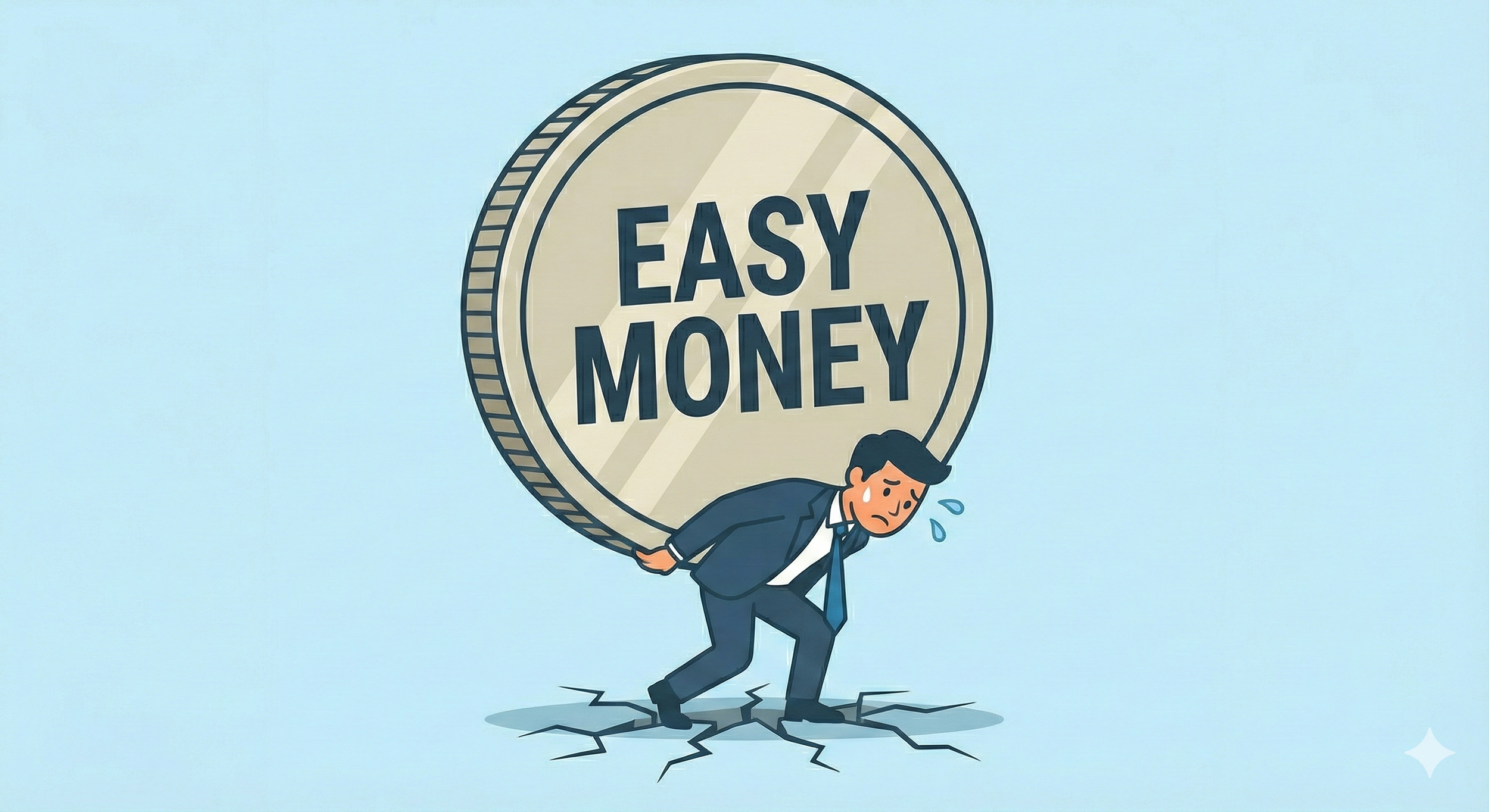
Business financing should expand your options, not shrink them. When brokers, lenders and underwriting practices are structured primarily around cash extraction rather than long-term partnership, the cost is measured not only in interest and fees but in lost opportunity, operational strain and personal financial risk. Understanding those incentives gives you the ability to choose differently and to protect the business you have worked to build. The difference between financing that works and financing that costs too much often comes down to whether the people and processes involved are aligned with your long-term success or with short-term transaction volume.
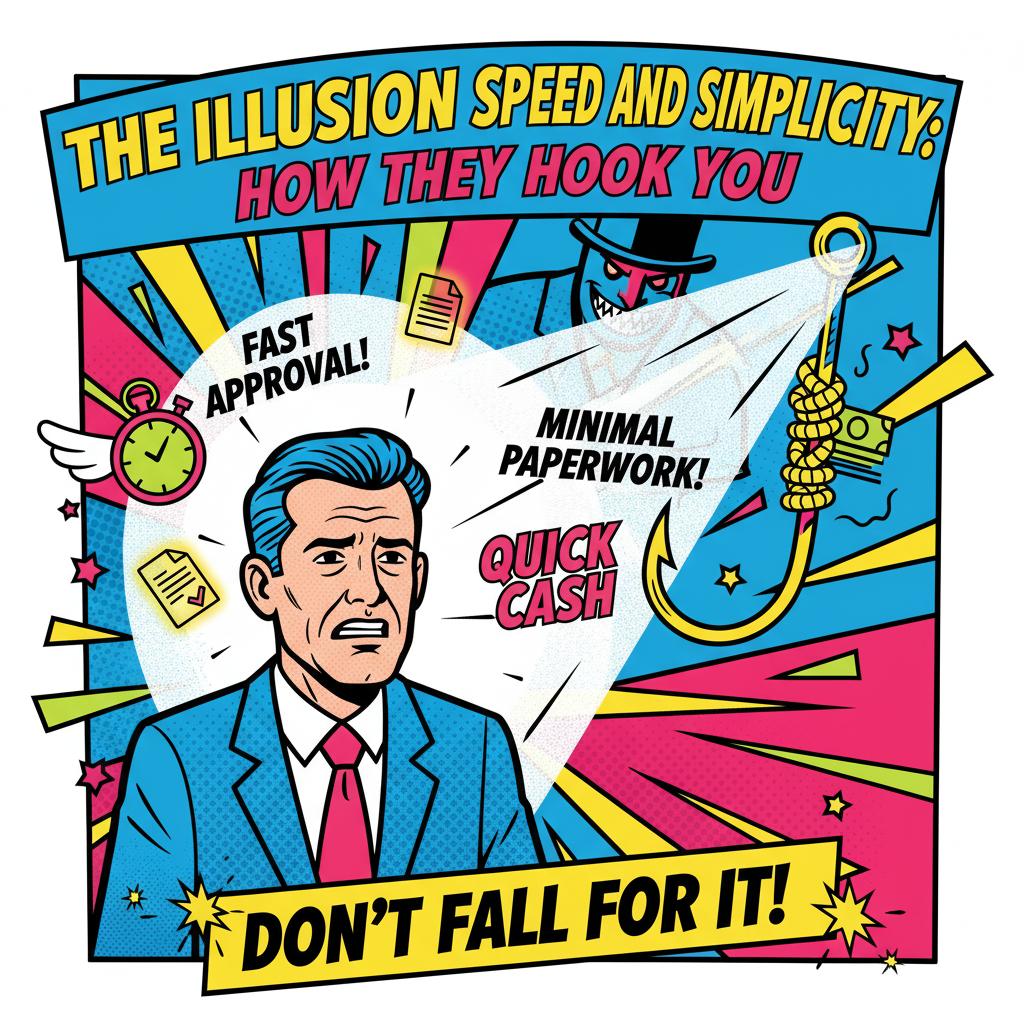
Owners who take the time to map total cost of capital, residual cash flow and the real incentives of every intermediary are far better positioned to avoid the traps described in this article. Demand transparency on commissions. Stress-test repayment schedules against realistic sales scenarios. Prefer structures that leave room for unexpected costs and for reinvestment. And when an offer seems too fast or too easy, treat that speed itself as a signal to slow down and examine the underlying terms more carefully.
The capital markets available to small and medium-sized businesses include both constructive partners and extractive ones. The challenge is to distinguish between them before the paperwork is signed. By understanding how brokers are compensated, how cash-flow underwriting is designed and how aggressive business debt service can cascade into personal equity injections, credit-card reliance and successive stacking of new business debt, you gain the clarity needed to choose financing that supports rather than undermines the enterprise you are building. That clarity is the most practical protection available to business owners navigating a complex and often misaligned business financing landscape.

More Business Finance and Strategy Articles: