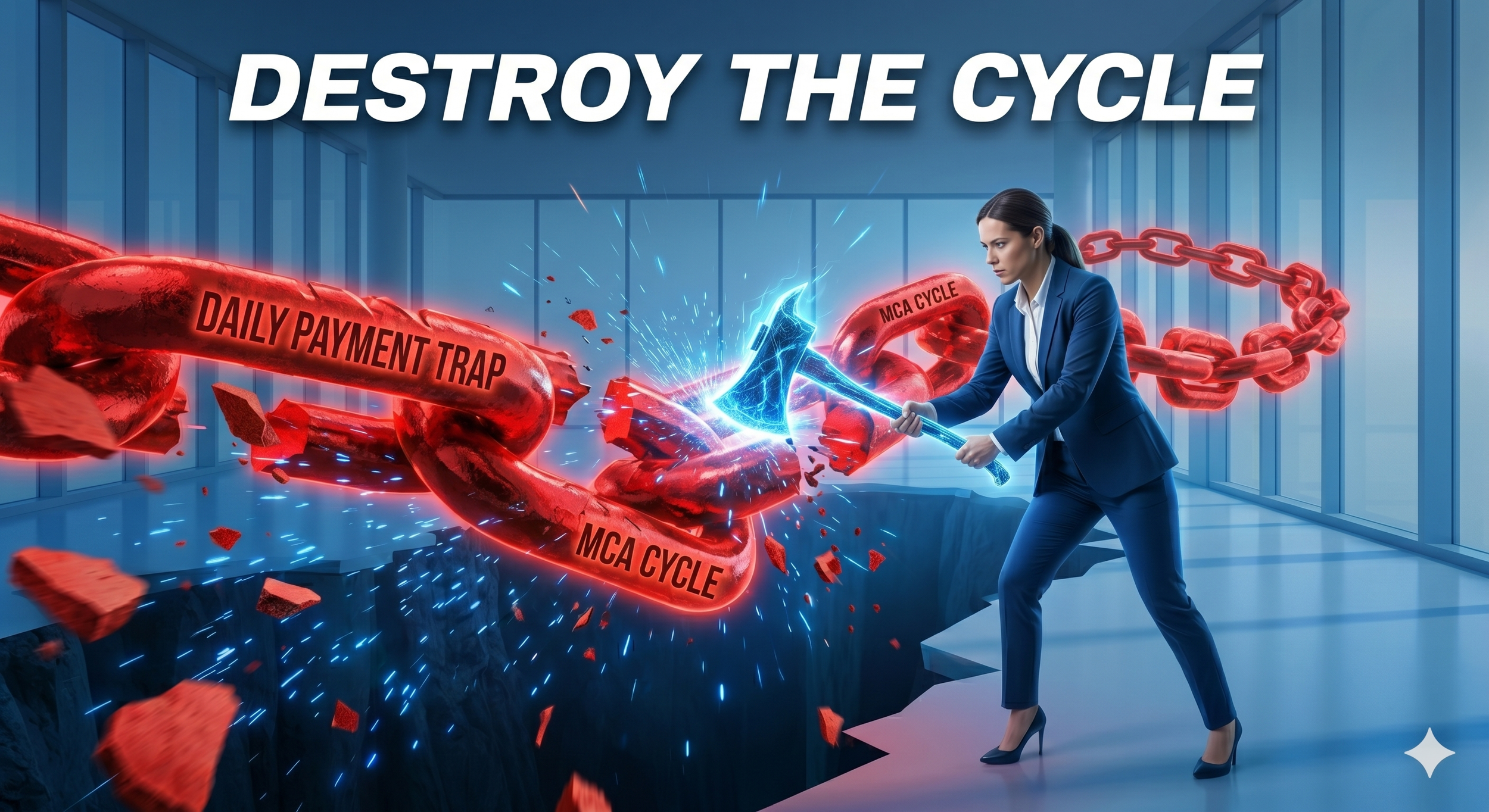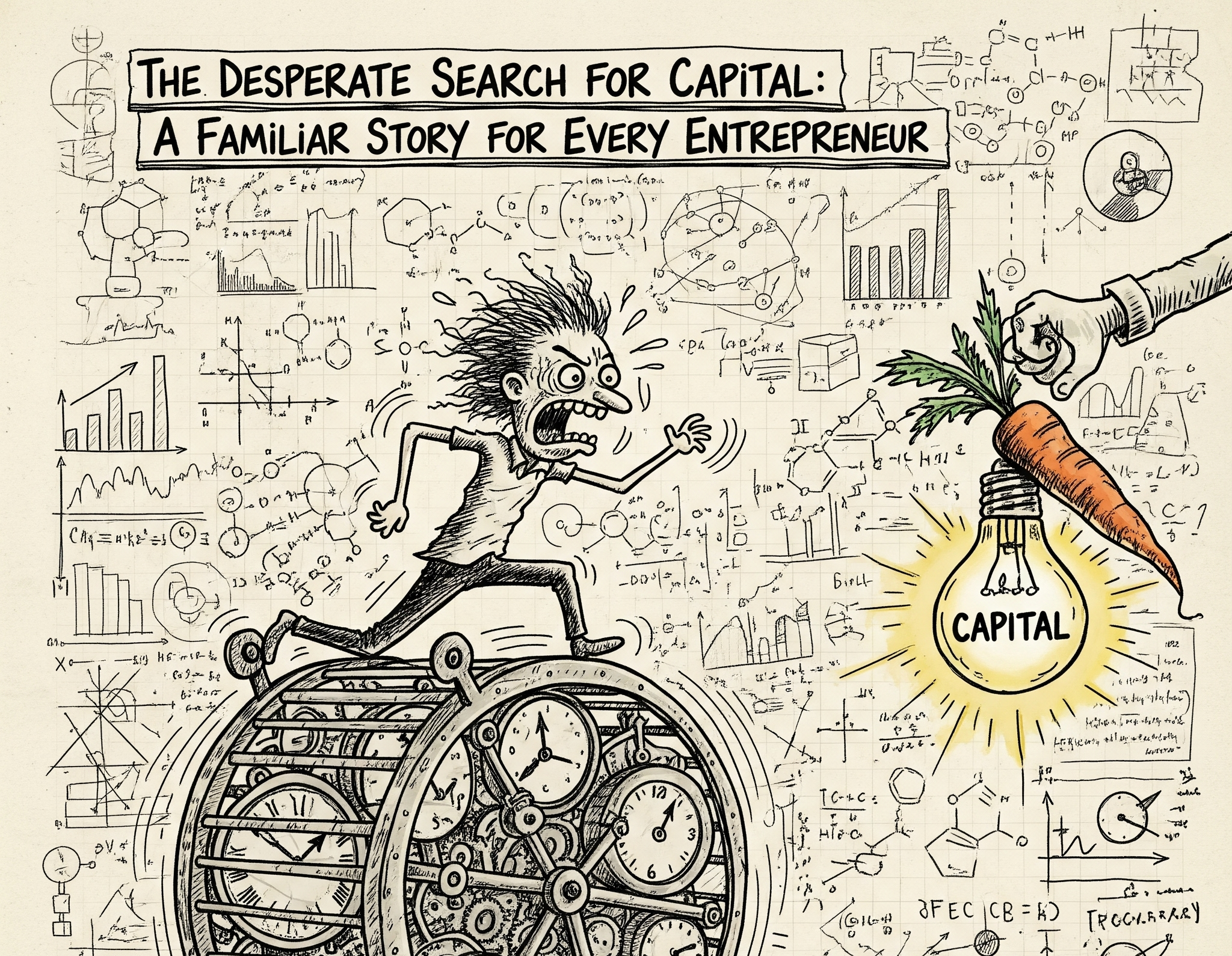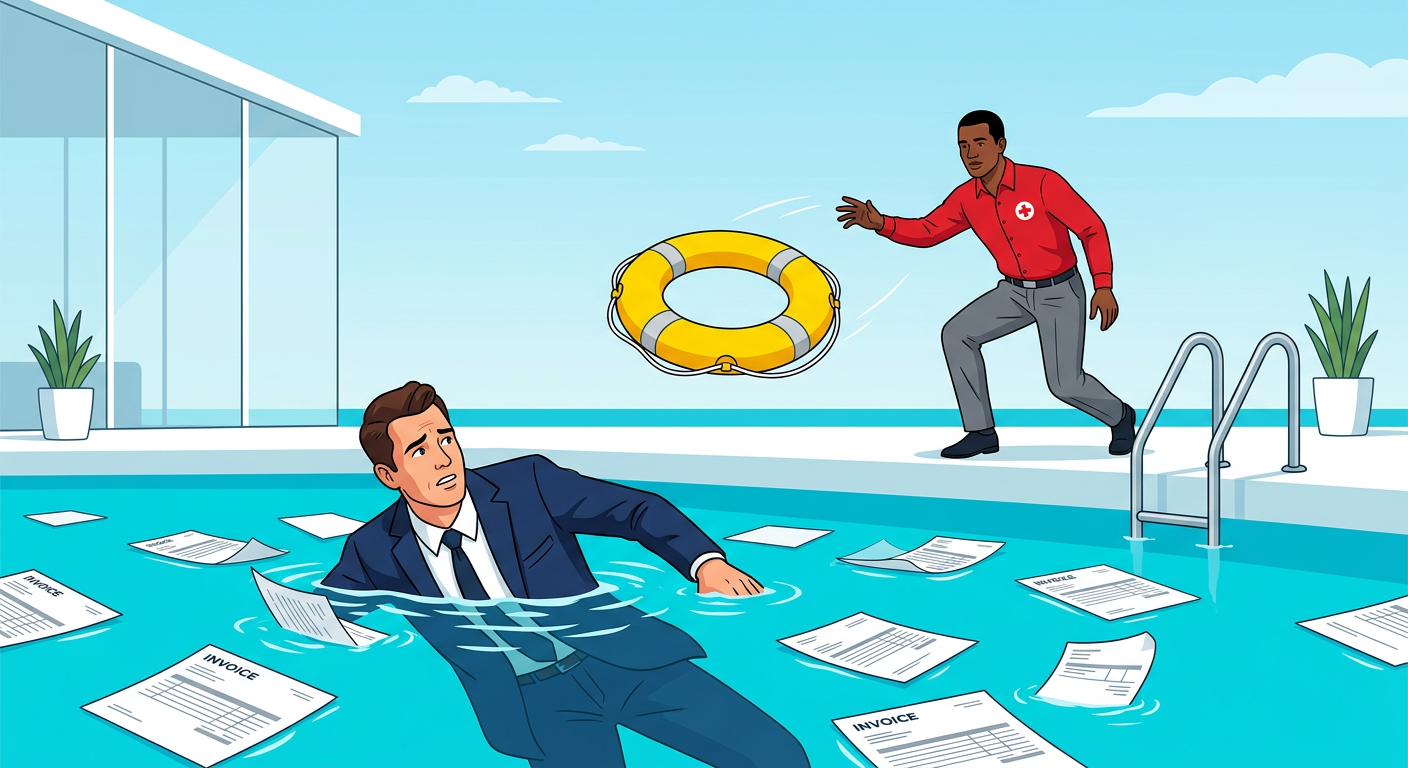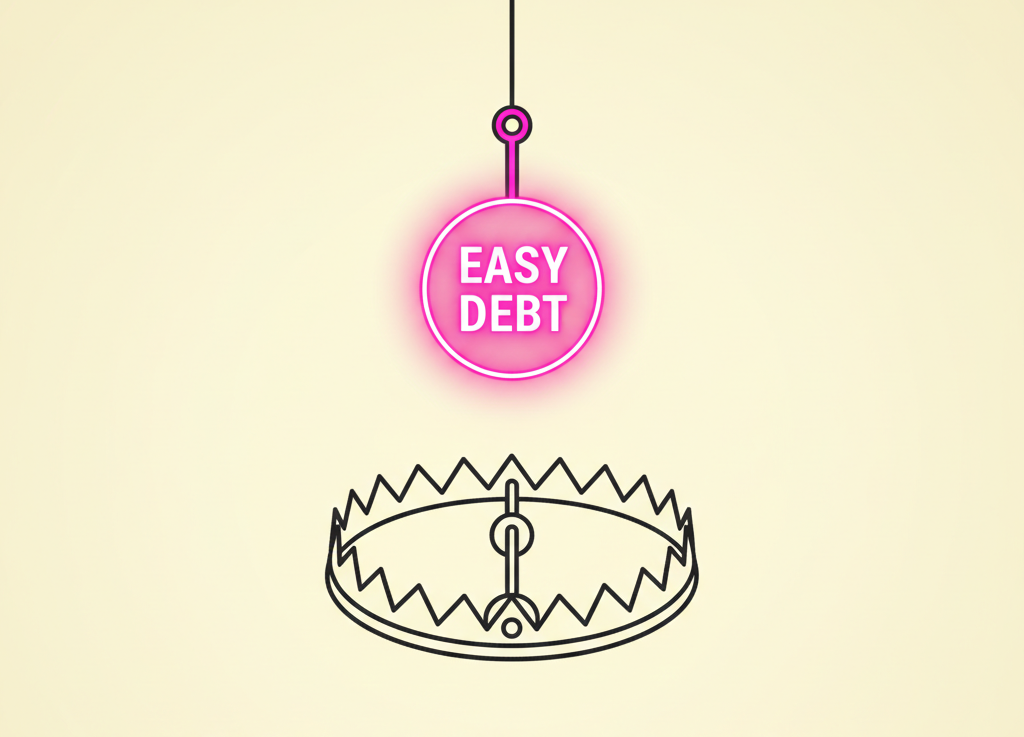
When short-term business financing is used to patch long-term operational needs, what seemed like a quick fix can rapidly spiral into a severe cash flow crisis. Escaping this cycle requires more than just another loan; it demands strategic restructuring, expert financial guidance and a sustainable path forward.
At Bernarsky Advisors, we align with your company as its trusted advisor and dedicated problem-solver to help you navigate these complex business finance and strategic waters. We work closely with you to dissect your current business debt structures, design a viable near-term 13-week restructuring plan and take you to the private credit markets to attempt to secure the refinancing and growth capital necessary to revitalize your business.
Institutional and private credit funds that we introduce you to have the ability to provide 24, 30, 36 and 60-month private credit facilities at market rates of 14% to 18% right now. As long as your business has strong cash flows, EBITDA and net profit margins, you may qualify to trade fast, expensive capital with long-term, patient capital.
This comprehensive guide outlines how you can break free from short-term and high-cost business debt, rebuild your company’s financial foundation, and reclaim control over your business's future.
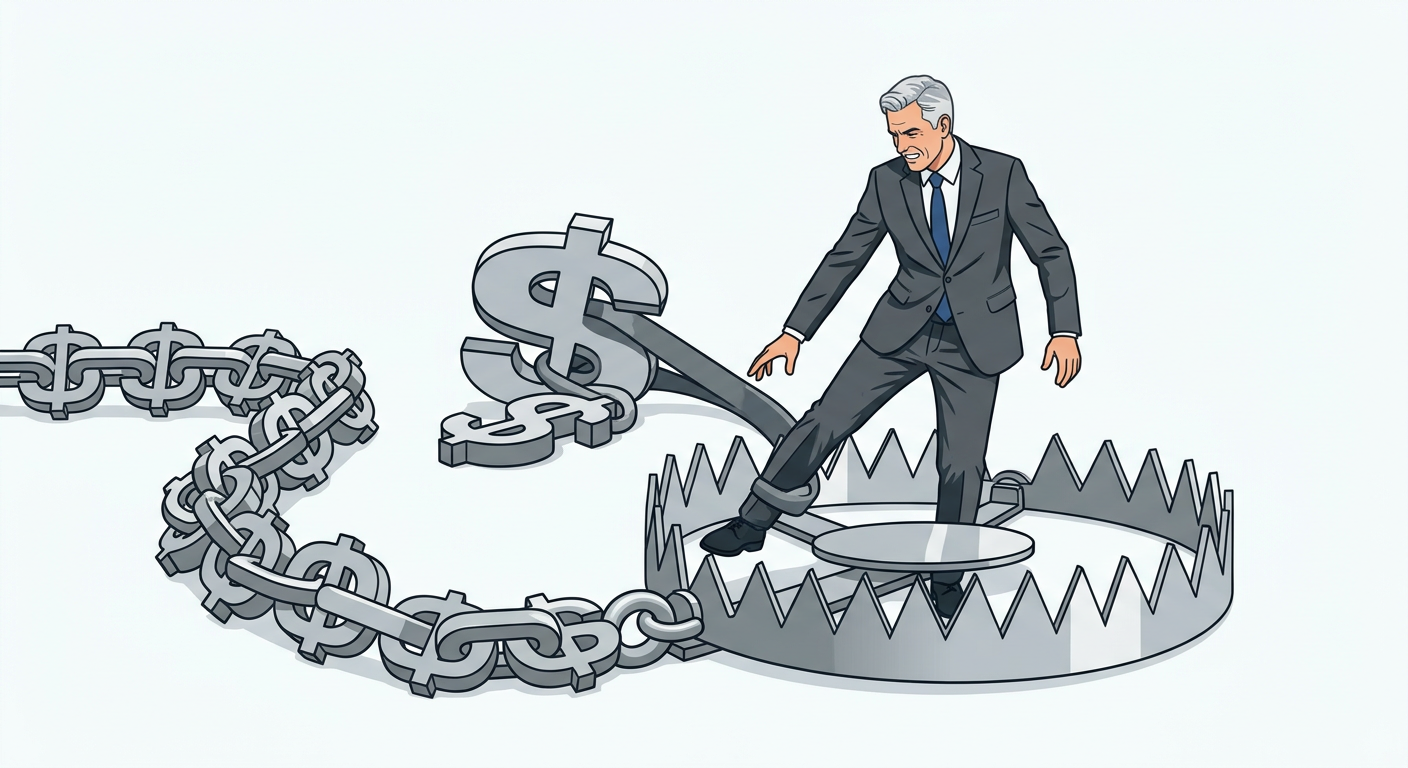
The Hidden Trap of Short-Term Business Funding
It is here that many business owners encounter the highly accessible, aggressively marketed world of short-term business funding, most notably expensive 12 to 18-month short-term business loans, expensive factoring arrangements with cash flow hold back or even Merchant Cash Advances (MCAs) and other alternative business financing products.
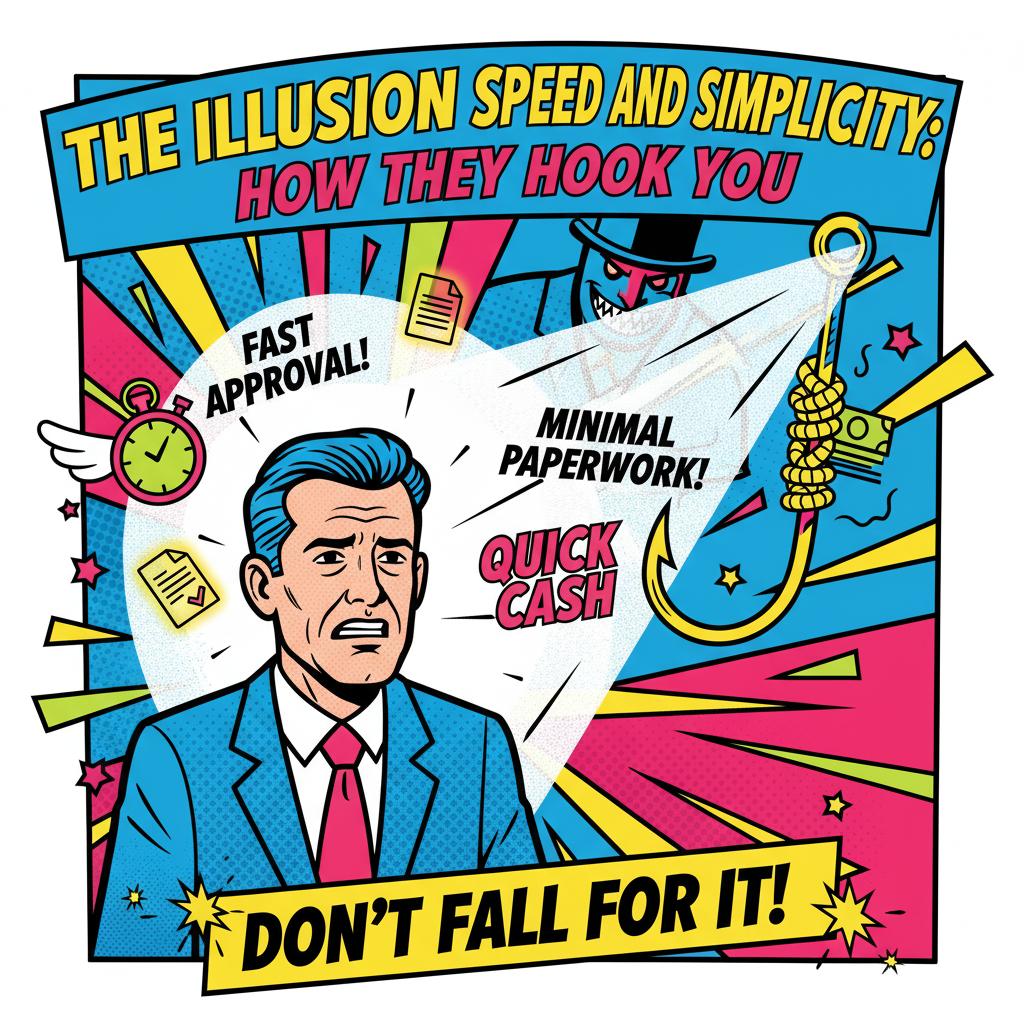
These funding options are designed to be incredibly seductive. They promise approval within hours, minimal documentation requirements and funds deposited directly into your bank account by the next business day. However, this convenience comes at an astronomical cost. Unlike traditional loans that use annual percentage rates (APRs) to express interest, MCAs use "factor rates," typically ranging from 1.15 to 1.50 or higher.
To the untrained eye, a factor rate of 1.25 might sound like a simple 25% interest rate. In reality, because the repayment terms are compressed into a few months and paid through daily or weekly automatic clearing house (ACH) withdrawals, the effective APR can easily soar into the triple digits, sometimes exceeding 100% to 200%.
The most dangerous aspect of this funding mechanism is how it interacts with daily and weekly cash flow. Because the repayments are a fixed weekly (or even daily) amount being sucked from your operating bank account, your business is immediately starved of working capital.
You are forced to operate on a significantly reduced margin from day one. When the next operational expense arises, your cash reserves have already been depleted by the excessive funding withdrawals, leaving you with few choices but to seek additional short-term funding. This phenomenon, known as "stacking" multiple business financings is the beginning of a highly destructive cycle that is incredibly difficult to break without professional intervention and immediate restructuring of existing debts and hopeful refinancing of existing debts to a longer term.
Recognizing the Warning Signs of a Debt Spiral
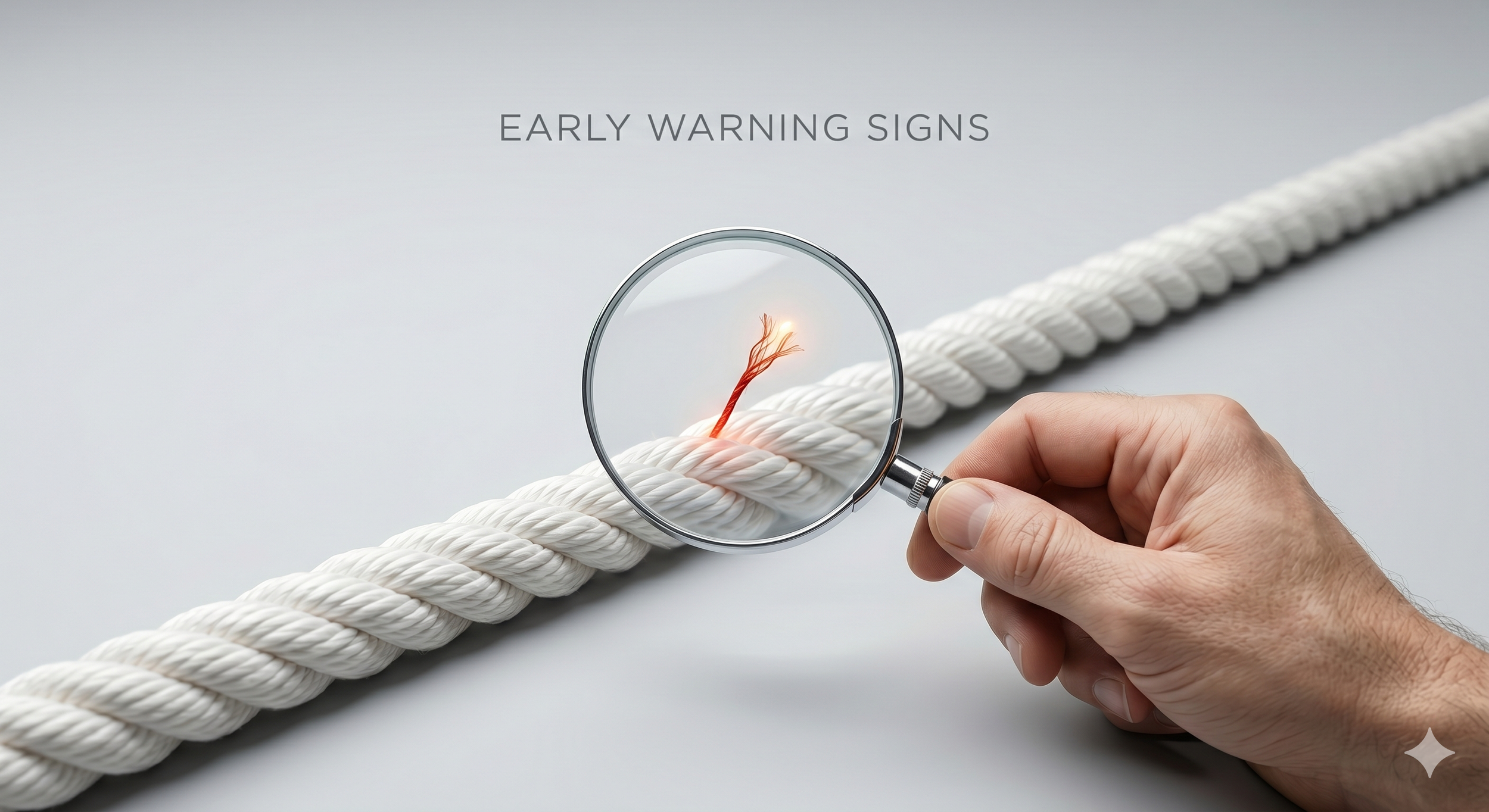
Recognizing that your business has entered a negative cash flow, debt spiral is the first and most critical step toward recovery. Unfortunately, many business owners are so consumed by the daily grind of survival that they fail to see the systemic nature of their cash flow issues until it is almost too late. A business debt spiral does not occur overnight; it is a gradual tightening of a financial noose that manifests in very specific, predictable operational warning signs.
The first and most obvious sign is the reliance on daily or weekly account monitoring simply to ensure that the automatic debit withdrawals do not bounce. If you find yourself checking your bank balance multiple times a day, trying to time deposits to land minutes before a lender’s ACH debit hits, your debt structure is fundamentally broken.
Another major red flag is "refinancing" or "renewing" an existing short-term advance as soon as it is halfway paid off. Lenders will often reach out to offer "additional capital" once you have paid down 40% or 50% of your original balance. What they are actually doing is rolling the remaining balance of the old advance into a new advance, charging you double fees on the unpaid portion, a practice known as "double-dipping."
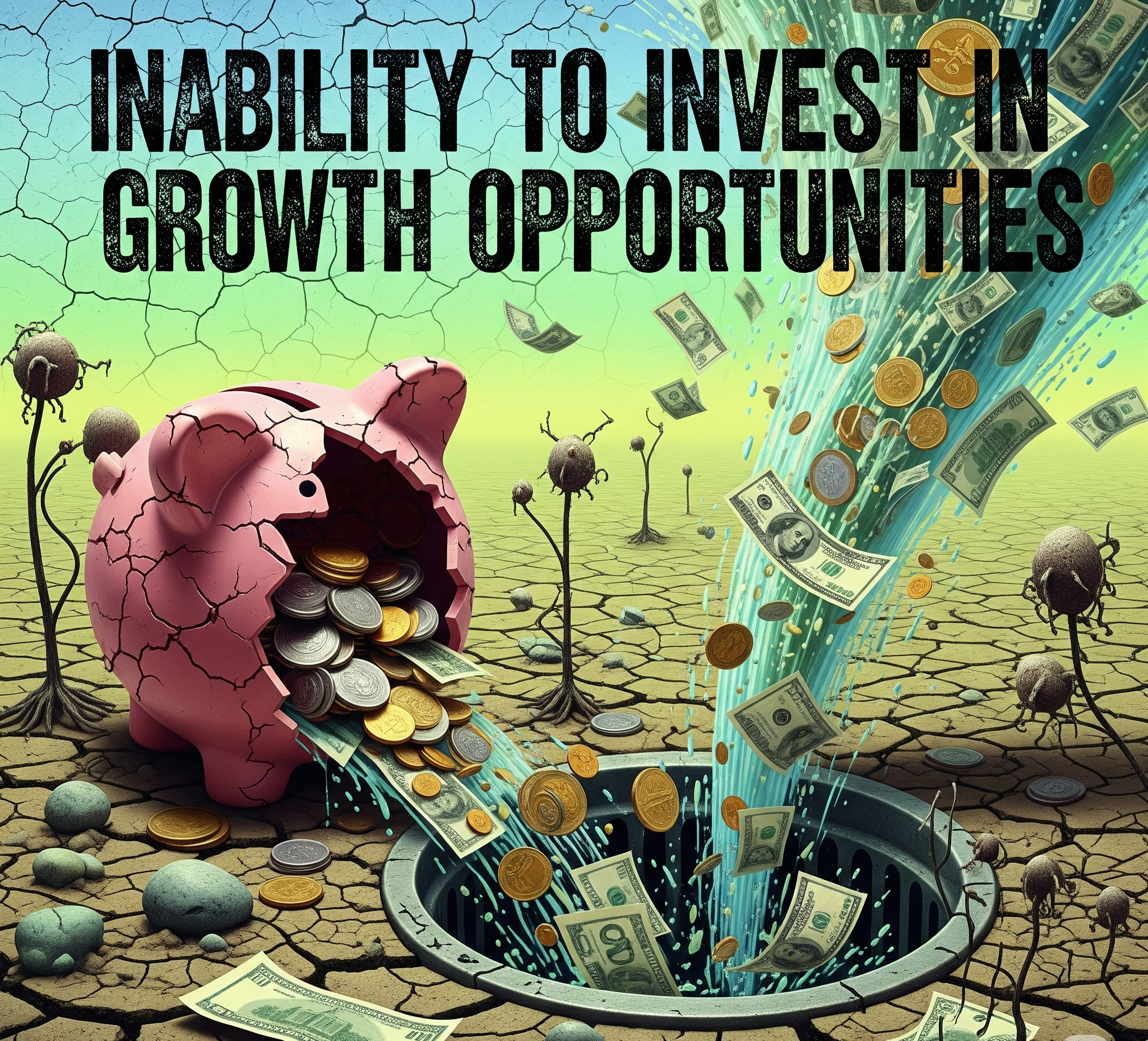
As the spiral accelerates, operational consequences become more severe. You may find yourself delaying payments to critical vendors and suppliers, choosing which utility bills or insurance premiums to postpone, or, in the worst-case scenario, struggling to meet payroll. When you are forced to use short-term, high-cost business debt not to fund revenue-generating growth, but simply to cover basic, recurring operating expenses like payroll and rent, your business model is no longer self-sustaining. The business debt is no longer a tool for growth; it has become a parasite that is slowly draining the lifeblood of your enterprise.
The Real Cost of Bad Business Debt on Your Operations
The true impact of toxic business debt structures extends far beyond the direct financial costs represented by interest payments and cost of capital. While those numbers are devastating on a profit and loss statement, the operational and psychological toll on the business and its owner can be even more destructive. When business cash flow is entirely consumed by business debt service, the business is effectively placed into a state of permanent operational paralysis.
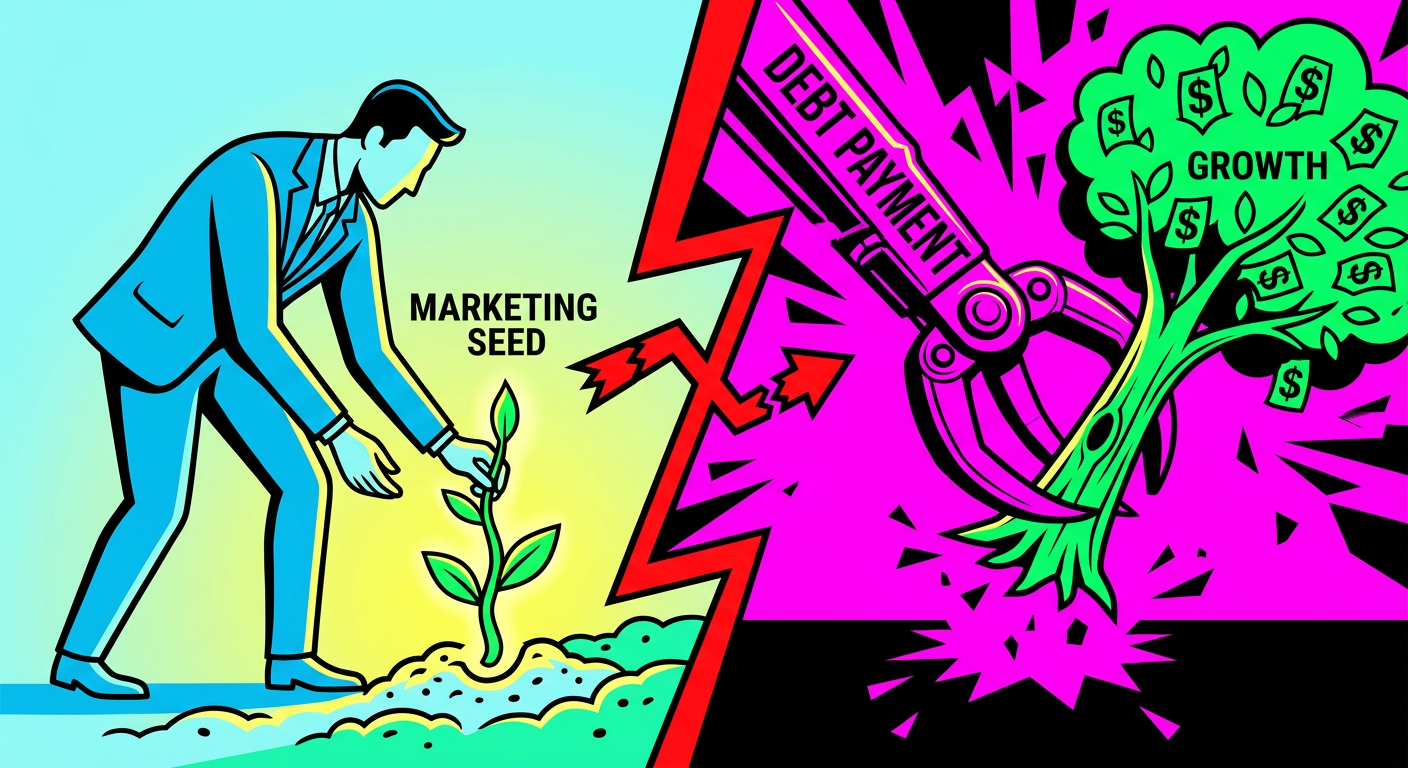
From an operational standpoint, the lack of working capital prevents you from making strategic decisions. You cannot afford to purchase inventory in bulk, which means you lose out on volume discounts and must pay higher unit costs, further eroding your profit margins. You cannot afford to invest in marketing or sales initiatives, meaning your pipeline of new business dries up, making you even more dependent on debt to survive. Maintenance on key machinery or vehicles is deferred, leading to increased breakdowns, costly emergency repairs, and lost productivity. Your relationships with key vendors deteriorate as payments are consistently late, causing them to revoke credit terms and demand cash on delivery (COD), which strains your cash flow even further.
Equally critical is the human cost. Running a business under the constant threat of financial collapse is incredibly stressful.
As an owner, you find yourself trapped in a state of perpetual anxiety, constantly firefighting cash flow crises instead of focusing on strategic growth, product development, or customer relationships. This chronic stress inevitably trickles down to your employees. They can sense the tension, observe the late payments to suppliers, and begin to worry about their job security. This leads to a decline in morale, reduced productivity, and the potential departure of your most valuable staff members.
The business loses its competitive edge, its culture erodes, and the dream you worked so hard to build begins to feel like a prison.
Navigating the Maze of Business Financial Complexity
The world of commercial finance is incredibly complex, filled with specialized terminology, hidden clauses and sophisticated underwriting criteria that are designed to protect lenders, not business owners. For a busy business owner whose expertise lies in manufacturing, retail, contracting, or professional services, attempting to navigate this maze alone is a daunting and often risky endeavor.
Lenders frequently take advantage of this asymmetry of information, presenting terms that appear favorable on the surface but contain highly restrictive covenants and hidden liabilities.
One of the most complex areas to understand is the structure of security and guarantees. Most short-term alternative lenders require a personal guarantee, meaning that if your business is unable to make the payments, the lender can go after your personal assets, including your home, personal bank accounts, and personal investments. Furthermore, these lenders routinely file Uniform Commercial Code (UCC) liens against your business. A UCC lien is a legal notice that establishes a lender's claim over your business assets.
If multiple lenders file UCC liens, it can completely lock up your ability to secure traditional bank financing or asset-based loans, as those institutions require a first-priority position on your assets.
Additionally, understanding the true cost of your business debt requires a deep mathematical analysis that goes beyond simple interest rate comparisons. You must calculate the Weighted Average Cost of Capital (WACC), analyze how different debt instruments affect your Debt Service Coverage Ratio (DSCR), and determine the exact timing of cash outflows and how business debt service requirements consume your business cash flow.
Without a clear understanding of these metrics, it is impossible to accurately evaluate refinancing offers or restructuring proposals. This financial complexity is why so many business owners make the mistake of accepting what they believe is a "consolidation loan," only to find that they have entered into an even more expensive and restrictive agreement that worsens their financial position.
The Role of a Trusted Business Finance Advisor in Financial Recovery
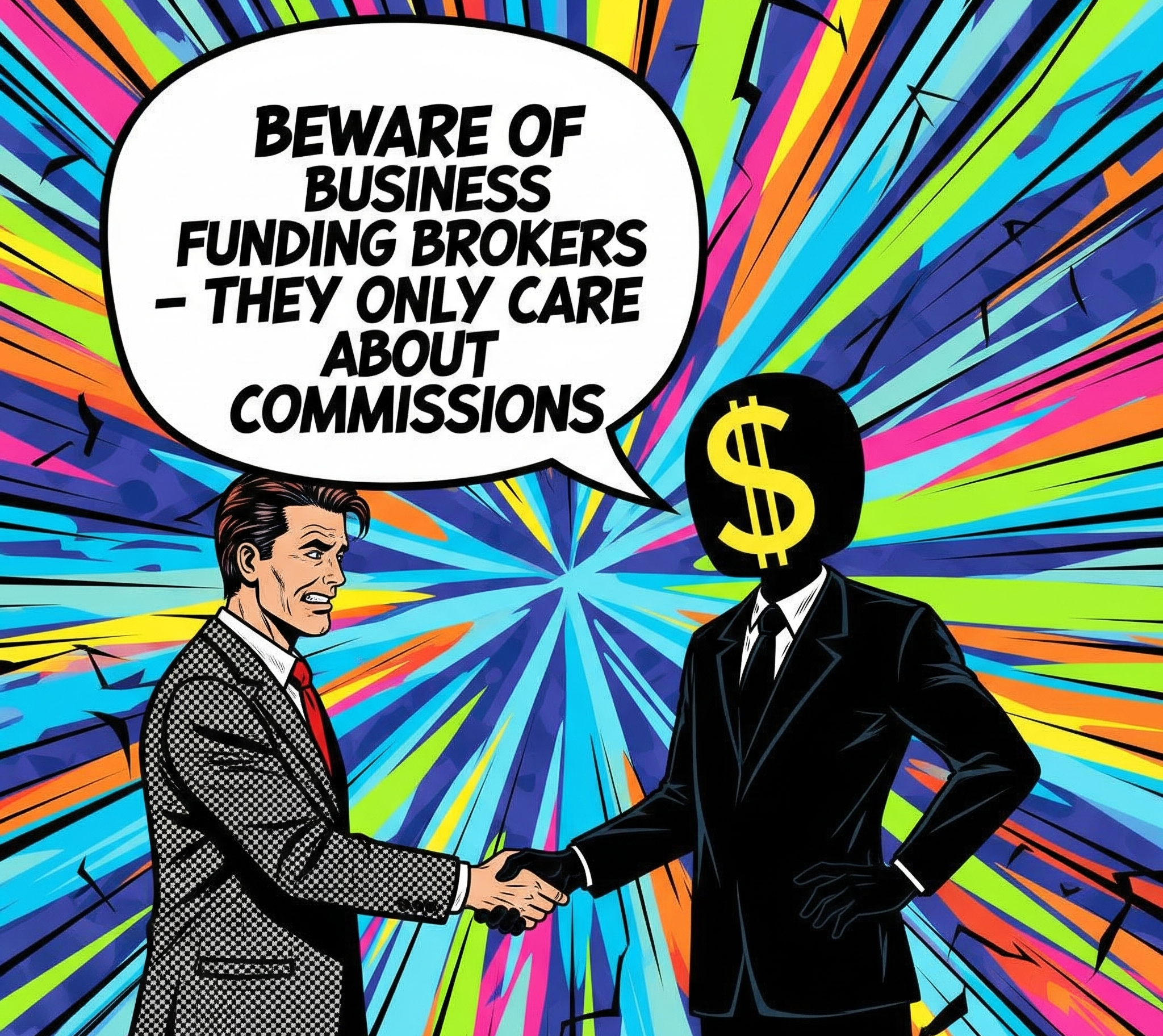
When a business is facing a cash flow crisis induced by bad debt structures, the owner needs more than just a broker who will shop their files to the highest bidder. They need a trusted advisor, a strategic partner who can bring objectivity, deep financial expertise and a structured approach to a highly emotional and chaotic situation. Bernarsky Advisors serves as this essential partner, guiding you through the financial complexity and acting as an experienced and protective barrier between you and your creditors.
As your trusted business finance advisor, our first task is to bring absolute clarity to your business financial situation. We perform a comprehensive, forensic analysis of your current business debt obligations, cash flow patterns and operational expenses. We strip away the confusing terminology used by short-term lenders to reveal the true cost and structure of every single liability on your balance sheet.
This process allows us to identify exactly where the cash leaks are occurring and which specific business debt and financing instruments are causing the most damage. This objective, data-driven assessment is crucial for developing a realistic and effective recovery plan.
Moreover, having a professional business finance advisor represent your business completely changes the dynamic with your creditors. Alternative lenders and MCA companies are highly aggressive, often using high-pressure tactics, frequent phone calls, and legal threats to coerce business owners into compliance.
When Bernarsky Advisors steps in under an active Restructuring engagement, we handle all communications and negotiations on your behalf. We speak their language, understand their legal and financial constraints, and present restructuring proposals backed by rigorous financial modeling. This professional representation immediately reduces your daily stress, allowing you to refocus your energy on running your business, while we focus on securing your financial freedom. Consensual and professional discussions, without stopping payments or litigating is the best path forward and towards solutions.
Demystifying Existing Business Debt Refinancing and Restructuring Process
To escape a toxic business debt structure, you must understand that the solution is rarely a simple "quick fix." It requires a structured, multi-phase process of restructuring and refinancing designed to transition your business from high-cost, high-frequency short-term liabilities to structured, long-term, low-cost capital.
This process must be carefully managed to ensure that your business remains operationally stable and that you do not inadvertently trigger legal or financial defaults that could jeopardize your enterprise.
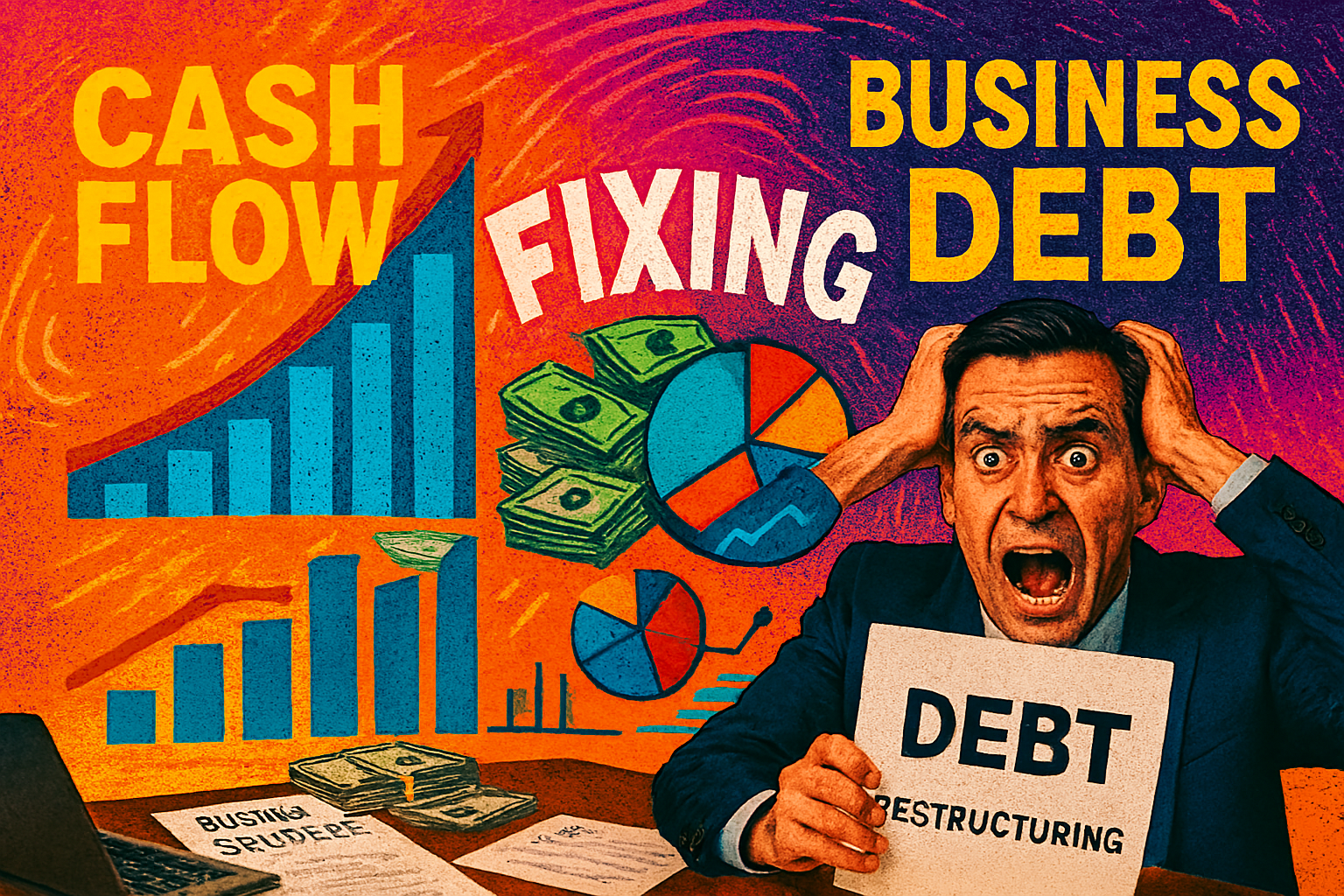
The first phase of the process is business debt restructuring, which involves discussions directly with your current creditors to modify the terms of your existing obligations. This can take several forms, including extending the repayment terms to reduce the daily or weekly payment amounts, obtaining a temporary forbearance or payment holiday to allow cash reserves to rebuild or negotiating a settlement for a lump-sum payment that is significantly less than the outstanding balance paid off by a bridge or refinance lender.
The goal of this phase is to immediately stop the cash flow drain on your business, giving you the breathing room and “liquidity window” necessary to prepare for long-term refinancing.
The second phase is existing business debt refinancing, which involves replacing the remaining restructured debt with new, healthy and long-term, low-cost capital. This new financing is structured with monthly payments, reasonable interest rates (14% to 18% range currently) and longer amortization periods, typically ranging from 24, 30, 36 and 60-months to ten years or more with SBA-backed financing.
By stretching out the repayment terms, your monthly debt service obligations are dramatically reduced, immediately freeing up massive amounts of operating cash flow.
This freed-up cash flow can then be reinvested back into your core operations, allowing you to rebuild inventory, hire key staff, invest in marketing, and start growing your business once again.
Exploring Alternative and Traditional Financing Options
Once your current business debt has been stabilized and restructured, the next step is to identify and secure the most appropriate refinancing and growth capital. There is no one-size-fits-all solution; the right financing option depends heavily on your industry, your asset base, your historical financial performance, and your long-term business goals. Bernarsky Advisors leverages a deep network of relationships with institutional and family office private credit funds to match your business with the optimal financial structure.
Traditional commercial bank financing remains the gold standard, offering the lowest interest rates and most favorable terms. However, qualifying for a traditional bank loan can be extremely difficult for a business that has recently experienced financial distress. In these cases, Government-guaranteed SBA loans, particularly the SBA 7(a) and 504 programs, are an outstanding alternative.
The Small Business Administration guarantees a significant portion of the loan, reducing the risk for the lending bank and allowing them to approve financing for businesses that do not meet standard underwriting criteria. SBA loans can be used to refinance existing debt, purchase real estate, acquire equipment, or provide working capital, with repayment terms of up to 10 years for working capital and 25 years for real estate.
For businesses with significant tangible assets, Asset-Based Lending (ABL) represents another highly effective refinancing pathway. Under an ABL structure, a lender provides a revolving line of credit or a term loan secured by your accounts receivable, inventory, machinery, or equipment. This is particularly useful for rapidly growing businesses or those with long payment terms from customers. Additionally, for larger or more complex situations, we can explore private credit options, Small Business Investment Companies (SBICs), or specialized cash flow lenders who focus more on your future earning potential and contract pipelines than on historical credit scores.
Preparing an Institutional-Grade Credit Package
Securing refinancing from reputable, low-cost lenders requires a level of preparation and presentation that goes far beyond simply filling out a loan application. Traditional and institutional lenders are highly risk-averse; they receive hundreds of funding requests every week, and they are actively looking for reasons to say "no." To stand out and secure approval, your business must present an institutional-grade credit package that anticipates every question a lender's credit committee might ask and demonstrates a flawless understanding of your business financial health.
An institutional-grade credit package begins with a clean, professional financial history. Lenders will require at least three years of business tax returns, current-year interim financial statements and a detailed aging report of your accounts receivable and accounts payable. However, simply handing over raw financial statements is rarely enough.
Lenders need to see a "near-GAAP" proforma financial analysis that accurately reflects your company's true profitability. This includes identifying and documenting "add-backs"—non-recurring, extraordinary or personal expenses that are currently masking your true operating cash flow. By properly identifying these add-backs, we can significantly increase your adjusted EBITDA (Earnings Before Interest, Taxes, Depreciation, and Amortization), which is the primary metric lenders use to determine your ability to repay and your total long-term debt loads
Furthermore, your package must include a detailed Debt Service Coverage Ratio (DSCR) calculation. Lenders typically look for a DSCR of 1.25x or higher, meaning your adjusted operating cash flow is at least 125% of your proposed annual debt payments.
Bernarsky Advisors specializes in preparing these comprehensive, highly detailed credit packages. We build rigorous financial models, write a compelling narrative explaining any past financial setbacks and how they have been resolved, and present your business in the absolute best possible light. When a lender receives an underwriting package of this quality, it immediately instills confidence, speeds up the approval process and often results in more favorable terms and lower interest rates.
Case Studies in Financial Transformation
To fully understand the power of strategic restructuring and refinancing, it is helpful to look at real-world examples of how this process transforms struggling businesses. Consider the case of a mid-sized precision manufacturing company that experienced a temporary downturn when its largest customer delayed a major contract. Facing an immediate payroll crisis, the owner took out a single Merchant Cash Advance (MCA).
Within six months, to keep up with the daily withdrawals, the business had stacked three additional advances, resulting in a cash drain of over $25,000 per week. The owner was completely consumed by managing bank balances and was forced to turn down new, highly profitable orders because they could not afford to purchase raw materials.
When we stepped in, we immediately conducted a comprehensive analysis of their liabilities and cash flow. We initiated negotiations with the MCA lenders, securing a consensual and temporary reduction in payments and establishing a structured repayment path. Concurrently, we prepared an institutional-grade underwriting package highlighting the company’s strong underlying contracts and valuable machinery. We secured a 5-year Asset-Based Lending (ABL) facility secured by their accounts receivable and equipment, which was used to completely payoff the restructured MCAs. The daily cash drain was replaced by a manageable monthly payment, immediately freeing up over $90,000 in monthly working capital. With business free cash flow restored, the company purchased the necessary raw materials, fulfilled their backlog, and grew their revenue by 35% over the following twelve months.
Another example involves a commercial contracting firm that had accumulated a complex mix of high-interest equipment loans, line of credit balances, and short-term debt during a period of rapid expansion. Their cash flow was severely strained, and their debt service coverage ratio had fallen below acceptable levels, preventing them from bidding on lucrative municipal contracts that required strict financial bonding. We analyzed their financial structure, identified key operational add-backs to improve their adjusted EBITDA, and successfully transitioned their high-interest debt into a single, long-term SBA 7(a) loan. This consolidation cut their monthly business debt service payments in half, drastically improved their balance sheet liquidity, and allowed them to secure the necessary performance bonds to win multiple multi-million-dollar municipal projects.
Building a Sustainable Financial Foundation for the Future
Successfully escaping a bad business debt structure and securing existing business debt refinancing is a major milestone, but it is not the final step. To ensure that your business remains healthy, profitable and growing over the long term, you must use this opportunity to build a permanent, sustainable business financial foundation. This requires a fundamental shift in how you monitor, manage, and plan your business finances, transitioning from a reactive, crisis-driven approach to a proactive, strategic methodology.
The cornerstone of a healthy financial foundation is rigorous, ongoing cash flow forecasting. You must develop the discipline to project your cash inflows and outflows at least 13-weeks into the future. A rolling 13-week cash flow forecast allows you to see upcoming cash crunches long before they happen, giving you ample time to adjust spending, accelerate collections, or utilize your line of credit strategically, rather than waiting until you are in a panic and forced to seek high-cost, short-term debt.
Additionally, you must focus on optimizing your working capital cycle, shortening your days sales outstanding (DSO) by invoicing promptly and enforcing strict payment terms, managing inventory levels to avoid tying up unnecessary cash and negotiating favorable payment terms with your key vendors.
Finally, you must recognize that business financial management is not a task to be shoved to the side or delegated entirely to an external bookkeeper. It is a core strategic function of your leadership role. However, you do not have to do it alone. Maintaining a long-term partnership with a trusted business finance and strategy advisor like Bernarsky Advisors ensures that you have ongoing access to high-level strategic guidance, regular financial health reviews and proactive capital planning. Together, we can ensure that your business remains on a path of sustainable growth, free from the shadow of toxic business debt structures and fully equipped to capitalize on every new opportunity that comes your way.