Most business owners know exactly what their last advance or short-term loan cost them on paper. Far fewer know what it cost them in practice. The factor rate, the origination fee and the frequent remittances are the visible part of the bill. The larger part shows up later, in thinner inventory, delayed hires, strained vendor relationships, skipped maintenance and an owner who spends more time managing cash than running the company.
This article is for owners who have taken on expensive, fast funding to get through a tight stretch and now feel the business working for the lender instead of the other way around. It is also for owners who are considering that kind of financing right now and want to understand what they are really signing up for.
What follows breaks down how short-term and stacked financing quietly reshapes business operations, why the true cost is almost always higher than the quoted cost and what practical steps you can take to stabilize cash flow, regain control and move toward capital that supports growth instead of draining it.
Why the Quoted Cost Is Never the Real Cost
When an owner signs for a short-term loan or merchant cash advance, the conversation usually centers on a handful of figures: how much money arrives, how much must be paid back and how often payments come out. A business that receives $100,000 and repays $140,000 over 10-months can easily think of that as a forty percent cost. It feels expensive but manageable, especially when the alternative is missing payroll or losing a contract.
That framing hides two problems. The first is time. Paying forty percent over 10-months is very different from paying forty percent over a year, and with frequent remittances you begin repaying almost immediately, which means you never actually have the full amount working for you. Once the timing is accounted for, the effective annual cost of many of these products climbs far above what the simple math suggests, often into the triple digits as far as APR measurements.
The second problem is that the price on the contract only measures what the money costs. It does not measure what the repayment structure costs. Frequent automated debits that pulls a fixed amount out of the account regardless of how sales went that day changes how a business behaves. It changes what you buy, when you buy it, who you hire, how you price and what you postpone. Those changes carry their own cost, and they rarely show up on any statement.
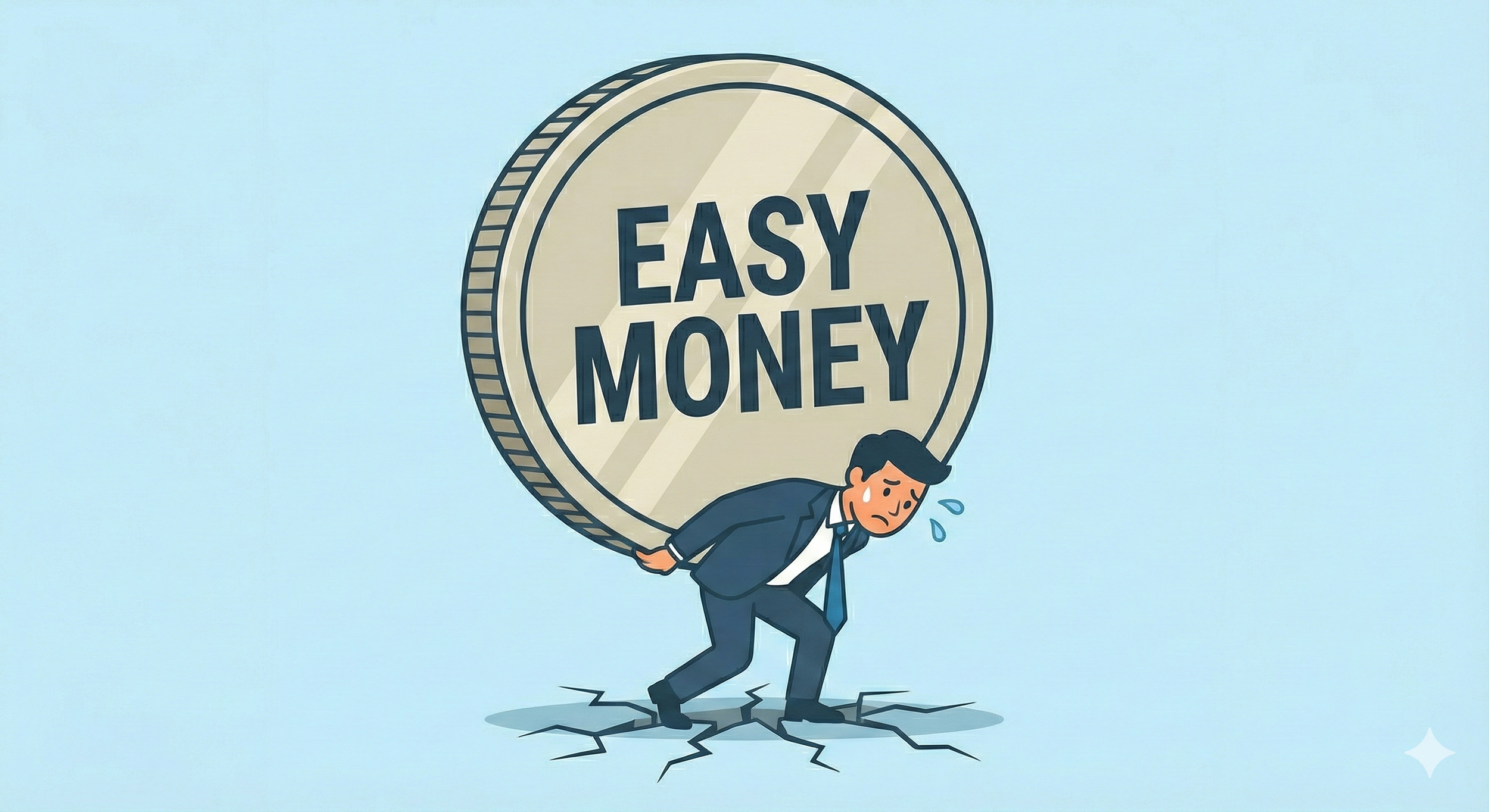
This is the central idea owners need to hold onto. Expensive short-term business financing has a financial cost and an operational cost. The financial cost is painful but visible. The operational cost is quieter, spreads across every department and frequently ends up being the bigger number. A business can sometimes survive a high interest rate. What damages companies over time is the slow erosion of their ability to operate the way they were built to operate.
Understanding this distinction is the first step toward making better decisions, both about the business debt you already carry and about any new business financing you consider. If you only compare offers by their rate, you will keep choosing products that look acceptable on paper and feel crushing in practice.
How Short Payback Periods Reshape Cash Flow
Traditional business loans are typically repaid over 24 to 36-months or longer. That rhythm matches how most businesses actually operate. Customers are invoiced, receivables come in, rent and payroll go out and there is a full month to smooth over the natural highs and lows. Short-term lenders and cash advance providers usually work on a much faster cycle, with debits that come out every business day or every week.
On the surface, smaller frequent payments can seem easier than one large monthly payment. In practice, they take away the cushion that every business depends on. Revenue is rarely even. It takes the same amount on a slow day as on a strong one, which means slow days start pulling from reserves that should be covering other obligations.
Over time, this creates a pattern many owners recognize. The account balance looks healthy in the morning and thin by the afternoon. Bills that used to be paid on receipt get pushed to the due date, then past it. The owner starts checking the bank balance several times a day and timing every outgoing payment around the next debit. Cash management, which should be a periodic task, becomes a constant preoccupation.
That preoccupation has a cost too. When the person responsible for strategy, sales and leadership is spending hours a week moving money around to avoid an overdraft, those other responsibilities slip. Customer relationships get less attention. Opportunities are missed because no one had time to follow up. Problems that a rested, focused owner would catch early grow into larger ones.
Frequent payments also make the business more fragile. A single slow week, a delayed customer payment or an unexpected repair can create a shortfall, and because the debit is automatic, the shortfall shows up as a returned payment, an overdraft fee or a default notice rather than as a manageable conversation. The structure leaves very little room for the ordinary bumps every business experiences.
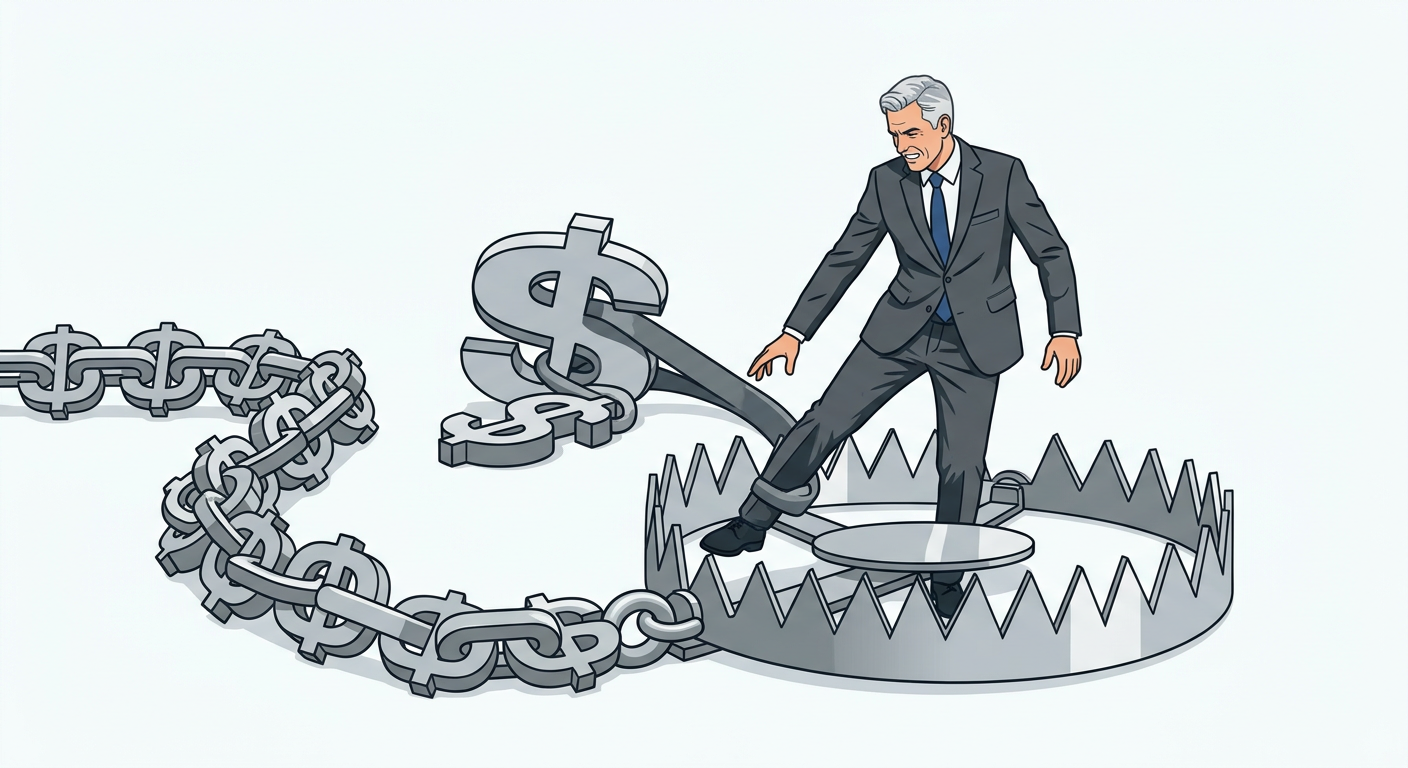
The Business Debt Stacking Trap
Stacking is what happens when a business takes a second advance or short-term loan while the first is still being repaid, then sometimes a third or a fourth, and so on. Very few owners set out to stack. It usually happens gradually and for understandable reasons.
The pattern often looks like this. A business takes an advance to cover a specific need, such as a large inventory order or a slow season. The aggressive re-payments reduce available cash. A few months later, a new expense or a revenue dip creates another gap. Because the first advance has made it harder to build reserves, the owner looks for quick capital again. Lenders, seeing steady deposits, are often happy to offer more. The second advance arrives, and now two sets of automated debits are coming out of the same account.
Each new layer makes the next one more likely. Combined payments may consume a large share of revenue, leaving the business with less operating cash than it had before any financing was taken. The owner is now borrowing not to grow, and not even to cover a temporary gap, but simply to keep up with the payments on earlier borrowing. At that point, the financing is no longer serving the business. The business is serving the financing.
Stacking also tends to worsen the business funding terms over time. Later positions are often priced higher because the lender sees more risk, and some agreements contain clauses that prohibit additional financing, which can put the owner in technical default without realizing it. The paperwork can become difficult to track, with different payment amounts, different renewal offers and different contact people, all pressing on the same limited pool of cash.
The most important thing to understand about stacking is that it rarely solves the underlying problem. If the first advance was taken because cash flow was tight, adding more expensive short-term business debt makes cash flow even tighter. Each round buys a little time at a very high price, and the cost of that time keeps rising.
What Transactional Lending Means for Your Business
Much of the expensive financing available to small and medium-sized businesses is transactional in nature. The lender evaluates recent deposits, makes a fast decision, funds quickly and collects. There is usually little ongoing relationship, little understanding of how the business actually works and little flexibility if circumstances change.
Speed and convenience are real advantages, and there are moments when they matter. But transactional financing has limits that owners should recognize. A transactional lender is not invested in whether your business is healthier a year from now. Their model is built around repayment and, often, around renewal. Many providers will offer to renew or refinance once a portion of the balance has been paid, which can feel like relief but frequently resets the cost and extends the cycle.
Relationship-based financing works differently. A lender who understands your industry, your seasonality and your plans can structure payments that fit your revenue cycle, adjust when things change and grow with you over time. That kind of capital is usually cheaper, but it also tends to require more preparation, including organized financial statements, tax returns and a clear explanation of how the money will be used (sources and uses).
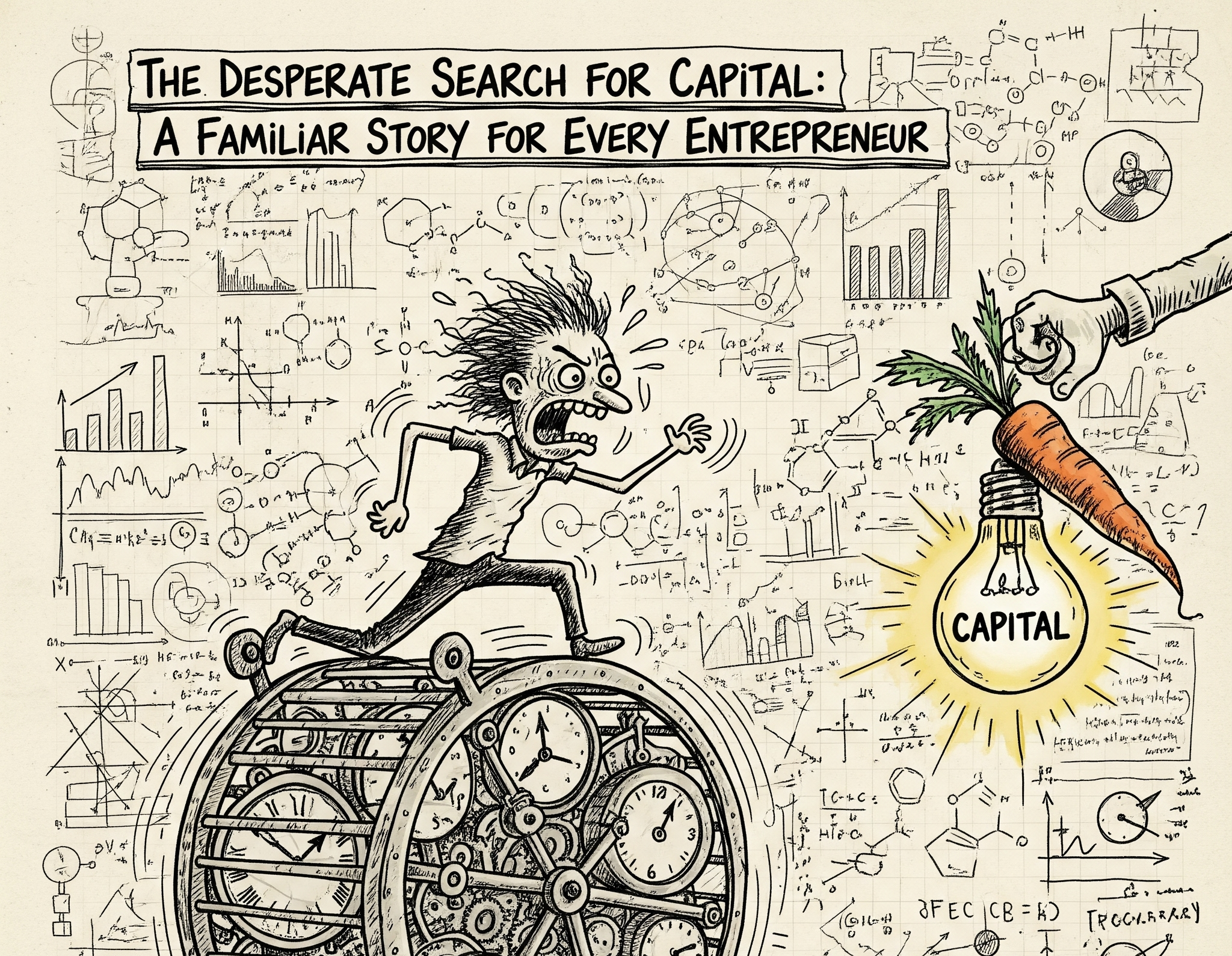
Many owners end up in transactional financing not because it was the best option, but because it was the fastest option at a moment when speed felt essential. The application took minutes, the approval came the same day and the money was there by the end of the week. Meanwhile, the more sustainable options seemed slow, complicated or out of reach.
Recognizing this dynamic matters because it shapes future decisions. If urgency is what keeps driving you toward expensive capital, then reducing urgency, by planning ahead and building relationships before you need money, becomes one of the most valuable things you can do for the long-term health of the business.
The Ripple Effect on Inventory, Payroll and Vendors
The operational cost of expensive business debt becomes most visible when you look at the parts of the business that depend on steady cash. Inventory, payroll and vendor relationships are usually the first to feel the strain.
Inventory is often where owners cut first, because it feels flexible. Instead of ordering a full shipment, they order half. Instead of buying at volume discounts, they buy as needed at higher unit costs. Shelves get thinner, popular items run out and customers who cannot find what they want go elsewhere. The business ends up paying more for each unit it buys while also selling less, which shrinks margins from both directions.
Payroll pressure shows up in quieter ways. Owners delay hiring a needed employee, cut back hours or ask existing staff to cover more ground. Raises are postponed. Overtime is avoided even when it would help meet demand. Employees notice the strain. Morale drops, turnover rises and the cost of recruiting and training replacements adds another expense the business can least afford. Good people tend to leave first, because they have options.
Vendor relationships suffer as well. When payments that were once made promptly start arriving late, suppliers respond. Some tighten terms, require deposits or move the business to cash on delivery. Others quietly deprioritize the account, so orders ship later or allocations shrink when supply is short. Early payment discounts disappear. A company that once had favorable terms can find itself treated as a credit risk by the very partners it depends on.
Each of these effects compounds the others. Reduced inventory means lower sales, which means less cash, which means more pressure on payroll and vendors. None of these costs appear on the financing agreement, yet together they can exceed the stated cost of the business debt itself.
Growth Opportunities You Quietly Give Up
One of the most expensive consequences of short-term, high-cost business debt is also one of the hardest to measure: the opportunities a business never pursues because the cash simply is not available.
Consider a contractor who is offered a larger project than usual. The job would require hiring two additional workers and buying materials up front, with payment arriving weeks after completion. With healthy cash flow, it is an easy decision and a meaningful step forward. With heavy and frequent business debt debits already pulling from the account, the contractor may have no choice but to decline. The financing did not just cost money. It cost the business a chance to grow.
The same pattern appears across industries. A retailer cannot take advantage of a supplier closeout deal. A service company cannot invest in new software that would save hours each week. A manufacturer cannot replace aging equipment that keeps breaking down. A restaurant cannot open for an additional shift when demand clearly supports it. Marketing budgets are often among the first casualties, which reduces the flow of new customers precisely when the business needs revenue the most.
Deferred maintenance is another hidden cost. Vehicles, equipment, technology and facilities all need regular investment. When business cash flow is tight, those investments get postponed, and small problems turn into large, expensive failures. A repair that would have cost a few hundred dollars becomes a replacement that costs thousands, often at the worst possible moment.
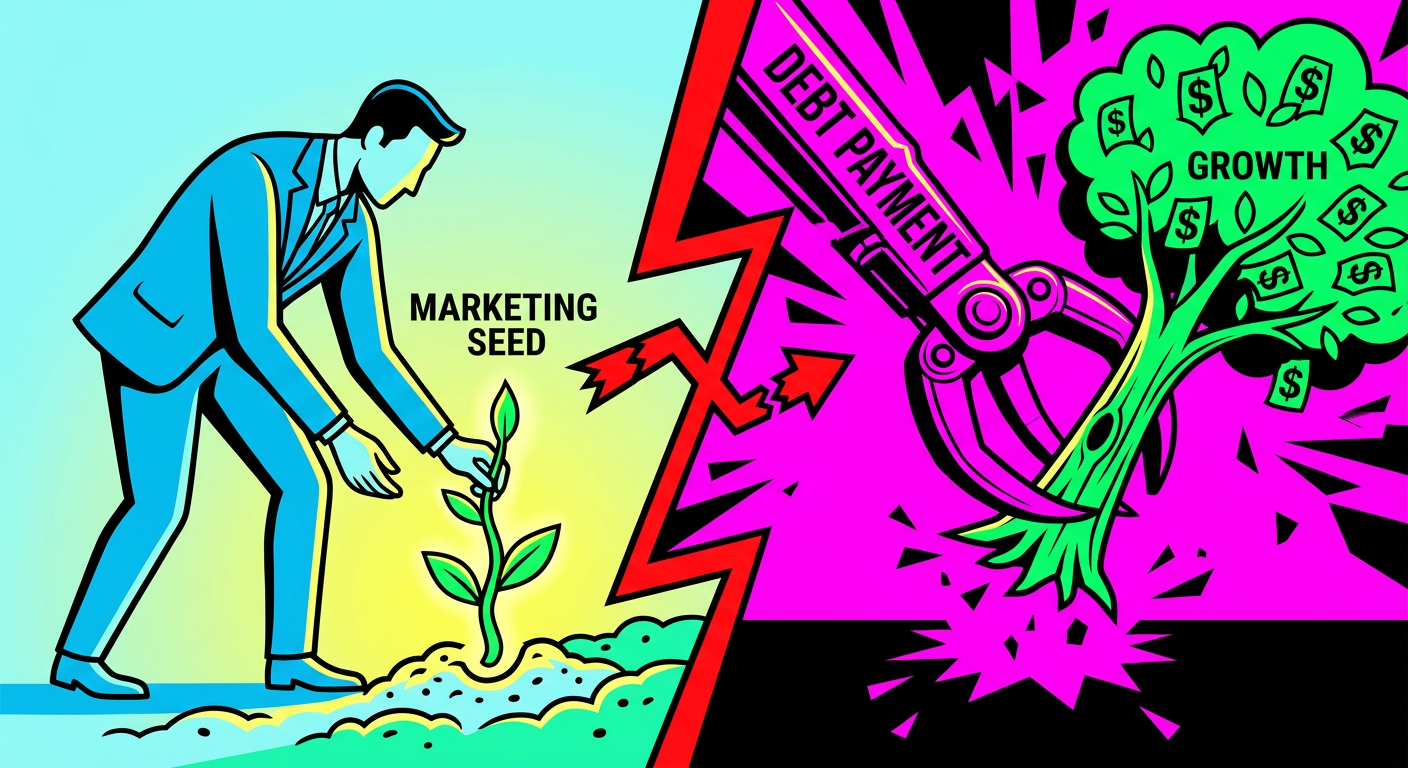
These missed opportunities and deferred investments rarely make it into conversations about the cost of financing, but they matter enormously. A business that cannot invest in itself gradually loses ground to competitors that can. The true cost of expensive business debt includes not just what you pay, but what you are prevented from building.
Expensive Business Debt’s Toll on Decision-Making and Leadership
Running a business under heavy debt pressure changes how owners think. This is not a matter of willpower or discipline. It is a predictable response to constant financial stress, and it has real consequences for how a company is led.
When business cash flow is always tight, decision-making shifts toward the immediate. The question stops being what is best for the business over the next two years and becomes what will get us through the next two weeks. Long-term planning feels like a luxury. Strategic projects get shelved. Even good decisions are often made reactively, under time pressure, without the analysis they deserve.
Stress also narrows attention. Owners under financial strain tend to focus heavily on the most pressing problem, which is usually the next payment and lose sight of everything else. Warning signs in other areas, such as a key customer becoming unhappy, a competitor moving into the market or an employee becoming disengaged, may go unnoticed until they become serious.
There is also a personal cost that deserves acknowledgment. Many owners carrying stacked short-term business debt describe sleepless nights, tension at home and a sense of isolation. They may feel embarrassed to discuss the situation with their accountant, banker or even their spouse. That isolation makes things worse, because it cuts the owner off from advice and support exactly when they need it.
Employees pick up on leadership stress even when it is not discussed openly. A tense, distracted owner creates a tense, distracted workplace. Communication suffers, and the culture that made the business successful can begin to fray. Restoring financial stability is not only about protecting the balance sheet. It is about giving the owner room to lead again, think clearly and make decisions from a position of strength rather than fear.
Warning Signs Your Business Financing Is Hurting Operations
Because the operational cost of expensive business debt builds gradually, it is easy to miss until the situation is serious. Owners who know what to look for can recognize the problem earlier and act while they still have more options.
One clear warning sign is when combined business debt payments consume a large and growing share of revenue. If you calculate your total remittances and find that they take a meaningful portion of everything that comes in, the business has very little left for operating needs. Another sign is borrowing to make payments on existing borrowing. If a new advance is needed simply to keep up with earlier ones, the business financing has become self-sustaining in the worst sense.
Watch for changes in how you pay others. If vendor bills that used to be paid on time are now consistently late, if you have lost early payment discounts or if suppliers have tightened your terms, cash pressure is spreading into your operations. The same is true if you are delaying payroll taxes, rent or other obligations that carry serious consequences when missed.
Operational signs matter too. Running lower inventory than you know you should, declining work you would normally accept, postponing equipment repairs or freezing hiring despite clear demand are all indications that the financing structure is limiting the business. So is a pattern of frequent overdrafts, returned payments or account balances that drop sharply every day.
Finally, pay attention to your own experience. If you are checking your bank balance several times a day, losing sleep over payments or spending more time managing cash than serving customers, that is meaningful information. None of these signs mean the situation cannot be fixed. They mean it is time to step back, take an honest inventory and look for a better path.
Practical Steps to Regain Control of Your Business
The good news is that businesses do recover from heavy short-term debt, and the process usually starts with clarity. The first step is to gather every agreement and build a complete picture: who you owe, how much remains, the payment amount and frequency, the effective cost and any terms around prepayment, renewal or additional financing. Many owners have never seen all of their obligations side by side, and doing so is often both sobering and empowering.
Next, build a realistic cash flow forecast for at least the next thirteen weeks. Map out expected revenue, fixed expenses and all business debt payments week by week. This will show you exactly where the pressure points are and how much room, if any, the business has to work with. It also gives you a foundation for every conversation that follows, whether with lenders, advisors or potential new financing partners.
Then resist the urge to add another layer. Taking another expensive advance to relieve pressure from existing ones almost always deepens the problem. If you need to buy time, explore options that reduce payment frequency or total cost rather than adding to them.
Many short-term lenders will discuss modified payment arrangements, especially when an owner approaches them early, honestly and with a clear forecast and a cash flow plan. Some agreements include reconciliation provisions that allow payments to be adjusted to reflect actual revenue. Reviewing your contracts for these provisions, ideally with an experienced advisor, can reveal flexibility you did not know you had.
On the operating side, focus on accelerating cash coming in and managing cash going out. Tighten invoicing and collections, offer incentives for faster customer payment, review pricing to make sure it reflects your true costs and look carefully at expenses that do not directly support revenue. Small improvements across several areas can add up to meaningful breathing room.
Finally, do not try to work through this alone. An accountant, a financial advisor or a firm that specializes in business financing and restructuring can help you evaluate options objectively and negotiate from a stronger position. The cost of good advice is almost always small compared to the cost of continued high-priced and destructive business debt.
Moving Toward Healthier, Longer-Term Business Capital
The long-term goal for most businesses caught in a cycle of expensive short-term business debt is to replace it with capital that fits how the business actually operates. That usually means longer repayment terms, lower overall cost and payment schedules that align with the revenue cycle rather than working against it.
Several options may be worth exploring depending on your situation. Consolidation can combine multiple high-cost positions into a single obligation with a longer term and a more manageable payment, freeing up cash flow for operations. Government-backed loan programs offer extended terms and lower rates for qualifying businesses, though they require more documentation and patience. Equipment financing can separate the cost of major assets from general working capital. A revolving line of credit, once established, gives a business access to funds when needed and reduces the urge to seek emergency money. For businesses with strong receivables, invoice-based financing can unlock cash tied up in unpaid customer invoices at a more reasonable cost than many advances.
Qualifying for better capital usually requires preparation. Lenders offering longer-term, lower-cost financing want to see organized and current financial statements, filed tax returns, a clear explanation of the business and its plans, and evidence that management understands the numbers. Investing time in getting your records in order, even while still managing existing debt, pays off by opening doors that were previously closed.
Building relationships before you need money is equally important. Get to know a banker or financing advisor who understands your industry. Share your plans and your results regularly, not just when you are asking for something. When the next opportunity or challenge arrives, you will be able to move quickly without turning to the most expensive option simply because it was the fastest.
Finally, commit to building reserves as soon as the business has room to breathe. Even a modest cash cushion dramatically reduces the likelihood of needing emergency financing again. Every dollar set aside is a dollar that does not need to be borrowed at a premium later.
Expensive short-term business debt can feel like a trap, but it does not have to be permanent. With clear information, a realistic plan and the right partners, business owners can move from reacting to every payment to leading a company that is stable, well-financed and positioned to grow on its own terms.

More Business Finance and Strategy Articles: