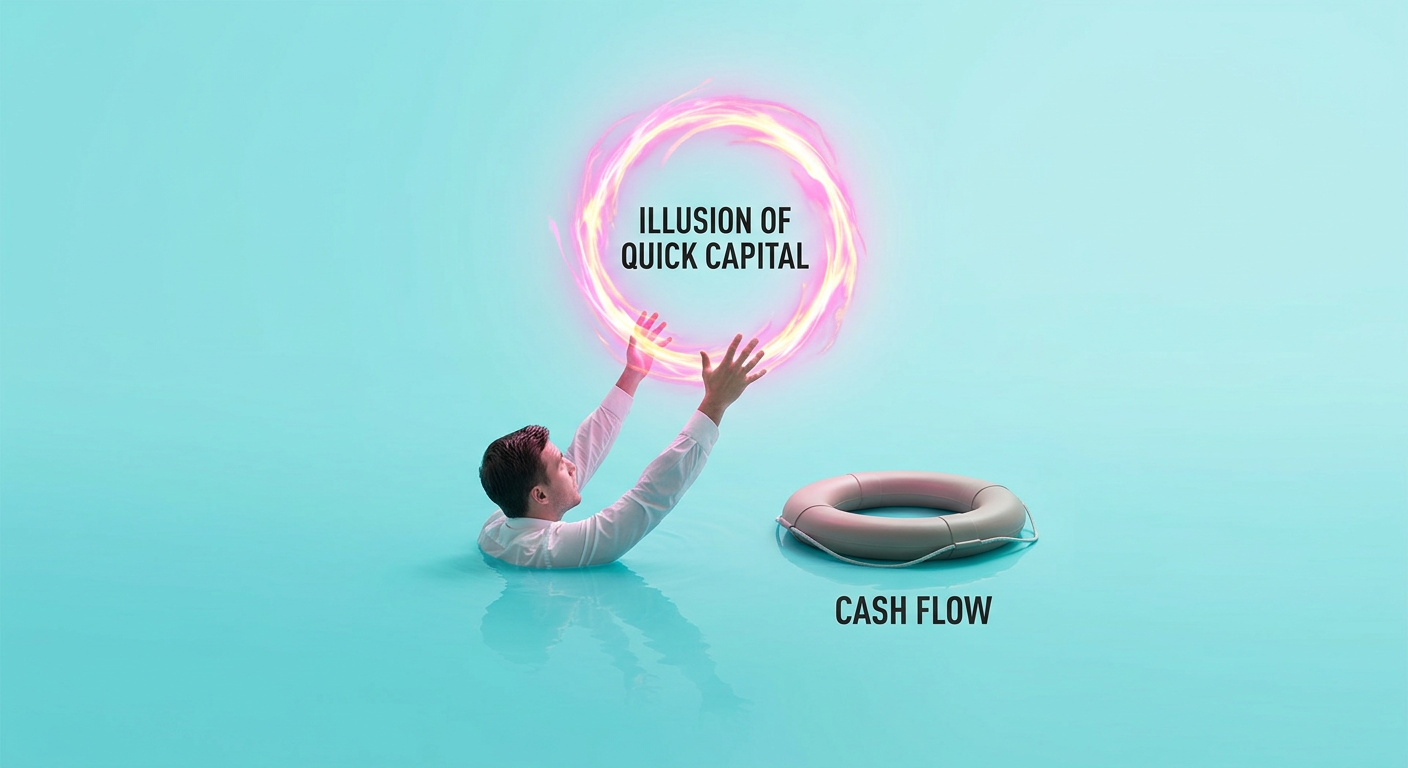
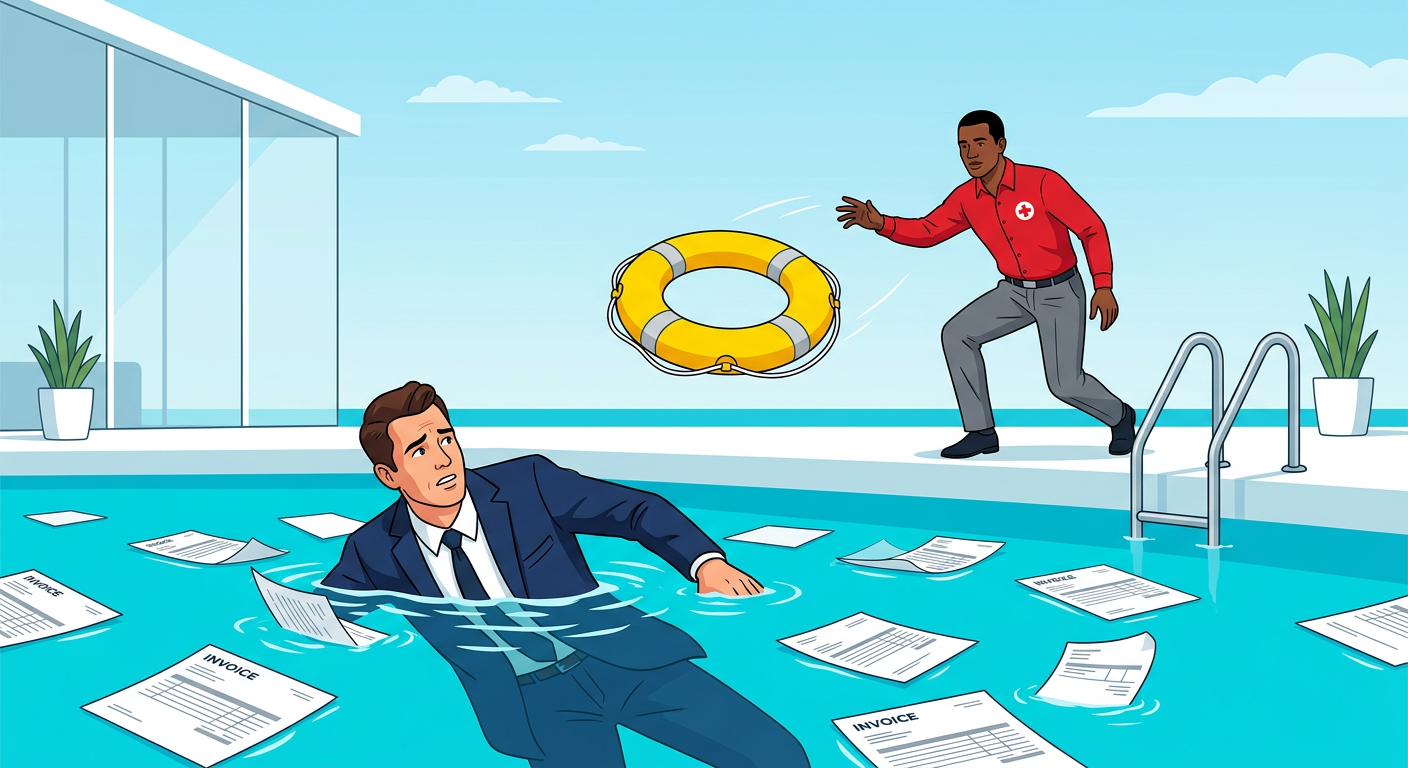
If your business is juggling several short-term loans, merchant cash advances, equipment financings and lines of credit, you already know the feeling. Money comes in, and before you can use it to grow, it is whisked away by ACH debits to a handful or more of transactional business funders and lenders. Business is profitable on paper, yet always short on cash.
There is a better business financing structure. The funding brokers and lenders you are working with now do not have the experience or ability to offer 24, 36 and 60-month terms on a business credit facility starting at 13% to 16% cost of capital. They are in the business of short-term, fast-moving and expensive capital, not long-term growth capital. By consolidating those individual transactional financings into a single, longer-term business private credit facility, many small and mid-sized businesses can reduce their cost of capital by one-half to two-thirds, dramatically lower their monthly and annual total debt service payments and free up cash that can go straight back into investment and operations.
This article explains how that works, why private credit investment funds and boutique commercial banks are often the right partners for it, and what the process looks like when an experienced business finance advisor manages the process on your behalf.
The Hidden Weight of Stacked Short-Term Financing
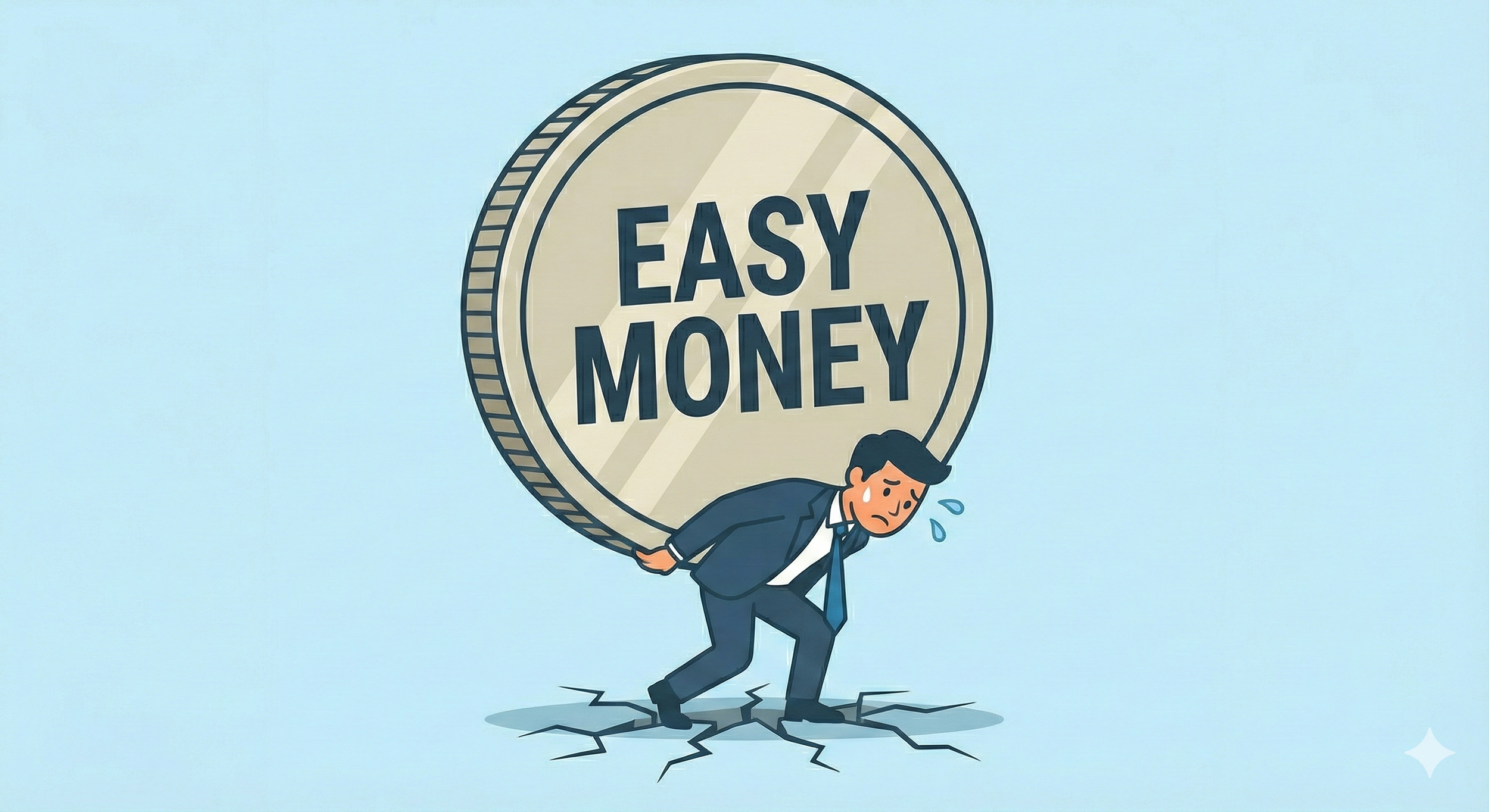
Most business owners do not set out initially to build a complicated, transactional business debt structure. It happens one decision at a time, one contract at a time. A slow season calls for a quick working capital loan. A large order requires inventory, so a quick, “no hassle” funding fills the gap. A key piece of equipment breaks down, and the vendor offers financing on the spot. A few months later, another funder calls with an offer that seems to solve this week's cash crunch. Each decision made sense in the moment. Together, they create a structure that quietly drains the business, and its free cash and overall liquidity.
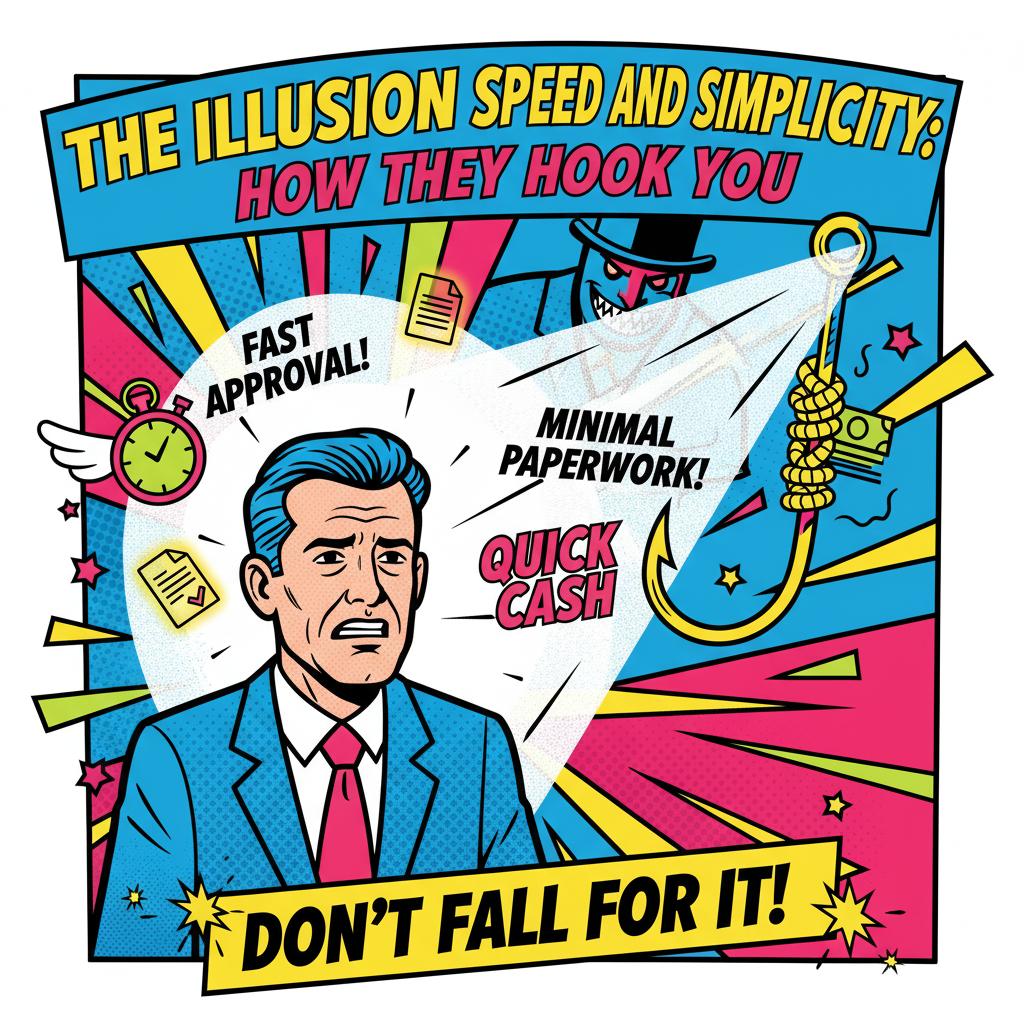
We call these transactional financings because each one was designed to solve a single, immediate problem rather than to finance and support the long-term health of the company. They are typically short in duration, often 6 to 12-months payback, and they are priced for speed and convenience rather than value and affordability. Individually, each one may feel manageable. Stacked on top of each other, they can consume a startling share of your monthly business revenue and business cash flow.
The symptoms are familiar to anyone who has lived through it. Your bank account balance swings wildly from day to day. You find yourself timing vendor payments around lender debits. You hesitate to take on new work because you are not sure you can fund the upfront costs. You spend hours each week tracking payment schedules, renewal offers and balances across multiple funders. Payroll becomes a source of anxiety rather than routine.
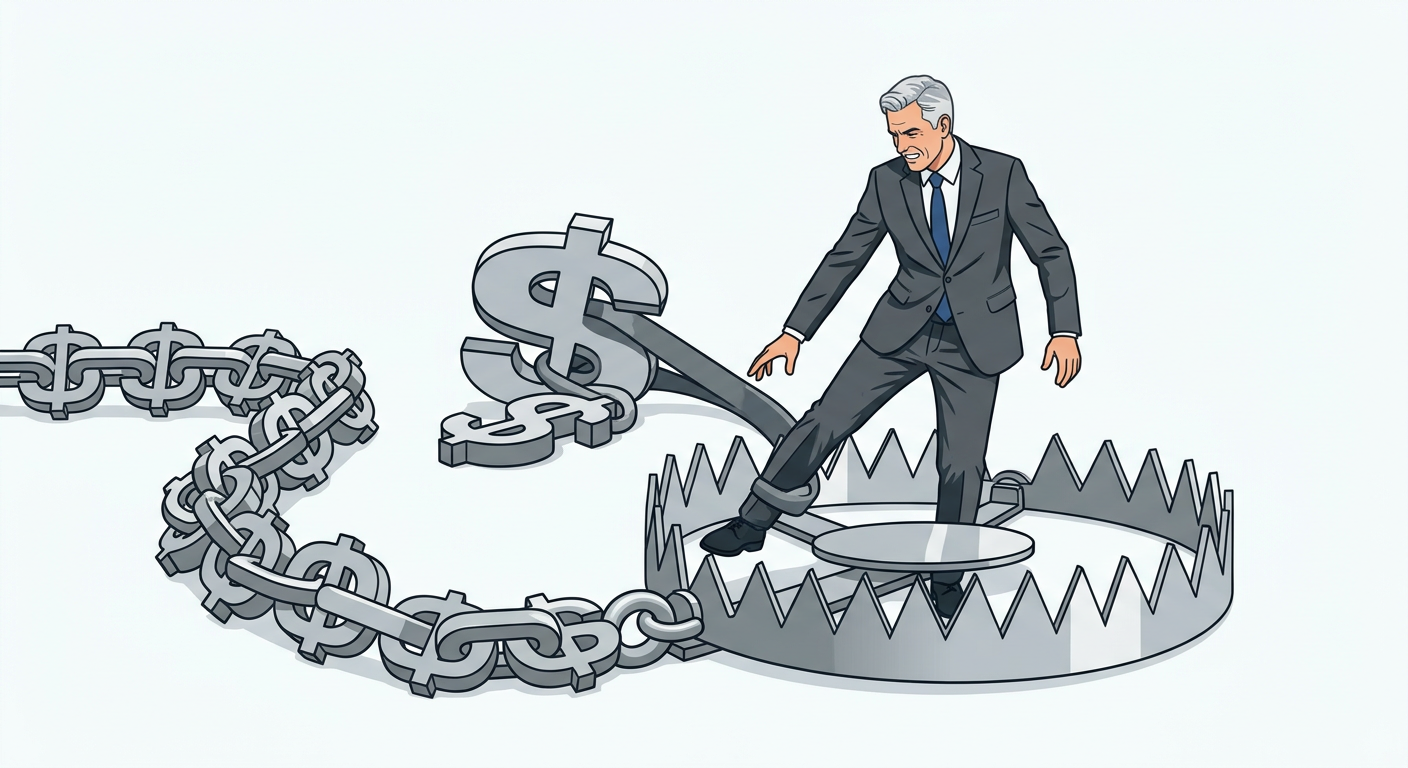
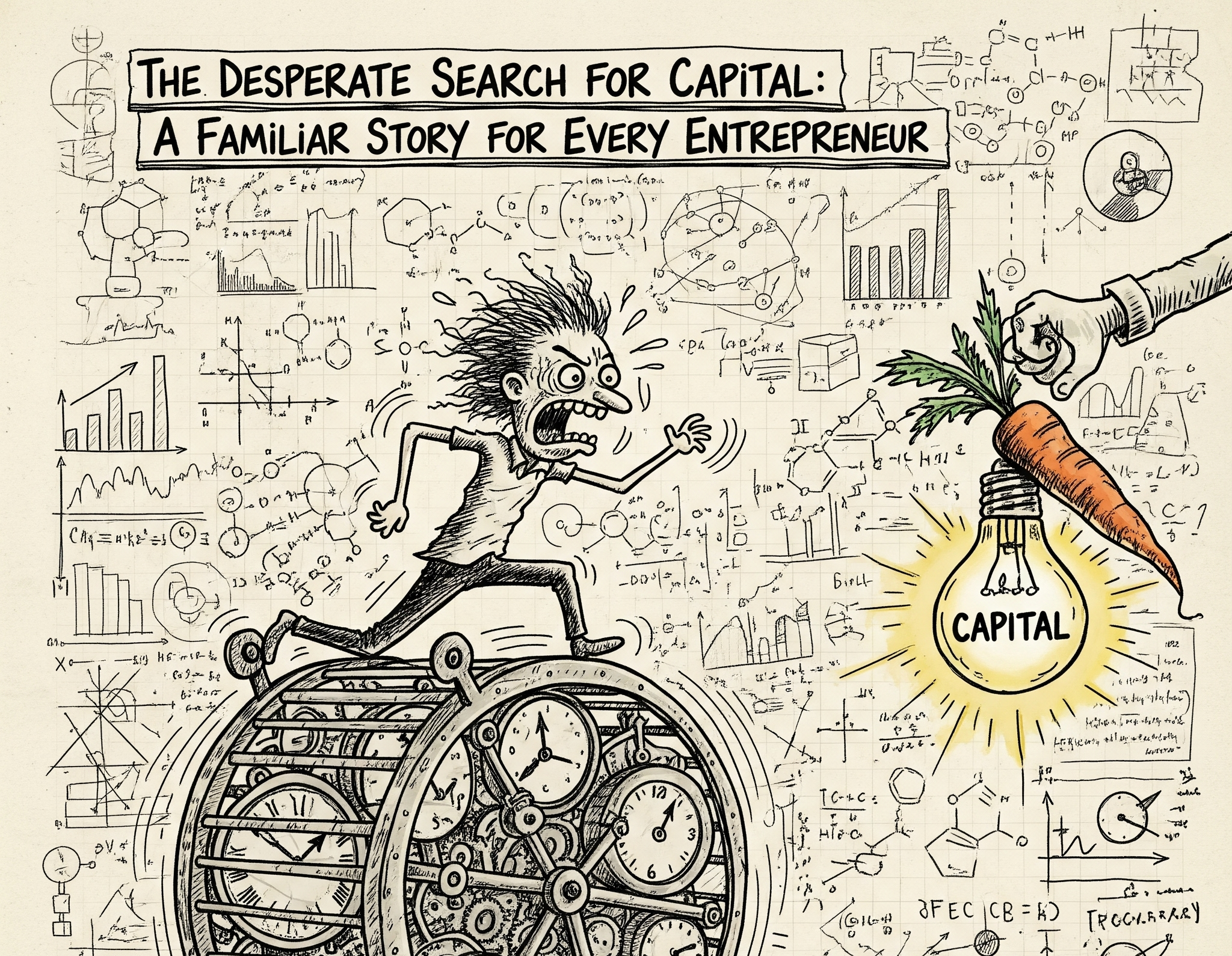
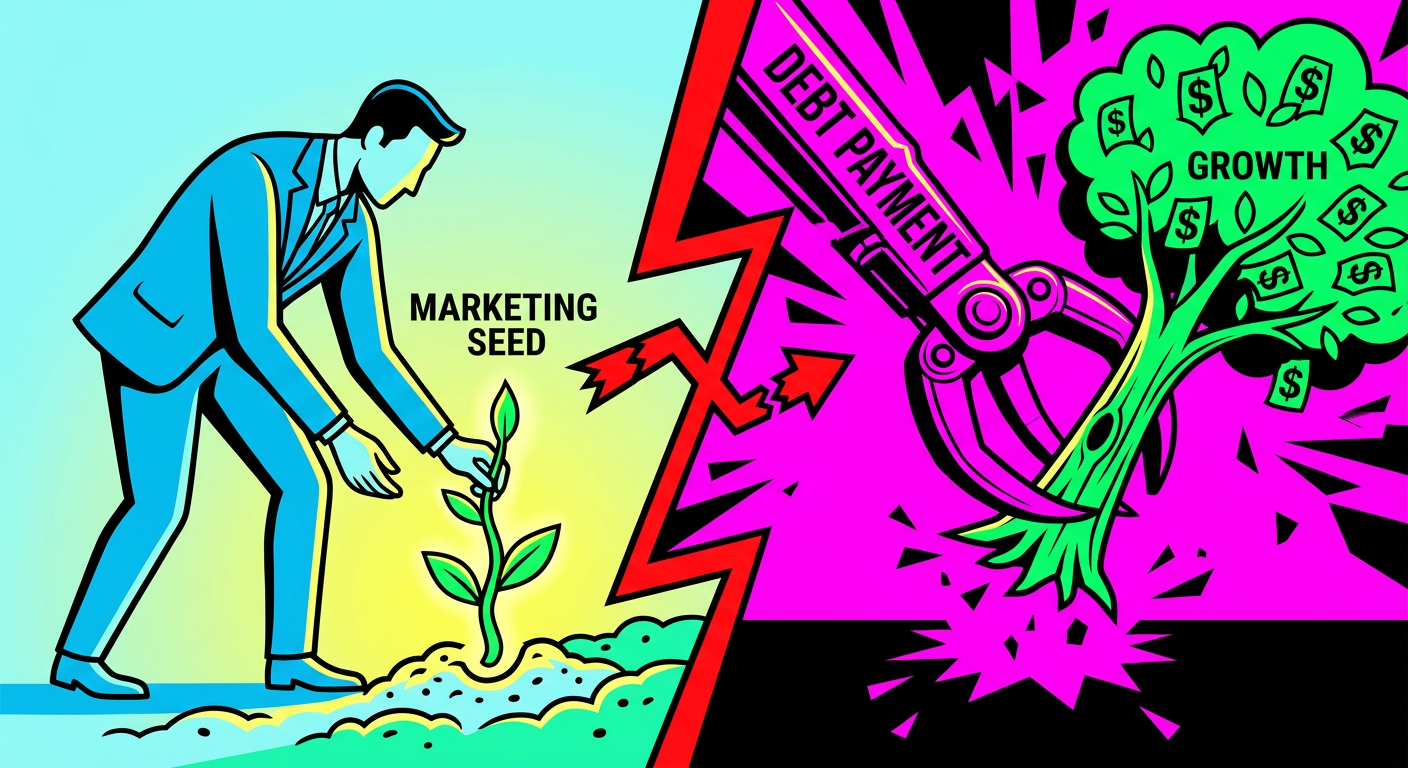
Perhaps most damaging, stacked business fundings / financings have a way of perpetuating itself. When payments absorb too much cash flow, the natural response is to take another advance to cover the shortfall, which only adds another layer of payments. Many owners who come to us for solutions describe feeling trapped on a treadmill, working harder every month simply to stay in place. The good news is that this cycle can be broken, and the tool for breaking it is a properly structured business recapitalization process through existing business debt consolidation.
Why Transactional Financing Costs More Than It Appears
Short-term business financing is often quoted in ways that make it difficult to compare with traditional credit. A merchant cash advance might be described with a factor rate of 1.35 or 1.45, meaning you repay $135,000 or $145,000 for every $100,000 received. That sounds like a thirty-five or forty-five percent cost, which is already high. But because the repayment happens over a few months rather than a full year, and because you begin repaying almost immediately through aggressive ACH debits, the true annualized cost is frequently far higher. It is not unusual for the effective annual rate on these predatory business financing products to reach well into the high-double-digits or even triple-digits.
Short-term installment loans and online business working capital loans are generally less expensive than business cash advances, but they still carry rates and fees well above more conventional financing. Origination fees, underwriting fees and prepayment terms add further cost that rarely shows up in the headline number. Equipment financing arranged at the point of sale can also carry higher rates than the business would qualify for elsewhere, simply because it was the fastest option available when the need arose.
Then there is the cost that never appears on any statement: the operational cost. When business cash is tied up in aggressive business debt repayment schedules, you lose the ability to take early payment discounts from suppliers, to buy inventory in bulk at better prices or to accept profitable contracts that require upfront investment. You may be paying late fees, carrying higher balances on credit cards, or delaying maintenance that becomes more expensive later. These missed opportunities and added expenses can rival the direct financing cost itself.
When we meet with a business owner and add up the full picture with a current business assessment, the blended cost of their existing business debt stack is often dramatically higher than they realized. That is not a criticism of the owner. These products are designed to be easy to obtain, hard to evaluate and difficult to exit.. Understanding the true cost is simply the first step toward replacing it with something better that is longer-term payback and cheaper cost of capital.
What a Private Business Credit Facility Actually Is
A consolidated private business credit facility is a single business financing arrangement, provided by one lender or credit investor, that pays off your existing transactional business debts and replaces them with one structured longer-term and less expensive obligation. Instead of three or six funders pulling from your account on different schedules, you have one lender, one set of terms and one predictable payment. This is a true capital partner.
These facilities can take several forms depending on your business and your goals. The most common is a term loan with a multi-year repayment period, often somewhere between 2 and 5-years. Some facilities combine a term loan with a revolving line of credit, so the business has both a structured payoff of existing debt and a flexible source of working capital for future needs. Others are asset-based, secured by receivables, inventory, equipment or real estate, which can allow for larger amounts and better pricing. The right structure depends on what your company owns, how it generates revenue and where it is headed.
The defining features of a well-built business debt consolidation (recapitalization) facility are straightforward. It carries a meaningfully lower cost of capital than the business debt it replaces. It stretches repayment over a period that matches the actual earning power of the business rather than an arbitrary short window based on a short-term lender’s preferred investment cycle. It replaces aggressive ACH debits with monthly payments that fit how your business actually receives cash. And it is structured with covenants and terms that a growing company can realistically live with and outperform.
It is important to understand what consolidation is not. It is not another short-term advance used to pay off older advances, which is a practice that simply resets the clock on an expensive cycle. It is not a debt settlement arrangement that damages your business relationships and your business credit. A genuine business debt consolidation facility is institutional capital, underwritten on the fundamentals of your business, designed to put the company on stable footing for years to come.
How Consolidation Can Cut Your Cost of Capital by Half to Two-Thirds
The savings from business debt consolidation or recapitalization comes from two sources working together: a lower rate and a longer payback term. Each one matters on its own, and the combination is what produces the kind of relief that changes how a business operates.
The lower rate comes from the nature of the capital. Institutional lenders such as private credit funds and specialized commercial banks price their loans based on a careful analysis of your business, its assets and its cash flow. Because they conduct thorough underwriting and structure the loan with appropriate protections, they can offer pricing that is dramatically lower than products designed for instant approval. When a business replaces a blended effective cost that may be well above 50%+ APR with a facility priced far below that, the reduction in the cost of capital of one-half to two-thirds is often achievable, and in some cases the improvement is even greater.
The longer payback term produces the payment relief. Consider a hypothetical manufacturer carrying roughly $750,000 in combined balances across two merchant cash advances, a short-term working capital loan, and an equipment note. With most of that business debt scheduled to be repaid within about a year, the company's combined payments run around $60,000 per month. If that same $750,000 is consolidated into a five-year facility at an annual rate of eighteen percent, the monthly payment falls to roughly $19,000. That is more than $40,000 every month that stays inside the business instead of leaving it.
Every situation is different, and the actual terms any business receives depend on its revenue, profitability, collateral, credit history, location and industry. We never promise a specific outcome before the underwriting is done. But the math behind existing business debt consolidation is powerful, and for businesses that qualify, the combination of lower pricing and longer amortization can transform a cash-starved operation into one with room to breathe and grow.
The Role of Private Credit Investment Funds
Over the past decade, private credit has grown into one of the most important sources of capital for small and middle-market businesses. Private credit investment funds are pools of capital, often backed by pension funds, insurance companies, endowments and private family offices, that lend directly to businesses rather than through the traditional banking system. They exist in large part to serve companies that are too complex, too fast-moving or too unconventional for a standard bank loan, yet far too solid to be stuck with the most expensive short-term financing.
What makes private credit funds particularly well suited to consolidation is their flexibility. They are not bound by the same rigid regulatory formulas that often govern federal bank lending. They can look at a business whose balance sheet has been strained by stacked financing and see the underlying strength: steady customer demand, healthy gross margins, valuable assets and a management team that knows its market. Where a conventional lender might see only the current business debt load and decline, a private credit fund can recognize that the debt load itself is the problem, and that replacing it with a better structure will unlock the company's true performance.
Private credit funds are also able to move with purpose. Their investment committees are typically smaller and more focused than those of large banks and many specialize in particular industries or deal sizes. That specialization means they understand the businesses they finance, which leads to more sensible structures and more realistic covenants.
Our firm and advisors have spent decades building deep relationships with a network of private credit investment funds that actively seek existing business debt consolidation opportunities. We know which funds focus on manufacturing, which prefer service businesses, which are comfortable with seasonal revenue, and which will consider companies at earlier stages of recovery. That knowledge allows us to bring your business to the right capital providers from the start rather than shopping it blindly across the market.
Why Boutique Commercial Banks Are Different
Alongside private credit funds, we work closely with boutique commercial banks that specialize in these transactions. These are not the national megabanks whose small business lending is driven by automated scoring models. They are smaller, relationship-driven institutions whose lenders have real authority, deep industry knowledge, and a genuine interest in building long-term partnerships with the companies they serve.
Boutique commercial banks bring several distinct advantages to an existing business consolidation or recapitalization. Because they fund loans with deposits, their cost of capital is generally low, and when a business fits their criteria, they can offer some of the most attractive pricing available anywhere in the market. Many also participate in government-supported lending programs, such as those offered through the Small Business Administration, which can provide longer repayment terms and lower payments for eligible companies. And because they value ongoing relationships, they often provide treasury management, operating accounts and future credit lines that help a business keep growing after the consolidation is complete.
The key is knowing which banks actually want these transactions. Many banks, regardless of size, have little appetite for companies that have recently relied on alternative financing. Approaching the wrong institution wastes time and can result in unnecessary credit inquiries. The boutique banks in our network are ones we know well, whose credit philosophies we understand, and who have a track record of closing consolidation loans for businesses much like yours.
In some cases, the strongest solution combines both sources of capital. A boutique bank might provide a senior term loan secured by real estate or equipment, while a private credit fund supplies additional capital secured by receivables or cash flow. Structuring those pieces so they work together, with clear priorities and compatible terms, is exactly the kind of work an experienced business finance advisor should handle for you.
Deleveraging the Balance Sheet
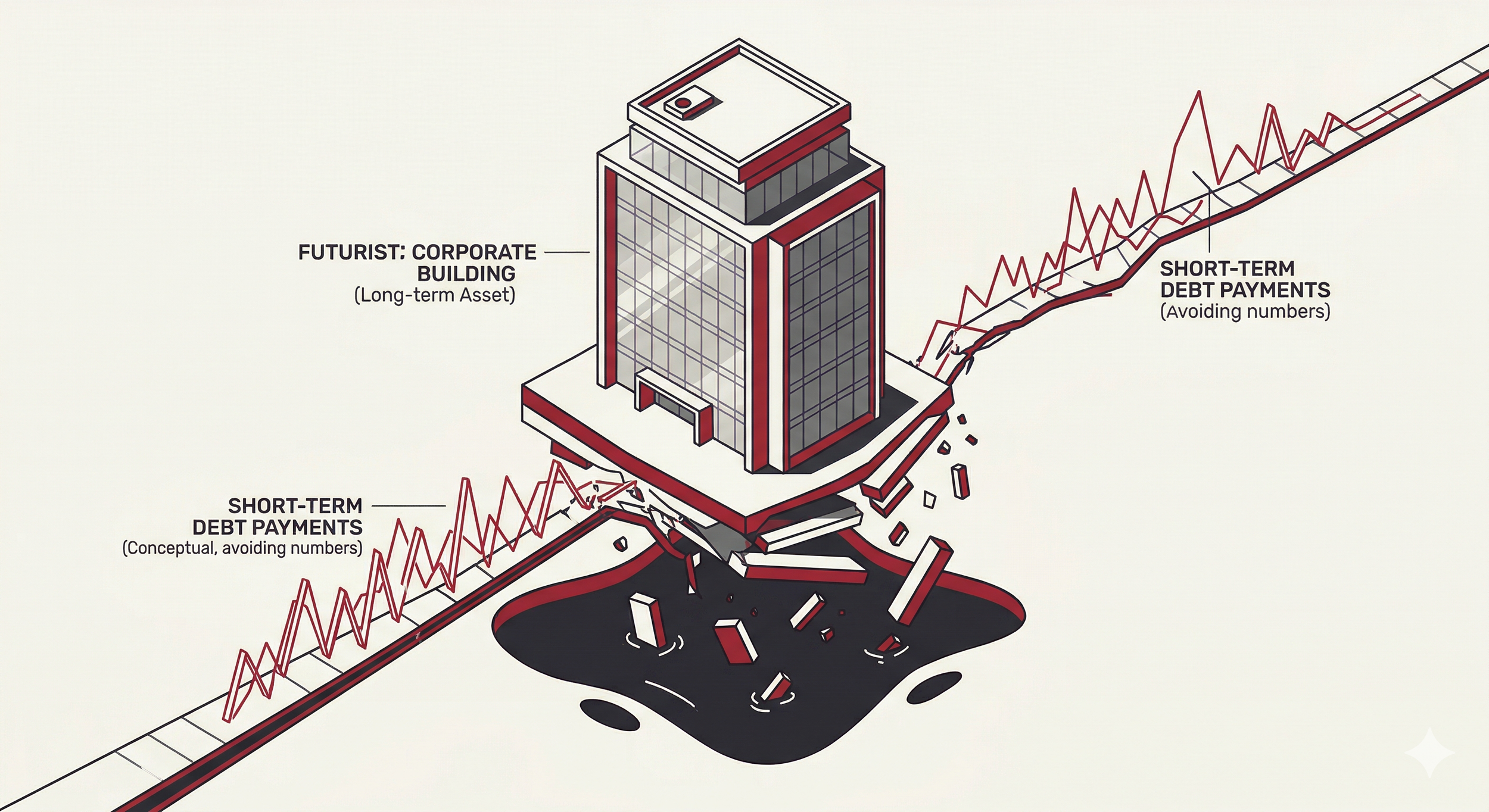
Business debt consolidation and recapitalization is not only about lowering payments. It is also about strengthening the fundamental financial position of your company. When a business carries multiple expensive, short-term obligations, its balance sheet tells a troubling story. Current liabilities are inflated because most of the business debt is due within a year. Working capital appears weak or even negative. Ratios that lenders, suppliers, bonding companies and potential buyers rely on all point in the wrong direction.
A properly structured existing business debt consolidation begins to reverse that picture immediately. When short-term business debt is replaced with a multi-year facility, a large portion of the balance moves from current liabilities to long-term liabilities. Your current ratio improves. Your working capital and overall liquidity position strengthens. The business looks, on paper, like what it really is: a functioning enterprise with a manageable, well-organized business debt structure.
The deeper deleveraging happens over time. Because the cost of capital is lower, more of each payment goes toward reducing principal rather than feeding interest and fees. The business debt balance actually shrinks month after month, rather than being perpetually renewed and restacked. Combined with the improved cash flow the business now enjoys, owners are often able to build reserves, reinvest in operations and in many cases accelerate repayment when the time is right.
A stronger balance sheet opens doors that may have been closed. Suppliers become more willing to extend favorable trade terms. Surety companies may increase bonding capacity for contractors. Landlords, customers and partners gain confidence. And if you ever decide to sell the business or bring in an investor, a clean, deleveraged balance sheet can have a significant effect on valuation. Consolidation is, in a very real sense, an investment in the long-term value of everything you have built.
Putting Cash Back Into Your Operations
For most business owners, the most immediate and tangible benefit of existing business debt consolidation is simple: more cash stays in the business. When tens of thousands of dollars each month are no longer disappearing into aggressive lender debits, the entire rhythm of the company’s operations and business cash flow cycle changes.
That newly freed-up cash can be deployed in ways that directly improve profitability. You can take early payment discounts from suppliers, which alone can be worth several percentage points on your cost of goods. You can purchase inventory in larger quantities at better prices and avoid costly stockouts. You can take on larger contracts and customers that you previously had to turn away because you could not fund the upfront costs. You can invest in marketing, hire the salesperson or operations manager you have been putting off or upgrade the equipment and technology that make your team more productive.
Existing business debt consolidation can also include new working capital beyond what is needed to retire existing business debt. Depending on the strength of the business and the value of its assets, many facilities are structured to both pay off the existing stack and deliver additional cash to the company at closing, or to provide a revolving line that can be drawn as needs arise. This gives the business a cushion that protects it from the very situations that led to stacked financing in the first place, such as a slow season, a delayed customer payment or an unexpected repair.
There is also a human dimension that should not be overlooked. Owners who have lived through the stress of stacked business financing often describe the relief of consolidation as life-changing. They sleep better. They stop spending their days managing lenders and start spending them leading their companies. Their employees feel the difference in a more stable, confident workplace. Cash is the lifeblood of any business, and restoring its healthy flow affects everyone who depends on the company.
Is Your Business a Good Candidate for Existing Business Debt Consolidation?
Not every business will qualify for a consolidated private business credit facility, and an honest business advisor will tell you so. That said, many owners assume they will not qualify when in fact they are strong candidates. The existence of stacked financing on your books is not, by itself, a disqualifier. In fact, it is precisely the situation that business debt consolidation lenders are designed to address.
Generally, the strongest candidates share a few characteristics. They have an established operating history, typically at least three-years or more. They generate consistent revenue, often in the range of $5M or more annually, although the right threshold varies by lender and industry. Their core operations are fundamentally profitable before the burden of expensive financing is taken into account. And they have assets or reliable cash flow that can support a longer-term facility, whether that means receivables from creditworthy customers, inventory, equipment, real estate or recurring contracts.
Preparation of a proper credit package for underwriting makes a meaningful difference. Lenders will want to see recent business tax returns, year-to-date financial statements, bank statements, an accounts receivable and accounts payable aging, and a complete schedule of all existing business debts and equipment / asset list with current balances and payment terms. It helps to have a clear explanation of why the stacked financing was taken on and how the business has performed through that period. We help clients assemble and present this information in a way that tells an accurate, compelling story to business credit underwriters.
If your business financial records are incomplete or your situation is complicated, do not let that stop you from exploring your options. Part of our role is to identify what needs to be cleaned up, address issues before they reach a lender and position the business as strongly as possible. An early conversation costs nothing and can clarify quickly whether existing business debt consolidation is realistic now or what steps would make it possible in the near future.
How We Guide You From First Conversation to a Potential Closing if Approved
Consolidating multiple business debts and financings is not a simple application process. It involves analyzing complex contracts, coordinating payoffs with several funders at once, selecting the right capital partner and negotiating terms that protect your business for years. Handling it alone, while also running a company, is difficult. That is why we manage the process from start to finish through advisory engagements.
It begins with a thorough review of your current business debt structure. We gather every agreement, calculate the true effective cost of each obligation, and identify any terms that affect how and when the business debts can be retired. From there, we analyze your financials to determine the most appropriate type of facility, the realistic range of terms and which capital providers in our network are the best fit. Because we understand what each private credit fund and boutique commercial bank is looking for, we can present your business to the right parties with a well-prepared institutional-grade credit package that anticipates their questions.
As interested parties engage with due diligence questions, we help you compare them clearly, not just on rate but on term, fees, collateral requirements, covenants, prepayment flexibility and the long-term relationship each lender offers. We negotiate on your behalf to improve terms wherever possible. When you are ready to proceed, we coordinate with the lender as they perform final due diligence, to obtain payoff letters from each existing funder and ensure the transition happens cleanly, so that old debits stop and your new, single payment begins without confusion or disruption.
If your business is carrying the weight of multiple short-term financings, you do not have to keep running on the treadmill. A consolidated business private credit facility with a longer payback period and a substantially lower cost of capital may be well within reach, and the benefits reach far beyond the monthly savings. A stronger balance sheet, restored cash flow, and the freedom to lead your company rather than manage your lenders are all on the other side of the right transaction. Reach out to our team today for a confidential review of your current business cash flow and business financing(s). We will give you a clear assessment of your options and show you exactly what existing business debt consolidation could mean for your business.

More Business Finance and Strategy Articles: