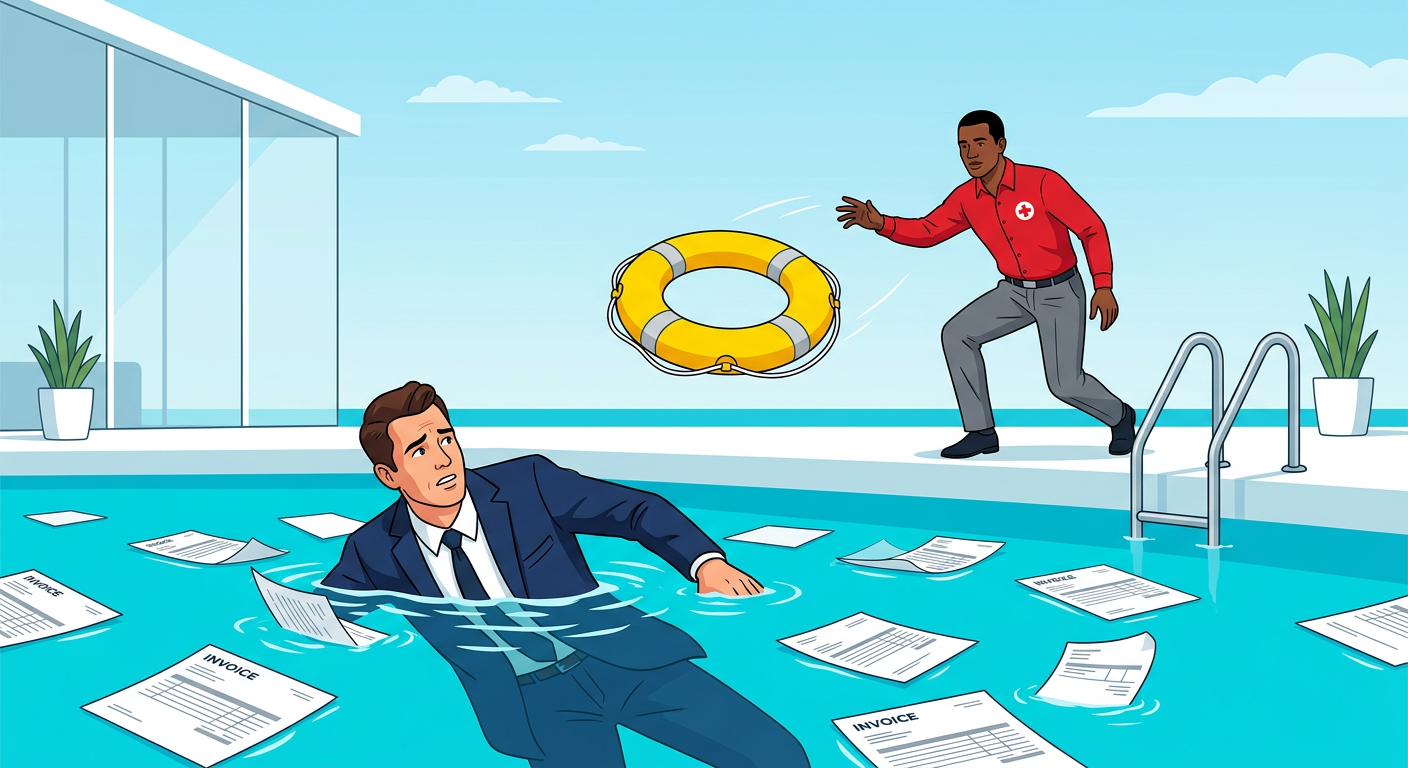
If your business is making payments to one or more merchant cash advance (MCA) or short-term business lending companies, you already know the feeling. Revenue comes in, and before you can pay your suppliers, your crew, or yourself, a large share of it is gone. You took the first advance to solve an urgent problem. You took the second to cover the payments on the first. Now the payments are running the business instead of the other way around.
You are not alone, and you are not out of options. Thousands of healthy, revenue-producing companies end up in this exact position every year, not because the business is broken, but because the financing is. Short-term business debt was never designed to be permanent capital, and when it is used that way, it quietly drains even strong operations.
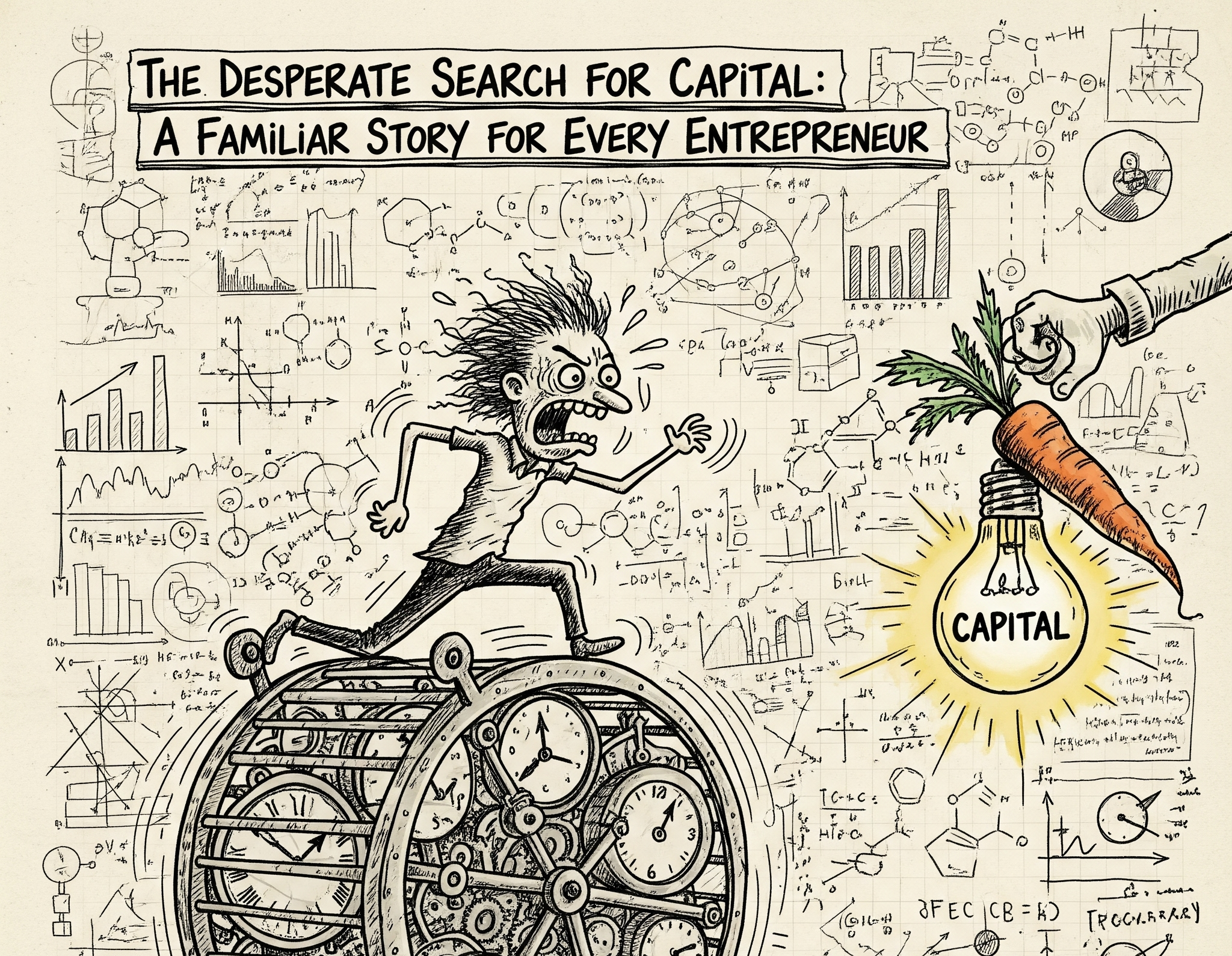
This article lays out a clear, three-step path out of that cycle: restructure what you owe today, look to quickly replace expensive short-term financing with longer and cheaper bridge financing and then graduate to a true credit facility with a private credit or commercial bank partner. Each step builds on the one before it, and together they can move your company from survival mode back to growth.
The Short-Term Business Debt Trap That Most Owners Never Saw Coming
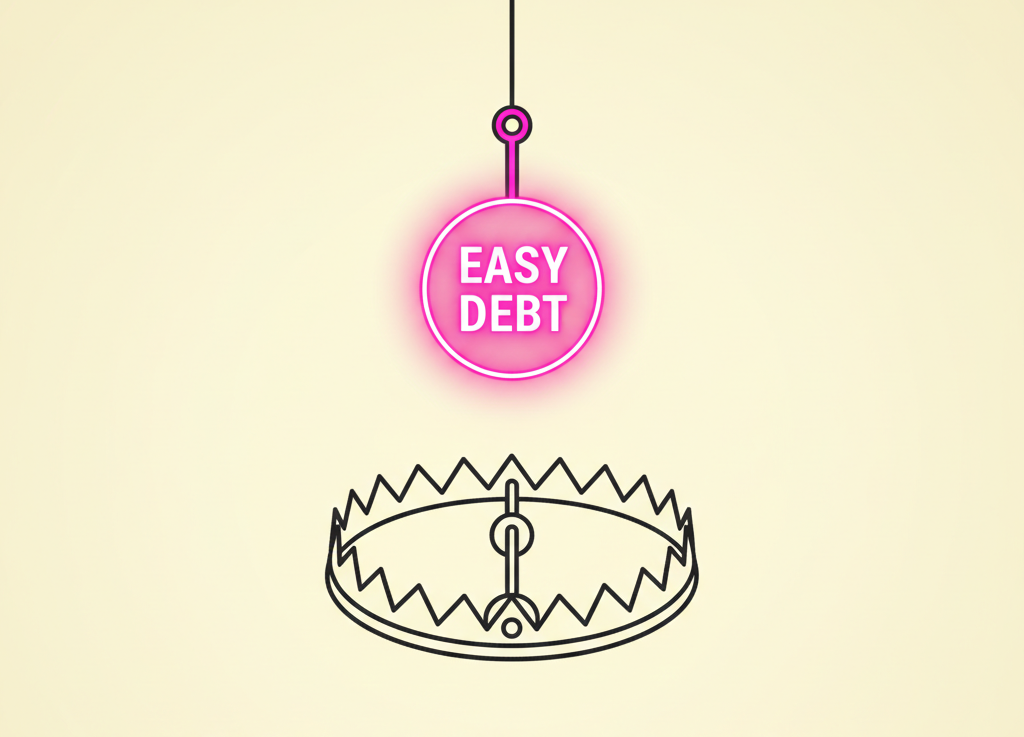
Very few business owners set out to stack merchant cash advances and short-term business debts. The first one usually arrives at a moment of genuine need. A large customer pays late. A project requires materials up front. Payroll lands on the same week as a tax payment. The MCA provider approves the deal in a day, the money hits the account the next morning, and the crisis passes. At that moment, it feels like the financing did exactly what it promised.
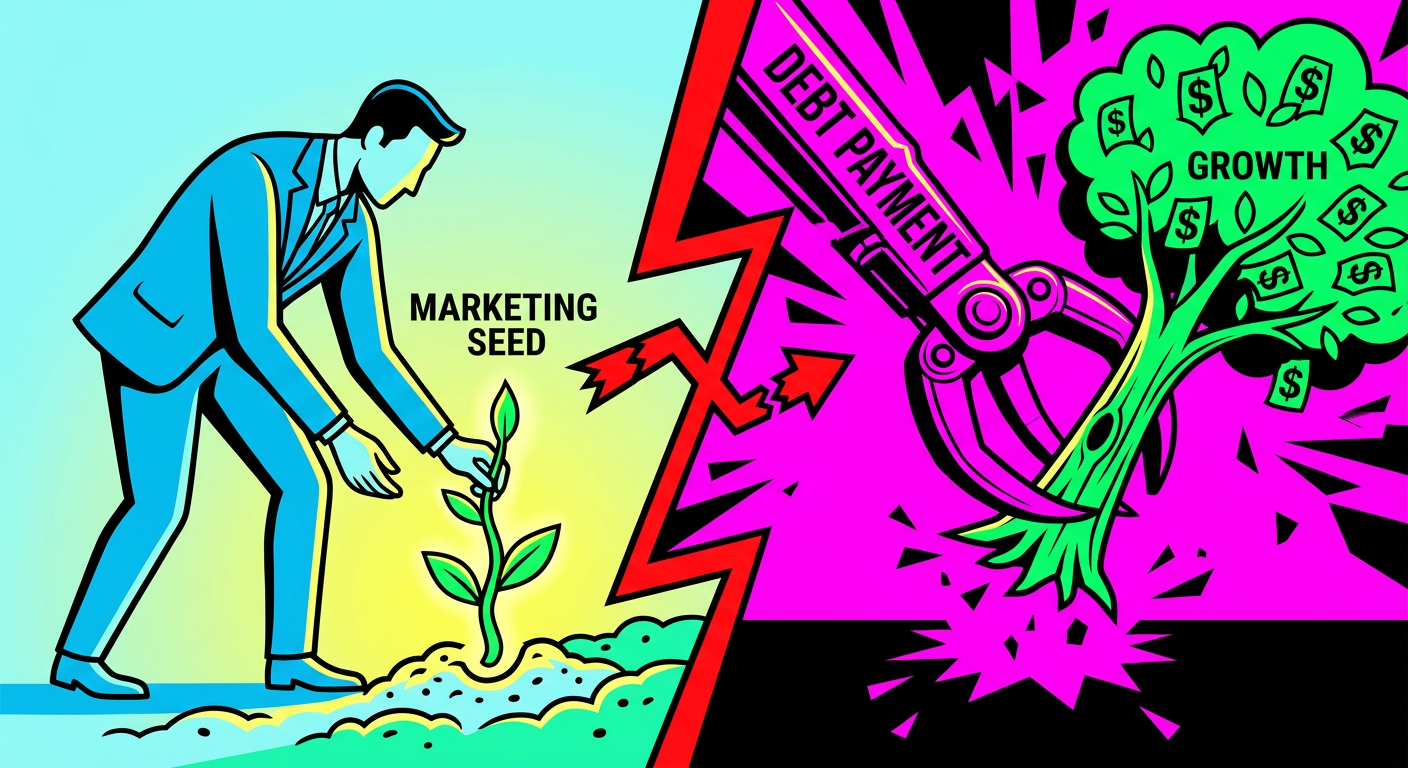
The trouble starts a few weeks later. The aggressive business debt payments begins pulling from the operating account, and it does not adjust when sales slow down. A payment that looked manageable on paper becomes painful in practice, because it comes out of gross receipts rather than profit. If your margins are 15% or 20%, an advance that takes 10% or 15% percent of every dollar collected is consuming most of what the business actually earns.
That is when the second call comes in, often from a different funder who has seen the first position on your bank statements. They offer to help, and the new money covers the shortfall for a while. Then a third offer arrives, and sometimes a fourth or even more. Each new advance is layered on top of the last, each with its own payment schedule, and the business ends up borrowing simply to keep pace with what it already owes.
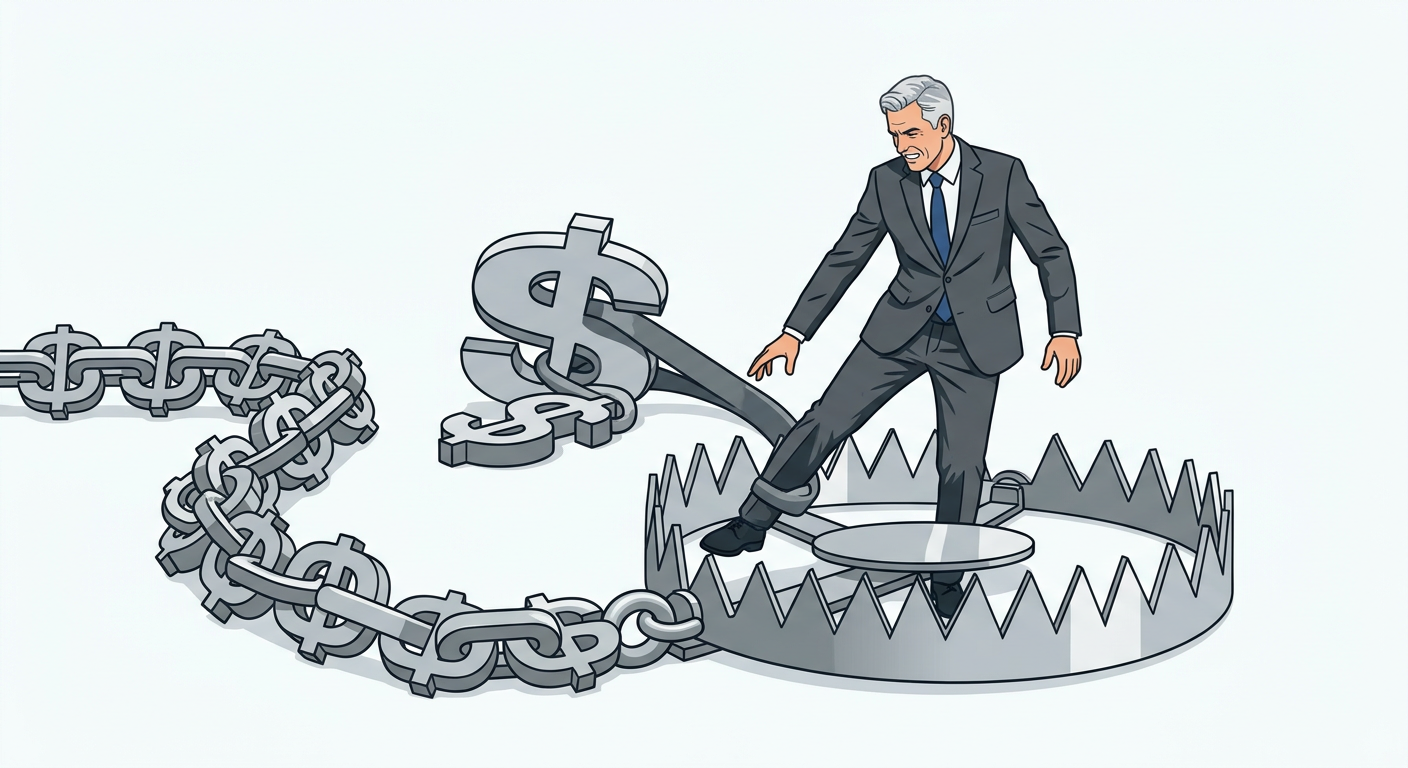
This is the trap. It is not caused by bad management or a failing business model. It is caused by using financing designed for a quick, temporary bridge as if it were a permanent source of working capital. Recognizing that distinction is the first step toward getting out.
Why Short-Term Business Loans and MCAs Cost More Than They Appear
Merchant cash advances (MCAs) are not technically loans. They are structured as a purchase of future receivables, which allows funders to price them with a factor rate rather than an interest rate. A factor rate of 1.35x or 1.45x sounds modest until you realize that the entire cost is paid back over a few months, not a few years. When that cost is converted into an annualized rate, it frequently lands well above 50% APR and can climb past 100%+ depending on the term and fees.
Short-term business loans from online lenders tend to follow a similar pattern. They often carry terms of 6 to 12-months, weekly or daily payments, origination fees and prepayment structures that eliminate much of the benefit of paying early. Individually, any one of these products may be survivable. Combined, they create a business debt service burden that grows faster than revenue.
There is also a hidden operational cost. When a large share of every deposit is committed to remittances, owners lose flexibility. They delay vendor payments, which damages supplier relationships and can raise material costs. They stop investing in equipment, marketing, and people. They spend hours each week juggling account balances to avoid returned payments. That time and focus are taken directly away from running and growing the company.
Finally, stacked advances create risk. Many MCA agreements include confessions of judgment, personal guarantees of performance (not payment) and default provisions that allow funders to act quickly if payments fail. A single bad month can trigger multiple defaults at once. Understanding these costs is not meant to frighten you. It is meant to make clear why the solution is not another advance, but a deliberate change in strategy.
What the Numbers Look Like Inside a Struggling Business
It helps to see what this looks like in real figures. In a recent cash flow assessment Bernarsky Advisors prepared for a mid-sized electrical contractor, the company was generating roughly $3.7 million in average monthly deposits from operations, or about $44.6 million over twelve months. By any measure, that is a substantial, active business with real customers and real work.
Yet over the same twelve months, the company had received approximately $8.4 million in non-revenue proceeds, meaning cash from advances, loans, and internal transfers rather than from customers. That averaged about $700,000 every month. When those non-revenue funds were removed from the picture, the company's operational cash flow for the period was negative by roughly $8.6 million, or an average of about $717,000 flowing out each month faster than it was coming in.
The bank statements told the rest of the story. In a single recent month, the business made weekly payments to multiple merchant cash advance and short-term lenders, with individual weekly debits ranging from roughly $6,000 to nearly $44,000. Business debt service in that one month alone exceeded $500,000. New funding rounds appeared every few months, each one replacing the cash consumed by the previous round's payments.
This pattern is common, and it is important to read it correctly. The company did not have a revenue problem. It had a financing structure problem. Its cash flow was negative because a large portion of its operating dollars were being redirected into high-cost, short-term remittances, and the only way it was staying current was by taking on more of the same debt. That is precisely the situation the three-step process below is designed to fix.
Recognizing That It Is Time for a Different Approach
Many owners wait too long to change course because each individual month still seems manageable. The payments are clearing, payroll is getting met, and a new funding offer is always a phone call away. But there are clear warning signs that the current strategy has stopped working and is now actively hurting the business.
The first sign is that new financing is being used to make payments on existing financing. If any part of a new advance is going toward older advance payments, you are borrowing to service business debt rather than to grow your business. The second sign is that operating cash flow, measured without loan proceeds and transfers, is negative month after month. The third is that the total of your aggressive remittances has become a meaningful percentage of your monthly deposits, often 15% to 25%, or more.
Other signs are more personal. You may find yourself checking the bank balance several times a day. Vendors may be calling about past-due invoices. You may be avoiding growth opportunities because you cannot see how to fund them without another advance. Your accountant may have raised concerns, or a bank may have declined a conventional loan because of the existing positions on your statements.
If any of these sound familiar, the most important thing to understand is that the problem is solvable. Businesses with real revenue have options. The key is to stop treating each cash crunch as an isolated event and instead address the structure of the business debt as a whole. That begins with a plan.
Step One: Restructure Existing Business Debt With a Plan and a Cash Flow Forecast
The first step is not to borrow more money. It is to slow down the outflow of cash so that the business has room to breathe. This is accomplished through a Balance Sheet Restructuring Plan, built on a detailed review of your bank statements, your existing obligations, business financials and your actual operating cash flow.
A strong Business Debt Restructuring Plan starts by identifying every creditor and liability: each merchant cash advance (MCA), each short-term business loan, equipment financing, business lines of credit, tax obligations and significant accounts payable to key vendors. For each one, the plan documents the balance, the payment amount and frequency, the remaining term, the contract terms, and the realistic consequences of a modification or a missed payment. This creates, often for the first time, a complete picture of what the business owes and to whom.
The second component is a weekly cash flow forecast, typically covering at least thirteen weeks or 90 days or 3-months. This forecast maps expected collections, payroll, vendor payments, taxes and business debt service week by week. It shows exactly where the shortfalls will occur and how large they will be. More importantly, it becomes the tool used to decide which payments must be protected, which can be modified and how much the business can realistically afford to pay its creditors without starving operations.
With the plan and forecast in hand, the business can begin structured discussions with creditors. The goal at this stage is to reduce payment amounts and frequency so that operating cash flow can return to neutral or positive. When done correctly, cash flow savings can often begin within days of engagement. The expected result of this first step is simple but powerful: stop the bleeding, return the company toward positive cash flow, and end the dangerous practice of supplementing operations with additional high-cost financing.
Talking to Your Existing Creditors the Right Way
Many owners dread the idea of contacting their funders. They fear that any request for relief will trigger a default, a lawsuit or an immediate withdrawal of funds. Those fears are understandable, but in practice, business creditors generally prefer a structured, documented proposal over a sudden string of returned payments. A funder that receives a reasonable plan backed by real numbers has a strong incentive to work with it, because the alternative is often collecting far less, far later.
The key is preparation. Approaching a business creditor with a vague request for lower payments rarely works. Approaching with a clear explanation of the company's cash position, a forecast showing what the business can sustainably pay and a specific proposal for modified terms is far more effective. Because merchant cash advances (MCAs) are structured as purchases of future receivables, many agreements contain reconciliation provisions that allow remittances to be adjusted when receivables and revenue collection declines. Knowing how to use those provisions matters.
It is also important to approach business creditors in the right order and with a consistent strategy. Stacked positions often reference each other, and a modification with one funder can affect the others. A business financial advisor who works regularly with these creditors can manage communication, anticipate objections and keep negotiations moving toward outcomes that protect the business. That support also frees the owner to focus on operations rather than spending every day on collection calls.
In some situations, negotiations can go beyond payment modification and into compromise, where a creditor agrees to accept less than the full balance owed in exchange for a lump-sum payoff. Whether that is achievable depends on the agreements, the creditor and the company's circumstances. Because these discussions can carry legal consequences, owners should always involve their own legal and tax advisors alongside their business financial advisor.
Step Two: Bridge Financing to Pay Off Every MCA
Once the Balance Sheet Restructuring plan has stabilized business cash flow, the second step is to replace the stack of expensive, short-term positions with a single, longer and cheaper bridge financing. The purpose of this bridge is straightforward: pay off all of the merchant cash advances (MCAs) and short-term business loans at once, and replace them with one obligation that has a payback term at least twice as long and roughly half the cost.
If approved, post-transaction, the effect on business cash flow can be dramatic. Consider a company paying five different funders on weekly schedules with remaining terms of 4 to 8-months. Consolidating those balances into a single facility with a new twelve-to-eighteen-month term and a materially lower cost of capital can reduce total weekly debt service substantially, and provide much needed business working capital. Depending on the structure, payment reductions in the range of 50% to 90% or more are achievable when the new financing is spread over a longer period than the existing business debt payback period.
A business bridge loan also simplifies the business. Instead of tracking multiple remittance dates, factor rates, and reconciliation requests, the company has one payment, one lender relationship and one set of terms. Vendor payments can catch up. Payroll stops being a weekly scramble. The owner can plan again. Liquidity begins to improve and stabilize.
It is worth being clear about what a bridge is and is not. It is not intended to be the company's permanent capital structure. It is a transitional tool designed to stop the cycle of stacking short-term business debts, lower the cost of capital and give the business a clean, stable track record of on-time payments over several months. That track record, together with the Restructuring Plan and improved cash flow, is exactly what positions the company for the third and final step.
Step Three: Partnering With Private Credit and Commercial Banks
The final step is to establish a long-term relationship with a capital partner in the private credit or commercial bank. Rather than another fixed loan, the goal is a credit facility the business can draw on as needed. That facility is used first to refinance the bridge financing, and then to provide ongoing working capital so the company never needs to return to merchant cash advances (MCAs) or other short-term business lending products.
This is where the business truly changes categories. Private credit funds, credit investment funds, finance companies and commercial banks offer facilities with payback terms of 24, 30, 36, and even 60-months. Costs of capital are typically in the mid-teens, which is a fraction of what most MCAs and short-term online loans cost on an annualized basis. Payments are structured around the company's real cash flow, not around a percentage of every gross deposit.
A revolving or draw-down credit facility also changes how the business operates day to day. When a large project requires materials up front, or a major customer pays slowly, the company draws on its existing facility rather than shopping for a new advance under pressure. Interest is paid on what is used. As receivables are collected, the balance comes down and capacity is restored. Business financing becomes a planned tool rather than an emergency response.
Securing this kind of partner requires preparation. Lenders in this market will want to see clean financial statements, a credible cash flow forecast, evidence that the business has stabilized and a clear explanation of how the previous short-term business debt arose and how it was resolved. Steps one and two create exactly that record. Working with a business finance advisor who has relationships across private lenders, credit funds and commercial banks also improves the odds of finding the right fit, because each capital provider has its own appetite for industry, size, and structure.
What to Expect From the Process and the Timeline
Owners in a business cash flow crisis understandably want to know how quickly relief can arrive. The restructuring phase is designed to move fast. At Bernarsky Advisors, the Restructuring and Reorganization Plan and the accompanying cash flow plan can typically be created and completed within one to two business days of engagement, and cash flow savings can often begin to be realized within three to five business days. The plan generally includes a minimum of three months of weekly planning, forecasting and strategy, so the company is supported through the most critical period rather than handed a document and left on its own.
Business Balance Sheet Restructuring services are generally provided on an upfront retainer based on a thirty-day project period, renewable at the company's discretion. The retainer is sized according to the number of creditors and liabilities involved and the company's recent average monthly revenue, so that the engagement remains affordable and delivers a clear return. Engagement deliverables typically include the Business Restructuring plan itself, weekly cash flow forecasting, guidance on handling creditor issues such as high payments and defaults, a roadmap for restructuring the balance sheet, support in negotiations and strategies for business debt refinancing or recapitalization.
The business financing and refinancing phases follow a different timeline. Once all required documents are received, a bridge or long-term credit facility generally moves from underwriting to term sheet, through lender due diligence and approval and on to closing within anywhere from 10 to 45 business days. The exact timing depends on deal complexity, the number of creditors, payoff amounts and business lender underwriting requirements. Business financing advisory work is typically compensated through a success fee, often three to four percent of the proceeds received, paid only when a transaction actually closes from an interested party introduced by your Business finance advisor.
For a company like the contractor described earlier, the potential business cash flow savings from restructuring and refinancing over a thirteen-week period can be significant. Every business is different, but the principle holds: when expensive, short-term payments are replaced with planned, longer-term structures, cash that was leaving the company starts staying in and can be re-invested into the business operations
Taking the First Step Toward Lasting Financial Health
Getting away from merchant cash advances (MCAs) and short-term, expensive business debt is not about finding one more lender with a faster approval. It is about changing the structure of how your business is financed. The three-step process works because each stage solves a specific problem. Restructuring stops the immediate drain on cash (“Tourniquet Phase”). Bridge financing replaces the stack with a single, longer, cheaper obligation (“Build Liquidity”). A long-term credit facility from a private credit or commercial bank partner gives the business the stable, affordable working capital it should have had all along (“Capital Partner”).
The most important decision is the first one: to stop adding new positions and start with an honest look at the numbers. That means a full review of your trailing 12-months of business bank statements, a clear accounting of every creditor and a realistic forecast of what your business can afford for business debt service payments. Owners are often surprised by what this Business review reveals. Many discover that their operations are far healthier than they felt, and that the financing, not the business, has been the real problem.
If your company is generating steady revenue but struggling under aggressive business debt service payemnts, now is the time to act, before another funding round adds another layer of cost. A conversation costs nothing and can quickly clarify whether business balance sheet restructuring, business bridge financing, and a long-term business credit facility make sense for your situation.
Bernarsky Advisors works with small and medium-sized businesses to analyze business debt and cash flow, build restructuring plans, assist in negotiations with existing creditors and connect companies with private lenders, credit funds and commercial banks. Our Business Debt and Cash Flow Assessment shows you exactly where your business cash is going and what can be done about changing and fixing it. Reach out to schedule a call, and take the first step toward running your business on your terms again. (Please note that Bernarsky Advisors is a business finance and corporate strategy firm and does not provide legal or tax advice; always consult your company's legal and tax advisors.)

More Business Finance and Strategy Articles: