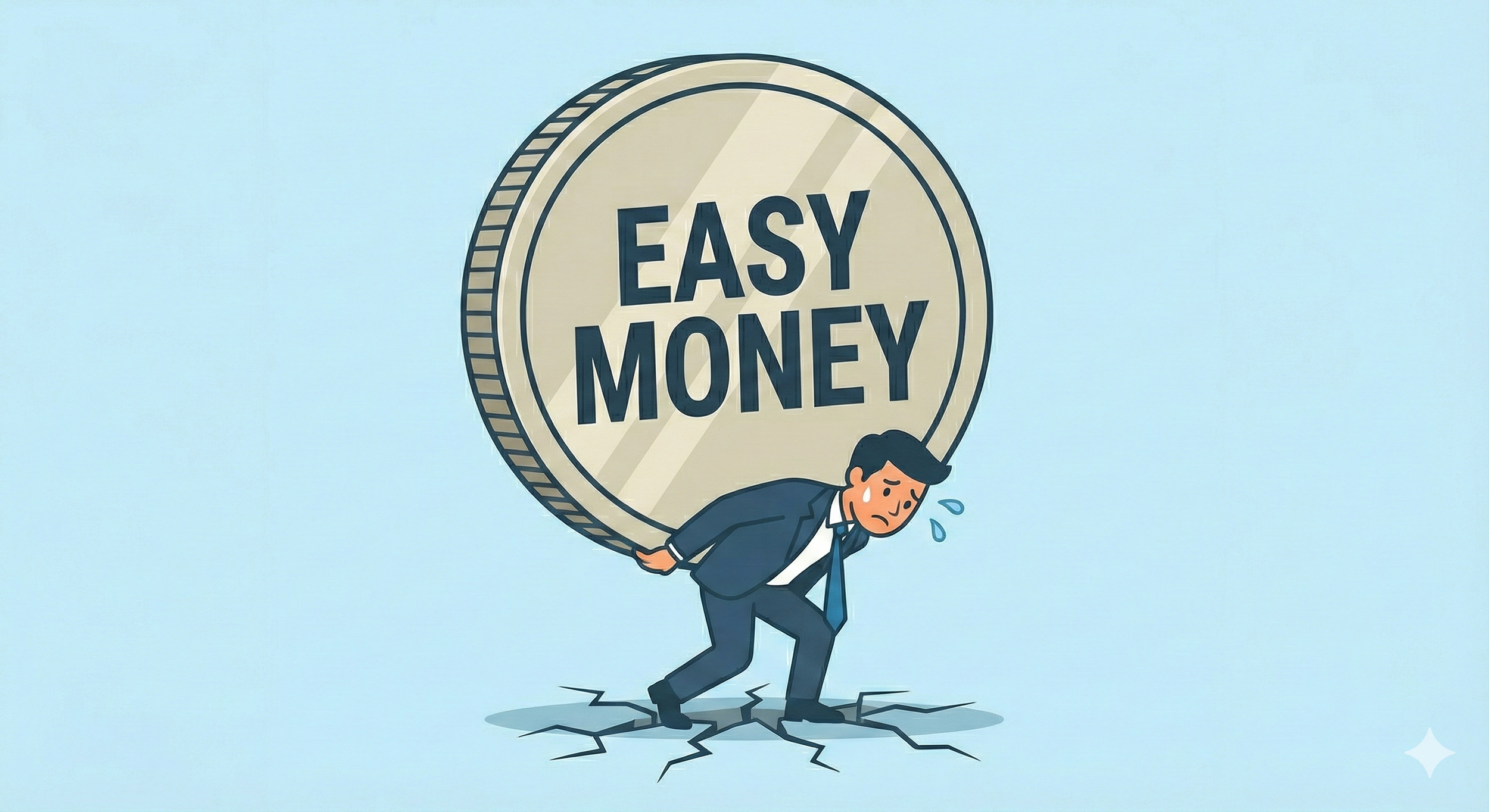
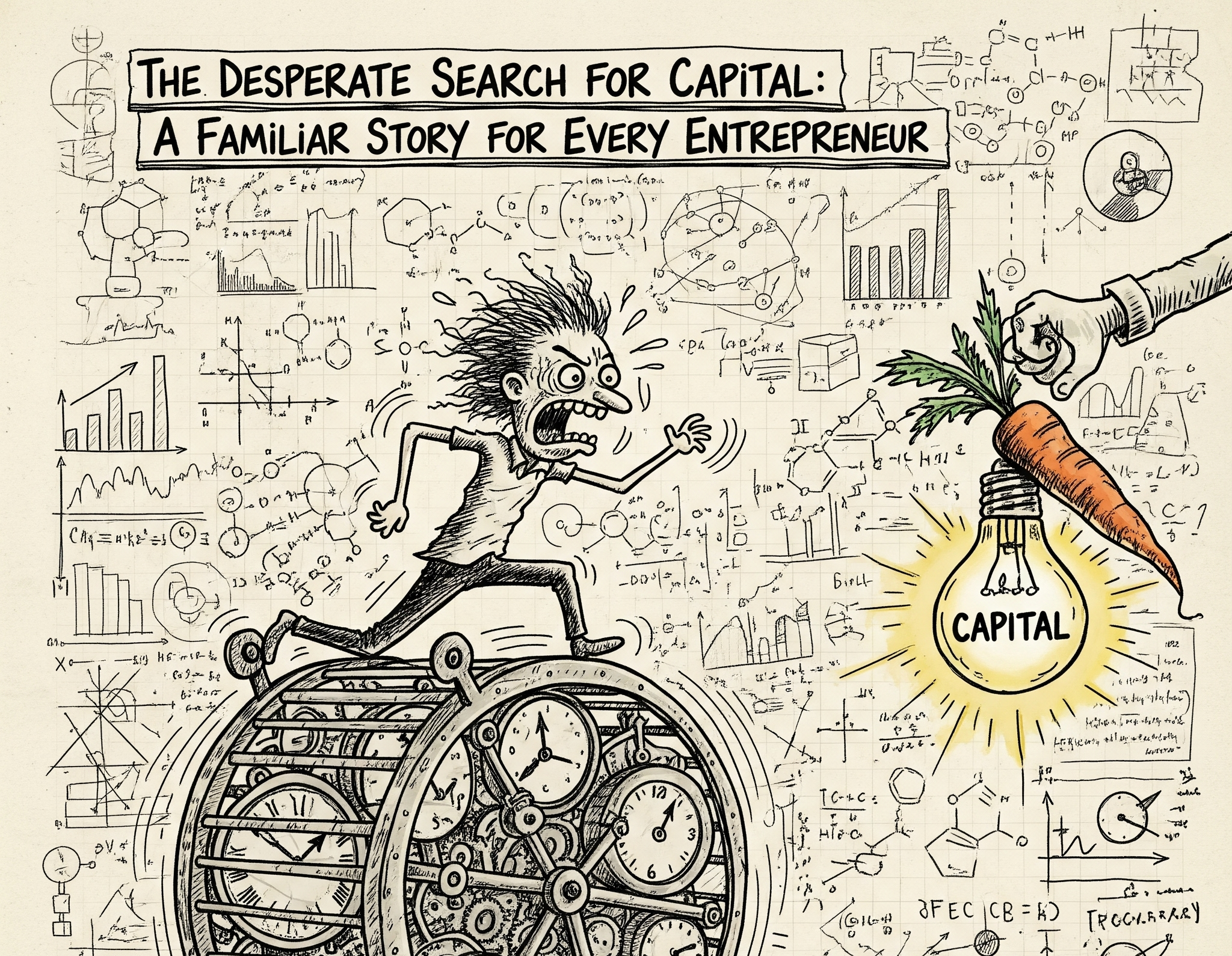
The problem is rarely that proper business financing doesn't exist. The problem is that most owners shop for it the same way they shop for office supplies: quickly, under pressure and based on whoever answers the phone first. That approach works fine for paper towels. It can be disastrous for capital.
This article walks through five of the most common and most expensive mistakes business owners make when securing funding. None of them are exotic. All of them are avoidable. And most of them share a root cause: treating financing as a transaction to be closed rather than a relationship to be managed. If you recognize your business in any of the sections below, that is not a reason for alarm, it is a reason to make one phone call and start correcting course before the next renewal, the next stack or the next "great rate" offer lands on your desk.
Being Misled by Brokers Who Prioritize Commissions Over Affordable Financing
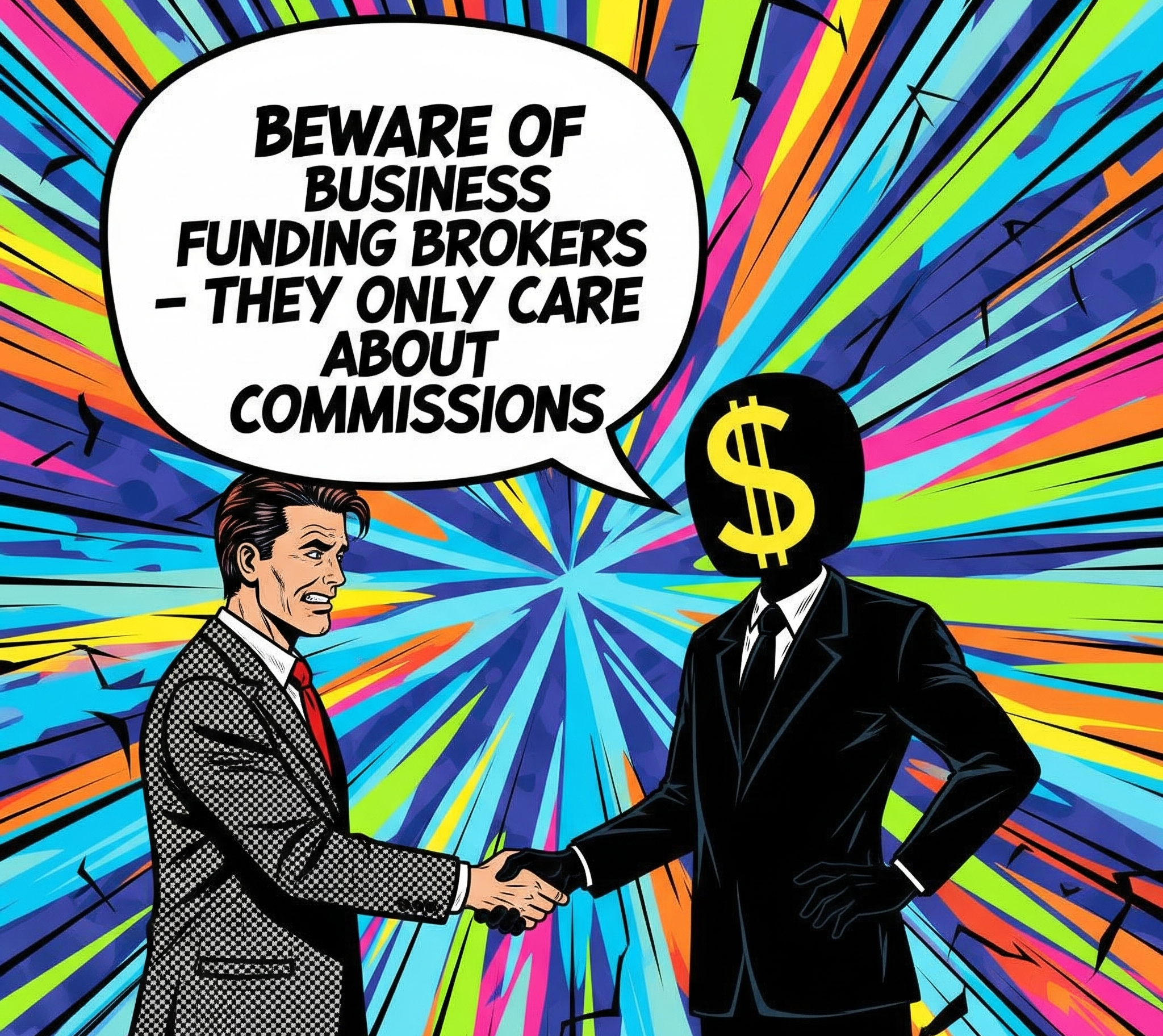
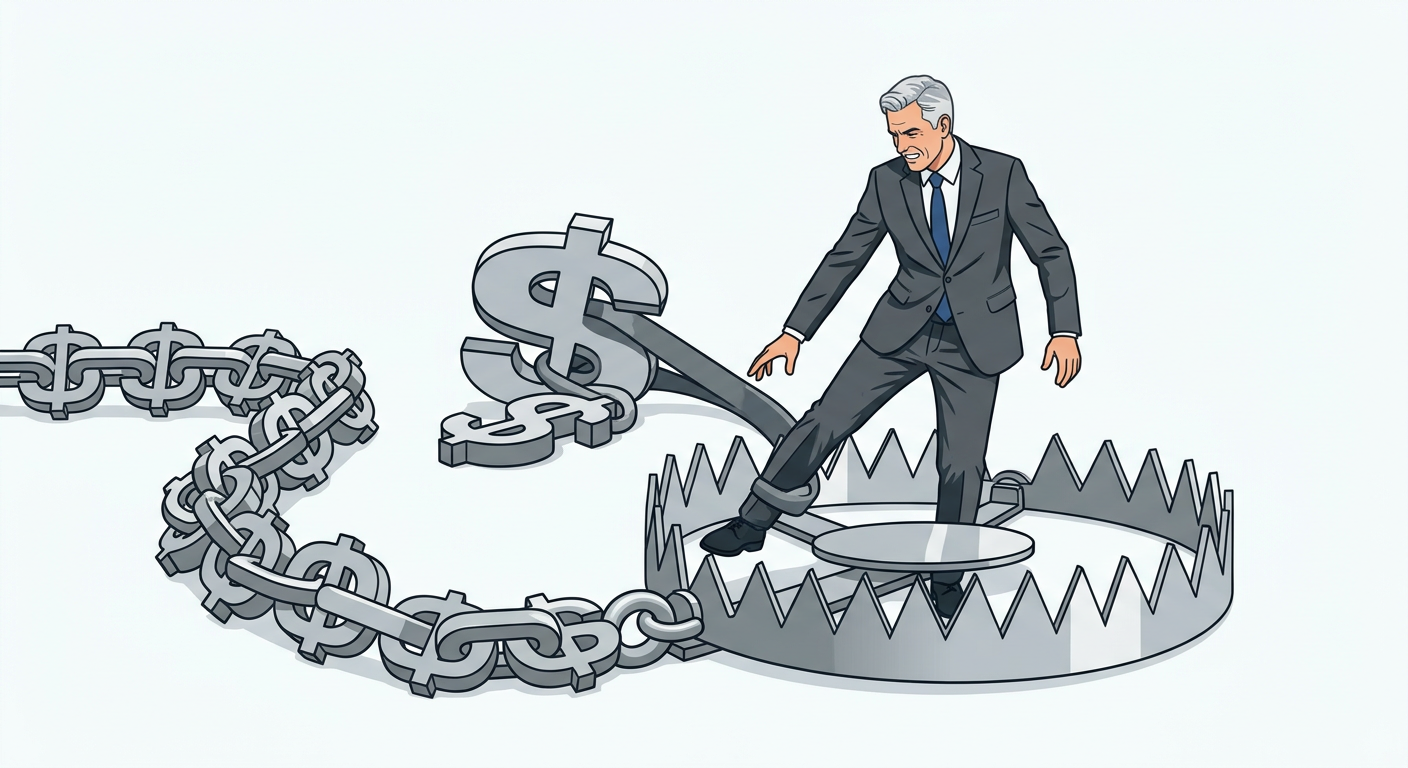
Most business owners assume the person offering them a loan is working on their behalf. In a meaningful number of cases, that assumption is wrong. Many business funding brokers operate on a commission structure that pays them more when they place you into a more expensive product, a shorter repayment term or a lender with a higher yield. This is not illegal, and it is not always disclosed in a way that a busy owner would notice. But it means the incentives in the room are frequently misaligned: the broker wants the deal that pays the biggest commission today, and you want the capital that costs the least over the life of the loan
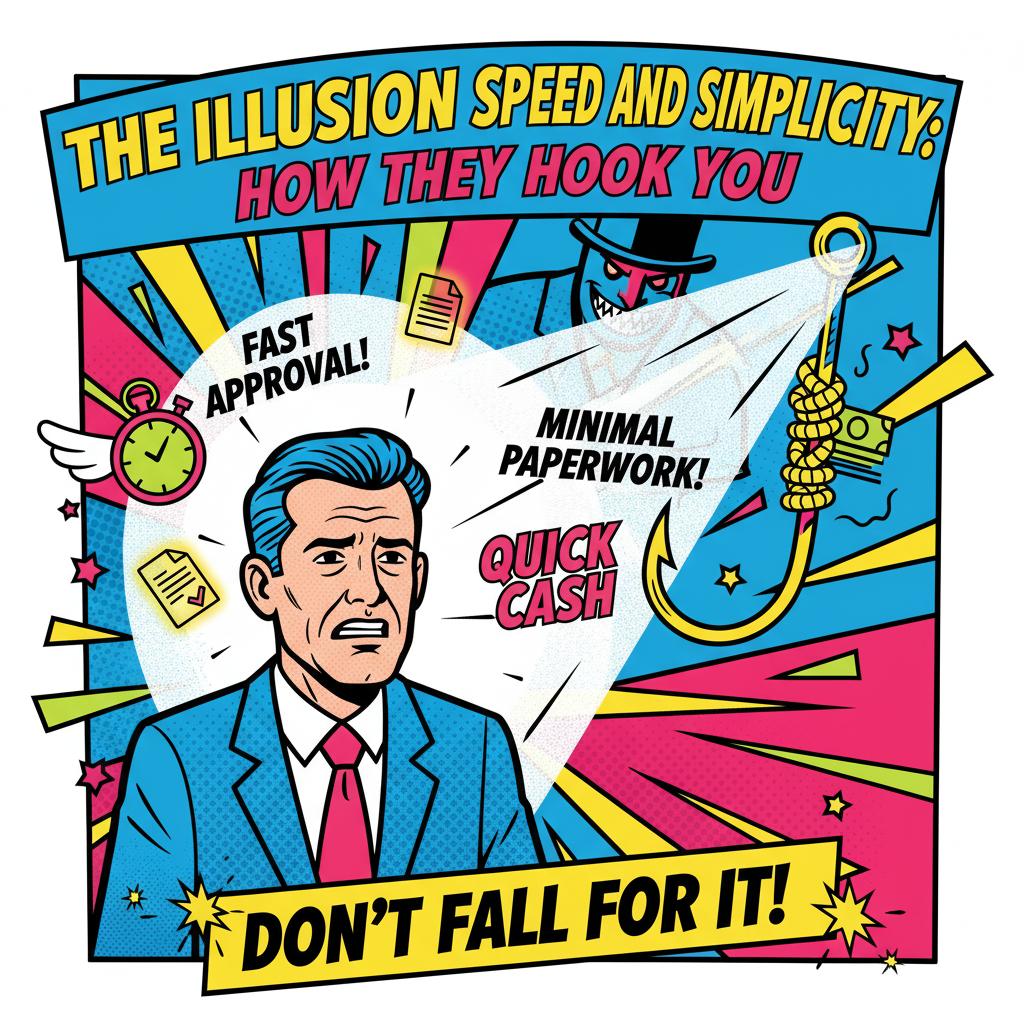
This misalignment shows up in a few predictable ways. A broker may push you toward a merchant cash advance (MCA) or a short-term loan because those products often carry higher effective rates and pay larger upfront commissions than a conventional term loan or line of credit, even when your business qualifies for a better loan rate and term. A broker may fail to mention that the "low weekly payment" they're advertising is actually a very high cost of capital once annualized. A broker may also submit your application to a dozen lenders simultaneously without telling you, which triggers multiple credit pulls and can make your file look distressed to any lender who later checks your credit report, ironically making it harder for you to get the good offer you deserved in the first place.
The fix is not to avoid brokers altogether; a good broker with the right incentives can genuinely save you time and open doors you wouldn't find on your own. The fix is to ask direct questions before you sign anything. Ask how the broker is compensated, and by whom. Ask whether they are showing you every option they have access to, or only the ones that pay them the most. Ask for the total cost of capital in dollars, not just the payment amount or the factor rate. And most importantly, ask whether they will still be available to you after the deal closes, or whether the relationship ends the moment the commission is paid. A capital partner who only shows up when there's a deal to close is not a partner. They're a salesperson, and there's a difference.
Concentrating on Business Borrowing Rate More Than Length of Payback
Rate is the number everyone asks about first, and it is often the number that matters least. A business owner comparing two offers will almost always gravitate toward the one with the lower stated interest rate, assuming it is automatically the cheaper, safer or smarter choice. That instinct is understandable as rate is simple, familiar and easy to compare but it ignores the variable that actually determines whether a loan helps your business or strangles it: the length of the payback period relative to your cash flow
Consider two offers side by side. One carries a rate of 9 percent but must be repaid in full within 10-months. The other carries a rate of 14 percent but stretches (amortizes) over three years. On rate alone, the first offer looks better. But the first offer requires your business to generate enough free cash flow to retire the entire loan in 10-months, which for many small and mid-sized businesses means diverting cash away from payroll, inventory, marketing and growth just to make the payments. The second offer, despite its higher rate, may cost less per month, place far less strain on your operating cash flow and leave you with capital available to actually run and grow the business while you pay it down.
This is the distinction between the cost of capital and the burden of capital. Cost of capital is what you pay in interest and fees annually and over the life of the loan. Burden of capital is how much of your monthly cash flow the business debt repayment consumes, and how much runway that leaves for everything else your business needs to do. A shorter term with a lower rate can still create more monthly pressure than a longer term with a higher rate, particularly for businesses with seasonal revenue, thin margins or growth plans that require reinvestment. Daily or weekly repayment structures common in short-term products can be especially punishing, because they pull cash out of the business before you even know what that week's revenue will look like.
When you evaluate any funding offer, do the math on both dimensions. Calculate the total cost in dollars over the full term, and separately calculate the payment as a percentage of your average monthly revenue or cash flow. A payment that consumes a large share of your monthly cash flow — even at an attractive rate, can create a cash liquidity crunch that forces you into another loan just to make payments on the first loan. That is how businesses end up in the business debt-stacking trap described later in this article. The right question is never simply "What's the rate?" It's "can my business comfortably carry this payment, month after month, without sacrificing the operations that generate the revenue to repay it?" or “What does my cash flow look like post loan-closing?”
Not Having Correct and Presentable Business Financials
Business lenders and capital partners make decisions based on what they can see, and what they can see is your financial documentation. Many business owners running lean operations without a full-time controller or CFO treat bookkeeping as a compliance chore to be handled at tax time rather than a strategic asset that directly determines the cost and availability of capital. This is one of the most expensive mistakes a business can make, because it is entirely within the owner's control and it is corrected far too rarely, far too late.
When your financial statements are disorganized, inconsistent, or simply out of date, a few things happen and none of them are good. First, underwriters default to the most conservative interpretation of your business. If they cannot clearly see your revenue trends, your margins, and your debt obligations, they will price in extra risk to compensate for that uncertainty and that risk shows up as a higher rate, a shorter overall payback period, additional collateral requirements or an outright decline. Second, incomplete business financials slow down the entire process. A funding request that could be underwritten and approved in days can stretch into weeks while the lender chases down missing bank statements, reconciles conflicting numbers or waits for a tax return that should have been filed months earlier. In a business cash flow emergency, that delay alone can be the difference between the funding solving your problem and the funding arriving too late to matter.
Presentable business financials do more than satisfy a checklist. They tell a story about your business that a lender can trust. At minimum, a business lender or capital partner will typically want to see recent bank statements, a current profit and loss statement, a balance sheet and your most recent business tax returns. Accounts receivable and accounts payable aging reports matter enormously if you're seeking a line of credit or accounts-receivable-based financing. If your books are kept on a cash basis in one place and an accrual basis in another, or if your bookkeeper and your tax preparer are working from two different sets of numbers, that inconsistency will be noticed, and it will cost you.
The businesses that consistently get the best terms are not necessarily the ones with the strongest financials in absolute terms. They are the ones whose financials are clean, current, and easy to verify. If your bookkeeping has fallen behind, investing in a cleanup before you approach any lender is not an optional nicety, it is one of the highest-return actions you can take before seeking capital. A capital partner worth working with will often help you understand exactly what documentation to gather and how to present it, rather than simply handing you a checklist and disappearing.
Stacking Transactional Business Debt From Multiple Creditors Instead of Having One Capital Partner
When a business needs cash quickly and the first source isn't enough or arrives with restrictive terms, the natural instinct is to go find another business financing source. And then, if that still isn't enough, another. This pattern known as business debt “stacking” is one of the fastest ways to turn a manageable cash flow challenge into an existential threat to your business. It happens gradually, often without the owner fully realizing how deep they've gone until the daily or weekly debits from multiple lenders starts almost consuming more cash than the business brings in.
Business debt stacking is especially common with short-term products like merchant cash advances (MCAs), where a business takes a second or even third advance to cover the payments on the first, effectively borrowing to service existing borrowing. Each additional financing position typically comes at a worse rate than the one before it, because later lenders are taking on more risk and pricing accordingly and know they are being repaid behind other creditors, and they know the business is already under cash flow strain. The result is a compounding spiral: total debt service grows with each new position, cash flow available for operations shrinks and the business becomes increasingly dependent on the next advance just to stay current on the ones before it.
Beyond the direct cost of capital, stacked business debt creates operational and legal complexity that a single relationship never does. Multiple creditors may have competing claims on the same collateral or receivables, which can create UCC filing conflicts and legal disputes that are expensive and time-consuming to untangle. Multiple ACH withdrawals make cash flow forecasting more difficult because the business is reacting to whatever hits the bank account rather than planning around a predictable schedule. And when it comes time to seek additional or better financing, a stacked business debt position is one of the fastest ways to get declined as lenders see multiple recent advances on a bank statement and read it, correctly, as a sign of financial mismanagement and distress.
The alternative is not simply "borrow less." It's structuring your business financing around a single capital partner who understands your full financial picture and can size, structure and time your borrowing appropriately, rather than reacting position by position to whatever emergency arose that month. A true capital partner looks at your business holistically through seasonality, your growth plans, your existing obligations and structures financing that fits the whole picture, rather than solving today's problem in a way that creates three more next quarter. If you are currently carrying payments to more than one short-term funding source, that is usually the clearest signal that it's time to consolidate rather than add another position.
Transitioning Near-Term Toxic Business Debt Into Extended, Predictable Amortization
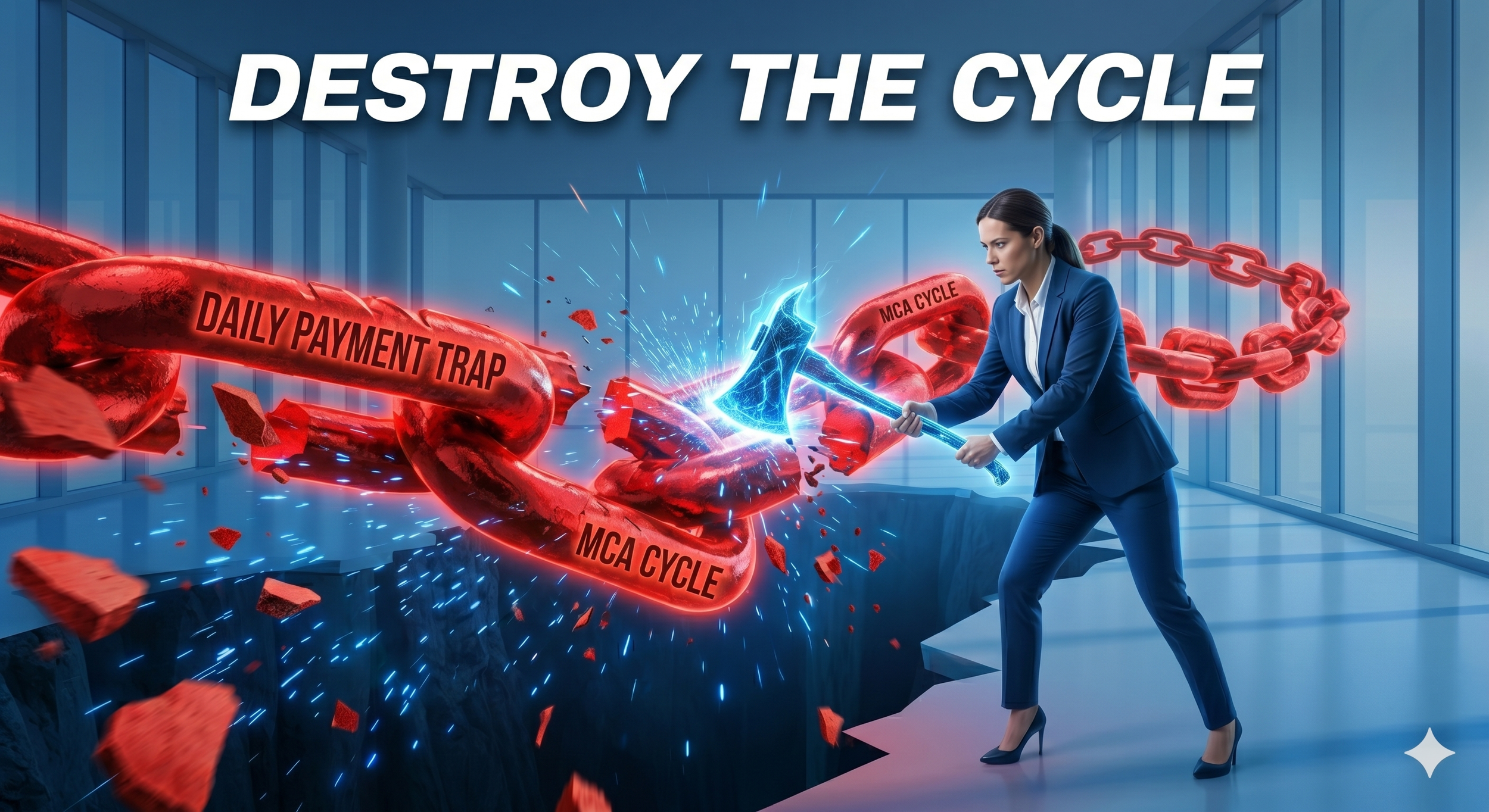
For businesses that already find themselves carrying expensive, short-term obligations, whether from a single bad decision or an accumulated stack, the most important move is often not finding new business capital, but restructuring the capital that already exists. Short-term, high-cost business debt, particularly daily or weekly-pay products, is sometimes described as "toxic" for a reason: the repayment structure is built around near-term extraction of cash rather than the borrower's long-term ability to repay comfortably. It solves an immediate problem while quietly creating a bigger one.
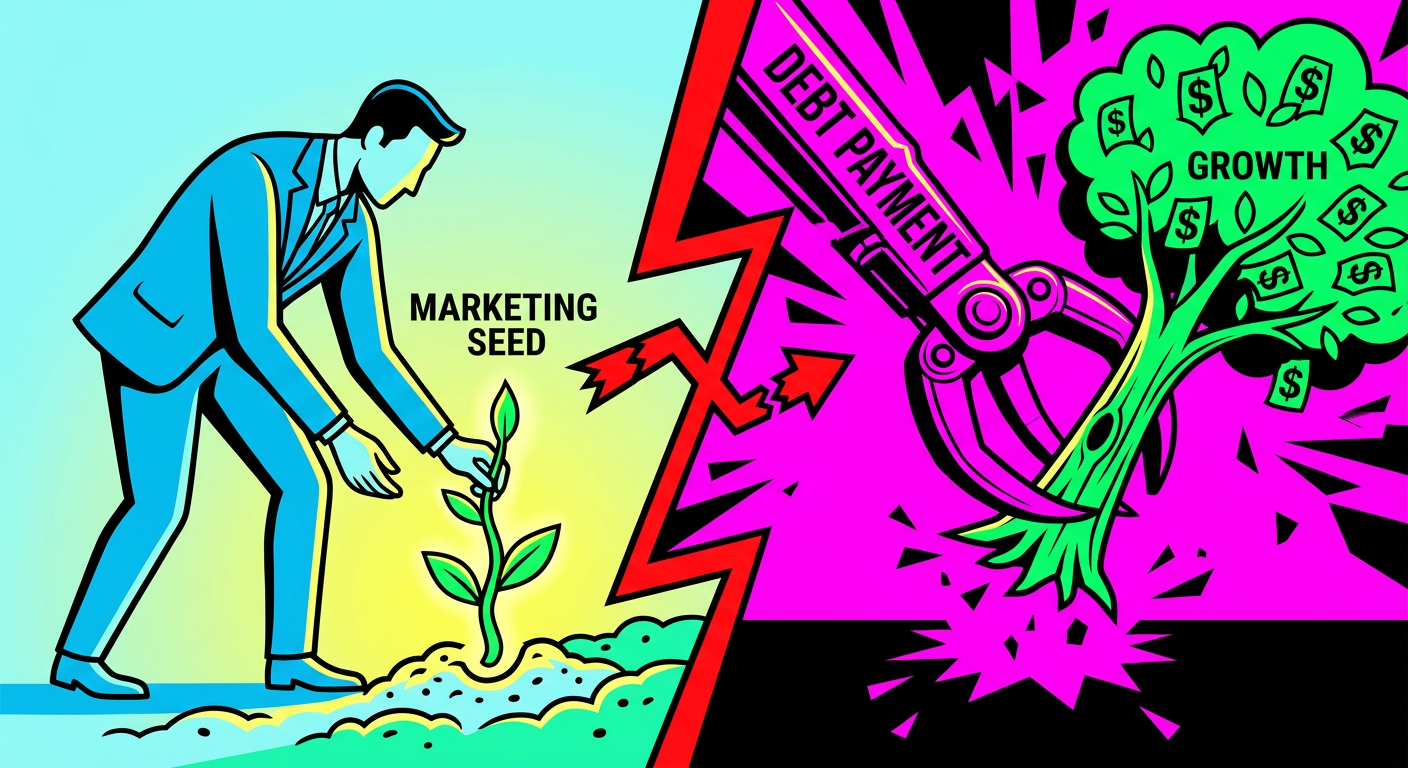
The core issue with toxic short-term business debt is repayment velocity. Total business debt payments that represent 5% or 10% of total revenue, in aggregate, consume a disproportionate share of a business's operating cash flow, because it doesn't flex with slow days, seasonal dips or unexpected expenses the way a monthly payment would. Businesses in this position often describe feeling like they are working for the lender rather than for themselves. Every day's revenue is partially spoken for before it even arrives. Over time, this dynamic starves the business of the working capital it needs for payroll, inventory and growth, which in turn suppresses the very revenue growth that would help pay the business debt down.
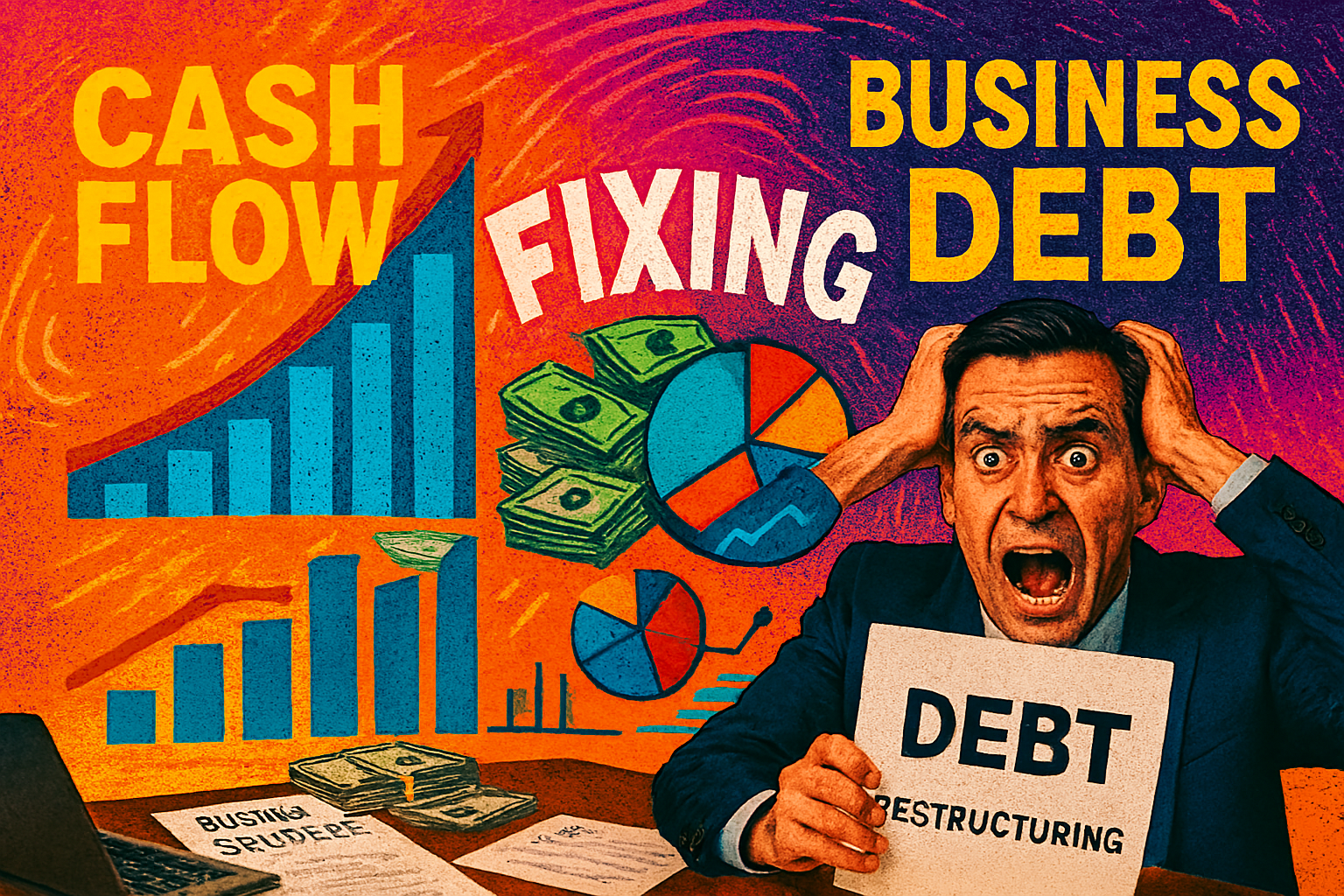
Converting this kind of obligation into an extended, predictable amortization schedule changes the entire dynamic, even when it means paying a bit more in total interest over a longer period. (What is the cost of business cash flow?) Stretching repayment from months into years reduces the size of each individual payment which immediately frees up business cash flow that can be redirected toward operations. It also makes forecasting possible again: a business owner who knows exactly what is due, and when, can plan hiring, inventory purchases and growth investments with confidence, instead of constantly reacting to whatever the bank balance looks like after automated withdrawals.
This kind of business debt refinancing or consolidation is not something every business lender offers, and it is rarely something a broker chasing a quick commission will bring up, since a +business debt consolidation or refinance typically pays a smaller commission than originating a brand-new short-term advance. It requires a capital partner willing to look at your full business debt picture, understand why you ended up in short-term products in the first place and build a bridge to something sustainable often by paying off multiple existing positions with a single new credit facility structured around a term that actually matches your business's cash flow cycle. If your business is currently making daily or weekly payments to more than one lender, or if you find yourself unable to see more than a few weeks ahead financially, this kind of transition should be the first conversation you have, before you consider taking on any additional capital.
The Real Cost of Getting Business Funding Wrong
Every mistake covered so far shares a common thread: each one is a small decision, made under time pressure, that compounds into a much larger problem months or years down the road. Accepting a transactional broker's first offer without asking who's paying them. Choosing the lower rate without checking the payback period. Letting the books slide for one more quarter. Taking a second advance because the first one wasn't quite enough. None of these decisions feel catastrophic in the moment. Collectively, they are how healthy, profitable businesses end up in genuine financial distress; not because the business itself was flawed, but because the capital supporting it was structured against the business's own interests.
The good news is that every one of these mistakes is reversible, and most of them are preventable with a relatively small amount of upfront diligence. Asking better questions of anyone offering to fund your business costs nothing. Running the payment-burden math alongside the rate comparison costs a few extra minutes. Investing in clean, current financials pays for itself many times over in better terms and faster approvals. Consolidating stacked business debt into a single, appropriately structured credit facility, and converting toxic short-term obligations into predictable long-term amortization, both require a conversation most business owners simply haven't had yet often because no one has offered to have it with them.
What Working With a True Business Capital Partner Looks Like
The distinction between a transactional business funding source and a true business capital partner shows up in the questions each one asks. A transactional source asks: how much do you need, and how fast can we close? A capital partner asks: what does your cash flow actually look like, what are you trying to accomplish over the next one to three years and what does your existing business debt picture look like before we talk about adding anything new? The first conversation is designed to close a deal. The second is designed to solve a problem and look to prevent the next one.
A genuine business capital partner is transparent about compensation and about every option available to your business, not just the ones that are easiest or most profitable for them to offer. They will look past the immediate ask to understand the full financial picture, including existing obligations you may not think to mention because you've grown used to carrying them. They will tell you when a shorter-term business financing product genuinely is the right fit and they will tell you when it isn't, even if that means a smaller or delayed commission. And critically, they stay engaged after the deal closes: checking in as your business evolves, flagging when a refinance or restructure makes sense and treating your financing as an ongoing part of your business strategy rather than a one-time transaction.
This kind of relationship is not always easy to find, and it is reasonable to be skeptical of anyone who claims to offer it in a first phone call. The way to test it is to ask the hard questions outlined throughout this article: about compensation, about total cost versus payment burden, about what happens to the relationship after the deal closes and see how directly and specifically they answer. A partner with the right incentives will welcome those questions. A source that's only interested in closing the deal in front of them will deflect, rush, or simply not have good answers.
Moving Forward With Confidence
Business funding does not have to be a source of anxiety, and it does not have to be something that happens to you rather than something you actively manage. The mistakes outlined in this article such as misaligned business funding broker incentives, rate tunnel vision, messy financials, business debt stacking and unrestructured toxic short-term business debt, are common precisely because the system surrounding business funding is often built to move quickly and close deals, not to slow down and get the structure right. Recognizing that dynamic is the first step toward protecting your business from it.
If any part of this article described your current situation — a broker relationship you're not sure you can trust, a stack of short-term obligations that keeps growing, financials that haven't been updated in longer than you'd like to admit, or debt that feels like it's working against your business instead of for it — the right next step is a direct, honest conversation with a capital partner who will look at the whole picture before recommending anything. Getting that conversation right now is almost always less expensive, in every sense, than waiting until the next renewal or the next emergency forces the issue. Your business's growth depends on capital that supports it, not capital that quietly works against it — and getting that distinction right is one of the most important financial decisions you'll make as an owner.

More Business Finance and Strategy Articles: