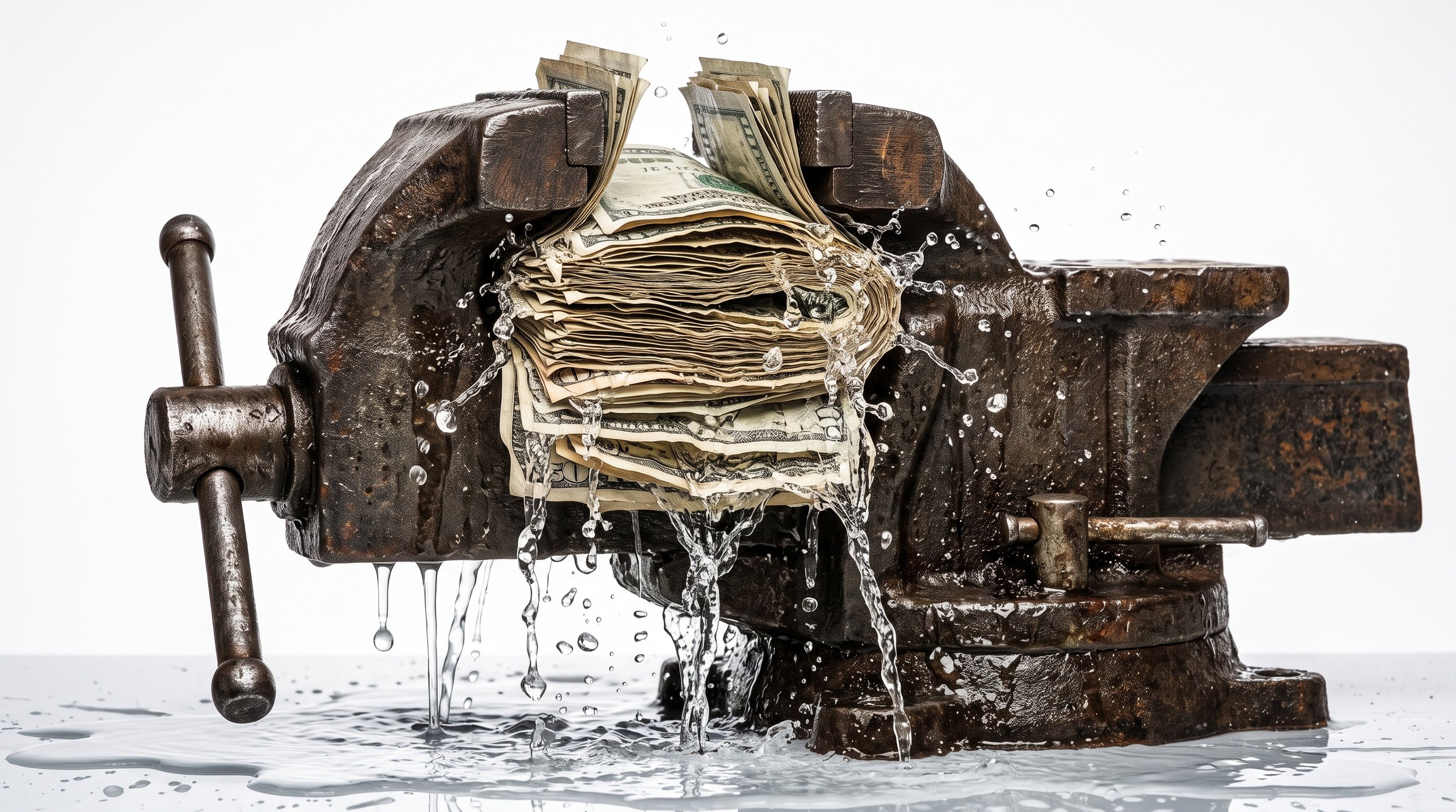
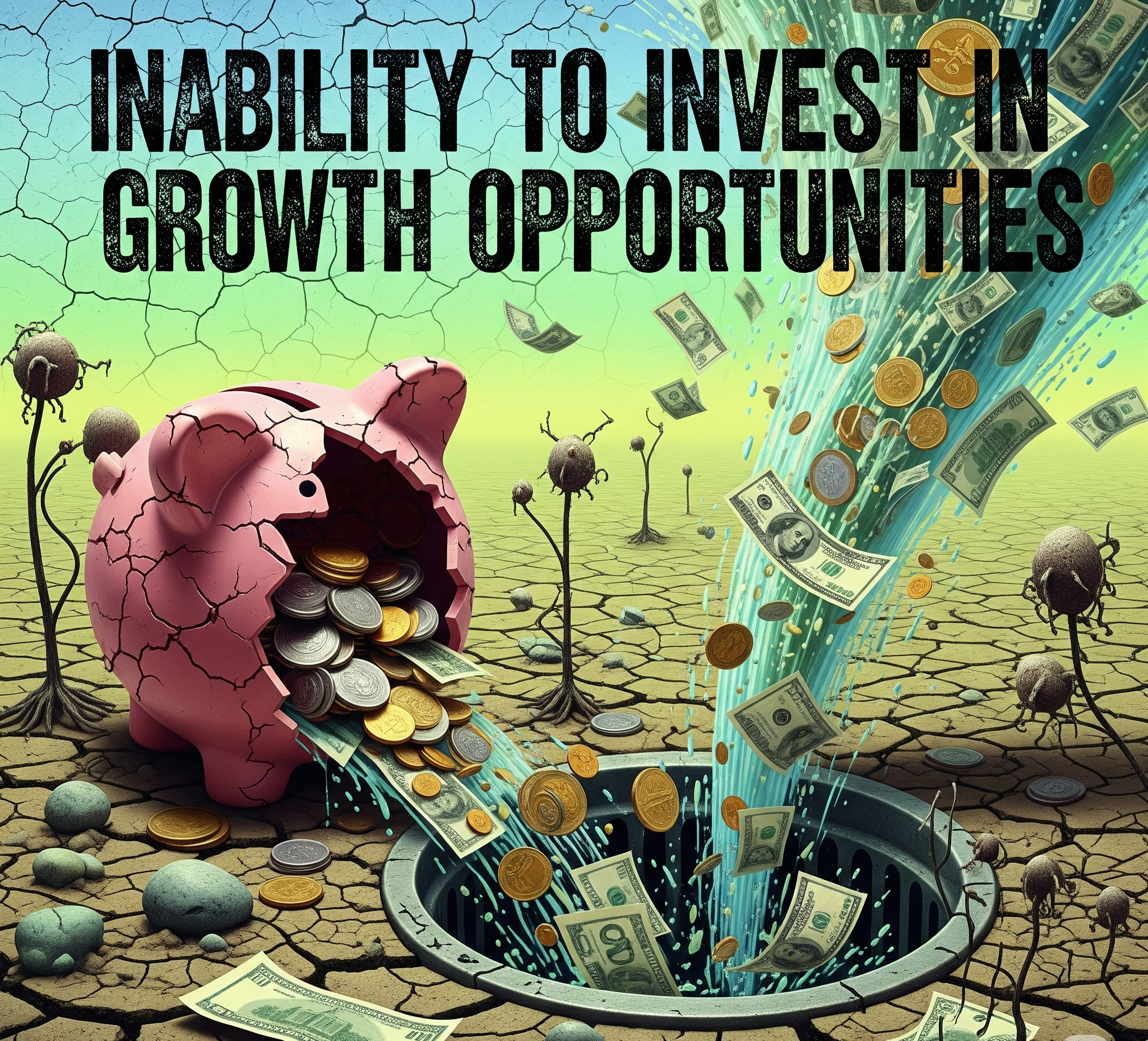
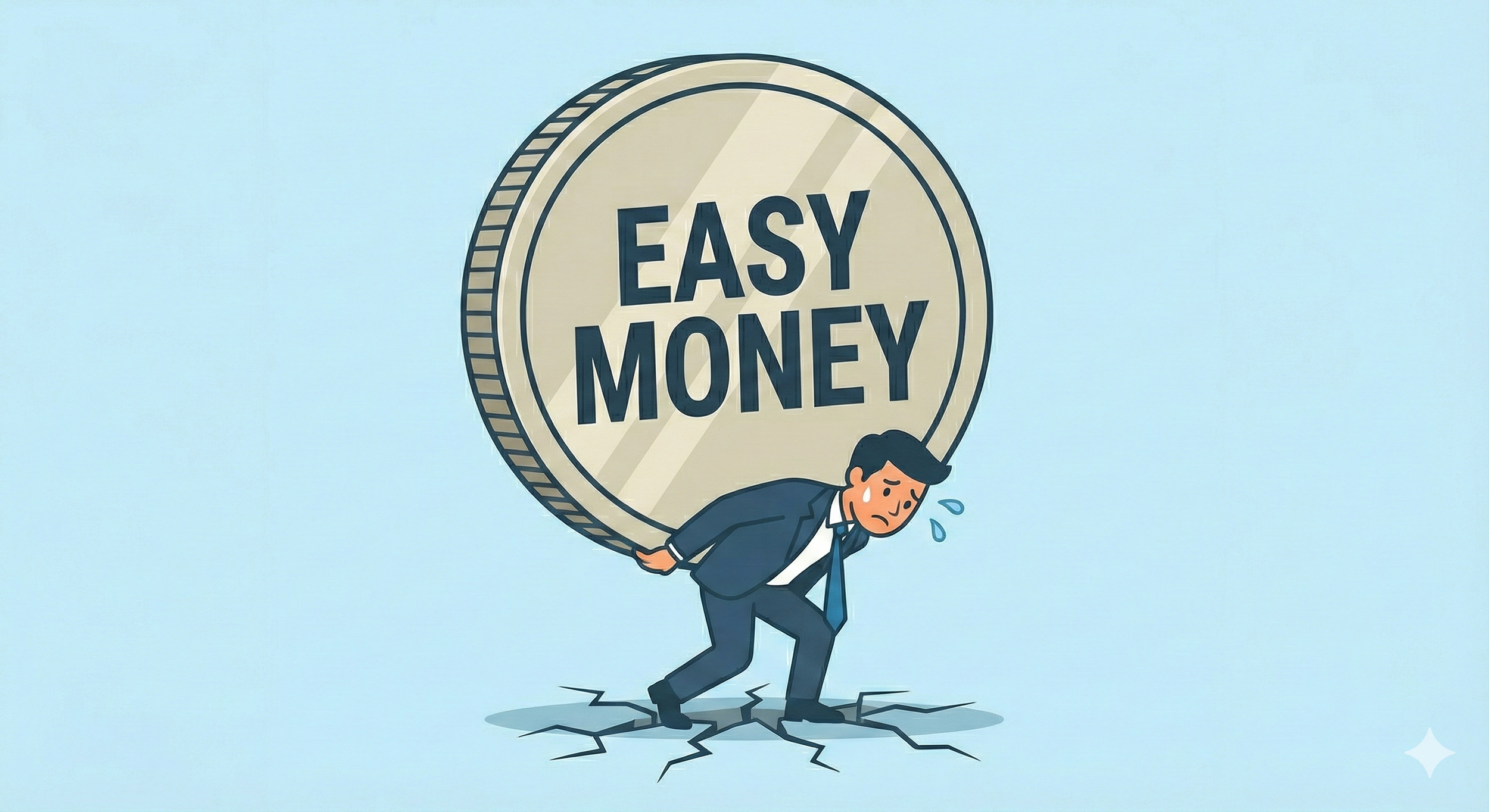
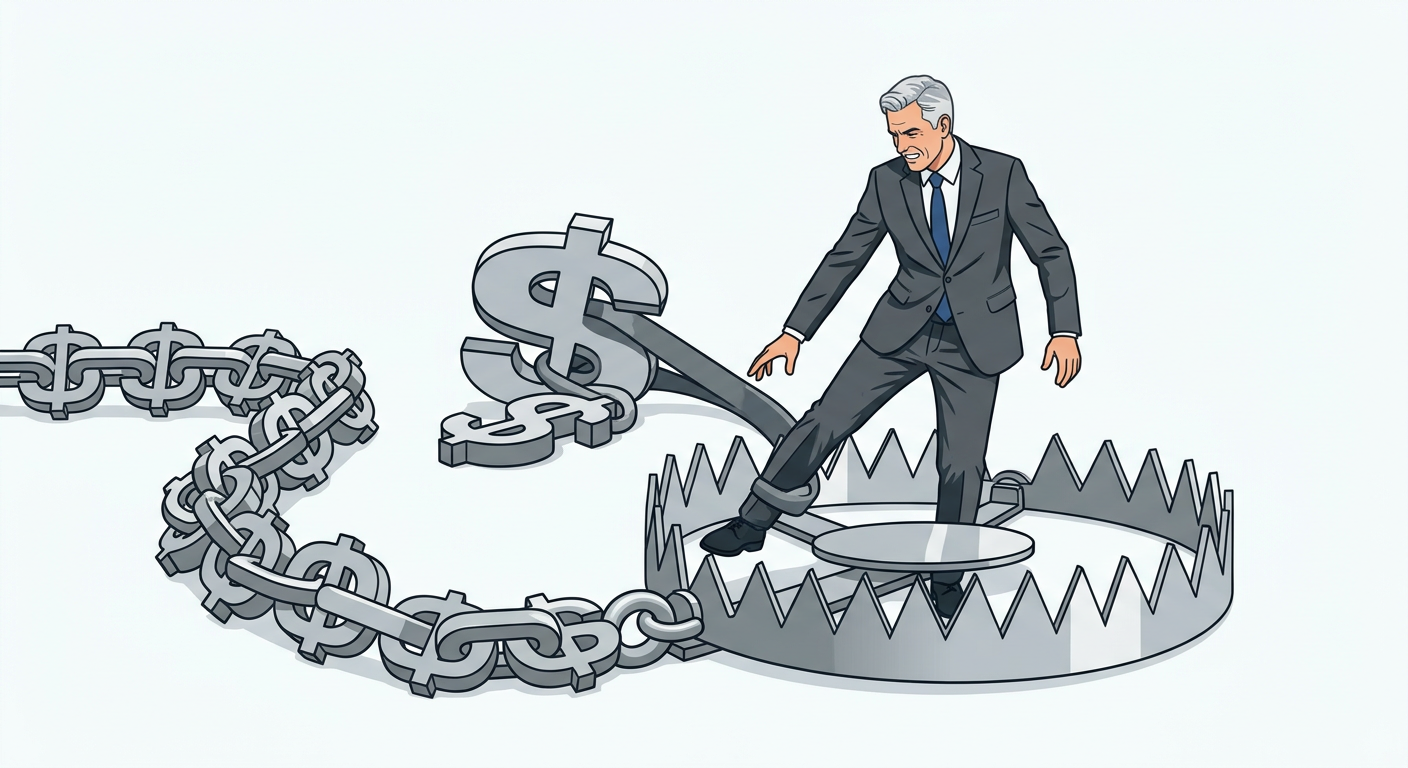
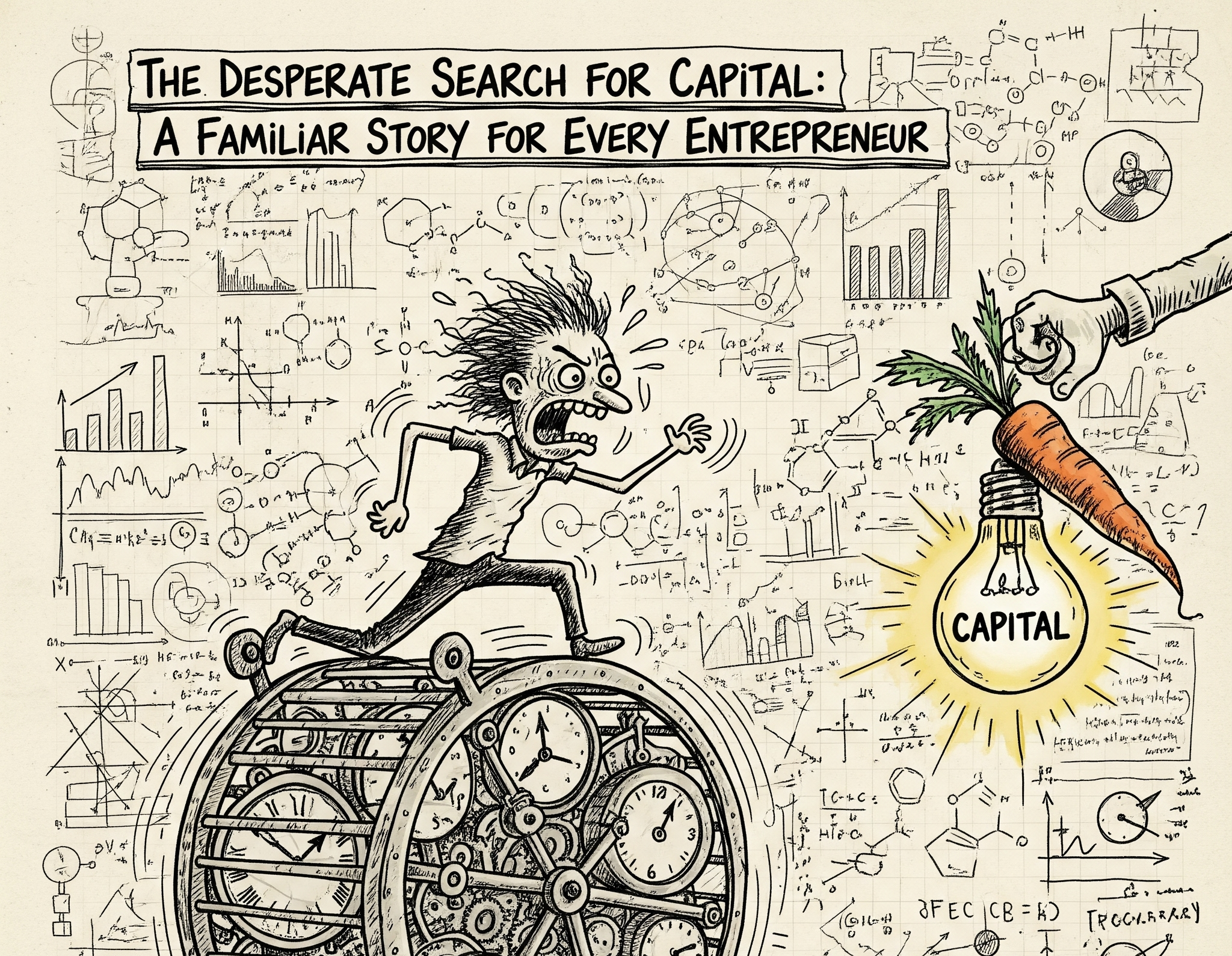
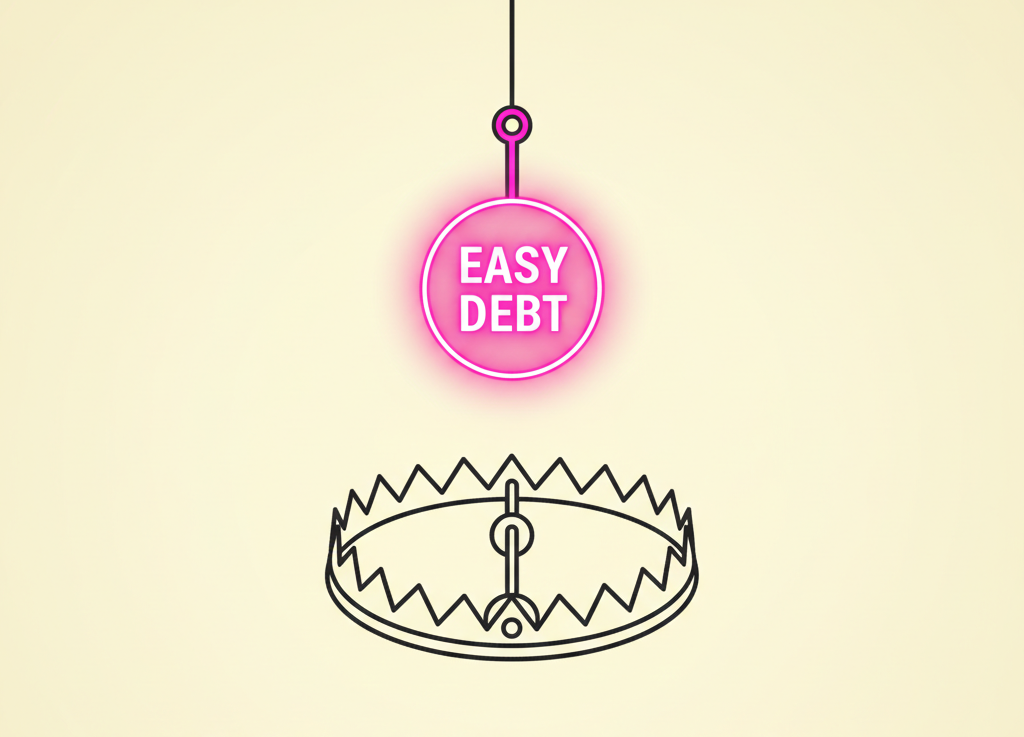
The critical error occurs when this temporary emergency capital becomes a permanent fixture on the corporate balance sheet. High-frequency payment structures, such as daily or weekly ACH withdrawals, create a highly volatile environment where capital behaves remarkably like a tightly stretched rubber band. The moment revenue enters the business operating accounts, it immediately snaps back to the aggressive creditors, leaving the operation starved for the very working capital it initially borrowed. This continuous, rapid outflow of cash paralyzes future growth, prevents strategic investment and places immense psychological strain on the leadership team trying to manage the daily chaos of low business liquidity.
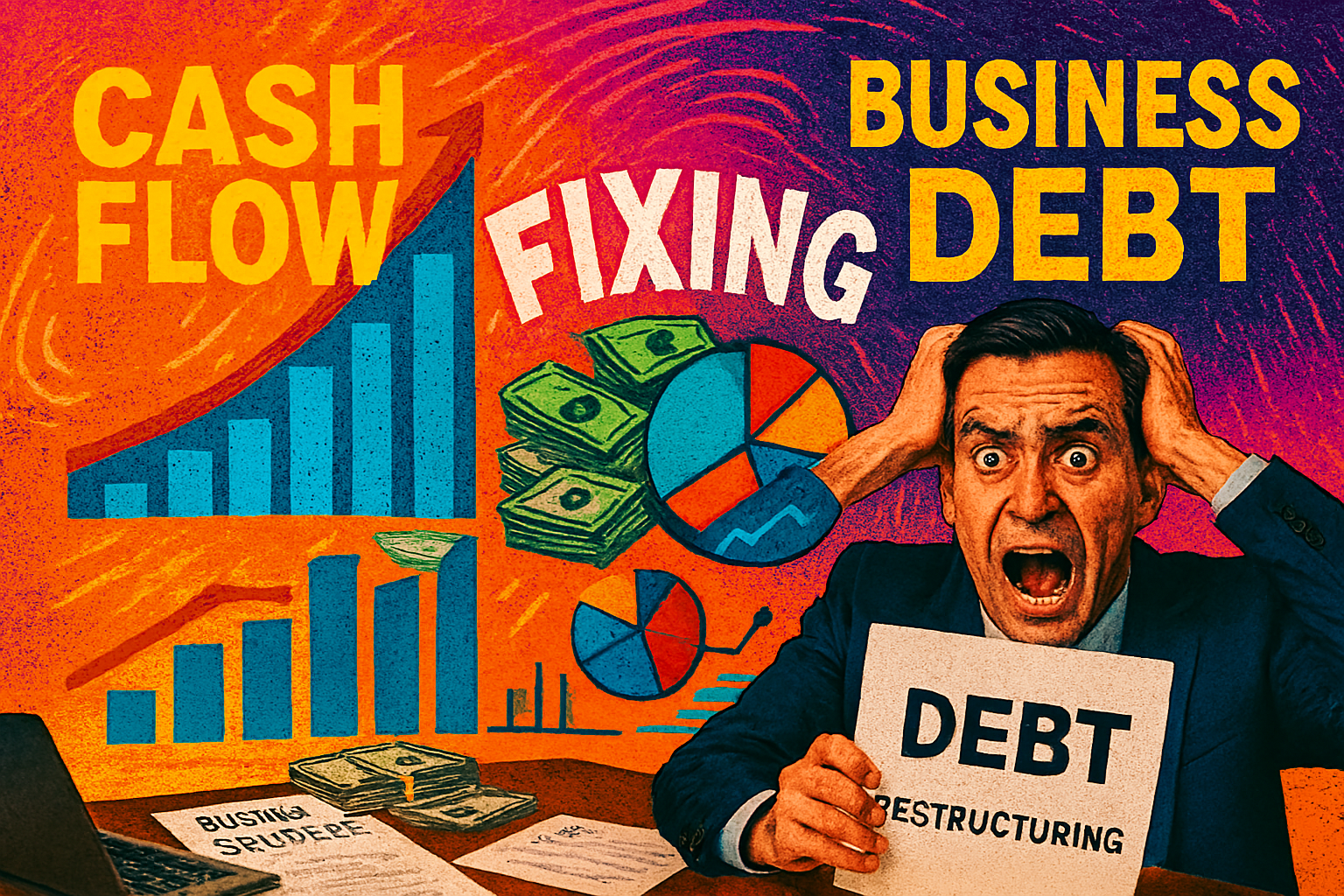
Fortunately, a strategic and highly effective path forward exists through intelligent debt restructuring (changing existing terms of existing financing; professional and consensual talks with existing creditors) and deliberate balance sheet refinancing to a longer term with 1/2 or sometimes 1/3 of the current interest rates or cost of capital. By transitioning these toxic, short-term liabilities into sustainable, long-term financial business credit facilities or longer term loans (18, 24, 36-months) spread across significantly extended horizons, businesses can immediately reclaim their vital cash flow.
Let’s explore the mechanics of “unwanted” business debt, the devastating impact of the rapid business cash outflow effect on your business working capital, and the precise methodology for refinancing your obligations to secure interest rates that are a mere fraction of what you currently pay, thereby keeping your hard-earned cash firmly within your business. Grow an re-invest in your business.
The Unavoidable Burden Of Emergency Business Financing
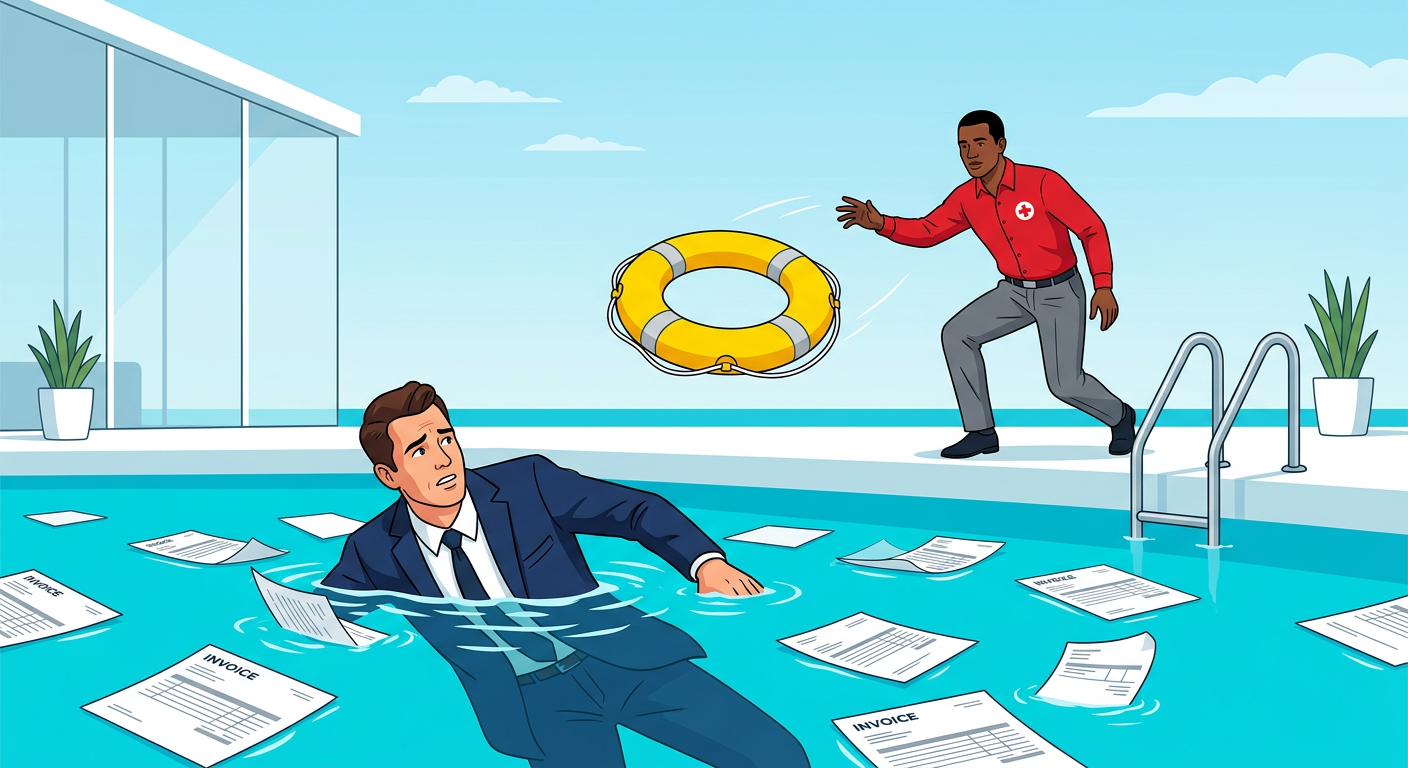
Operating a business inherently involves confronting unforeseen challenges that sometimes demand immediate financial solutions. Whether it is a catastrophic equipment failure on the production line, a sudden supply chain disruption that requires purchasing inventory at a steep premium or a severe macroeconomic shock that halts customer spending, emergencies do not wait for business loan approvals. In these critical moments, business owners are forced into a corner where inaction might guarantee immediate failure. The immense pressure to maintain payroll, honor vendor contracts and “keep the doors open” compels executives to seek out the fastest available capital, completely regardless of the long-term cost.
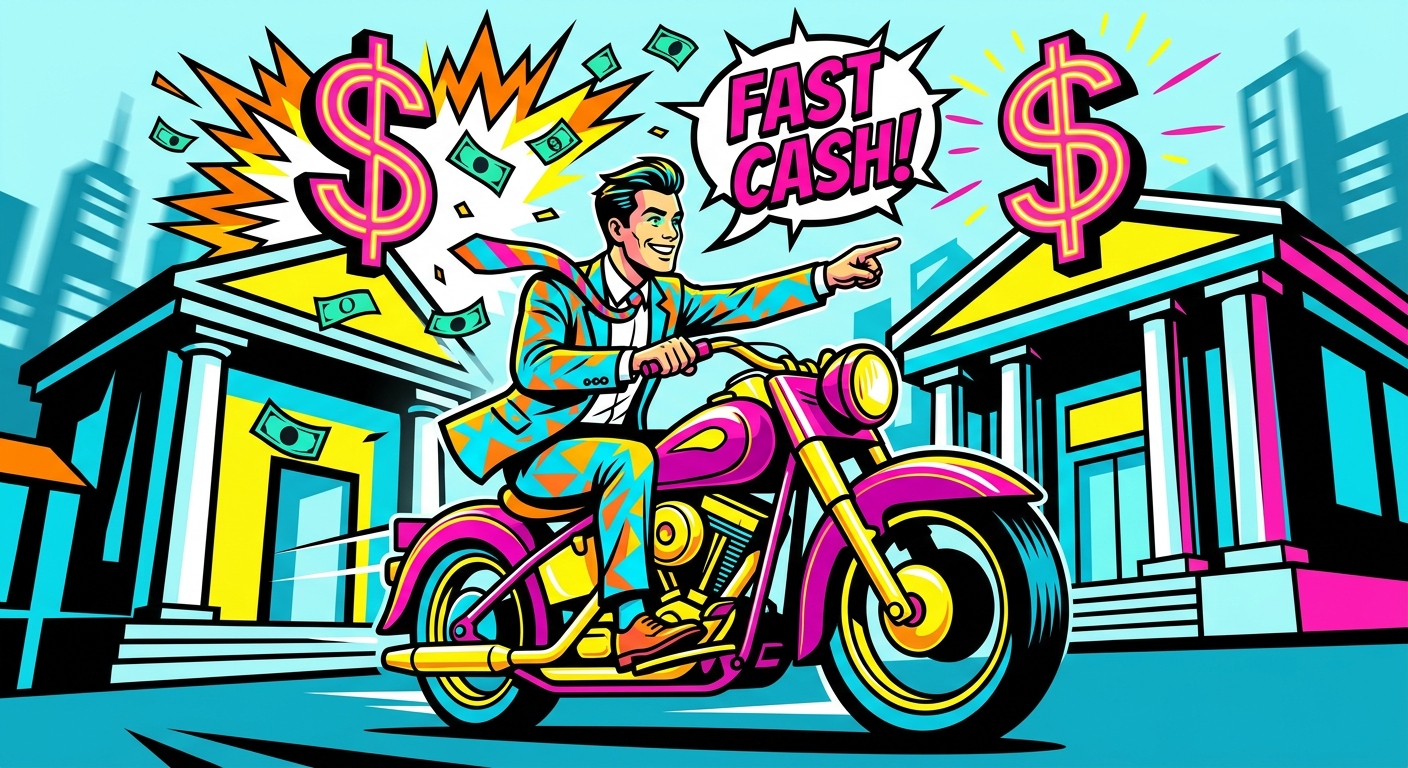
Traditional commercial banking institutions are notoriously slow and methodical, often requiring months of due diligence, collateral appraisals and committee approvals before disbursing a single dollar. For a business facing an acute liquidity crisis that must be resolved immediately, this extended timeline is functionally useless. As a direct result, business owners pivot toward alternative lending markets that promise capital deployment within days and sometimes, within hours. They submit to draconian terms not out of ignorance, but out of absolute necessity. This is the definition of business debt that you frankly HAD to take in an unforgiving and predatory marketplace.
While this emergency capital successfully patches the immediate operational leak, it simultaneously introduces a highly corrosive element into the financial foundation of your business. The fundamental mismatch between the immediate use of funds and the extraordinarily aggressive repayment schedule creates a structural flaw in your business’ cash flow cycle. Borrowing money to replace a broken machine makes operational sense, but being forced to repay that capital over a truncated 6-month or 9-month period creates an unsustainable burden. Ultimately, the psychological burden of this emergency financing is just as heavy as the financial cost, forcing business owners to transition from strategic visionaries and executors to desperate cash flow managers.
The Trap Of Reluctant Capital And Short Term Business Obligations
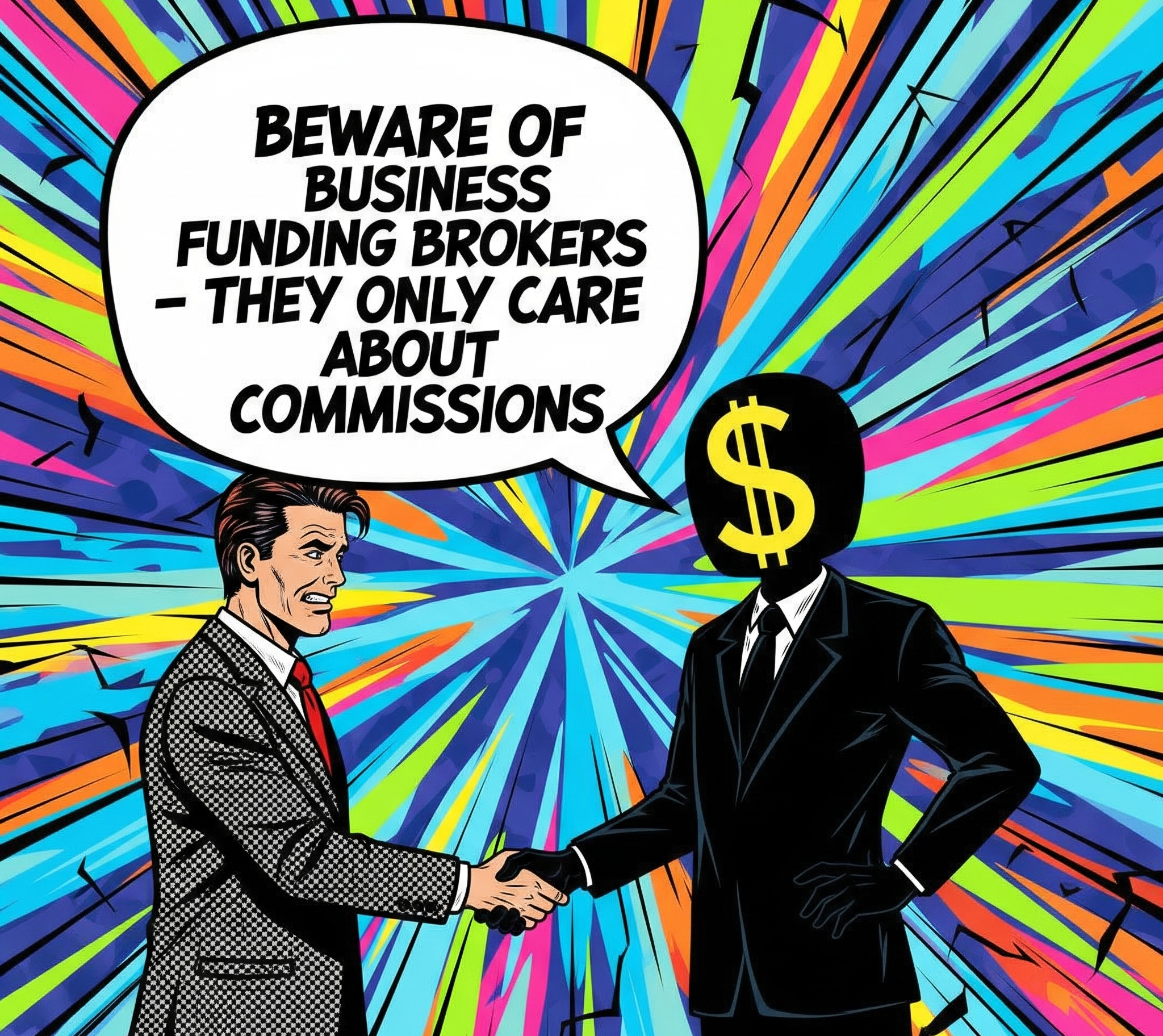
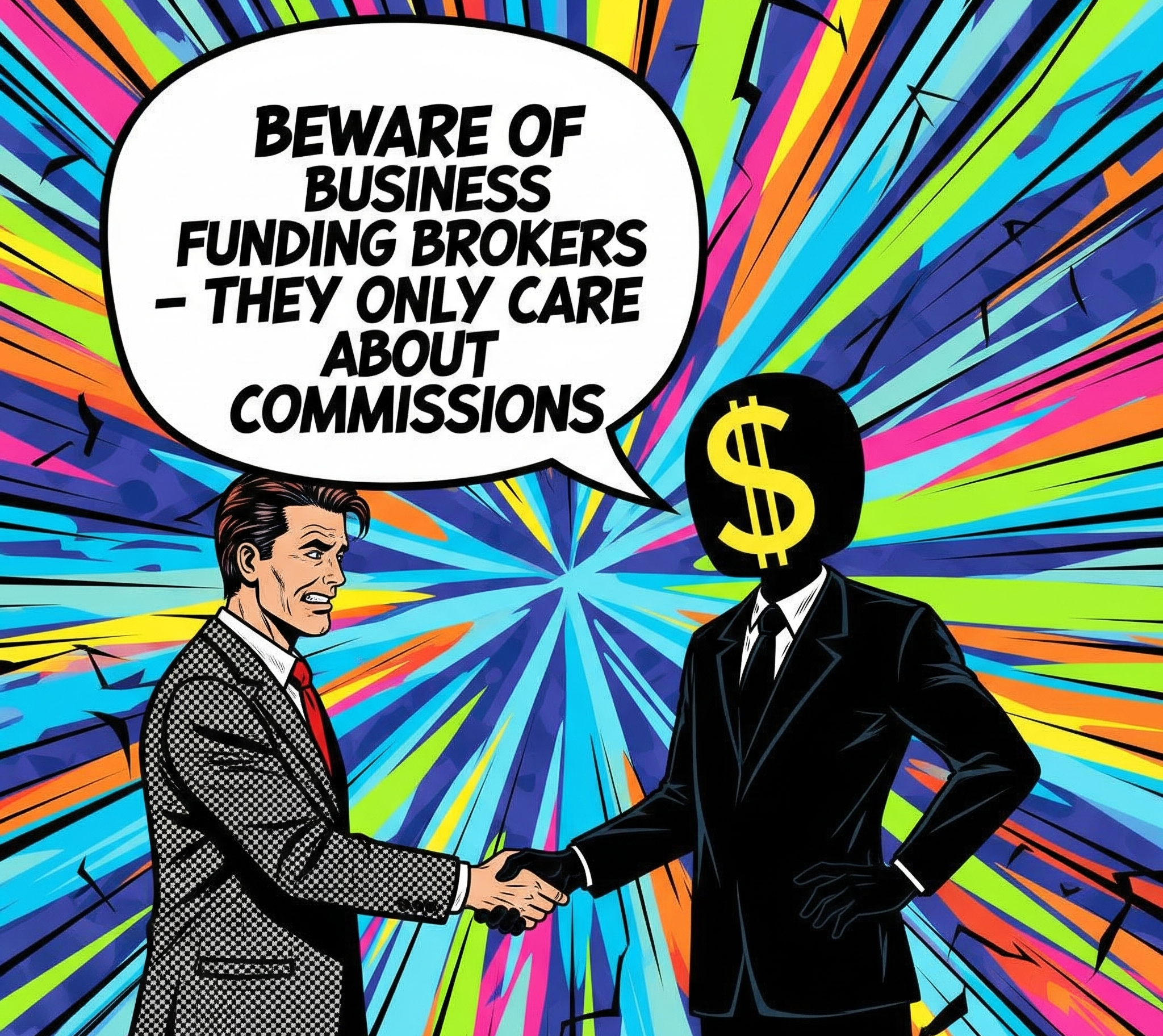
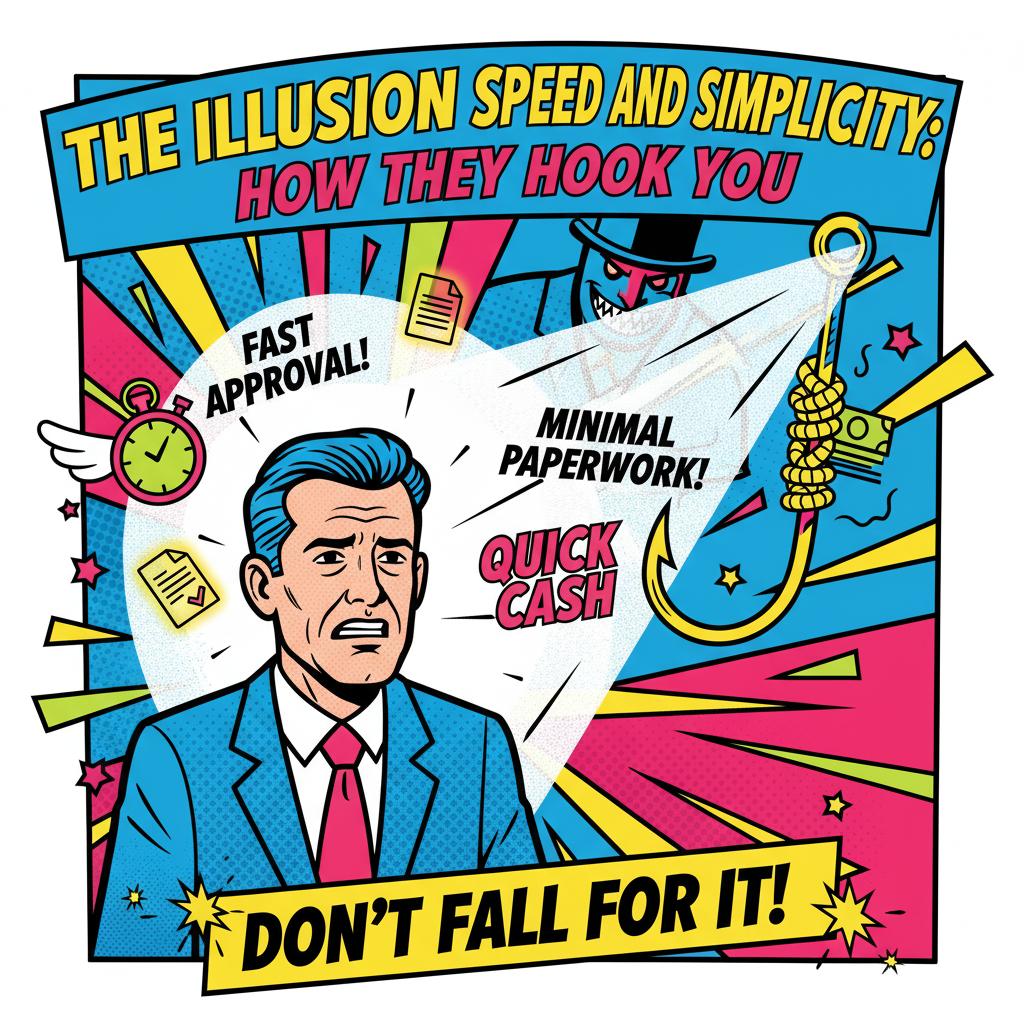
In stark contrast to emergency financing taken out of sheer survival instinct, there is another category of crushing liability: the business debt you simply did not want to take on, but felt coerced into accepting. The alternative lending industry is deeply saturated with incredibly aggressive sales tactics, relentless telemarketing campaigns and brokers who disguise highly toxic financial products as “flexible working capital solutions”.
Business owners, often simply seeking a modest line of credit or a traditional term loan, are instead aggressively funneled into MCAs (merchant cash advances; purchase of future receipts or revenue) and short-term, high-yield short-term loan obligations that carry devastatingly complex fee structures.
These financial instruments are intentionally designed to obscure the true annual percentage rate or cost of capital on an annual basis, often quoting a seemingly benign factor rate (1.45 or 1.49) that masks an annualized cost of capital that can easily exceed 60% or even 100%. The business debt you did not want typically arrives wrapped in the promise of rapid business expansion, marketed as the crucial bridge to achieving the next major revenue milestone. However, once the funds are actually deployed and the honeymoon phase abruptly ends, the brutal reality of the repayment schedule sets in. The terms that were glossed over during the hurried sales process suddenly become the defining feature of your daily operational existence, distracting you from maintaining and driving business growth.
The feeling of being entirely trapped by reluctant capital is a common and painful experience among small to medium-sized business owners. Because these short-term obligations often require a personal guarantee and place a blanket lien on all business assets, the lender maintains overwhelming leverage. The business essentially becomes a collection agency for its own short-term creditors. Compounding this terrible reality is the complete inflexibility of these short-term structures; weekly (and even daily) ACH automated withdrawals trigger regardless of actual revenue that add up to about 10% or even as high as 20% to 35% of revenue being “taken” on a monthly basis, accelerating the destruction of working capital and forcing the business into a perpetual state of desperate financial defense.
The Rubber Band Effect On Your Business Working Capital
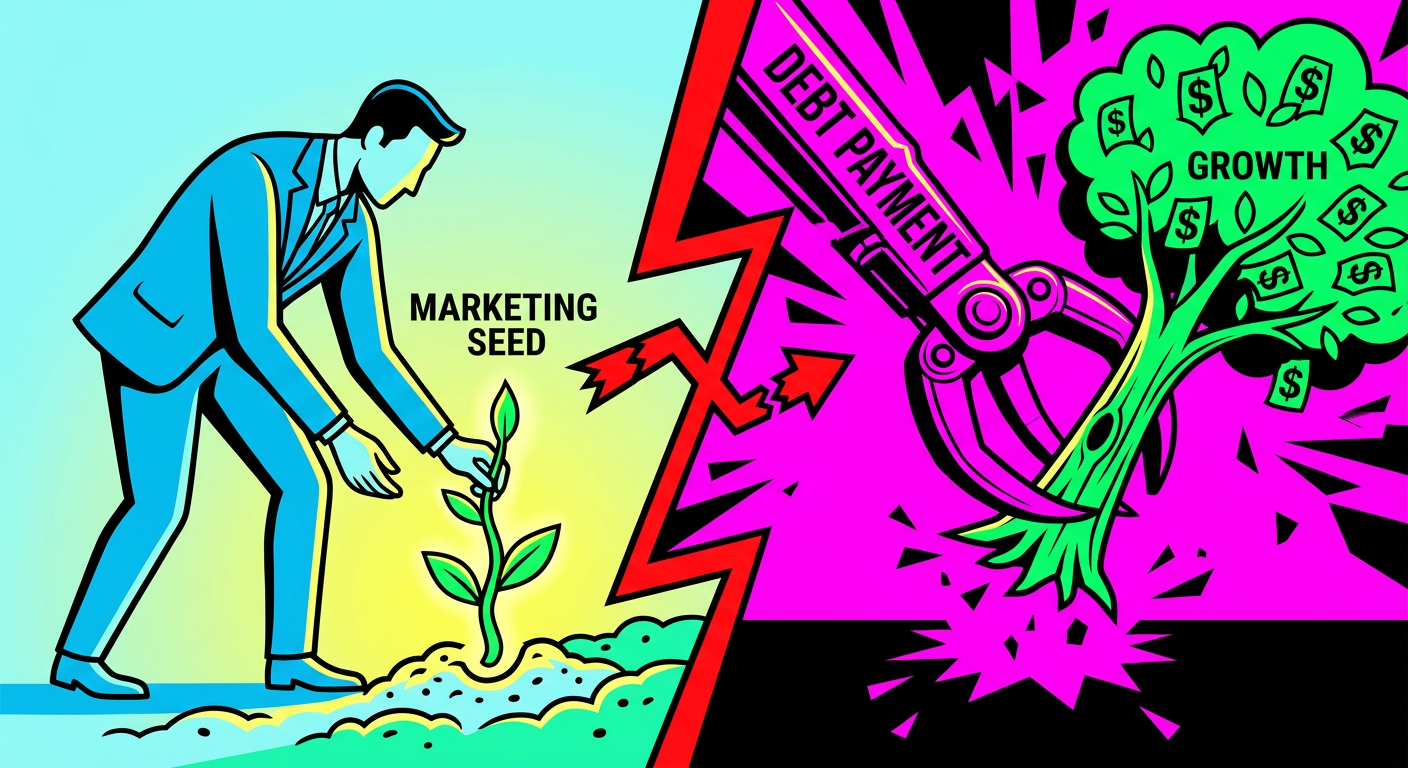
Working capital is the essential lifeblood of any commercial enterprise; it part of the available liquidity required to purchase raw materials, compensate employees, launch marketing initiatives and smoothly bridge the temporal gap between paying suppliers and receiving funds from end consumers (cash conversion cycle). However, when a business is saddled with aggressive short-term debt obligations, this lifeblood is continuously drained away before it can circulate and nourish the organization. This phenomenon is best described as the rubber band effect. You secure a lump sum of capital to theoretically grow your business, but the repayment terms are so condensed that the money behaves as if it is attached to a highly-tensioned rubber band.
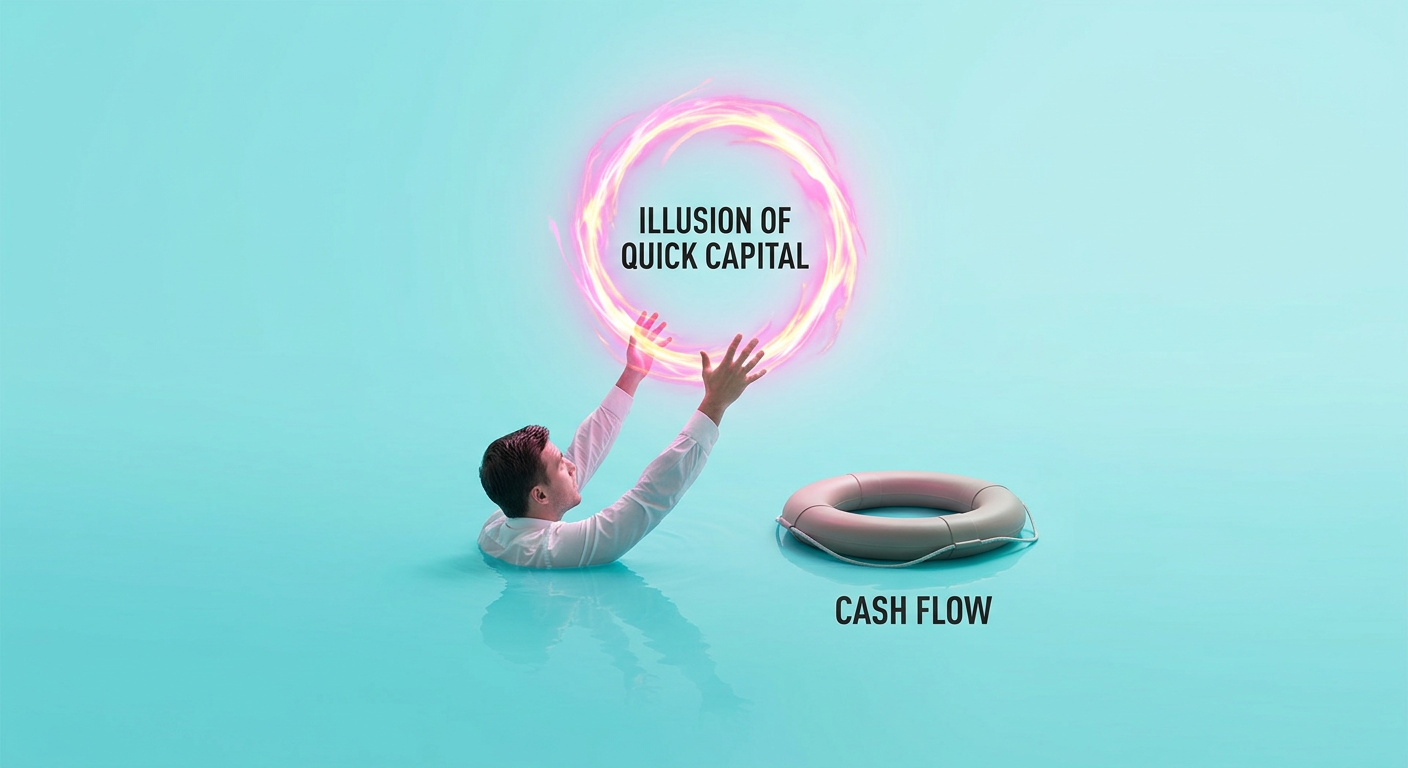
The moment fresh revenue enters your business operating account, the intense tension of the ACH weekly (and even daily) debt service violently snaps that cash directly back to the alternative lenders. Instead of keeping your business cash flow residing comfortably within your business where it belongs, it is flowing out rapidly, creating an illusion of liquidity that disappears the minute you sign the contract and “take” the funding. You may experience robust sales and generate impressive top-line revenue, but the bottom line remains chronically starved. This relentless rapid outflow completely neutralizes the theoretical benefit of the initial loan, leaving the business owner thoroughly exhausted and financially stagnant.
The rubber band effect intrinsically destroys operational momentum and stifles organic business growth. Every strategic decision becomes entirely subordinated to the immediate requirement of feeding the short-term business debt machine. Tragically, this phenomenon frequently forces business owners into the most destructive financial behavior possible: business debt stacking (transactional debt from multiple lenders or funder).
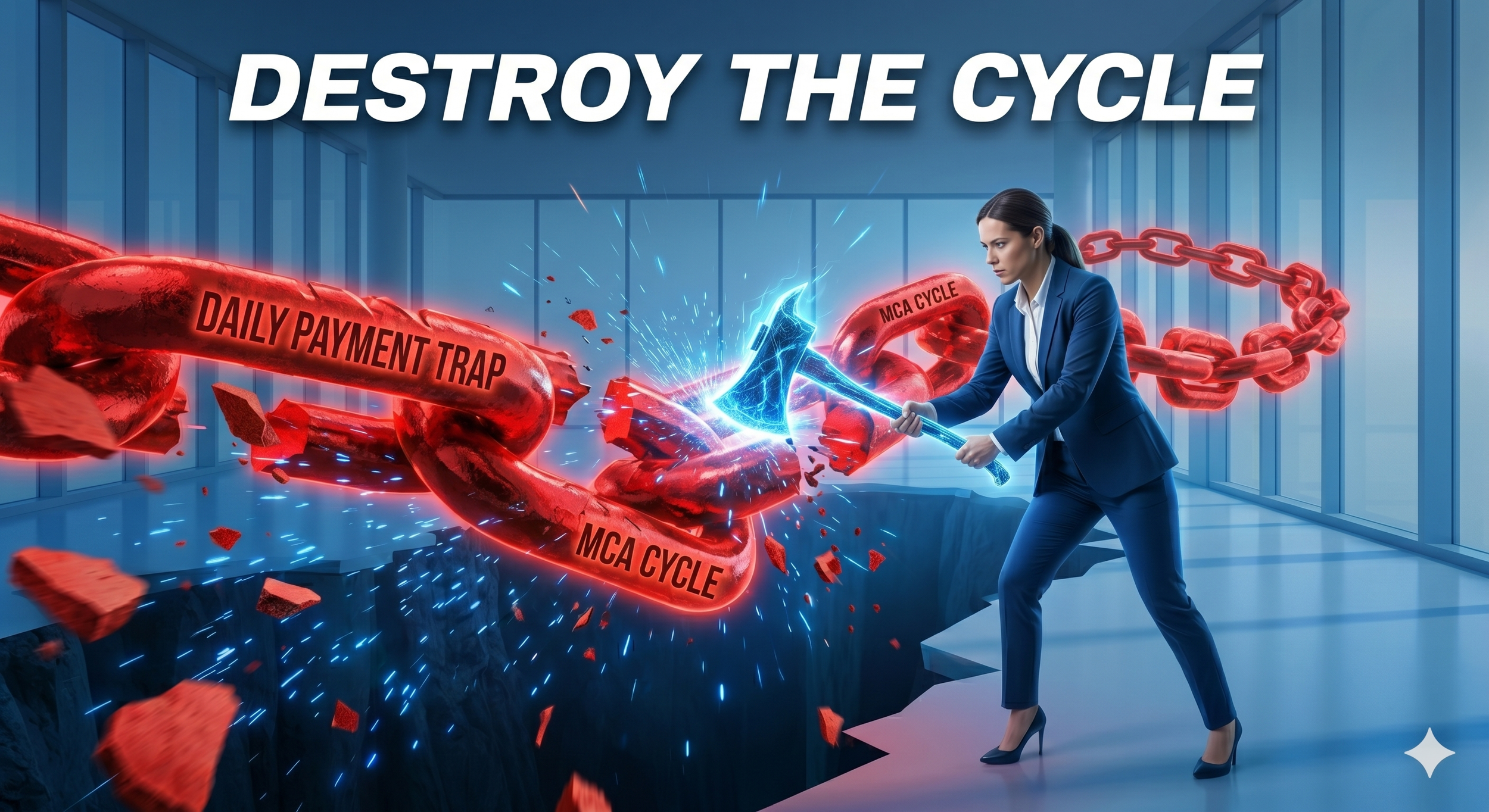
When the rapid outflow of capital leaves the business unable to meet fundamental operational expenses, the owner is compelled to take out another short-term loan simply to service previous obligations, creating a deeply toxic, compounding cycle of borrowing that rapidly accelerates the company towards negative cash flow.
Breaking The Cycle By Extending Your Business Loan Repayment Horizon
The ultimate antidote to the suffocating grip of short-term liabilities and the destructive rubber band effect is executing a strategic business debt restructure that fundamentally extends your repayment horizon either temporarily or permanently. Transitioning your obligations from a highly compressed 6 to 10-month window into a longer timeline is nothing short of transformative for a struggling enterprise. Now it is time to stretch the payback out over 18, 24, 36, 60 or even 120-month terms. This massive extension of time acts as a crucial pressure release valve, instantly dropping the mandatory periodic payment to a highly manageable fraction of its former size.
Imagine the profound relief of replacing massive ACH payments for total monthly payments that easily fit within your standard operating budget. By stretching the payback over 18, 24 or 36-months, you are finally aligning the cost of your capital with the actual return on investment that your business working capital generates. Extended terms restore logical financial alignment, allowing the underlying asset or strategic initiative to organically generate the revenue required to service its own debt over a reasonable, mathematically sound period.
These extended horizons transform erratic, crisis-driven cash flow management into predictable, long-term corporate finance strategy. Extending the repayment horizon is not merely a tactic for delaying the inevitable; it is a fundamental restructuring of how the business interacts with the broader financial ecosystem. When the intense pressure of immediate repayment is completely lifted, the executive team reclaims their most valuable resource: the mental bandwidth necessary to passionately drive authentic, sustainable enterprise growth rather than just fighting daily survival battles.
The Mechanics Of Thorough Business Loan Underwriting
A critical distinction between toxic MCA short-term cash advances and sustainable long-term commercial debt lies in the meticulous process of financial underwriting. Alternative lenders specializing in rapid capital deployment intentionally skip thorough risk evaluation, relying instead on algorithmic assessments of your daily bank deposits and aggressively high interest rates to offset their substantial default risks. In sharp contrast, longer-term business debt is vastly better underwritten, and the associated enterprise risks are profoundly and more thoroughly evaluated by seasoned financial professionals. This rigorous evaluation process is the exact mechanism that unlocks superior lending terms.
When an private (or public) business lending institution commits to stretching a payback period over 18, 24, 36 or 60-months, they are essentially entering into a long-term partnership with your business as a secured creditor. Consequently, they conduct a comprehensive deep dive into your entire financial architecture and history. They will meticulously analyze your multi-year tax returns, audit your profit and loss statements, scrutinize your balance sheet and thoroughly evaluate your business risks. They want to deeply understand your unique market position, your competitive advantages, your customer acquisition costs and the overall resilience of your fundamental business model in various economic climates.
While this highly thorough underwriting process demands significantly more documentation and patience from the business owner, it serves as a massive advantage. By transparently demonstrating the fundamental health and viability of your enterprise, you actively prove to the lending institution that you are a highly reliable borrower. Ultimately, the thorough underwriting process forces a healthy internal audit of your own operations. By stepping up to the stringent requirements of traditional commercial underwriting, your business naturally matures, permanently elevating the financial sophistication and operational discipline of your entire executive management team.
Achieving Substantially Lower Business Interest Rates and Cost of Capital
The most immediate and spectacular benefit of graduating to longer-term, thoroughly underwritten business debt is the massive reduction in your overall cost of capital. Because the lending institution has comprehensively evaluated your risk profile and secured the loan over a highly extended timeline, they do not need to charge predatory premiums to protect their principal. This rigorous process directly leads to interest rates that are frequently more than 1/2 or even only 1/3 of what you are currently paying to aggressive alternative lenders. This mathematical reality fundamentally alters the trajectory of your corporate profitability.
Consider the devastating mathematics of a standard merchant cash advance or short-term business obligation. These profound interest rate reductions represent pure profit flowing directly back to your ultimate bottom line. When your cost of capital is dramatically slashed, a business that was previously barely breaking even suddenly becomes highly profitable without having to generate a single additional dollar in top-line sales. Achieving these substantially lower interest rates also permanently changes your competitive positioning within your specific industry. Low-interest, long-term debt is not just a financial relief mechanism; it is a highly potent competitive weapon in the marketplace, allowing you to aggressively outmaneuver heavily leveraged competitors.
Reclaiming Your Business Cash Flow For Operational Growth
The ultimate objective of any comprehensive business debt restructuring strategy is to permanently keep your business cash flow residing comfortably in your business, strictly preventing it from flowing out rapidly back to aggressive lenders with aggressive payback schedules. When you successfully refinance toxic short-term obligations into highly manageable, extended terms, the immediate increase in retained daily cash flow is absolutely staggering. Capital that was previously earmarked for exorbitant weekly business debt service instantly remains in your primary operating accounts. This newly liberated liquidity represents the pure fuel required to transition your enterprise from a defensive posture of simple survival into an aggressive stance of deliberate expansion.
With your daily cash flow firmly secured, you can finally execute the strategic operational improvements that were previously completely impossible. You can confidently place larger inventory orders to secure massive bulk discounts, vastly improving your gross profit margins on every single item sold. You can aggressively increase your digital marketing and advertising budgets, systematically acquiring new customers and rapidly driving robust top-line revenue growth. The ability to autonomously deploy your own cash flow without the constant fear of an impending automated withdrawal empowers you to make highly optimal, long-term business decisions.
Furthermore, reclaiming your business cash flow allows you to construct a highly formidable financial fortress around your enterprise. You can finally begin building a substantial cash reserve, creating an internal corporate emergency fund that entirely eliminates the future need for desperate, short-term borrowing. Ultimately, keeping your cash flow inside your business dramatically improves the overall valuation of your enterprise. By permanently destroying the rapid outflow rubber band effect, you are actively building enduring generational wealth and guaranteeing the robust long-term legacy of your commercial vision.
Evaluating Your Balance Sheet For Refinancing Opportunities
Before you can successfully implement a transformative refinancing strategy, you must conduct a brutally honest and highly meticulous evaluation of your existing business debt obligations. Many overwhelmed business owners avoid thoroughly examining their liabilities because the sheer mathematical reality is deeply anxiety-inducing. However, intentional financial ignorance is the absolute enemy of corporate recovery. You must systematically gather every single loan agreement, merchant cash advance contract, equipment lease, and high-interest credit card statement associated with your business. This comprehensive documentation forms the critical baseline from which your entire restructuring architecture will be carefully designed.
Once you have compiled the necessary documentation, you must accurately calculate the true blended cost of your capital. This involves mapping out the exact principal balances, the mandated payment frequencies, the explicit and hidden interest rates, and the specific maturity dates for every single obligation. You must identify exactly how much cash is forcefully exiting your business on a daily, weekly, and monthly basis. This deeply granular analysis frequently reveals shocking inefficiencies, clearly highlighting the highly toxic instruments that are completely disproportionate to their original capital value and are primarily responsible for the rapid cash outflow.
A critical component of this evaluation phase is actively identifying and carefully analyzing any prepayment penalties embedded within your current short-term contracts. You must mathematically determine if the massive long-term interest savings and massive cash flow relief generated by the new, extended-term loan will comfortably offset the immediate friction cost of the prepayment penalties. Finally, this comprehensive evaluation allows you to determine the precise aggregate amount of long-term capital required to completely wipe the slate clean, decisively consolidating all fragmented, high-interest obligations into a single, highly manageable facility.
Preparing Your Business For A Successful Refinance Application
Securing premium, long-term commercial debt with incredibly favorable interest rates requires significantly more preparation than merely filling out a basic online application. Because these sophisticated lenders meticulously evaluate their risk, your business must be presented in the absolute best possible financial light. The preparation phase begins with ensuring that your core financial statements are perfectly accurate, fully reconciled, and entirely up to date. Your income statements, balance sheets, comprehensive cash flow statements must unequivocally tell a highly compelling story of operational resilience and fundamental underlying profitability, despite the current crushing burden of your short-term debt.
Beyond the basic financial statements, you must proactively clean up your primary business banking records. Long-term underwriters will heavily scrutinize your recent bank statements to assess your true cash management behavior. You must meticulously document and reasonably explain any instances of negative days, non-sufficient funds fees, or temporary dips in liquidity. More importantly, you must be fully prepared to articulate exactly how the requested refinance will permanently resolve these historical cash flow constraints, utilizing transparency to build significant trust with sophisticated commercial credit analysts.
Drafting a highly persuasive operational narrative is a distinctly crucial element of the preparation process. You must clearly explain to the underwriters why the toxic, short-term debt was initially required and provide a meticulously detailed forecast that explicitly demonstrates exactly how the massive reduction in monthly debt service will directly translate into increased corporate profitability. For many business owners, successfully navigating this complex process requires assembling a dedicated team of professional advisors, such as a specialized commercial loan broker or certified public accountant, who can brilliantly package your specific application for absolute optimal success.
Securing the Future with New Business Debt Architecture
Successfully executing a comprehensive business debt restructure and securing highly favorable, long-term financing marks a profound turning point in the lifecycle of any commercial enterprise. It represents the permanent transition from a chaotic posture of desperate financial survival to a highly disciplined strategy of sustainable, long-term operational dominance. When you intentionally stretch your payback horizons out over 18, 24, 36 or even 60 to 120-months, and effectively slash your interest rates to a mere fraction of their previous levels, you fundamentally re-engineer the entire financial architecture of your business to exclusively support your ultimate success.
This sustainable financial architecture provides the ultimate luxury for any dedicated business owner: profound peace of mind. Knowing that your crucial business debt obligations are firmly locked into highly manageable, highly predictable monthly payments completely eliminates the intense anxiety that previously accompanied every single operational decision. You are no longer held violently hostage by the relentless, rapid outflow of the toxic rubber band effect. Instead, your hard-earned cash flow remains safely within your accounts, serving as a powerful, highly flexible tool to continuously build enterprise value and passionately drive your specific commercial vision forward.
Ultimately, the courageous decision to confront your toxic liabilities, rigorously prepare your enterprise for deep underwriting, and aggressively pursue a comprehensive refinance is a profound testament to highly effective corporate leadership. Maintaining a highly positive payment history with a premium lending institution actively builds a remarkably strong corporate credit profile, permanently unlocking future access to massive pools of low-cost expansion capital. By decisively reclaiming your business cash flow and expertly structuring your financial obligations, you guarantee that your business will absolutely thrive and aggressively dominate the market for decades to come.

More Business Finance and Strategy Articles: