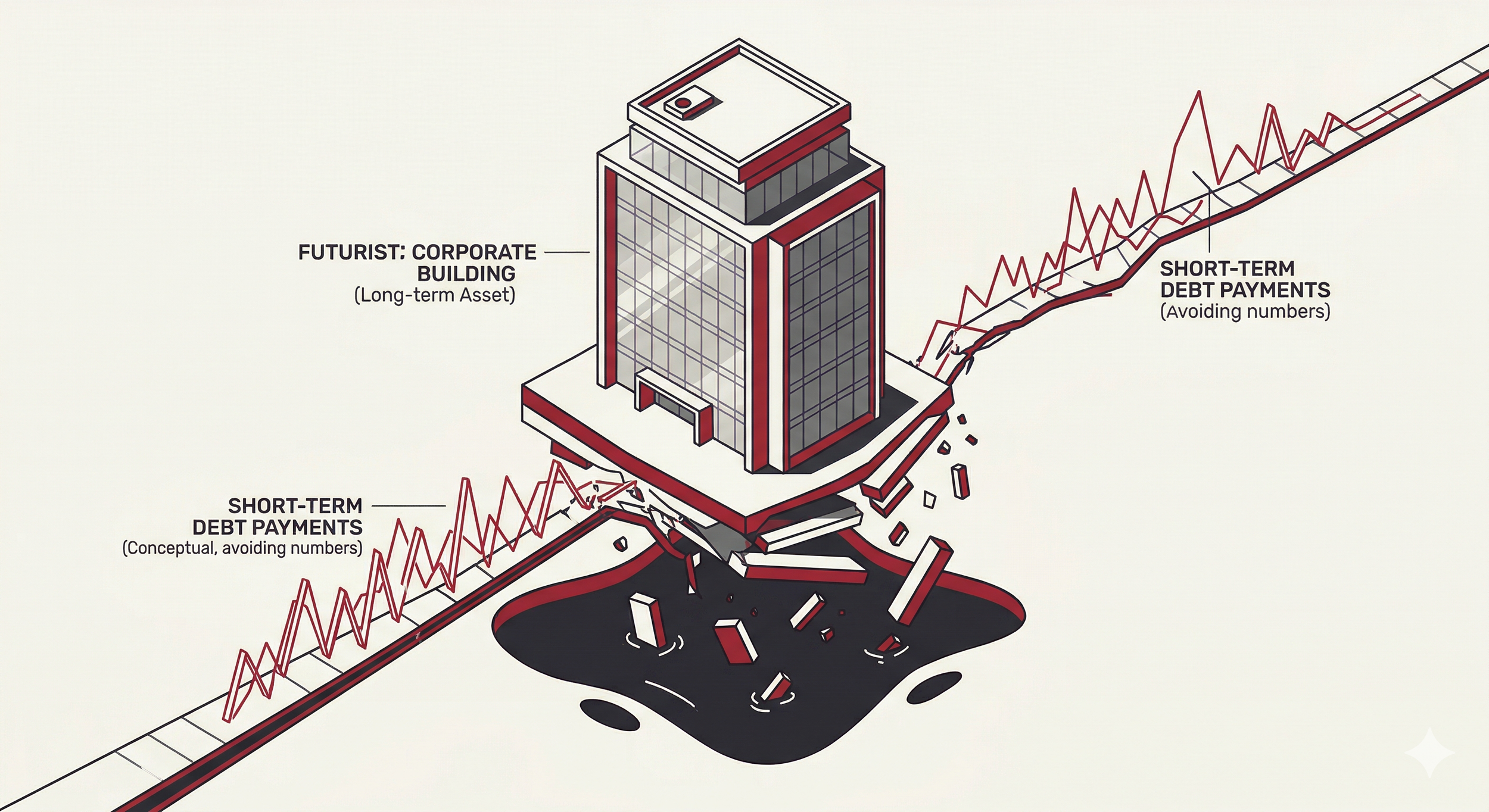
The silent killer of small and medium-sized businesses isn't a lack of passion, a bad product or an unmotivated team. It is the suffocating, relentless chokehold of negative cash flow created by short-term debt amortizations and a ridiculously high cost of capital. Every single day, hundreds of thousands of business owners wake up to watch their hard-earned revenues drained from their bank accounts by weekly ACH withdrawals. What began as a quick fix to cover a cash flow gap has mutated into a chronic disease that starves the business of the oxygen it needs to survive, let alone grow.
If you are constantly looking at your bank balance with a knot in your stomach, realizing that your short-term bridge business loans, merchant cash advances (MCAs), or high-interest business lines of credit are eating your entire operating margin, it is time to stop playing defense. Defensive management by cutting marketing, laying off valuable staff or delaying vendor payments is a slow march towards insolvency.
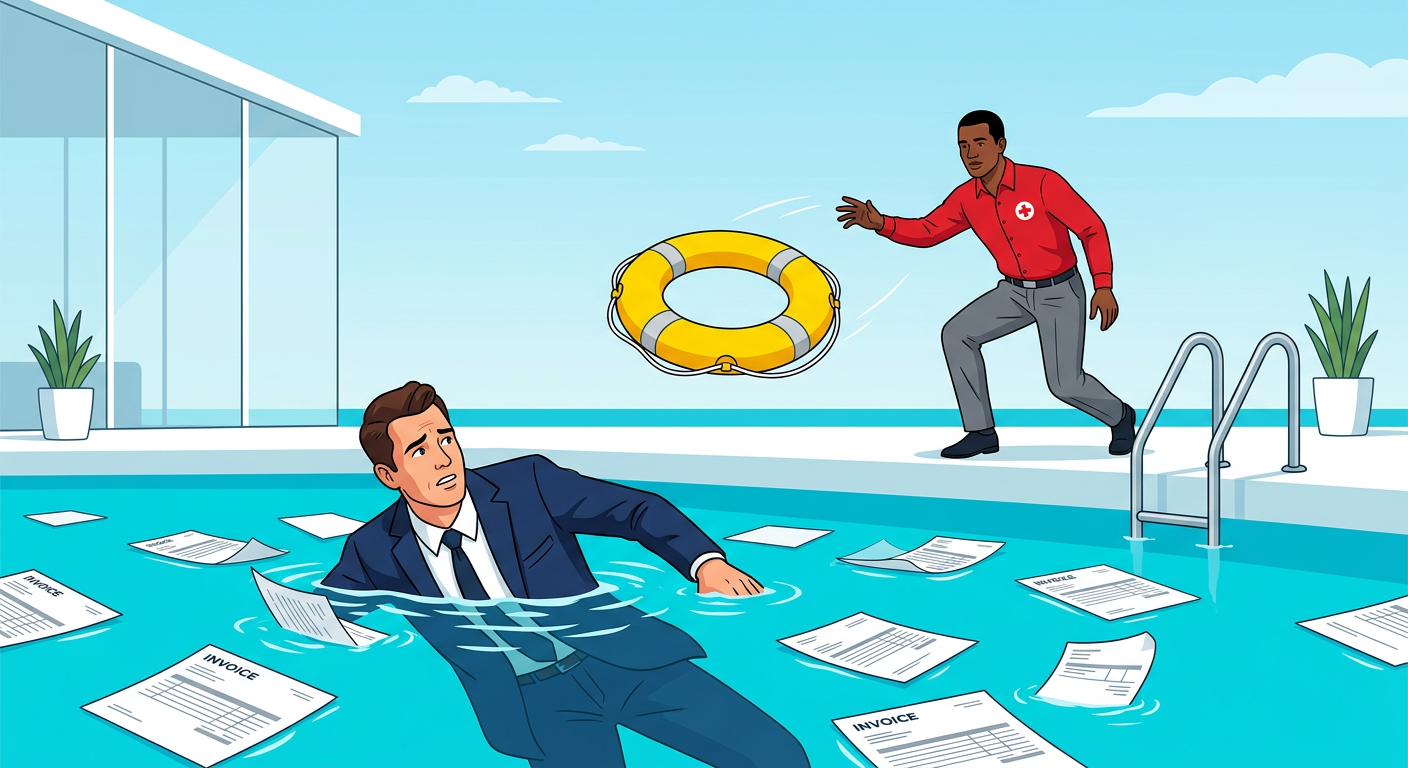
To save your business and reclaim your peace of mind, you must shift to an aggressive, offensive strategy. You must take immediate action to restructure your existing debts and refinance them into longer-term, lower-cost facilities.
In the sections below, we will lay out an aggressive, unvarnished blueprint designed specifically for small and medium-sized business owners who are tired of being held hostage by opportunistic business lenders. We will examine the mechanics of how you got trapped, how to properly confront your current creditors and how to successfully execute a long-term refinancing strategy that returns cash flow to where it belongs: your business. Stop letting lenders dictate your survival.
The Deceptive Trap of Short-Term Business Debt Amortizations
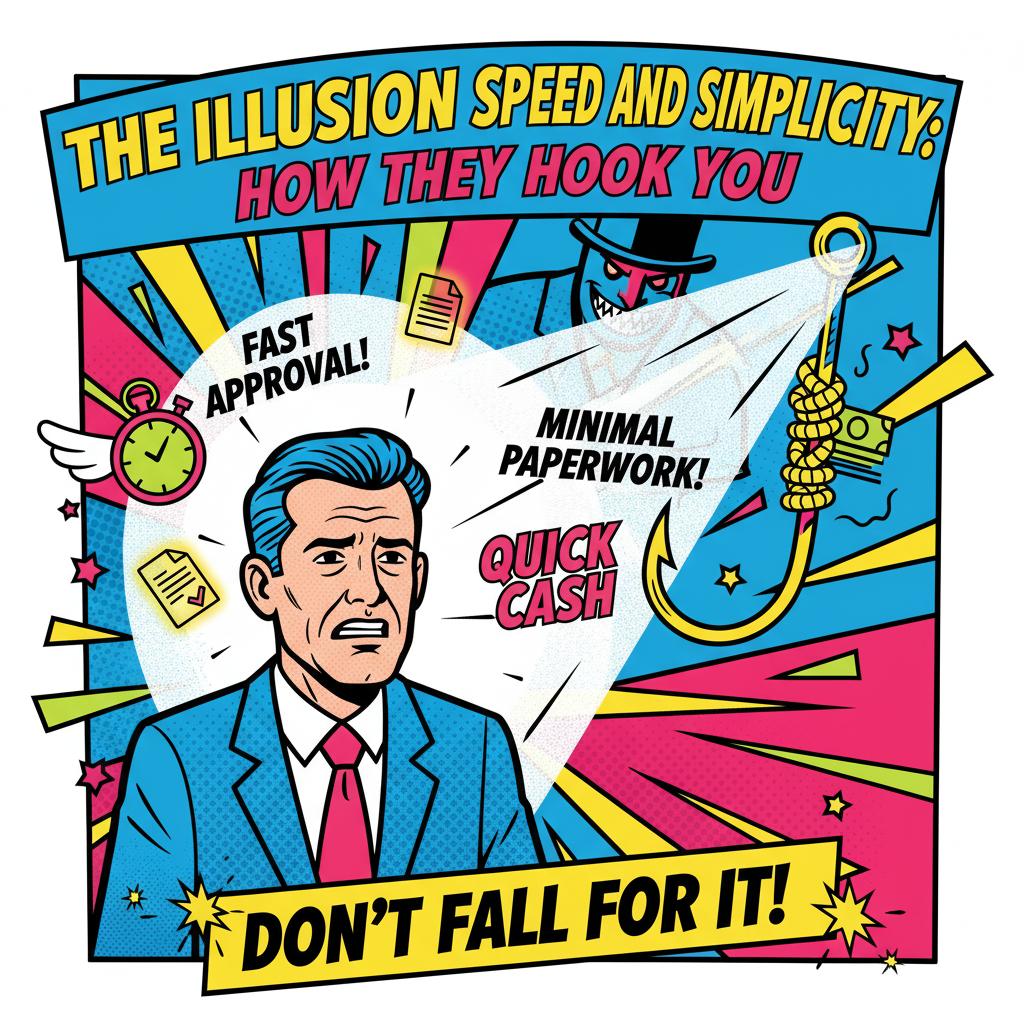
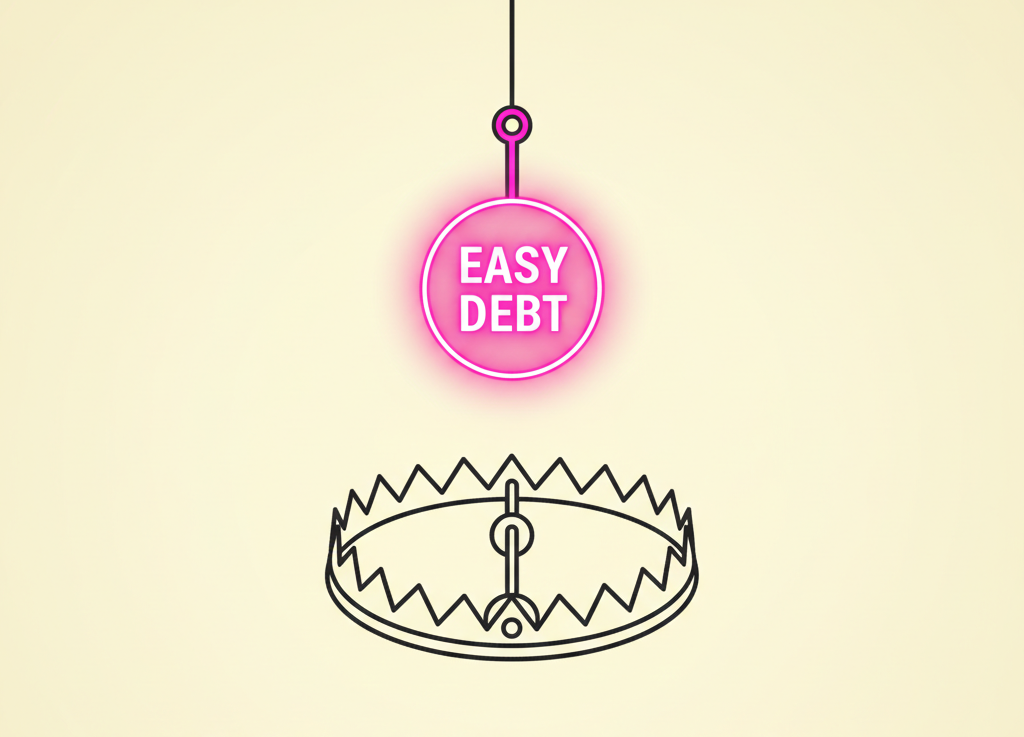
Short-term business financing options often present themselves as the friendly, fast-acting heroes of the business lending world. They boast about "no collateral required," "funding in twenty-four hours," and "flexible repayments based on sales."
In reality, they are financial quicksand. The core issue with short-term loans, such as merchant cash advances (MCAs) and short-term bridge loans, is their rapid amortization (repayment) schedule.
When a lender requires you to pay back a loan in 12-months, the sheer volume of principal paid back each week is astronomical. It creates a massive hurdle that your revenues can rarely clear comfortably.
Consider the mathematics of this trap. If you take out a $100,000 advance to cover an unexpected expense, and the lender demands repayment over an estimated 10-months with a factor rate of 1.30x, you actually owe $130,000 dollars. To pay this back over 40-weeks, you must pay $3250 every single week, or roughly $650 every single business day. That is $650 of pure cash flowing out of your business before you can pay for inventory, payroll, utilities, or rent. This rapid draining of liquidity leaves you with a perpetual deficit, forcing you to seek another advance just to cover the payments on the first one.
This is the vicious cycle of transactional business debt stacking. Lenders know that once you are in this position, you are vulnerable. They will actively reach out to offer "renewals" or "top-ups" when you are 40% to 50% through your repayment term. On the surface, this looks like a lifeline. In practice, it is a heavier anchor. Each subsequent short-term loan increases the cash flow drain exponentially, compounding your cash flow distress. The rapid repayment schedule does not give the borrowed capital enough time to generate an investment return.
True business growth requires time to implement; short-term business debt demands its pound of flesh long before your investments can bear fruit. You must recognize this trap for what it is: a structural design flaw in your capital stack that will eventually destroy your business if left uncorrected.
The psychology of this trap is also highly manipulative. Lenders present frequent payments as "painless" because they are small relative to a monthly sum. But this is an illusion. A weekly (or daily) payment structure strips your business of its working capital buffer. It prevents you from accumulating cash throughout the month to make strategic, bulk purchases or to negotiate better terms with your suppliers.
Instead, your cash flow is flattened, and you live in a state of constant anxiety watching your bank balance tick down every single morning. This constant stress wears down your decision-making capacity, making you more likely to accept further bad deals just to survive another week. You must break this cycle, and that begins with understanding that short-term business financing amortization is not a tool for growth. It is an instrument of extraction.
Furthermore, these short-term capital options are designed to keep you on a treadmill. Because the repayment term is so short, your business is constantly in a state of fundraising. You cannot focus on long-term strategy, product development, or customer experience when you are spending ten hours a week submitting bank statements to brokers and seeking more transactional business financing.
This constant fundraising cycle is an exhausting distraction that degrades your operational leadership. Your energy is diverted from building value to chasing liquid cash. The short-term amortization model is not just a financial drain; it is a massive cognitive tax on you as a business owner.
The High Cost of Capital and Cash Flow Suffocation
Most business owners focus on the dollar amount they received and the re-payment, completely ignoring the true cost of the capital they have acquired. Predatory and high-cost lenders use misleading terminology like "factor rates," "buy rates," or "origination fees" to disguise interest rates that would make loan sharks blush. A factor rate of 1.40x sounds reasonable to an exhausted business owner in need of quick cash. However, because you are paying down the principal balance weekly (or even daily), the average outstanding principal is only a fraction of the total loan. When you calculate the Annual Percentage Rate (APR) on a typical 9-month merchant cash advance (MCA), it frequently exceeds eighty percent, and can easily climb into the triple digits.
This extreme cost of capital acts as a parasitic drain on your profit margins. If your business operates on a healthy 15% net profit margin, but you are utilizing capital that costs 50% or 80%+ percent APR, you are effectively transferring all of your hard-earned profits directly to your lenders. You are doing all the hard work, taking all the operational risks, managing the staff, and serving the customers, only to act as an unpaid collection agent for financial institutions. Every dollar spent on interest and fees is a dollar that cannot be used to purchase inventory at a discount, invest in marketing, upgrade equipment or build a cash reserve for slow seasons.
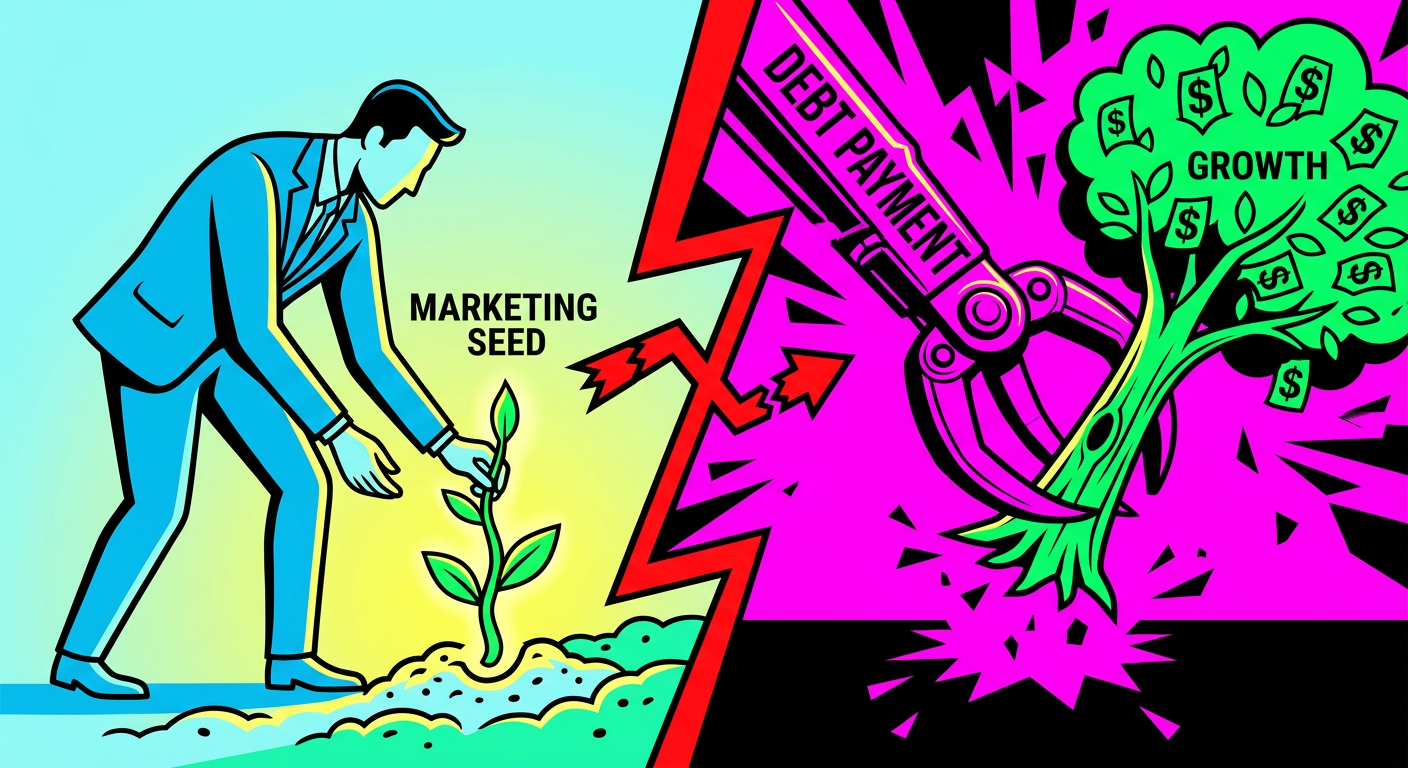
The consequences of this cash flow suffocation are cumulative and devastating. When cash is tight, you are forced to make desperate operational compromises. You delay payments to key vendors, straining critical supply chains. You put off necessary maintenance on your equipment, risking catastrophic failures. You cut back on marketing, which slows down your customer acquisition and reduces your future revenues. This operational degradation is the direct result of high-cost capital.
You cannot grow your way out of a high-cost capital problem by simply selling more. If your unit economics are being devoured by business debt service, selling more product just means you are burning through cash at a faster rate. The only solution is to lower the cost of the capital itself.
To truly understand how devastating this is, you must look at your business through the lens of opportunity cost. What could you have done with the ten, twenty, or fifty thousand dollars you paid in interest and fees over the last year?
You could have launched a new marketing campaign that doubled your customer base. You could have hired a key manager to free up your time to focus on strategic growth. You could have negotiated bulk discounts with your suppliers that would have boosted your gross margins by five percent. Instead, that cash is gone forever, transferred into the pockets of lenders who have zero interest in your long-term success. The high cost of capital doesn't just cost you money today, it steals your business's future.
In addition, high-cost capital damages your relationships with primary stakeholders. When your operating account is constantly drained, you start paying employees late, causing panic and turnover. You stretch out your key suppliers, leading them to cancel your credit terms or prioritize other customers. This reputational damage is incredibly difficult to repair. Lenders do not care if they ruin your reputation in the local business community as long as they get their ACH payment. By allowing high-cost capital to remain in your business, you are slowly burning the goodwill that took you years to build. You must take steps to extinguish this fire before it consumes everything.
Defensive vs Offensive Business Financial Strategies
When small business owners realize they are in a cash flow crisis, their natural instinct is to play defense. They slash overhead, implement hiring freezes, negotiate extended terms with suppliers and work longer hours themselves to cover the gaps. While expense control is a necessary component of disciplined business management, defensive strategies alone will never solve a structural business debt crisis. You cannot cut your way to prosperity when the primary drain on your cash flow is a rigid, high-cost debt service obligation. No amount of office supply reductions or minor vendor negotiations will make up for a vicious ACH withdrawal that is paralyzing your operating account.
An aggressive offensive strategy requires you to confront the business debt head-on. Playing defense means waiting for the bank account to hit zero and hoping for a miracle. Playing offense means acknowledging that your current capital structure is unsustainable and actively taking steps to dismantle and rebuild it. It requires an aggressive mindset shift: you must treat your lenders not as untouchable authorities who hold all the cards, but as business partners who have a vested interest in your survival.
After all, if your business fails, they lose their cash. By taking the initiative to restructure and refinance, you are asserting control over your company’s financial narrative.
This offensive approach demands immediate, calculated action. You must stop hoping that next month’s sales will magically solve the problem. If your short-term debt amortization is higher than your historical operating cash flow, the numbers are mathematically against you. You must accept this reality and decide to act before your credit is destroyed and your operational capacity is permanently damaged.
An aggressive restructuring strategy is about preserving your business’s core assets and cash flow at all costs. It is about declaring that your operational survival is non-negotiable, and that you will do whatever it takes to transition your liabilities from a destructive burden to a manageable, long-term investment.
Furthermore, an offensive strategy is about reclaiming your power. When you are in a defensive posture, you are reactive. You wait for the lender to call, you panic when an ACH withdrawal fails, and you make desperate, short-term decisions just to get through the day. When you shift to the offensive, you dictate the terms of the conversation.
You present the facts, you outline your plan, and you demand that your lenders work with you on a realistic path forward. This shift in mindset from victim to active negotiator is the most critical step in saving your business. Lenders respect strength and organization; they exploit weakness and desperation. Show them that you are in control.
In practical terms, shifting to the offensive means stop hiding behind emails and starting to make phone calls. It means building a coalition of professional business advisors to stand beside you. It means being willing to make difficult decisions that your lenders might not like, such as freezing secondary bank accounts or changing your credit card processors to protect your operational cash from unauthorized sweeps. An offensive financial strategy requires courage, discipline, and a willingness to fight for your business’s life. If you do not fight for it, no one else will.
Taking the Reins: An Inventory of Your Liabilities
You cannot fight an enemy you cannot see, and you cannot restructure business debt you do not fully understand. The first tactical step in your offensive strategy is to conduct a brutal, exhaustive audit of your liabilities. Many business owners avoid doing this because the reality is painful to look at. They prefer to look at their balance sheet through rose-colored glasses, ignoring the true impact of their aggressively amortized business financing.
You must break this habit immediately. Open up a spreadsheet and list every single business debt, loan, line of credit, merchant cash advance (MCA), mortgage and equipment lease that your business currently owes.
For each liability, you must document the following key metrics: the name of the lender, the original amount borrowed, the current outstanding balance, the repayment frequency (daily, weekly, or monthly), the payment amount, the remaining term, the nominal interest rate or factor rate, and the calculated APR. Do not guess these numbers. Pull your actual contracts and bank statements.
Next, calculate your weekly and monthly debt service requirements. Compare this total to your average weekly and monthly operating cash flow (before debt service). This exercise will give you your Debt Service Coverage Ratio (DSCR), a critical metric that new, long-term lenders will use to evaluate your business.
Additionally, look closely at the collateral and guarantees associated with each business debt. Identify which lenders have UCC-1 filings against your business assets, which ones hold personal guarantees from you or your business partners, and which ones have liens on your accounts receivable or physical property. Understanding the hierarchy and security interest of your business debts is essential for planning your next moves. Once you have this master debt schedule completed, you will have a clear, unfiltered picture of your business financial situation. You will transition from a state of vague anxiety to a state of precise, actionable knowledge.
Do not underestimate the power of this master debt schedule. It is your war map. It tells you exactly where the leaks are and where you need to apply pressure. It also reveals the true structure of your liabilities, allowing you to identify which business debts are the most toxic and need to be eliminated first. For example, you might discover that a relatively small merchant cash advance is causing fifty percent of your daily cash drain due to an incredibly short repayment term. Armed with this data, you can make informed, strategic decisions about which business debts to target for immediate restructuring and which ones to package for long-term refinancing. You are no longer guessing; you are operating on hard data.
Initiating Existing Business Financing Restructuring Talks
With your master business debt schedule, 13-week cash flow forecast and budget in hand, it is time to execute the first phase of your offensive: initiating restructuring negotiations with your existing short-term business lenders. Many business owners believe that lenders are inflexible monoliths who will automatically reject any request for changes. This is a false assumption.
Business lenders are businesses, and their primary goal is to maximize their recovery of funds. They know that if they push you into insolvency, they will likely recover pennies on the dollar, especially if they are unsecured or hold secondary positions. They would much rather restructure your payments to ensure they get paid back over a longer period than deal with a default.
To start these negotiations, you must adopt an aggressive but highly professional posture. Reach out to the risk management or workouts department of your lenders and do not talk to the sales representative who originally sold you the loan, as they have no authority and are incentivized by commissions. Present them with a clear, honest assessment of your cash flow. Show them that while your business is operationally viable, the current payment structure is unsustainable and will lead to an imminent default if left unchanged. Offer a concrete restructuring proposal: a temporary reduction in payments, an extension of the amortization term or a transition from daily to monthly payments.
When negotiating, use the leverage you have. If you have multiple merchant cash advances, explain to the earlier lenders that their aggressive withdrawals are forcing you to stack more business debt, which jeopardizes cash flow and their repayment. Remember, the goal of this step is to buy your business immediate cash flow relief and breathing room while you work on the permanent solution: a comprehensive business debt refinancing
Be prepared for pushback. Lenders will initially bluster, threaten and insist that their contracts are set in stone. This is standard negotiation theater. Stay calm, stick to your numbers, and repeatedly bring the conversation back to the cold, hard reality: "If we continue with the current payment schedule, cash flow will continue to be negative, the business will fail, and you will receive nothing. If we restructure the payments, your principal is protected, and you will be paid in full." This is a battle of wills. By demonstrating that you are prepared to walk away or take drastic legal measures if necessary, you force them to take your proposal seriously.
In addition, it is highly effective to present a unified front. If you have multiple lenders, do not negotiate with them in silos. Let them know that you are speaking to all of your creditors simultaneously and that you are seeking a collective solution. If one lender agrees to a restructuring plan but another remains obstinate, explain to the obstinate lender that their inflexibility is endangering the entire deal and will lead to an immediate operational shutdown. This peer pressure among lenders is a powerful tool. No lender wants to be the single cause of a business failure that results in a total loss for everyone involved. Stand your ground and leverage their mutual risk to your advantage.
Refinancing as the Ultimate Escape Hatch
While temporary restructuring deals with existing lenders can provide immediate relief, they are rarely a permanent solution. The terms are still likely to be expensive, and the lenders will remain aggressive. The true, permanent escape hatch from cash flow suffocation is refinancing your high-cost, short-term business liabilities into a single, long-term, low-interest business debt facility. Refinancing allows you to pay off your predatory creditors in full, wiping out their aggressive ACH withdrawals, and replacing them with a single, predictable monthly payment spread over several years.
The impact of this transition on your cash flow cannot be overstated. Consider the difference in amortization. If you owe $300,000 across three different short-term advances with an average term of 10-months, your combined monthly payment is roughly $30,000.
If you refinance that same $300,000 into a 3-year term loan at a 15.0% interest rate, your new monthly payment is approximately $10,000. You have instantly freed up over $20,000 per month in cash flow. This is cash that immediately flows back into your operating account, allowing you to pay vendors, build a reserve and invest in revenue-generating activities.
Refinancing existing short-term business debts also simplifies your operational management. Instead of tracking multiple withdrawals and constantly worrying about overdraft fees, you manage one single payment per month. It allows you to align your business debt service with your natural business cycle, rather than being forced to match daily sales to daily debt obligations. Furthermore, refinancing dramatically reduces your weighted average cost of capital. By moving from APRs of 60%+ down to low double-digit rates, you stop transferring your profits to lenders and start retaining them within your company. Refinancing is the ultimate financial reset button for an over-leveraged business.
However, you must approach refinancing with a strict, disciplined mindset. Refinancing is not "free money," nor is it an excuse to increase your spending. It is a structural realignment of your balance sheet. The cash flow that is freed up by refinancing must be treated with the utmost respect. It must be strategically allocated to rebuilding your working capital, paying down outstanding vendor payables, and funding high-return growth initiatives. If you use the freed-up cash flow to fund personal lifestyle inflation or to justify operational inefficiencies, you will find yourself right back in a debt crisis a few years down the road. Use this escape hatch to build a fortress, not to fund a party.
Additionally, refinancing is a major milestone for your business's credit profile. By paying off multiple short-term advances in full, you immediately improve your debt-to-income ratio and reduce the number of active inquiries and open accounts on your business credit reports. This dramatic improvement in your business credit health makes your business highly attractive to traditional commercial banks in the future. Over time, as you establish a strong history of making on-time monthly payments on your new long-term loan, you will qualify for even cheaper capital, such as standard commercial lines of credit. Refinancing doesn't just solve today's cash flow emergency; it lays the foundation for your future financial strength.
Targeting the Right Long-Term Financial Vehicles
To execute a successful refinancing strategy, you must know which business financial vehicles are appropriate for your business. You cannot replace high-cost short-term debt with other short-term options; you must target long-term, amortizing business credit facilities. The gold standard for small and medium-sized business refinancing is the Small Business Administration (SBA) 7(a) and 504 loan program. SBA 7(a) and 504 loans are specifically designed to help businesses refinance existing high-cost debt, offering terms up to ten years for working capital and up to twenty-five years for real estate, with interest rates capped at prime plus a reasonable spread.
If your business does not meet the strict credit or collateral requirements of an SBA loan, you should explore Business Private Credit programs. Private credit lenders focus on the value of your collateral rather than just your historical cash flow.
If you have significant accounts receivable, high-quality inventory, or valuable equipment, an asset-based lender can provide a revolving line of credit, tranche-draw credit facility or a term loan secured by these assets. This type of financing is highly flexible and can scale as your business grows, providing the liquidity needed to pay off existing troublesome business debt.
Another viable option is a traditional commercial term loan from a regional bank, credit union, or reputable online business lender. These lenders often offer terms ranging from 3 to 5-years, which, while shorter than SBA loans, still provide a massive improvement over 9-month advances. When evaluating these options, look for lenders that specialize in debt consolidation and refinancing. Avoid generic "business term loans" that carry hidden fees or short amortization periods. Your goal is to maximize the term length to minimize your monthly payment, even if the interest rate is slightly higher than a traditional bank rate.
It is also crucial to avoid the temptation of quick, online term loans that promise fast funding but carry high interest rates and short repayment terms. These are often just slightly longer versions of the short-term traps you are trying to escape. When evaluating any potential refinancing vehicle, perform a strict calculation of the total cost of capital and the monthly payment. If the new loan does not dramatically lower your monthly debt service and improve your debt service coverage ratio, it is not the right vehicle. Be patient, do your homework, and hold out for a financing structure that truly aligns with your long-term business goals.
Preparing a Bulletproof Refinancing Proposal
Securing a long-term refinancing loan requires a completely different approach than getting a quick-fix short-term loan. Short-term lenders care very little about your business plan; they only care about your recent bank deposits. Long-term lenders, however, are highly conservative. They will conduct a deep, rigorous analysis of your financial health, your management team, and your industry. To win their approval, you must prepare a comprehensive, bulletproof refinancing proposal that addresses their concerns before they even ask. This should be in the form of an institutional business credit package.
Your proposal must start with a brief but compelling executive summary that explains the narrative of your business. Be transparent about why you took on the short-term debt, perhaps you experienced rapid growth that outpaced your working capital, or you faced an unexpected industry disruption. Explain that while the business remains fundamentally profitable and operationally sound, the current short-term debt structure is artificially restricting your cash flow. There is an amortization mismatch.
Clearly demonstrate how the refinancing will resolve this issue, presenting detailed "pro forma" financial projections that show your cash flow before and after the proposed refinancing. Show the lender that with a longer repayment term, your Debt Service Coverage Ratio will be comfortably above their required threshold.
In addition to your narrative, you must compile a flawless package of financial documentation. This includes three to four years of federal business tax returns, your current year-to-date profit and loss statement and balance sheet, your master debt schedule, 12-months of business bank statements, and a detailed aging report of your accounts receivable and accounts payable. Having this information organized, accurate, and readily available shows business lenders that you are a disciplined, professional business owner who is in complete control of their finances. It builds trust, which is the most valuable currency in long-term commercial lending.
Furthermore, you must be prepared to articulate your growth strategy. Lenders want to know that once your cash flow is freed up, you have a solid plan to generate more revenue and profit. Do not just say you will use the money to "pay off debt and grow." Be specific. Outline your marketing plans, your sales pipeline, and your operational expansion goals. Show them that you have a deep understanding of your market and your competitors. By presenting a detailed, data-backed growth plan alongside your refinancing proposal, you transform your application from a desperate plea for help into an exciting investment opportunity for the lender.
Finally, your presentation must be visually flawless and highly organized. Do not send lenders a messy collection of poorly scanned PDF documents and screenshots. Instead, compile your entire proposal into a full digital data room that is easily accessible. Use consistent formatting, professional fonts and high-quality charts to represent your financial projections. When a commercial loan officer opens a perfectly organized, highly professional loan package, it immediately sets a positive tone. It signals that you are a serious, sophisticated executive who respects their time and takes their business seriously.
Overcoming the Roadblocks of Past Financial Mistakes
The journey to debt refinancing is rarely smooth, especially if your cash flow crisis has already caused damage to your credit profile. Many business owners believe that because they have missed payments, have low personal or business credit scores, or have UCC-1 liens filed against their business, they are completely shut out of long-term refinancing options. This is a defeatist attitude that will keep you trapped. While these roadblocks make the process more challenging, they are not insurmountable. You must face them aggressively and systematically.
If your personal or business credit score has suffered, you must take active steps to repair it. Work with credit restoration professionals to dispute inaccuracies on your credit report. If you have outstanding tax liens, contact the IRS or state tax authorities immediately to set up a formal installment agreement; most lenders will consider you for refinancing if you can show a history of consistent payments on a tax installment plan. If existing lenders have filed aggressive UCC-1 liens that block new financing, you must negotiate "intercreditor agreements" or "subordination agreements," where the existing lenders agree to take a secondary position to the new refinancing lender in exchange for being paid off at closing.
Furthermore, do not try to navigate this complex landscape alone. Partner with an experienced, reputable business finance and strategy advisor who specializes in distressed business refinancing and business debt consolidation. A skilled and experienced advisor has relationships with specialized lenders who do not advertise to the general public and are willing to look past current distress if the underlying business cash flow is strong.
They can help you structure the deal, package your application, and pitch your story to the right interested parties and decision-makers. Be prepared to offer additional collateral, such as a lien on commercial real estate or a personal guarantee, to mitigate the lender's risk and secure the approval you need.
It is also important to maintain open, honest communication with potential lenders about your past mistakes. Trying to hide a low credit score, an outstanding lien or a past default is a guaranteed way to get your application rejected. Lenders will find these issues during their due diligence process, and finding them late in the process destroys your credibility. Instead, address these challenges upfront. Explain what went wrong, what steps you have taken to resolve the issue, and why it will not happen again. This level of maturity and transparency can often turn a potential rejection into an approval, as it demonstrates that you are a responsible, proactive leader who can navigate difficult times.
Lastly, be prepared to explain the "why" behind the numbers. Lenders understand that business has cycles and that external events such as global pandemics, supply chain crises, or localized economic downturns, and can impact even the best-run companies. If your cash flow dip was caused by a specific, identifiable event that has since resolved, make that the centerpiece of your narrative. Show the lender that your past financial distress was a temporary storm, not a permanent structural defect in your business model. When you back up this narrative with current bank statements showing a recovery in revenue, you give the lender the confidence they need to approve your loan despite past credit hiccups.