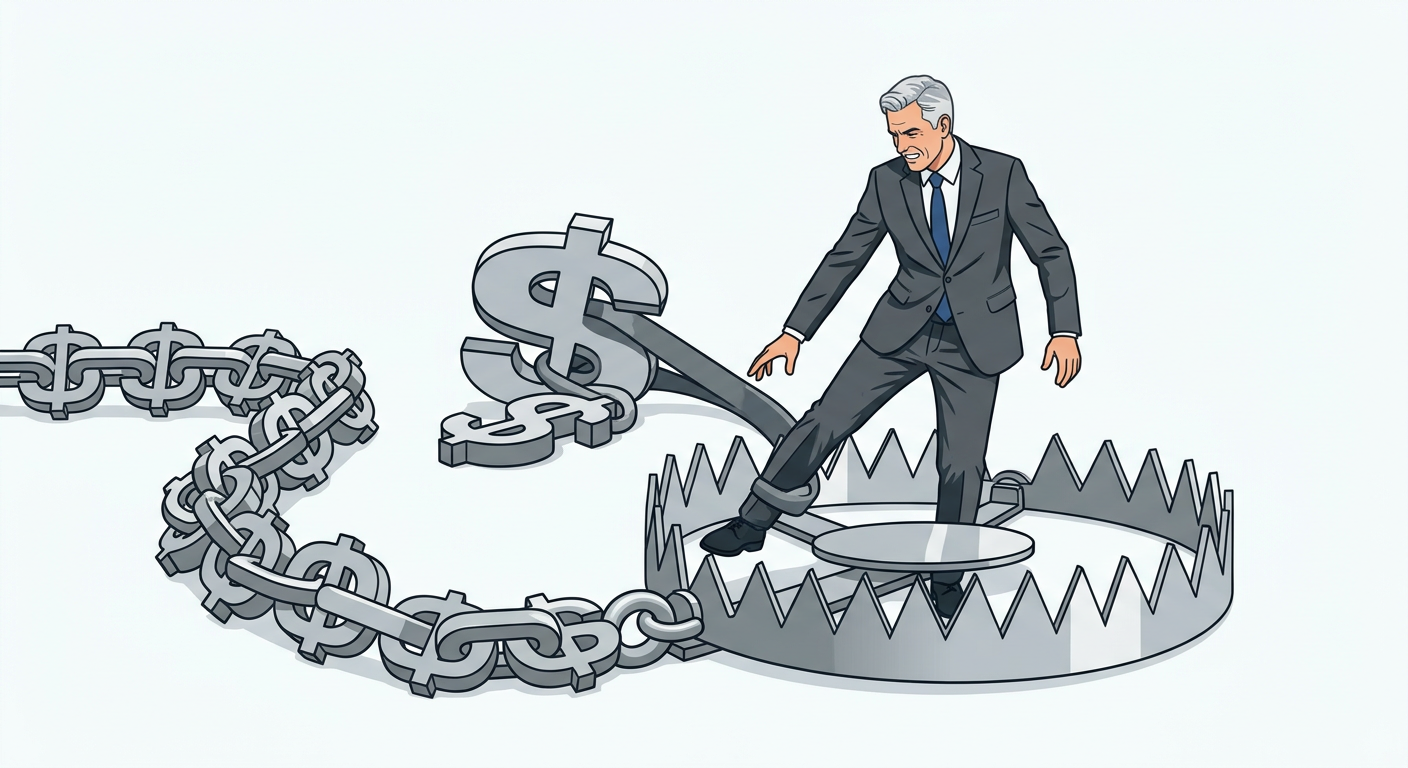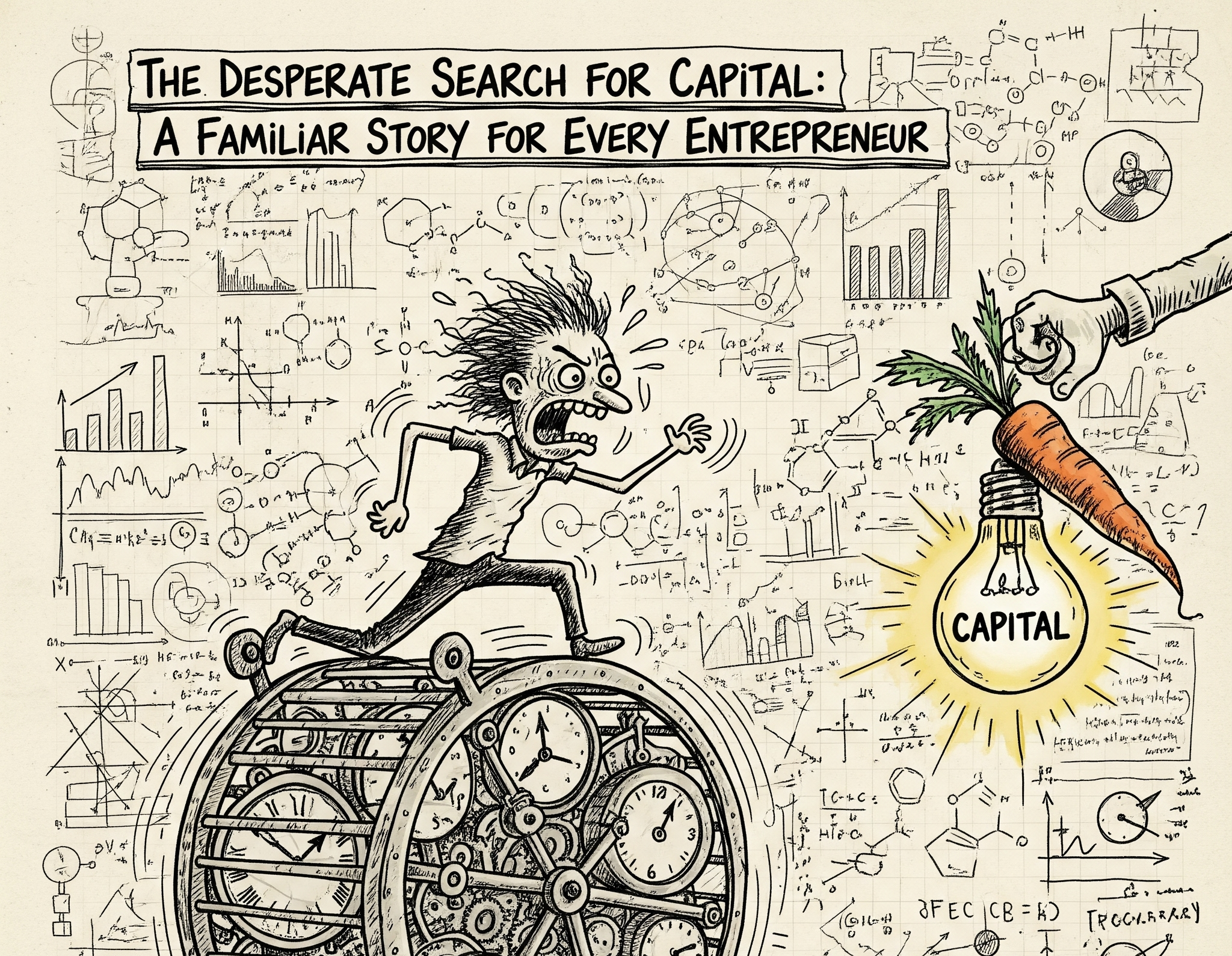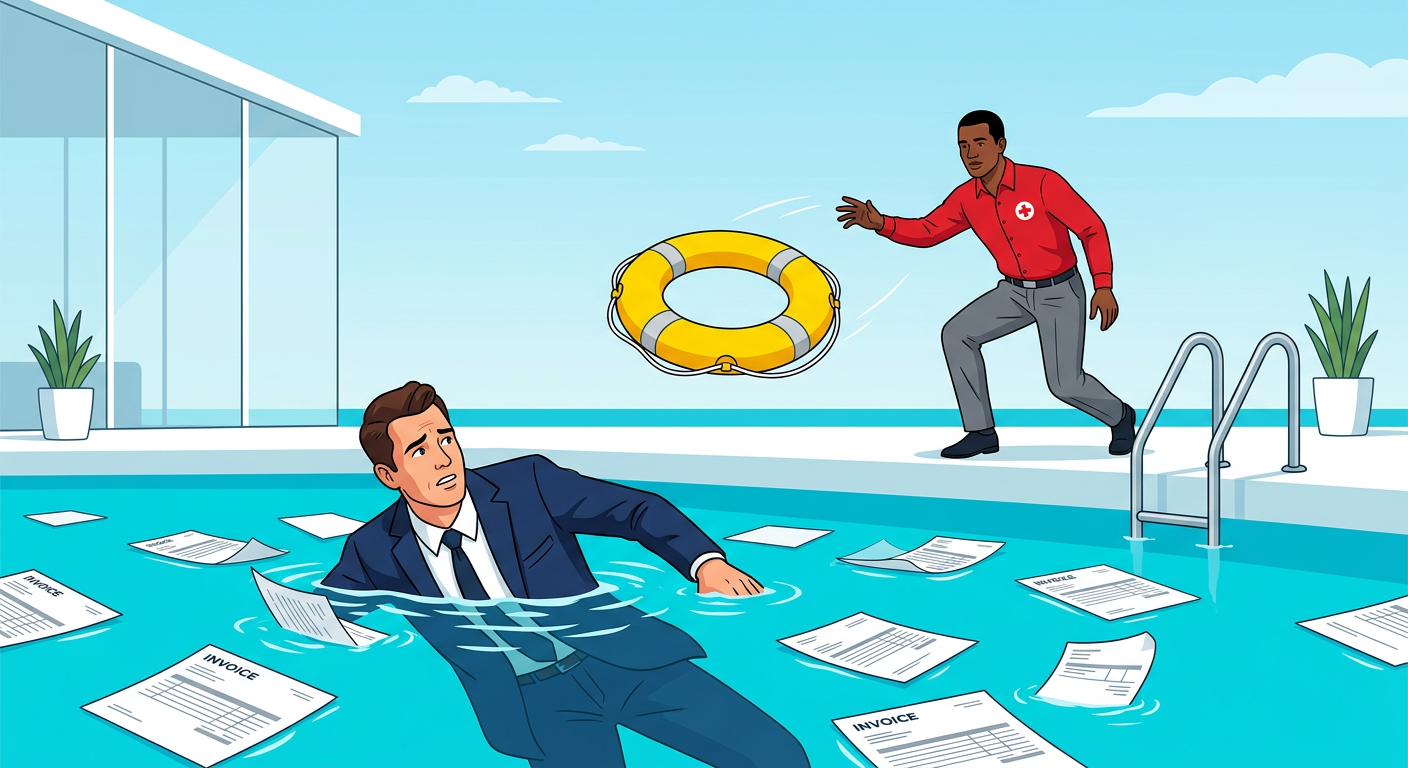
The world of business financing is littered with the corpses of companies that fundamentally misunderstood the mechanics of business debt leverage. Business owners frequently operate under the delusion that securing capital is the ultimate victory, completely ignoring the structural reality of the business debt they have just onboarded.
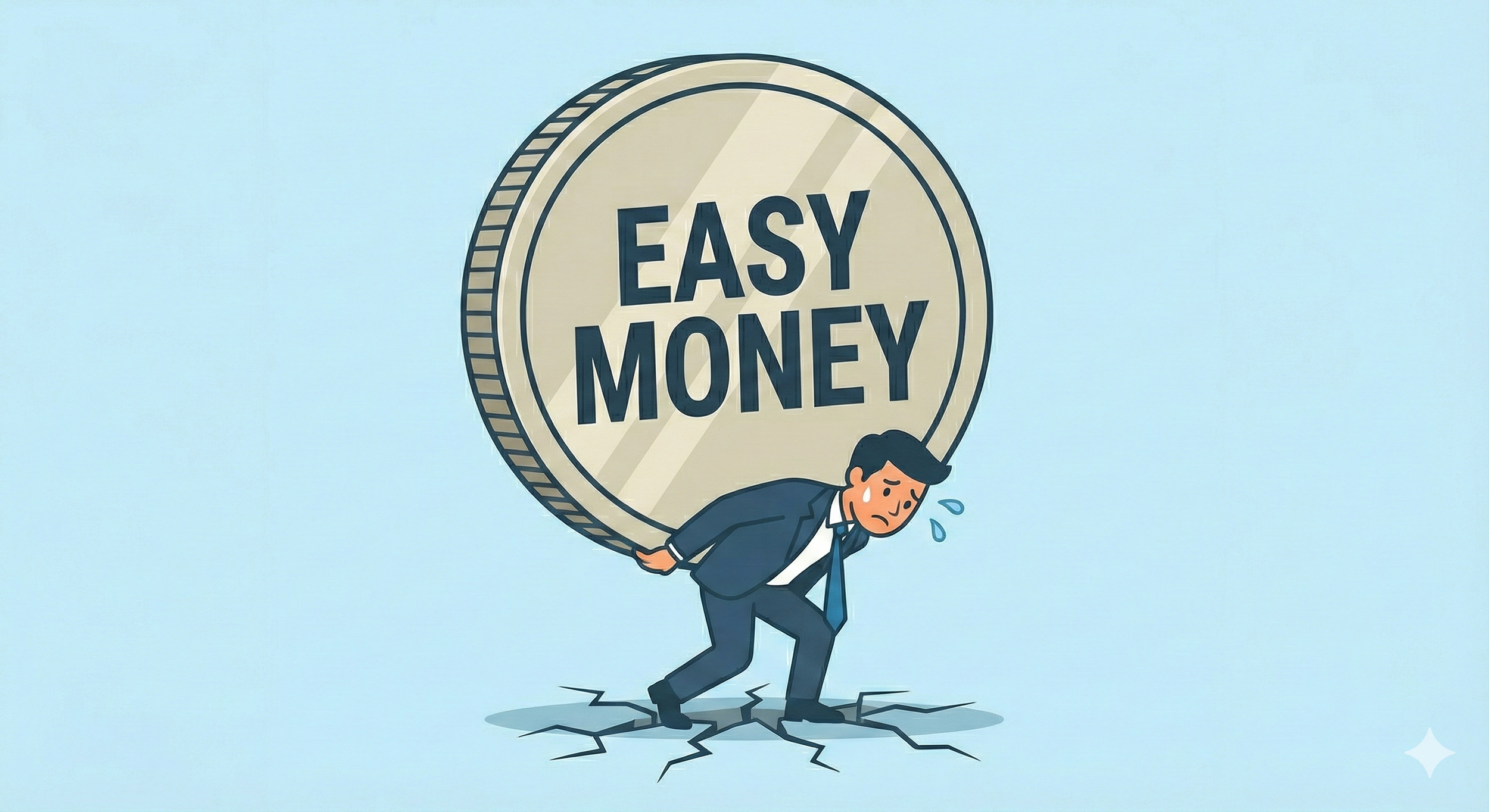
Today, mounting business debt is not just a symptom of poor sales and liquidity shortages; it is a systemic crisis driven by toxic lending products engineered to drain working capital at an unnatural velocity. When a company is suffocating under high business debt payments, the root cause is rarely the principal balance itself. The true killer is the payback structure. You are being destroyed by amortizations that are too short, designed to strip your business cash reserves before you can even deploy the capital for operational growth.
This creates a catastrophic operational environment where every dollar of incoming revenue is immediately cannibalized by aggressive business debt service payments. You are no longer running a business; you operate a highly stressful collection agency on behalf of your creditors. This relentless capital extraction triggers severe liquidity shortages, completely paralyzing your day-to-day operations. When you lack the cash to meet basic vendor obligations, float payroll or purchase inventory, stability vanishes. Growth becomes a mathematical impossibility. Outselling a structurally broken balance sheet and attempting to do so will likely result in accelerating your path to business “paper insolvency”.
Surviving this financial warfare requires an objective approach to your business liabilities. You cannot borrow your way out of a business debt trap with more short-term cash, and you cannot negotiate with predatory lenders using conventional corporate logic. The only path forward is a clinical, unapologetic restructuring of your existing obligations to secure a longer-term business debt payback horizon which frees up cash flow and bolsters overall liquidity.
The following blueprint dismantles the fatal errors that push mature businesses into the debt trap, exposes the lethal nature of short-term amortizations and outlines the exact tactical strikes required to force creditors to the table, halt the cash bleed and eventually permanently stabilize your balance sheet.
The Lethal Trap of Short-Term Amortization
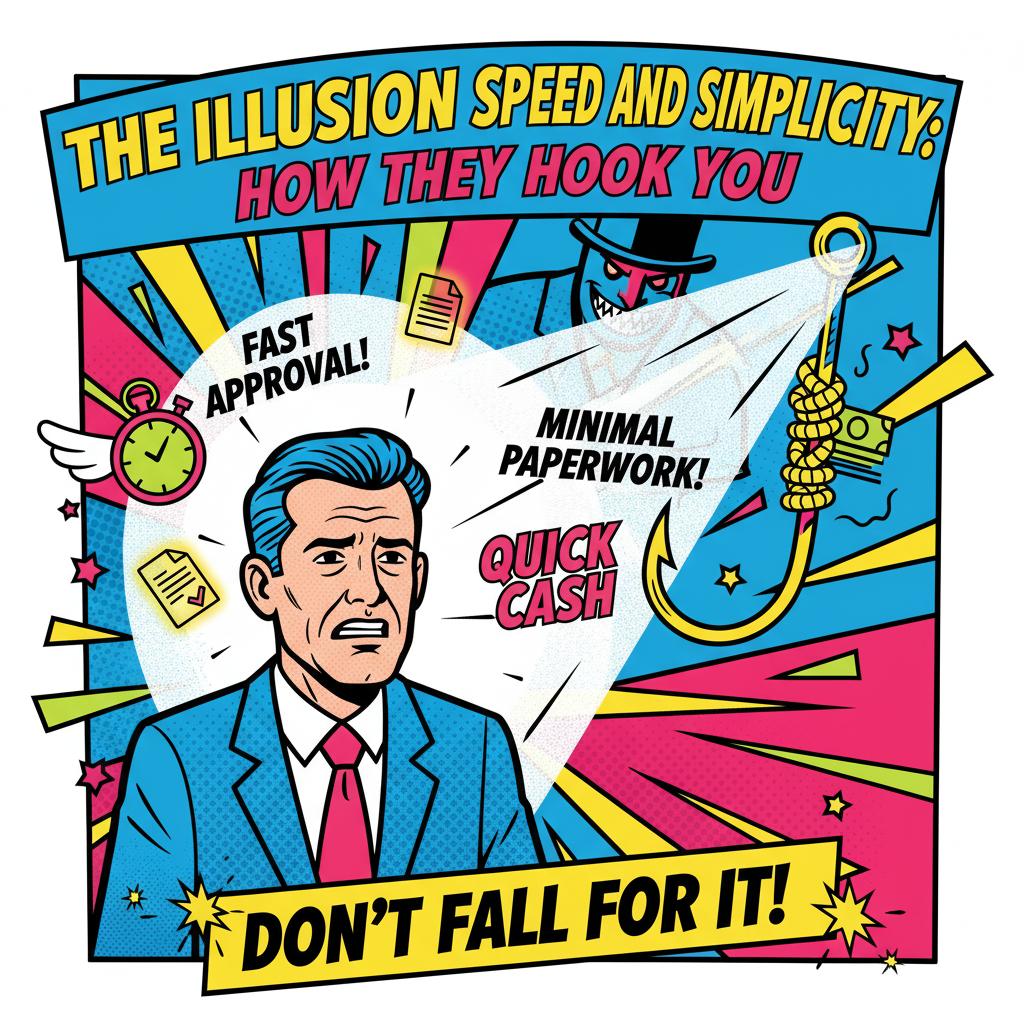
The “alternative” business lending market (AKA overly expensive business financing) thrives on a fundamental deception: selling speed at the cost of survival. When a business experiences a temporary cash crunch, owners often seek immediate relief, falling prey to lenders who deploy capital in a matter of days. However, this speed comes with a fatal structural flaw. The business debt is shackled to amortizations that are too short. Instead of spreading the repayment over years, these contracts demand full repayment in six to twelve months, enforced through aggressive automated clearing house (ACH) withdrawals.
This structure mathematically guarantees a crisis. It creates an environment characterized by extremely high business debt payments that are completely disconnected from the company’s actual cash conversion cycle. Even if a business is highly profitable on a standard profit and loss statement, the sheer velocity of the capital extraction drains cash from business bank accounts faster than receivables can clear. The business owner is tricked by the initial cash injection, feeling a false sense of security for a few weeks, only to realize they are now trapped in a cycle where they must generate massive, unnatural amounts of cash simply to service the business debt principal and attempt to overcome the absorbative cost of capital.
You cannot survive this. Short-term amortization is not a financial tool; it is a weapon used against your balance sheet. It strips the business of its retained earnings and leaves nothing for operational reinvestment. When your business debt service requires you to pay back a six-figure advance in under 12-months, you are no longer operating a viable enterprise. You are bleeding out. Recognizing that short amortizations are the primary enemy, not just a minor inconvenience, is the mandatory first step toward executing a successful business financial distress turnaround.
How Liquidity Shortages Paralyze Operations
Liquidity (snapshot of available cash, cash equivalents and available credit) is the absolute lifeblood of any business enterprise. It is your defensive shield against market shocks and your only offensive weapon for execution. When mounting business debt triggers severe liquidity shortages, the damage is immediate and catastrophic. The paralysis begins at the vendor level. As cash reserves evaporate under the weight of high business debt payments, accounts payable begin to stretch. You miss standard thirty-day terms, then sixty, then ninety. Your supply chain, sensing the distress, shifts your account to cash-on-delivery.
This shift instantly destroys your operational leverage. Instead of utilizing vendor credit to fulfill client orders, you are forced to use non-existent cash reserves to purchase raw materials or inventory. Production slows down, client deliverables are delayed, and your market reputation takes a massive hit. The operational paralysis extends to your workforce. When liquidity shortages become acute, payroll transforms from a routine administrative task into a weekly crisis management scenario.
Executive leadership stops focusing on strategic initiatives and spends all their time desperately chasing down receivables just to cover the Friday payroll run. This state of operational paralysis is exhausting and unsustainable. You are trapped in a reactive posture, fighting daily fires instead of directing the company. A business operating on the razor's edge of its cash reserves cannot innovate, cannot pivot, and cannot survive a single unforeseen setback.
A delayed payment from a major client or a sudden equipment failure becomes an existential threat. This is the reality of operating without liquidity: you are always one minor inconvenience away from total institutional collapse.
Operating Without Working Capital
Growth requires working capital. It is a fundamental law of business physics. If you want to take on larger contracts, expand your facility or acquire a competitor, you must have the working capital to fund the initial phase of that expansion before the new revenue is realized. When you are suffering from liquidity shortages caused by mounting business debt, growth is completely dead. You are structurally incapable of scaling.
Consider the mechanics of landing a massive, transformational contract. The new client will demand extended payment terms, often taking sixty to ninety days to settle their first invoice. In the interim, you must fund the labor, the materials, and the increased overhead required to service that contract. If your cash flow is being actively destroyed by short-term debt amortizations, you cannot float the cost of goods sold. You are forced to decline the very contracts that could save your business, simply because you do not have the liquidity to execute them.
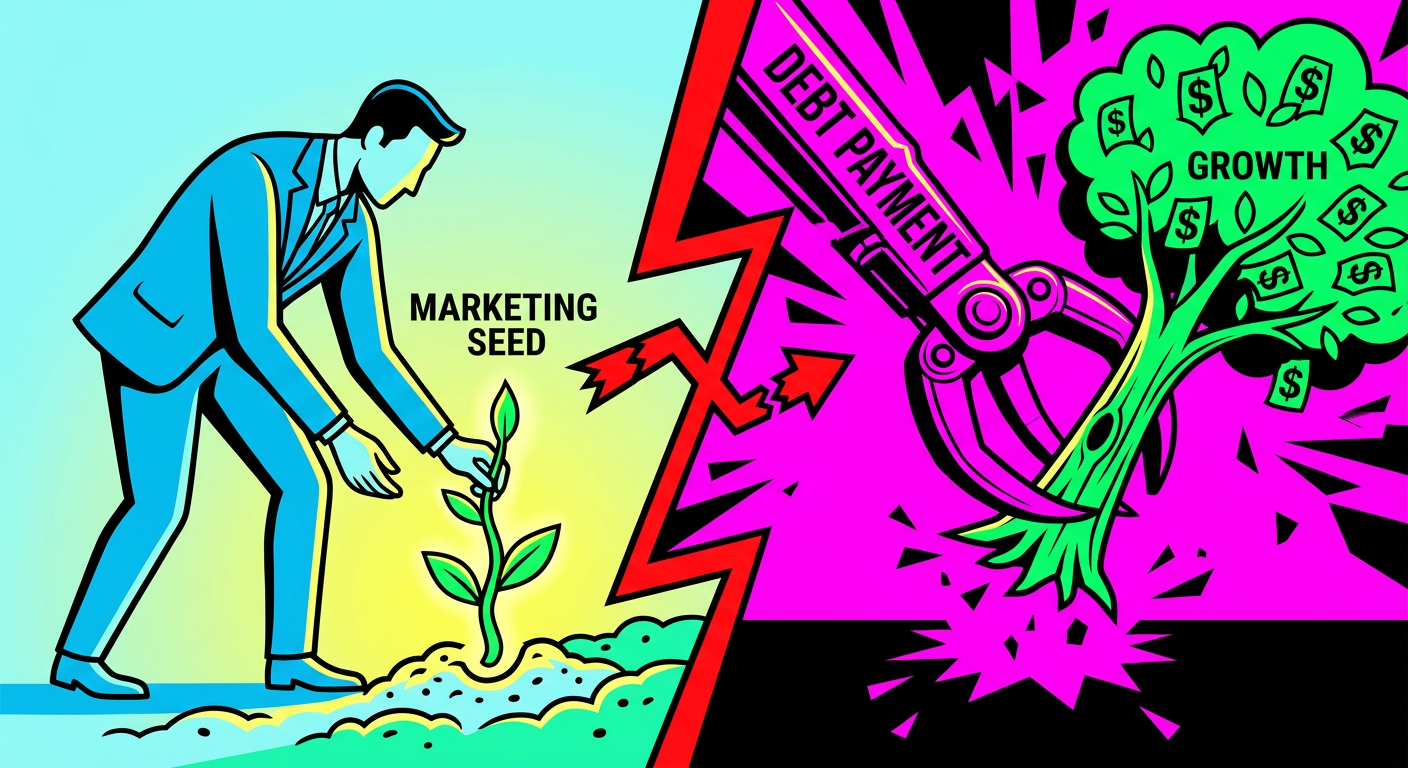
Furthermore, a lack of working capital destroys stability. A stable business has a predictable, fortified balance sheet that can absorb the friction of expansion. When every spare dollar is funneled toward high business debt payments, the foundation of the company crumbles. You lose your best employees because you cannot afford competitive raises. You lose your market position because you cannot fund marketing initiatives. You become a stagnant, vulnerable target. Solving the working capital deficit is not just about making the accounting department's job easier; it is about restoring the company's ability to compete and survive in a hostile market.
The Delusion of Interest Rates and the Reality of Cash Flow
When drowning in negative cash flow, business owners consistently make catastrophic financing decisions because they fundamentally misunderstand how business debt functions. The most common and destructive error is an obsessive, amateur focus on the stated interest rate or Annual Percentage Rate (APR). In the realm of business stabilization, fixating on the interest rate while ignoring the payback structure is strategic suicide.
If you take a loan with a seemingly manageable 18% interest rate, but the lender demands full repayment in 12-months via weekly ACH sweeps, your business will eventually fail. The nominal rate is a superficial metric engineered to distract you from the violent velocity at which capital is being drained from your depository accounts. Conversely, if you secure capital with a higher stated rate, but the amortization is stretched over 2 to 5-years years with predictable, manageable monthly payments, your business can actually outpace the cost and thrive.
True financial stabilization requires ignoring the traditional cost of capital debate and focusing entirely on cash flow impact. The objective is not to find the cheapest money on the market; it is to secure capital structured in a way that allows your business to breathe. Restructuring and refinancing existing business debt is entirely about extending the runway. You must prioritize the amortization schedule above all other metrics. When you shift your focus from APR to actual monthly cash retention, you take the first real step toward dismantling the debt trap.
The Cost of Capital Reality Check
When you are actively restructuring and refinancing mounting business debt, you must operate in reality. Institutional underwriters at tier-one banks are not going to offer you a single-digit, ten-year term loan when your balance sheet is bleeding and you are defaulting on alternative debt. You cannot refinance garbage. To survive, you must secure bridge capital or restructured terms that reflect the actual risk you represent to the market. This means accepting a cost of capital in the mid-twenties or less.
To an uneducated operator, a 16% to 25% cost of capital sounds punitive. But you must evaluate this strictly through the lens of cash flow and amortization. If your current debt stack consists of merchant cash advances and short-term loans extracting over 10% of your gross weekly receipts, your effective APR is often well over 60%, and your cash flow is negative.
By restructuring and refinancing that toxic debt into a longer-term business debt payback horizon—even if the cost of that specific bridge capital sits in the mid-twenties—you are fundamentally altering the survival trajectory of the company. A cost of capital in the mid-twenties or less, stretched over twenty-four to thirty-six months, dramatically reduces your daily and weekly debt service burden. It immediately stops the bleeding. It transforms an unmanageable daily cash drain into a predictable, monthly operating expense that your revenue can actually support. This is the reality check: you are paying a premium for the time necessary to fix your operations, prove stability, and eventually qualify for traditional, single-digit bank financing. Accept the cost of the bridge, secure the longer amortization, and save the enterprise.
Restructuring Existing Business Debt to Bolster Cash Flow
A fatal conceptual flaw in turnaround management is confusing refinancing with restructuring. When paralyzed by ACH draws from multiple lenders, the amateur instinct is to seek a massive consolidation loan to cleanly pay everyone off. As previously established, this is a fantasy. When your balance sheet is toxic, no sane lender will hand you cash to pay off your mistakes. You must execute a balance sheet restructuring.
Restructuring existing business debt (balance sheet restructuring) is the aggressive, tactical process of fixing the balance sheet without immediately injecting new debt. It involves directly confronting your current creditors, halting their destructive automated withdrawals and dictating entirely new payment terms based on your company’s actual, verifiable ability to pay. You are not asking for a favor; you are presenting them with a mathematical ultimatum.
The goal of restructuring is singular: to instantly bolster cash flow and liquidity. By forcing the creditors to accept a longer-term business debt payback schedule, you drastically reduce the outgoing cash requirements. If you were paying $20,000 a week in business debt service, a successful restructuring might reduce that to $15,000 or $10,000 dollars a week. That dollar difference does not go into your pocket; it goes directly back into operations. It funds payroll, repairs vendor relationships, and provides the immediate working capital required to fulfill client orders. Restructuring is not a polite negotiation; it is a necessary, aggressive reclamation of your company's lifeblood.
Severing the Automated Bleed
When your business is suffocating under high business debt payments, the timeline for survival is often measured in weeks or even days. The cash burn rate is terminal. You cannot spend months theorizing about strategy. The primary directive of any restructuring intervention is an immediate, surgical strike to halt the capital extraction and force your creditors to the negotiating table.
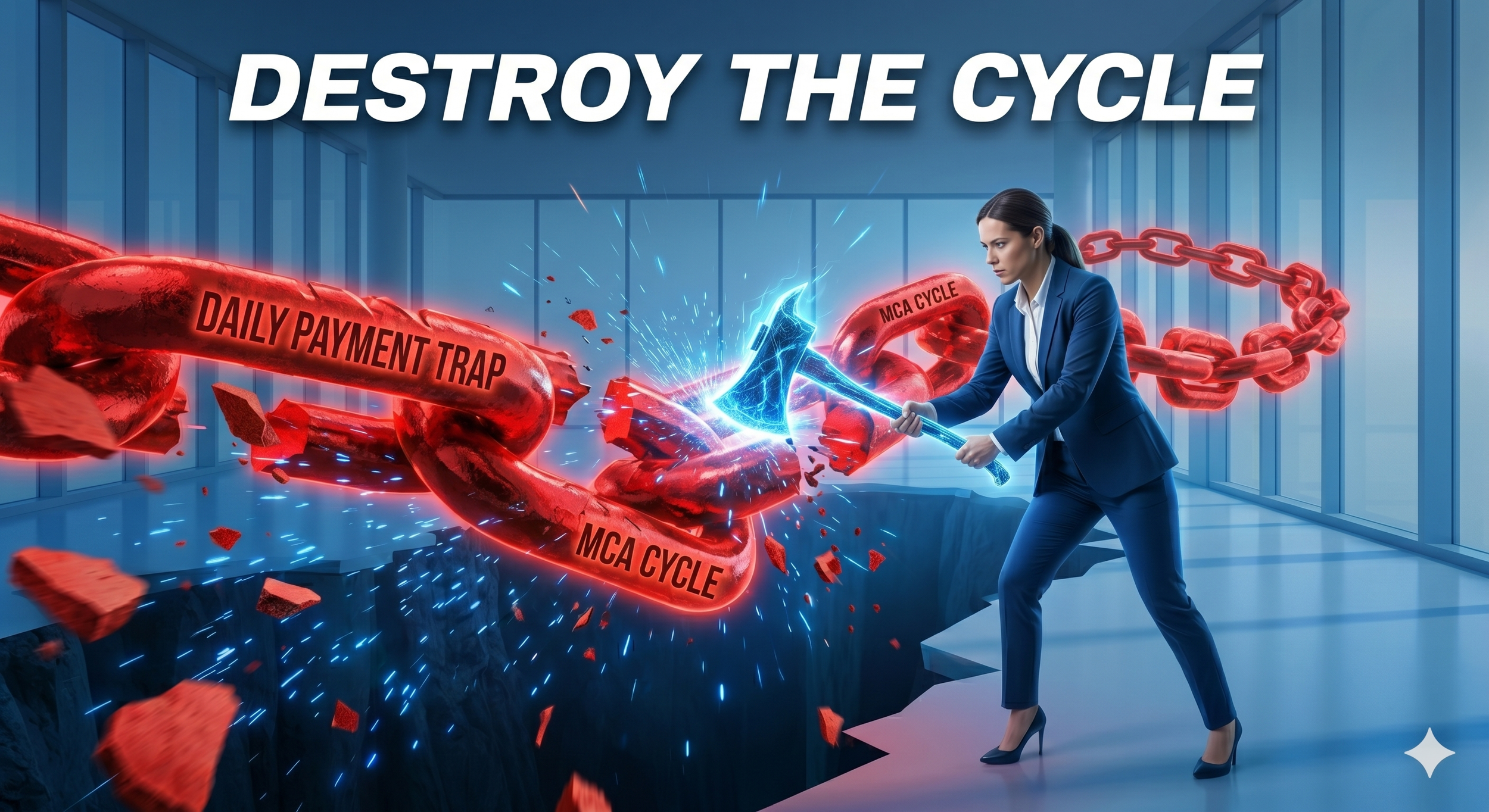
Alternative lenders maintain absolute leverage through their automated access to your cash. They rely on the ACH system to pull funds before you can even route them to payroll or critical vendors. The very first tactical action in a restructuring is severing that automated access. You must cut the cord. This forces an immediate default environment, which terrifies inexperienced operators but is the absolute prerequisite for survival. By controlling the cash, you strip the lenders of their power.
This action forces the lenders’ workout departments to engage in meaningful dialogue. They can no longer rely on their automated collection systems; they must deal with the reality of your balance sheet. You force them to the table by removing their ability to blindly extract capital. This is a high-friction, aggressive maneuver that requires professional advisory cover, but it is the only way to stop the bleeding and create the leverage necessary to demand longer-term amortizations. If you do not slow down the ACH pulls, you will be insolvent before the negotiations even begin.
The Thirteen-Week Cash Flow Arsenal
You cannot negotiate a restructuring or solve a liquidity shortage if you do not know exactly where your cash is going. Operating a distressed business based on gut feeling or a basic monthly profit and loss statement is operational suicide. The foundational weapon in your restructuring arsenal is a rigorous, thirteen-week rolling cash flow forecast.
The thirteen-week model is the gold standard because it maps an entire fiscal quarter. It forces you to brutally examine the precise timing of your cash conversion cycle. It exposes the fatal lag between invoicing a client and actually depositing the funds. When you sever the automated bleed and force your creditors to negotiate, this model is what you slide across the table. It provides undeniable, mathematical proof that their original short-term amortization structure will result in your immediate insolvency, which guarantees they take a total loss.
Furthermore, this model dictates the exact terms of your restructuring. You do not guess what you can afford to pay; the thirteen-week forecast tells you exactly what your maximum sustainable business debt service is. It provides the tactical roadmap for recovery, allowing you to confidently manage vendor payments, forecast payroll requirements and pinpoint exactly when the business will transition back to positive cash generation. It transforms you from a panicked victim of mounting business debt into a cold, calculated financial operator.
Securing Longer-Term Payback Horizons
The climax of the restructuring process is the actual contractual negotiation. Once you have severed their access to your accounts and presented the thirteen-week cash flow reality, you must force the creditors to accept new terms. The objective is to secure longer-term business debt payback horizons that align with your true revenue cycle.
Creditors will posture, threaten litigation, and demand immediate balloon payments. This is theater. They mathematically understand that forcing a distressed business into forcred liquidation yields pennies on the dollar. A tactical restructuring advisor knows how to bypass the collection thugs and negotiate directly with the institutional workout divisions. The demand is simple: convert the aggressive draws into manageable, structured payments spread over a longer term.
You are demanding that a 6-month amortization be stretched to 9-months or 12-months. Even if the creditor demands a higher overall payback amount to agree to the extension, the deal is often necessary. Remember, the goal is not to minimize the total cost of capital; the goal is to survive the month. By stretching the payback horizon, you slash the immediate debt service burden. You create the breathing room necessary to operate. Securing these longer terms is the exact mechanism that resolves the acute liquidity shortage and allows the business to function normally again.
Bolstering the Balance Sheet for Total Market Dominance
The ultimate objective of restructuring existing business debt is not merely to survive a temporary cash crunch. Survival is a low bar. The goal is to fundamentally rebuild the enterprise so that it is structurally insulated against future market shocks and prepared for aggressive expansion. The crisis triggered by mounting business debt must be viewed as a forced, necessary evolution.
As the restructuring plan takes effect, the chaos of frequent ACH business debt withdrawals is permanently replaced by the iron discipline of your rolling cash flow forecast. You transition from a reactive posture, constantly scrambling for liquidity, to a proactive stance where financial decisions are dictated by accurate, forward-looking data. The liquidity shortages that paralyzed your operations are resolved. Vendor relationships are repaired, payroll is secured, and your executive team can finally focus on revenue generation rather than crisis management.
By aggressively securing longer-term business debt payback horizons and accepting a realistic cost of capital to bridge the gap, you reclaim your operational sovereignty. The balance sheet is no longer a liability; it becomes a fortified foundation. The enterprise that emerges from this financial crucible is fundamentally stronger, vastly more efficient, and structurally prepared to dominate the commercial landscape. You have survived the business debt trap, and now, with restored liquidity and normalized cash flow, you are positioned to utterly crush your competition.