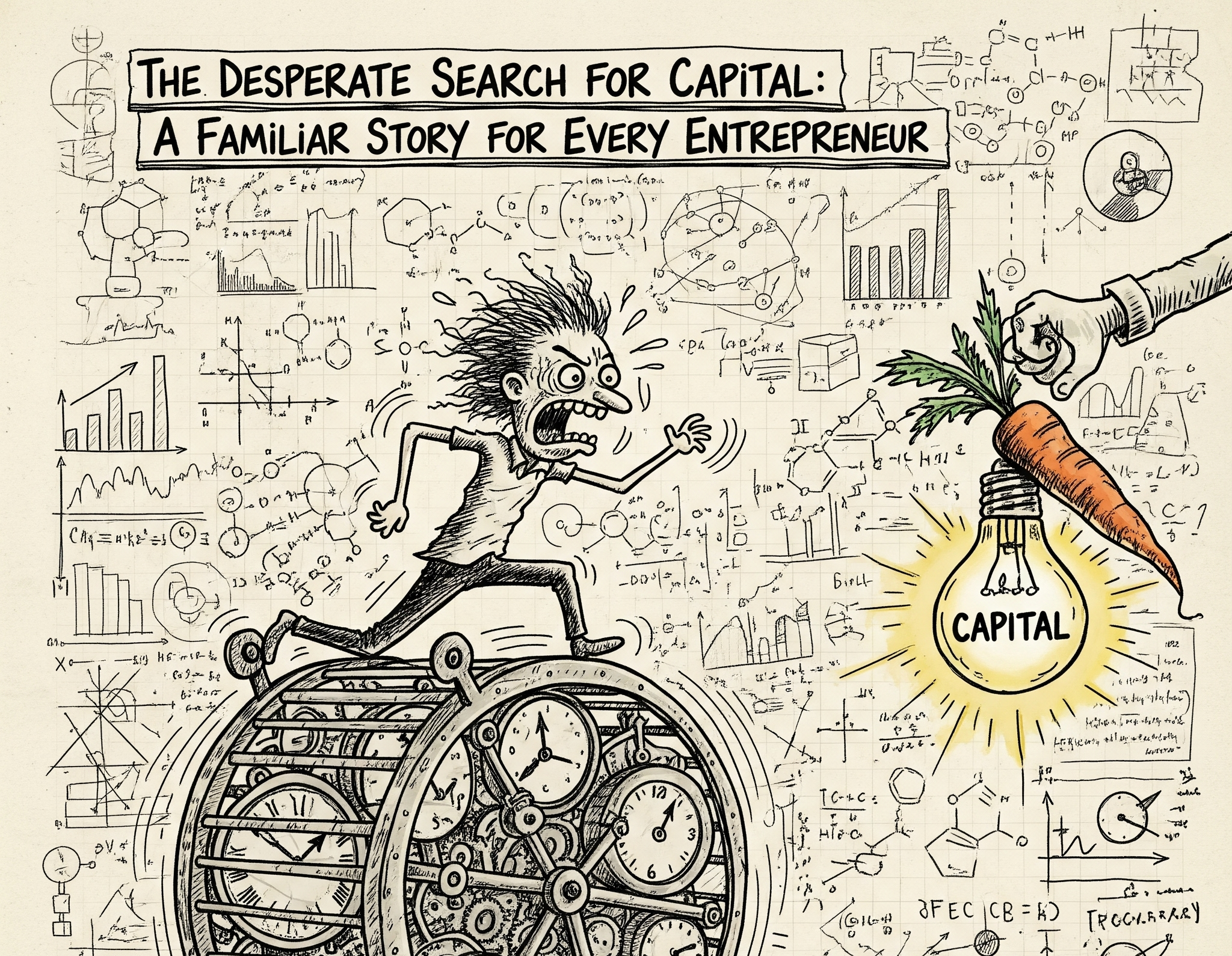
The daily grind of operations, customer service, and team management can be all-consuming. The larger strategic financial picture, while important, often takes a backseat to more immediate demands. Your financial statements, while compliant with accounting standards, may not be telling the whole story of your company's success and potential.
They might be serving their purpose for tax filings, but they could be failing you when it comes to securing the very lifeblood of your business's future: strategic financing. This is especially true when you are seeking to refinance existing, often burdensome, short-term debt and unlock precious cash flow for reinvestment and growth.
This is where the concept of "reconstituting" your financials comes into play, a powerful process of adjusting and recasting your financial statements to present a more accurate and compelling picture of your business's true performance and inherent value.
This article is designed to be a comprehensive guide for the discerning business owner who knows there is more value in their business than what the standard numbers show. We will delve deep into the practice of reconstituting financials, moving beyond a simple definition to a practical, step-by-step exploration of how to unearth and showcase the hidden strengths within your financial data.
We will identify common areas where traditional accounting practices can obscure the real profitability of your operations, and we will walk through the specific adjustments that can illuminate your company’s true earnings potential. From there, we will connect this clearer financial picture to the critical goal of refinancing, demonstrating how a well-presented, reconstituted financial package can make you a far more attractive candidate for long-term lenders, paving the way for more favorable terms, lower interest rates and a longer-term debt payback structure that aligns with your strategic goals and business cash flows.
Understanding the Power of Reconstituted Financials
At its core, reconstituting financials is the process of adjusting a company's historical financial statements to reflect its true, ongoing operational performance and profitability. It is a method of looking beyond the rigid, backward-looking lens of Generally Accepted Accounting Principles (GAAP) to present a forward-looking perspective that a potential lender or investor can more accurately use to assess the business's capacity to generate future cash flows and service debt.
Think of it as creating a "pro forma" or "normalized" view of your business, one that strips away the noise of non-recurring events, discretionary owner expenses, and other items that can distort the underlying health and potential of the enterprise. This is not about fabricating numbers or engaging in deceptive practices; on the contrary, it is about providing a transparent and more insightful representation of reality. The goal is to answer the question: "What is the sustainable earning power of this business under normal operating conditions?"
For small to medium-sized businesses (SMBs), this process is particularly crucial. Unlike large corporations with dedicated finance teams and investor relations departments, SMBs often have financials that are heavily influenced by the owner's personal financial decisions and tax planning strategies. For instance, an owner might run personal expenses through the business, pay themselves a salary that is above or below market rates, or make one-time capital expenditures that are not representative of the company's typical annual investment needs.
While these are all legitimate practices, they can significantly skew the picture of profitability that a lender sees. A lender reviewing standard financial statements might see lower profits and, consequently, a higher risk profile, leading to a loan denial or less favorable terms. By reconstituting the financials, you are essentially translating your company's story into a language that lenders understand and appreciate.
You are helping them see the normalized reality, focusing their attention on the consistent, predictable cash flow stream that your business generates, which is the ultimate source of repayment for any loan. This proactive approach demonstrates financial sophistication and a deep understanding of your own business, building credibility and trust with potential financial partners.
The Hidden Value in Your Business Financial Statements
The standard financial statements prepared for tax purposes and tax filings are often designed to minimize tax liability, not to maximize the perceived value of the business. This fundamental difference in purpose means that there is frequently a significant amount of "hidden" value locked within your income statement and balance sheet that is not immediately apparent to an outside reviewer.
Unearthing this value is the primary objective of the reconstitution process. One of the most common areas where value is obscured is in discretionary owner-related expenses. These are expenditures that are not strictly necessary for the operation of the business but are paid for by the company for the benefit of the owner. Examples include personal vehicles, family members on the payroll in non-essential roles, personal travel and entertainment expenses, and hobby-related costs that are run through the business. While these may be permissible deductions for tax purposes, they artificially depress the company's reported profits. When seeking financing, these "add-backs" are critical to showing a lender the true cash flow available to the business after operations and debt service payments.
Another significant area of hidden value lies in non-recurring or extraordinary expenses. A business might have incurred a substantial one-time cost in a given year, such as a major lawsuit settlement, a costly office relocation or a significant investment in a failed project. These are not part of the company's normal, ongoing operational costs. Leaving these in your historical financials without adjustment would suggest a lower level of profitability than what can be expected in the future. By identifying and adding back these non-recurring expenses, you can present a more stable and predictable earnings history.
Similarly, non-market rate owner compensation can also hide value. Many small and medium-sized business owners pay themselves a salary that is either well above or well below the market rate for a professional manager in their role. If the owner's salary is unusually high, it reduces reported profits. If it is unusually low, it inflates them. To get an accurate picture of the business's sustainable earnings, the owner's compensation should be adjusted to a fair market value (FMV) or the amount you would have to pay a qualified professional to perform the same duties. This adjustment provides a more realistic view of the company's profitability as a standalone entity, independent of the owner's personal compensation choices.
Other areas to scrutinize include one-time inventory write-offs, costs associated with a discontinued product line and any significant capital expenditures that are not part of a regular, ongoing maintenance schedule. By methodically combing through your financial statements for these types of items, you can systematically uncover and quantify the hidden value that will form the foundation of your reconstituted financials.
The Mechanics of Normalizing Your Financials
Normalizing your financials, also known as "recasting" or "adjusting," is the practical application of the principles of reconstitution. It is a line-by-line process of reviewing your historical income statements (typically for the last three to five years) and identifying specific items that should be adjusted to reflect the true, ongoing profitability of the business. The output of this process is a "normalized" or "recast" income statement that serves as the centerpiece of your financing proposal. The most common category of adjustments is "add-backs," which, as the name suggests, are expenses that are added back to your reported net income to arrive at a more accurate measure of earnings, often referred to as Seller's Discretionary Earnings (SDE) or Adjusted EBITDA (Earnings Before Interest, Taxes, Depreciation, and Amortization). The quintessential add-back is owner's compensation. As discussed, the owner's total compensation package (salary, bonuses, benefits, etc.) is added back in its entirety, and then a normalized market-rate salary for a manager is subtracted. The net difference is a key adjustment that reveals the true cash flow available to the owner or for reinvestment.
Beyond owner's salary, the process involves a meticulous search for other discretionary and non-recurring items. This requires a deep dive into your general ledger and a clear understanding of the story behind the numbers. For each potential add-back, you must be prepared to provide a clear and defensible explanation, along with supporting documentation. For example, if you are adding back "travel and entertainment," you need to be able to separate the portion that was for personal benefit from legitimate business-related travel. If you are adding back a "one-time legal expense," you should have the legal bills and a summary of the issue to demonstrate that it is not an ongoing operational risk.
Other common add-backs include: personal auto expenses, excess rent paid to a related party (i.e., if you own the building your business operates in and charge above-market rent), charitable contributions, and any non-essential professional fees. Depreciation and amortization, while non-cash expenses, are also typically added back to calculate Adjusted EBITDA, as this metric is a widely used proxy for a company's operating cash flow. The key to a successful normalization process is thoroughness and transparency. Every adjustment must be logical, justifiable, and well-documented. A disorganized or poorly substantiated list of add-backs will undermine your credibility with lenders. A well-prepared and professionally presented recast income statement, on the other hand, will be a powerful testament to your financial acumen and the underlying strength of your business.
Presenting Your Reconstituted Financials to Lenders
Once you have completed the hard work of normalizing your financial statements, the next critical step is to present them to potential lenders in a clear, compelling, and professional manner. The cornerstone of this process is a Credit Memo written by a business’ advisor assisting in capital acquisition process. Simply handing over a spreadsheet with a list of adjustments is not enough. You need to craft a narrative that guides the lender through your reconstitution process, explaining the 'why' behind each adjustment and connecting the dots between your normalized financials and your request for refinancing.
The Credit Memo, the centerpiece of this presentation should be a comprehensive financing memorandum or loan proposal. This document goes far beyond the standard loan application form; it is your opportunity to tell your company's story, highlight its strengths, and proactively address any potential concerns a lender might have. The memorandum should begin with an executive summary that clearly states the purpose of the loan, the amount requested, and a high-level overview of the company's strong financial position as demonstrated by the reconstituted numbers.
The heart of the memorandum will be the detailed financial section. Here, you should present your historical income statements as reported, and then, side-by-side, show the recast or normalized income statements for the same period. A crucial component is a detailed "Schedule of Adjustments" or "Add-Back Schedule." This schedule should list each normalization adjustment line by line, providing the amount of adjustment for each historical year and, most importantly, a concise but clear explanation for each item.
This level of detail demonstrates transparency and preempts the questions that any diligent underwriter will ask. In addition to the recast income statements, your proposal should include pro forma financial projections (typically for the next one to two-years) that are based on your normalized historical performance and reasonable growth assumptions. These projections should clearly show your company's ability to service the proposed new debt payments, with detailed calculations of key financial covenants and ratios, such as the Debt Service Coverage Ratio (DSCR). By presenting a thorough, well-documented, and professionally packaged financing proposal, you are not just asking for a loan; you are making a compelling case for a strategic partnership with a lender, showing them that you are a sophisticated and reliable borrower who represents a sound credit risk.
Refinancing Short-Term Debt for Long-Term Stability
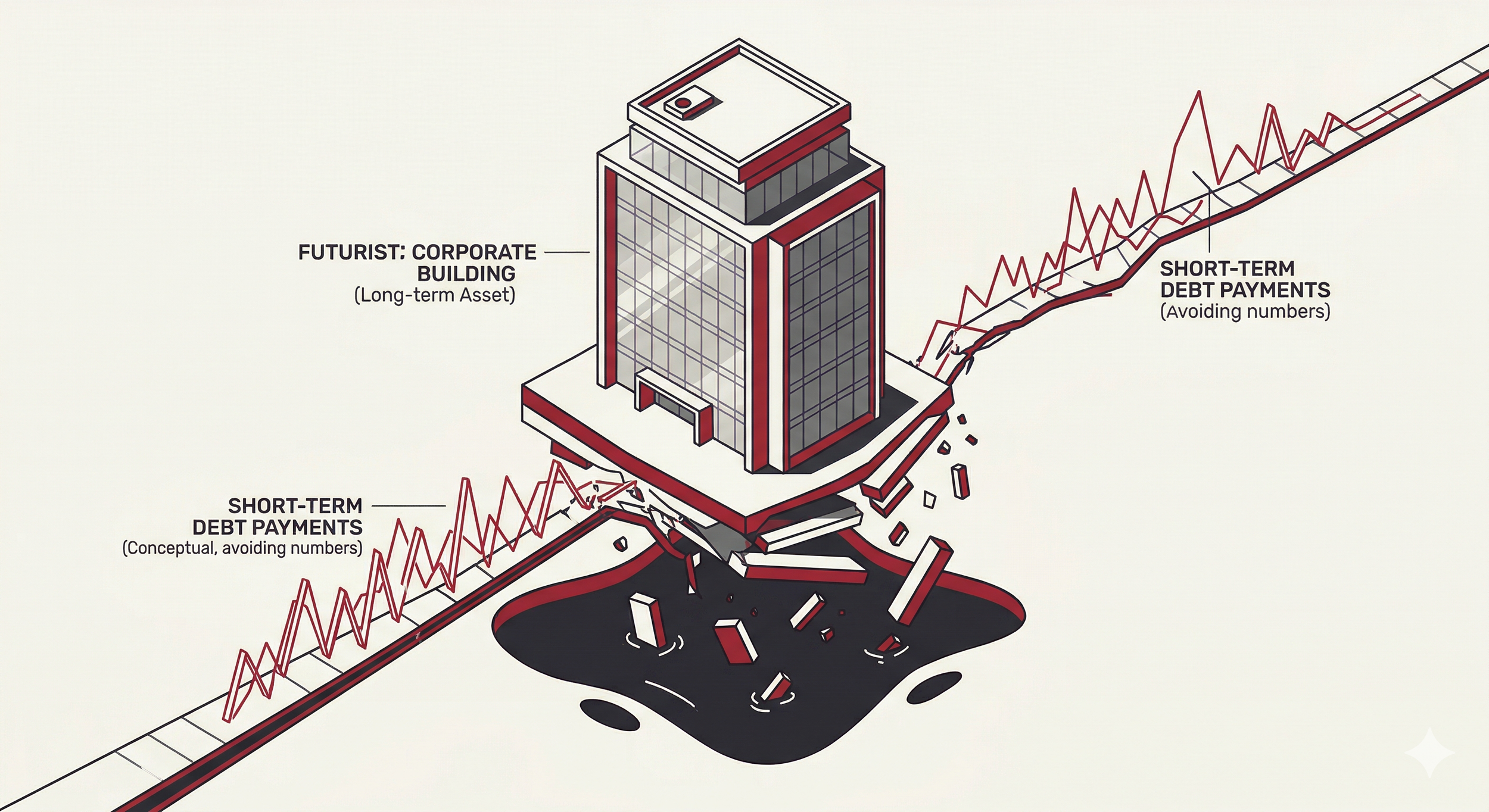
One of the most powerful applications of reconstituted financials is in the potential for strategic refinancing of short-term debt. Many small and medium-sized businesses, particularly in their early years or during periods of rapid growth, accumulate a patchwork of short-term financing solutions. These can include high-interest lines of credit, expensive merchant cash advances, short-term business loans with daily or weekly payments and a heavy reliance on trade credit with suppliers.
While these tools can provide a necessary lifeline in the short run, they can become a significant drag on cash flow and a major impediment to long-term growth. The high interest rates and aggressive repayment schedules of short-term debt can create a constant state of financial pressure, forcing the business owner to focus on simply "making the next payment" rather than on strategic initiatives. This is where a well-executed refinancing strategy, supported by strong reconstituted financials, can be transformative to both business cash flow and profitability.
The primary goal of refinancing in this context is to consolidate multiple, expensive short-term obligations into a single, more manageable long-term loan, typically with a lower interest rate and a longer amortization period to bolster cash flow and ultimately, liquidity back to healthy levels. This has a direct and immediate impact on cash flow. By extending the repayment term from, for example, 12 or 18-months to 2, 3 or even 5-years, the total monthly principal and interest payments can be dramatically reduced, even if the total loan amount is the same or slightly higher. This is the breathing room that many businesses desperately need especially in this current economic environment.
The cash that was previously being consumed by high-cost debt service is now freed up for more productive uses. However, securing this type of long-term financing from private credit investment funds or traditional lenders like banks, SBICs, BDCs or SBA-backed lenders requires a clear demonstration of stable, predictable cash flow and the ability to comfortably service the new, lower-payment debt over the long haul. Standard, non-reconstituted financials often fail to make this case effectively, as they may show profits that are too low or too volatile to meet the lender's underwriting criteria.
Your reconstituted financials, which present a smoother, more accurate picture of your company's true earning power, are the key that unlocks the door to these more favorable financing options. They allow a lender to underwrite the loan based on your demonstrated, sustainable cash flow (your Adjusted EBITDA), rather than on the distorted picture presented by your tax-basis and tax filing financials. This enables them to offer the long-term, patient capital that is so critical for building a stable and resilient financial foundation for your business.
Freeing Up Cash Flow is the Ultimate Goal
The liberation of cash flow is the tangible, game-changing outcome of a successful restructuring and refinancing strategy. While the process of reconstituting financials and negotiating with lenders can be rigorous, the payoff is realized in the form of increased financial flexibility and the ability to make strategic choices that were previously out of reach. When you are no longer burdened by the high monthly payments of short-term business debt, a whole new world of possibilities opens up. This newfound cash flow is not just "extra money"; it is the fuel for growth, innovation and long-term value creation. One of the most immediate and impactful uses of this freed-up capital is the ability to manage working capital more effectively. Instead of being constantly squeezed by tight payment cycles, you can now take advantage of early payment discounts from suppliers, a simple but powerful way to improve profit margins. You can also afford to carry a more optimal level of inventory, reducing the risk of stock-outs and lost sales without having to rely on expensive, last-minute financing.
Beyond working capital management, the strategic allocation of this liberated cash flow can fundamentally alter the trajectory of your business. You can now fund capital expenditures that were previously put on the back burner, such as upgrading aging equipment to improve efficiency, investing in new technology to enhance your products or services, or expanding your physical footprint to enter new markets. These are the types of investments that drive long-term competitive advantage and increase the intrinsic value of your enterprise.
Another critical use of this cash is in the area of human capital. You can now afford to hire key personnel who can take on some of the operational burden from the owner, freeing you up to focus on more strategic, high-value activities. You can also invest in training and development for your existing team, boosting morale, productivity, and retention. Furthermore, with a healthier cash flow position, you can build up a cash reserve or "rainy day fund," providing a crucial buffer against unexpected economic downturns or unforeseen business challenges. This financial cushion reduces stress and allows you to make decisions from a position of strength, rather than desperation. Ultimately, the freeing up of cash flow is about more than just improving the numbers on a spreadsheet; it is about regaining control over your company's destiny and empowering you, the owner, to build the business you have always envisioned.
Reinvesting in Your Business for Sustainable Growth
With a healthier cash flow profile and a stable, long-term financial structure in place, you can now shift your focus from survival to strategic growth. Reinvestment is the engine that drives this growth, and your ability to make smart, disciplined reinvestment decisions will determine the long-term success of your business. The cash flow that has been unlocked through restructuring and refinancing is a precious resource, and it should be allocated with the same level of care and analysis that went into the refinancing process itself. The first step in developing a reinvestment strategy is to revisit your overall business plan. What are your long-term goals? Do you want to expand into new geographic markets? Launch new product lines? Acquire a competitor? Your reinvestment decisions should be directly aligned with these strategic objectives.
A powerful tool for evaluating potential reinvestment opportunities is the concept of Return on Investment (ROI). For each potential use of your freed-up cash, you should estimate the potential financial return and compare it to the cost of the investment. This disciplined, data-driven approach will help you prioritize the opportunities that are most likely to create the greatest long-term value.
There are several key areas where reinvestment can have a significant impact. Marketing and sales is one of the most common and effective areas for reinvestment. With additional cash, you can launch more ambitious marketing campaigns, hire additional sales staff or invest in a new CRM system to improve your sales process. These investments, when executed effectively, can have a direct and measurable impact on top-line revenue growth.
Another critical area is technology and automation. Investing in new software, machinery, or production processes can lead to significant gains in efficiency, reducing costs and improving profit margins. These types of investments can also enhance the quality and consistency of your products or services, strengthening your competitive position. A third key area is product and service development. You can now afford to invest in the research and development (R&D) necessary to create innovative new offerings that meet the evolving needs of your customers. This is how businesses stay relevant and avoid being commoditized.
Finally, do not overlook the importance of reinvesting in your team. As mentioned, this can include hiring new talent, but it also includes investing in the skills and capabilities of your existing employees through training and professional development. A well-trained and motivated team is one of the most valuable assets a business can have. By thoughtfully and strategically reinvesting the cash flow you have unlocked, you create a virtuous cycle: the investments you make today generate the growth and profits of tomorrow, further strengthening your financial position and creating even more opportunities for future reinvestment.
Building a Relationship with Your Lender
The process of reconstituting your financials and securing a strategic refinancing is not a one-time transaction; it is the beginning of a new, more collaborative relationship with your new lender. By taking the initiative to present a clear, transparent, and forward-looking view of your business, you have established yourself as a sophisticated and trustworthy partner, not just a borrower. This is a significant asset that you should continue to cultivate. The key to maintaining this strong relationship is proactive and consistent communication. Do not wait for your lender to ask for information. Provide them with regular financial updates, even when they are not required by your loan covenants.
This should include your standard financial statements, but it can also be helpful to provide a brief "management's discussion and analysis" (MD&A) that explains the story behind the numbers, highlighting your successes, explaining any challenges, and outlining your plans for the future.
This ongoing dialogue builds confidence and can pay significant dividends down the road. When you inevitably need additional financing for a new growth opportunity or to navigate a temporary downturn, a lender who knows and understands your business is far more likely to be responsive and supportive. They have seen your track record of transparent communication and have confidence in your ability to manage the business effectively. This relationship can also be a valuable source of advice and networking. Your banker or loan officer works with hundreds of businesses and has a broad perspective on the local economy and your industry. They can often provide valuable insights, connect you with potential customers or partners, and serve as a sounding board for your strategic ideas.
It is also important to be transparent about any challenges you may be facing. If you anticipate a potential covenant violation or a temporary dip in performance, it is far better to proactively communicate this to your lender, along with your plan to address the issue, than to let them be surprised by a negative financial report. This level of candor further solidifies your credibility and reinforces the lender's confidence in you as a manager. By viewing your lender as a strategic partner rather than an adversary, you can leverage the relationship to not only maintain your current financing but also to support the long-term growth and success of your business.
Common Pitfalls and How to Avoid Them
The process of reconstituting financials and refinancing business debt is powerful, but it is not without its challenges. There are several common pitfalls that can derail your efforts and undermine your credibility with lenders. Being aware of these potential traps and taking steps to avoid them is crucial for a successful outcome. One of the most significant pitfalls is a lack of documentation and justification for your add-backs. Simply creating a long list of adjustments without clear, defensible explanations and supporting evidence is a major red flag for any underwriter. It can be perceived as an attempt to artificially inflate your earnings rather than a good-faith effort to present a more accurate picture.
To avoid this, be meticulous in your record-keeping. For every single adjustment, you should have a clear rationale and the documentation to back it up, whether it's a specific invoice, a lease agreement or a detailed breakdown of personal versus business expenses.
Another common mistake is being overly aggressive or unrealistic with your adjustments and projections. While you want to present your business in the best possible light, your reconstituted financials and future projections must still be grounded in reality. Adding back expenses that are truly necessary for the operation of the business, or creating financial projections that are based on wishful thinking rather than historical performance and a solid strategic plan, will quickly erode your credibility. It is far better to be slightly conservative and have a plan that you can confidently execute than to over-promise and under-deliver.
A third pitfall is poor presentation. A sloppy, disorganized or incomplete loan proposal can give the impression that you are not serious or that you are not on top of your finances, even if the underlying numbers are strong. Invest the time to create a professional, well-written, and comprehensive financing memorandum that tells your story in a compelling way.
Finally, a critical error is waiting until you are in a desperate financial situation to begin this process. Refinancing from a position of strength is always more effective than refinancing from a position of weakness. If you wait until you are missing payments or on the verge of a crisis, you will have far fewer options and much less leverage with lenders. The best time to start thinking about reconstituting your financials and optimizing your capital structure is now, while your business is stable and you have the time to be thoughtful and strategic. By avoiding these common pitfalls, you can navigate the refinancing process with confidence and achieve the long-term financial stability that your business needs to thrive.
The Long-Term Value of Financial Discipline
The journey of reconstituting your financials, restructuring your operations and balance sheet, refinancing your debt and freeing up cash flow for reinvestment is more than just a series of financial transactions; it is a fundamental shift in how you manage and perceive your business. It is about instilling a new level of financial discipline and strategic thinking that will continue to create value long after the ink on the new loan documents has dried.
The immediate benefits of a stronger balance sheet and improved cash flow are clear, but the long-term, ancillary benefits are just as important. This process forces you, as the business owner, to take a deep, objective look at every aspect of your operations. The line-by-line review of your expenses required to identify add-backs often reveals inefficiencies and areas of waste that can be eliminated, leading to permanent improvements in profitability. By adjusting your own compensation to a market rate, you gain a clearer understanding of the true cost structure of your business, which can inform more accurate pricing and bidding decisions.
Furthermore, the discipline of preparing and maintaining recast financials and forward-looking projections becomes a powerful management tool. You develop a more intimate understanding of the key drivers of your business and the levers you can pull to improve performance. This allows you to be more proactive in your decision-making, anticipating challenges and capitalizing on opportunities more effectively. This heightened financial acumen also makes you a more credible and compelling leader. Your team, your suppliers, and your customers will have greater confidence in a business that is managed with financial sophistication and a clear strategic vision.
Perhaps most importantly, this process can fundamentally change your own role in the business. By creating a more stable financial foundation and freeing up cash to hire key personnel, you can begin to transition from being an operator, caught up in the day-to-day grind, to being a true CEO, focused on long-term strategy, growth and value creation. This is not only more personally rewarding, but it is also essential for building a business that has enduring value, one that can thrive and grow independently of your constant, hands-on involvement. Ultimately, the practice of reconstituting your financials is an investment in your own financial literacy and strategic capability—an investment that will pay dividends for years to come, creating a more resilient, more profitable and more valuable enterprise.
What is the Best Way to Fix Business Debt that is causing Business Cash Flow issues?
It is NOT by stopping ACH payments.
It is NOT by taking on another business loan.
It is NOT ALWAYS a Refinancing
It is NOT by entering into a debt settlement program.
Find out the BEST strategies to get your Business back to where it was