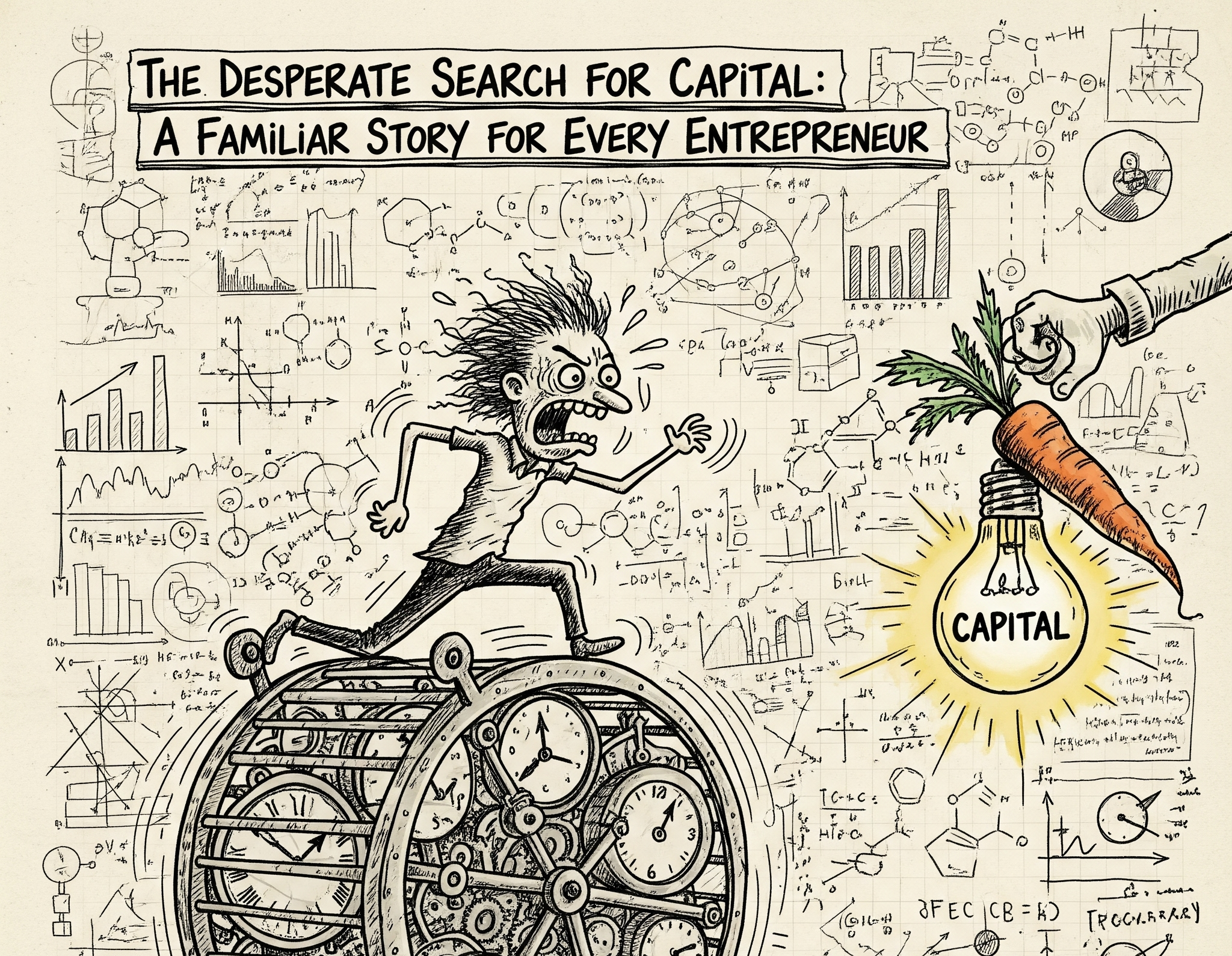
The landscape of American entrepreneurship is currently undergoing a profound and unprecedented transformation, one that is largely hidden from the daily headlines but felt acutely in the offices, warehouses, and storefronts of small to medium-sized enterprises across the nation. For generations, the small business sector has been celebrated as the indisputable backbone of the United States economy, serving as the primary engine for job creation, local community development, and grassroots innovation.
However, beneath the surface of this celebrated narrative lies a brewing storm of financial distress, driven by systemic shifts in how capital is accessed, structured, and managed.
We are standing at the precipice of what can only be described as a reckoning a critical juncture where the financial paradigms of the past two decades are colliding violently with the stark realities of sustainable business operations.
This reckoning is not the result of a sudden macroeconomic shock, nor is it the product of a singular catastrophic event like the recent global pandemic. Instead, it is the culmination of years of structural changes in the lending ecosystem, characterized most notably by the explosive growth of alternative, high-cost financing models.
Small business owners, often starved of traditional banking resources and desperate for working capital to navigate volatile markets, have increasingly turned to fast, accessible, but deeply punitive funding mechanisms. As these financial instruments mature and compound, they are fundamentally altering the life cycle of the American small business.
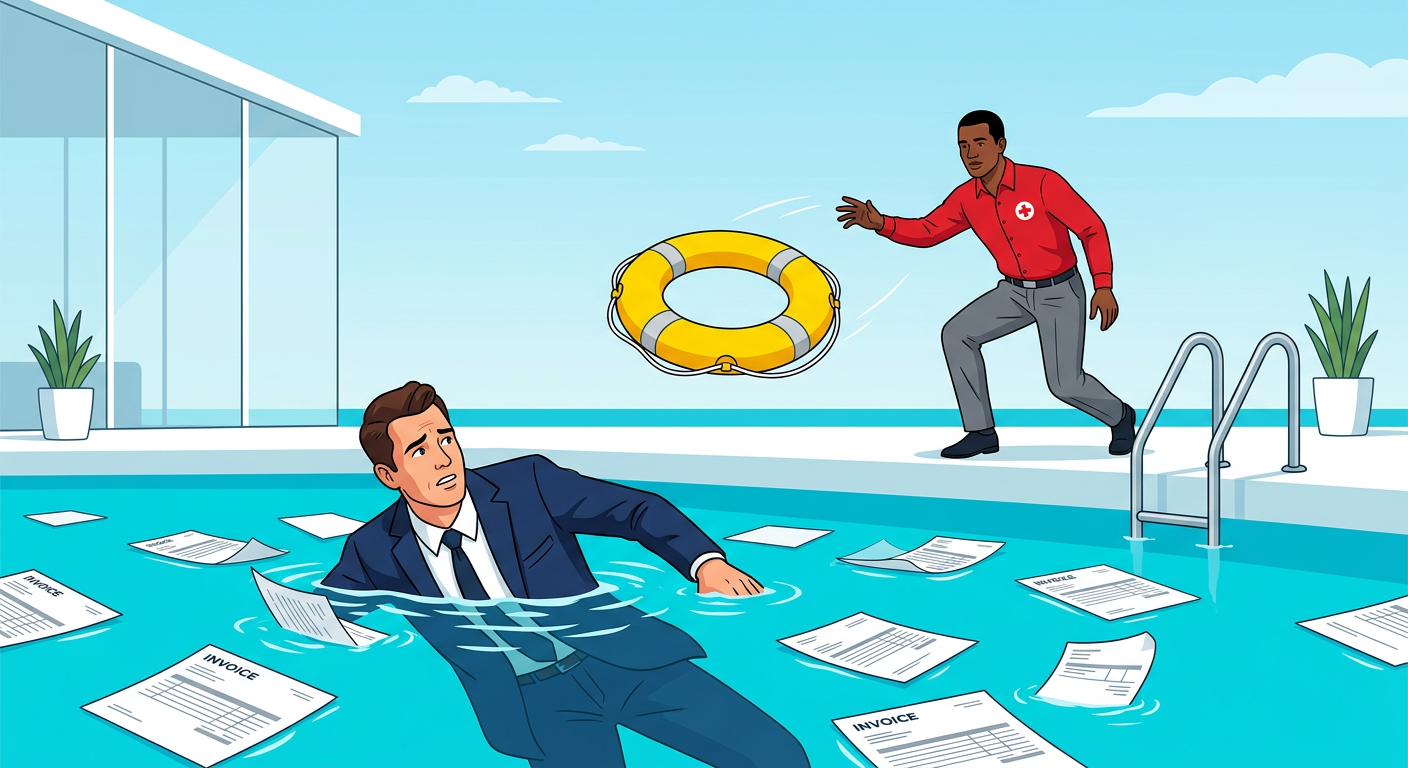
We are transitioning from an era where businesses failed primarily due to lack of market demand, to a paradigm where thriving, revenue-generating companies are being suffocated by the very capital they borrowed to survive.
For the small and medium-sized business owner reading this, the following analysis is designed to serve as both a mirror and a map. It reflects the harsh realities of the current financial ecosystem, validating the immense pressures and unique challenges you may be facing on a daily basis. More importantly, it provides a strategic framework for understanding these macroeconomic forces and navigating your enterprise out of danger.
By dissecting the mechanics of the "Merchant Cash Advance" era, analyzing the critical collateral gaps, acknowledging the severe psychological toll on leadership, and outlining a path toward radical financial transparency, this paper aims to equip you with the knowledge necessary to restructure, survive, and ultimately reclaim your company's financial independence.
The Evolution of Small Business Finance
To fully grasp the magnitude of the current crisis, one must first understand the historical trajectory of small business lending and how the marketplace arrived at its current state. Historically, the relationship between a small business and its capital provider was localized and deeply relational. Community banks and regional credit unions served as the primary arteries of capital, relying on long-term relationships, character assessments, and a deep understanding of local market dynamics to underwrite loans.
A business owner seeking to expand operations, purchase new equipment, or smooth out seasonal cash flow fluctuations would sit across a desk from a banker who intimately understood their business model and the community it served. These traditional loans, while sometimes cumbersome to secure, were typically structured as long-term, amortizing debt with manageable monthly payments that aligned with the natural life cycle of the business's revenue generation and seasonality.
However, the financial landscape shifted dramatically following the global financial crisis of 2008. In the wake of massive institutional failures and subsequent regulatory overhauls, traditional banks fundamentally altered their risk appetite. Stringent new capital requirements and heightened regulatory scrutiny made underwriting small, relatively risky loans mathematically unappealing for large financial institutions. The cost of originating a fifty thousand dollar loan became nearly identical to the cost of originating a five million dollar loan, prompting banks to move upstream and abandon the smaller end of the commercial market.
This withdrawal created an immense vacuum.
Millions of fundamentally sound, revenue-generating small businesses suddenly found themselves cut off from the oxygen of traditional capital, precisely when they needed it most to recover and grow.
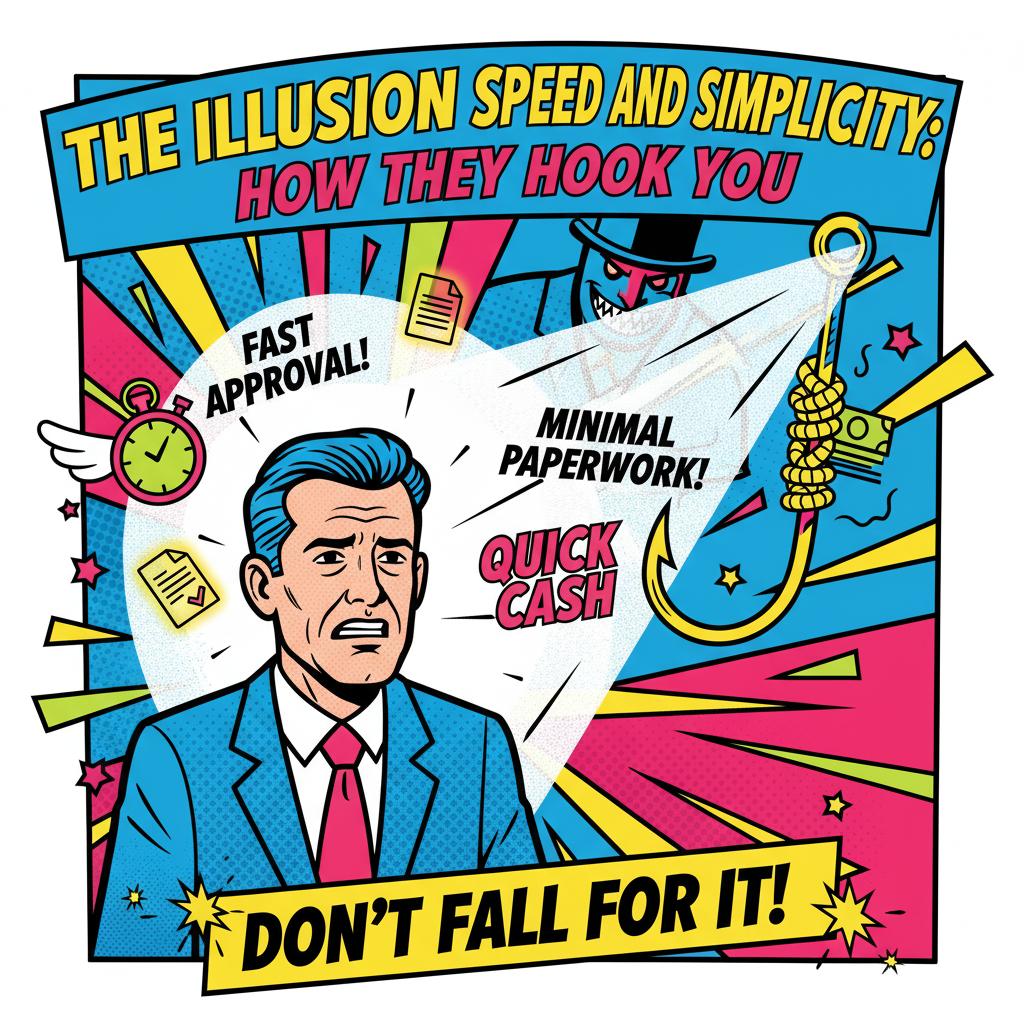
Into this vacuum rushed a wave of financial technology companies and alternative lenders, fundamentally changing the architecture of small business finance. Unburdened by the stringent regulations governing depository institutions, these new players leveraged technology, data analytics, and aggressive marketing to offer unprecedented speed and convenience. The application process moved from a weeks-long ordeal involving stacks of paperwork to a digital experience taking mere minutes.
Capital that once took a month to secure could now be deposited into a business bank account within hours. However, this speed and accessibility came at an extraordinary cost. The new paradigm prioritized rapid capital deployment and aggressive yield generation by the lender or “funder” over the long-term sustainability of the borrower.
The shift from relational banking to transactional lending laid the foundation for the current crisis, replacing patient capital with highly extractive financial products that prioritized the lender's immediate return over the borrower's long-term survival.
Defining the Merchant Cash Advance Era
The undisputed defining feature of the modern alternative lending landscape is the widespread proliferation of the Merchant Cash Advance, alongside similar short-term, high-velocity financial products. Technically, a Merchant Cash Advance is not classified as a loan; rather, it is legally structured as the purchase of a business’s future receivables at a discount.
This crucial legal distinction allows these products to largely bypass traditional usury laws and standard lending regulations, enabling providers to charge effectively astronomical annualized rates. In this era, capital is advanced to the business owner quickly, but the repayment mechanism is fundamentally different from traditional debt.
Instead of fixed monthly payments, the short-term financing provider automatically makes daily or weekly automated clearing house withdrawals directly from the business's primary operating account.
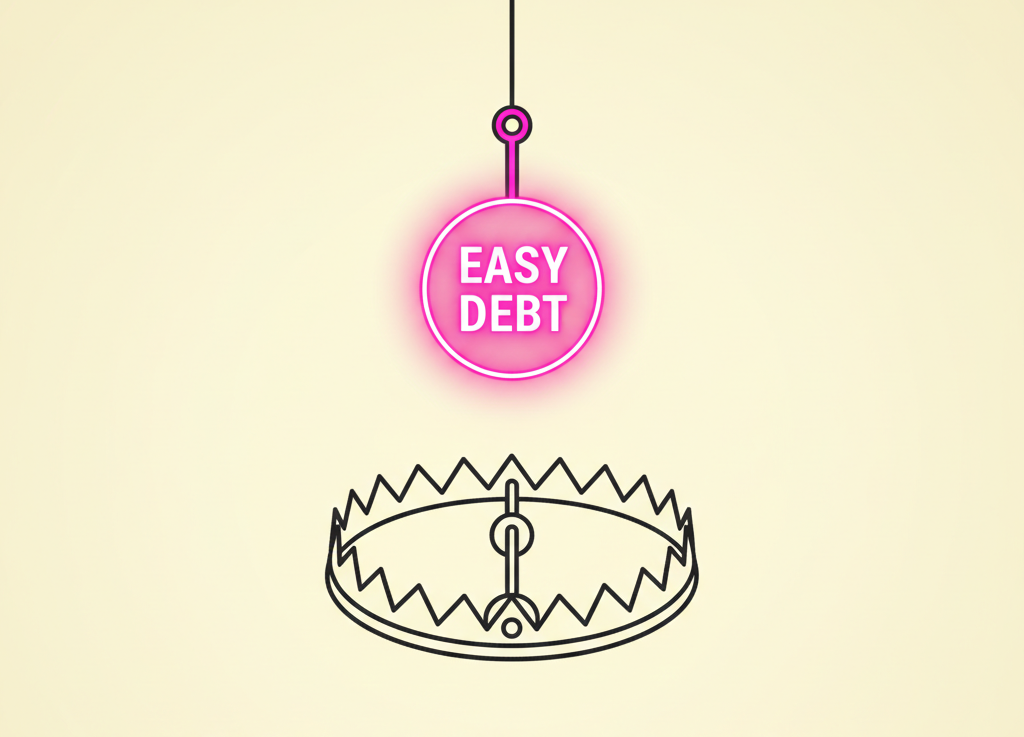
The initial appeal of the Merchant Cash Advance is undeniably seductive, particularly for business owners facing immediate payroll shortfalls, unexpected equipment failures, or sudden supply chain disruptions. The approval process is heavily reliant on gross revenue and recent bank deposits rather than profitability, pristine credit scores, or extensive business plans. For an owner in distress, the promise of immediate liquidity, coupled with the narrative that payments will simply fluctuate with their sales volume, feels like a lifeline.
Furthermore, the marketing apparatus surrounding these products is incredibly sophisticated, often framing the advance as a temporary bridge or an aggressive growth tool. The true cost of capital is frequently obscured behind "factor rates" and complex fee structures, making it exceedingly difficult for the average business owner to accurately calculate the equivalent annual percentage rate, which frequently exceeds triple digits.
However, the defining characteristic of the “Merchant Cash Advance era” is not just the structure of a single advance, but the systemic reliance on these products as a continuous funding mechanism. Because the repayment schedule is so aggressive, often designed to recoup the advance plus a significant premium within six to twelve months, the impact on business cash flow is immediate and severe.
A business that previously operated on thin margins suddenly finds a substantial portion of its gross daily revenue siphoned off before it can be used to cover operating expenses. This creates a perpetual cycle of dependency. To meet payroll or pay essential vendors, the business owner is frequently forced to take out a subsequent advance before the first is paid off, or to "stack" multiple advances simultaneously.
This era is characterized by the transformation of small businesses into essentially cash-generating machines for alternative lenders, where the focus shifts entirely from long-term value creation to merely surviving the next daily draw.
The Mechanics of Business Debt Distress
The transition from utilizing alternative capital as a strategic tool to falling into systemic debt distress follows a predictable, often devastating mechanical progression. The core issue lies in the fundamental mismatch between the business’s cash conversion cycle and the aggressive repayment schedules demanded by shadow lenders. In a healthy business financial structure, capital is deployed to generate a return over time, and the debt service is structured to be comfortably absorbed by the resulting increase in cash flow.
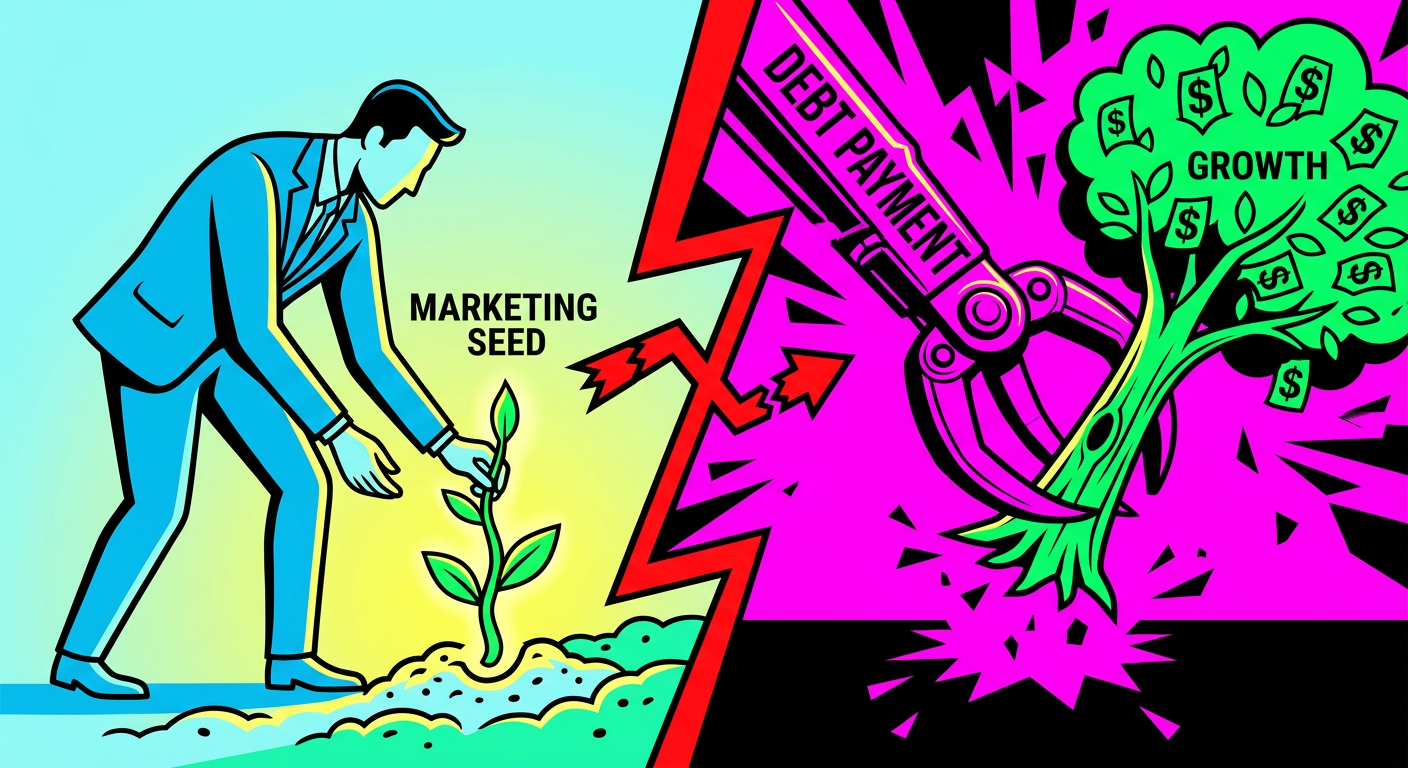
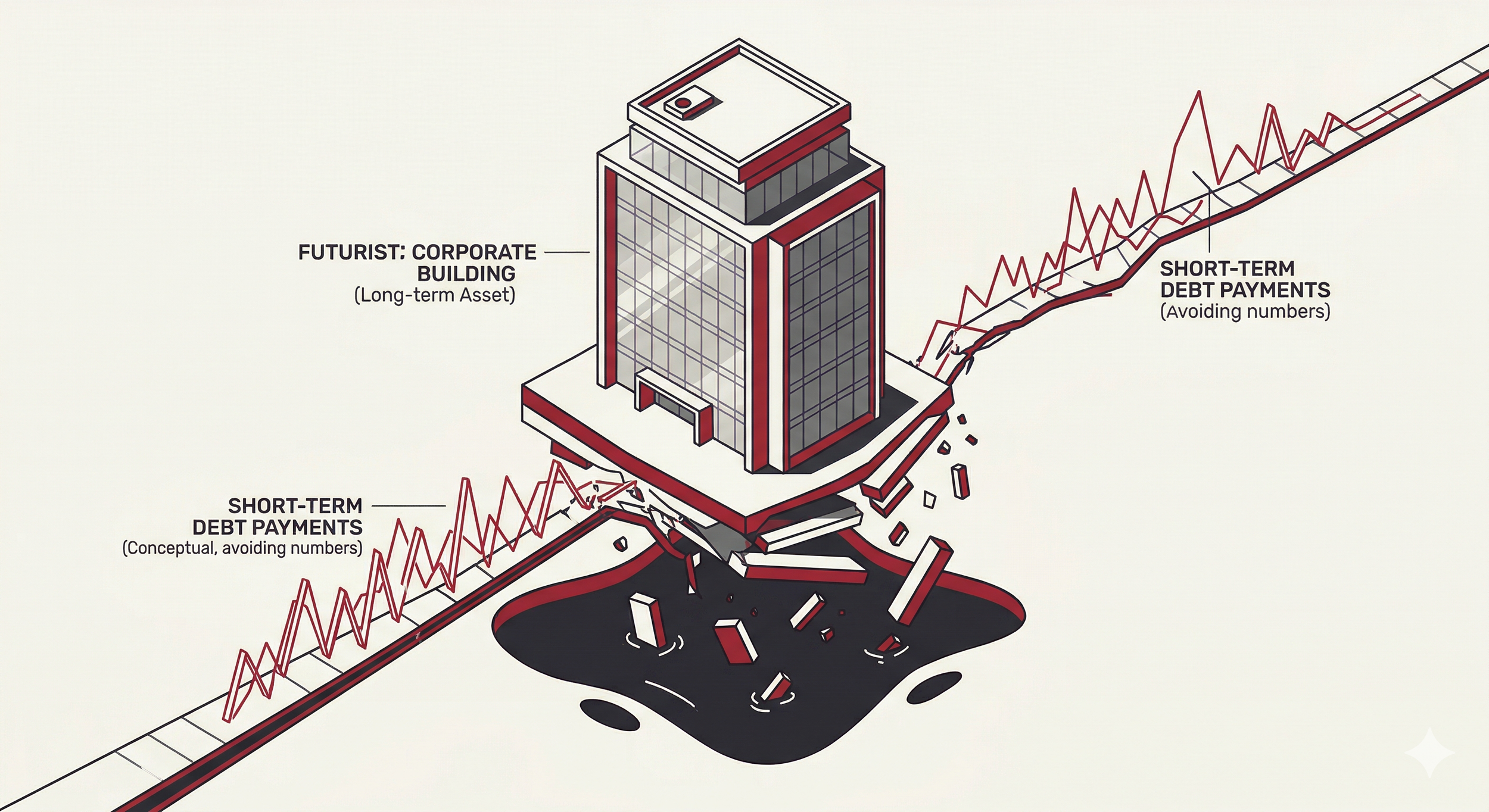
However, short-term high-payment loans do not allow for this gestation period. The moment the funds are deposited, the aggressive extraction of cash begins. This immediate drain attacks the most critical vulnerability of any small business: its liquidity (AR, cash and credit available) by sucking up the cash
As high-velocity payments begin to erode the cash buffer, the business enters a state of operational friction. Management becomes increasingly consumed with cash flow triage rather than strategic growth. Vendor payments are delayed, stretching relationships and often incurring late fees or losing early payment discounts. Inventory levels are reduced to conserve cash, leading to stockouts, lost sales, and diminished customer satisfaction.
Preventive maintenance on crucial equipment is deferred, increasing the risk of catastrophic failure. The business begins to cannibalize its own foundational operations merely to feed the aggressive withdrawal demands of the lenders. This mechanical distress is not a reflection of a failing product or a shrinking market; it is entirely a symptom of a toxic capital structure strangling a viable enterprise.
The crisis accelerates dramatically when the business attempts to solve its liquidity crunch by acquiring additional high-cost capital. This phenomenon, known within the industry as "stacking," is the true engine of systemic distress. When a business owner realizes that the daily payments from their first advance are unsustainable, they are often aggressively solicited by competing lenders offering a second or third advance to "smooth out" cash flow. Each subsequent advance, however, is layered on top of the existing daily payments, geometrically increasing the total daily cash drain. The mechanical reality is undeniable: the business is now borrowing highly expensive money simply to service previously borrowed highly expensive money. At this stage, the mathematical certainty of distress becomes absolute. The business is no longer generating revenue for itself, its employees, or its future; it exists solely to service the compounding demands of the shadow lending market.
Understanding the Collateral Gap
While the aggressive nature of alternative lending products is a major driver of the current reckoning, it is equally important to examine why small businesses are forced into these markets in the first place. The primary structural obstacle preventing small and medium-sized enterprises from accessing sustainable, low-cost capital is what we term the "collateral gap." Traditional banking institutions, constrained by rigid underwriting guidelines and regulatory pressure, inherently prioritize capital preservation. They are fundamentally asset-based lenders. When evaluating a loan request, a bank looks for hard, easily liquidated collateral such as real estate, heavy machinery, or massive, pristine inventory pools to secure the debt in the event of a default. If a business cannot present sufficient hard assets, the traditional lending door is firmly shut, regardless of the company's historical cash flow or market potential.
This reliance on hard asset collateral is increasingly misaligned with the reality of the modern American economy. Over the past several decades, the economic landscape has shifted dramatically from heavy manufacturing and asset-intensive industries toward a service-based, digital, and knowledge-driven economy. Today, a highly profitable, rapidly growing business may have minimal physical assets. A digital marketing agency, a specialized consulting firm, a software-as-a-service provider, or a modern logistics brokerage might generate millions in annual revenue while owning little more than laptops and leased office space. Their true value lies in their intellectual property, their customer relationships, their operational processes, and their recurring revenue streams.
Unfortunately, traditional banking models struggle profoundly to underwrite these intangible assets. This massive disconnect between how modern businesses create value and how traditional banks define security creates the collateral gap.
The consequences of this gap are profound and far-reaching. When fundamentally healthy, cash-flowing businesses are denied traditional credit due to a lack of hard assets, they are systematically pushed toward the shadow banking sector. To bridge the gap, business owners are frequently forced to rely on personal guarantees, effectively pledging their personal homes, retirement savings, and future livelihoods to secure business capital. This blurs the line between corporate and personal liability, drastically increasing the risk profile for the entrepreneur.
The collateral gap essentially bifurcates the market: large, asset-heavy corporations enjoy access to cheap, long-term capital, while dynamic, service-oriented small businesses are subjected to exorbitant rates and punitive terms simply because their value is generated through human capital and innovation rather than brick and mortar. Until the broader financial system develops mechanisms to accurately value and underwrite cash flow and intangible assets, the collateral gap will remain a primary driver of SME instability.
The Systemic Risk of Shadow Lending
The proliferation of high-cost, short-term debt within the small business sector is no longer merely a collection of isolated, individual tragedies; it has escalated into a localized systemic risk for the broader economy. The "shadow" lending market, characterized by largely unregulated alternative financiers, merchant cash advance providers, and various financial technology platforms, operates outside the traditional safety nets and oversight mechanisms that govern commercial banks.
This lack of transparency and regulatory supervision has allowed the market to grow exponentially, driven by aggressive sales tactics, complex algorithmic underwriting, and a seemingly insatiable appetite for high-yield returns. However, the data emerging from 2025 to 2026 clearly indicates that this market is reaching an inflection point: the shadow lending ecosystem is beginning to systematically consume its own customer base
The systemic danger arises from the extractive nature of these financial products. Unlike traditional lending, which aims to inject capital to spur growth and thereby increase the borrower's capacity to repay, the shadow lending model frequently extracts capital faster than the business can organically generate it. When a massive swath of the small business sector is simultaneously trapped in a cycle of high-velocity debt service, the macroeconomic implications are severe.
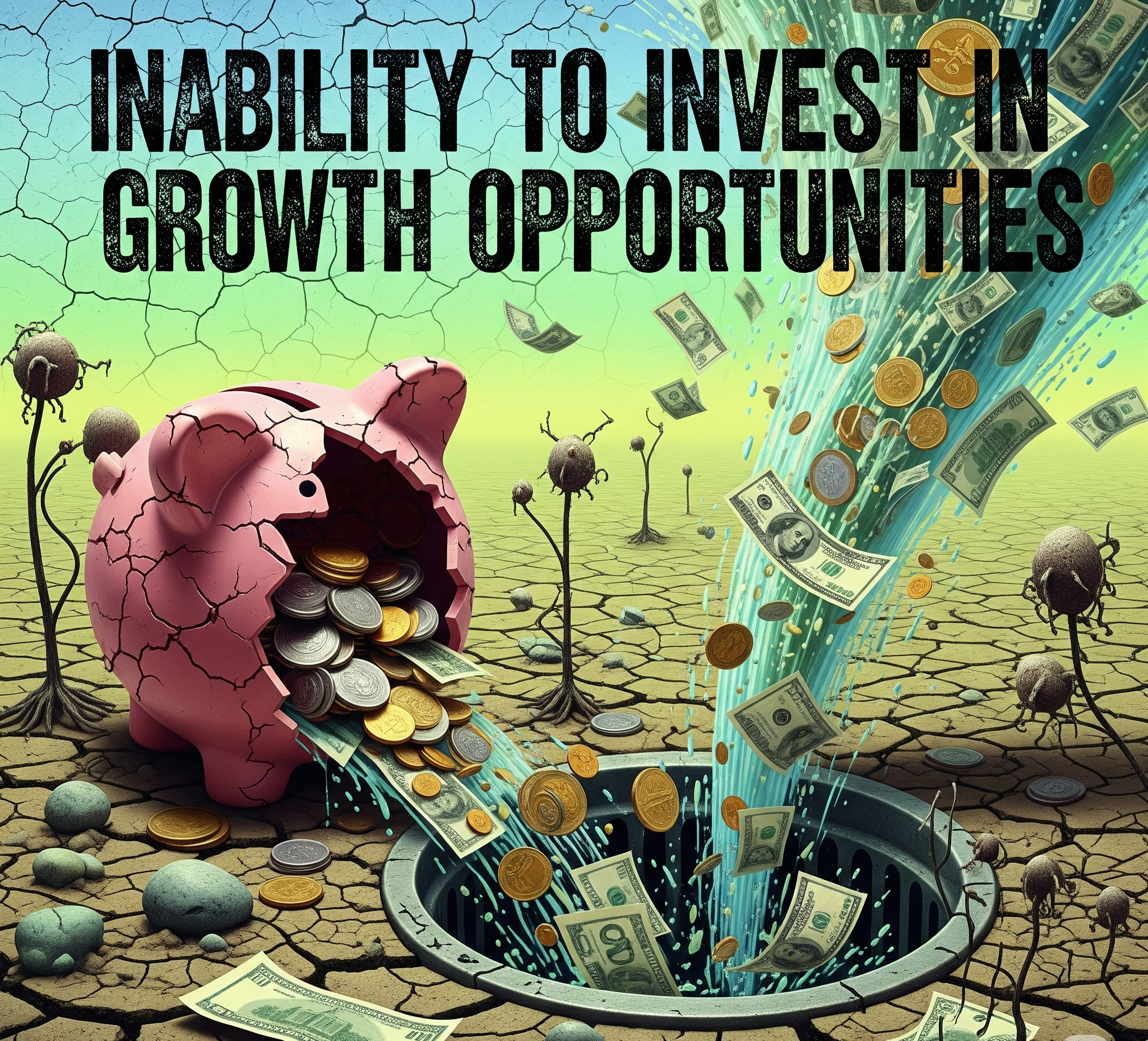
Capital that would typically be reinvested into the local economy through hiring new employees, purchasing new equipment, expanding facilities, or funding marketing initiatives is instead diverted directly into the coffers of out-of-state alternative lenders. This massive extraction of working capital acts as a localized economic depressant, stifling growth, suppressing wage increases, and severely hindering the innovative capacity of the SME sector.
Furthermore, the interconnectedness of small businesses amplifies this systemic risk. When one business fails under the weight of insurmountable debt, the ripple effects are felt throughout its supply chain and local community. Vendors are left unpaid, commercial landlords face sudden vacancies, and employees lose their livelihoods, leading to decreased consumer spending. If the shadow lending market continues to trigger widespread, simultaneous distress across various industries and geographic regions, it has the potential to create a cascading effect of economic contraction.
The current trajectory warns of a financial system that has fundamentally decoupled the provision of capital from the actual needs and realities of the businesses it purports to serve. When the mechanism for funding small businesses becomes inherently destructive to the businesses themselves, the entire foundation of the entrepreneurial economy is placed at risk.
The Psychological Toll on Enterprise Leaders
While the financial metrics of the current reckoning are alarming, the human cost is perhaps even more profound and indicative of the depth of the crisis. The psychological state of the small to medium-sized enterprise owner has historically been a reliable leading indicator of broader economic health. Entrepreneurs are naturally optimistic; their willingness to take risks, invest capital, and drive innovation is fueled by a fundamental belief in future success. However, the unique pressures of the current financial environment, particularly the relentless grind of managing daily-payment debt, have exacted a devastating psychological toll. The prevailing sentiment among business owners trapped in the shadow lending ecosystem is no longer one of optimistic growth, but of profound, systemic exhaustion and a pervasive loss of confidence.
Managing a business under severe liquidity constraints is an incredibly traumatizing experience. The daily reality of checking bank balances before dawn to ensure a lender's automated clearing house withdrawal does not trigger a cascade of bounced checks creates a state of chronic, high-level stress. Business owners find themselves consumed by short-term crisis management, their cognitive bandwidth entirely monopolized by the desperate need to secure funding for the next week's payroll or vendor payments. This constant state of emergency completely obliterates the capacity for long-term strategic thinking.
The psychological burden is compounded by the intense isolation frequently experienced by owners in distress. Driven by shame and the stigma associated with financial difficulty, many suffer in silence, hiding the true state of their affairs from their employees, their families, and even their closest advisors.
This profound exhaustion leads directly to a dangerous phenomenon: the erosion of entrepreneurial confidence. As the burden of debt service suffocates the business, owners begin to lose faith in their own capabilities and the viability of the enterprise they built. The data indicates that we are witnessing a wave of psychological resignation. Rather than aggressively fighting to innovate, pivot, or capture new market share, many enterprise leaders are effectively "retiring in place."
They are emotionally disengaging from the business, operating on autopilot, and simply trying to survive the daily grind until they can find a way to walk away. This loss of entrepreneurial vigor is a severe threat to the broader economy. When the individuals historically responsible for driving innovation and growth are psychologically depleted and focused entirely on survival, the entire economic engine begins to stall.
The Trend of Quiet Liquidations
The ultimate culmination of extreme financial distress and profound psychological exhaustion is a phenomenon that is rapidly reshaping the small business landscape: the rise of the "quiet liquidation." Historically, business failures were often public, noisy events, characterized by formal bankruptcy filings, highly publicized closures, and complex legal battles with creditors. However, the current crisis is producing a distinctly different pattern of closure. A wave of businesses is shutting down not through formal legal channels, but through a silent, organized cessation of operations. These quiet liquidations represent a hidden epidemic, masking the true severity of the economic distress within the SME sector from standard macroeconomic indicators.
The mechanics of a quiet liquidation are directly tied to the nature of shadow lending debt. For many business owners suffocating under multiple aggressive payment advances, the prospect of navigating a formal, expensive, and lengthy Chapter Eleven bankruptcy restructuring is simply impossible. They lack the capital to retain specialized bankruptcy counsel and fear the aggressive, often legally dubious collection tactics deployed by alternative lenders. Instead, they choose a path of managed surrender.
The owner systematically winds down operations, selling off whatever minor assets remain to cover payroll and essential local vendors, while simultaneously moving personal assets to protect themselves from the inevitable enforcement of personal guarantees. The doors are quietly locked, the phones are disconnected, and the business simply ceases to exist.
What makes this trend particularly devastating is the underlying cause. In many of these quiet liquidations, the business is not closing because it lacks a viable product, because there is no customer demand, or because the fundamental business model is flawed. The business is closing entirely because its cash flow is utterly and completely diverted to debt service.
The enterprise is being starved to death by its own capital structure.
When a fundamentally sound business is forced to close its doors solely because it cannot escape predatory lending traps, it represents a massive destruction of economic value. Jobs are lost, community resources vanish, and the entrepreneurial spirit is crushed, all to satisfy the relentless algorithmic collection models of the shadow lending industry. This invisible wave of closures is the starkest evidence that the current system of small business finance is fundamentally broken.
Moving Toward Strategic Reorganization
Faced with the bleak reality of systemic debt distress and the threat of quiet liquidation, the small business owner must recognize that hoping for a miraculous increase in sales is no longer a viable strategy. Survival requires a fundamental paradigm shift: moving away from reactive crisis management and toward proactive, strategic reorganization. The first, most crucial step in this process is acknowledging the absolute severity of the situation. Denial is the enemy of survival.
The business owner must confront the stark mathematical reality that their current capital structure is entirely unsustainable and that continuing the cycle of borrowing to pay previous lenders will inevitably result in the destruction of the enterprise. This realization, while painful, is the necessary catalyst for decisive action.
Strategic reorganization is not merely about negotiating better payment terms; it is a holistic restructuring of the business's operations and financial architecture. The immediate objective is to halt the cash hemorrhage and stabilize the patient. This requires an aggressive, unsparing review of all operational expenses. Every line item must be scrutinized, and non-essential costs must be ruthlessly eliminated. However, cost-cutting alone is insufficient when dealing with toxic debt. The core of strategic reorganization involves directly addressing the capital structure. This means pivoting the entire focus of the executive team away from daily survival and toward a comprehensive plan to restructure the debt, negotiate with creditors, and fundamentally alter the terms of engagement with the shadow lending market.
This pivot requires immense courage and a willingness to embrace temporary disruption for the sake of long-term survival. The business owner must be prepared to make difficult decisions, which may include temporarily halting payments to aggressive short-term lenders to build a crucial cash reserve, communicating transparently with essential vendors to secure extended terms, and potentially downsizing operations to a profitable, defensible core.
Strategic reorganization is a battle for control of the business's cash flow. It requires the owner to step out of the daily operational whirlwind, adopt a highly analytical mindset, and recognize that their primary responsibility is no longer just selling their product or service, but actively managing and defending the financial viability of the corporate entity itself.
The Necessity of Radical Transparency with Financial Data
The transition from a state of critical distress to a stable, strategically reorganized enterprise is impossible without a fundamental change in how the business views and manages its financial data. The era of surviving on "Internally Prepared" financials, gut feelings and managing by checking the daily bank balance is definitively over.
The complexity of modern business debt structures and the extreme fragility of distressed cash flow demand a commitment to radical financial transparency. For the small business owner, this means embracing a level of professional oversight and rigorous capital management that may have previously seemed unnecessary or overly burdensome during times of easy growth.
Radical transparency begins with entirely abandoning the practice of relying on unverified, internal bookkeeping. When negotiating with creditors, seeking restructuring capital or attempting to refinance toxic business debt, lenders and advisors demand absolute confidence in the numbers.
Internally prepared statements, often riddled with errors, co-mingled personal expenses, and delayed reconciliations, are completely inadequate and immediately destroy credibility. The business must upgrade to professional, ideally third-party, financial oversight. This involves implementing robust, accrual-based accounting systems, producing accurate weekly cash flow forecasts, and maintaining impeccable, up-to-date balance sheets. The owner must intimately understand their true cost of goods sold, their precise operational break-even point, and the exact mathematical impact of every debt payment on their liquidity.
However, radical transparency extends beyond just accurate accounting; it involves a fundamental shift in the culture of the organization. The business owner must move from a posture of isolation and secrecy to one of proactive, honest communication. This means being transparent with a select group of trusted advisors such as turnaround consultants, business finance experts or restructuring experts sharing the unvarnished truth about the depth of the crisis. It also means establishing clear, honest communication protocols with key stakeholders, including crucial vendors and essential employees.
While the details of the financial distress do not need to be broadcast publicly, a culture of transparency ensures that the team is aligned, the advisors have the accurate data needed to form a strategy, and the owner is no longer carrying the immense psychological burden of the crisis entirely alone.
Reclaiming Business Financial Independence
The data, the trends, and the harsh realities detailed in this analysis serve as a stark warning regarding the dangers of a financial system that prioritizes rapid extraction over sustainable growth. However, this reckoning is not inherently a death sentence for the American small business.
By understanding the macroeconomic forces at play, recognizing the specific mechanics of business debt distress, and implementing rigorous new standards of operational and financial management, business owners have the power to fundamentally change their trajectory. The ultimate goal of navigating this crisis is not merely to survive the current week or month; it is to fundamentally restructure the enterprise and embark on a clear roadmap toward reclaiming total financial independence.
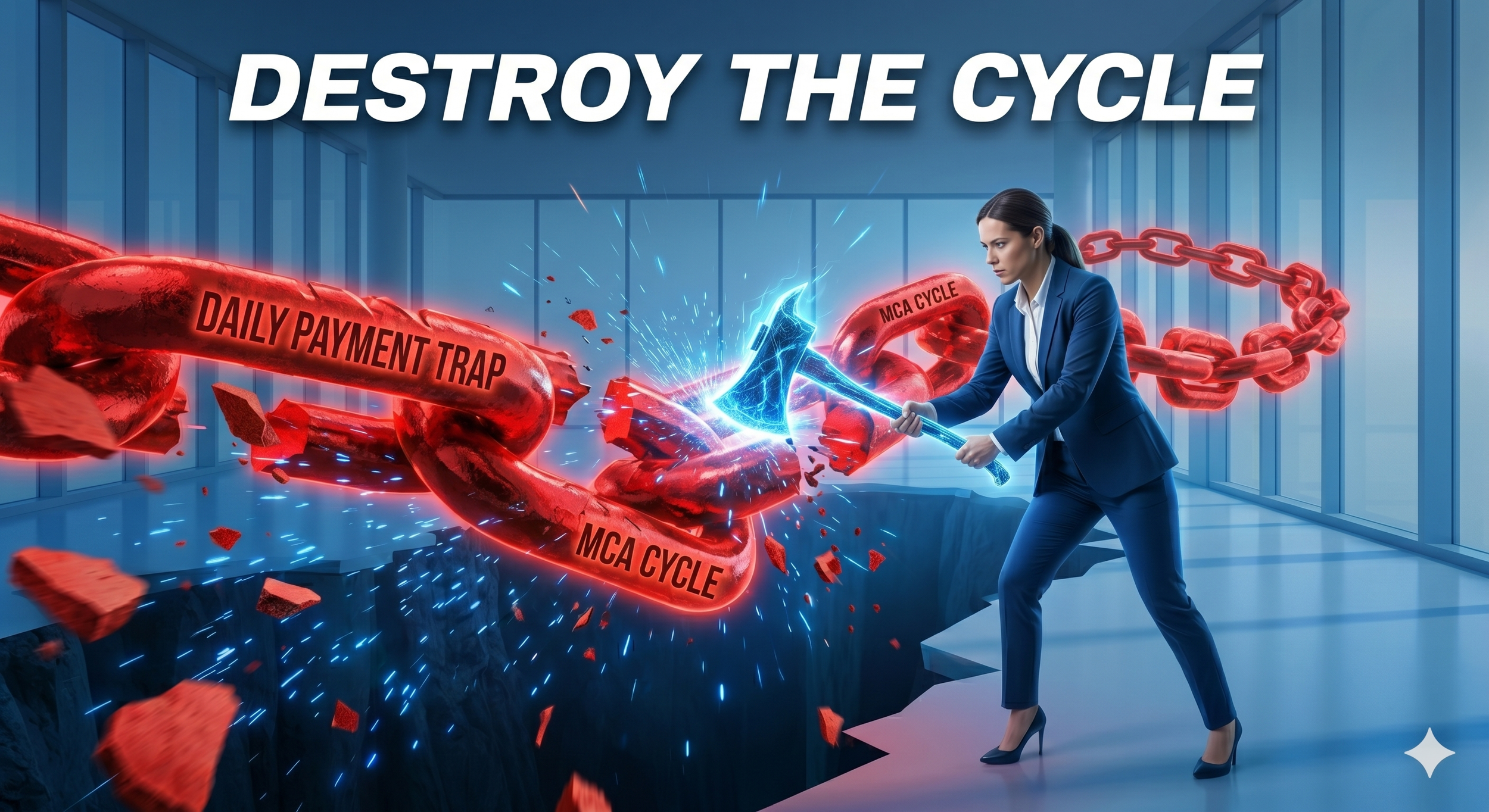
The cornerstone of this roadmap is the complete eradication of high-velocity, daily-payment debt from the business's capital structure. The path forward demands a strategic, relentless focus on transitioning to lower-cost, monthly-payment term loans. This transition is rarely easy and almost never immediate. It typically requires traversing a complex restructuring process, demonstrating a period of stabilized, transparent financials, and proving the fundamental underlying profitability of the business operations once the toxic debt service is removed.
However, securing long-term, amortizing capital is the only sustainable way to finance growth and protect the working capital liquidity necessary to weather future economic storms.
Reclaiming financial independence means fundamentally redefining the relationship between the small business and capital. The business owner must evolve from a desperate consumer of whatever funds are available to a sophisticated allocator of strategic capital. It means building robust cash reserves, establishing strong relationships with community banks and responsible lending partners before a crisis hits, and fiercely protecting the equity and cash flow of the enterprise.
The current reckoning is undoubtedly causing immense pain and forcing painful transformations. Yet, for those owners who possess the resilience to face the reality of their situation, the courage to implement radical transparency, and the discipline to execute a strategic reorganization, the other side of this crisis offers a stronger, more resilient, and truly independent enterprise, fundamentally prepared to thrive in the complex economy of the future.