With so many hats to wear, it's easy to focus on the most visible aspects of your business: increasing sales, marketing your products and keeping your customers happy. While these are all critically important, there is a silent, often invisible, force at play that can bring even the most promising enterprise to its knees: cash flow. It's the lifeblood of your business, the current that keeps everything moving. When that flow is disrupted, even by what seems like a minor issue, the consequences can be devastating.
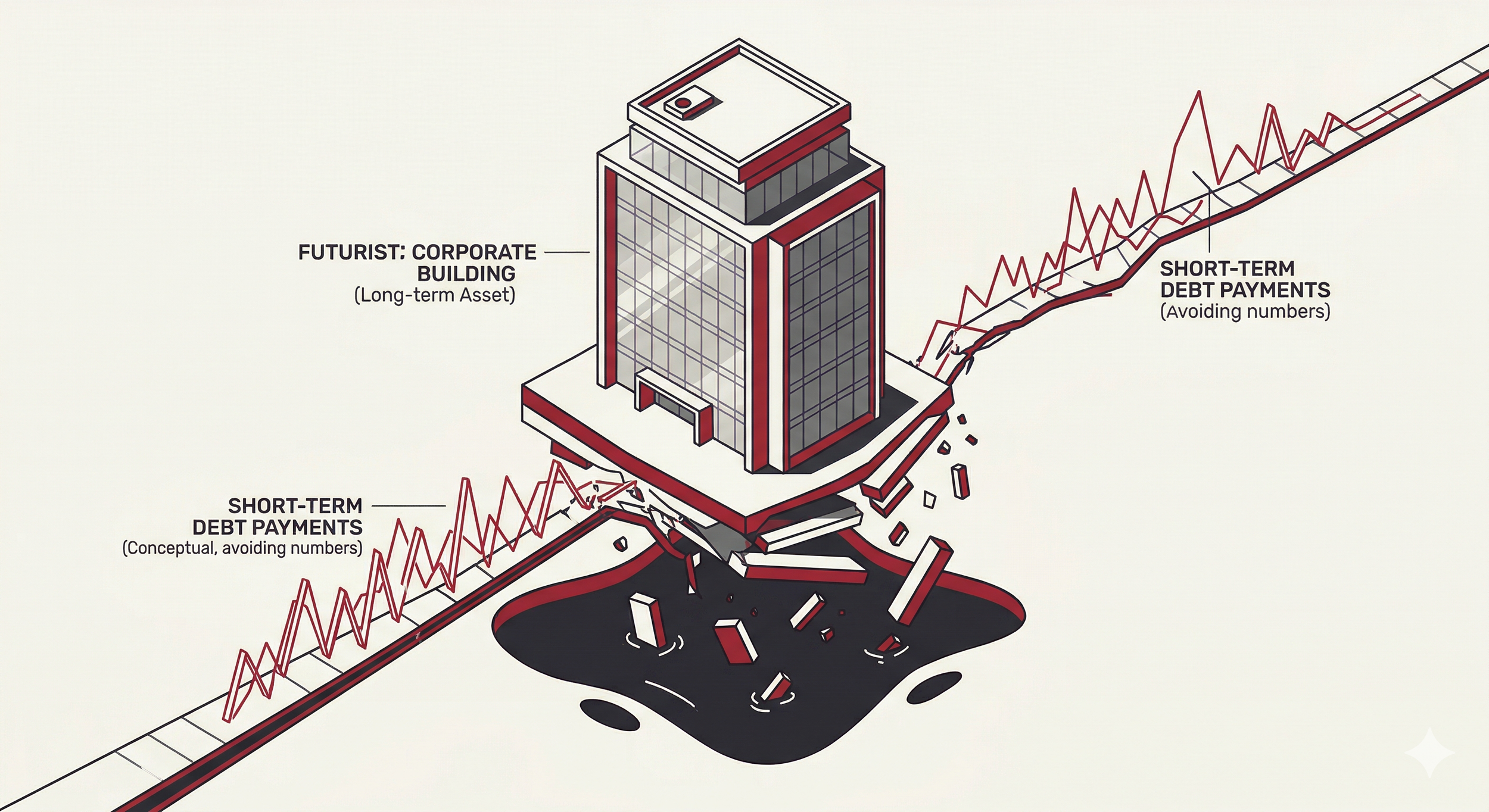
The metaphor of a plugged hole is particularly apt when discussing cash flow. A small leak in a dam, if ignored, doesn't stay small. The constant pressure of the water behind it will exploit the weakness, widening the gap until it becomes a catastrophic failure. Similarly, a small cash flow gap, a temporary shortfall where your expenses are due before your revenue arrives, can seem manageable at first. You might plug it with a credit card, a small loan or by delaying a payment.
But these are temporary fixes, "plugs" that don't address the underlying issue. The pressure of ongoing operational costs and unexpected expenses will continue to build. That small, seemingly insignificant gap, when repeatedly "plugged" with short-term, high-cost solutions, will inevitably grow larger, creating a cycle of debt and financial instability that becomes increasingly difficult to escape. This article is for the business owner who feels this pressure, who is tired of simply plugging holes and is ready to build a more resilient financial foundation for their business.
Understanding Cash Flow Gaps
At its core, a cash flow gap is a simple concept: it's the period of time between when you have to pay your bills and when you receive the cash from your sales. For example, you may have to pay your suppliers every 30 days and employees bi-weekly (or weekly), but your customers might take 60 or even 90 days to pay you. That 30-to-60-day gap is where businesses get into trouble. During that time, you have less cash on hand than you need to cover your immediate obligations. Your liquidity is low.
This isn't a profitability problem. You can have a very profitable business on paper, with signed contracts and a full order book, and still be forced to close your doors because you don't have the cash to pay your rent or meet your payroll. This is why cash flow is often called the "silent killer" of businesses. It's not the lack of good ideas or hard work that causes them to fail; it's the lack of available cash and overall liquidity.
Understanding the nature of your specific cash flow gaps is the first step toward managing them. Is your gap cyclical, occurring at the same time every year due to seasonal demand? Is it tied to the long payment terms of a few large clients? Or is it the result of rapid growth, where you are constantly investing in inventory and personnel before you've realized the revenue from your increased sales? Each of these scenarios requires a different strategy.
A seasonal business might need a line of credit to get through the slow months, while a business dealing with slow-paying clients might need to tighten its credit policies or offer discounts for early payment. The key is to move beyond simply knowing that you are short on cash and to start analyzing why and when you are short on cash. This requires a shift from a reactive to a proactive mindset and a commitment to understanding the financial mechanics of your business on a much deeper level.
The Downward Spiral, How Small Gaps Become Large Chasms
The danger of a “small” cash flow gap lies in its tendency to grow. It starts with a single, seemingly manageable event. A major client pays their invoice a week late. It’s an annoyance, but you cover the shortfall with your business credit card. You've plugged the hole. But the credit card has a high interest rate, and now you have a new expense to account for next month: the interest payment. The following month, another client is slow to pay, and a small, unexpected repair bill comes up. The initial gap is still there, and now you have new ones.
You take out a short-term online loan to cover everything. The interest rate on this loan is even higher than the credit card's. You've plugged the new holes, but you've also increased the size of your financial burden. The original small leak is now a significant crack.
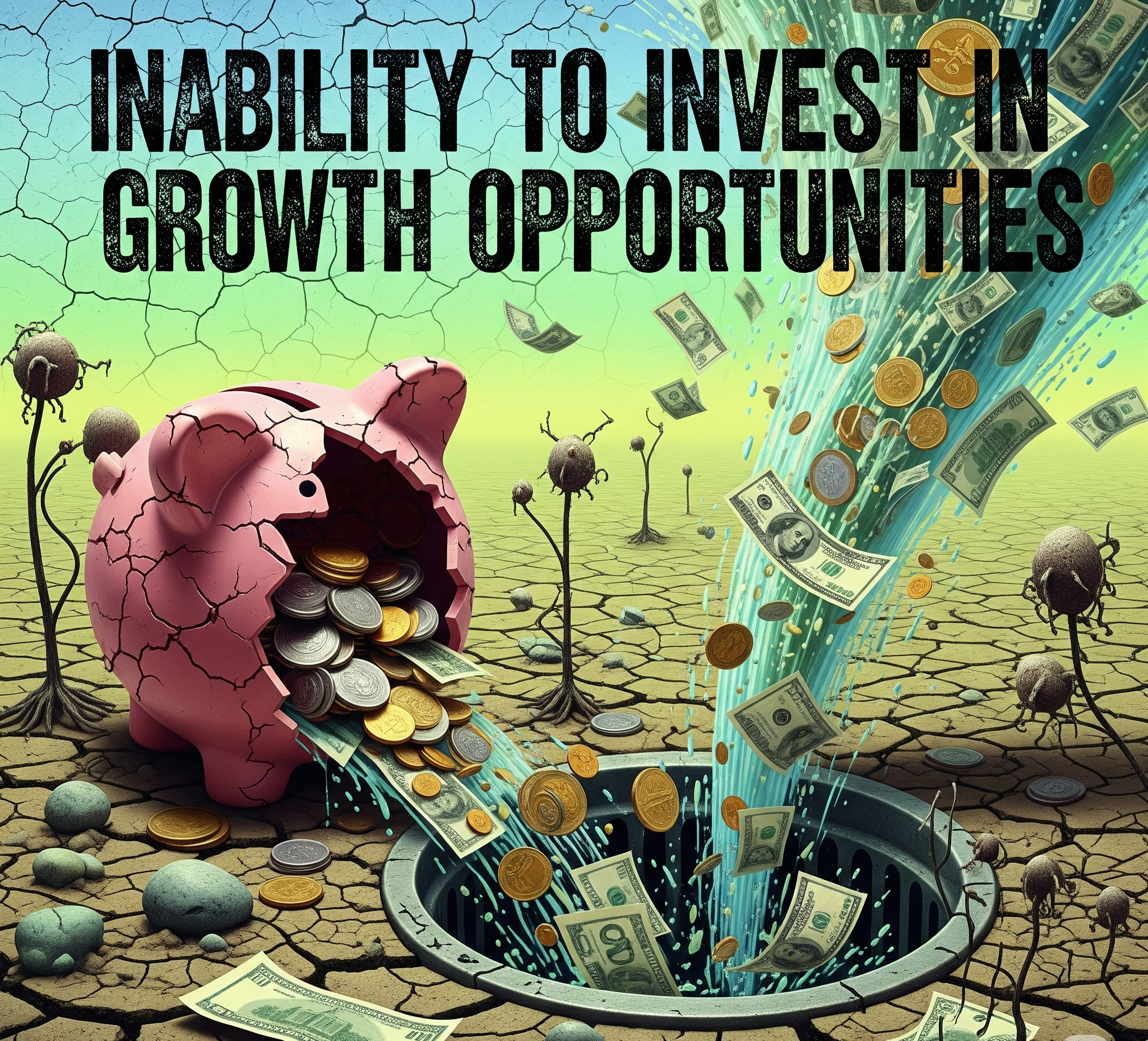
This is the downward spiral of a poorly managed cash flow gap. Each "plug" you use, if it's a form of business debt, adds a new layer of expense and complexity. The interest payments eat into your profit margins, making it harder to build up a cash reserve. The need to constantly seek out new sources of short-term funding distracts you from running your business. You start making decisions based not on what's best for your long-term growth, but on what will get you enough cash to survive the next 30 days.
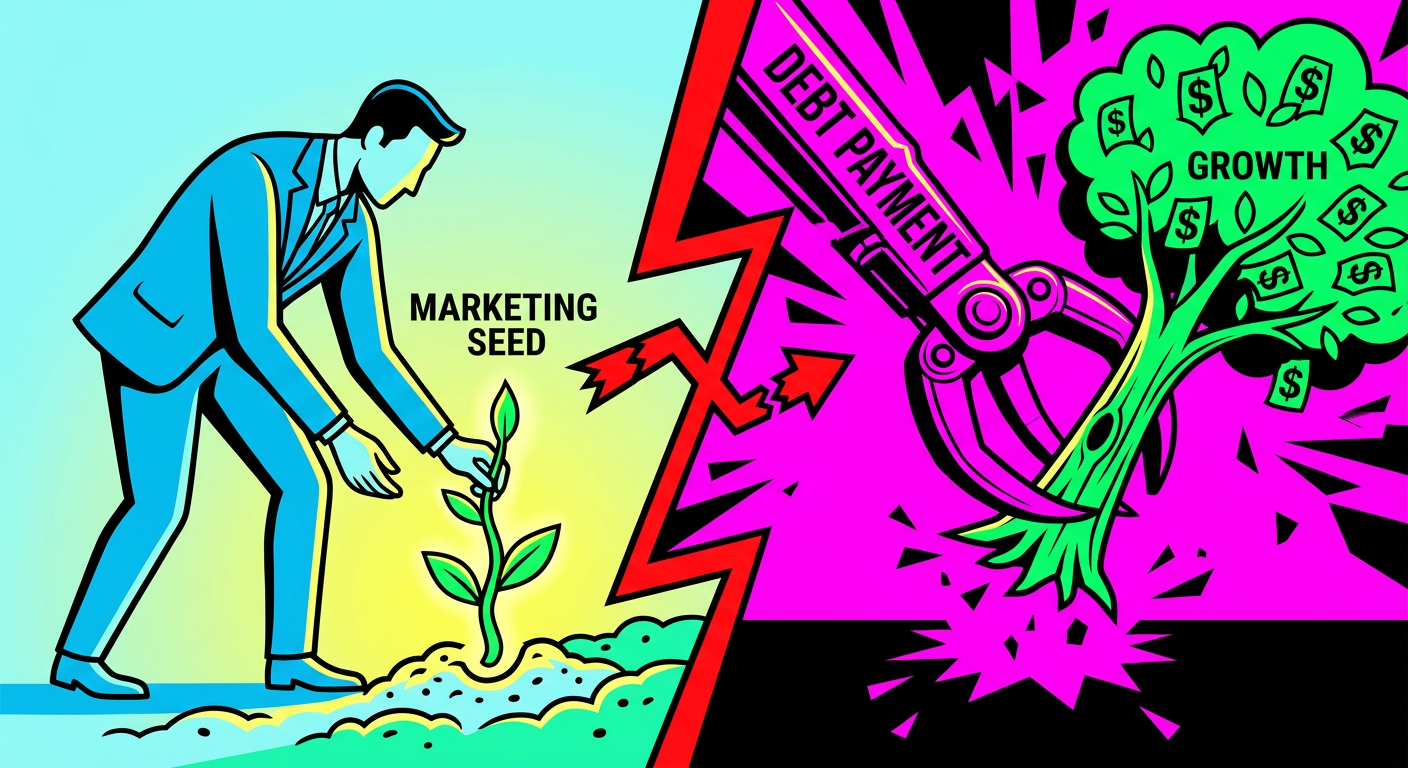
You might delay paying your own suppliers, which can damage your reputation and lead to them offering you less favorable terms in the future. You might cut back on marketing or product development, which will hurt your sales down the road. The problem is no longer just a timing issue; it's become a structural one. The "plugs" themselves have become the problem, turning what was once a small, manageable gap into a gaping chasm of debt and financial instability.
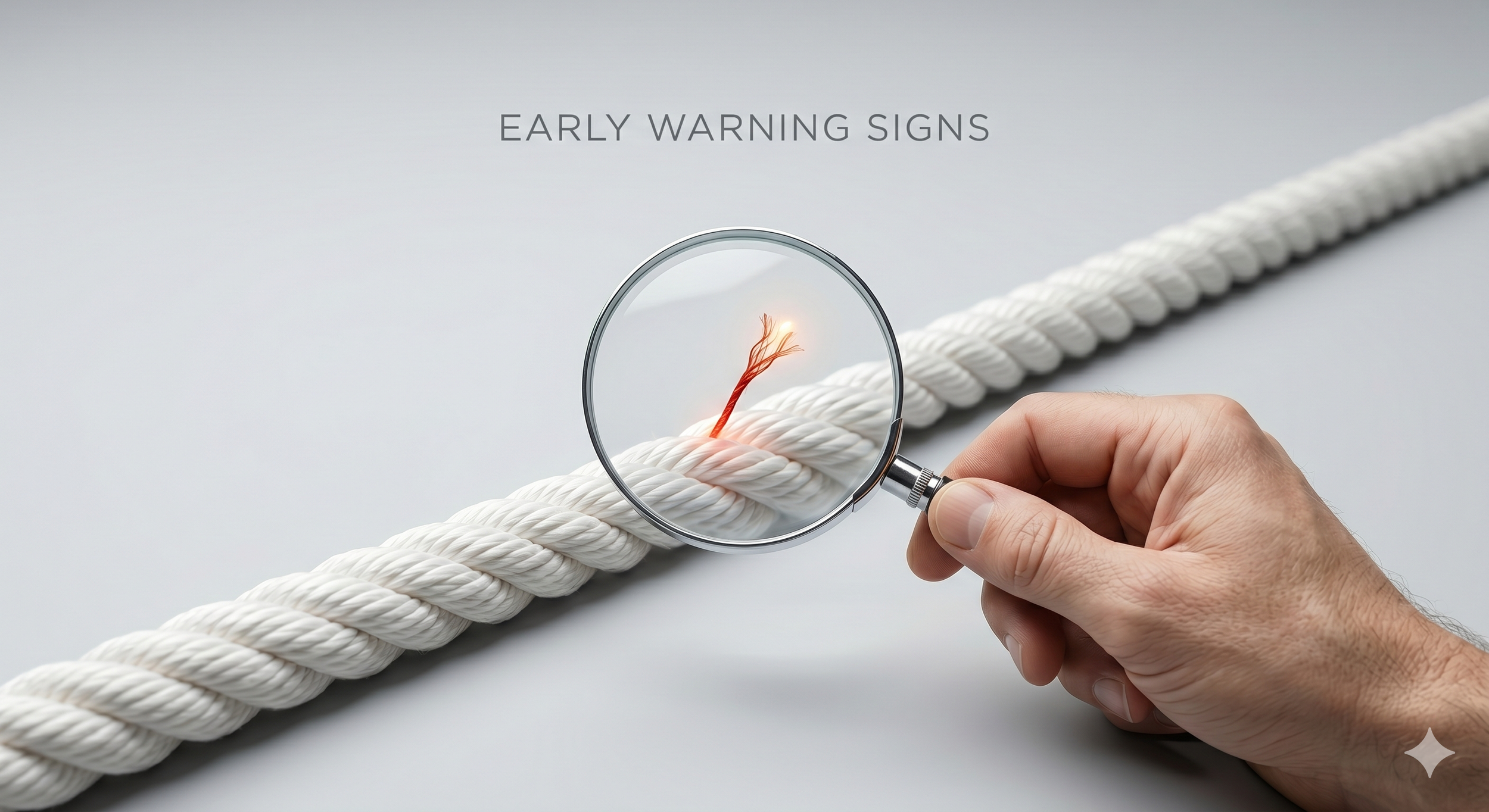
Early Warning Signs and Identifying Cash Flow Problems Before They Escalate
Like a physical illness, cash flow problems are much easier to treat when they are caught early. The challenge for many business owners is that they are so focused on sales and operations that they don't see the financial warning signs until they become a full-blown crisis. You wouldn't ignore a persistent cough, and you shouldn't ignore the financial equivalents in your business. One of the most obvious early warning signs is a growing reliance on credit cards or lines of credit to cover routine operating expenses. If you find yourself using debt to pay for things like rent, utilities, or payroll, that's a clear signal that your regular cash flow is insufficient. It's one thing to use credit for a strategic investment, but it's another thing entirely to use it for survival.
Another key indicator is the age of your accounts receivable. If you notice that your customers are taking longer and longer to pay, that's a direct hit to your cash flow. You need to track your Days Sales Outstanding (DSO) or the average number of days it takes for you to collect payment after a sale has been made. If that number is creeping up, you have a problem that needs to be addressed immediately.
Similarly, you should monitor your accounts payable. Are you consistently taking longer to pay your own bills? While it might seem like a good way to preserve cash, it can damage your relationships with your suppliers and may be a sign that you are living on "float" – cash that is technically already owed to someone else.
Other warning signs can be more subtle: declining profit margins, an inventory that is growing faster than your sales, or the constant feeling that you are "cash poor" despite being "profit rich." The key is to have financial monitoring systems in place that allow you to see these trends as they are developing, not six months after the fact.
The Band-Aid Fix and Why Quick Solutions Often Fail
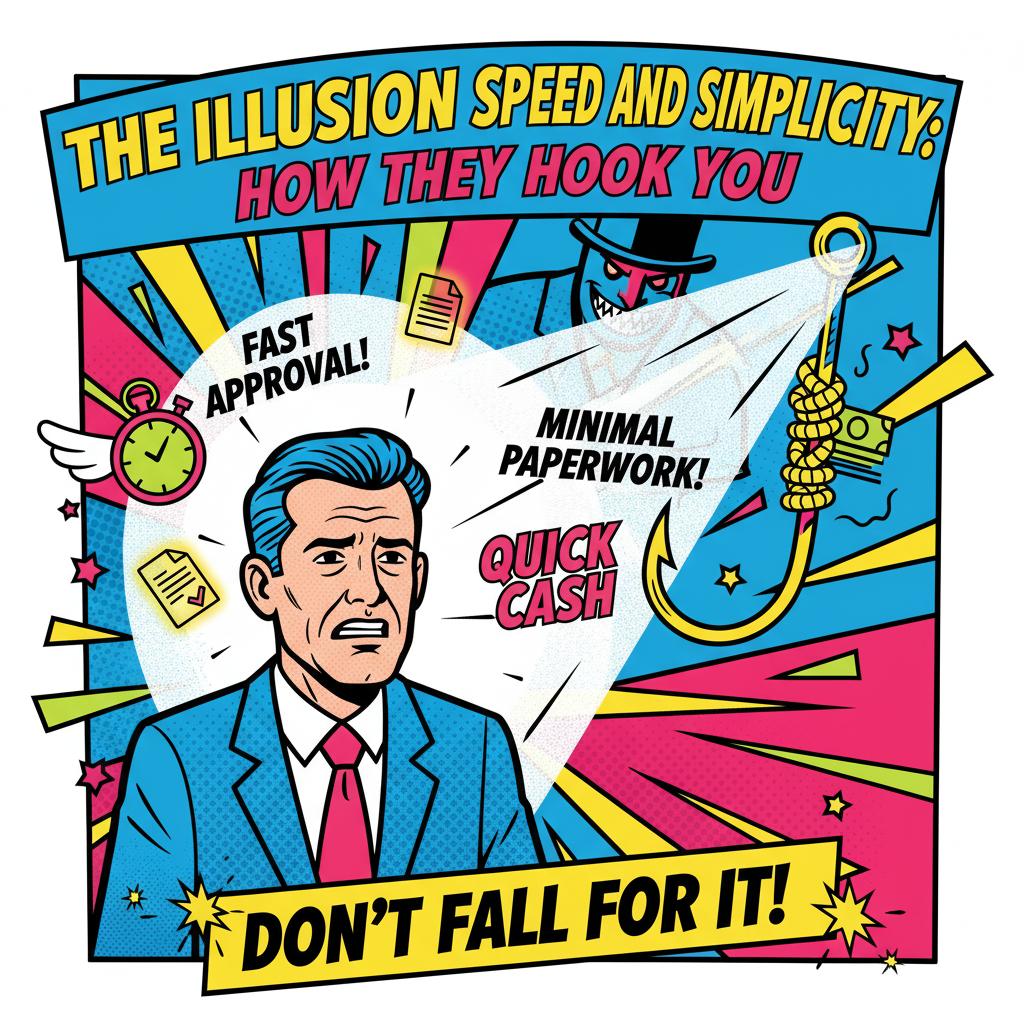
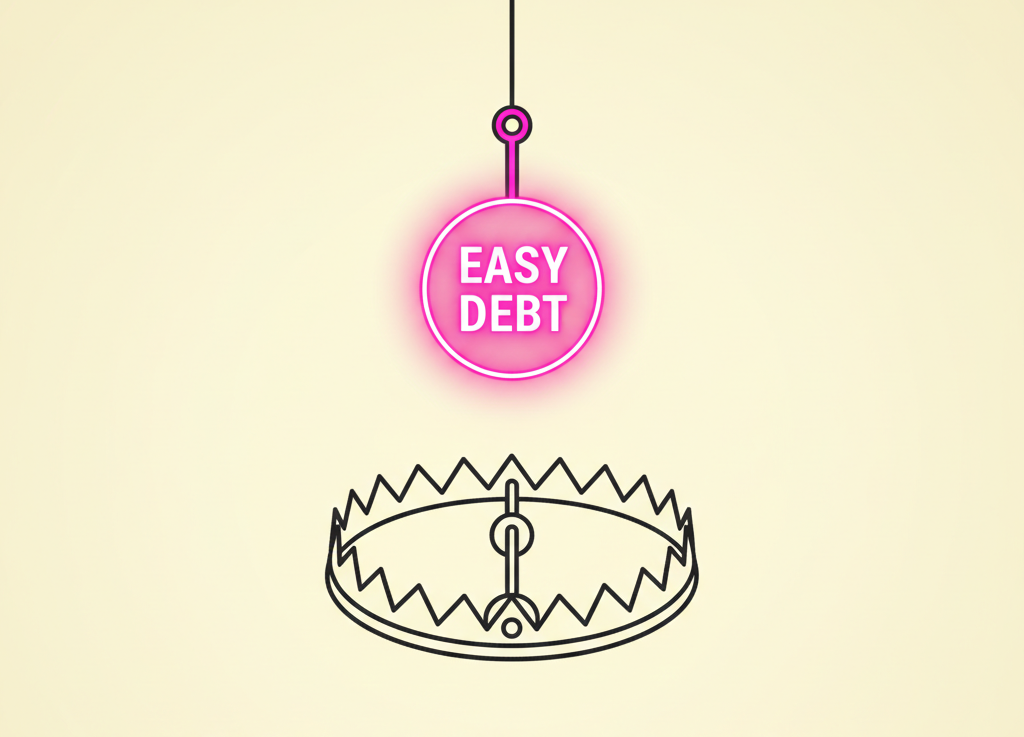
In the face of a sudden cash crunch, the temptation to reach for the quickest and easiest solution is immense. This is the realm of the "Band-Aid fix." It might be a high-interest online loan that promises cash in 24-48 hours, a merchant cash advance that gives you a lump sum in exchange for a percentage of your future sales, or simply maxing out your personal and business credit cards. These solutions are alluring because they are fast and they solve the immediate problem. The landlord gets paid, the payroll is met, and the crisis is averted – for now. But these Band-Aid fixes are not true solutions; they are temporary patches that often cause more long-term damage than the original wound.
The primary problem with these quick fixes is their cost. The convenience they offer comes at a steep price, usually in the form of exorbitant interest rates and fees. A merchant cash advance, for example, can have an effective annual percentage rate (APR) that runs into the triple digits. This isn't just a cost; it's a drain on your future profitability. A significant portion of your future revenue is now pre-committed to paying off this expensive debt, leaving you with even less cash to run your business.
Furthermore, these Band-Aid fixes do nothing to address the root cause of the cash flow problem. They don't help you collect your receivables faster, they don't help you manage your inventory better, and they don't help you control your expenses. They simply kick the can down the road, making it more likely that you will find yourself in the same, or an even worse, position in a few months' time. They create a cycle of dependency, where the business lurches from one funding crisis to the next, never achieving true financial stability.
Proactive vs. Reactive, Shifting Your Cash Flow Mindset
For many business owners, managing finances is a reactive process. They react to bills as they come due, they react to late payments from customers, and they react to unexpected expenses. This reactive approach is stressful and, ultimately, unsustainable. It's the equivalent of trying to navigate a ship through a storm by only looking at the waves crashing over the bow. To truly gain control of your business's finances, you need to shift to a proactive mindset. This means looking ahead, anticipating potential problems, and having a plan in place to deal with them before they become crises. It's about becoming the captain who is watching the weather forecast, checking the charts, and making small course corrections long before the storm hits.
The cornerstone of a proactive cash flow mindset is the cash flow projection. This is a forward-looking document that estimates the cash that will be coming into and out of your business over a specific period, typically the next 13 weeks. It's not the same as a profit and loss statement, which can include non-cash items like depreciation. A cash flow projection is all about the actual movement of cash. It forces you to think critically about when your customers will actually pay you, not just when the invoice is due. It forces you to plan for large, irregular expenses like taxes, insurance premiums, or equipment purchases.
By building and regularly updating a cash flow projection, you can see potential shortfalls weeks or even months in advance. This gives you time to act. You can ramp up your collection efforts, you can arrange for a line of credit on favorable terms, or you can delay a non-essential purchase. The proactive approach takes the surprise out of cash flow management and puts you back in control of your financial destiny.
Building a Cash Reserve as Your Business's Financial Safety Net
One of the most important steps you can take to protect your business from the dangers of cash flow gaps is to build a cash reserve. This is a pool of money, set aside in a separate, easily accessible account, that is to be used only for emergencies. Think of it as your business's financial safety net. It's there to catch you when you have an unexpected expense, like a major equipment failure, or a sudden drop in revenue, like the loss of a large client.
Without a cash reserve, these events can trigger a full-blown crisis, forcing you to scramble for expensive, last-minute financing. With a cash reserve, they are merely bumps in the road, manageable challenges that you have the resources to overcome.
How large should your cash reserve be? A common rule of thumb is to have enough cash to cover three to six months of essential operating expenses. This includes things like rent, utilities, payroll, and any other costs you would have to pay even if you had zero revenue. For some businesses, this number might seem intimidatingly large. The key is to start small and be consistent. Commit to setting aside a certain percentage of your profits each month, or a small, fixed amount each week. The important thing is to get started and to treat your cash reserve as a non-negotiable expense. It's a payment you make to your future self, an investment in the long-term resilience of your business. Having this cushion will not only help you weather financial storms, but it will also give you a tremendous sense of security and peace of mind, allowing you to make better, more strategic decisions for your business.
Cutting Costs Without Stifling Growth
When cash gets tight, the first instinct is often to slash and burn – to cut any and all expenses in a desperate attempt to conserve cash. While expense management is a crucial part of a healthy cash flow strategy, a thoughtless, across-the-board approach can be counterproductive. Cutting your marketing budget, for example, might save you cash in the short term, but it will almost certainly lead to a decline in sales and cash flow in the long term. The goal is not simply to cut costs, but to manage them strategically. It's about distinguishing between the "fat" and the "muscle" in your budget – between the expenses that are truly non-essential and the ones that are critical for your long-term growth and success.
Start by conducting a thorough review of all your expenses. Categorize them into "essential" and "non-essential." Essential expenses are those that are absolutely necessary for you to run your business, like rent, payroll and the cost of goods sold. Non-essential expenses are the things like subscriptions you don't use, overly lavish travel and entertainment costs, or inefficient processes that are wasting time and money.
Look for opportunities to reduce or eliminate these non-essential costs. Can you negotiate better terms with your suppliers? Are there less expensive software alternatives that can do the same job? Are you paying for services that your team is no longer using? Even small savings, when applied consistently across multiple categories, can add up to a significant improvement in your cash flow. The key is to make this a regular, ongoing process, not a one-time, panicked reaction to a crisis.
Optimizing Your Invoicing and Collections Process
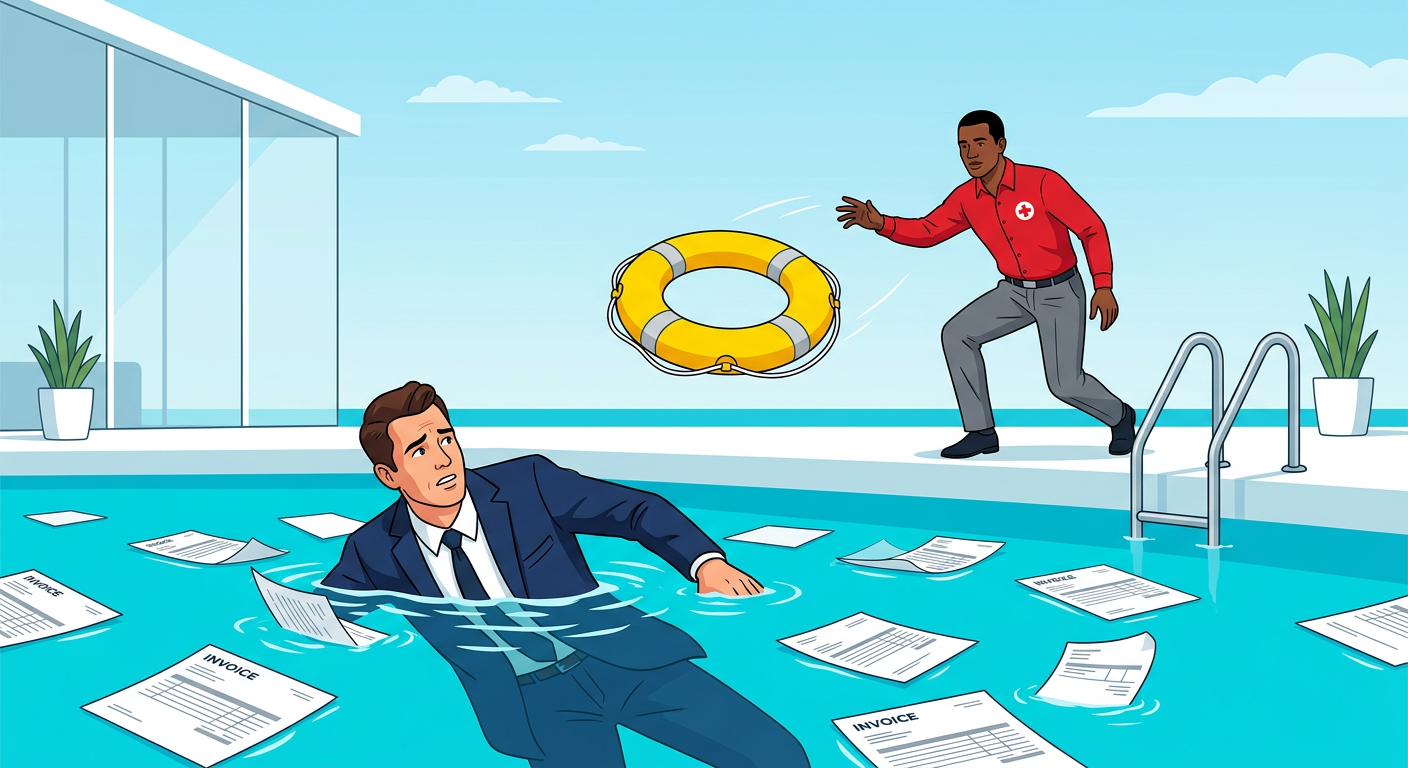
For many businesses, the biggest source of cash flow problems is not a lack of sales, but a failure to get paid for those sales in a timely manner. An invoice that is sitting in a client's inbox is not cash in your bank account. Optimizing your invoicing and collections process is one of the most direct and effective ways to improve your cash flow. It starts with the invoice itself. Is it clear, professional, and easy to understand? Does it include all the information the client needs to process the payment, including a clear due date and instructions on how to pay? You should also make it as easy as possible for your customers to pay you. Offer multiple payment options, including online payments via credit card or ACH transfer. The fewer barriers there are to payment, the faster you will get your cash.
The second part of the equation is the collections process. This is not about harassing your customers; it's about professional, persistent follow-up. You should have a clear, documented process for what happens when an invoice becomes overdue. This might start with an automated email reminder a few days before the due date, followed by a more personal email a few days after. If the invoice is still unpaid after a week or two, a phone call may be necessary. The key is to be consistent and to follow up on every overdue invoice, regardless of the amount. By demonstrating that you are serious about getting paid on time, you will train your customers to prioritize your invoices. You might also consider offering a small discount for early payment or charging a late fee for overdue invoices. These policies, when clearly communicated upfront, can provide a powerful incentive for prompt payment.
leveraging Technology for Better Cash Flow Management
In today's digital world, there is no reason to be managing your business's finances with a shoebox full of receipts and a manual spreadsheet. There is a vast array of affordable, user-friendly technology available that can automate and streamline almost every aspect of your financial management, giving you a clearer and more up-to-date picture of your cash flow. Cloud-based accounting software, for example, can automatically import your bank and credit card transactions, making it easy to categorize your income and expenses. It can also help you generate professional invoices, track their status, and send automated payment reminders. This not only saves you a tremendous amount of time but also dramatically reduces the risk of human error.
Beyond accounting software, there are specialized tools that can help you with cash flow forecasting. These applications can sync with your accounting software and use your historical data to create sophisticated, forward-looking cash flow projections. They allow you to run "what-if" scenarios, such as "What happens to my cash flow if I hire a new employee?" or "What if my biggest client pays me 30 days late?" This ability to model the future impact of your decisions is incredibly powerful and is a cornerstone of proactive financial management. By leveraging these and other technologies, you can move from a position of constantly reacting to financial surprises to one of informed, data-driven decision-making, giving you a significant competitive advantage and a much more stable financial foundation.
Seeking Professional Guidance, When and How to Get Help
As a business owner, it's easy to fall into the trap of thinking that you have to do everything yourself. But when it comes to the financial health of your business, trying to be a lone wolf can be a costly mistake. There are times when you need to bring in outside expertise. Just as you would see a doctor for a medical issue, you should not hesitate to consult with a financial professional when you are facing a cash flow challenge. These professionals, whether they are a fractional CFO or a business financial advisor, can bring a level of experience and objectivity that is often difficult to achieve on your own. They have seen the same challenges you are facing in dozens, if not hundreds, of other businesses, and they know what works and what doesn't.
A good business financial advisor can help you in a number of ways. They can help you set up the proper systems for monitoring your cash flow, including creating and maintaining a detailed cash flow projection. They can analyze your financial statements to identify the root causes of your cash flow problems and help you develop a plan to address them. They can also assist you in securing the right kind of financing for your business – not the expensive, Band-Aid fixes, but the strategic, long-term funding that will support your growth. The key is to seek this guidance before you are in a full-blown crisis.
The best time to find a good financial partner is when you don't desperately need one. By building a relationship with a trusted advisor, you can ensure that you have the expertise and support you need to navigate the inevitable financial challenges of entrepreneurship and to build a business that is not just profitable, but also resilient and sustainable.
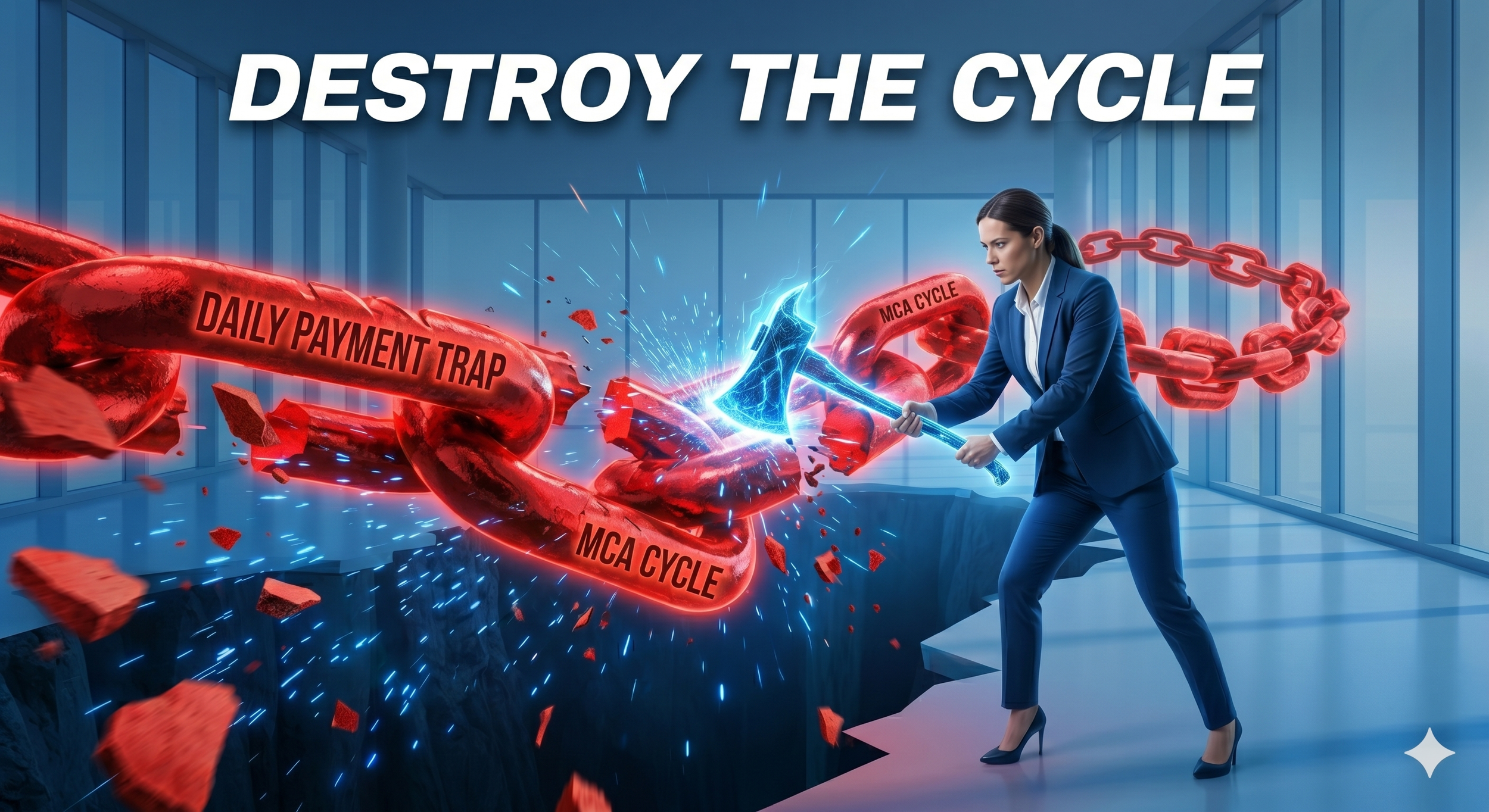
What is the Best Way to Fix Business Debt that is causing Business Cash Flow issues?
It is NOT by stopping ACH payments.
It is NOT by taking on another business loan.
It is NOT ALWAYS a Refinancing
It is NOT by entering into a debt settlement program.
Find out the BEST strategies to get your Business back to where it was