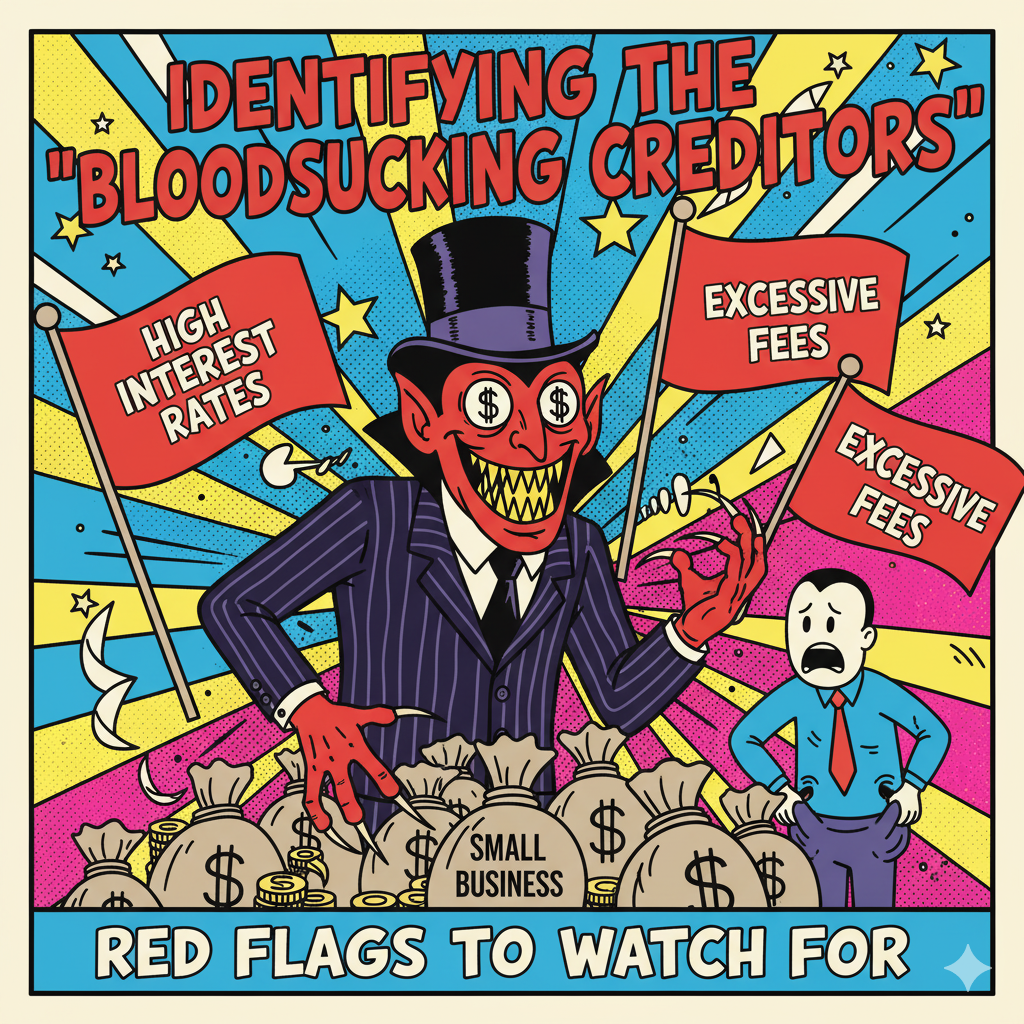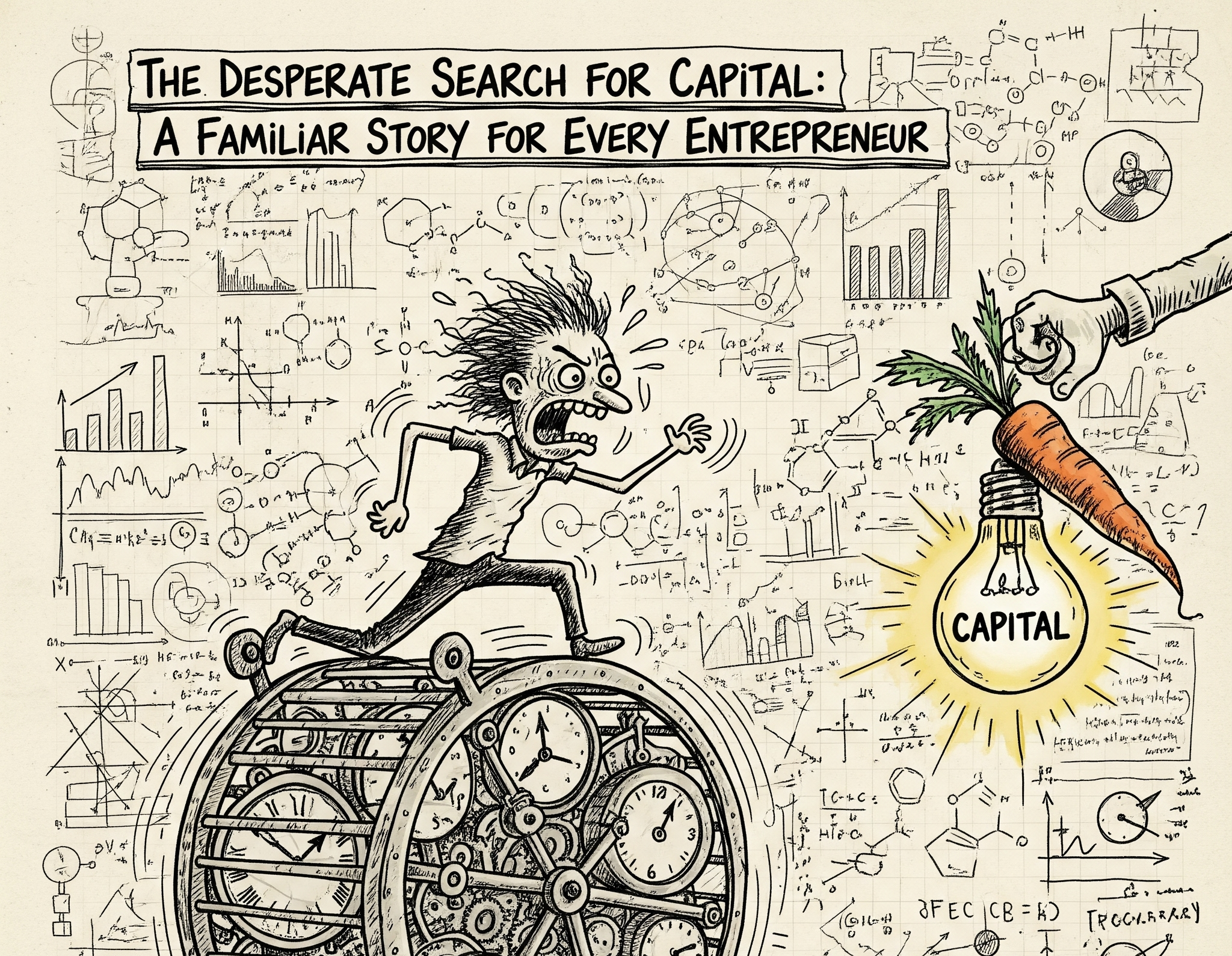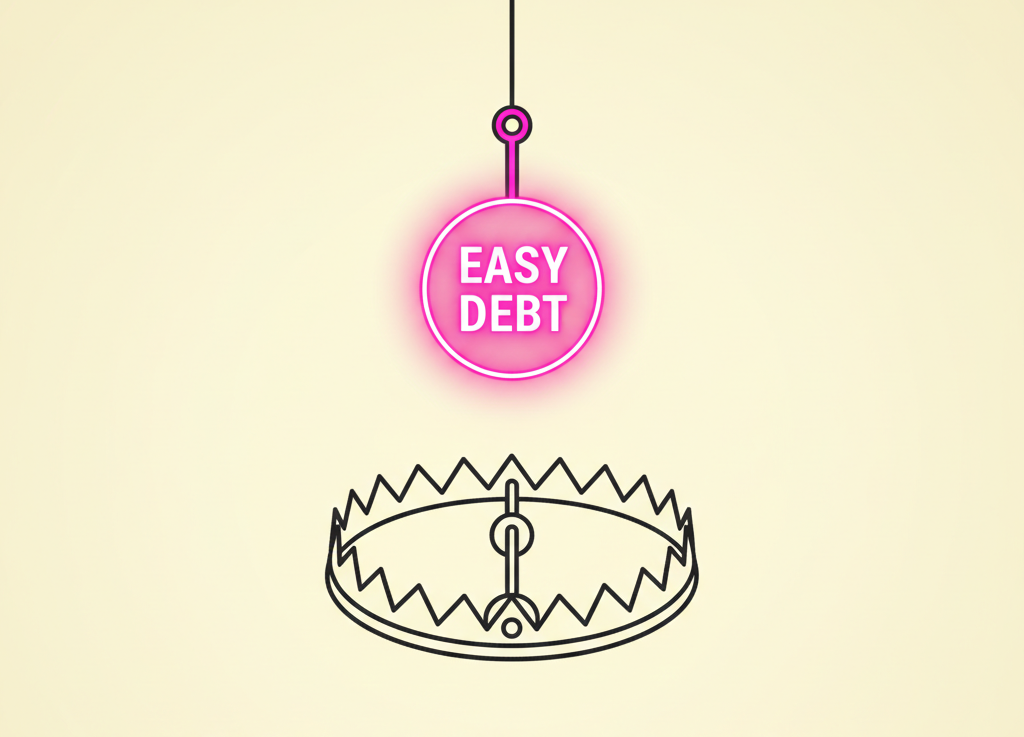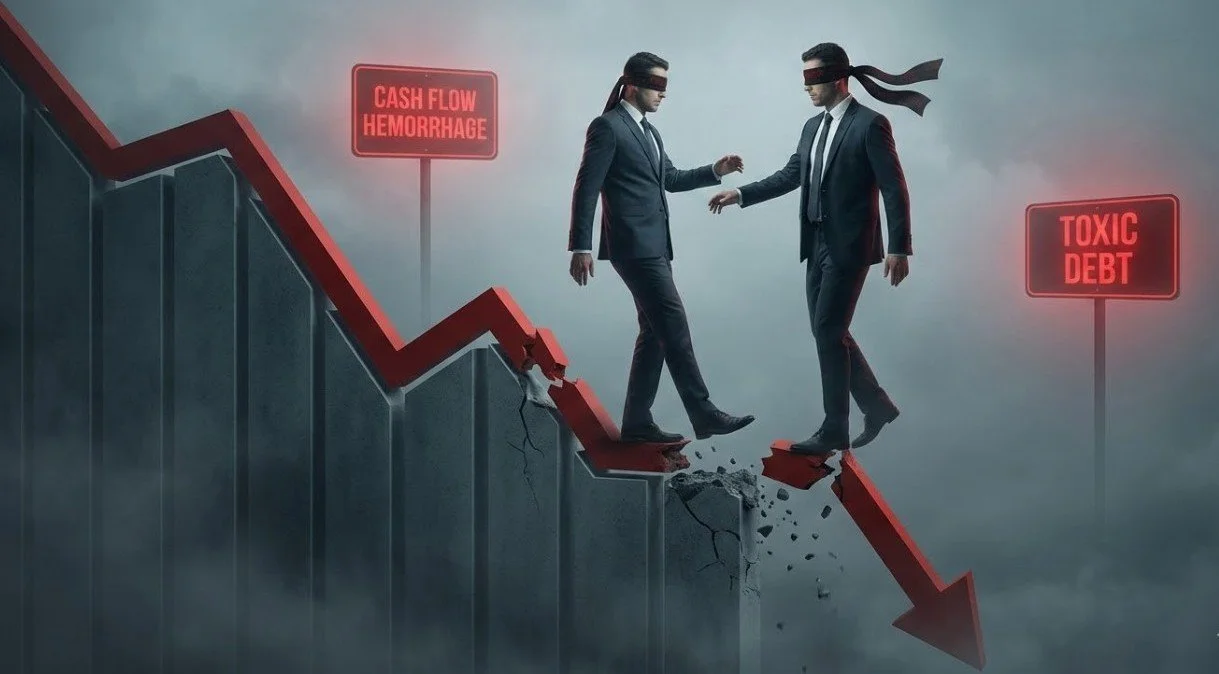
For many business owners, the pursuit of growth and the need to manage day-to-day operational expenses can lead down a perilous financial path. In an environment where traditional bank loans are increasingly difficult to secure, alternative financing options have surged in popularity. These alternatives, often promising quick access to capital with minimal paperwork, can seem like a lifeline.
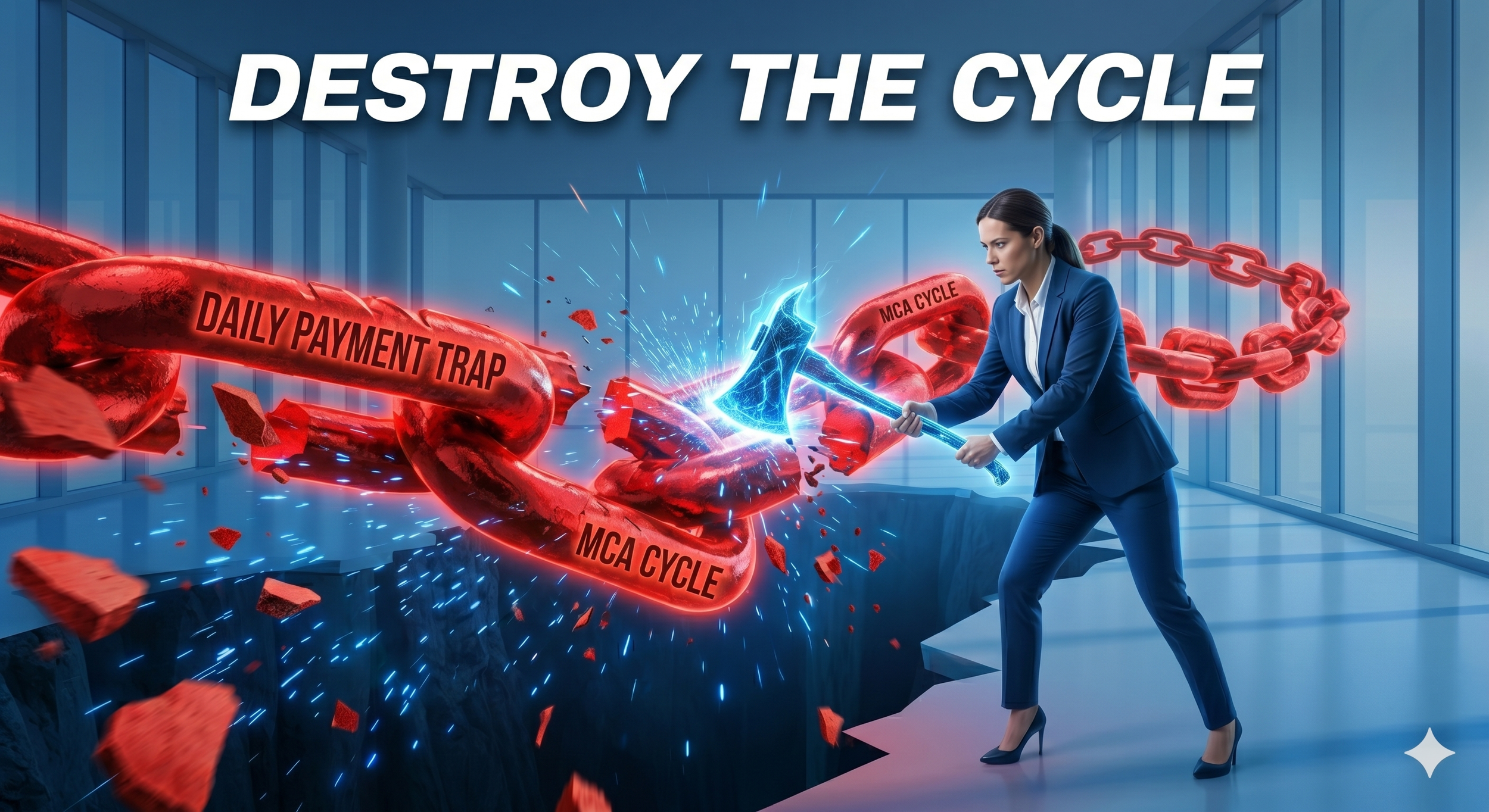
However, many of these financial products come with a hidden and often fatal flaw: aggressive repayment schedules, typically in the form of weekly or even daily withdrawals from a business’s bank account. This relentless and frequent siphoning of cash can trigger a devastating cycle of liquidity erosion, slowly starving a business of the very lifeblood it needs to survive.
This article delves into the insidious nature of high-frequency debt repayments and their catastrophic impact on a business's financial health. We will explore how what starts as a seemingly manageable solution can quickly devolve into a "death spiral" of cash flow shortages, operational compromises, and ultimately, business failure. This is not a theoretical discussion; it is a harsh reality for countless entrepreneurs who have watched their dreams crumble under the weight of an unsustainable business debt burden. By understanding the mechanics of this silent killer, business owners can learn to identify the warning signs, navigate the treacherous waters of alternative lending and implement strategies to protect their enterprises from financial ruin.
We will dissect the journey from the initial allure of easy money to the final, painful stages of insolvency. We will cover the psychological toll this process takes on entrepreneurs, the critical early warning signs that are often missed and the potential strategies for pulling a business back from the brink. The goal is to provide a comprehensive guide for any business owner who is feeling the squeeze of business debt repayment, offering not just a diagnosis of the problem, but also a roadmap toward recovery and the foundation for building a more financially resilient and sustainable business for the future.
Understanding Modern Business Debt
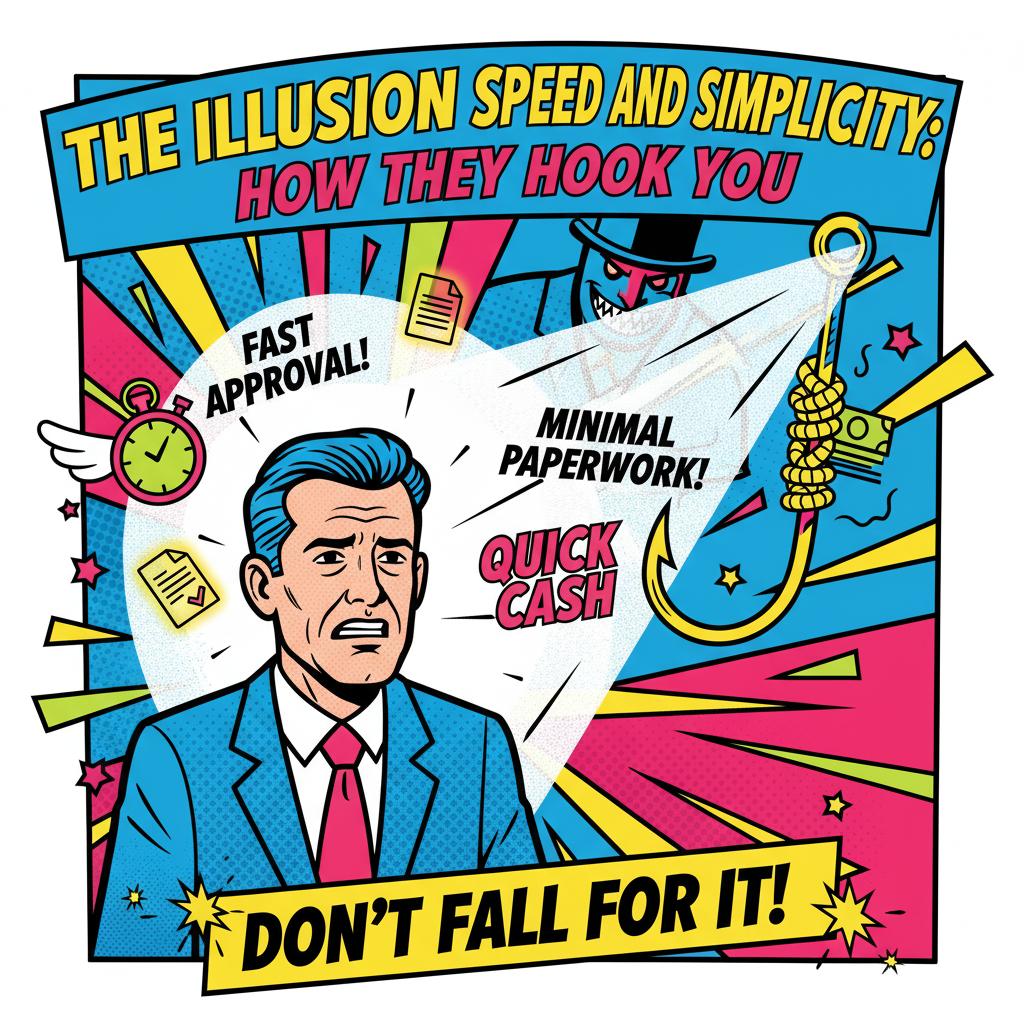
In today's fast-paced business world, the need for immediate capital can be overwhelming. Whether it's to seize a sudden growth opportunity, cover an unexpected shortfall in payroll, or simply manage the day-to-day ebb and flow of cash, access to quick funding is often seen as a critical component of entrepreneurial agility. This is where alternative lending, particularly products like short-term, high cost business financing products like Merchant Cash Advances (MCAs), enters the picture. Unlike traditional bank loans that involve a lengthy and often arduous application process, MCAs and similar short-term loans offer the promise of cash in hand within days, sometimes even hours.
The sales pitch is intoxicatingly simple: "You need money? We can get it to you. Fast." This message resonates deeply with business owners who are time-poor and under immense pressure to keep their operations running smoothly. The typical requirements are minimal—a few months of bank statements and credit card processing receipts are often enough to secure tens or even hundreds of thousands of dollars. There are no lengthy business plans to write, no personal assets to pledge as collateral, and no intimidating meetings with loan committees.
For a stressed and overworked entrepreneur, this path of least resistance is incredibly appealing. It feels less like taking on business debt and more like unlocking a future revenue stream. The lenders often frame these transactions not as loans, but as a "purchase of future sales," a semantic sleight of hand that can make the arrangement feel less risky and more like a partnership. This psychological framing is a powerful tool, as it can lull a business owner into a false sense of security, making them overlook the true cost and the unforgiving nature of the repayment terms that lie hidden in the fine print.
The Weekly Repayment Trap
The core of the problem with many of these alternative financing products lies in their aggressive and inflexible repayment structures. Instead of a traditional monthly payment, these lenders typically require daily or weekly remittances. This is often executed through an automated clearing house (ACH) withdrawal directly from the business's bank account. On the surface, this might seem like a minor difference. Some might even argue that smaller, more frequent payments are easier to manage than a large monthly sum. However, this is a dangerous misconception.
The relentless, high-frequency nature of these payments fundamentally alters a business's cash flow dynamics. A monthly payment allows a business 30-days to manage its revenue and expenses, to build up a cash reserve, and to strategically time its outflows. A weekly payment cycle, however, offers no such breathing room. The business is on a constant, seven-day treadmill, with a significant chunk of its revenue being siphoned off before it can even be properly allocated.
This is particularly damaging for businesses with cyclical or irregular sales patterns. A slow week in sales doesn't stop the ACH withdrawal. A delayed payment from a major client doesn't pause the lender's claim on your account. The withdrawals are automatic and unforgiving. This creates a state of perpetual cash flow anxiety. Instead of focusing on growth and strategy, the business owner becomes consumed with a single, desperate question each week: "Will there be enough in the account to cover the payment?" This is the weekly repayment trap, and once a business is caught in it, it is incredibly difficult to escape.
How Business Liquidity Erosion Begins
The initial impact of weekly business debt payments might seem manageable. A business might tighten its belt, delay a few vendor payments, or cut back on some non-essential spending. However, this is just the beginning of a far more destructive process: liquidity erosion.
Liquidity, the ability of a business to meet its short-term financial obligations, is the lifeblood of any enterprise. When weekly business debt payments begin to consistently drain cash reserves, the first domino falls. The business owner might start by paying suppliers a few days late. This might not seem like a big deal at first, but it can quickly damage long-standing relationships and lead to less favorable credit terms in the future.
As the cash crunch intensifies, the owner might be forced to make more difficult choices. Perhaps they start drawing down on their personal savings or use credit cards for other expenses to meet payroll obligations, blurring the lines between their business and personal finances. This is a classic sign of a business in distress, and it's a slippery slope.
Next, the business might start to offer steep discounts to customers to generate quick cash. This can devalue the brand and attract bargain-hunting customers who are unlikely to become loyal, long-term patrons. The need for immediate cash begins to dictate business strategy, rather than a long-term vision for growth and profitability. Each of these decisions, born out of the desperation caused by a lack of liquidity, pushes the next domino, creating a chain reaction that can be impossible to stop.
When Business Debt Servicing Cannibalizes Operations
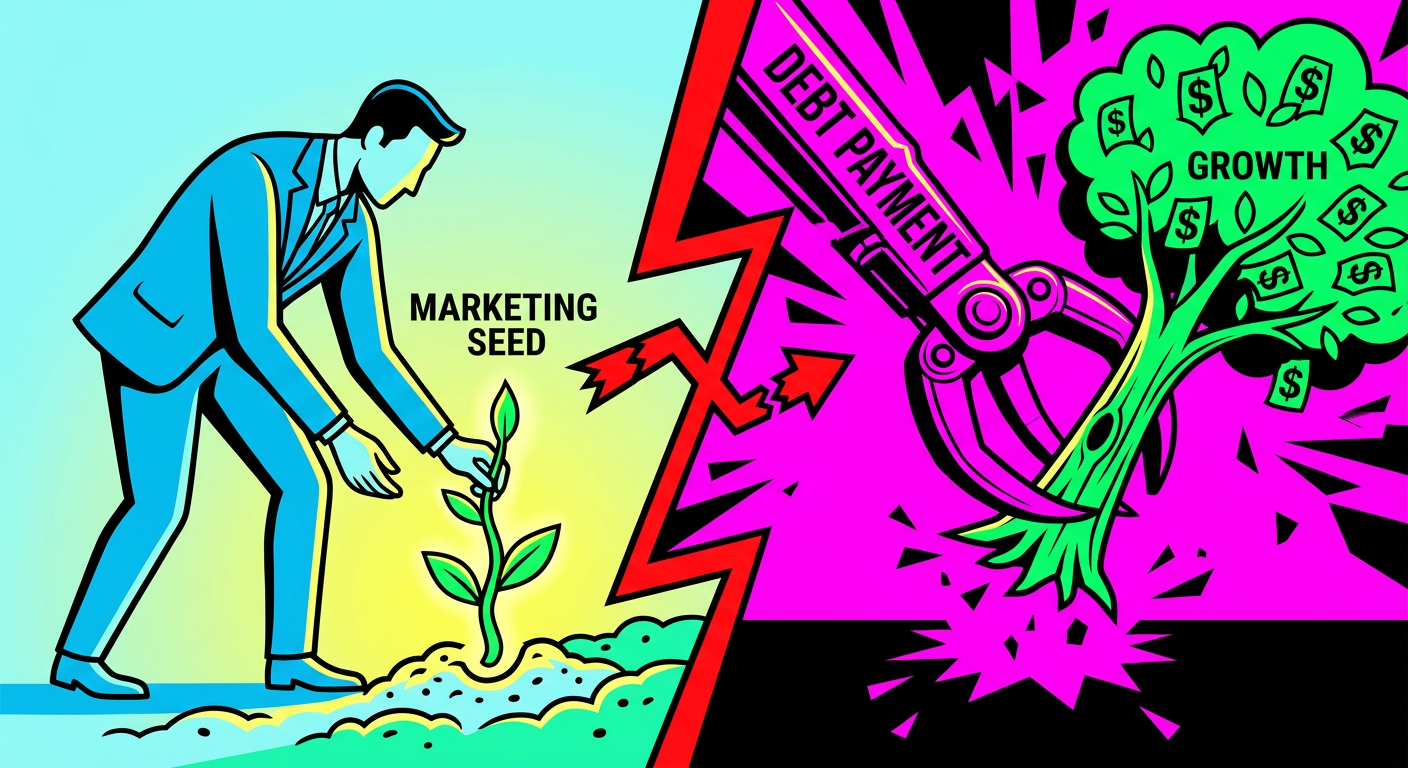
As the cycle of weekly payments continues, a business enters a new and even more dangerous phase. The business debt is no longer just a financial obligation; it becomes a voracious parasite, consuming an ever-larger share of the company's resources. This is the stage where business debt servicing begins to actively cannibalize the core operations of the business.
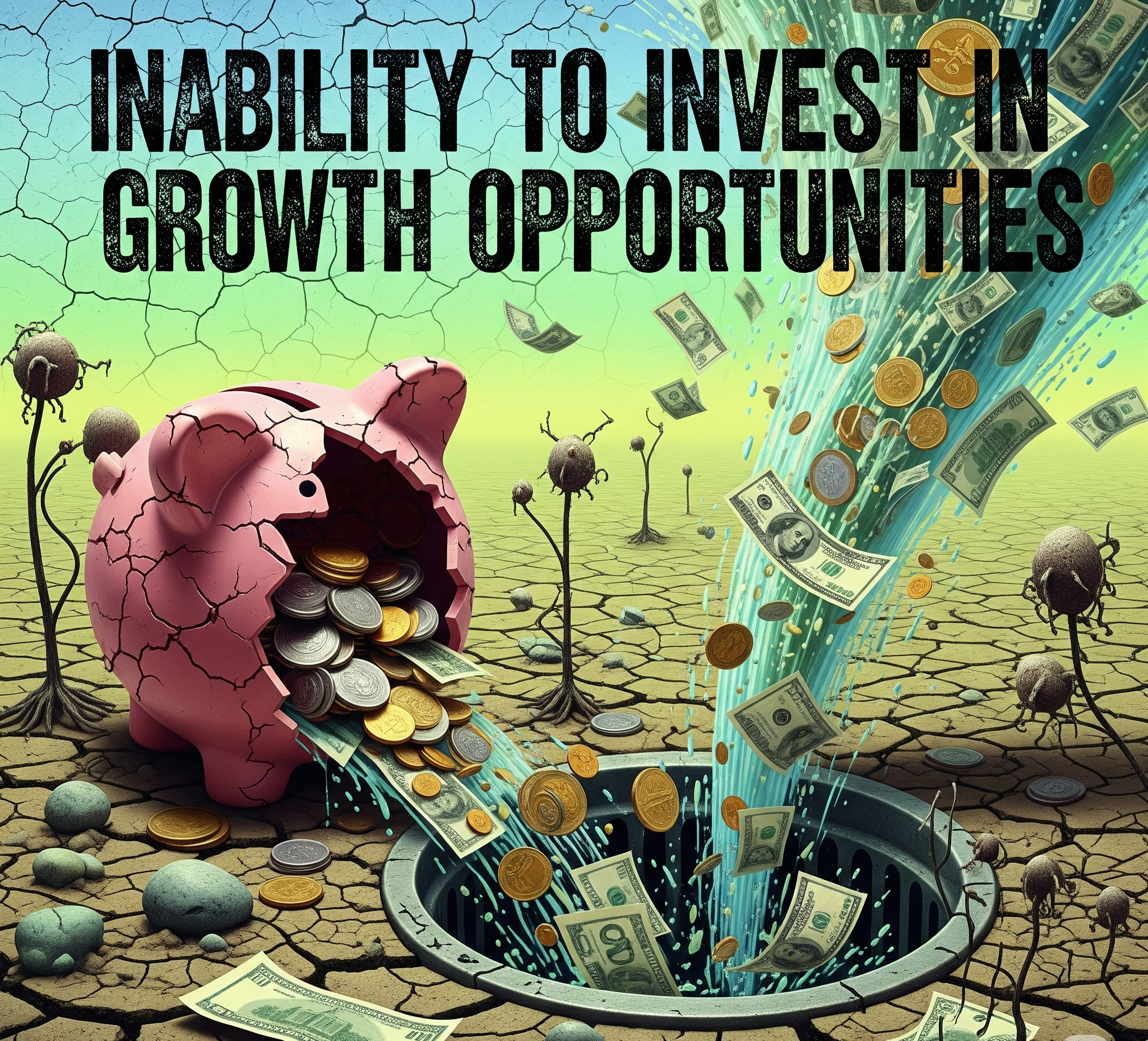
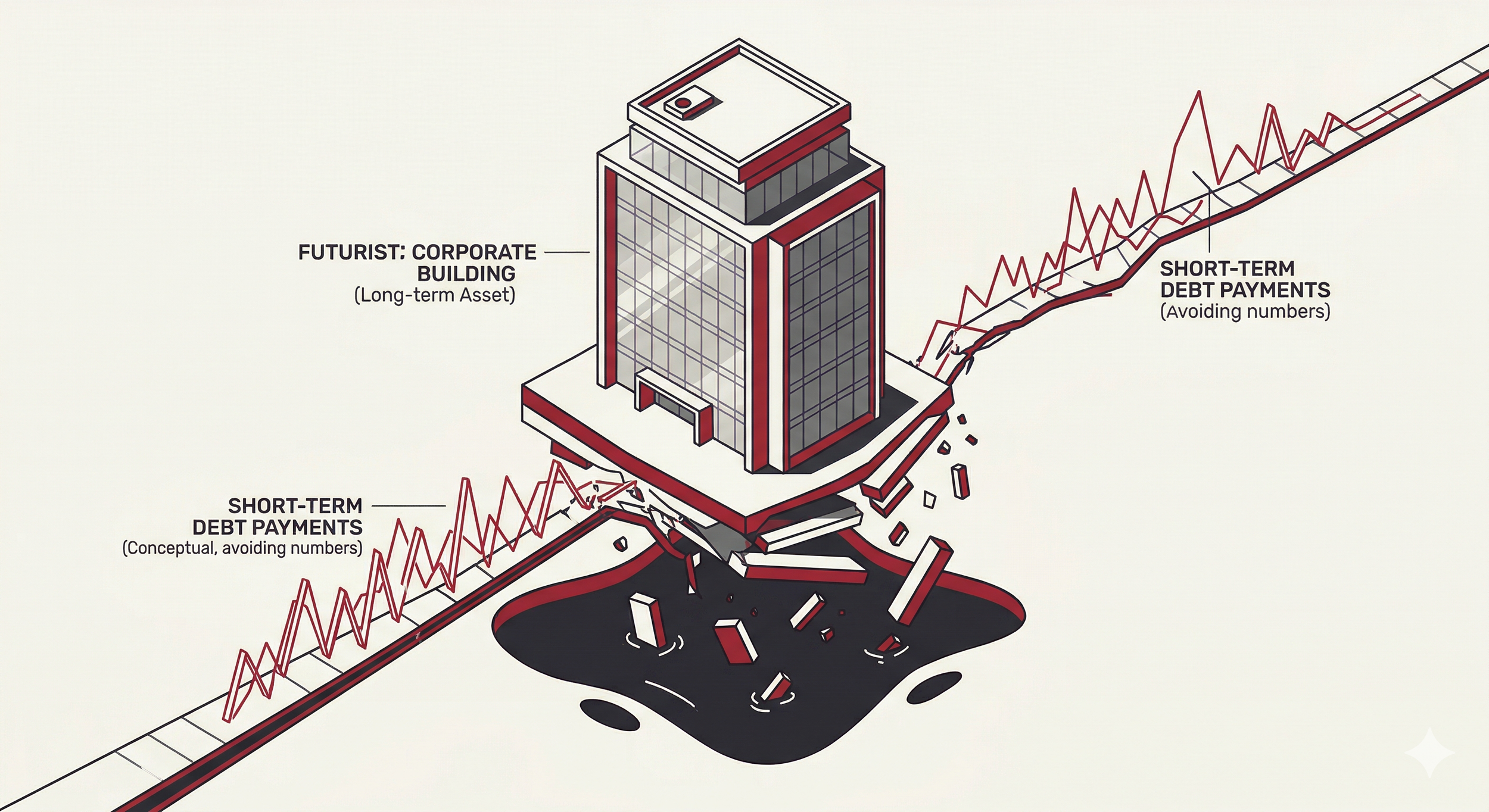
The money that should be going toward marketing to attract new customers is instead being diverted to the lender. The capital that should be invested in new equipment to improve efficiency is being used to make the weekly payment. The funds that should be used to hire a much-needed new employee are being siphoned out of the bank account. In essence, the business is being forced to choose between its future and its past. And in the face of an aggressive lender and the threat of default, the past, in the form of the debt, almost always wins.
This is a slow and painful death. The business becomes a shadow of its former self. It can no longer innovate, it can no longer grow, and it can no longer effectively compete in the marketplace. It is, for all intents and purposes, a zombie company still technically in operation, but with no real prospects for a healthy future. The employees who remain become demoralized as they see the business stagnate. The customers begin to notice a decline in service quality. The business owner, once filled with passion and ambition, is now just a caretaker, presiding over a slow and agonizing decline.
Business Debt’s Psychological Toll on the Business Owner
The financial devastation wrought by a business debt spiral is only half the story. The psychological toll on the business owner is equally, if not more, destructive. The constant stress of managing a business on the brink of collapse is a heavy burden to bear. The entrepreneur who was once a pillar of their community, a job creator and a local success story now feels like a failure. The relentless pressure of meeting the weekly payment can lead to sleepless nights, anxiety and depression. The joy and passion that once fueled the business are replaced by a sense of dread and hopelessness. This psychological strain can have a ripple effect, impacting the owner's health, their relationships with family and friends and their ability to make clear and rational decisions for the business.
The feeling of isolation is particularly acute. Many business owners are reluctant to admit the extent of their financial struggles, fearing judgment from their peers and a loss of confidence from their employees and customers. They suffer in silence, their sense of self-worth eroding with each passing week. This is a lonely and terrifying place to be, and it's a part of the debt crisis that is too often overlooked. The business is not just a collection of assets and liabilities; it is the embodiment of the owner's dreams and aspirations. And watching it die a slow death can feel like a part of the owner is dying with it.
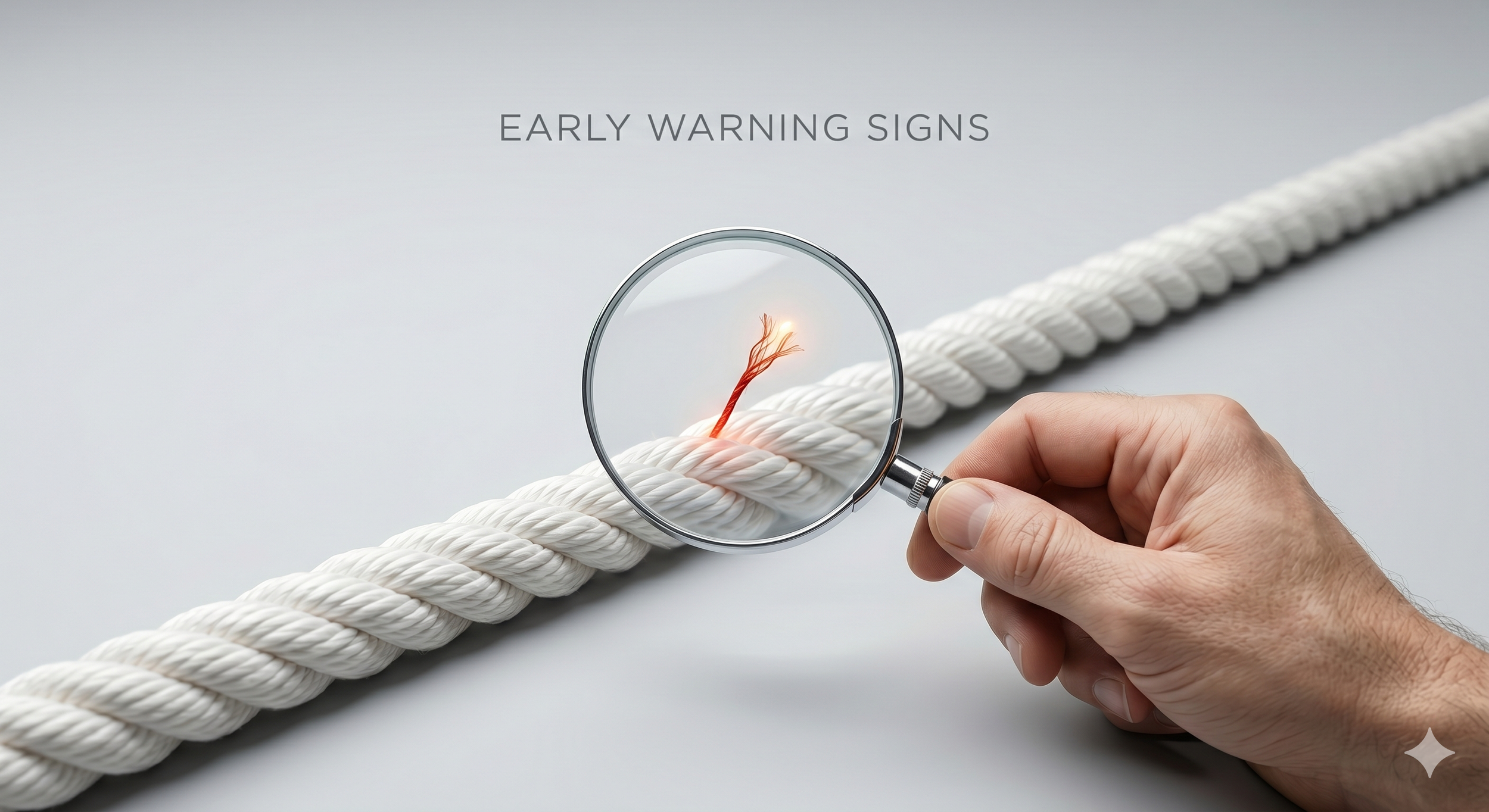
Early Warning Signs of a Business Debt Spiral
One of the most tragic aspects of business failure due to a business debt spiral is that it is often a slow-motion disaster. There are almost always early warning signs that, if recognized and acted upon, could have averted the catastrophe. The first and most obvious sign is a growing reliance on short-term debt to cover operational expenses. If a business consistently finds itself needing a quick cash infusion to make payroll or pay rent, it's a clear indication that its underlying financial model is not sustainable.
Another key warning sign is a change in payment habits. Is the business starting to pay its suppliers late? Are they "riding" their payables, holding onto cash for as long as possible? This is a classic symptom of a liquidity problem. A business owner should also pay close attention to their own behavior. Are they becoming increasingly secretive about the company's finances? Are they avoiding conversations with their accountant or bookkeeper? This is often a sign of denial, a refusal to confront the harsh reality of the situation.
Another red flag is a decline in gross profit margins. This could be a result of the aforementioned discounting to generate quick cash, or it could be a sign that the cost of goods is rising while the business is unable to pass those costs on to customers. Finally, and perhaps most importantly, a business owner needs to be honest with themselves about their own level of stress and anxiety. If the business is causing them to lose sleep, if it's damaging their health and their relationships, then it's a clear sign that something is fundamentally wrong. Ignoring these warning signs is like ignoring a small fire in your house. It may seem manageable at first, but if left unattended, it will inevitably grow into an inferno that consumes everything in its path.
Assessing the Damage to Your Business
When a business is in the throes of a business debt spiral, it can be difficult to think clearly and objectively. The overwhelming sense of crisis can be paralyzing. However, it is at this critical juncture that a business owner must take a step back and conduct a brutally honest assessment of the situation. The first question to ask is: "Is the core business still viable?" Is there still a market for the company's products or services? Is the business capable of generating a profit if the debt burden were removed or restructured? If the answer to these questions is no, then the painful truth may be that the business is no longer salvageable.
In this case, the most responsible course of action may be to wind down the business in an orderly fashion, rather than continuing to throw good money after bad. However, if the core business is still fundamentally sound, then there is hope. The next step is to conduct a thorough financial analysis. This means getting all the numbers on the table: the total amount of debt, the interest rates, the payment schedules, the cash flow statements, the profit and loss statements, and the balance sheets. This is not a time for guesswork or approximation. The owner needs to have a crystal-clear picture of the company's financial reality. This process can be emotionally difficult, as it forces the owner to confront the full extent of the problem. It is highly recommended to seek the help of a qualified professional, such as a turnaround consultant or a business finance and strategy advisor at this stage. These professionals can provide an objective and dispassionate analysis of the situation, and they can help the owner understand their options.
Strategies for Survival, Renegotiating and Refinancing
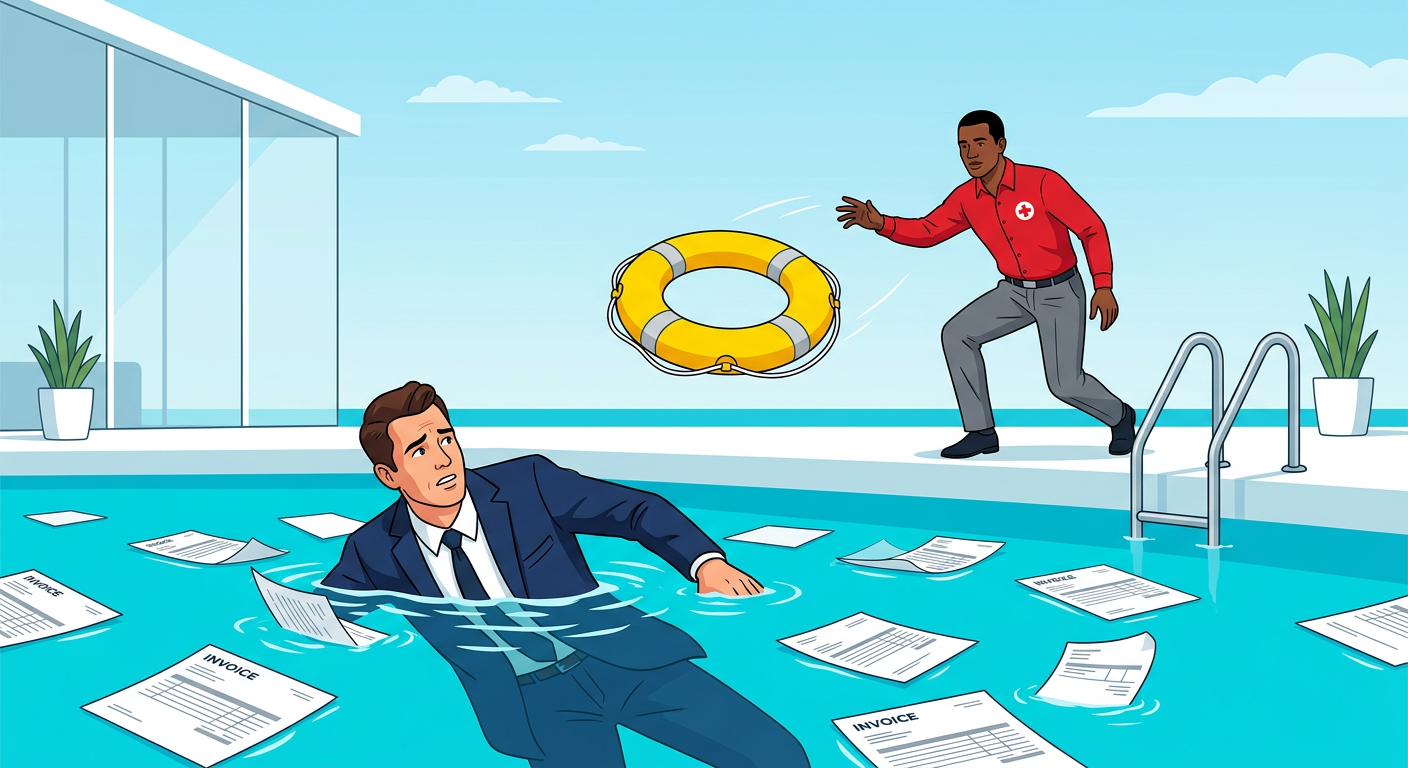
If the assessment reveals that the business is worth saving, then the focus must shift to immediate action. The primary goal is to stop the bleeding by breaking the cycle of weekly payments that is draining the life out of the company. The first and most direct approach is to contact the lender and attempt to renegotiate the terms of the business debt. This can be an intimidating prospect, but it is often possible to achieve a more manageable payment schedule.
Lenders are not in the business of forcing their clients into bankruptcy; they are in the business of getting their money back. And if a business is forced to shut down, the lender is unlikely to recover the full amount of the business debt. Therefore, they often have a vested interest in working with a struggling borrower to find a mutually agreeable solution. This might involve temporarily switching to interest-only payments, extending the term of the loan or even forgiving a portion of the principal.
Another powerful strategy is to seek out refinancing options. This involves taking out a new, more traditional loan to pay off the expensive, high-frequency debt. A traditional term loan from a bank or a credit union will typically have a much lower interest rate and a more manageable monthly payment schedule. This can provide the business with the breathing room it needs to get back on its feet.
Private credit investment funds and the Small Business Administration (SBA) also offers a variety of loan programs that can be used for business debt refinancing. The key is to be proactive and to explore all available options. A business owner should not assume that because they were rejected for a bank loan in the past, they will be rejected again. The financial situation may have changed, or there may be other lenders who are more willing to work with them.
Building a More Resilient Business Model
Emerging from a business debt crisis, whether through negotiation, refinancing, or reorganization, is a painful but invaluable learning experience. The business owner who survives this ordeal has been given a second chance, and it is crucial to use that opportunity to build a more resilient and sustainable business model for the future. The first and most important lesson is the critical importance of financial literacy. A business owner must have a deep and intuitive understanding of their company's numbers. This means regularly reviewing financial statements, creating detailed cash flow projections, and understanding the key performance indicators that drive profitability. It also means building a strong relationship with a trusted accountant or financial advisor who can provide expert guidance and hold the owner accountable.
The second lesson is the importance of maintaining a healthy "balance sheet." This means avoiding the temptation to take on too much debt, even when times are good. It means building up a substantial business cash reserve that can help the business weather unexpected storms. It also means establishing strong credit relationships with traditional lenders, such as community banks and credit unions, who are more likely to be patient and flexible partners in the long run.
Finally, a resilient business is one that is not overly dependent on a single revenue stream or a small number of large customers. Diversification is a key component of risk management. By building a broad and stable base of revenue, a business can better withstand the inevitable ups and downs of the economic cycle. By learning from the mistakes of the past, a business owner can transform a near-death experience into a powerful catalyst for building a stronger, healthier, and more enduring enterprise.
What is the Best Way to Fix Business Debt that is causing Business Cash Flow issues?
It is NOT by stopping ACH payments.
It is NOT by taking on another business loan.
It is NOT ALWAYS a Refinancing
It is NOT by entering into a debt settlement program.
Find out the BEST strategies to get your Business back to where it was