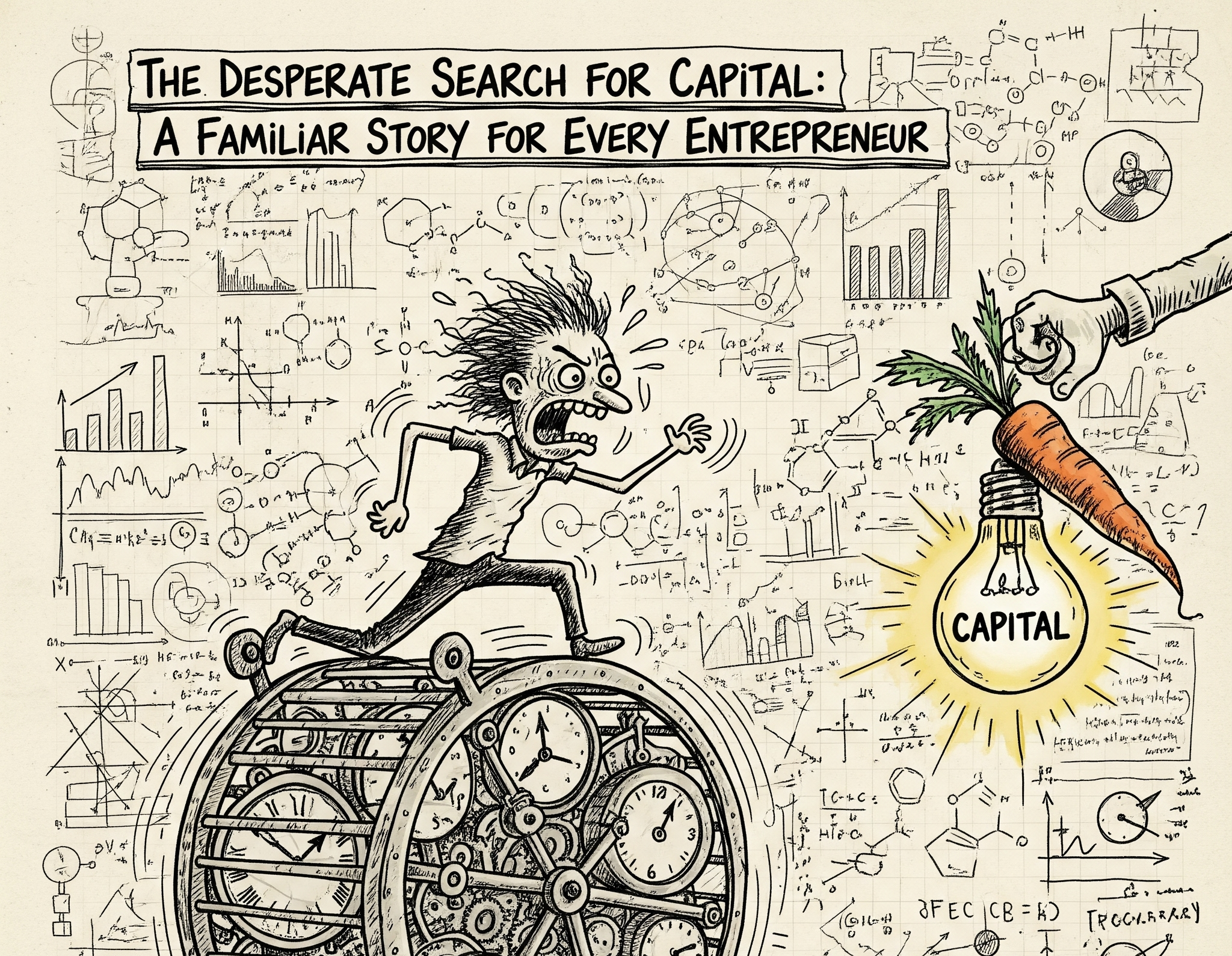
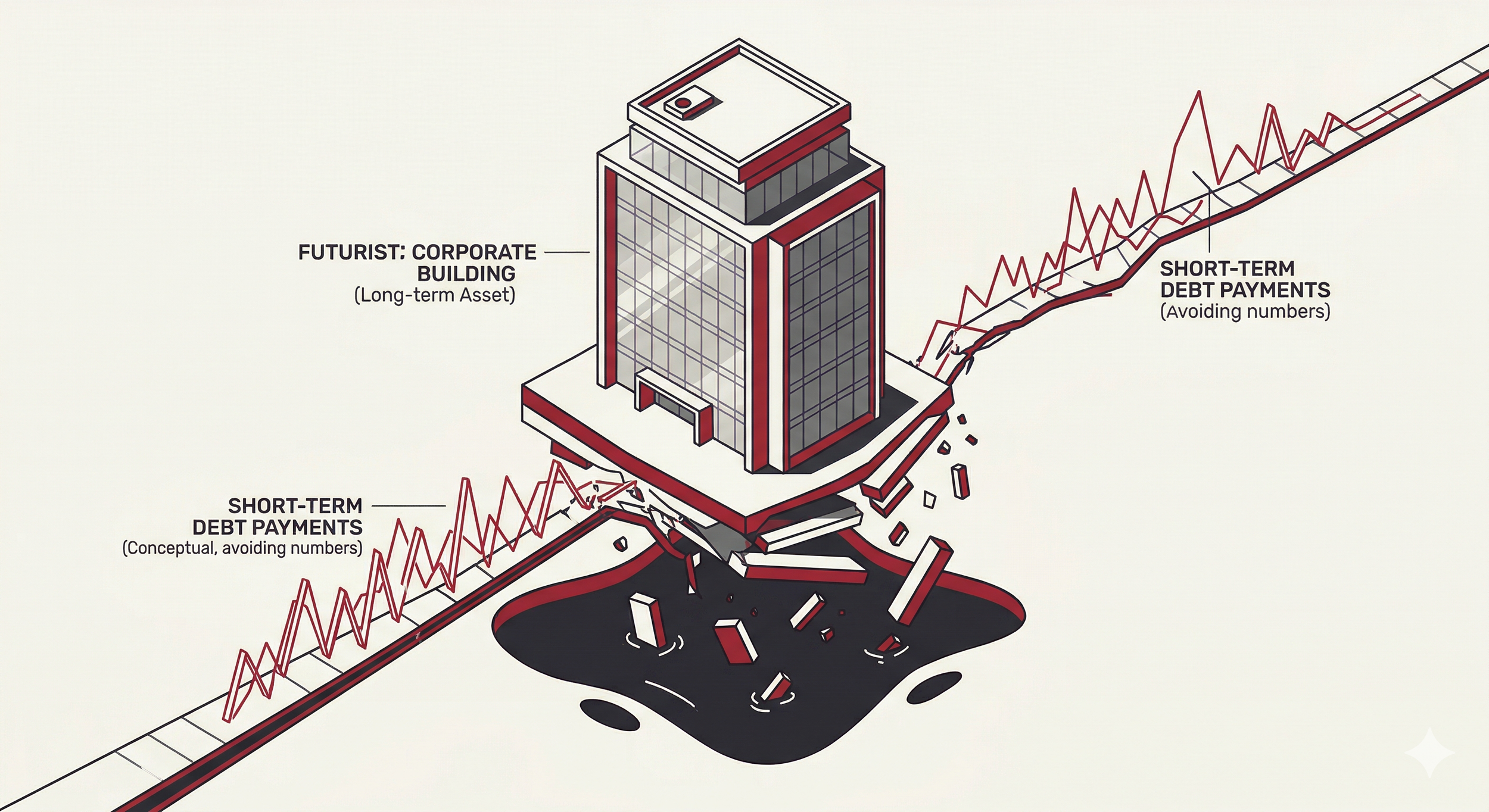
Corporate failure is rarely a sudden or unforeseen event. It is the mathematical culmination of a long-term architectural decay within the balance sheet. When an enterprise finds itself suffocating under the weight of severe cash flow issues, paralyzed by insurmountable debt service payments and operating in a state of perpetual panic, it has not simply encountered bad luck. It has actively engineered a financial mess through a series of flawed strategic decisions, reactive borrowing practices and a profound lack of planning for business financing.
The executive suite often attempts to mask these deep structural failures by chasing top-line revenue, operating under the fatal delusion that you can out-sell a broken capital structure. This is an absolute impossibility. Revenue is a vanity metric; operational cash flow is the only empirical truth and is the backbone of healthy business operations.
Diagnosing a severe business financing mess requires executive leadership to strip away their operational arrogance and confront the unvarnished mathematical reality of their enterprise. The mess typically manifests as a convergence of lethal symptoms: structural negative cash flow created by poor business debt amortization, capital stacks heavily weighted toward toxic, short-duration liabilities and a complete loss of visibility driven by chronically incorrect financials.
When a business is bleeding liquidity and experiencing negative cash flow, the underlying cause is almost always a misalignment between the velocity at which the company generates cash and the velocity at which its creditors extract it. Fixing this crisis is not a matter of securing one more temporary bridge loan to cover this week’s payroll or whatever hole is trying to be filled. It demands a ruthless, systematic dismantling of the existing financial architecture.
Leadership must commit to aggressive deleveraging, forcing operational margin expansion and executing a comprehensive restructuring of the company's existing liabilities to align with existing business debt service strictly with the physical reality of the company's cash conversion cycle.
Escaping the Short-Term Payback and High-Interest Business Debt
The most destructive accelerant to any corporate financial crisis is the utilization of high-cost and short-payback transactional capital. When a company lacks a proactive financial roadmap, temporary liquidity gaps are inevitably treated as existential emergencies.
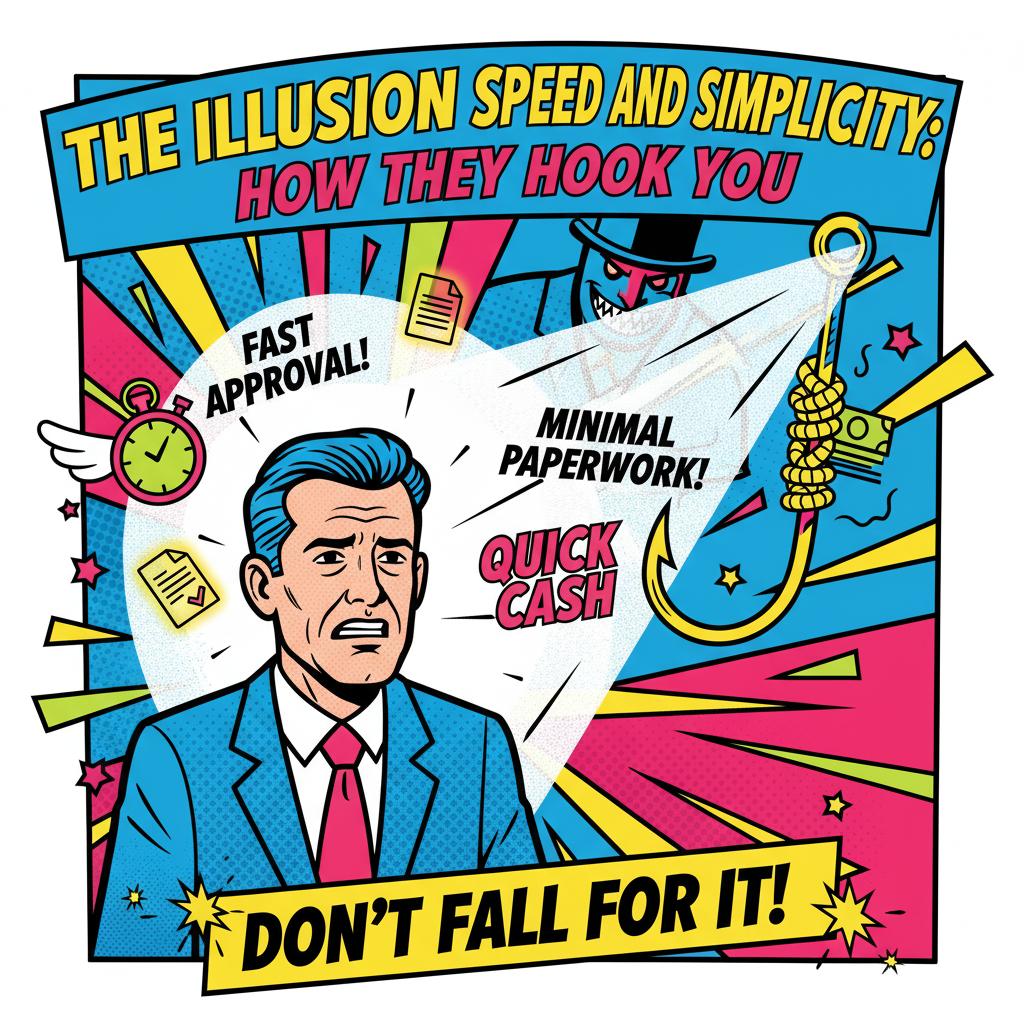
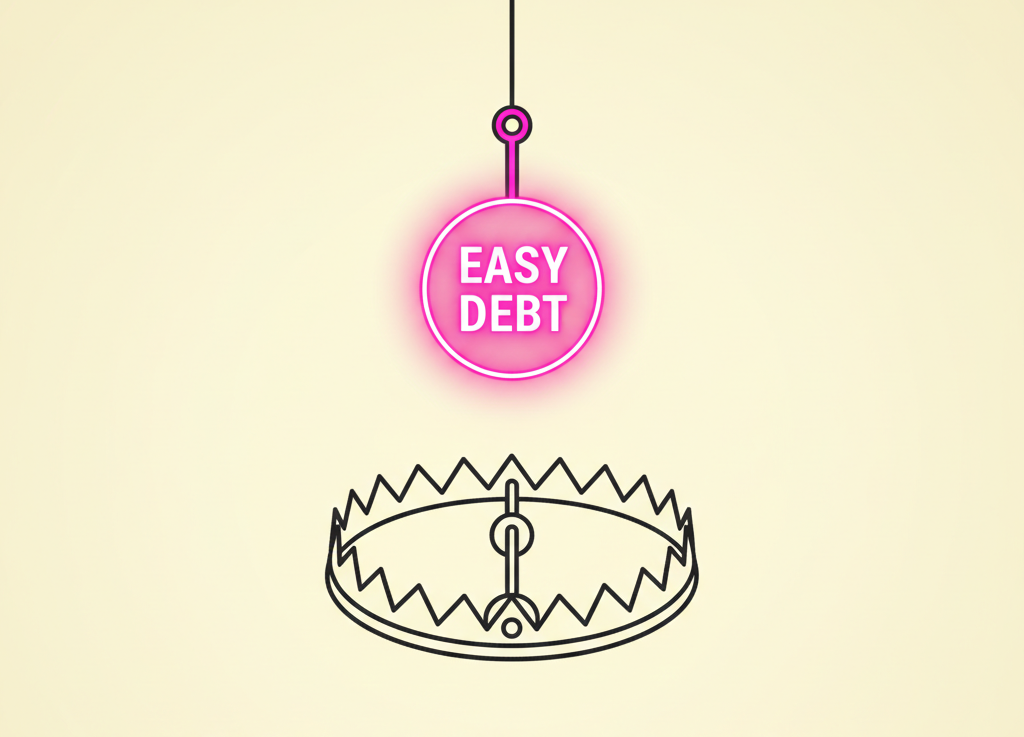
In a state of strategic panic, leadership turns away from the low cost-of-capital and long-term payback of commercial market lenders like private credit, SBA and SBIC lender, and embraces the toxic alternative, short-term lending ecosystem. The absolute primary driver of the modern corporate debt spiral is the reliance on short-term payback and high-interest business debt. These instruments are marketed with the promise of frictionless, fast funding, but they introduce a terminal parasite into the corporate treasury.
To understand the sheer mathematical devastation caused by these products, one must understand how they are priced. They do not utilize traditional, regulated Annual Percentage Rates (APR). Instead, they utilize factor rates to obscure the true cost of the capital. The calculation is brutal and uncompromising: a 1.4 factor rate requires paying back $1.40 for every $1.00 borrowed. When this massive financing fee is combined with an aggressive payback period structure that mandates weekly (sometimes daily) automated clearing house (ACH) withdrawals, the effective annualized cost of the capital routinely exceeds 35% to 60%+.
No legitimate commercial enterprise on the planet possesses gross margins capable of out-earning a 35% to 60%+ cost of capital. The frequent extraction of principal and interest immediately strips the company of its baseline operating liquidity, forcing the business to borrow again simply to service the first note. Stopping the financing mess requires an absolute, permanent embargo on acquiring any new short-term payback and high-interest business debt, shifting the focus entirely to consolidating and eliminating these positions.
Curing the Maturity Mismatch and Re-Aligning Business Debt Payments with Business Cash Flow
A profound and lethal violation of corporate finance doctrine occurs when a management team utilizes the wrong type of capital for the wrong type of operational initiative. A massive percentage of middle-market financing messes are directly ignited by the maturity mismatch: the dangerous practice of using short-term debt for long-term investments.
When an executive team uses a twelve-month operating line of credit or a rapid-payback cash advance to purchase heavy manufacturing equipment, execute a major commercial real estate build-out or fund a multi-year software development project, they engineer a catastrophic structural flaw into their balance sheet.
Long-term hard assets require years of continuous, uninterrupted operation to generate the cumulative return on investment necessary to justify their acquisition. However, the short-term payback debt utilized to acquire them demands immediate, aggressive principal repayment. When the short-term note begins aggressively amortizing, the new asset has not yet produced a single dollar of net-positive cash flow.
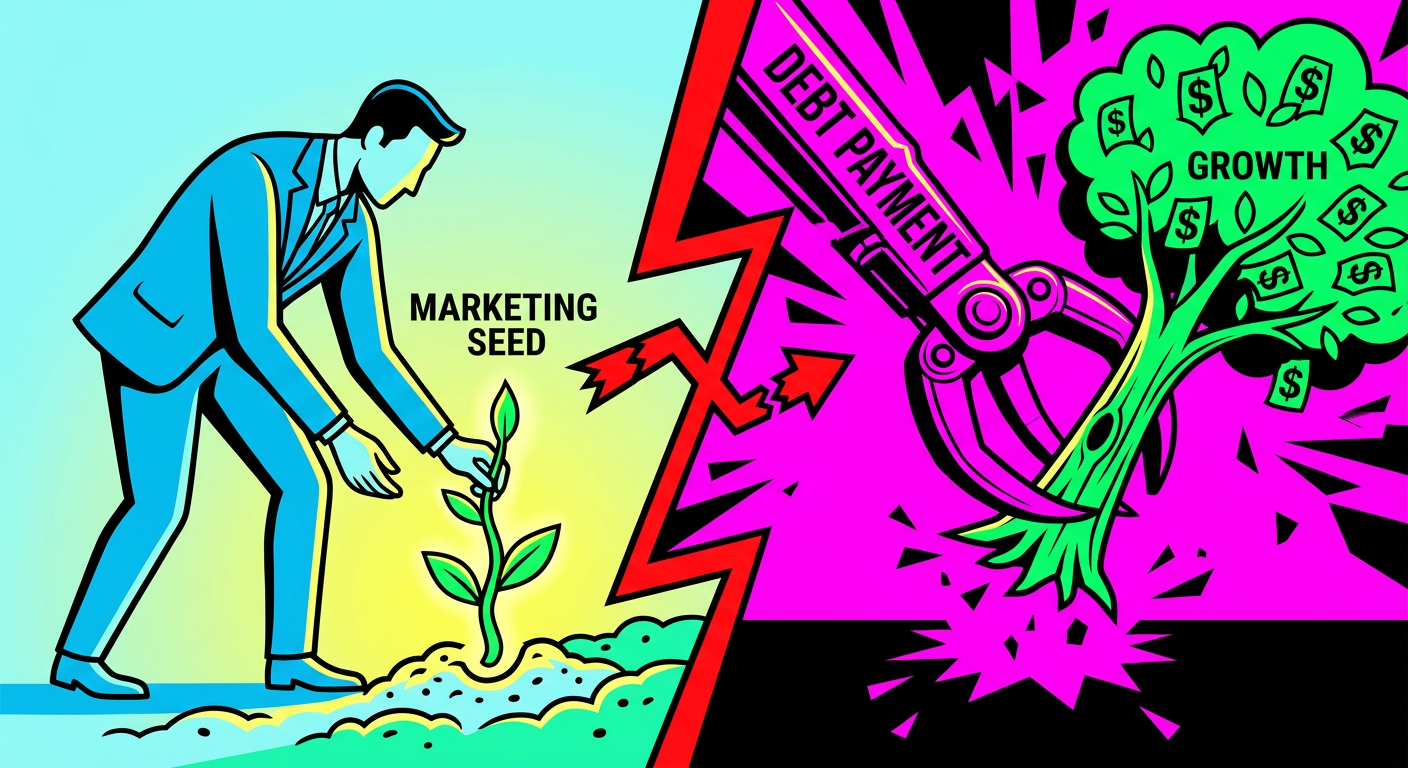
Consequently, the massive debt service must be cannibalized from the operating cash flow of the existing, legacy business operations. This entirely paralyzes the enterprise, draining the treasury and halting routine procurement. Re-aligning existing business debt payments to match the cash flow of the company requires enforcing an absolute mandate: the duration of a liability must explicitly mirror the useful economic lifespan of the asset it is financing.
Long-term assets must be funded exclusively by long-term commercial facilities—such as five, six, seven or even ten-year equipment leases or commercial mortgages—ensuring that the cash generated by the asset comfortably covers its own stretched, amortized debt service.
The Mandate of Deleveraging and How to Stop Hemorrhaging Cash
When a balance sheet is severely compromised by over-borrowing and/or a mis-match of amortization, the executive team must pivot immediately from a posture of growth to a posture of survival and rebuild. This requires the aggressive execution of a deleveraging strategy. Deleveraging is the systematic, intentional reduction of a company's total debt-to-equity ratio. Restructuring the payback period through discussions with your creditors is the best way to do this. Purposely and “strategically” defaulting on your business debt payments to arrange a settlement is a flawed and absolutely crazy strategy and creates unnecessary legal and collection risks within your organization.
Deleveraging is not a passive exercise; it is an aggressive, operational war on outbound capital. A highly leveraged company operates with zero margin for error. A single delayed receivable from a major client or a minor macroeconomic supply chain disruption can instantly trigger a default when the balance sheet is bloated with high-interest and short-term payback obligations.
To successfully deleverage, the Chief Financial Officer must implement strict cash flow controls protocol. By systematically dismantling and re-arranging the business debt stack, the enterprise slowly regains its operational agility and insulates itself against external market shocks.
Elevating Operational Margins to Match Business Debt Servicing Realities
A company cannot successfully deleverage its balance sheet or survive a highly compressed amortization schedule if its underlying unit economics are fundamentally weak. When a business is saddled with high interest and high payment debts, the standard operating margins of the industry are no longer sufficient to guarantee survival. The executive team must execute a ruthless campaign to force operational margin expansion. Raising operational margins to align them with business debt service payments is the only way to generate the massive surplus of free cash flow required to satisfy aggressive creditors without draining the operating accounts and without borrowing to pay for past borrowings.
This expansion requires a forensic audit of the company's pricing strategy and cost structure. Leadership must abandon the fear of losing low-margin customers and immediately institute strategic price increases across their product or service lines.
In a distressed scenario, carrying over last year's departmental budgets is strategic suicide. Every single expense, from large software-as-a-service (SaaS) subscriptions to minor office procurement, must be aggressively justified from scratch.
The company must prune unprofitable client rosters, eliminate redundant internal software, and aggressively renegotiate terms with their supply chain vendors. By mathematically forcing the gross profit margin upward and compressing the operating expenses downward, the business engineers the artificial liquidity required to endure the pain of a heavy monthly total business debt service payments until the balance sheet can be properly restructured and then subject to a partial or full balance sheet refinance.
Restoring Data Integrity is The Prerequisite for Restructuring
You cannot fix a financial mess if you cannot accurately measure the depth of the destruction. An astonishing number of companies trapped in a business debt spiral are operating completely blind due to inaccurate accounting and chronically incorrect financials. When the general accounting ledger is riddled with unreconciled bank accounts, unrecorded liabilities, misclassified capital expenditures and the dangerous utilization of cash-basis reporting instead of strict accrual-basis, near-GAAP accounting, the executive suite is navigating a crisis with a shattered compass. They make irreversible strategic moves based on business financial fiction.
Flawed financial reporting directly masks the true cost of business debt and the actual operational burn rate of the company. More importantly, inaccurate financials permanently lock the business out of the lower-cost and longer-term payback prime capital markets. When an executive team eventually attempts to refinance their toxic debt into a long-term commercial facility, institutional lenders and commercial credit officers will demand absolute data integrity. If the underwriter discovers that the accounts receivable aging report contradicts the balance sheet, or that future tax liabilities have not been accrued, the deal is dead on arrival.
Restoring data integrity is the absolute prerequisite for any business financial or operational turnaround. This demands the implementation of a month-end close process, strict segregation of duties to prevent internal hemorrhage and a total commitment to Generally Accepted Accounting Principles (GAAP). Pristine financials are the strategic currency required to buy your way out of a business cash flow and short-term business debt trap.
Liquidating Inventory Overstock to Liberate Capital
For businesses that manufacture, distribute or retail physical goods, the financial mess is frequently exacerbated by severe misallocations of capital within the warehouse. The "inventory quagmire" occurs when a management team over-purchases raw materials or finished goods, transforming highly liquid cash into static, depreciating physical assets. Driven by flawed demand forecasting, a paralyzing fear of supply chain disruptions or the false economy of chasing bulk-purchasing discounts, businesses routinely tie up millions of dollars in dead capital. Over-purchasing of inventory is a massive, silent killer of corporate liquidity.
This trapped capital actively starves the business of the operating cash required to service its short-term debts. While the excess stock sits on warehouse racks actively losing value to obsolescence, shrinkage and high carrying costs, the executive team is forced to return to the lending market to borrow the exact cash they just unnecessarily buried in their own facility.
Reclaiming this capital is a mandatory step in deleveraging the balance sheet. Leadership must transition immediately to precise, data-driven inventory management. They must execute granular, SKU-level turnover analysis, ruthlessly identifying slow-moving or obsolete stock and liquidating it immediately, even if it requires taking a temporary loss on the income statement.
Maximizing the Inventory Turnover Ratio forcefully liberates trapped cash, providing a massive, zero-cost internal financing source that can be aggressively deployed to pay high-cost, short-term payback liabilities.
The Tactical Execution of the Thirteen-Week Cash Flow Model
Operating a business facing cash flow challenges without a precise, forward-looking map of future liquidity guarantees a fatal collision. A primary symptom of a financial mess is the lack of planning for financing, where leadership manages the company strictly by looking at the daily balance of the corporate checking account. To successfully navigate out of a high-debt payment scenario, the enterprise must abandon static, annual budgets and immediately implement a hyper-accurate, tactical weapon: the rolling thirteen-week cash flow model. This model is the definitive tool used in advanced corporate turnarounds to seize absolute control of a collapsing treasury.
Unlike a traditional income statement, which can mask impending liquidity crises through accounting timing differences, the thirteen-week forecast tracks the actual, physical movement of cash into and out of the corporate bank accounts. It requires the finance department to forecast every single receipt and disbursement on a weekly basis for a full fiscal quarter. By mapping out every mandatory debt payment, upcoming payroll obligation, and projected customer remittance, leadership gains crystal-clear visibility into exactly when the bank account will breach zero.
If the model indicates a massive cash flow shortage in week seven, the executive team has almost two full months to aggressively collect aging receivables, liquidate dead inventory or negotiate a strategic payment delay with a major vendor. The rolling forecast eliminates the element of surprise, permanently ending the state of strategic panic that forces companies into catastrophic borrowing decisions.
The Mechanics of Business Debt Restructuring and Refinancing
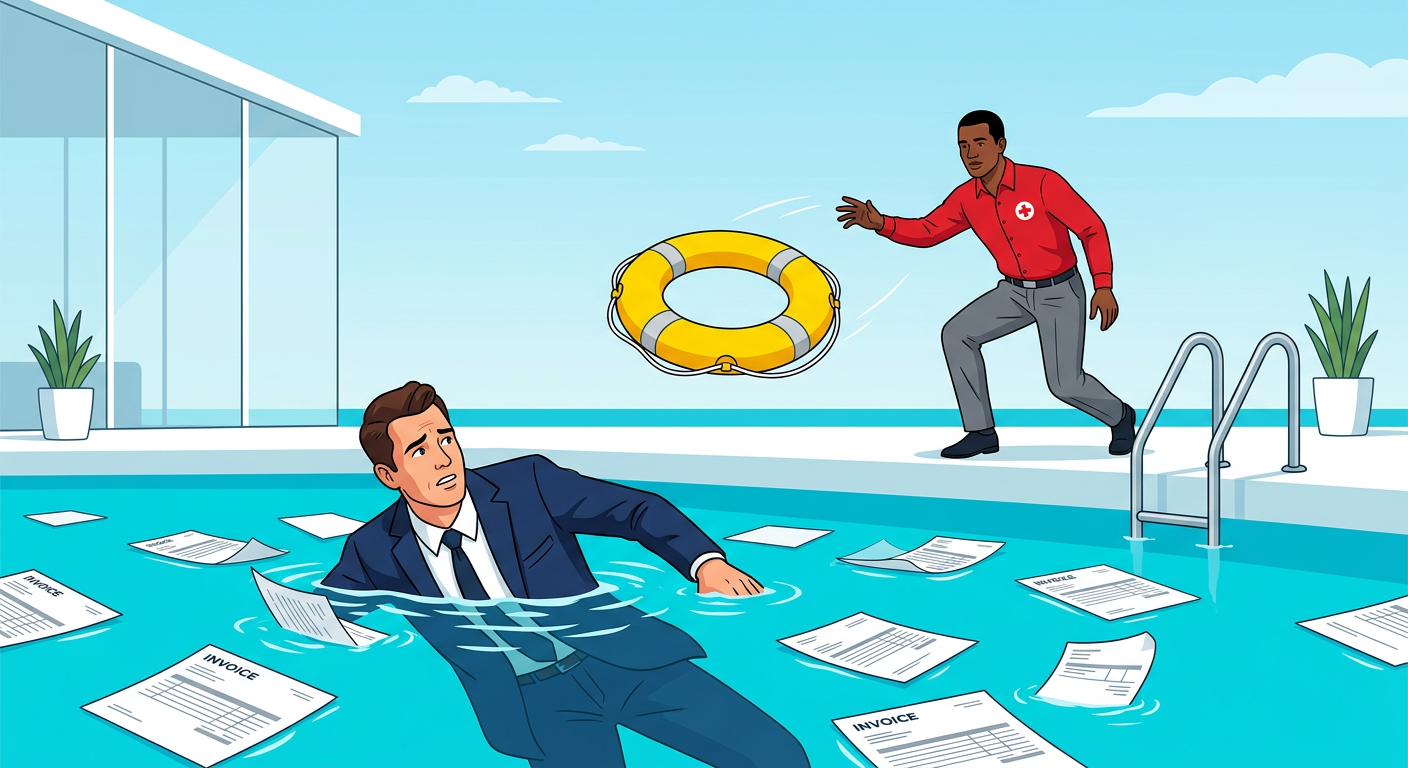
When a business is actively suffocating under multiple stacked loans and structural negative cash flow, optimizing operations and forecasting cash is simply not enough; the capital structure itself must be surgically altered. To stop the cycle of borrowing to pay borrowing, the enterprise must execute a ruthless, tactical business debt restructuring without defaulting.
This requires actively confronting the current creditors and fundamentally re-engineering the terms of the existing agreements. The ultimate objective is to secure a credit facility or a long-term commercial term loan from a specialized private credit business debt provider or a transitional asset-based lender designed specifically to pay off transactional and high-frequency alternative business debt.
Executing this maneuver is incredibly complex and requires an unassailable digital data room filled with the pristine financials discussed previously as well as a standard set of reports and due diligence items. The goal is to replace multiple short-term, aggressive advances with a single, unified commercial facility that is cheaper and is paid back over a longer period than the existing debt structure.
The critical victory in this negotiation is the restructuring of the amortization. By refinancing existing business debt to a longer payback period at a lower cost, the company radically drops the velocity of the outbound principal. Stretching a payback period from 9 or 12-months to 24 or 36-months and transitioning from weekly (or daily) automated drafts to a single, predictable monthly payment, exponentially reduces the monthly debt service burden and helps stabilize business cash flow.
This singular, aggressive maneuver instantly stops the cash flow hemorrhage, restores baseline operational liquidity and aligns the outbound payments strictly with the actual cash-generating capabilities of the enterprise.
Architecting the Resilient Capital Stack for Market Dominance
The ultimate mandate for a commercial enterprise is not simply to survive a financial mess, but to transition from a posture of reactive distress into a state of absolute, unyielding fiscal sovereignty. Fixing the balance sheet is only the first phase; ensuring the company never returns to the subprime lending market requires the deliberate architecture of a "Fortress Capital Stack."
A resilient capital stack is constructed exclusively with patient capital financing that features logical covenants, long amortization schedules and low double-digit interest rates (based on current SOFR rate). This type of capital respects the operational realities of the business and provides the stable liquidity engine necessary to fund aggressive market expansion and strategic acquisitions.
Securing and maintaining patient capital requires the enterprise to permanently elevate its internal corporate governance. Institutional lenders and prime commercial banks deploy low-cost money only to organizations that operate with extreme financial discipline. The business must maintain its commitment to flawless data integrity, a tightly managed inventory turnover ratio, and a highly optimized cash conversion cycle.
Furthermore, leadership must demonstrate a history of utilizing business debt exclusively for long-term, ROI-generating assets rather than short-term operational emergencies. When an executive leadership team commits to this level of uncompromising fiscal architecture, they permanently break the cycle of transactional borrowing and financial chaos. They transform their company from a vulnerable, over-leveraged target into an impenetrable, dominant enterprise built to accumulate equity and command its industry for generations to come.
What is the Best Way to Fix Business Debt that is causing Business Cash Flow issues?
It is NOT by stopping ACH payments.
It is NOT by taking on another business loan.
It is NOT ALWAYS a Refinancing
It is NOT by entering into a debt settlement program.
Find out the BEST strategies to get your Business back to where it was

More Business Finance and Strategy Articles: