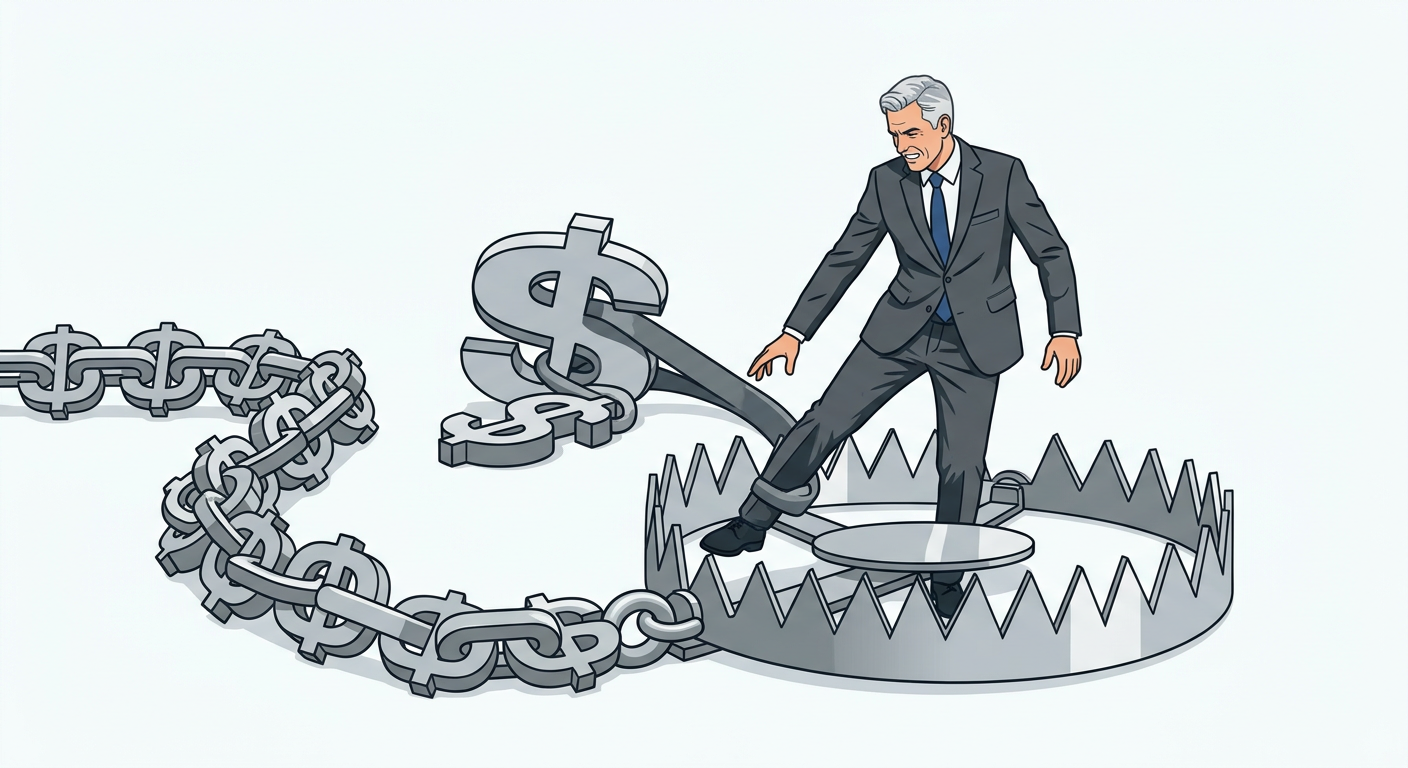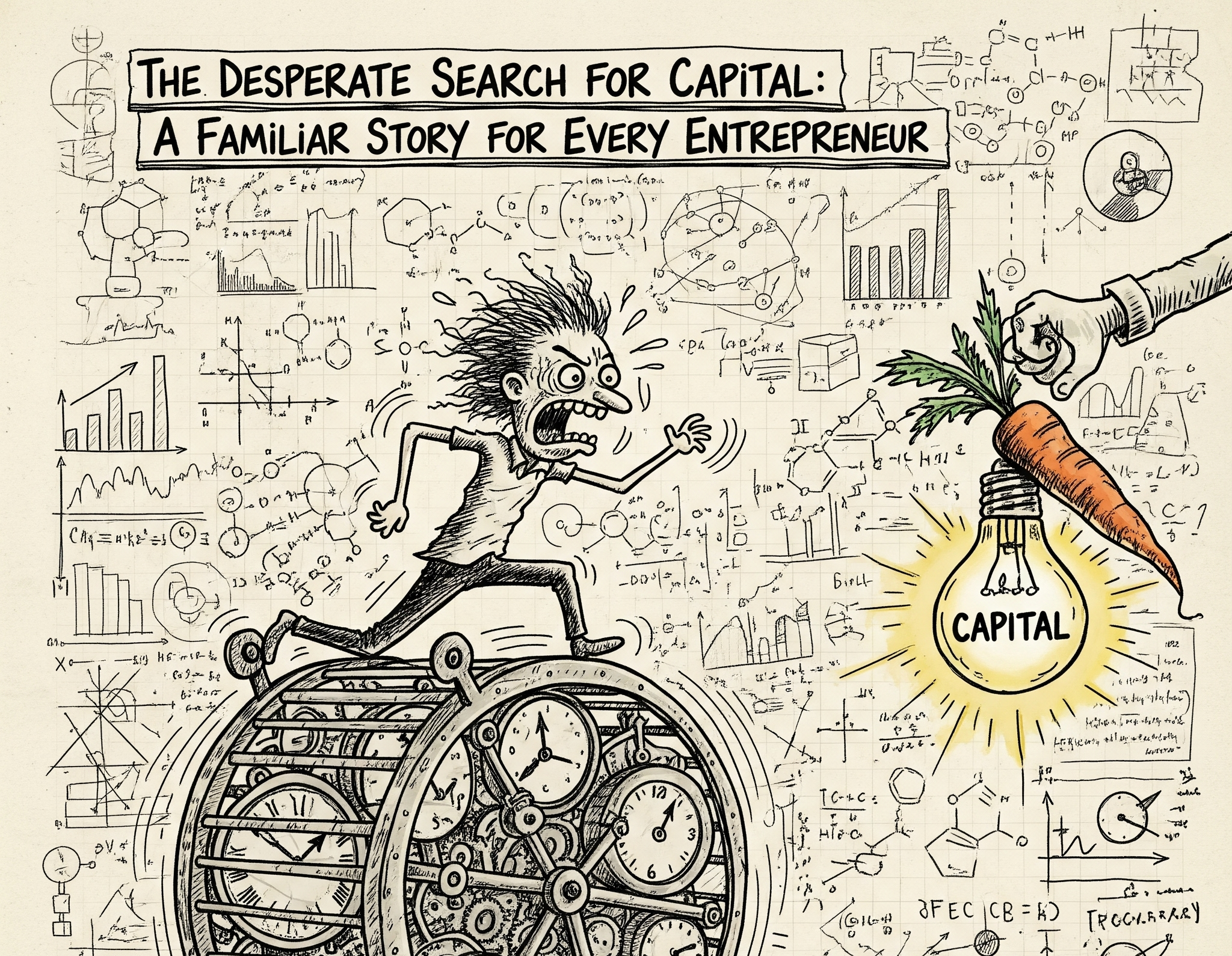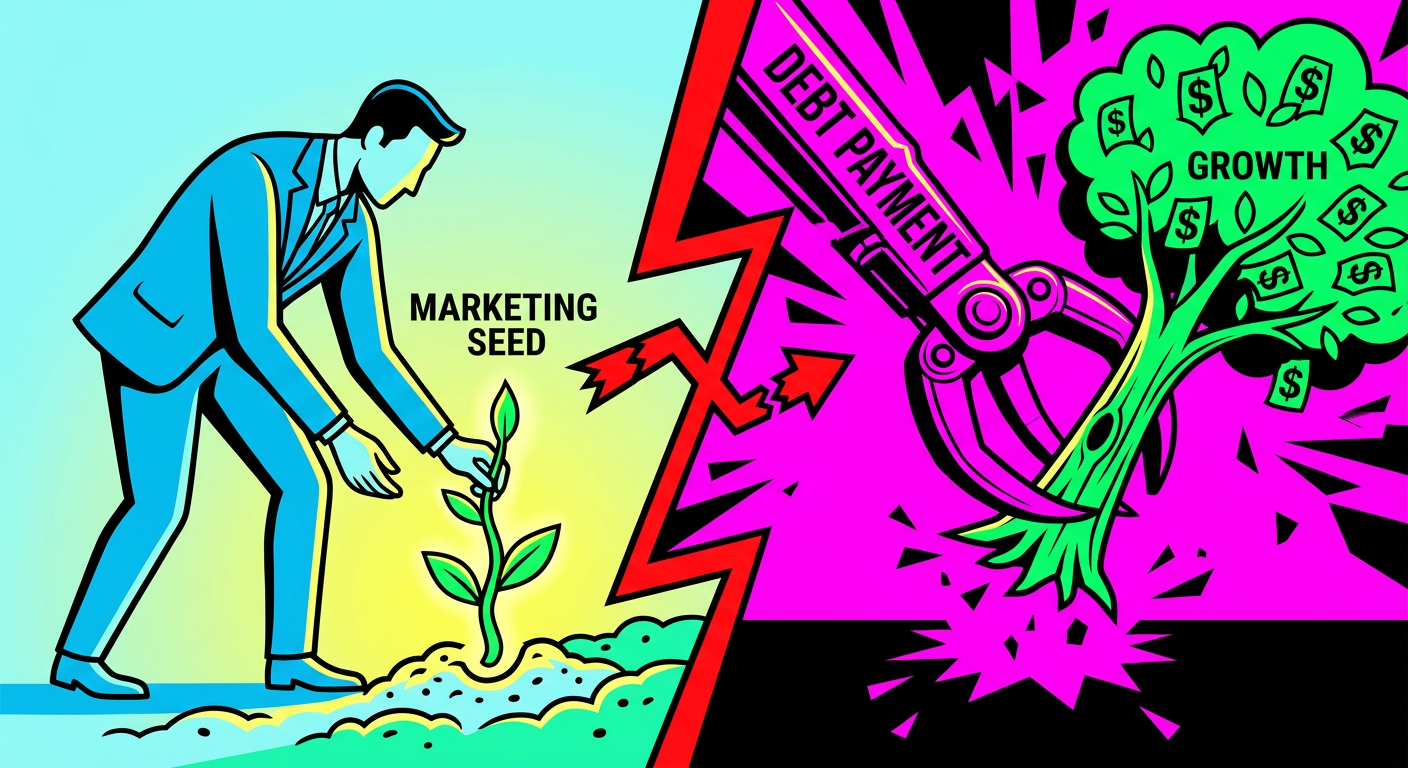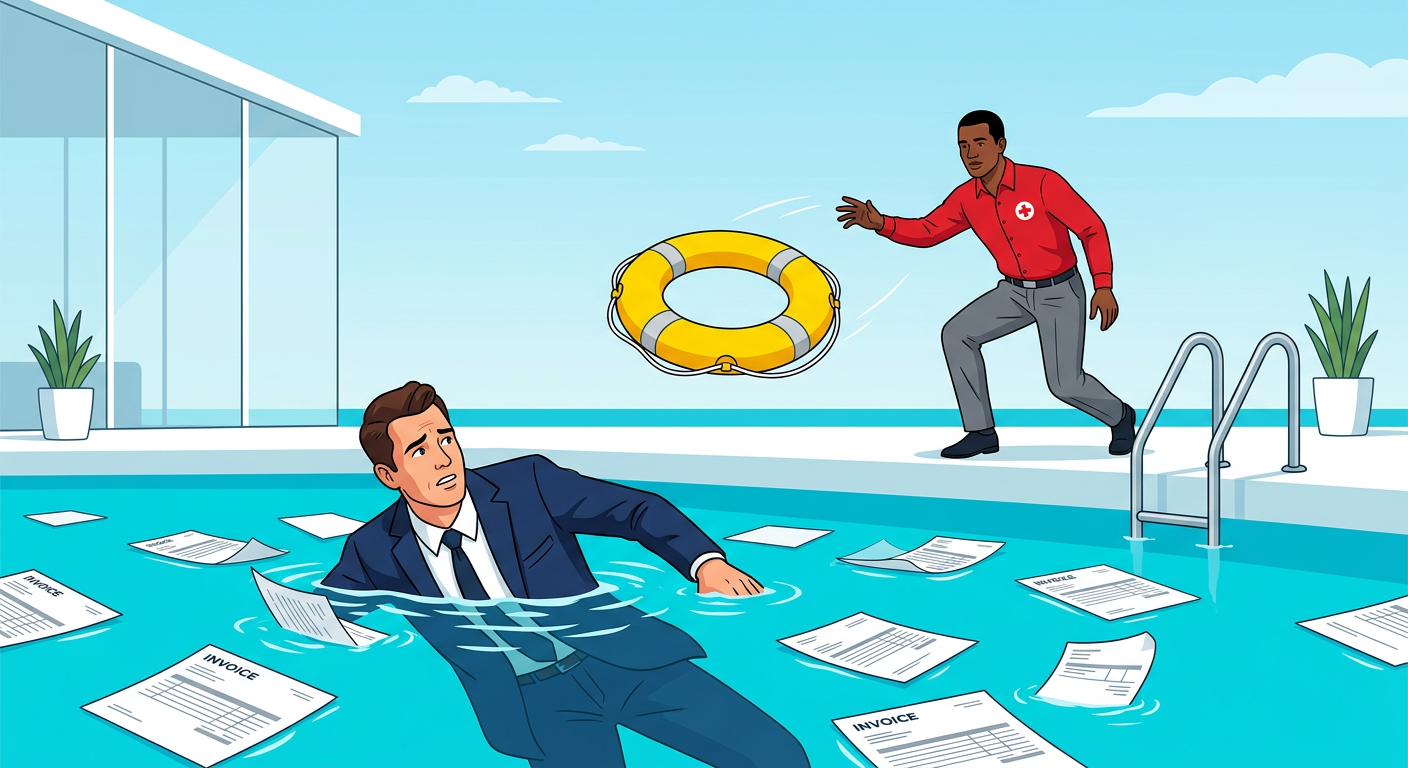
When a business relies on an external tax firm to operate as its accountant or Chief Financial Officer, the result is typically an absolute operational catastrophe. This dynamic is the exact root cause of chronic cash flow issues, reliance on high interest and high payment debts, and the generation of entirely incorrect financials.
Your CPA is paid to look backward, conducting a post-mortem autopsy on a fiscal year that has already concluded. By the time they inform you that your cash burn rate was unsustainable or that your gross margins collapsed, the damage is already permanent, and you are likely already insolvent.
Operating a business in this manner is the equivalent of driving a commercial vehicle at highway speeds while exclusively looking in the rearview mirror. To survive and dominate your industry, you must recognize that operational accounting is the proactive, daily management of cash, business debt, and assets—is an internal strategic mandate that can never be outsourced to an annual tax preparer.
[IMPORTANT NOTE: Bernarsky Advisors is a business finance and corporate strategy firm and does not provide legal or tax advice. Please consult your company's legal and tax advisors.]
The Dangerous Illusion of the Annual Tax Preparer
The most pervasive and lethal delusion in modern corporate leadership is the belief that retaining a Certified Public Accounting firm equates to having a functioning internal finance department. Executive leadership teams across the global marketplace consistently abdicate their fiscal sovereignty, handing a shoebox of unverified receipts and a chaotic, unreconciled ledger to an external firm once a year, genuinely believing they have fulfilled their fiduciary duty. You must immediately awaken from this delusion.
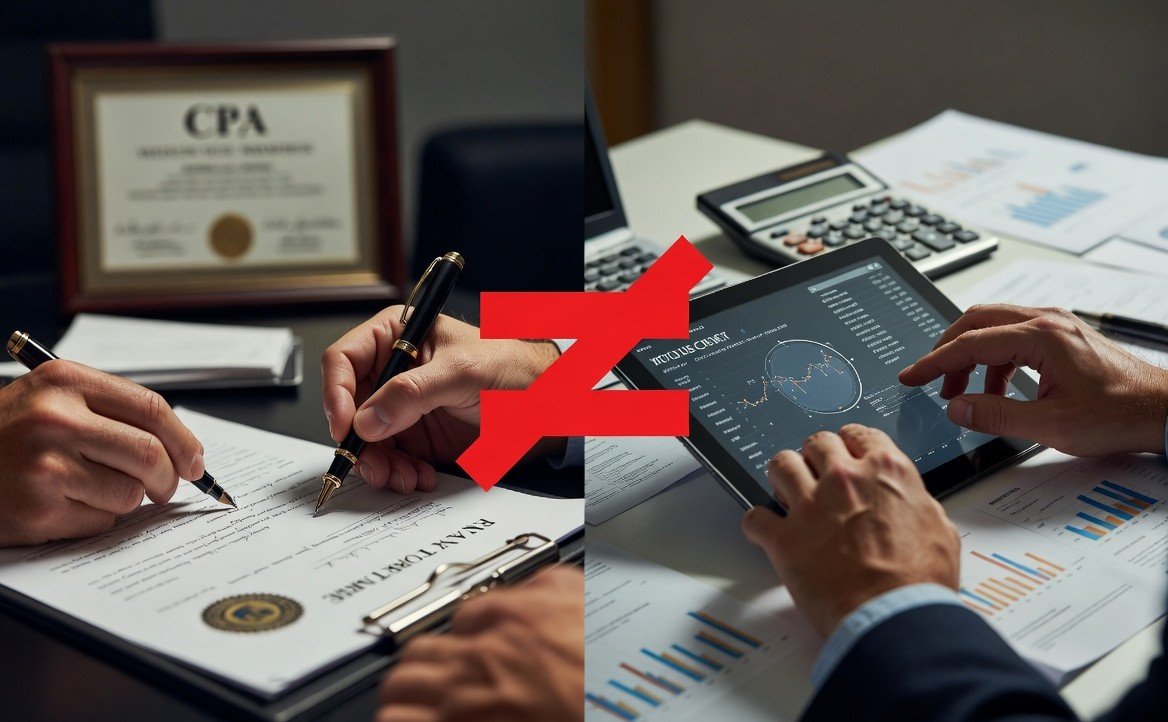
Your CPA firm is not your accountant; they are your tax compliance officer, a historian tasked strictly with translating your operational chaos into a format acceptable to the Internal Revenue Service. They do not care about your unit economics, they do not manage your daily liquidity, and they are categorically not responsible for preventing the structural financial failures that destroy enterprise value.
When a business relies on an external tax firm to operate as its Chief Financial Officer, the result is an absolute operational catastrophe. This dynamic is the exact root cause of chronic cash flow issues, reliance on high interest and high payment debts, and the generation of entirely incorrect financials. Your CPA is paid to look backward, conducting a post-mortem autopsy on a fiscal year that has already concluded.
By the time they inform you that your cash burn rate was unsustainable or that your gross margins collapsed, the damage is already permanent, and you are likely already insolvent. Operating a business in this manner is the equivalent of driving a commercial vehicle at highway speeds while exclusively looking in the rearview mirror. To survive and dominate your industry, you must recognize that operational accounting—the proactive, daily management of cash, debt, and assets—is an internal strategic mandate that can never be outsourced to an annual tax preparer.
The Post-Mortem Autopsy Versus Real-Time Intelligence
The fundamental disconnect between a business owner and their CPA lies in the timeline of the data. Traditional external accounting firms operate on an annual or, at best, a quarterly cycle. Their primary objective is to finalize the books long after the transactions have occurred to meet strict government filing deadlines. This retrospective focus creates a massive intelligence gap within the executive suite. When leadership lacks access to perfectly accurate, real-time financial data, they are forced to make critical, irreversible strategic decisions based entirely on gut feeling or the daily balance of their corporate checking account. This is operational malpractice.
Because the CPA is only conducting a historical autopsy, the business operates in a permanent strategic vacuum, resulting in a total lack of planning for financing. When a company does not have a real-time, rolling thirteen-week cash flow forecast, it cannot anticipate massive upcoming liabilities, seasonal revenue dips, or the need for sudden capital expenditures. The business is perpetually caught off guard.
Instead of securing low-cost capital from a position of strength months in advance, the executive team is forced into a state of panic. They scramble for emergency capital when the bank account hits zero, ensuring they will only qualify for the most expensive, punitive, and destructive financial instruments available in the subprime market. Real-time intelligence, generated by an internal accounting team, is the only defense against this reactive, panicked borrowing cycle.
The Tax Minimization Trap That Destroys Enterprise Valuation
Perhaps the most destructive consequence of confusing your CPA with a strategic financial advisor is falling into the tax minimization trap. The explicitly stated goal of almost every external tax firm is to aggressively reduce your annual corporate tax liability. To achieve this, the CPA will leverage every available loophole, maximize every deductible expense, and utilize aggressive accelerated depreciation schedules on your capital assets. While this strategy successfully keeps cash out of the hands of the government in the short term, it completely annihilates the profitability presented on your income statement and severely damages your balance sheet.
This creates a catastrophic barrier to strategic growth. When you attempt to approach a traditional commercial bank to secure a credit facility for future growth or to refinance existing business debt to a longer payback period at a lower cost, the underwriting department will demand to see your tax returns and financial statements. They will look at the documents your CPA expertly engineered to show zero profit, and they will immediately deny your commercial loan application. Lenders do not finance companies that do not mathematically demonstrate the ability to service debt.
By allowing your CPA to artificially crush your profitability to save a fraction in taxes, you permanently lock yourself out of the prime capital markets. You trade access to millions of dollars in low-interest, long-term commercial financing for a minor, short-term tax refund, fundamentally crippling your enterprise valuation and forcing your business to rely on toxic alternative lenders to survive.
Why Your Certified Public Accountant Cannot Fix Your Cash Conversion Cycle
Cash flow shortages are almost never a tax issue; they are a severe operational failure rooted in a broken Cash Conversion Cycle. This cycle measures the precise amount of time it takes for your business to convert its initial cash outlay for inventory and labor back into cash collected from your final customers. If your business is constantly suffocating from a lack of liquidity, it is because this cycle is fraught with friction and delay. Your CPA firm is entirely detached from this operational reality. They do not send out your invoices, they do not hound your clients for overdue payments, and they certainly do not negotiate extended payment terms with your critical supply chain vendors.
When you abdicate financial control to an external firm, you allow massive inefficiencies to fester within your Accounts Receivable and Accounts Payable departments. If your sales team is indiscriminately offering ninety-day payment terms to clients to win contracts, but your vendors are demanding payment in fifteen days, you have created a massive, structural cash flow deficit.
Your CPA will simply record the late payments and the vendor invoices as they happen; they will not intervene to correct the operational hemorrhage. Fixing the Cash Conversion Cycle requires aggressive, internal daily management. It demands strict credit policies, immediate invoicing, ruthless collection protocols, and strategic vendor negotiations. Expecting an annual tax preparer to optimize the daily velocity of your operational cash is a fundamental misunderstanding of corporate finance.
The Debt Amortization Blind Spot in Traditional Tax Accounting
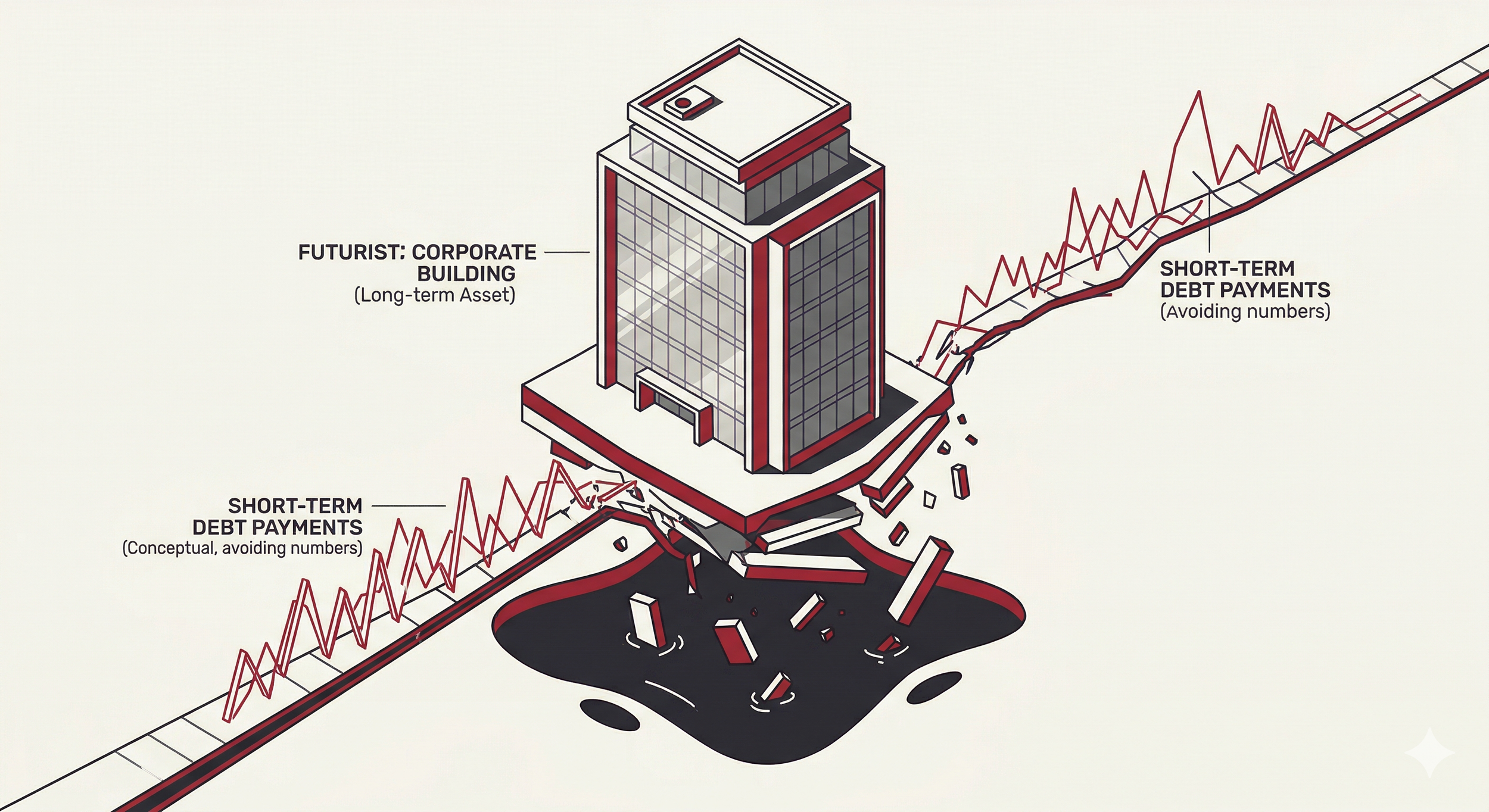
One of the most dangerous threats to a growing business is the misalignment of debt structures, specifically the lethal practice of using short-term debt for long-term investments. This structural error creates massive, unmanageable negative cash flow. If an executive team utilizes a high-interest, twelve-month bridge loan or a daily-payment cash advance to purchase heavy manufacturing equipment or build out a new commercial facility, they have doomed the project from inception. The long-term asset will take years to generate a positive return on investment, but the short-term debt demands immediate, aggressive principal repayment. This maturity mismatch suffocates the company, cannibalizing the daily operating cash flow required to keep the doors open.
Your external CPA firm will almost never warn you about this impending disaster. From a strict tax compliance perspective, the CPA simply records the interest expense on the income statement and reduces the liability on the balance sheet as the payments clear the bank. They do not analyze the strategic viability of the amortization schedule. They will not alert you that you are creating negative cash flow from poor business debt amortization or payback period structures. They assume you, the business owner, understand the unit economics of the debt you are signing. To survive this, you must stop relying on tax accountants to structure your capital stack. You must independently recognize these toxic mismatches and immediately refinance this existing, suffocating debt into long-term commercial facilities where the payback period logically mirrors the economic lifespan of the underlying asset.
Inventory Quagmires and the Failure of Annual Adjustments
For businesses that manufacture, distribute, or retail physical goods, the warehouse is often the exact location where capital goes to die. Over-purchasing of inventory is a massive, silent killer of corporate liquidity. Driven by a lack of internal data, fear of supply chain disruptions, or the false economy of bulk-purchasing discounts, businesses routinely tie up millions of dollars in dead capital. This inventory sits on racks, actively losing value to obsolescence, shrinkage, and warehouse carrying costs, all while the business starves for the cash required to make payroll or service its high-interest debts.
Your CPA firm is structurally incapable of preventing an inventory quagmire. External accountants do not track your SKU-level sales velocity, nor do they manage your supply chain purchasing protocols. In a typical relationship, the CPA relies on the business to conduct a massive, highly inaccurate physical inventory count on the very last day of the fiscal year. The CPA then makes a single, massive Cost of Goods Sold adjustment to force the balance sheet to tie out for the tax return. This annual adjustment is entirely useless for running a business. It does not stop your procurement manager from buying six months of dead stock in May. Preventing inventory bloat requires an internal, perpetual inventory tracking system, rigorous demand forecasting, and an internal controller who actively monitors the Inventory Turnover Ratio to ensure capital is constantly moving, not stagnating on a shelf.
The Lethal Consequences of Inaccurate Monthly Financial Reporting
When executive leadership operates under the illusion that the CPA is handling the accounting, they inherently neglect to build an internal financial infrastructure. The direct and unavoidable consequence of this neglect is the generation of chronically inaccurate financial reporting. Without a dedicated internal controller or an enforced, rigorous month-end close process, the company’s internal profit and loss statements and balance sheets become works of absolute fiction. Expenses are miscategorized, depreciation is ignored, massive liabilities are left off the books entirely, and revenue is recorded in the wrong periods, blatantly violating the matching principle of accrual accounting.
Operating a business with inaccurate accounting is strategic suicide. You cannot optimize pricing, cut inefficient costs, or navigate a turnaround if you do not know your true gross margins. Furthermore, this data corruption permanently destroys your credibility with external stakeholders. When you finally recognize the need to restructure your toxic debt or seek a capital partner, you will be forced to present these chaotic, unverified financials. Sophisticated lenders and private equity analysts will instantly detect the unrecorded liabilities and the phantom assets. Your incompetence will be exposed, the underwriting process will immediately halt, and you will be denied the critical capital required to save the enterprise. Uncompromising data integrity is not a luxury; it is the fundamental baseline requirement for commercial survival.
The Catastrophe of Co-Mingled Duties and Internal Fraud
A critical component of operational accounting that external tax firms completely ignore is the establishment and enforcement of internal controls, specifically the strict segregation of duties. In businesses that lack a true internal finance department, it is incredibly common for a single office manager or junior bookkeeper to hold absolute power over the daily flow of capital. This single individual might be responsible for opening the mail, depositing customer checks, entering the invoices into the software, cutting the outbound checks to vendors, and reconciling the corporate bank account.
This absolute lack of structure is a governance catastrophe. Your CPA, who only reviews a digital file at the end of the year, will not detect the subtle, daily manipulations of a compromised system. By failing to segregate duties, you are practically inviting catastrophic accounting errors, duplicate payments, and malicious internal embezzlement. A legitimate accounting function demands rigid bottlenecks: the person who authorizes a payment must never be the person who signs the check, and the person who handles cash receipts must never be allowed to reconcile the bank statement. If you are relying on your tax preparer to serve as your financial safeguard, you are operating completely unprotected, leaving your entire treasury vulnerable to invisible hemorrhage.
Architecting the Internal Financial Command Center
The only permanent solution to cash flow shortages, toxic debt reliance, and inaccurate data is to violently sever the reliance on your CPA for operational management and build a dedicated internal financial command center. This requires a total paradigm shift. You must hire competent, dedicated financial professionals—starting with a ruthless, experienced corporate controller—whose sole responsibility is the daily, granular management of your enterprise's economic reality. This internal team must operate under strict Generally Accepted Accounting Principles (GAAP), completely abandoning the cash-basis, tax-motivated accounting methods that obscure your true operational health.
This internal command center must deploy robust Enterprise Resource Planning (ERP) systems to automate complex accruals, eliminate manual data entry errors, and integrate your operational data directly with your general ledger. They must enforce a highly disciplined, five-day month-end close process, delivering perfectly reconciled, immutable financial dashboards to the executive suite. With this infrastructure in place, the role of the CPA is relegated to its proper, narrow scope: they simply receive a pristine, audited financial package at year-end, which they use exclusively to file the corporate tax returns. By architecting this internal capability, you reclaim absolute control over your financial destiny, ensuring that every strategic decision is backed by empirical truth rather than historical guesswork.
Reclaiming Your Balance Sheet from the Compliance Bureaucracy
The failure to differentiate between a tax compliance bureaucracy and a strategic corporate finance function is a failure of executive leadership. If your business is currently suffocating from negative cash flow, paralyzed by high-interest MCA debt, and operating blindly with incorrect financials, you have no one to blame but yourself. You abdicated your financial sovereignty, and the market is now punishing you for your operational arrogance. You must stop waiting for your annual tax preparer to intervene and save your failing business. They are not coming.
The mandate is absolute and immediate. You must take aggressive ownership of your balance sheet today. This means building an internal accounting fortress that demands daily precision. It means utilizing accurate, real-time data to ruthlessly negotiate the restructuring of your existing liabilities. You must actively approach the commercial markets to refinance your toxic, short-term debt into logical, long-term facilities that dramatically lower your monthly payments and restore positive cash flow. You must implement rolling forecasts, optimize your inventory velocity, and enforce the segregation of duties. Treat your internal accounting department as the elite strategic weapon it is meant to be, and relegate your CPA to the tax compliance role they actually occupy. Only by embracing this rigorous financial discipline can you escape the debt trap, stabilize your operations, and engineer an enterprise capable of sustainable, multi-generational dominance.
What is the Best Way to Fix Business Debt that is causing Business Cash Flow issues?
It is NOT by stopping ACH payments.
It is NOT by taking on another business loan.
It is NOT ALWAYS a Refinancing
It is NOT by entering into a debt settlement program.
Find out the BEST strategies to get your Business back to where it was

More Business Finance and Strategy Articles: