The Delusion of Transactional Lifelines
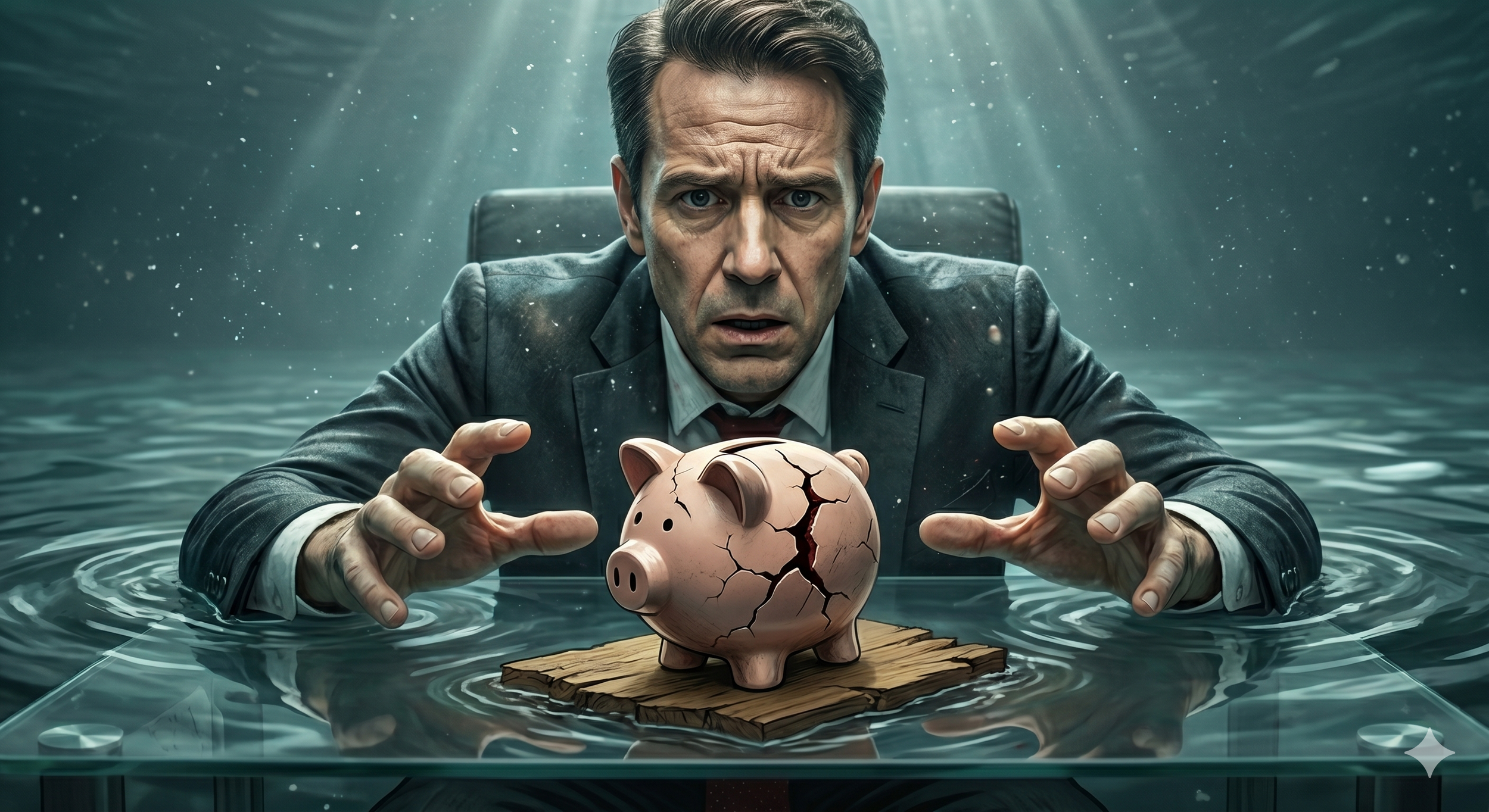
The modern corporate landscape is littered with the corpses of businesses that operated under a fatal delusion: the belief that transactional, short-term debt is a viable mechanism for sustaining operations or fueling growth.
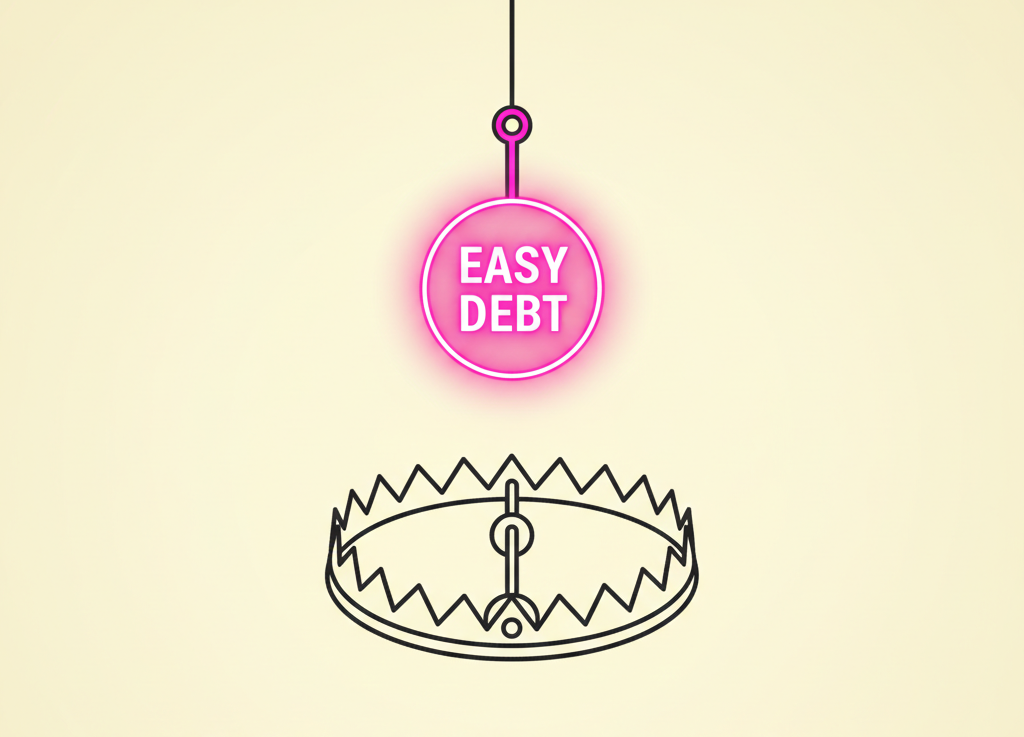
Let us be absolutely clear that merchant cash advances (MCAs), weekly or daily ACH debit business loans, and subprime alternative lending products are not business financial lifelines. They are predatory traps designed to extract maximum capital from a distressed enterprise at an accelerated velocity.
Executive leadership teams frequently succumb to these toxic instruments out of sheer desperation, driven by a profound lack of forward-looking financial planning and chronically inaccurate accounting. When an organization fails to forecast its cash requirements, it inevitably finds itself backed into a corner, staring down imminent payroll failures or critical vendor stockouts. In this state of panic, management reaches for the fastest, easiest money available, ignoring the catastrophic long-term consequences.
Transactional lenders exploit this desperation. They do not care about your business model, your market share, or your enterprise value. They care exclusively about securing access to your gross receipts and draining them before you have the opportunity to deploy that capital toward actual operational needs.
Continuing to rely on these instruments is not a strategy; it is a slow, agonizing march toward corporate suicide.
The Lethal Anatomy of Loan Stacking
The destruction initiated by a single transactional business loan is severe, but the practice of "loan stacking" is the absolute guarantee of total insolvency if not restructured immediately. Loan stacking occurs when an executive team, suffocating under the aggressive payment requirements of an initial short-term loan, takes out a second high-interest loan to cover the operating deficit created by the first. Soon, a third loan is stacked on top of the second.
The business effectively transforms into a Ponzi scheme operated against its own treasury. This is the definition of financial madness. Every new layer of business debt injected into the stack carries exorbitant origination fees and astronomical effective interest rates, further compressing the company’s already vanishing profit margins.
Consider the lethal mathematics: if Loan A automatically withdraws ten percent of your daily gross revenue, and Loan B withdraws an additional fifteen percent, a quarter of your top-line cash is evaporating before you pay a single employee, purchase a single piece of inventory, or keep the lights on. The business is no longer functioning as a commercial enterprise; it has been entirely subjugated, operating solely as a collection mechanism for parasitic lenders.
Stacking creates an inescapable vortex where the cost of servicing the debt vastly exceeds the revenue-generating capacity of the underlying assets. It is a mathematical impossibility to out-sell the suffocating drain of stacked transactional debt. The moment a business engages in this practice, it signs its own death warrant.
Amortization Asphyxiation and the Cash Flow Death Spiral
The core mechanic that makes transactional business debt and loan stacking so devastating is the aggressive, compressed amortization schedule. Amortization dictates the velocity at which the principal balance of a loan must be repaid. Sound corporate finance dictates that the payback period of a liability must strictly align with the economic lifespan and cash-generation timeline of the asset it funds.
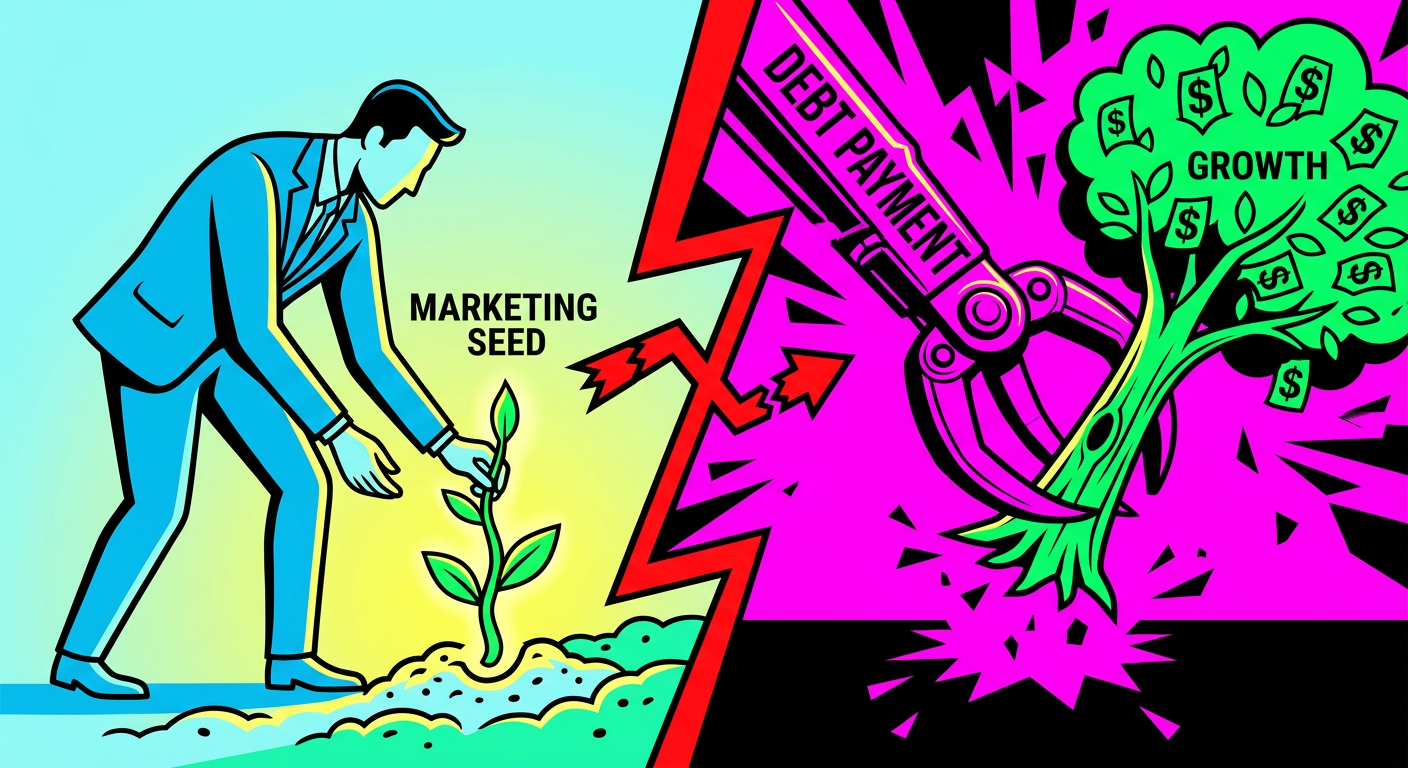
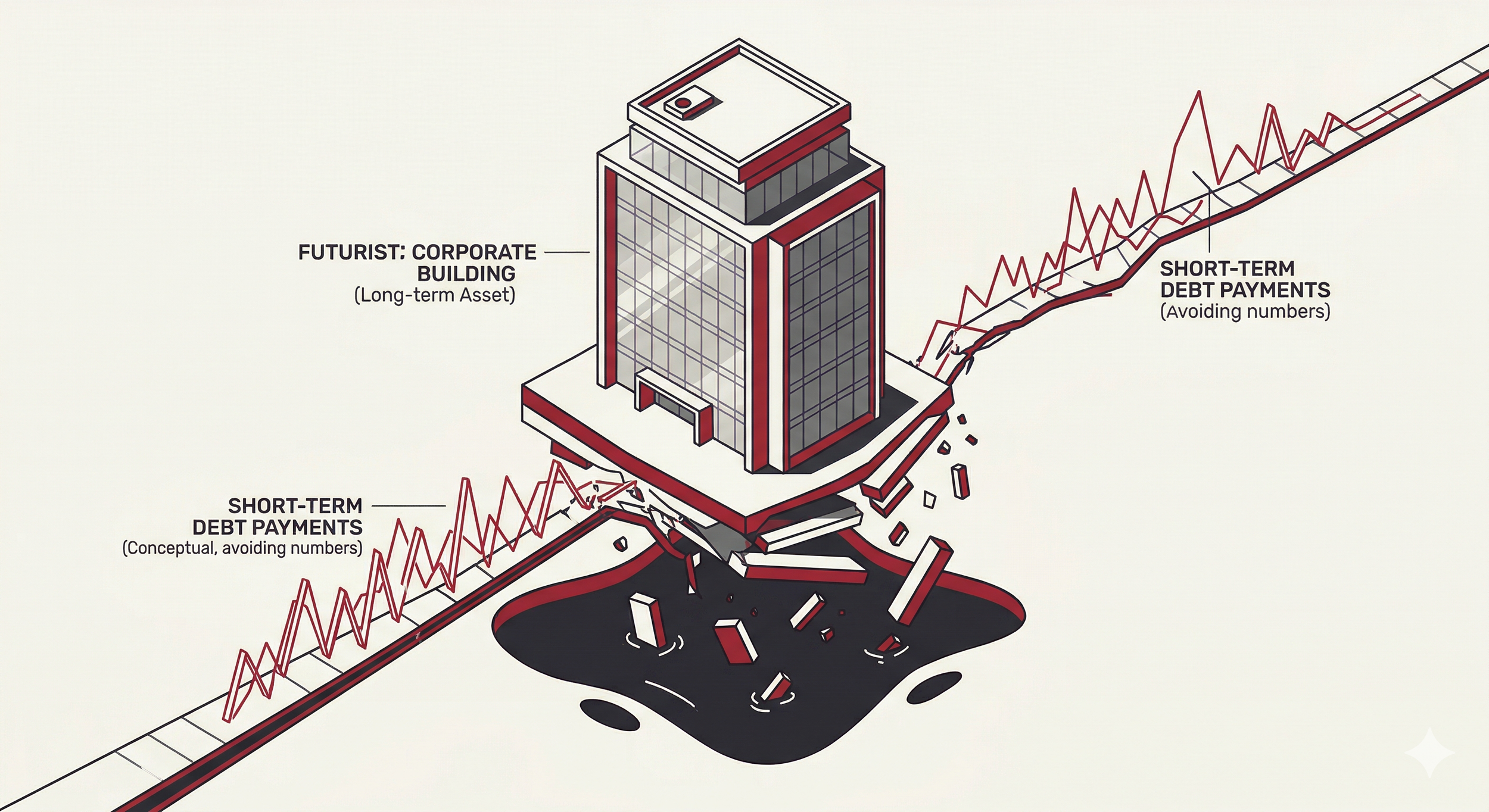
Transactional financing violently violates this principle. These predatory lenders demand full repayment within a matter of months, forcing the business into a state of amortization asphyxiation. When a company attempts to use a 12-month, high-repayment loan to fund a long-term initiative—such as a marketing campaign, a facility expansion, or bulk inventory acquisition—the financial timelines are fundamentally disconnected. The investment will take years to yield a profitable return, but the debt demands immediate, massive cash outflows.
This creates a structural negative cash flow environment. Even if the business is technically generating a profit on its income statement, the forced, rapid repayment of principal drains the operating bank account down to zero. The business enters a cash flow death spiral, cannibalizing its daily operating capital just to feed the aggressive amortization schedule.
Business liquidity is brought to zero or negative. This starvation prevents the company from replenishing necessary inventory, executing vital operational maintenance, and retaining top talent. The aggressive payback terms of transactional debt do not just strain the business; they actively suffocate it, stripping away the critical oxygen of working capital until the entire operation collapses under its own weight.
The Inevitable Crisis of Insolvency
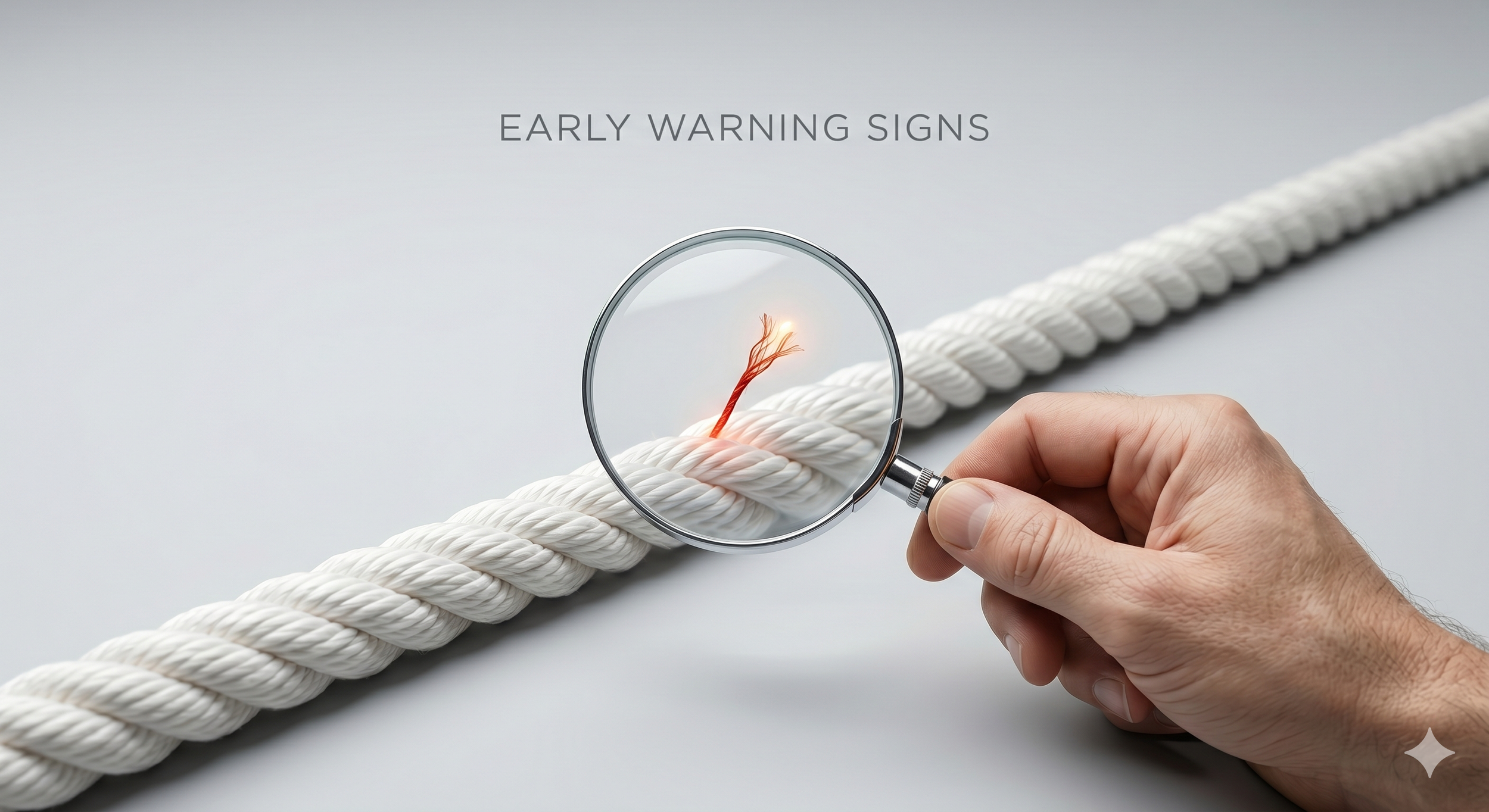
When executive leadership refuses to halt the cycle of transactional business borrowing and loan stacking, the resulting crisis of insolvency is not a mere possibility; it is an absolute, unavoidable certainty. You cannot manipulate mathematics, and you cannot indefinitely operate a business that bleeds more cash than it generates. The descent into insolvency follows a brutal and predictable trajectory.
As the stacked automatic ACH payments consume the vast majority of incoming revenue, the business loses the ability to manage its accounts payable, inventory and payroll. Management begins playing a desperate game of financial triage, intentionally delaying payments to critical suppliers. These suppliers, recognizing the distress, eventually revoke or limit trade credit and demand cash on delivery, further exacerbating the liquidity crisis. Without access to raw materials or inventory, production halts and customer orders go unfulfilled, causing top-line revenue to plummet while the fixed daily debt payments remain relentlessly constant. The final stage of this crisis occurs when the business fails to meet its most sacred obligations: payroll and tax remittances.
When employee checks bounce, the workforce walks out. When payroll taxes are diverted to pay subprime lenders, the government intervenes with devastating legal authority. The business is reduced to a hollow shell, completely stripped of its assets, its reputation, and its future. This horrific endgame is the direct, unmitigated result of prioritizing fast, toxic capital over disciplined financial strategy and accurate corporate accounting.
Eradicating the Reactive Borrowing Mindset
To survive and ultimately thrive, a business must violently eradicate the reactive borrowing mindset that leads to the transactional business debt trap. This requires a profound cultural and operational shift within the executive suite. Reactive borrowing is the direct consequence of operating with incorrect financials, inaccurate accounting and a total lack of planning for business financing.
When management fails to implement rigorous, near-GAAP accounting standards, they blind themselves to the economic reality of their own enterprise. Without accurate, forward-looking business cash flow projections, the executive team is constantly caught off guard by predictable seasonal slumps, mandatory tax payments or necessary equipment repairs. They manage the company by looking in the rearview mirror, reacting to crises only after they have already detonated.
Eradicating this mindset demands the installation of absolute financial discipline. Leadership must implement rigorous enterprise resource planning systems, enforce strict internal controls, and demand meticulously reconciled financial statements at the close of every single month. By transforming the accounting department from a chaotic administrative afterthought into a precision-engineered strategic command center, the business gains the critical visibility required to anticipate capital needs twelve to thirty-six months in advance. Only by eliminating the element of surprise can a company stop reacting to emergencies with toxic debt and start proactively architecting a sustainable capital structure.
The Paradigm Shift to Strategic Capital Partnerships
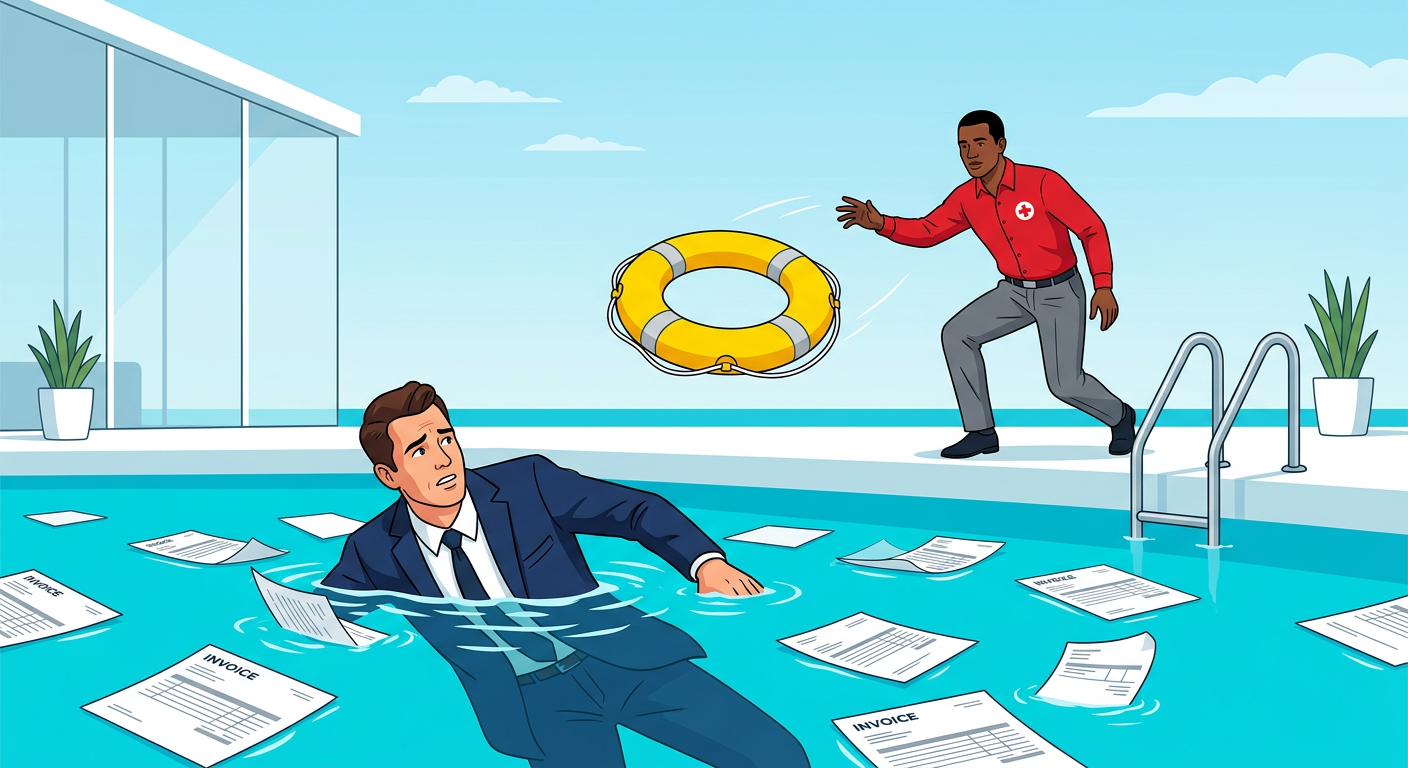
The ultimate salvation for a business suffocating under transactional debt is a fundamental paradigm shift away from cash flow lenders and toward a true, strategic capital partnership. A transactional lender is a parasite; a capital partner is an ally. This distinction is critical. A capital partner, whether a traditional commercial bank, a reputable private credit fund or a sophisticated asset-based lender, does not evaluate a business based solely on its ability to withstand ACH bank drafts.
They underwrite the enterprise based on its intrinsic value, its market position, and the integrity of its management team. They demand pristine financial reporting, audited ledgers, and a coherent strategic vision because they are investing in the long-term survival and dominance of the company.
A capital partner works collaboratively with executive leadership to dissect the balance sheet, identify operational inefficiencies and structure a business financing package that genuinely supports the company's growth trajectory. They understand that extracting capital too quickly harms their own investment, so they structure their facilities to ensure the business retains the necessary liquidity to operate efficiently.
Transitioning to a capital partner requires the business to elevate its own operational standards, abandon the chaos of flawed accounting, and demonstrate that it is a mature, sophisticated enterprise worthy of institutional investment. This partnership is the definitive line of demarcation between a struggling amateur operation and a dominant corporate entity.
Securing a Lower Cost of Capital
The most immediate and transformative benefit of transitioning to a strategic capital partner is the acquisition of a drastically lower cost of capital. You cannot build a durable, competitive empire while paying effective interest rates of forty, sixty, or one hundred percent. The sheer cost of servicing toxic transactional debt permanently cripples a company's ability to compete in the open market. Every dollar spent on exorbitant interest is a dollar stolen from research and development, marketing expansion, and competitive talent acquisition.
By restructuring the company's obligations through a strategic capital partner refinance, the business can consolidate its expensive, stacked loans into a single commercial facility with traditional lo double-digit interest rates. This reduction in the cost of capital fundamentally alters the unit economics of the business. Suddenly, profit margins that were previously consumed by lenders are repatriated to the company’s bottom line. This massive influx of retained earnings provides the financial ammunition required to undercut competitors on pricing, invest heavily in customer acquisition, and weather macroeconomic downturns without flinching.
A low cost of capital is not merely a financial luxury; it is the ultimate weapon for sustainable market dominance, allowing the business to continuously reinvest its own wealth into aggressive, unrestricted expansion.
Longer Payback Terms to Liberate Liquidity
A lower interest rate is only the smaller of the equation; to truly rescue a business from negative cash flow and the amortization abyss, the executive team must engineer drastically longer payback terms. The strategic objective of a capital partnership is to stretch the amortization schedule of the company's debt to align perfectly with the long-term cash generation capabilities of the enterprise. When a business consolidates a stack of 9 to 12-month transactional business loans into a single, traditional 3-year commercial term loan, the impact on liquidity is immediate and staggering.
By spreading the principal repayment over a significantly longer horizon, the required monthly cash outflow drops precipitously. This financial engineering instantly liberates massive reserves of working capital. The business transitions overnight from a state of structural negative cash flow to a state of robust, positive liquidity. This newly liberated cash flow allows management to permanently abandon the reactive practice of stretching accounts payable or delaying critical vendor payments.
The company regains the ability to optimize its supply chain, negotiate aggressive early-payment discounts with suppliers, and operate with the supreme confidence that comes from holding massive cash reserves. Engineering longer payback terms is the exact mechanism that breaks the stranglehold of the debt trap and restores the company’s operational sovereignty.
The Ultimate Mandate for Financial Sovereignty
The continuation of transactional business borrowing and loan stacking is a choice to embrace financial incompetence and actively pilot your enterprise into the ground. The path to survival demands immediate, aggressive and unforgiving action. You must tear down the chaotic, inaccurate accounting practices that blind you to your own reality. You must stop treating your business treasury as a feeding trough for predatory “alternative” lenders.
The mandate is absolute: restructure your liabilities now. Consolidate your toxic debt stack, secure a true strategic capital partner, demand a lower cost of capital, engineer sustainable payback terms and install a revolving credit facility to manage your future growth. This is not a theoretical exercise; it is the difference between building a legacy and filing for liquidation.
Reclaiming your business’ financial sovereignty requires you to step into the executive suite, take absolute control of your balance sheet, and architect a capital structure that serves the enterprise rather than bleeding it dry. Fix your accounting, obliterate your transactional debt, and forge the strategic partnerships required to dominate your industry. The survival of your business depends entirely on your willingness to execute this mandate today.
What is the Best Way to Fix Business Debt that is causing Business Cash Flow issues?
It is NOT by stopping ACH payments.
It is NOT by taking on another business loan.
It is NOT ALWAYS a Refinancing
It is NOT by entering into a debt settlement program.
Find out the BEST strategies to get your Business back to where it was

More Business Finance and Strategy Articles: