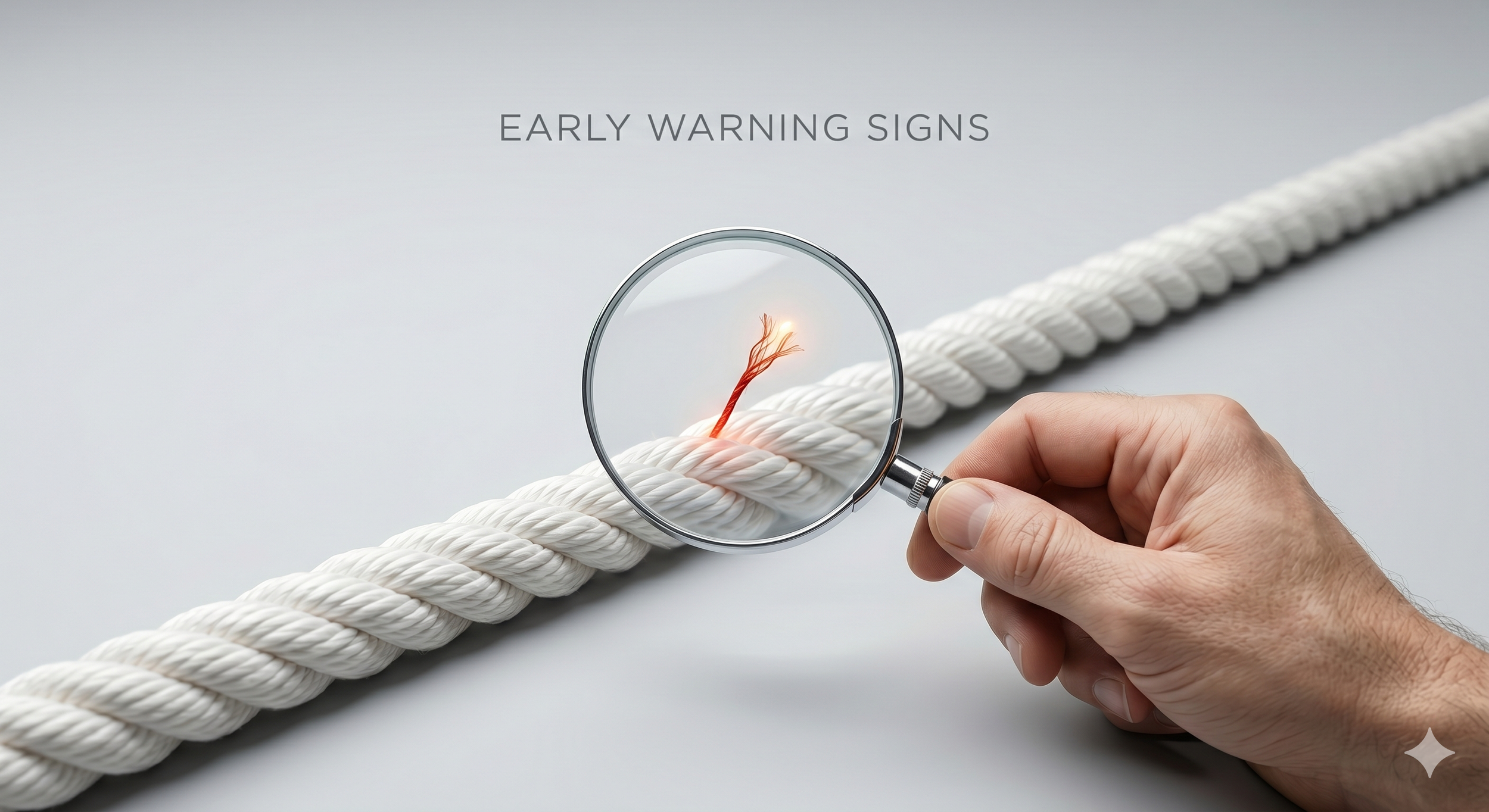
In the modern commercial landscape, operational excellence is frequently undermined by invisible fiscal fractures. A business may possess a dominant market share, a revolutionary product, and a loyal customer base, yet still find itself spiraling toward insolvency due to a fundamental misunderstanding of its financial architecture.
The most lethal threats to corporate longevity are rarely found on the competitive front lines; instead, they reside in the back office—within the ledgers, the business debt agreements, and the inventory warehouses.
When a company operates without a sophisticated, forward-looking financial strategy, it cedes control over its own destiny. From the suffocating weight of misaligned business debt and the silent menace of inaccurate financial reporting to the systemic drain of inventory over-purchasing, these obstacles demand a proactive and sophisticated response.
The journey of an established enterprise is full of financial intricacies that require diligent planning and a continuous commitment to fiscal health. This analysis explores the core financial impediments that plague businesses today, offering a comprehensive guide to understanding, mitigating, and ultimately overcoming them to build an enduring framework for sustainable, multi-generational prosperity.
The Liquidity Mirage - Solving Chronic Cash Flow Deficiencies
The most dangerous illusion in business is believing that a profitable income statement equates to a healthy bank account. This "liquidity mirage" occurs when a company recognizes revenue on an accrual basis while the actual cash remains trapped in the gears of the operation.
Chronic cash flow deficiencies are rarely the result of a single error; they are typically a systemic failure of the cash conversion cycle (CCC). The CCC measures how long it takes for a dollar spent on inventory and labor to travel through the production and sales process and return to the bank as cash from a customer.
When a business extends 60-day credit terms to clients but is forced to pay its own vendors within 15 days, it creates a structural cash flow gap. To bridge this gap, many businesses mistakenly turn to high-interest short-term debt, which only adds to the financial friction and negative business cash flow. Solving this requires a dual-track strategy: accelerating receivables and decelerating payables.
Accelerating receivables involves implementing tiered early-payment discounts, tightening credit standards for new clients, and utilizing automated collection platforms. Simultaneously, the procurement team must negotiate extended terms with suppliers that mirror the company's collection reality. By optimizing the CCC, a business can unlock internal capital that was previously "invisible," providing a zero-cost financing source to fund operations.
Escaping the Weight of High-Interest Obligations
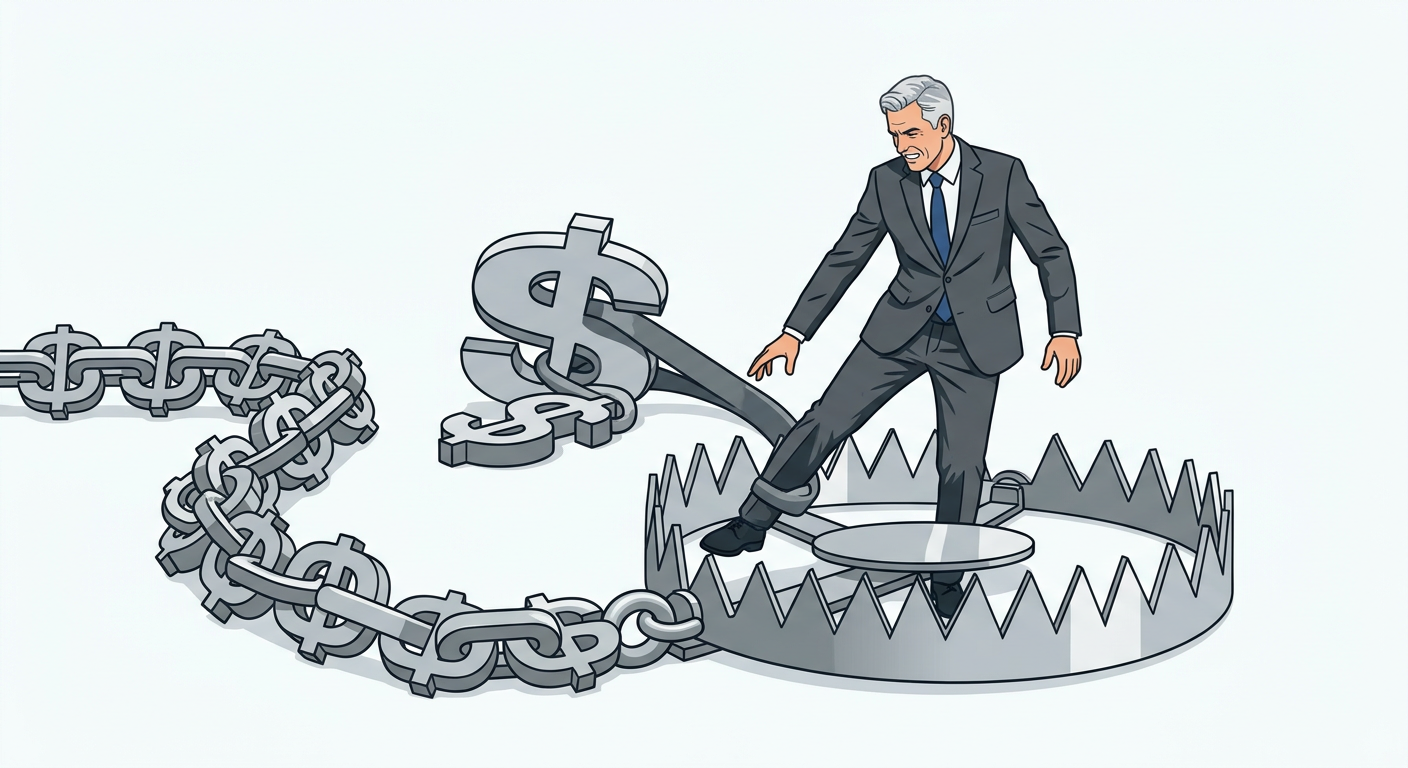
High-interest business debt acts as a corrosive force that silently erodes a company's profit margins and stifles its capacity for innovation. Often acquired during periods of desperation or rapid expansion, these high-cost obligations—ranging from merchant cash advances (MCAs) to predatory alternative term loan or line of credit products—carrying payment structures that disproportionately drain revenue. The insidious nature of high-interest debt lies in its ability to consume a significant portion of operating cash flow, leaving minimal capital for reinvestment. Businesses find themselves caught in a vicious cycle where a substantial percentage of their revenue is funneled directly to interest payments, rather than being deployed to generate further value.
Escaping this trap requires a calculated "Debt Pivot." This begins with a complete freeze on all predatory borrowing and an immediate pivot toward debt consolidation. Leadership must present a transparent, data-backed turnaround plan to traditional banks or specialized private debt funds, and Small Business Investment Corporations (SBICs).
The goal is to replace multiple high-frequency, high-cost notes with multiple lenders with a single, lower-interest facility that features a traditional monthly amortization schedule. This maneuver significantly reduces the "velocity" of cash outflow. However, this transition is only possible if the business can demonstrate a Debt Service Coverage Ratio (DSCR) that proves the new, lower payments can be comfortably met.
Credibility is the currency of debt refinancing; without accurate financials to prove the business’s underlying viability, the doors to traditional refinancing remain firmly shut.
The True Cost of Flawed Accounting
Flawed accounting is the silent killer of corporate strategy. When the general ledger is riddled with errors, unrecorded liabilities, or unreconciled accounts, the "dashboard" of the business is effectively broken. This accuracy deficit creates a cascade of poor decisions. Management might believe a specific product line is highly profitable, unaware that overhead costs are being misallocated. Alternatively, they may over-purchase inventory based on an inflated Cost of Goods Sold (COGS) calculation that masks shrinkage or obsolescence.
The cost of inaccurate accounting is both direct and indirect. Directly, it leads to overpaying taxes, missing deductible expenses, and incurring heavy penalties during audits. Indirectly, it destroys the company’s "Investment Readiness." When a lender or investor requests a due diligence package and finds unreconciled bank statements or missing accruals, the deal is dead on arrival.
Rebuilding this foundation requires a "Return to First Principles." This means implementing a rigorous month-end close process where every balance sheet account is verified against third-party documentation. Segregation of duties is paramount; the person responsible for accounts payable should never be the same person reconciling the bank statements. Accuracy is not an administrative luxury; it is a strategic requirement for any business seeking to secure its future.
Operating Without a Financing Blueprint
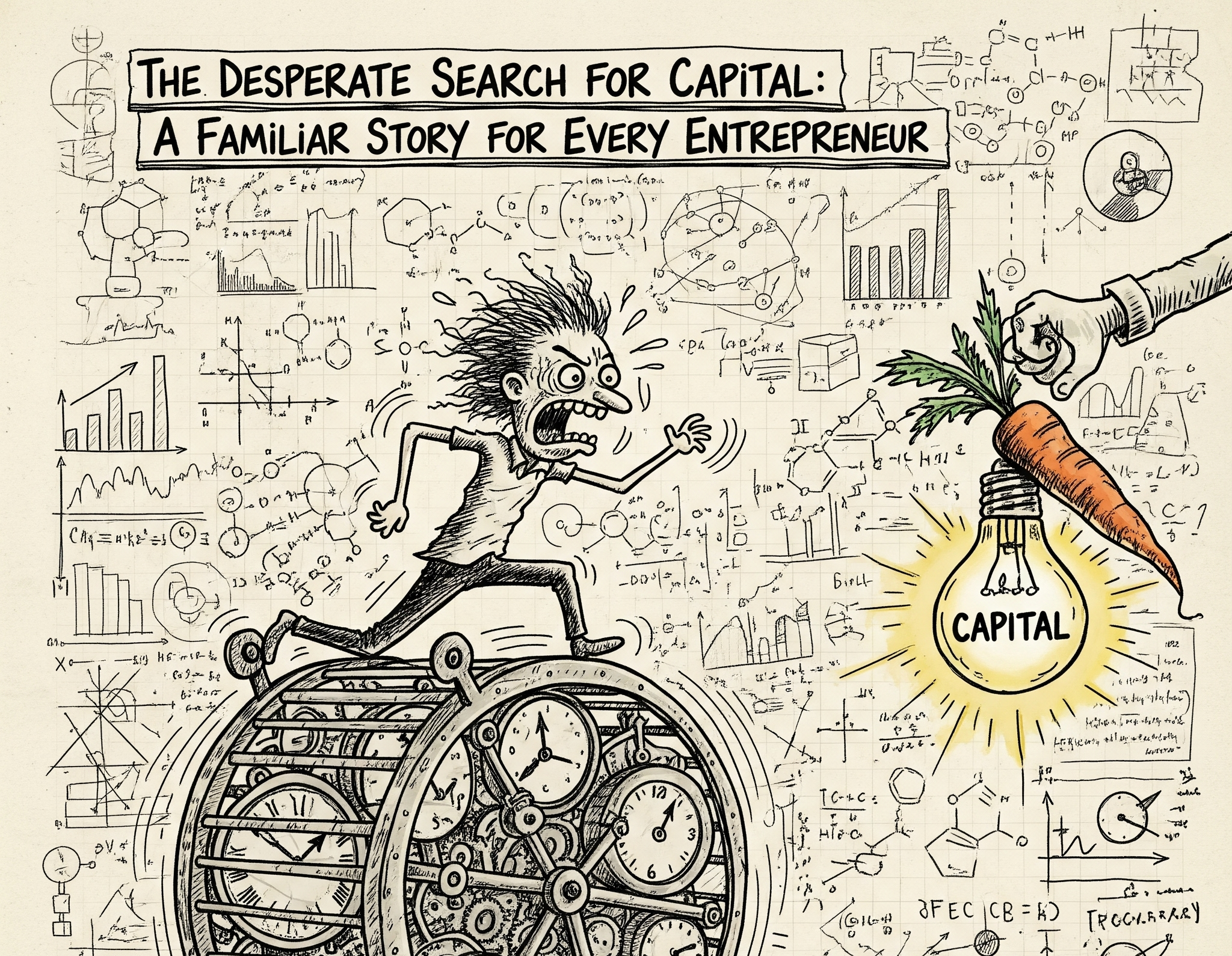
A pervasive vulnerability among middle-market firms is the "Strategic Vacuum", the absence of a proactive, multi-year financing plan. Most businesses treat financing as a reactive event, searching for capital only when the bank balance nears zero. This reactive posture is the weakest possible position for negotiation.
Lenders can sense desperation, which results in higher interest rates, more restrictive covenants. Operating without a plan means the business is constantly "firefighting," moving from one liquidity crisis to the next without a long-term view of its capital needs.
A proactive financing blueprint treats capital as a raw material that must be sourced as deliberately as any other component of the supply chain. This involves creating a rolling 12-month and 3-year "Sources and Uses of Funds" statement. By forecasting capital expenditures (CapEx) for equipment, technology, or expansion long before the funds are needed, a business can approach lenders from a position of strength.
They can establish "Shelf Credit" or revolving lines of credit during periods of high profitability, ensuring that when the market fluctuates, the capital is already secured. This foresight allows the organization to bypass predatory lenders and architect a "Capital Stack" that is diversified, balanced, and aligned with its specific growth milestones.
Why Short-Term Debt Kills Long-Term Assets
One of the most frequent causes of sudden corporate failure is the "Maturity Mismatch” or “Amortization Mismatch”. This occurs when a business uses short-term liabilities (like a one year) to fund long-term assets (like heavy machinery, real estate, or complex software development). Long-term assets generate a return on investment (ROI) over many years, but short-term debt requires rapid repayment. When the short-term note comes due, the asset has not yet produced enough cash to pay it off, forcing the business into negative cash flow.
This mismatch creates an immediate "Refinancing Risk." If interest rates rise or the company’s credit profile dips slightly when the short-term note is due for renewal, the lender may refuse to extend the credit. This can lead to a "Liquidity Crunch" that forces the liquidation of the very assets intended to drive growth.
The strategic imperative is to match the duration of the debt with the life of the asset or the business strategy. Long-term assets should be financed with long-term commercial mortgages, equipment leases, or "Patient Capital" (equity or long-term debt of 24-months or more). By aligning these timelines, the business ensures that the cash generated by the asset is sufficient to service the debt, protecting the company’s day-to-day operating liquidity from being cannibalized by capital investments.
Realigning Payback Periods for Cash Health
Even with a low interest rate, a business can be driven into the "Amortization Abyss" by an aggressive payback schedule. Amortization is the velocity at which the principal of a loan is repaid. Many lenders, seeking to minimize their risk, push for short-term payback periods that require massive monthly principal payments. If a business agrees to a 1-year amortization on a loan that should have been spread over 3-years, the resulting cash outflow can exceed the company’s monthly net profit. This creates a state of "Profitable Insolvency," where the company is making money on paper but has no cash in the bank.
Escaping this abyss requires a sophisticated understanding of the Debt Service Coverage Ratio (DSCR). A healthy DSCR typically ranges from 1.25 to 1.50, meaning the business generates $1.25 to $1.50 in cash flow for every $1.00 of debt service. When the DSCR drops toward 1.0, the business has no margin for error. Management must proactively negotiate "Term-Out" agreements, where existing short-term notes are converted into long-term loans. This reduces the monthly principal burden, immediately liberating cash flow for operations.
While this may result in paying more total interest over time, the "Liquidity Premium" or the value of having cash available today is far more important for a business in a recovery or growth phase.
Liberating Trapped Capital from Excess Stock
Inventory is often the largest "sinkhole" for a company’s cash. The "inventory quagmire" occurs when a business over-purchases raw materials or finished goods due to poor forecasting, a desire to chase bulk-purchase discounts, or a fear of supply chain disruptions. While a full warehouse might feel like a safety net, it actually represents "dead capital" that is earning zero return and is actively losing value through storage costs, insurance, and the risk of obsolescence. For many businesses, the "savings" from a 10% bulk discount are completely erased by the 20% annual cost of carrying that inventory and the interest on the debt used to purchase it.
Reclaiming this capital requires a transition from "just-in-case" to "data-driven" inventory management. Organizations must implement a SKU-level velocity analysis, identifying and liquidating slow-moving items even if it requires a fire sale. The goal is to maximize the Inventory Turnover Ratio, which measures how many times a company has sold and replaced its inventory during a specific period. By reducing inventory levels by even 15%, a mid-sized business can often find hundreds of thousands of dollars in "found money." This liberated cash can be used to pay down high-interest debt or fund marketing initiatives, turning a static asset into a dynamic engine for growth.
The Danger of Inaccurate Financial Reporting
If accounting is the engine, financial reporting is the "dashboard." When that dashboard is inaccurate, the CEO is flying blind into a storm. Inaccurate financial reporting involves more than just typos; it involves the failure to present financial data in a way that reflects the true economic reality of the business.
Common issues include failing to properly account for depreciation, neglecting to "accrue" for large upcoming expenses like bonuses or taxes, and misrepresenting the aging of accounts receivable. When a bank sees a "clean" balance sheet that actually hides a massive upcoming tax liability, the company’s credibility is permanently damaged.
Solving this requires the implementation of a "Real-Time Reporting" framework. Management should not wait until 20 days after the month ends to see their performance; they should have access to a daily flash report showing key metrics like cash on hand, accounts payable due, and current sales vs. forecast. This level of transparency allows for micro-adjustments to spending before a small deficit turns into a major crisis. Furthermore, by providing lenders and investors with proactive reporting—sharing data even when it is not required—a business builds a "trust premium" that results in lower interest rates and more flexible credit terms during difficult economic cycles.
Identifying and Stopping Operational Cash Leaks
Operational cash leaks are the "death by a thousand cuts" for a business. These are small, recurring expenses that, when taken together, create a massive internal bleed. Common leaks include subscription creep (paying for software or services no longer in use), duplicate vendor payments caused by poor accounts payable controls, and excessive "soft costs" in the procurement process. Because these leaks are often hidden in broad expense categories on the income statement, they are rarely identified during a standard high-level financial review.
Stopping the internal bleed requires a Zero-Based Budgeting (ZBB) exercise at least once every two years. In a ZBB environment, every department must justify every dollar of expenditure from scratch, rather than simply carrying over last year's budget with a 5% increase. This process forces managers to identify and eliminate redundant services and inefficient processes.
Additionally, implementing an automated spend management system can catch duplicate invoices and ensure that all purchases are made at pre-negotiated contract rates. By plugging these small leaks, a business can often improve its net profit margin by 3% to 7%, providing a significant boost to its DSCR and its overall valuation without requiring a single new customer.
Building a Culture of Fiscal Discipline
The ultimate defense against financial distress is not a single strategy, but the creation of a "culture of fiscal discipline." In many organizations, the finance department is seen as a back-office function that simply records what has already happened. In a resilient framework, the CFO and the finance team are integrated into every strategic conversation, from product pricing to geographical expansion. Every manager in the company should understand the unit economics of their department and how their specific spending decisions impact the company's overall cash position.
Building this culture requires transparency and education. Management should share key financial targets with the entire staff and incentivize employees based on free cash flow rather than just top-line revenue. When everyone in the organization—from the warehouse manager to the sales director—understands that "cash is king," the business naturally begins to make more disciplined decisions. This cultural alignment ensures that the organization remains lean and agile during economic downturns and is prepared to capitalize on growth opportunities during upswings. A business that treats its balance sheet with the same intensity as its sales pipeline is a business that is built to last, capable of navigating the complexities of the global economy with confidence and strategic precision.
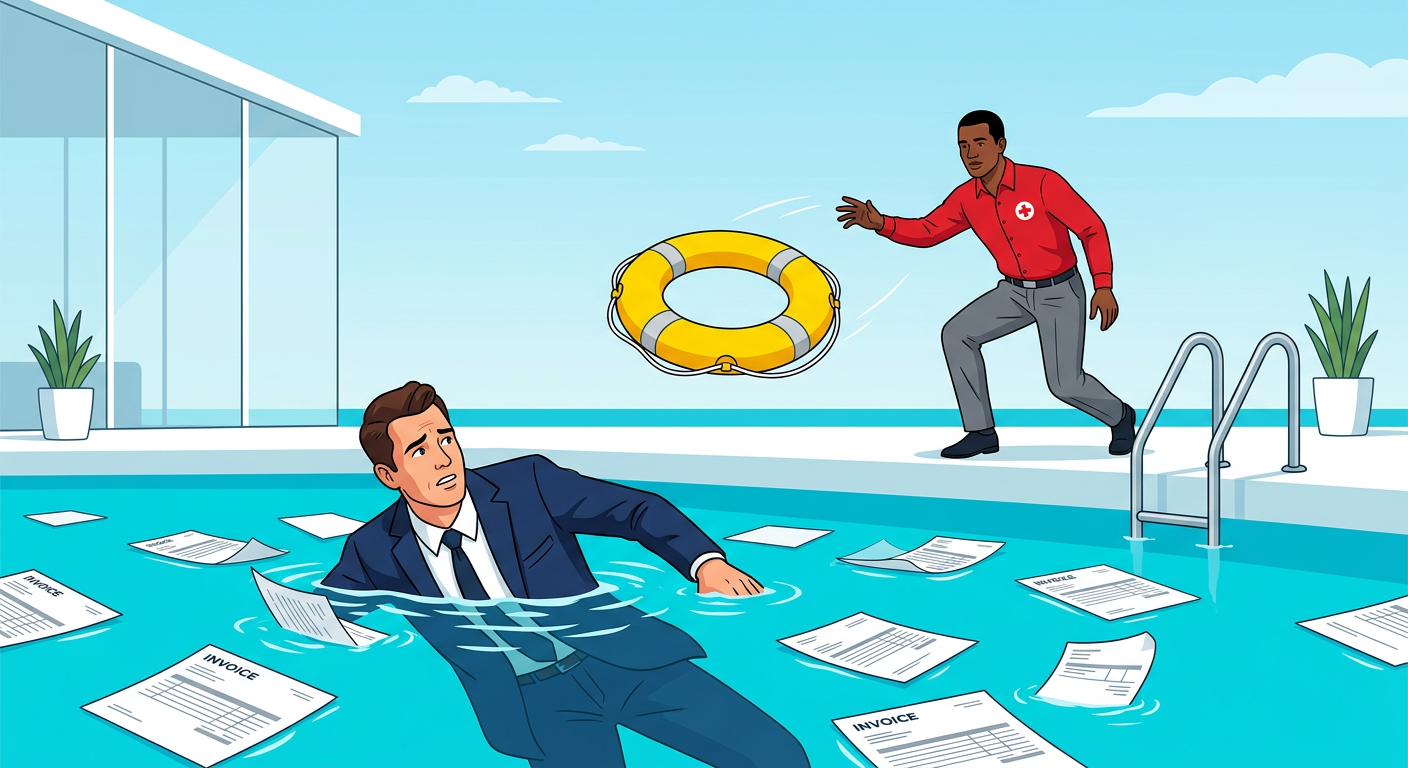
What is the Best Way to Fix Business Debt that is causing Business Cash Flow issues?
It is NOT by stopping ACH payments.
It is NOT by taking on another business loan.
It is NOT ALWAYS a Refinancing
It is NOT by entering into a debt settlement program.
Find out the BEST strategies to get your Business back to where it was

More Business Finance and Strategy Articles: