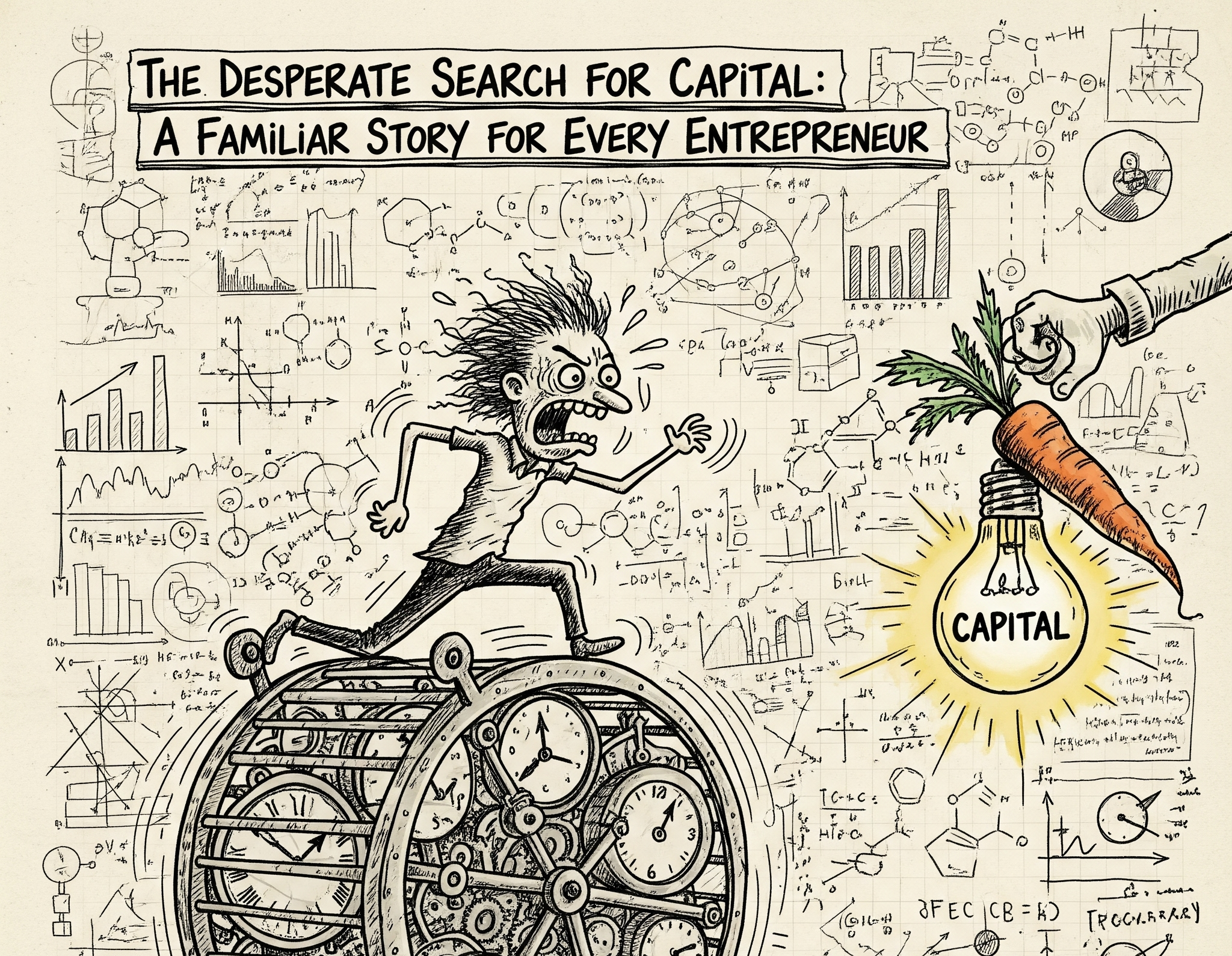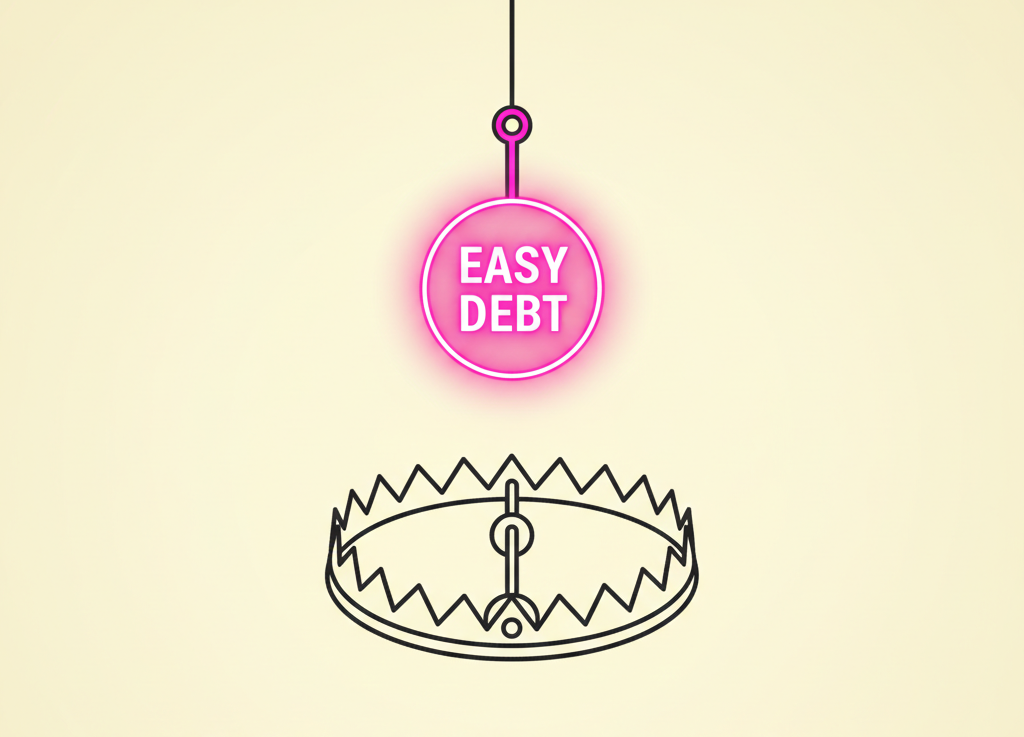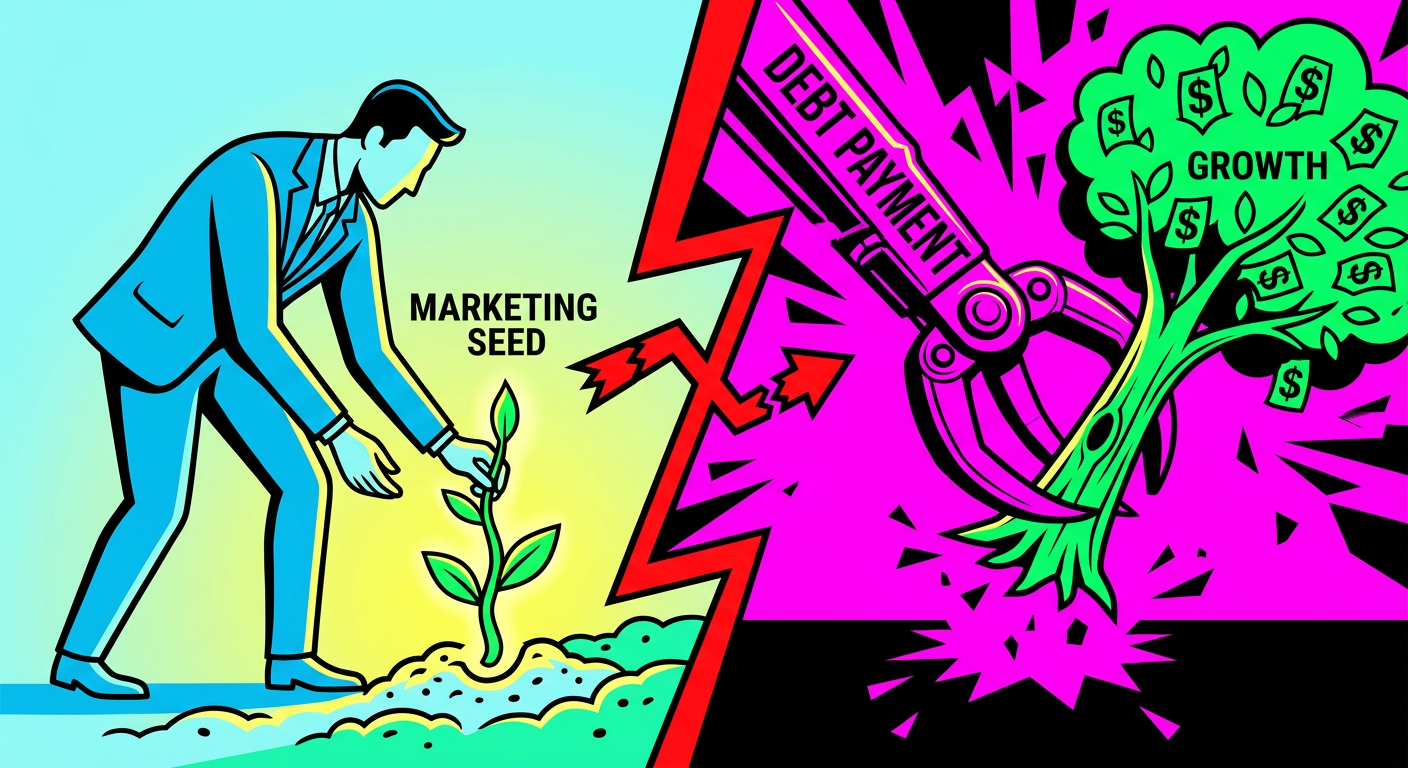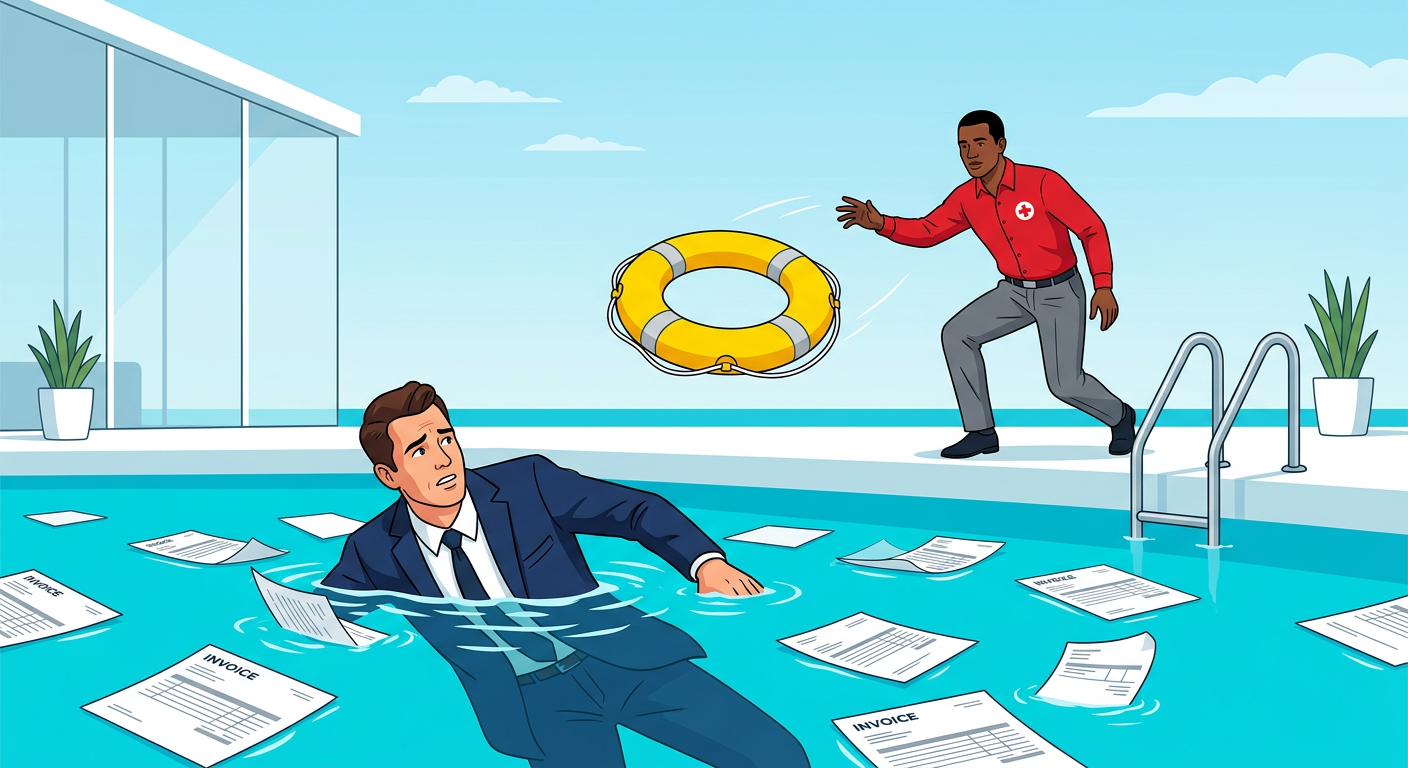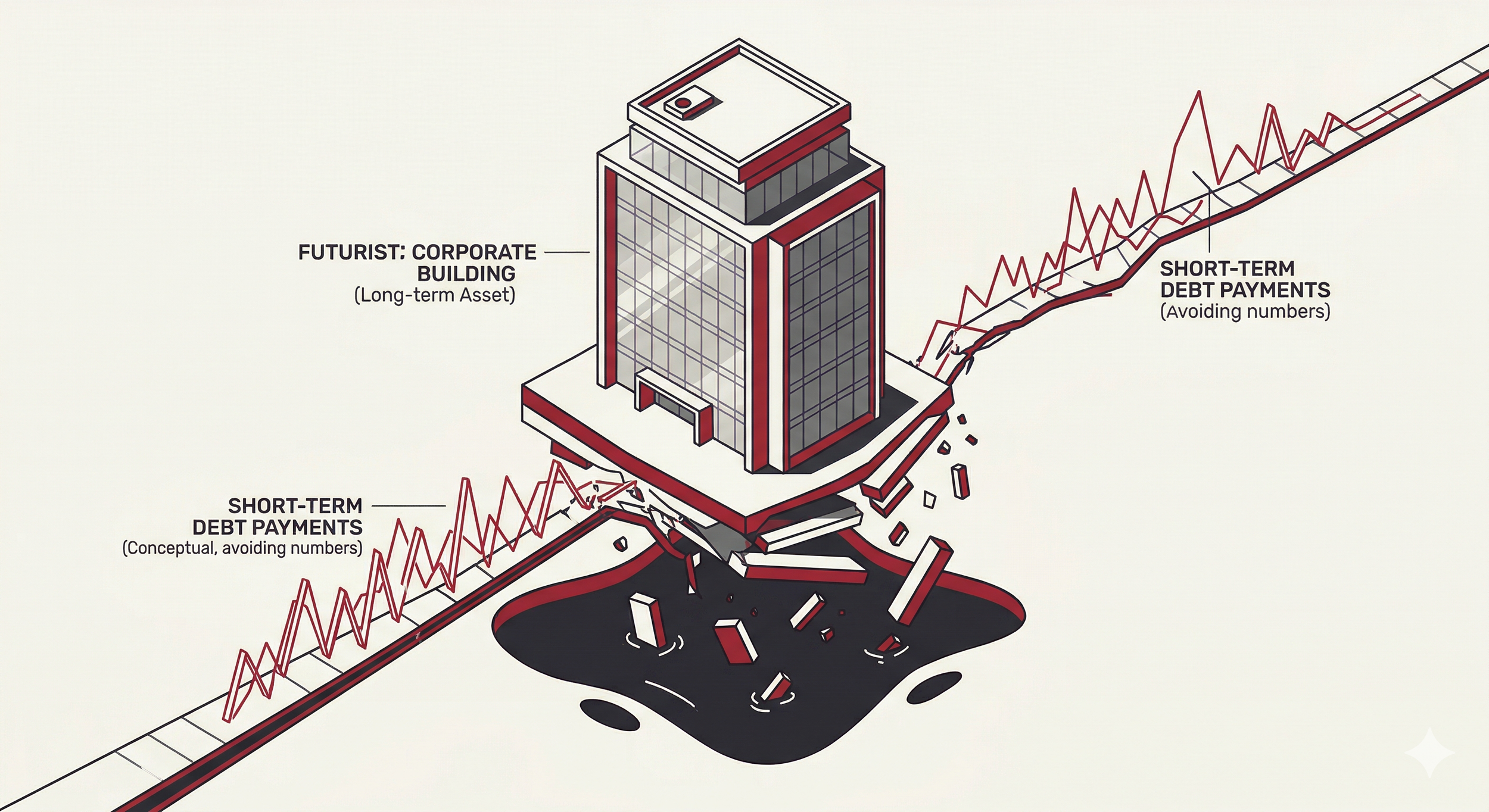
The weight of business debt payments and the crushing reality of business cash flow shortages can feel like a physical burden. You are likely reading this because the math is no longer working. The inflows are a trickle, the outflows are a flood, and the debt service is consuming every spare dollar of margin you manage to generate. It is a terrifying position, yet it is not a unique one. Countless success stories began as near-failures. The difference between bankruptcy and a legendary turnaround is rarely luck; it is a mixture of brutal honesty, strategic negotiation, and immediate, decisive action.
This guide is designed to walk you through the rigorous process of stabilizing a sinking ship. We will dismantle the complex mechanics of a financial turnaround into actionable, distinct phases. There are no quick fixes here, only hard work and disciplined financial engineering. By following these steps, you move from a state of panic to a state of control, eventually steering the enterprise back toward profitability and growth.
The Brutal Assessment of Reality
The first step in any turnaround is stopping the denial. Human nature compels us to believe that the next big sale or a seasonal upturn will solve everything. In a distress situation, hope is not a strategy; it is a liability. You must look at your financial statements with the cold, detached eye of an external auditor.
You need to determine if your business is suffering from a temporary liquidity crisis or a fundamental solvency issue. A liquidity crisis means you have assets and a viable model, but you are out of cash right now. A solvency issue means your liabilities exceed your assets and your business model is fundamentally broken.
To make this distinction, you must immediately update your books. You cannot navigate a storm with a map from six months ago. You need to know exactly how much you owe to every single creditor, the interest rates, the payment schedules, and the penalties for default. You must list every recurring expense, no matter how trivial. This assessment phase is painful because it forces you to confront the mistakes of the past, but without a clear picture of the hole you are in, you cannot build a ladder to get out. You must categorize your debts into secured and unsecured, priority and non-priority. This hierarchy will dictate who gets paid first when resources are scarce.
Implementing the Thirteen-Week Cash Flow Model
The annual budget is useless to you right now. When you are bleeding cash, you do not survive by the year; you survive by the week. The thirteen-week cash flow forecast is the standard tool for turnaround professionals. It is a specific horizon that provides enough visibility to see looming cliffs—like payroll or a balloon payment—while remaining short-term enough to be highly accurate. This model is not about accounting profit; it is purely about the movement of actual dollars.
You must map out every single anticipated cash inflow and outflow for the next quarter. Be conservative with your inflows. If a client usually pays in thirty days but has been slipping to forty-five, model it at forty-five. Be aggressive with your outflows. Assume no leniency from vendors unless you have negotiated it. Once you populate this model, you will see exactly which weeks you go negative. This visibility gives you the power to act before the check bounces.
If you see a deficit four weeks out, you have a month to generate cash, delay a payment, or accelerate a receivable. This tool moves you from reactive firefighting to proactive management. It becomes the bible by which you run your company, updated every single week without fail.
The Art of Strategic Expense Reduction
Cutting costs is the immediate reflex of any distressed business, but slashing indiscriminately can accelerate the death spiral. You must cut fat, not muscle. Muscle is anything that directly contributes to generating revenue or delivering your core value proposition. Fat is everything else. You must go through your general ledger line by line. Subscriptions, memberships, travel, entertainment, and office perks must vanish immediately. These are vanity expenses that a distressed company cannot afford.
However, the deeper cuts require more analysis. Look at your vendor contracts. Are you paying a premium for speed or convenience that you no longer require? Can you switch to a lower-cost raw material without sacrificing quality? You must also look at your lease. If you have excess space, can you sublet it? Can you renegotiate terms with your landlord in exchange for a longer lease extension? Every dollar saved acts exactly like a dollar of pure profit.
In a turnaround, cash preservation is your highest priority. Do not fall into the trap of thinking small expenses do not matter. Five subscriptions costing fifty dollars a month each equals three thousand dollars a year—cash that could keep the lights on during a bad week.
Triage for Revenue and Pricing Power
Many businesses land in debt because they are essentially subsidizing their customers. If your costs have risen due to inflation or operational inefficiencies, but your prices have remained stagnant, you are losing money on every unit you sell. You must conduct an immediate margin analysis on every product or service you offer. You might discover that your highest revenue clients are actually your least profitable ones once you factor in the service time and resource allocation.
Do not be afraid to raise prices. In a crisis, you are better off losing ten percent of your low-margin volume if it means a twenty percent increase in overall margin. You need cash. Furthermore, look for immediate revenue opportunities. Can you offer a discount for early payment? If a client owes you ten thousand dollars due in thirty days, offering them a five percent discount for payment today might be expensive in annual percentage terms, but if that cash keeps payroll from bouncing, it is a necessary tactical move.
You must turn your accounts receivable into cash as aggressively as possible. Pick up the phone and call overdue accounts personally. The owner’s voice carries weight that an automated email does not.
The Complex World of Debt Restructuring
Your creditors generally do not want you to go bankrupt. If you file for bankruptcy, unsecured creditors often get pennies on the dollar, and even secured creditors face long delays and legal fees. This reality gives you leverage. Once you have your thirteen-week cash flow and a clear understanding of your deficit, you must approach your creditors.
This is not a time to hide. Silence breeds aggression from lenders. You must communicate early and transparently.
Propose a payment plan that is realistic based on your new cash flow model, not one based on their demands. You might ask for a period of interest-only payments to help you stabilize operations. You might ask to extend the term of the loan to lower the monthly payment.
In some cases, vendors may agree to a "standstill" agreement where they freeze old debt repayment while you stay current on new orders, allowing you to remain in business and eventually pay them back. For high-interest debt like merchant cash advances, you may need to consult with legal experts to understand your rights and potential defenses. The goal is to align your business debt service requirements with your actual cash generation ability, rather than your theoretical obligations.
Optimizing Inventory and Asset Utilization
Cash often hides in plain sight, sitting on warehouse shelves or in unused equipment. Inventory management is critical during a cash crunch. Holding inventory costs money—storage, insurance, and the opportunity cost of the cash used to buy it. You must identify slow-moving or obsolete stock and liquidate it. Sell it at cost or even slightly below cost if necessary. The loss on the income statement is irrelevant compared to the cash infusion on the balance sheet. You are converting dust-gathering boxes into payroll.
Look beyond inventory to fixed assets. Do you have vehicles, machinery, or equipment that are underutilized? Sell them.
If you own your building or major equipment, consider a sale-leaseback arrangement. This allows you to sell the asset to a financier and lease it back immediately. You lose ownership, but you unlock a massive chunk of equity that can be used to pay down toxic, high-interest debt.
This is a strategic restructuring of your balance sheet, trading long-term equity for immediate survival liquidity. Every asset must fight for its place on your balance sheet; if it is not generating a return, it must be converted to cash.
Staffing and Organizational Efficiency
This is invariably the most difficult part of a turnaround. Labor is often the largest expense on the P&L, and meaningful cost reduction frequently requires addressing payroll. However, layoffs can destroy morale and productivity just when you need them most. Before cutting heads, look for inefficiencies.
Are you paying overtime that could be eliminated with better scheduling? Are there roles that can be consolidated? Can you implement a temporary, company-wide salary reduction with the promise of bonuses once profitability returns?
If you must reduce staff, do it once and do it deep enough to solve the problem. Death by a thousand cuts—firing one person every week—creates a culture of fear where no one works effectively. If you have to let people go, be transparent, compassionate, and decisive. Explain the situation clearly to the remaining team. They need to know that this action was taken to save the company and their jobs in the long run. Once the reduction is made, you must rally the remaining team, ensuring they are focused on the core mission of recovery. You need a leaner, faster, and more versatile workforce to navigate the recovery phase.
Re-evaluating the Business Model
Sometimes, the business debt and cash flow issues are merely symptoms of a dying business model. The market may have shifted, customer preferences may have changed, or a new competitor may have commoditized your offering. You must ask yourself the existential question: Does this business still have a reason to exist? If the answer is yes, you may still need to pivot. This might mean abandoning a legacy product line that was once your flagship but is now a drag on resources.
It might mean shifting from a product-sales model to a recurring-service model to stabilize cash flow. Look at your value proposition. What do you do better than anyone else? Double down on that niche and shed the distractions.
A turnaround is the perfect time to experiment because you have nothing left to lose. Innovation often comes from constraint. When you cannot throw money at a problem, you are forced to solve it with creativity and hustle. This pivot could be the engine of your future growth, transforming your company into something leaner and more modern than it was before the crisis.
Managing the Psychological Toll
The mental strain on a business owner during an internal financial crisis is immense. The sleepless nights, the constant ringing of the phone, and the fear of failure can cloud judgment. Decision fatigue sets in, leading to paralysis or rash choices. It is vital to compartmentalize the stress.
You must separate your self-worth from the business's net worth. Failure of a venture is not a failure of the person. You need to maintain your physical and mental health to lead effectively.
Surround yourself with a kitchen cabinet of advisors—mentors, peers, or turnaround consultants—who can provide objective feedback. You are too close to the fire to see the whole building. An outside perspective can spot opportunities or risks that you are blind to.
Furthermore, you must maintain a facade of calm confidence for your employees, vendors, and customers. If the captain looks panicked, the crew will jump ship. Leadership in a crisis is about absorbing chaos and radiating calm. You must project the belief that there is a plan and that the plan is working, even on the days when you are filled with doubt.
The Road to Reconstruction
Stabilization is not the end; it is merely the beginning of the ascent. Once the bleeding has stopped, the business debt has been restructured or refinanced, and the cash flow is positive, you must resist the urge to relax. This is the reconstruction phase. You must use your newfound profitability to build a fortress balance sheet. The first priority for free cash flow is building a cash reserve—a war chest that ensures you never face this situation again.
You must also codify the disciplines you learned during the crisis:
· Keep the thirteen-week cash flow model.
· Keep the relentless focus on expense management.
· Keep the rigorous margin analysis.
· Do not let the fat creep back into the organization as revenue returns.
The scars of this experience should serve as a permanent reminder of the importance of business financial discipline. As you grow, you will do so with a skepticism of business debt and a reverence for cash. You have survived the fire, and the business that emerges from the ashes is often stronger, more efficient, and more resilient than the one that entered it. You have turned a crisis into a masterclass in management, and that is a foundation upon which you can build a lasting legacy.
What is the Best Way to Deal with Business Debt Payments that are causing Business Cash Flow issues?
It is NOT by stopping ACH payments.
It is NOT by taking on another business loan.
It is NOT ALWAYS a Refinancing
It is NOT by entering into a debt settlement program.
Find out the BEST strategies to get your Business back to where it was

More Business Finance and Strategy Articles: