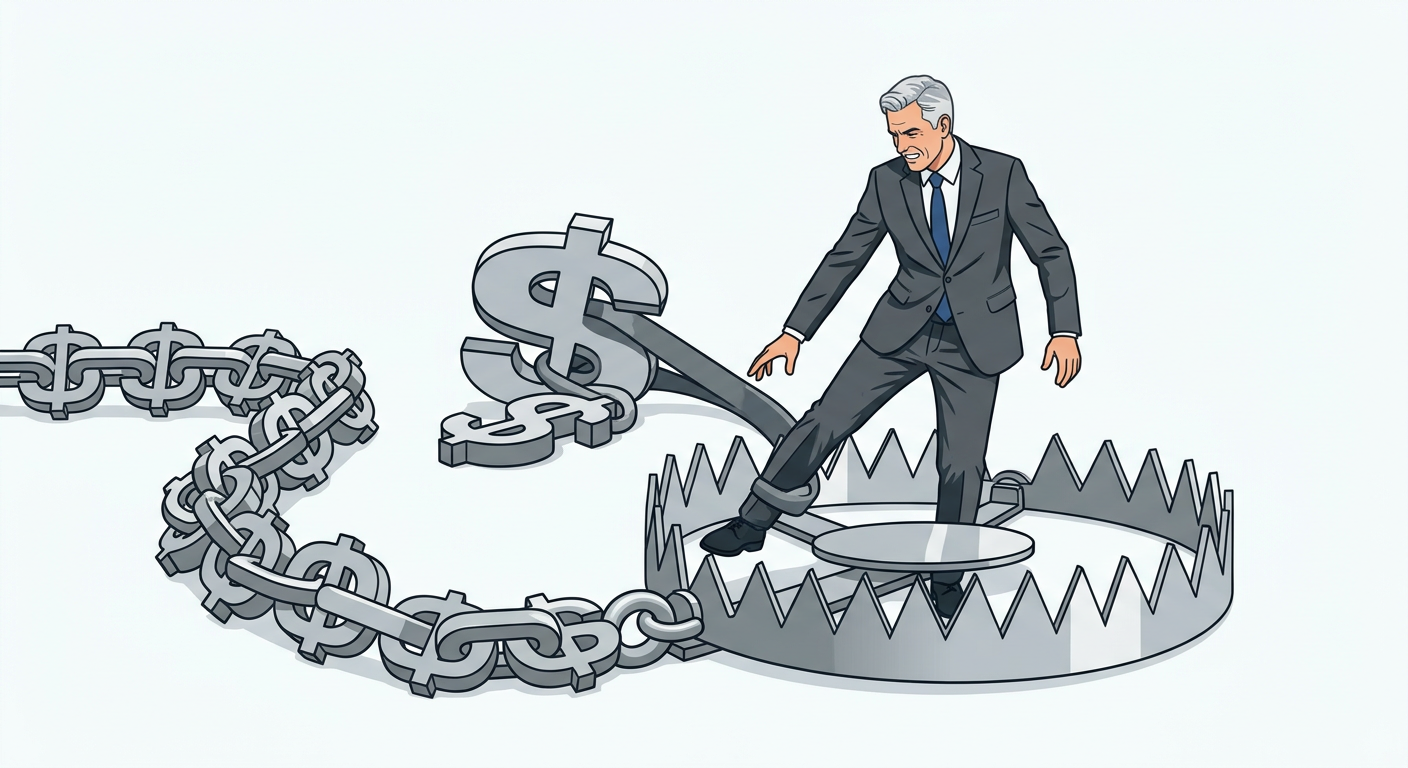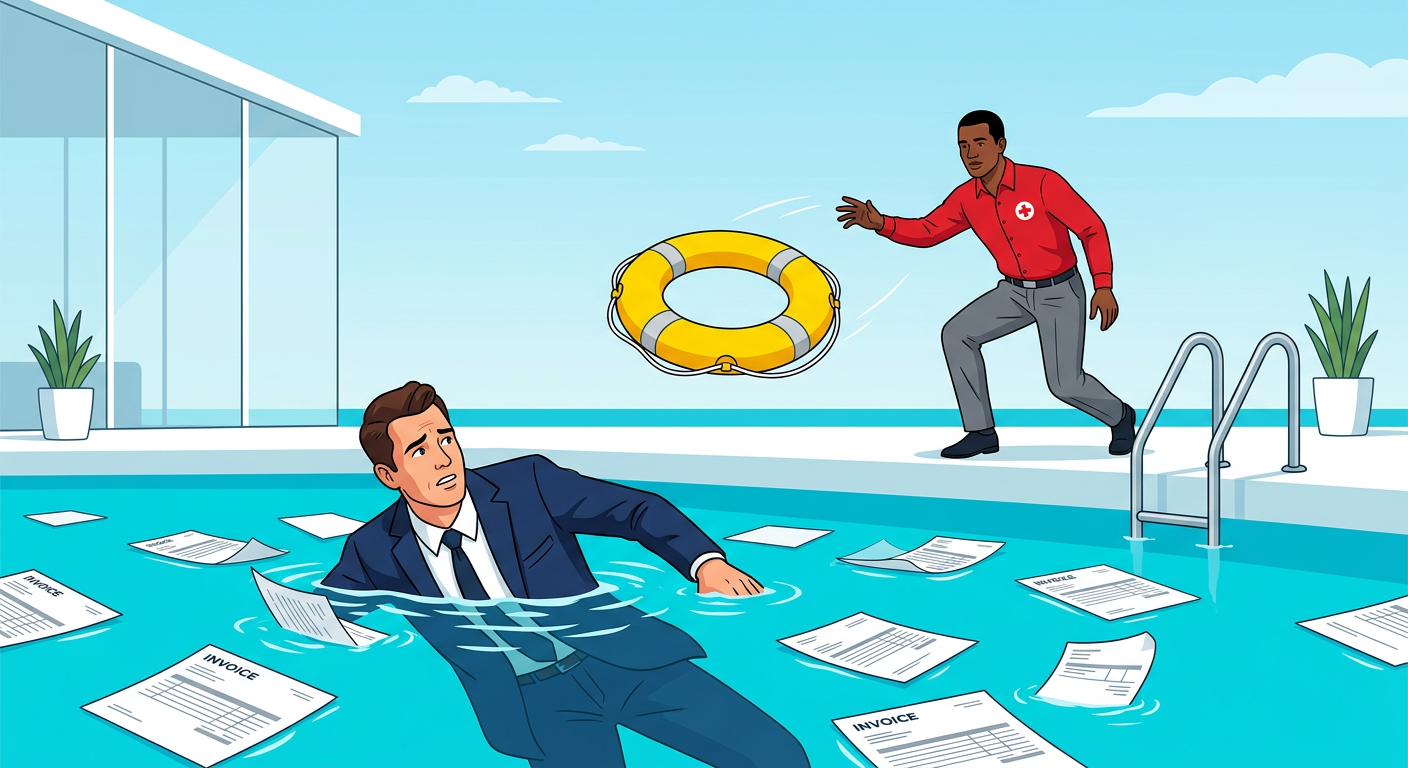
Every morning or perhaps every Friday, thousands of small business owners across the country wake up to the same digital reality check. Before they can review new orders, check on employee schedules, or pour a cup of coffee, they log into their business bank accounts to see how much cash vanished overnight. For many, the answer is a staggering sum, withdrawn automatically by multiple lenders, merchant cash advance providers, and business financing fintech platforms.
This is the trap of weekly (or daily) remittances, a phenomenon that turns profitable operational models into cash-poor nightmares. When a business owner stares at a balance that is constantly draining due to these high-frequency withdrawals, the psychological pressure to find a quick fix becomes overwhelming.
The Silent Crisis of Frequent Remittances and Cash Flow Suffocation
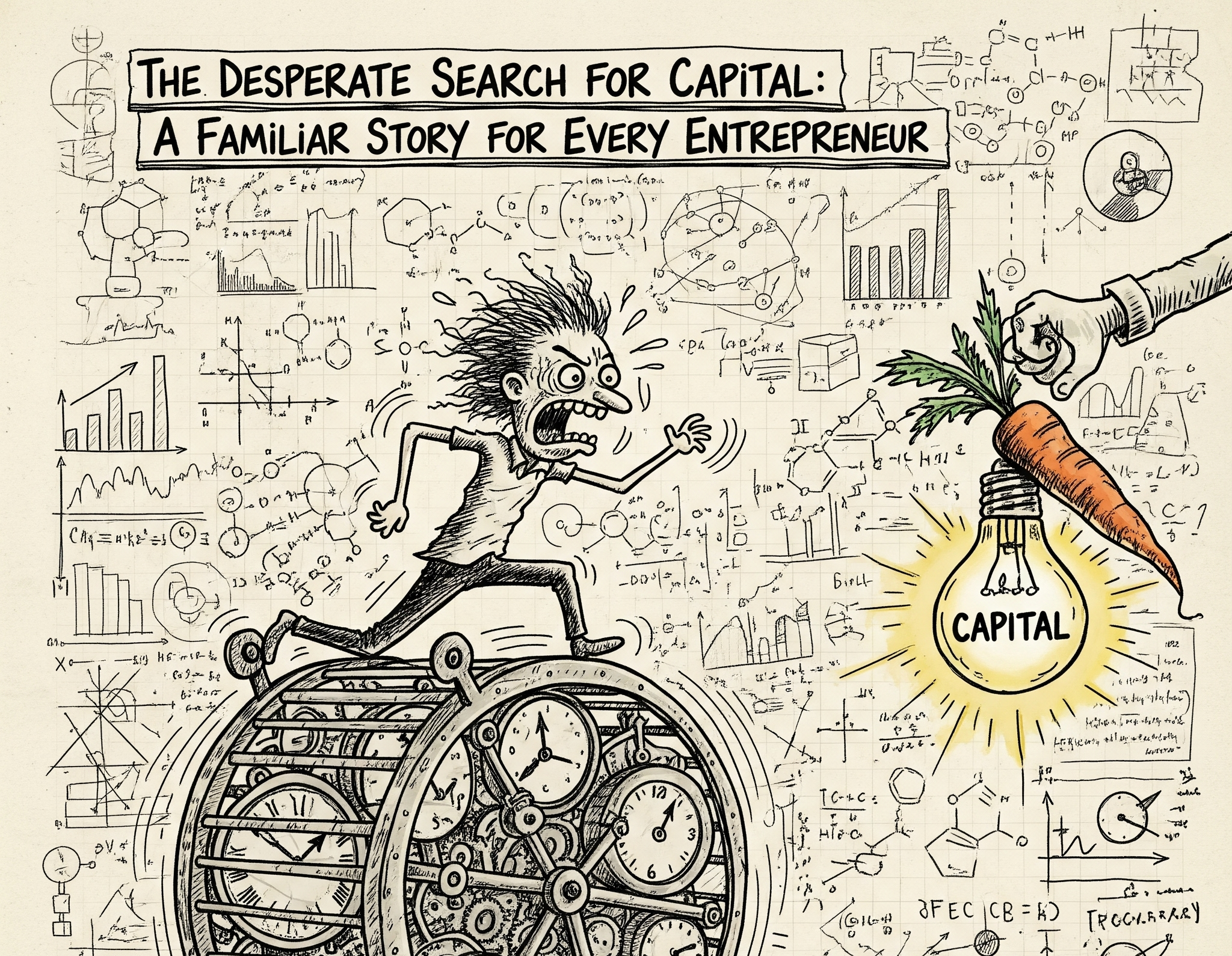
The immediate reaction is often a desperate scramble for liquidity. You might look at your accounts receivable and wonder if they will clear in time to cover payroll, or you might look at your inventory and wonder if a fire sale is necessary. This pressure cooker environment is where bad financial decisions are often made.
The stress of negative cash flow caused by aggressive weekly (or daily) remittances can cloud judgment, leading savvy entrepreneurs to accept terms they would never consider in a calm environment. Whether the money leaves your account in smaller chunks every single day or in a massive lump sum every week, the net result is the same:
…the business is suffocated by a repayment schedule
that does not align with its revenue generation.
To navigate this, a business owner must step back from the panic of the pending withdrawal and look at the mathematical reality of their balance sheet. The problem is rarely that the business is not generating revenue; the problem is almost always that the debt service coverage ratio has been broken by short-term, high-cost capital that demands weekly (or daily) satisfaction.
The solution requires a cold, hard look at three distinct paths: refinancing to a longer term, restructuring the existing obligations, or the most dangerous path of all, taking on more debt to feed the beast.
Analyzing Architecture of Short-Term Business Debt
To understand the solution, one must fully understand the problem. Short-term business financing, often structured as Merchant Cash Advances or high-frequency payment term loans, operates differently than traditional banking products. These are not typically loans in the conventional sense; they are often structured as legal purchase and sale agreements of future receivables. The provider gives you a lump sum now in exchange for a larger amount of your future revenue, collected at a rapid pace. Because these are structured as commercial transactions rather than loans in many jurisdictions, they often bypass usury laws, resulting in effective Annual Percentage Rates that can soar into the triple digits.
The most dangerous aspect of this debt architecture is the repayment cadence. Traditional debt is amortized over years with monthly payments, allowing the business to use the capital to grow, generate a return, and pay back the principal slowly.
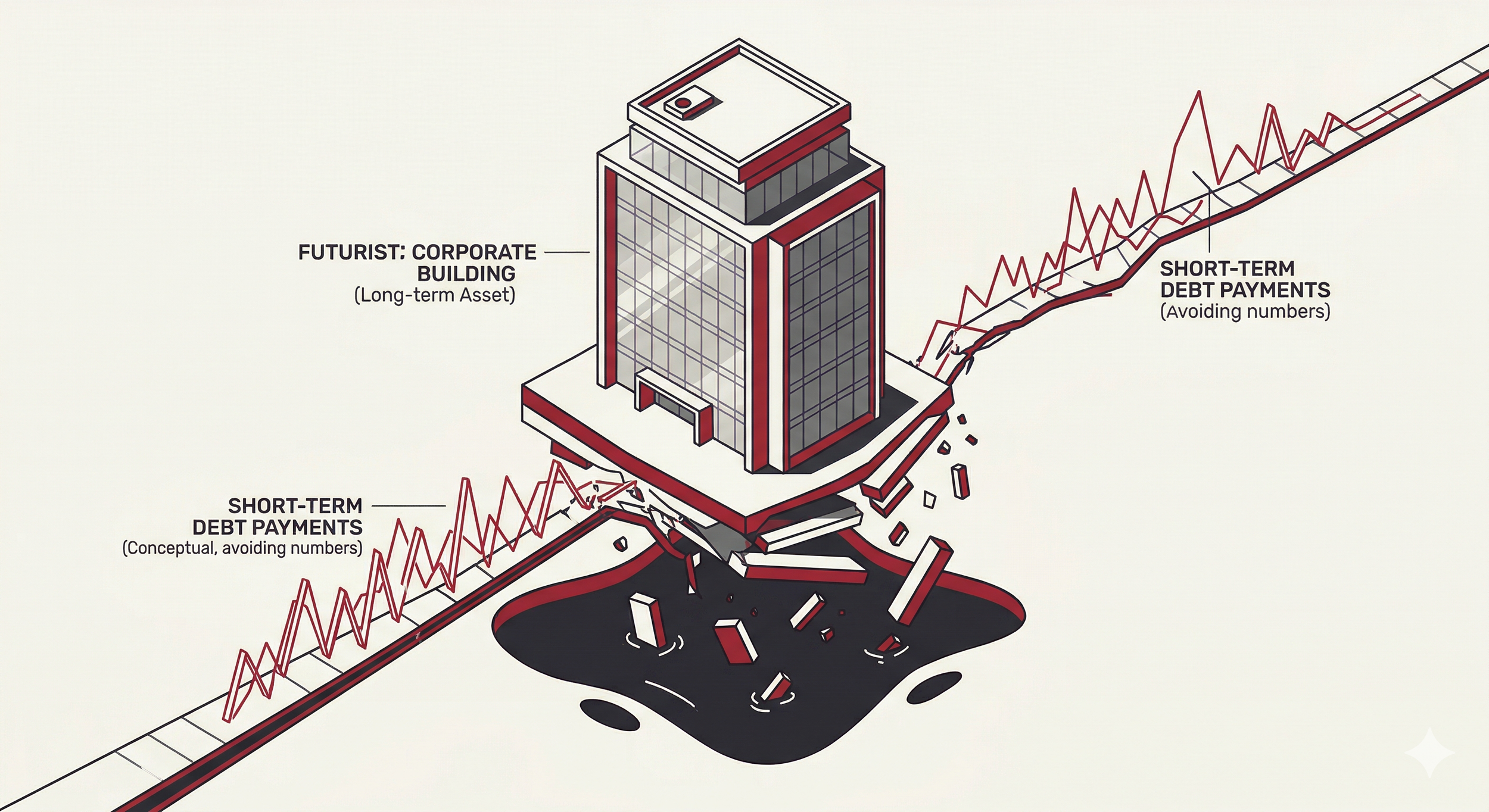
Short-term debt, however, demands repayment in weeks or months, usually through mandatory weekly (or daily) debits. This aggressive repayment schedule ignores the natural cash flow cycle of the business. If your business waits thirty or sixty days to get paid by clients, but your lender takes money via weekly (or daily) remittances, you immediately face a liquidity crisis, regardless of how profitable you are on paper.
Furthermore, these agreements often come with strict covenants and security interests. They blanket lien the assets of the business, often filing UCC-1 financing statements that alert other creditors to their priority position. This essentially locks up the business's collateral, making it incredibly difficult to bring in cheaper, senior debt later. The lender knows that by taking a slice of revenue through weekly (or daily) remittances, they are practically guaranteed to be paid before the landlord, the suppliers, and often the employees.
Understanding this aggressive posture is vital when deciding how to dismantle the debt stack.
The Holy Grail: Refinancing to Long-Term Business Capital
The ideal solution for any business owner trapped in a cycle of high-frequency business debt payments is to refinance the entire debt load into a traditional term loan. This is often referred to as the "takeout" strategy or a “recap”. The goal is to replace the aggressive weekly (or daily) debits with a single, monthly payment at a market interest rate. The mathematical relief this provides is instant and transformative. Imagine replacing forty thousand dollars in monthly obligations—spread out over chaotic weekly (or daily) draws—with a single three-thousand-dollar monthly payment. The cash flow swing immediately revitalizes the business, allowing for reinvestment in inventory, marketing, and staff.
Programs like private business credit fund investors and the SBA 7(a) or 504 loan are the gold standard for this type of refinancing. These types of loans offer terms stretching up to 2, 3, 5, 10, 25 or even 30-years, with interest rates that are strictly regulated. Even a standard conventional bank term loan without the SBA guarantee offers a massive reprieve compared to alternative business lending.
The logic is simple: you are spreading the repayment of the principal over a much longer horizon, which drastically reduces the immediate cash flow burden on your operating account caused by weekly (or daily) remittances.
However, the process of securing this type of financing is rigorous. Traditional lenders look at the global cash flow of the business, the personal credit of the owner, and the collateral coverage. They want to see tax returns that show profitability, not just top-line revenue. They analyze the debt-to-income ratio and the debt service coverage ratio. For a business that has been aggressively writing off expenses to lower tax liability, this can be a hurdle.
Refinancing is the path of least resistance for the business's future, but it is the path of highest resistance regarding qualification.
The Qualification Gap and Why Banks Say No
While business debt refinancing is the goal, the reality is that many businesses carrying short-term debt will face rejection from traditional banks. This is not necessarily because the business is bad, but because the presence of multiple loans requiring weekly (or daily) remittances signals "financial distress" to a conservative underwriter. When a bank officer sees three or four different positions on a bank statement, known as "stacking," they perceive a business that is unable to manage its cash flow. They view the refinancing request not as a growth opportunity, but as a bailout for a sinking ship.
Banks are risk-averse institutions. They operate on thin margins and rely on the certainty of repayment. A business that has resorted to paying future revenue or receivable factoring rates of one point four (1.4x) or one point five (1.5x) is viewed as high-risk. The bank worries that if they provide the capital to pay off the high-interest lenders, the business owner will simply go back and borrow more money from alternative lenders, putting the bank's position in jeopardy. This is why many term sheets for refinancing come with strict stipulations that all other business debt must be closed and no new debt can be incurred without notifying the new senior creditor.
Additionally, the collateral gap is a major issue. Short-term lenders often lend against cash flow, not hard assets. A traditional bank needs tangible collateral—real estate, heavy equipment, or substantial accounts receivable—to secure the loan. If a business is service-based or asset-light, they may struggle to find a bank willing to take the risk, even if the cash flow supports the payments.
This leaves the business owner in a difficult limbo: too risky for the bank due to the strain of weekly (or daily) remittances, but too good of a business to be crushed by predatory lending.
The Death Spiral of Business Debt Stacking and Taking On More Business Debt
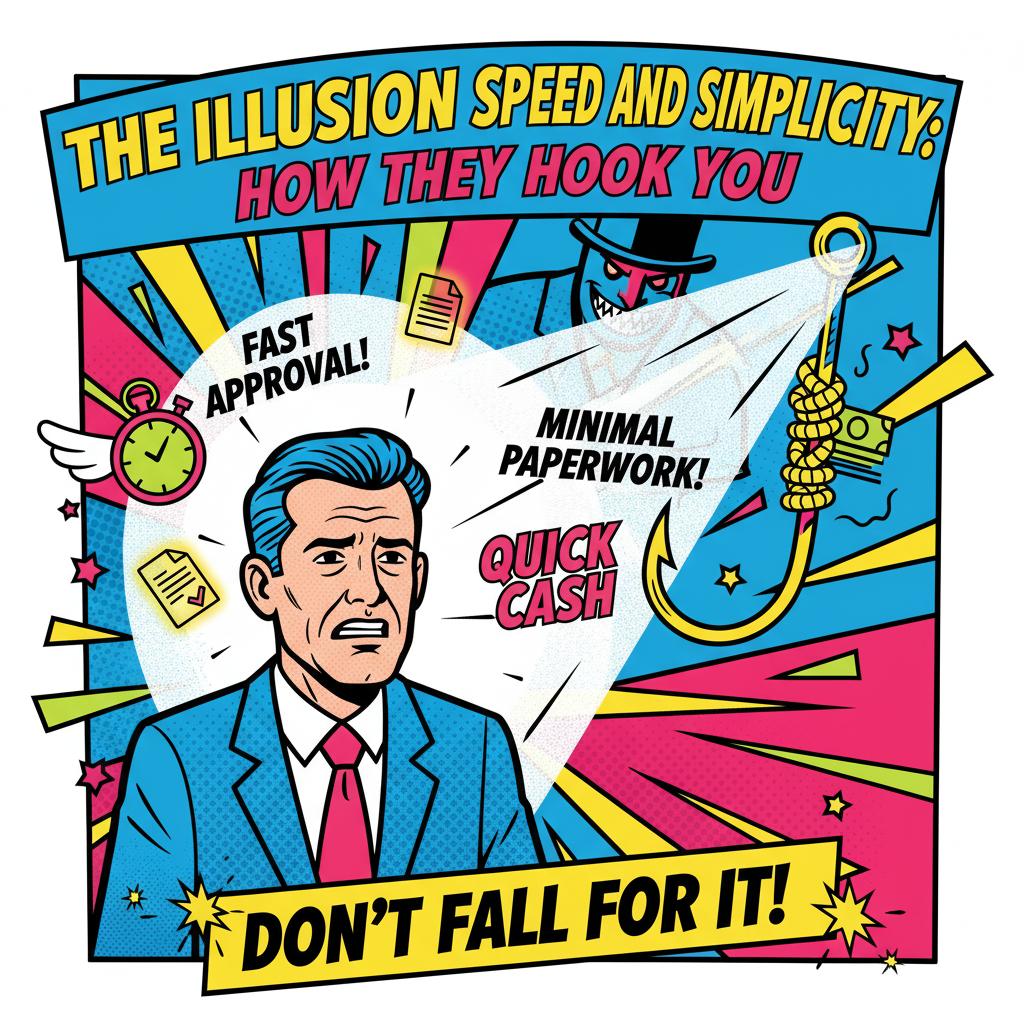
When business refinancing is denied, many business owners turn to the most dangerous option on the table: stacking. This occurs when a broker or lender suggests taking out a "second position," "third position," or even "fourth position" loan to cover the payments of the existing loans. The sales pitch is seductive. They promise to net the business a small amount of working capital after paying off a portion of the old balance, or they simply add a new payment on top of the old ones to provide a temporary bridge.
This is a mathematical impossibility for long-term survival. When you use expensive money to pay off expensive money, the cost of capital compounds exponentially. You are essentially paying fees on top of fees, and interest on top of interest. The "net" amount the business actually receives shrinks with every new position, while the total obligation for weekly (or daily) remittances grows. It is akin to digging a hole to fill a hole, but the shovel gets smaller and the hole gets deeper every time.
The result is a phenomenon known as the "renewal trap." Some business lenders or funders call it “refinancing” which it certainly is not.
The lenders know exactly when the business will run out of cash based on the weekly (or daily) withdrawal rate. Just as the business approaches a zero balance, the lender offers a renewal. The business owner, desperate to make payroll, accepts. The principal balance resets to a higher amount, the term extends slightly, but the effective interest rate often climbs. This cycle can continue for years, draining dollars upon dollars in equity from the business, benefiting only the brokers and the lenders.
The Psychology of the Borrower and the Sunk Cost Fallacy
To understand why rational business owners choose to stack debt, one must look at the psychology of the entrepreneur. Entrepreneurs are optimists by nature. They believe that the next big contract is just around the corner, that the slow season is about to end, or that a new marketing campaign will solve all revenue issues. They view the high-cost debt as a temporary bridge to get to that brighter future. They convince themselves that they can outrun the interest rates with growth, ignoring the crushing weight of the weekly (or daily) remittances.
There is also a profound element of the sunk cost fallacy. After paying hundreds of thousands of dollars in interest and fees, a business owner feels committed to the path they are on. Admitting that the business debt structure is unsustainable feels like admitting defeat. There is a fear that stopping the weekly (or daily) payments to restructure or negotiate will ruin their reputation or their credit score, not realizing that the business debt load itself is already ruining their creditworthiness in the eyes of traditional institutions.
Furthermore, the aggressive collection tactics of some lenders create a fear-based decision-making loop. The threat of frozen bank accounts, contacting Accounts Receivable customers under UCC Article 9, or invoking personal guarantees keeps the business owner compliant. They prioritize paying the weekly (or daily) debit over paying vendors, taxes, or themselves, operating out of fear rather than financial strategy. Breaking this psychological cycle is just as important as fixing the financial cycle.
The Strategic Option of Business Debt Restructuring of Existing Debt
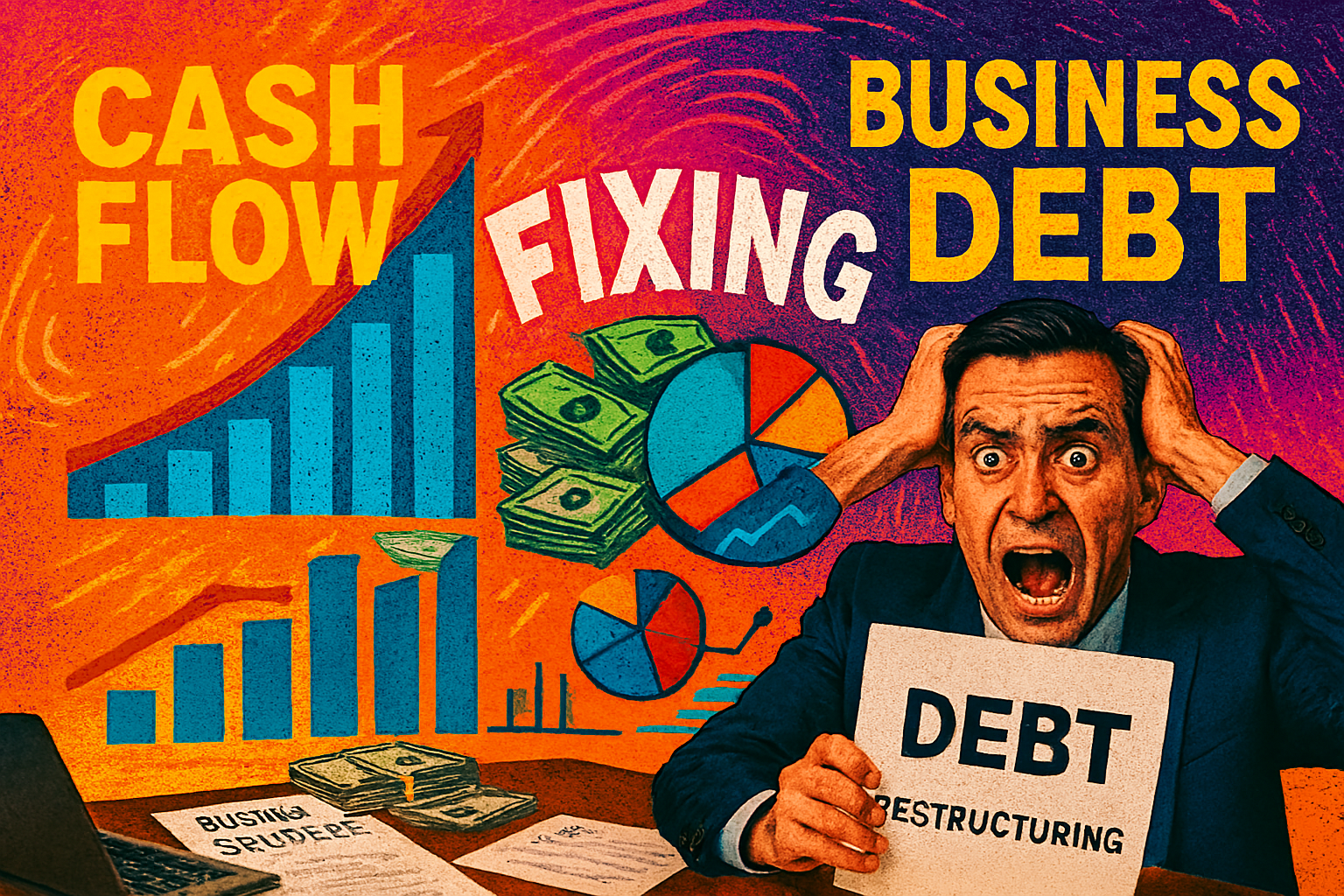
When refinancing is impossible and stacking is suicidal, the third and most viable option is debt restructuring. This is not bankruptcy; it is a commercial workout. Restructuring involves hiring professionals to negotiate directly with the creditors to alter the terms of the debt, WITHOUT STOPPING PAYMENTS OR DEFAULTING.
The objective is to lower the payments to a level that the business can actually afford, often by extending the term, reducing the interest rate, or in some cases, negotiating a reduction in the principal balance. This effectively puts an end to the chaotic weekly (or daily) remittances and replaces them with a manageable schedule.
This approach requires a shift in mindset. The business owner must move from a passive payer to an active negotiator. The leverage in this situation changes when the business owner admits they cannot pay the full weekly (or daily) amount. Creditors, despite their aggressive posturing, ultimately want to be paid. If the choice is between receiving a modified payment over time or forcing the business into bankruptcy and receiving nothing, rational creditors will typically choose the former.
Business Debt Restructuring can be a messy process with lack of experience. It often involves a period of turbulence where the business must assert its rights and protect its cash flow. It requires distinct legal and financial expertise to navigate the contracts and ensure that the new agreements are legally binding and sustainable. However, for a business that has strong fundamentals but a broken balance sheet due to weekly (or daily) remittances, this is often the only bridge to survival. It halts the bleed and creates a runway for the business to stabilize.
Navigating the Legal Landscape and UCC Article 9
(IMPORTANT NOTE: Bernarsky Advisors is a business finance and corporate strategy firm and does not provide legal or tax advice. Please consult your company's legal and tax advisors.)
A crucial component of business debt restructuring or fighting high-interest debt is understanding the legal framework, specifically the Uniform Commercial Code. Most alternative business loans are secured by a UCC-1 financing statement. This document gives the lender a security interest in the business's assets. However, the power of these filings is not absolute. There are strict rules regarding how collateral can be seized and how creditors must behave when collecting weekly (or daily) remittances.
Business owners often fear that a lender will simply come and lock the doors or seize the bank account immediately upon a missed payment. While lenders have remedies, they must act within the bounds of the law. They cannot breach the peace. They must provide proper notice in many instances. Furthermore, if there are multiple lenders, there is often a complex web of inter-creditor priorities. A junior lender cannot easily seize assets if a senior lender has a priority claim.
Understanding these legal nuances provides leverage. For example, if a lender has not perfected their lien correctly, or if they have engaged in predatory lending or collection practices that violate state laws regarding weekly (or daily) remittances, the business owner may have grounds to challenge the debt or demand a more favorable settlement. This is not about evading legitimate debt; it is about ensuring a fair playing field where the punishment for a cash flow crunch is not the immediate destruction of the business enterprise.
The Financial Math of Survival vs. Insolvency
Ultimately, the decision comes down to cold, hard math. A business owner must calculate the true cost of their current business debt service. If the total business debt payments—specifically the aggregate of all weekly (or daily) remittances—exceed the business's net operating income, the business is technically insolvent, even if it has cash in the bank today. Continuing to pay unsustainable business debt obligations with new debt is simply masking that insolvency.
Compare the three scenarios financially:
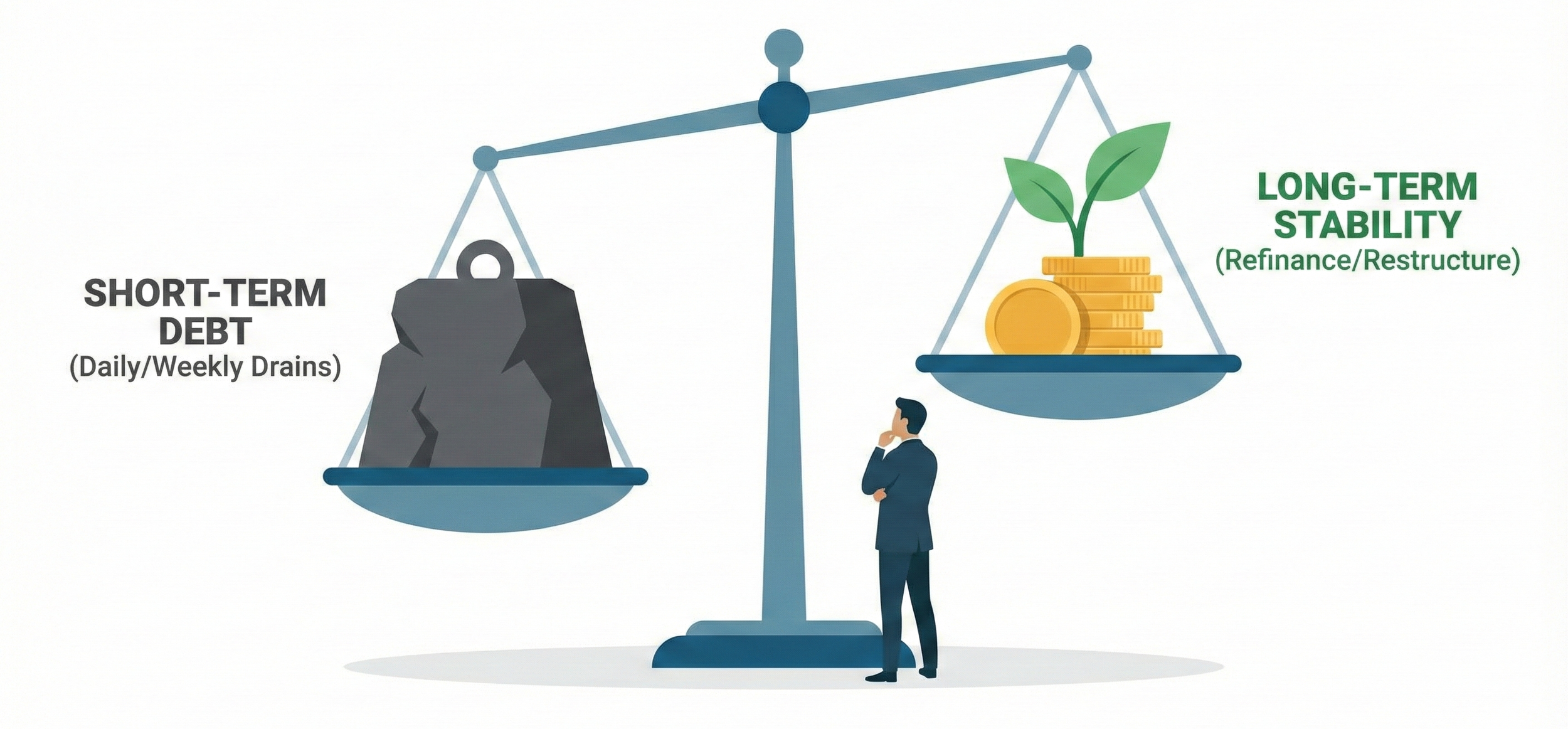
1) Refinancing offers the highest Return on Investment because it drastically lowers the cost of capital.
2) Stacking offers a negative Return on Investment because the cost of the new capital almost certainly exceeds the profit margin of the business.
3) Restructuring offers a neutral to positive outcome; it preserves the business entity and retains equity, though it comes with short-term credit friction.
The math dictates that any solution effectively eliminating the stranglehold of weekly (or daily) remittances is superior to the status quo.
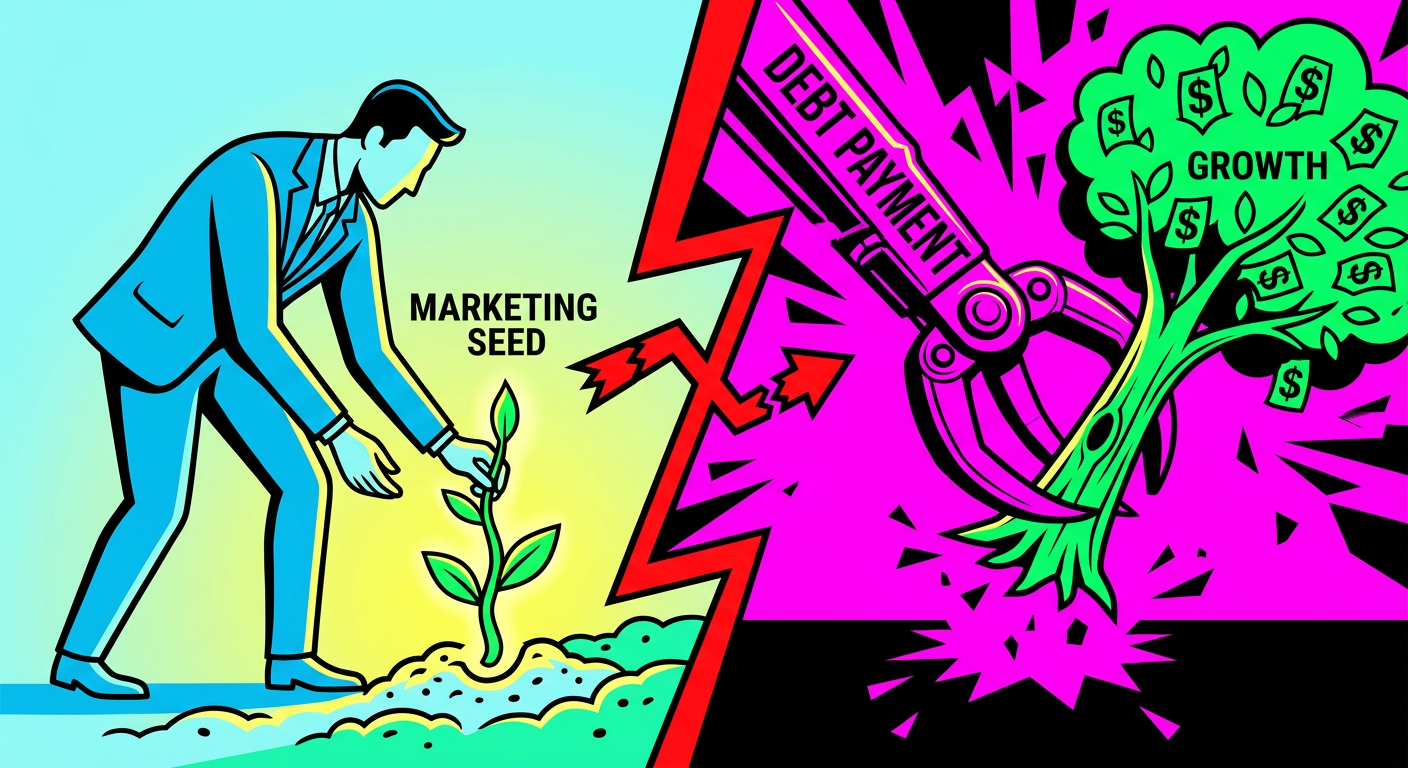
The analysis must also include the opportunity cost. Every dollar spent on exorbitant interest is a dollar not spent on marketing, hiring, or product development. Over a period of two or three years, this lack of reinvestment will cause the business to lose market share to competitors who are not burdened by such debt. Therefore, the cost of holding onto bad business debt is not just the interest paid; it is the growth foregone. The relentless nature of weekly (or daily) remittances prevents the accumulation of capital necessary for strategic expansion, keeping the business in a perpetual state of survival mode rather than growth mode.
Making the Hard Call for Future Growth
The journey out of the high-interest debt trap is never easy, but it is necessary. As a business owner, you have a fiduciary duty to your company to ensure its financial health. If you qualify for private credit financing or an SBA refinance loan that eliminates your weekly (or daily) remittances, you should pursue it relentlessly. It is the cure that restores immediate health to the balance sheet.
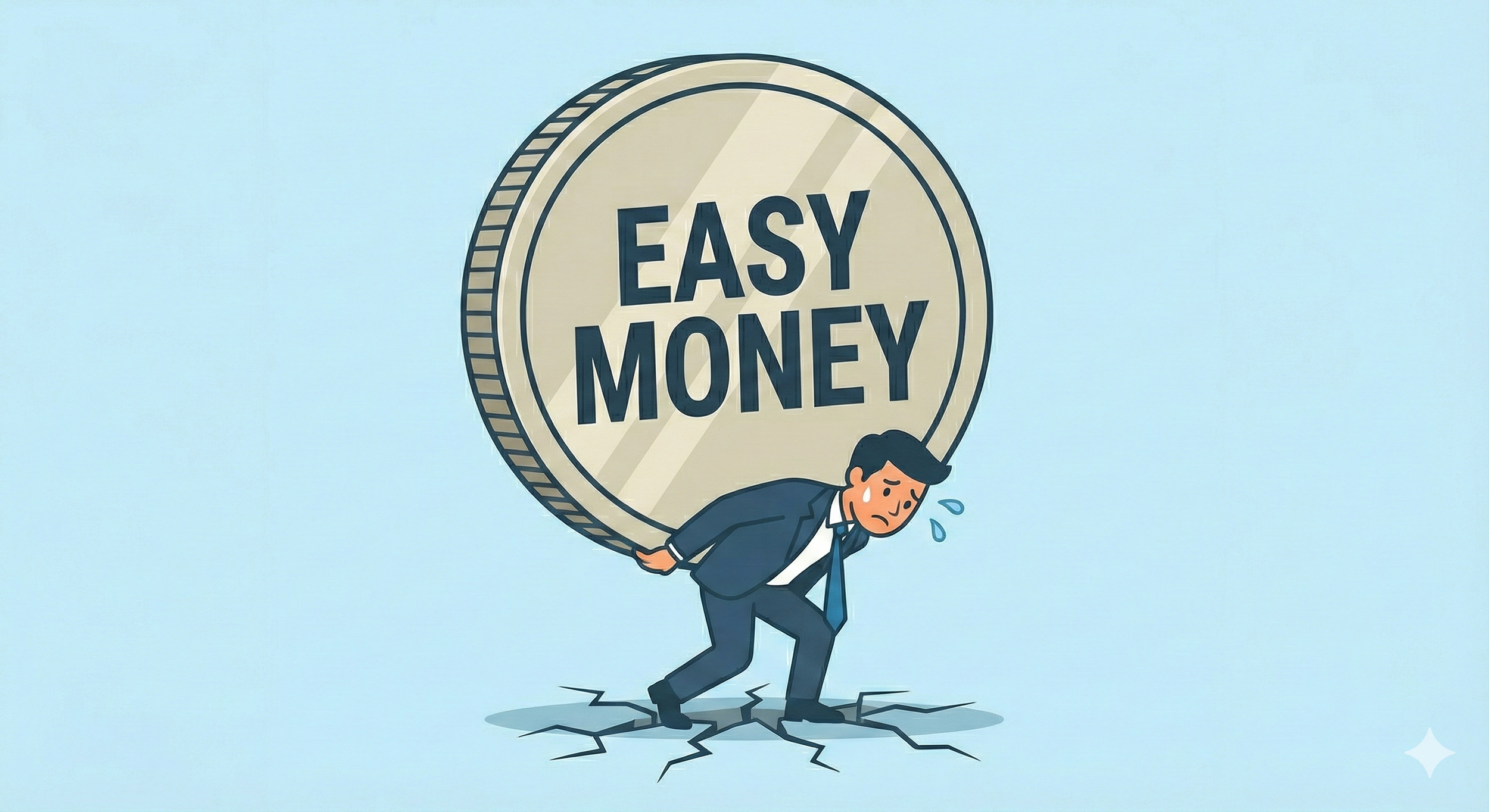
If you do not qualify for business refinancing, you must reject the temptation to stack more debt. The allure of easy money is a siren song that leads to total destruction. Do not let a broker convince you that "just one more position" with another set of weekly (or daily) remittances will solve a structural cash flow problem. It will only accelerate the decline.
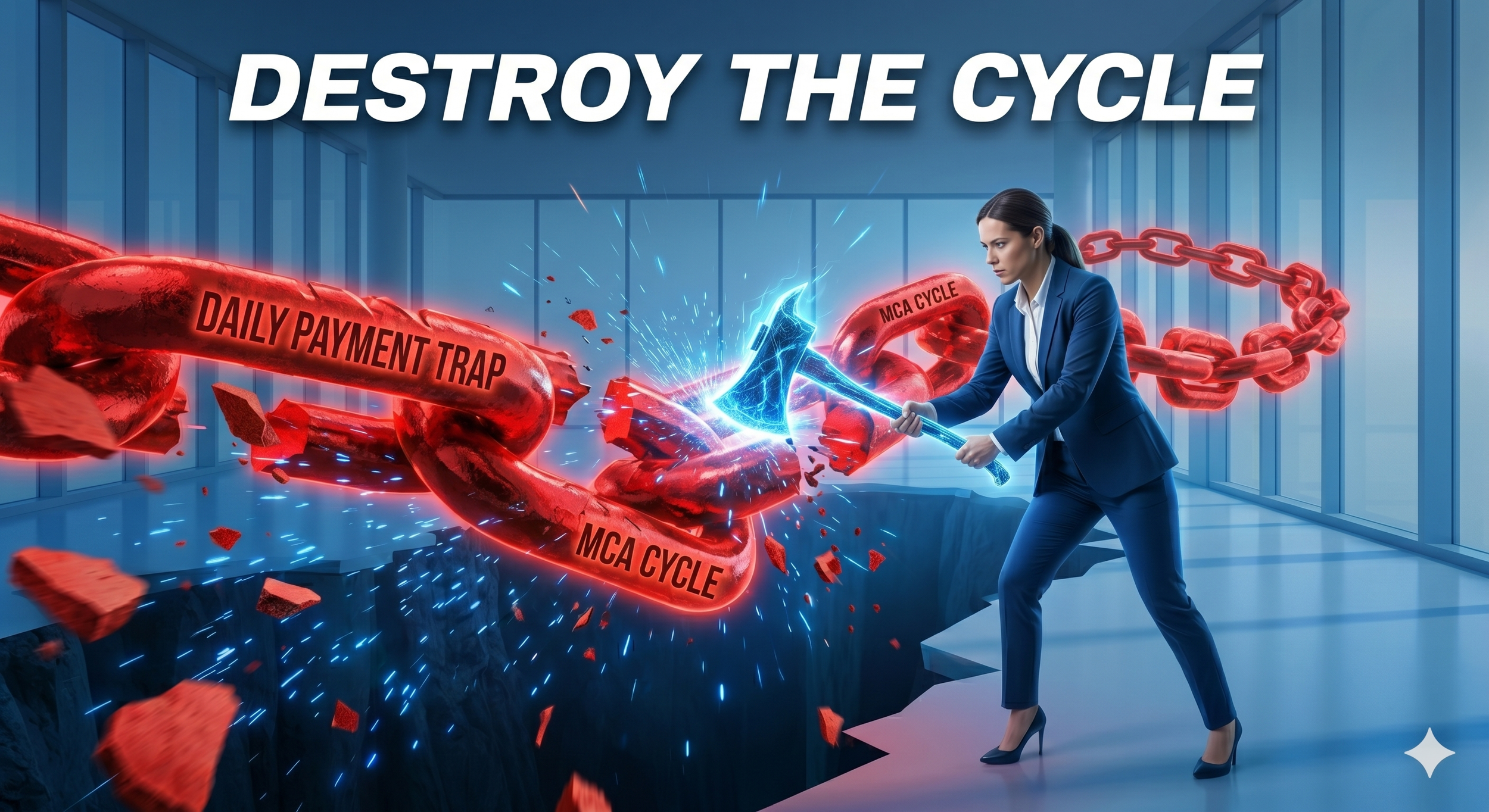
Instead, if you are drowning, you must have the courage to restructure existing business debt. It is a path that requires steel nerves and professional guidance, but it is often the only way to break the chains of weekly (or daily) remittances and save the business you worked so hard to build.
The goal is not just to survive the week; the goal is to build a foundation that can last for decades. Assess your position, ignore the pressure tactics, and make the decision that protects your cash flow and your future.
What is the Best Way to Deal with Business Debt Payments that are causing Business Cash Flow issues?
It is NOT by stopping ACH payments.
It is NOT by taking on another business loan.
It is NOT ALWAYS a Refinancing
It is NOT by entering into a debt settlement program.
Find out the BEST strategies to get your Business back to where it was

More Business Finance and Strategy Articles: