Managing business debt and navigating the sometimes choppy waters of business creditor relations is a constant, demanding task. You juggle inventory, payroll, and customer service, all while trying to keep your financials stable and compliant.
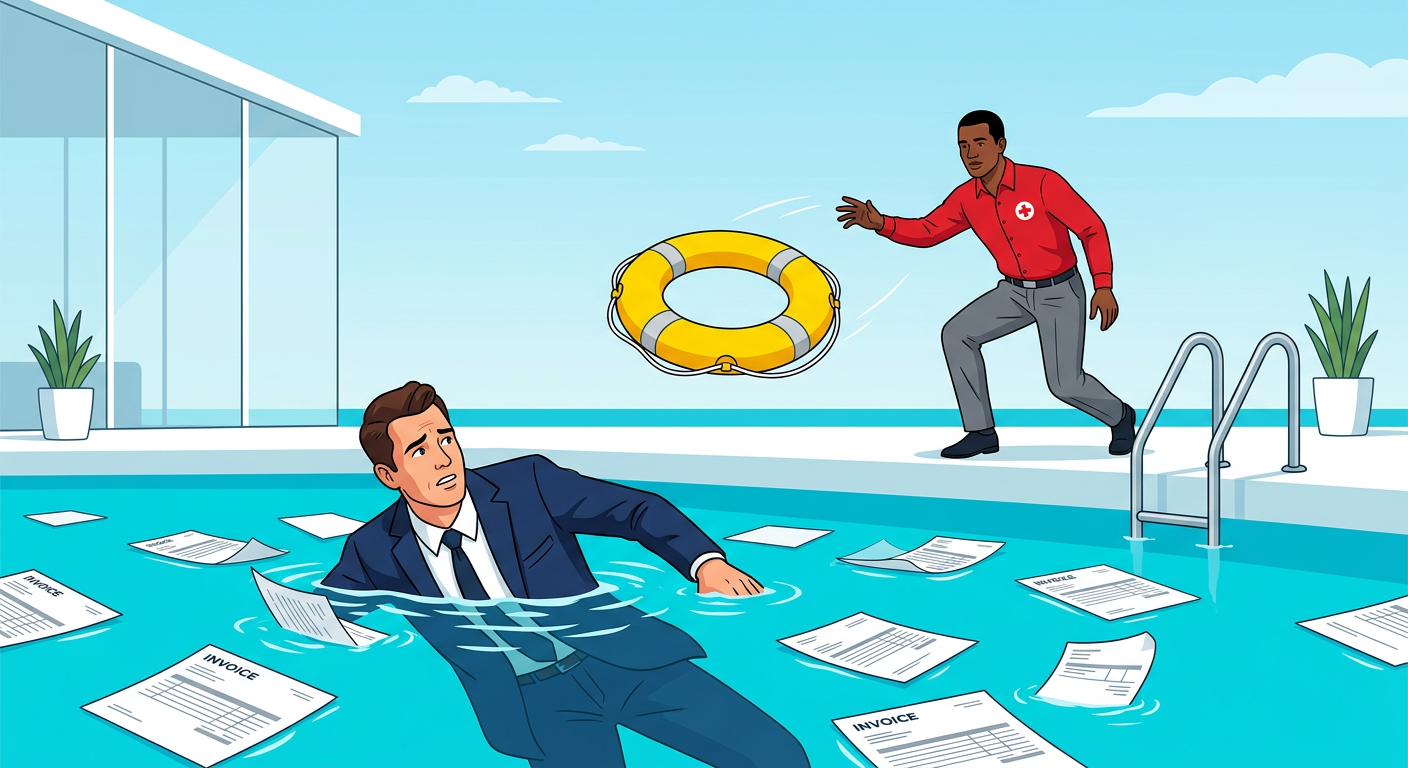
But what happens when the waters turn turbulent, and an aggressive junior (subordinate) creditor (provides business loans “behind” or “after” your first creditor) starts applying serious pressure? You might feel exposed, even desperate.
This is precisely when understanding the role of your senior business creditor becomes not just prudent, but a vital strategic advantage. They are not merely the holder of your largest debt; they are, in many crucial ways, your most powerful, and often unexpected, ally.
This article will define these two critical creditor types and explore the multifaceted ways your senior lender can become your shield and guide in times of financial duress. Understanding this dynamic is key to surviving and thriving when faced with an uncompromising junior business debt lienholder.
[IMPORTANT NOTE: Bernarsky Advisors is a business finance and corporate strategy firm and does not provide legal or tax advice. Please consult your company's legal and tax advisors.]
Defining the Creditor Hierarchy: Senior vs. Junior
To appreciate this dynamic, we must first establish the difference between senior and junior creditors. This distinction is based entirely on the priority of their claim against your business's assets or collateral.
Senior Creditors (The First Claim)
A senior business creditor (or senior lender) is a party whose claim on your business assets is legally superior to all other creditors in the event of defaults, liquidation and/or bankruptcy. They are at the very top of the repayment waterfall.
● Priority: Their debt is secured by a "first-priority lien" (typically a UCC-1 filing) on specific, or sometimes all, of your company's assets (e.g., inventory, equipment, accounts receivable, real estate).
● The Debt: They typically provide the largest, most critical form of financing, such as a revolving line of credit (Asset-Based Loan or ABL) or a primary term loan used for major capital expenditures.
● The Agreement: Sometimes, but not always, the priority is established through a legal contract called an Intercreditor Agreement (or subordination agreement) signed by all parties, which explicitly states the senior creditor's claim must be paid in full before anyone else receives a penny.
● Motivation: Their primary goal is the long-term stability and continued operation of your business, which is the engine that generates the cash flow needed to repay their substantial loan. They have the most to lose if your business fails, making them naturally invested in its success.
Junior Creditors (The Subordinate Claim)
A junior business creditor (or subordinate creditor) is any party whose claim on the business's assets is legally secondary to the senior creditor. They stand in line behind the senior lender.
● Priority: Their debt is secured by a "second-priority lien" (or even a third, etc.), or in some cases, it may be entirely unsecured (like a vendor or a landlord). In the event of liquidation, they only get paid after the senior creditor has been satisfied entirely.
● The Debt: This category includes smaller, often quicker forms of financing, such as certain equipment leases, certain merchant cash advances (MCAs), lines of credit or even certain unsecured trade creditors or vendors.
● Motivation: Because their claim is weaker and their debt is often shorter-term and higher-interest (like an MCA), their primary motivation can often be to recover their money quickly, which can lead to more aggressive, short-sighted tactics aimed at forcing a fast payment without regard for the long-term health of your business. This is the "aggressive" behavior you often need protection from.
Understanding this legal hierarchy is the bedrock of navigating aggressive collection efforts; the law protects the senior lender's position above all others.
The Power of the Senior Creditor Agreement: Your Legal Shield
The most important tool in this entire discussion is the Intercreditor Agreement. This document, signed by your business, the senior creditor, and the junior creditor, is a legally binding contract that dictates the rules of engagement. For the small business owner, this agreement acts as a powerful shield.
The core clauses within a standard Intercreditor Agreement often stipulate that the junior creditor:
● Cannot demand or receive payment on their debt if the senior creditor has declared a "default" on their loan (a "standstill" or "payment blockage" period).
● Cannot initiate a foreclosure or any other legal action to seize or sell the collateral until the senior creditor has been fully paid or has given explicit permission (a "remedies standstill").
● Must turn over any collateral proceeds they happen to receive to the senior creditor first.
When an aggressive junior creditor starts making threats—say, threatening to place a lien on a key piece of equipment or freeze a bank account—your first, best defense is often to refer them (or have your legal counsel refer them) to the Intercreditor or Senior Creditor Agreement. This document is the ultimate trump card. The aggressive junior creditor, despite their strong language, is often legally paralyzed by the senior lender’s superior rights. The senior creditor, because they negotiated this agreement to protect their own investment, implicitly protects you from the junior creditor's most drastic moves. Without the senior lender’s sign-off, the junior creditor's options are severely limited. They can posture, but their actual power is restrained by law and contract.
The Senior Creditor's Vested Interest in Continuity
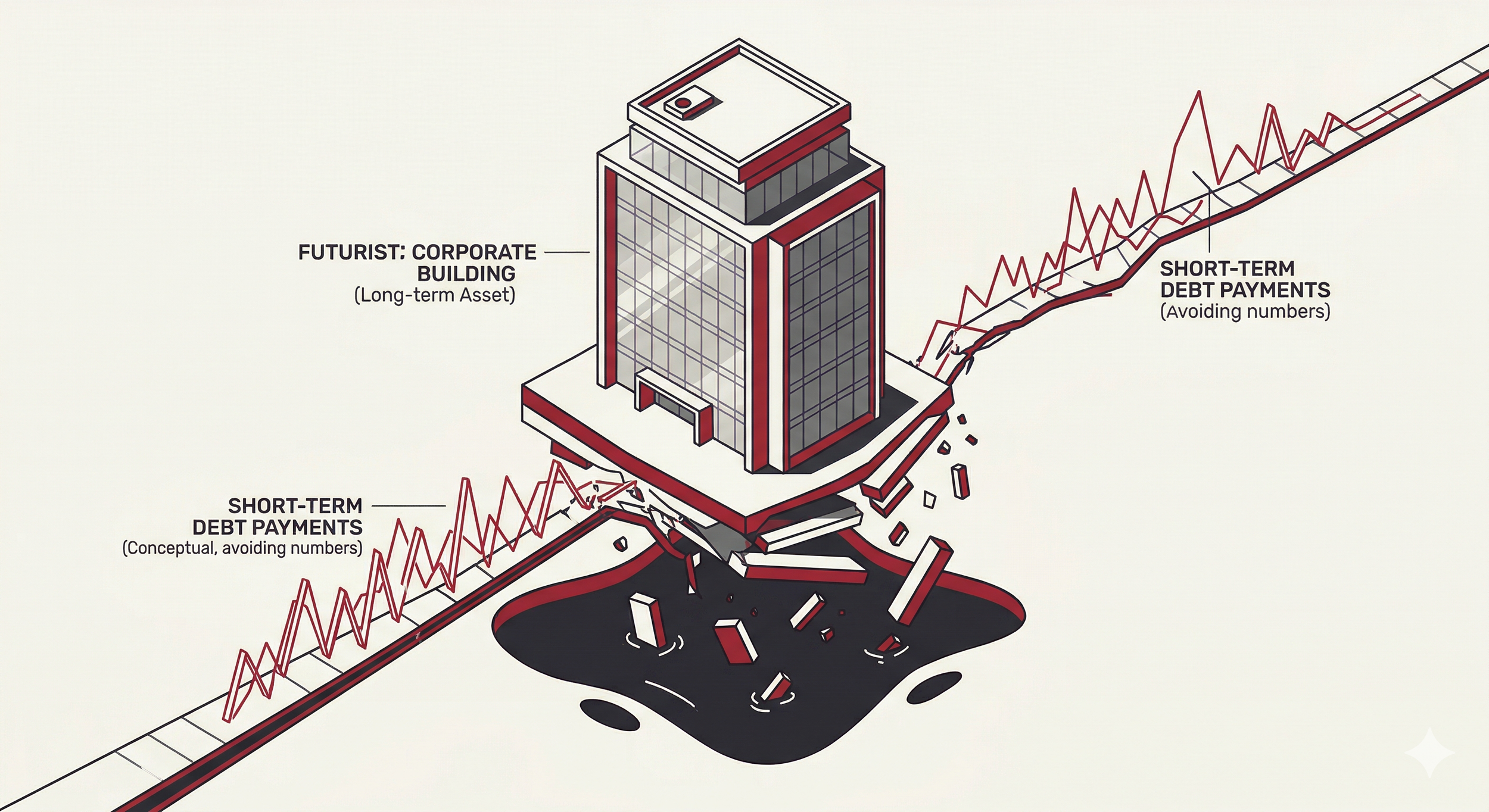
Unlike a junior creditor, whose smaller exposure might tempt them to try and grab a quick payment even if it destabilizes your business, the senior creditor’s interest is fundamentally tied to the survival and continuity of your operation.
Think of your senior lender as a farmer who needs a healthy, growing orchard to receive a continuous harvest. If they allow a junior creditor (say, a pest control company demanding immediate payment for a small, past-due bill) to burn down the entire orchard just to get their quick fee, the farmer (the senior lender) loses their entire long-term investment.
Because the senior lender has the largest dollar value at stake, they are acutely aware that any aggressive, destabilizing action—like forcing the sale of your core operating assets (equipment, inventory)—could push your business into insolvency, jeopardizing their full repayment. For the senior lender, the most valuable thing you own is your ability to generate cash flow. Therefore, they have a powerful incentive to step in and prevent a junior creditor from taking any action that would cripple your revenue stream. This shared interest in business continuity is the silent, but highly effective, foundation of your alliance with your primary lender.
Direct Intervention and Dispute Resolution
In high-stakes situations, your senior creditor can move beyond contractual paralysis and engage in direct intervention. While they generally prefer to remain in the background, if a junior creditor's actions begin to genuinely threaten the collateral or the cash flow needed to service the senior debt, the senior lender can, and hopefully will, step in.
This intervention can take several forms:
● Cease and Desist: The senior lender's legal team can issue a direct and forceful letter to the junior creditor, citing the Intercreditor or Senior Creditor Agreement and demanding they cease all collection activity that violates the terms. This is rarely ignored, as a major financial institution's legal department carries significant weight.
● Negotiation Broker: In some cases, the senior lender might agree to mediate or broker a resolution. They may lean on the junior creditor to accept a less aggressive repayment plan, knowing that even a partial, structured payment is better than no payment at all, which would be the result if the business collapses. The senior lender’s involvement transforms the negotiation from a high-pressure sales tactic by the junior creditor into a high-level, business-to-business discussion.
● "Waiver" Threat: The senior lender can sometimes threaten to declare the junior creditor in breach of the Intercreditor or Senior Creditor Agreement if they don't back down. This is an extremely powerful threat, as it could potentially expose the junior creditor to significant legal liability and a loss of their subordinate position entirely.
This active role demonstrates that your senior lender is not merely a passive debt holder; they are a sophisticated financial entity with the resources and legal mandate to defend their own interests, which, in turn, defends your ability to operate. Choose your first business creditor wisely.
Leveraging the Senior Lender's Due Diligence
When your senior lender approved your financing, they undertook an extensive, expensive process of due diligence. They thoroughly vetted your business plan, your assets, your financial history, and your management team. They deemed you a worthy credit risk.
When an aggressive junior creditor questions your solvency or threatens drastic action, you can often leverage the senior lender's established, positive assessment. For instance, when defending your business in a legal proceeding brought by a junior creditor, your legal counsel can prominently feature the fact that a major financial institution (your senior lender) continues to fund the business, continues to advance credit, and is comfortable with the company's long-term financial stability.
This third-party validation from a major lender can significantly undermine the junior creditor's aggressive narrative. It shifts the focus from the junior creditor's fear-based collection tactics to the senior creditor's reasoned, long-term belief in your company's viability. This established relationship is a powerful piece of evidence in your favor, effectively vouching for your business's overall health and management competence. It turns the narrative from one of imminent failure (as suggested by the junior creditor) to one of temporary liquidity issues being managed by a reputable team and funded by a major institution.
Managing the Flow of Funds and Payments
One of the most powerful control mechanisms the senior lender holds is over the cash flow and collateral. In ABL (Asset-Based Lending) structures, for example, the senior lender often has a lockbox arrangement or control agreement (Deposit Account Control Agreement or DACA) over your main operating bank accounts. All your customer payments (accounts receivable) may flow directly to the senior lender’s account first.
This control over the money is crucial. The Intercreditor or Senior Creditor Agreement often states that any payments received by the junior creditor are considered "in trust" for the senior creditor if a default or standstill period is active. This means the junior creditor may have to immediately turn over any payments they receive.
Knowing this, an aggressive junior creditor will be far less likely to attempt illegal or manipulative actions to extract payment. Why? Because the senior lender is watching the movement of funds like a hawk, and the junior creditor knows that their illicit gain could be clawed back, and they could face legal repercussions for violating the Intercreditor Agreement. This cash management structure effectively blocks the junior creditor's ability to seize or redirect your primary cash sources, leaving your working capital safe for its intended purpose: keeping your business running and repaying the senior debt.
Strategic Workout and Restructuring Support
When your business faces serious financial trouble that triggers a technical or material default on the senior loan, you enter a "workout" phase. During this crucial period, the senior creditor's stance is almost always to find a path toward restructuring and eventual recovery, rather than immediate default declaration and liquidation.
Why is this important for battling junior creditors?
● Restructuring Plan: The senior lender will work with you to create a comprehensive plan—often involving payment forbearance, deferment, new covenants, or a temporary interest-only period—designed to stabilize the business. This plan becomes the official path forward.
● Junior Creditor Exclusion: Crucially, this plan is often executed without the junior creditor's input. The senior lender, by virtue of their priority, can dictate the terms of the workout. The junior creditor is essentially forced to wait on the sidelines, legally unable to challenge the senior lender's decision to continue funding and supporting the business.
● The Message: By publicly (or semi-publicly) entering a formalized workout arrangement with a major senior creditor, you send an unmistakable message to the junior creditor: The business is being managed, the largest creditor is actively engaged, and your efforts to force a sale or liquidation will be met with the full force of the senior lender’s legal team.
This structured support demonstrates that your business is not spiraling out of control, but rather is being expertly guided toward recovery by its primary financial partner.
The Threat of Bankruptcy and Preservation of Asset Value
The ultimate recourse in a business debt crisis is often a Chapter 11 (Subchapter 5) bankruptcy (reorganization). For the small and medium-sized business owner, the thought of business insolvency or bankruptcy is terrifying, but for the senior creditor, it is often a well-structured tool to preserve the value of the assets and control the outcome.
When faced with an aggressive junior creditor who is threatening lawsuits or asset seizure, the senior lender may, in fact, encourage or support your business filing for Chapter 11.
● The Automatic Stay: Once Chapter 11 is filed, the automatic stay comes into effect, instantly stopping all collection, litigation, and foreclosure efforts by all creditors, including the aggressive junior one. The senior lender knows this is the fastest way to stop the bleeding and put the junior creditor’s actions on ice.
● Debtor-in-Possession (DIP) Financing: In many cases, the senior lender will become the DIP lender, providing new financing to keep the business operating during the reorganization. This further solidifies their control and sends the junior creditor to the back of the line, as the new DIP loan takes an even higher priority than the original senior debt.
The senior creditor views bankruptcy not as an end, but as a controlled legal process that prevents the junior creditor from stripping away valuable assets in a chaotic, low-value "fire sale." They help move the battleground from a chaotic, high-pressure collection scenario to the structured, protected environment of a bankruptcy court, where their priority is rigorously enforced.
The Relationship as a Continuous Source of Intelligence
Your senior creditor relationship is not just a defensive tool; it’s an active source of financial and strategic intelligence. The senior lender has seen countless debt cycles and creditor conflicts. Their team includes seasoned workout specialists, restructuring advisors, and experienced legal counsel.
● Market Benchmarking: They have the data to tell you if the junior creditor’s demands are reasonable or if they are wildly out of step with what similar creditors accept in a workout scenario.
● Early Warning System: Because your senior lender constantly monitors your financials (through covenants, borrowing base certificates, etc.), they can often spot a looming business cash crunch or potential default before you do. Their proactive communication can give you the head start you need to address the issue before a junior creditor has a legal basis to panic and launch aggressive action.
● Advisory Role: While they are not your fiduciaries, their advice is often well-informed. Asking them, "How have other clients managed this specific junior creditor?" can provide invaluable, experience-based insight into how to handle the situation, what levers to pull, and which legal defenses are most effective. This access to high-level financial expertise is a significant, often overlooked, benefit of the relationship.
Cultivating the Ally: Best Practices for Business Owners
Your senior creditor is your friend, but like any good relationship, it requires cultivation and respect. To ensure they remain your staunch ally when the junior creditors turn aggressive, follow these best practices:
● Communicate Early and Honestly: The single biggest mistake a small business owner can make is surprising their senior lender. If you foresee a cash crunch, a potential covenant breach, or if a junior creditor starts making threats, tell your senior lender immediately. Hiding problems erodes trust; transparency builds it. An informed senior lender can prepare their legal defense and strategy before the situation escalates.
● Strictly Adhere to Covenants: Keep your promises to the senior lender. Timely reporting, accurate borrowing base certificates, and adherence to financial covenants (like minimum cash reserves or debt-to-equity ratios) are non-negotiable. A borrower in good standing is one the senior lender is happy to defend. A borrower who is consistently breaking rules gives the lender less reason to go to bat for them.
● Know Your Documents: Do not rely on memory. Have a comprehensive understanding of the senior loan agreement and, most importantly, the Intercreditor Agreement and/or the Senior Creditor promissory not and security agreement. Knowing the specific clauses (e.g., the exact payment blockage period) allows you to confidently push back against junior creditor claims, either directly or through your attorney.
● View the Relationship as a Partnership: Understand that the senior lender's goals align with yours: the long-term, stable, and profitable operation of your business. Frame all your discussions around how their support will lead to a successful outcome that allows them to be repaid in full. This partnership mindset will ensure the senior creditor remains proactive in your defense.
By proactively managing this relationship and understanding the robust legal framework that protects their priority, you equip your business with the ultimate defense against aggressive junior creditors. The senior creditor is not just holding your primary debt; they are holding your business’s lifeline and, more often than not, they are prepared to fight fiercely to protect it—and you—from anyone who threatens it. This is a powerful, strategic asset every small business owner must leverage.
What is the Best Way to Fix Business Debt that is causing Business Cash Flow issues?
It is NOT by stopping ACH payments.
It is NOT by taking on another business loan.
It is NOT ALWAYS a Refinancing
It is NOT by entering into a debt settlement program.
Find out the BEST strategies to get your Business back to where it was

More Business Finance and Strategy Articles: