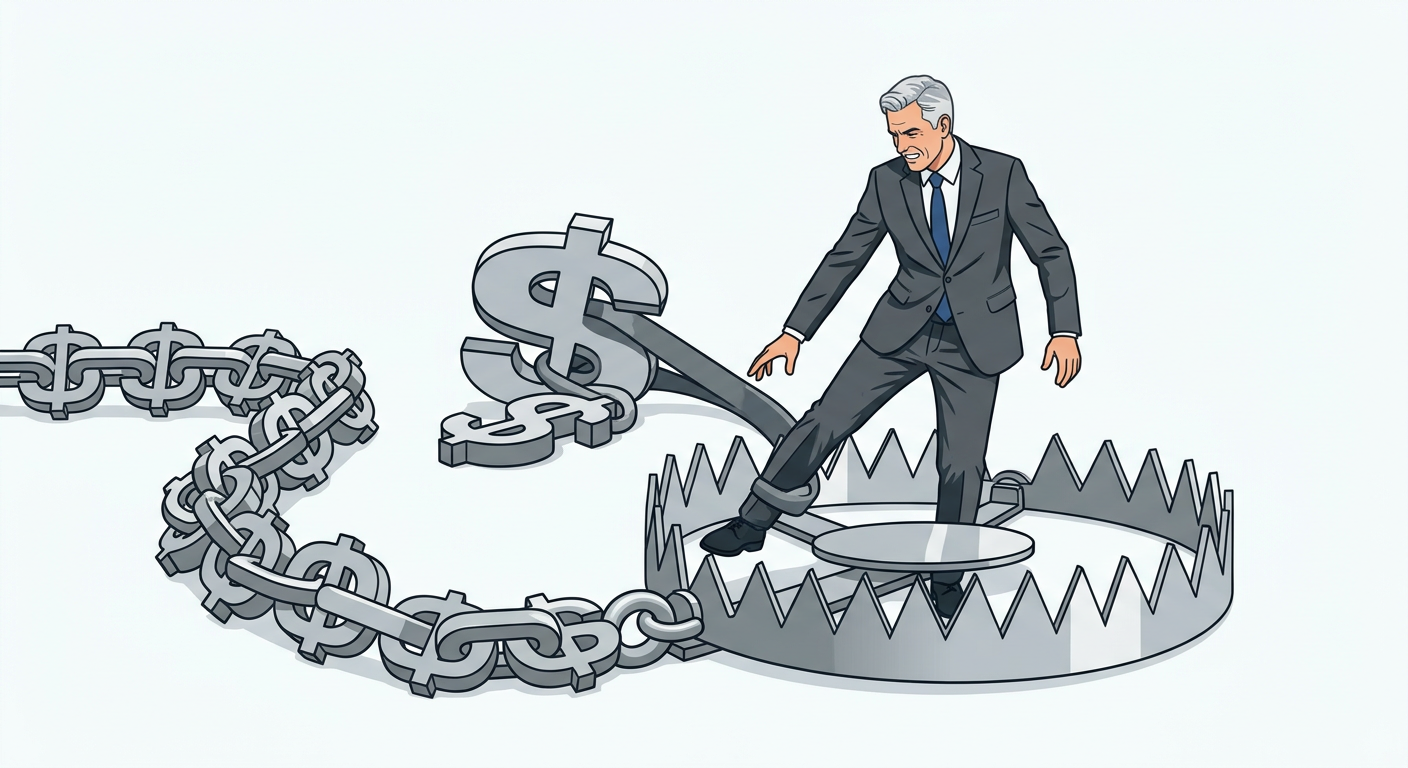
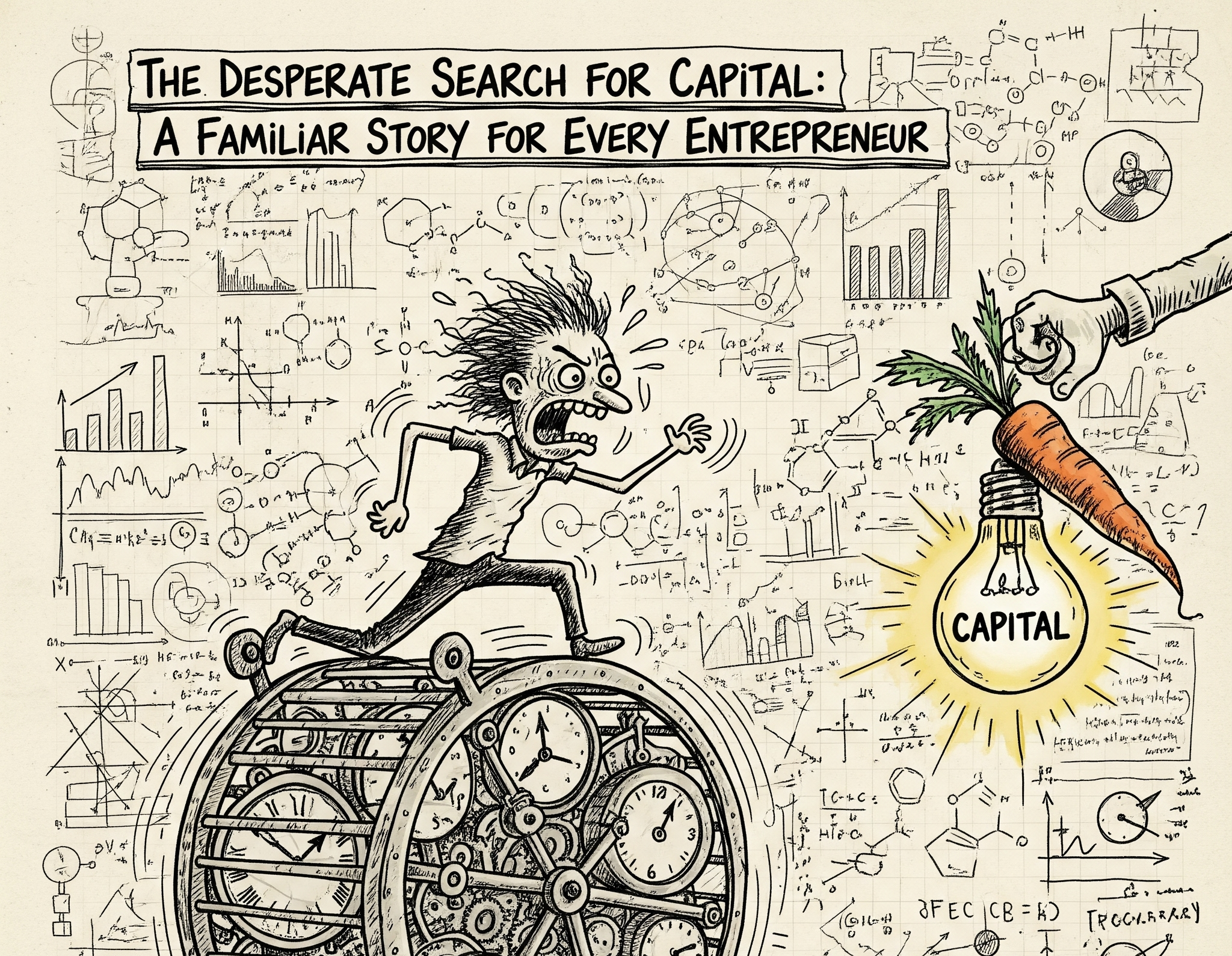
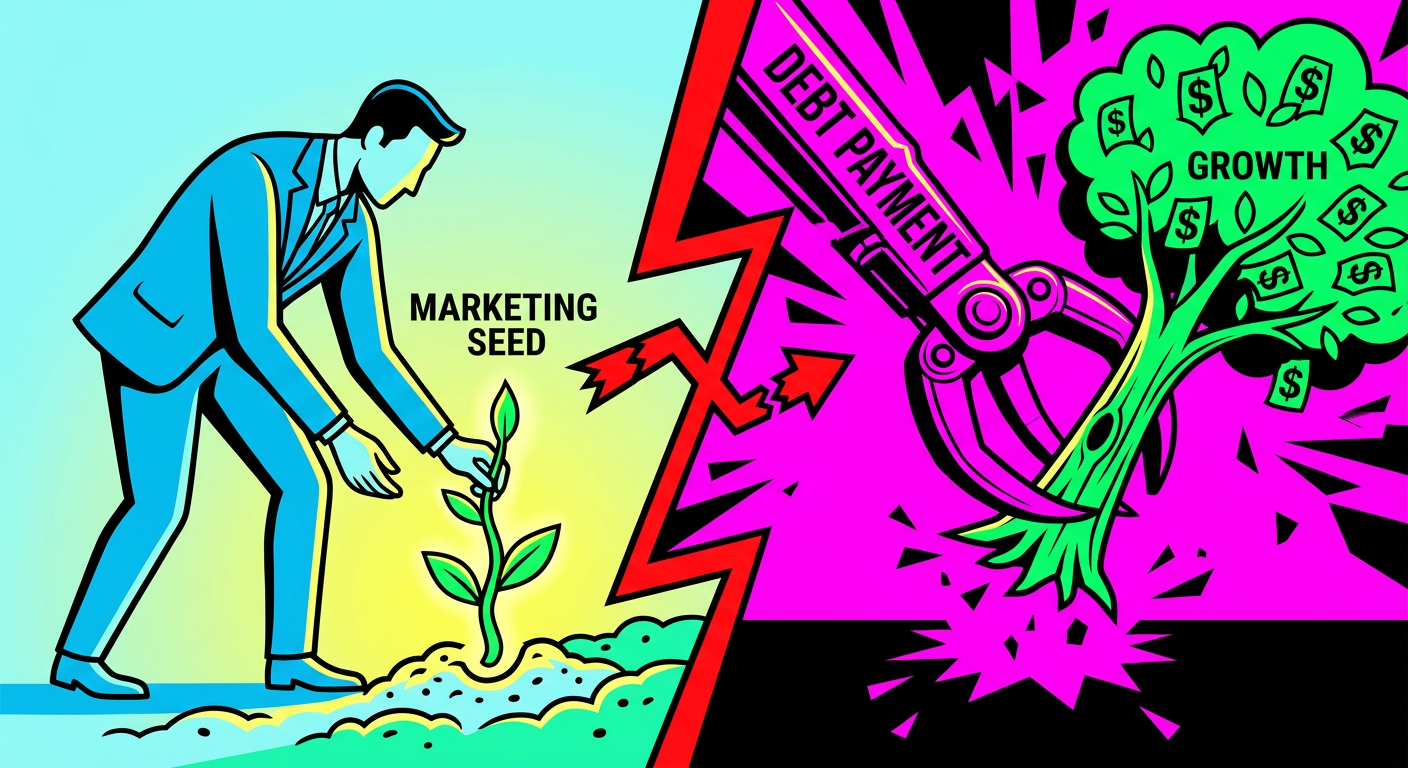
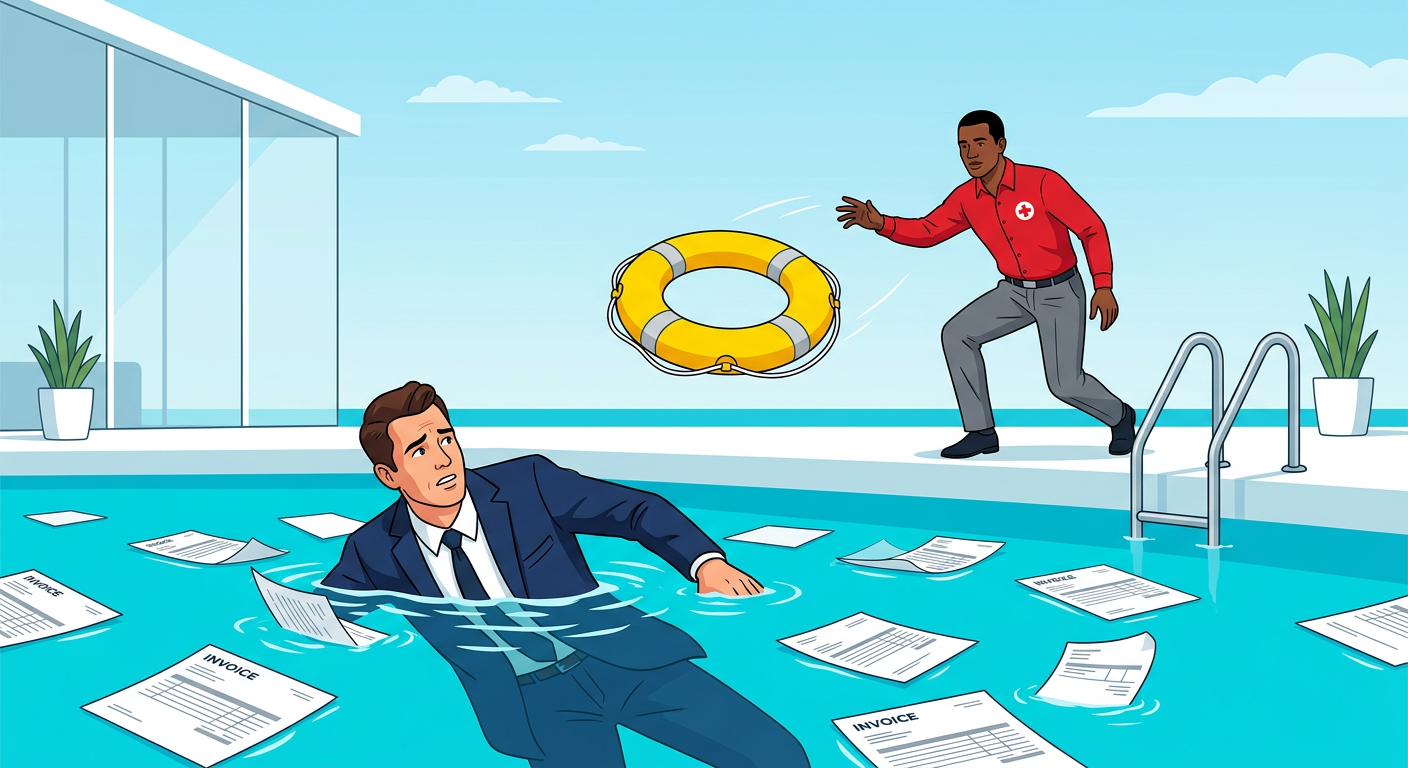
When a company finds itself burdened by high-interest business obligations or a repayment schedule that outpaces its incoming cash flow, the situation demands immediate, strategic intervention.
Fixing business financing mistakes is not merely about finding more capital; it is about fundamentally altering the structure of existing liabilities and the operational habits that created them. By leveraging business debt restructuring, refinancing, and rigorous operational pivots, a company can turnaround a looming crisis into sustainable stability.
The pathway towards recovery begins with an honest assessment of how the organization reached its current state. Financial distress rarely happens overnight; it is typically the result of a series of decisions that, while perhaps logical at the time, failed to account for the unpredictable nature of the modern economy.
For the small and medium-sized business owner, the weight of business debts and high payments can feel personal, but the solution must be entirely professional. Strategic recovery requires a cold, analytical look at the income statement, cash flow statement and balance sheet with willingness to dismantle and rebuild the financial architecture of the business from the ground up. This process is intensive, but it is the only way to reasonably ensure that the business does not just survive the current month, but thrives well into the future.
Identifying the Symptoms of Troublesome Business Debt
Before a solution can be implemented, a business must accurately diagnose the underlying causes of its financial distress. Business financing mistakes often manifest as a reliance on short-term high-interest loans to cover long-term capital needs—a classic mismatch of asset and liability duration. For example, using a merchant cash advance (MCA) with weekly withdrawals over 6 or 9-months to purchase a piece of equipment that will not generate significant ROI for 2-years is a fundamental mis-matched error in financial timing.
Other common errors include over-leveraging (taking on “too much” business debt) during periods of temporary growth or failing to account for the cyclical nature of a specific industry. When a company begins to struggle to meet business debt service payments, or when the debt-service coverage ratio falls below 1.25, the alarm bells should ring.
Acknowledge these symptoms early allows a company to approach business creditors from a position of proactive management rather than desperate survival. One of the most telling signs of trouble is the "robbing Peter to pay Paul" scenario, where credit card balances are shuffled or new, smaller business loans are taken out just to cover the payments of larger business loans. This creates a debt spiral that accelerates quickly.
Owners must also look at their aging accounts payable; if the list of vendors waiting for payment is growing while cash on hand remains stagnant, the current business debt structure is clearly failing to support the operational needs of the company. Recognizing these red flags allows for a "stop the bleed" moment where the owner can freeze new business borrowing and begin the hard work of stabilization.
The Mechanics of Business Debt Restructuring
Business debt restructuring is a process where a company facing liquidity issues negotiates with its creditors to either temporarily or permanently modify the terms of existing business debt. Unlike bankruptcy reorganization, which is a legal proceeding that often results in a loss of control and significant public record damage, restructuring is often a private agreement designed to keep the business operational while ensuring creditors eventually receive some level of payment towards liabilities. The primary goal is to lower the immediate cash outflow requirements to a level that the business’s current revenue generation can actually support.
This can involve reducing the interest rate, converting a portion of the debt into equity, or most commonly, extending the payback period (amortization). In some cases, a business creditor may agree to a temporary "interest-only" period or a reduced payment period which provides immediate relief to the company's strained cash flow.
The logic for the business creditor is simple: they would rather receive a modified stream of payments over a longer period than risk a total default where they might only recover cents on the dollar through a liquidation process. Successful business debt restructuring requires a high degree of transparency; you must be prepared to show the lender your financial books and prove that the business is still fundamentally viable if given the right re-worked payback period.
Extending the Payback Period to Restore Business Cash Flow
One of the most effective ways to fix a business financing mismatch or “mistake” is the strategic modification of the loan’s maturity date. When a business takes on debt with a payback period that is too aggressive, it effectively chokes its own liquidity. Extending the payback period lowers the speed at which the principal is paid down. For example, a business with a $500,000 loan at 8% interest over 36-months faces a monthly payment of approximately $15,668. By negotiating an extension to 60-months, that payment drops to roughly $10,138. While this increases the total interest paid over the life of the loan, the $5,530 in monthly cash flow savings can be the difference between maintaining a healthy inventory and facing a stockout, or meeting payroll.
This shift in focus from "total cost of capital" to "monthly cash flow viability" is essential for immediate recovery. Small and medium-sized business owners often get caught up in the desire to be "debt-free" as quickly as possible, leading them to agree to short terms that the business cannot sustain during a market dip. By lengthening the term, you are essentially buying time—the most precious commodity in a business turnaround situation. This extra time allows you to implement the operational changes needed to increase profitability. It is important to remember that a business that goes bankrupt trying to pay off a loan in two years is a much greater failure than a business that pays off the same loan over five years and remains a thriving enterprise and employer in the community.
The Role of Business Debt Refinancing
Refinancing business debt differs from restructuring business debt in that it involves taking out a new loan to pay off one or more existing business debts. This is a powerful tool when market interest rates have dropped or when the company’s credit profile has improved despite its current cash flow struggles. Refinancing allows a business to consolidate multiple high-interest, short-term obligations—such as merchant cash advances (“MCAs)” or high-rate term loans, Lines of credit or equipment leases—into a single, lower-interest long-term loan. This not only simplifies the accounts payable process but usually results in a significantly lower weighted average cost of capital (WACC) and most important, a business cash flow improvement due to less cash going out the door each month.
A successful business refinancing effort requires a clear presentation of the company’s turnaround plan to the new lender to prove that the business is a viable long-term partner. Often, traditional banks are hesitant to step into a distressed situation, so owners may look toward private commercial credit investment funds or SBA-backed loans who focus on asset-based lending, not cash flow lending.
By utilizing the equity value in assets like real estate, machinery, or even high-quality accounts receivable as collateral, a business can often secure much more favorable and longer terms than those found in the "shadow banking" or alternative lending “Fintech” markets. The goal here is to replace "bad debt"—debt that is expensive, restrictive and too short-term—with "good debt" that is manageable, affordable and supports growth.
Evaluating the Cost of Business Refinancing Versus Restructuring
Choosing between business debt refinancing and business debt restructuring requires a granular analysis of the costs involved. Refinancing of business debt often comes with closing costs, origination fees, and potentially prepayment penalties on the old debt. These "friction costs" must be weighed against the interest savings and, most importantly, the value of the improved business cash flow. For instance, if a new loan saves you $2,000 a month but costs $20,000 in fees to close, it will take ten months just to break even on the transaction. If the business is in a state of extreme fragility, the savings of precious cash flow is the driver of the transaction.
Business Debt Restructuring, while often avoiding new loan fees, may come at the cost of a damaged relationship with the current lender or a requirement to provide additional collateral. A business must calculate the Net Present Value (NPV) of both options to see which truly serves the organization's long-term health. If the primary goal is immediate survival, the option that yields the highest immediate monthly cash flow relief is usually the winner, even if it is more expensive in the long run. However, if the business is stable but simply over-leveraged, refinancing to a lower rate and longer term is the more disciplined business financial move. Owners should consult with a business financial advisor who specializes in business debt management and balance sheet restructuring to run these scenarios before committing to a path.
Operational Changes as a Prerequisite for Financial Relief
Financial engineering alone cannot save a business if the underlying operational model is flawed. Lenders and investors are rarely willing to modify loan terms or provide refinancing unless they see a corresponding shift in how the business functions. This requires a "back-to-basics" approach: identifying the most profitable products or services and ruthlessly cutting those that drain resources. It is common for a struggling business to try to "sell its way out" of business debt and cash flow issues by chasing low-margin revenue, but this often requires more working capital and can end up worsening the business cash flow crisis.
Operational changes might include renegotiating supplier contracts, optimizing inventory turnover, or reducing fixed overhead by downsizing unnecessary office space. It could also involve a headcount reduction or a shift in the sales strategy to focus on higher-margin clients. By showing current business creditors that the company is actively reducing its "burn rate," management builds the credibility needed to secure more favorable business debt terms. A lender is much more likely to work with a CEO who says, "We have cut our expenses by 15% and pivoted to our top three profitable lines," than one who simply asks for more time without offering a plan for how the business will become more profitable.
Enhancing Business Working Capital Management
A common financing mistake is the failure to manage the "cash conversion cycle"—the time it takes to turn purchases of inventory or services into cash receipts from sales. If a business pays its suppliers in 30-days but collects from its customers in 60-days, it creates a 30-day "gap" that must be financed by business debt. To fix this, operational changes must focus on accelerating accounts receivable and deferring accounts payable. When a business is in recovery or turnaround, every day shaved off the accounts receivable turnaround is cash that can be used to pay down business debt, or reinvest in business operations.
Implementing stricter credit policies for customers, offering small discounts for early payment (such as 2/10 net 30), and utilizing automated invoicing can significantly shorten the cycle. On the other side of the equation, negotiating with vendors for 45-day or 60-day terms instead of 30-day terms can provide a massive boost to liquidity. When working capital is managed efficiently, the reliance on high-interest revolving credit lines diminishes, making the overall debt load much easier to restructure or refinance. Effective working capital management is essentially "self-financing," and it is often the cheapest form of capital available to a business owner.
Navigating Business Creditor Negotiations
Negotiating with business lenders requires a balance of transparency and confidence. Creditors generally prefer a structured workout over a potential default or bankruptcy reorganization, as the latter often results in significant losses for the lender, legal fees, and months of uncertainty. When approaching a bank for a loan modification or an extended payback period, the business should provide a comprehensive "Turnaround Plan" or “Restructuring Plan”. This package should include updated financial statements, a 12-month cash flow forecast (showing exactly how the business debt will be serviced with NOI or EBITDA), and a detailed explanation of the operational changes being implemented.
Being upfront about the mistakes that led to the current situation—while focusing heavily on the specific steps being taken to rectify them—positions the business as a responsible borrower worth saving. You should enter these negotiations with a specific request: do not just ask for "help," ask for a 2% reduction in interest or a 24-month extension on the maturity date. Use data to back up why this specific change will ensure the company's survival and the lender's eventual repayment. If you have multiple creditors, it is often helpful to bring them all to the table at once (or at least keep them all informed) to ensure that one creditor doesn't feel like they are being marginalized while another is being prioritized.
The Psychological Aspect of Business Debt Management
Fixing business financial mistakes also requires a shift in leadership mindset. Often, business owners view debt as a personal failure or a source of shame, which can lead to "ostrich syndrome"—ignoring the problem until it is too late. This emotional burden can cloud judgment and prevent the owner from taking the decisive, sometimes painful actions necessary for recovery. Overcoming this involves treating business debt as a technical variable in a mathematical equation. It is a hurdle to be cleared, not a character flaw.
Once the emotional weight is removed, management can make objective decisions about which assets to sell, which departments to cut, and when to seek professional help from turnaround consultants or business debt specialists. A proactive approach reduces the stress of the situation because it replaces the fear of the unknown with a structured plan of action.
Communication with the team is also vital; while you don't need to share every financial detail, letting key managers know that the company is undergoing a strategic financial realignment can help them understand why cost-cutting measures are in place and align them with the new goal of stability.
Long-Term Monitoring and Sustainable Growth
Once the business debt has been restructured or refinanced and operations have been streamlined, the work is not over. The final step in fixing financing mistakes is ensuring they never happen again. This involves implementing robust financial controls and "early warning systems" that track key performance indicators (KPIs) like the debt-to-equity ratio, current ratio, and gross margin per product line. A business should never again find itself surprised by its own lack of liquidity. Regular quarterly reviews of the debt structure ensure that the company remains in compliance with loan covenants and can take advantage of future refinancing opportunities as the balance sheet strengthens.
Sustainable business growth is built on the foundation of a flexible, well-structured capital stack that supports rather than hinders operational excellence. This means maintaining a healthy reserve of "dry powder"—cash or available credit lines—to weather the next market downturn without having to resort to predatory short-term lending products. It also means being more disciplined about future borrowing, ensuring that every dollar of business debt taken on has a clear, documented path to generating a return that far exceeds its cost. By learning from past mistakes and institutionalizing financial discipline, a business owner turns a period of distress into the catalyst for a more resilient, more profitable, and more enduring enterprise.
What is the Best Way to Fix Business Debt that is causing Business Cash Flow issues?
It is NOT by stopping ACH payments.
It is NOT by taking on another business loan.
It is NOT ALWAYS a Refinancing
It is NOT by entering into a debt settlement program.
Find out the BEST strategies to get your Business back to where it was

More Business Finance and Strategy Articles: