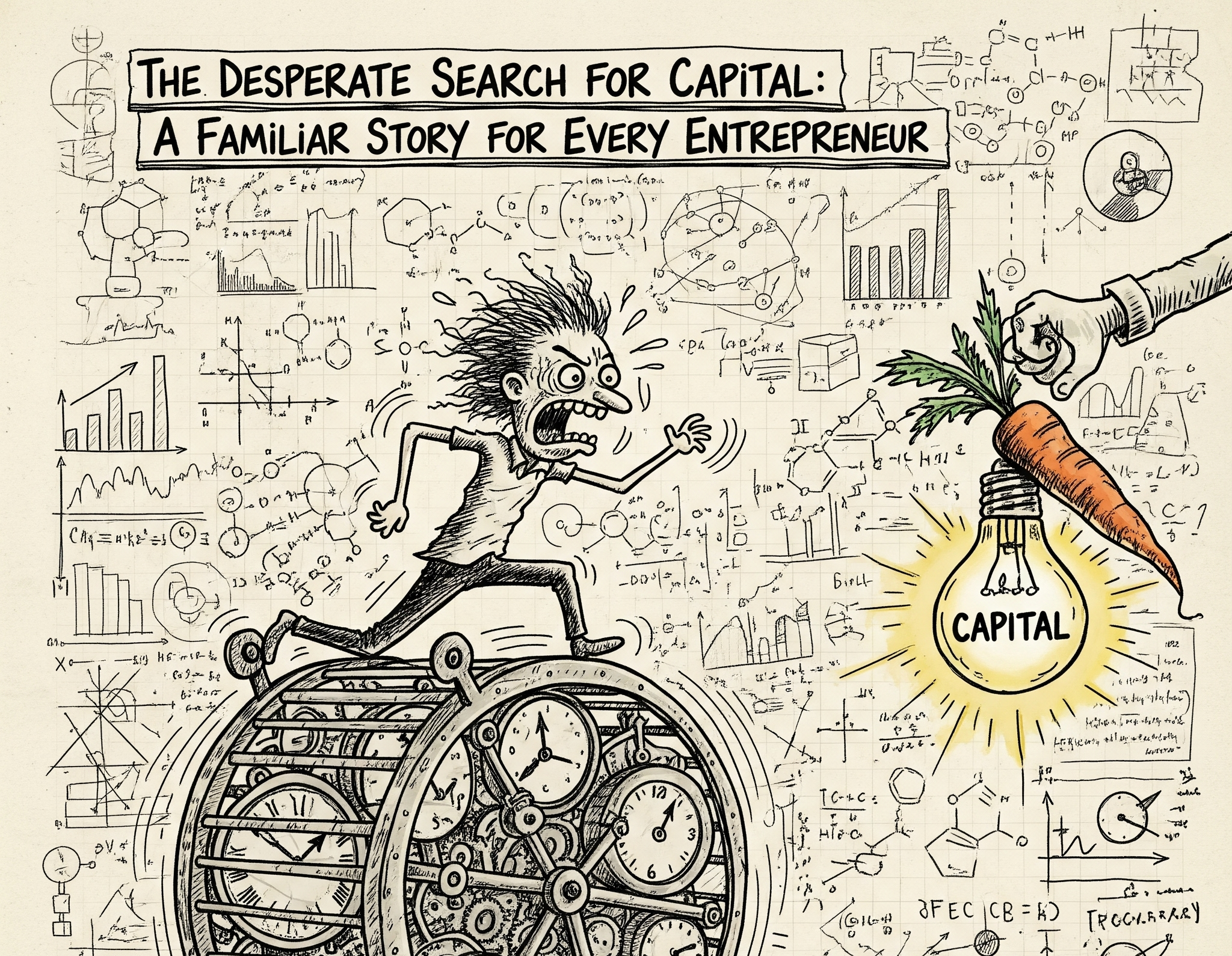
Every small business owner knows the feeling of urgent necessity. A piece of critical machinery breaks down, a golden opportunity for bulk inventory arises, or payroll is approaching faster than accounts receivable are clearing.
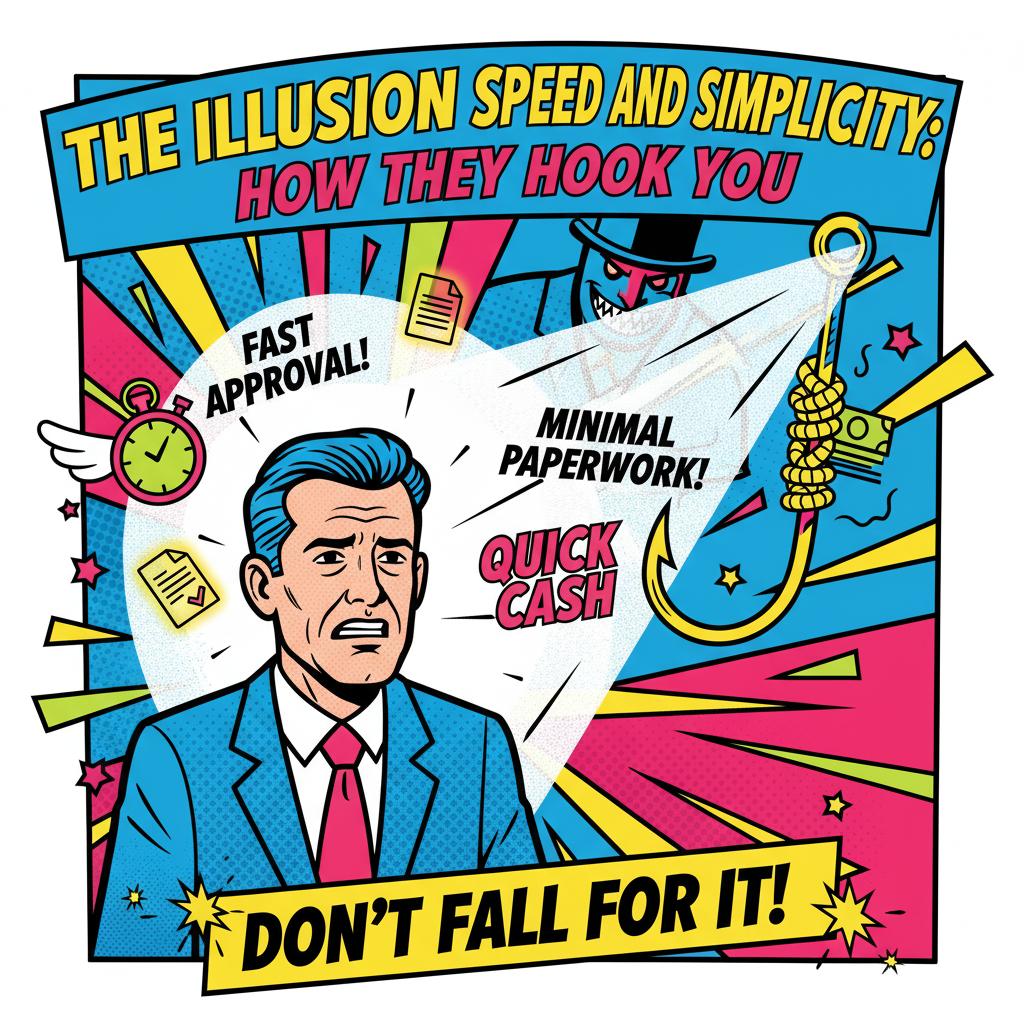
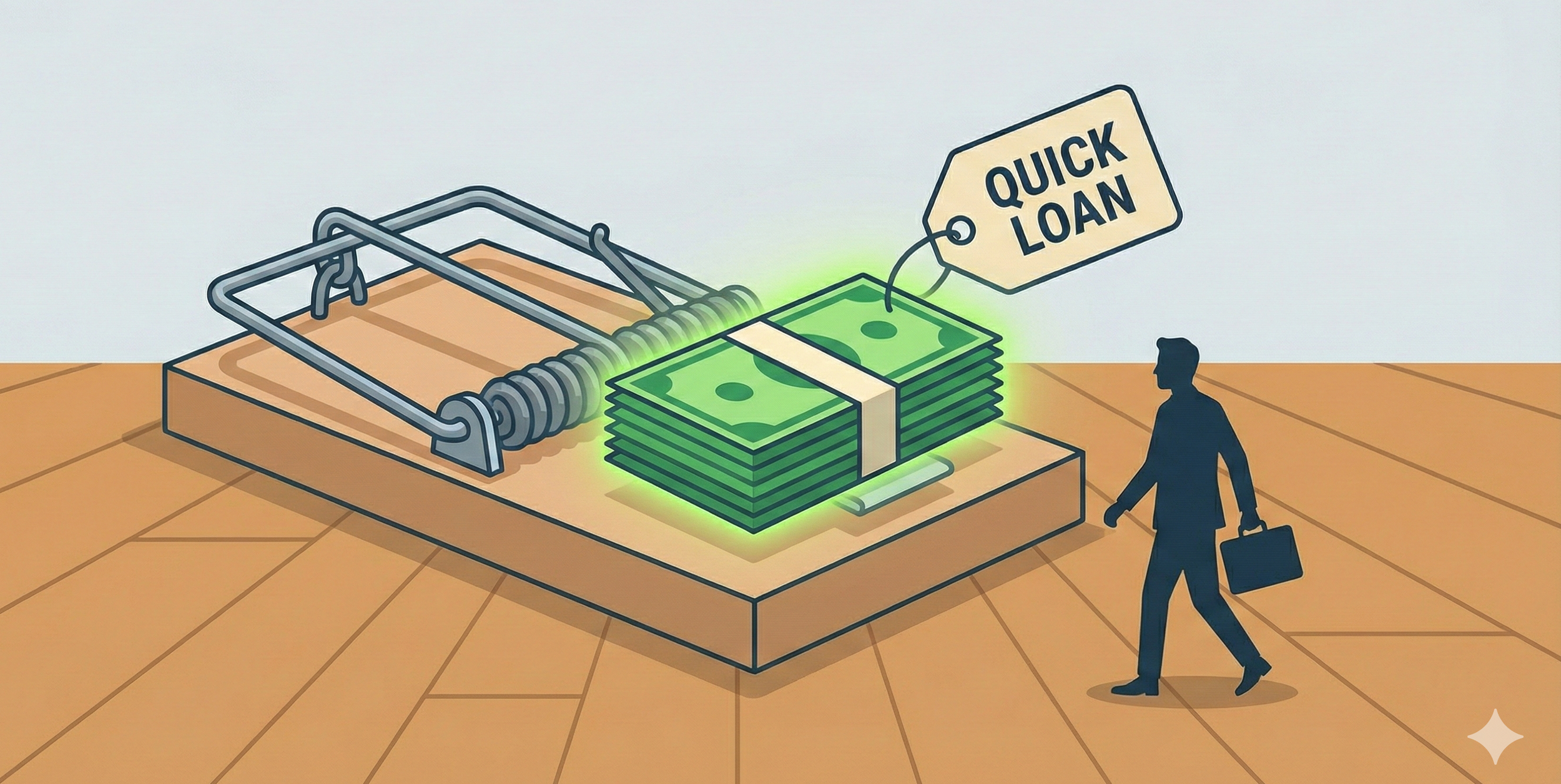
In these moments, the allure of immediate capital is intoxicating. Alternative, non-bank business lenders and merchant cash advance (MCA) providers market themselves as the saviors of the modern entrepreneur, offering funds in hours with minimal paperwork. They promise agility and speed, bypassing the bureaucratic sloth of “traditional banking”.
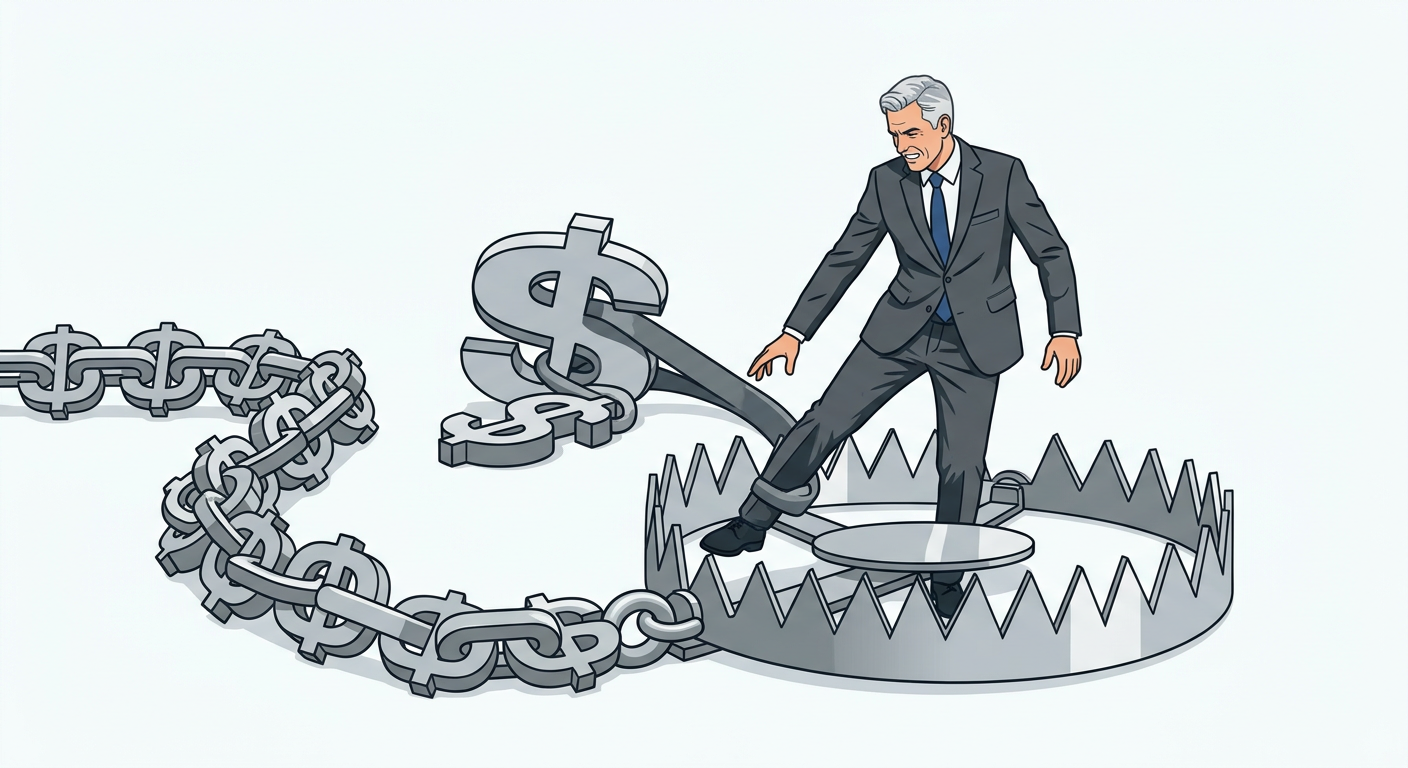
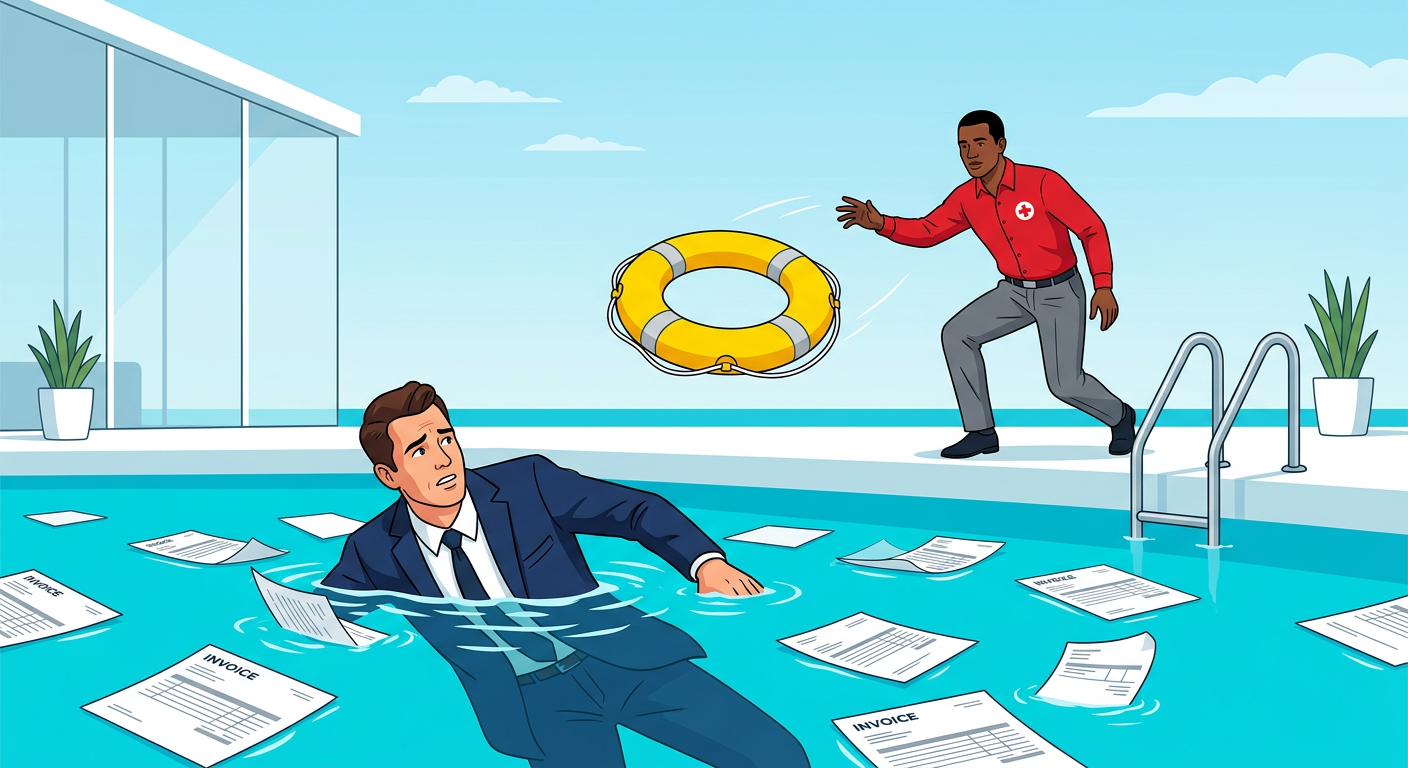
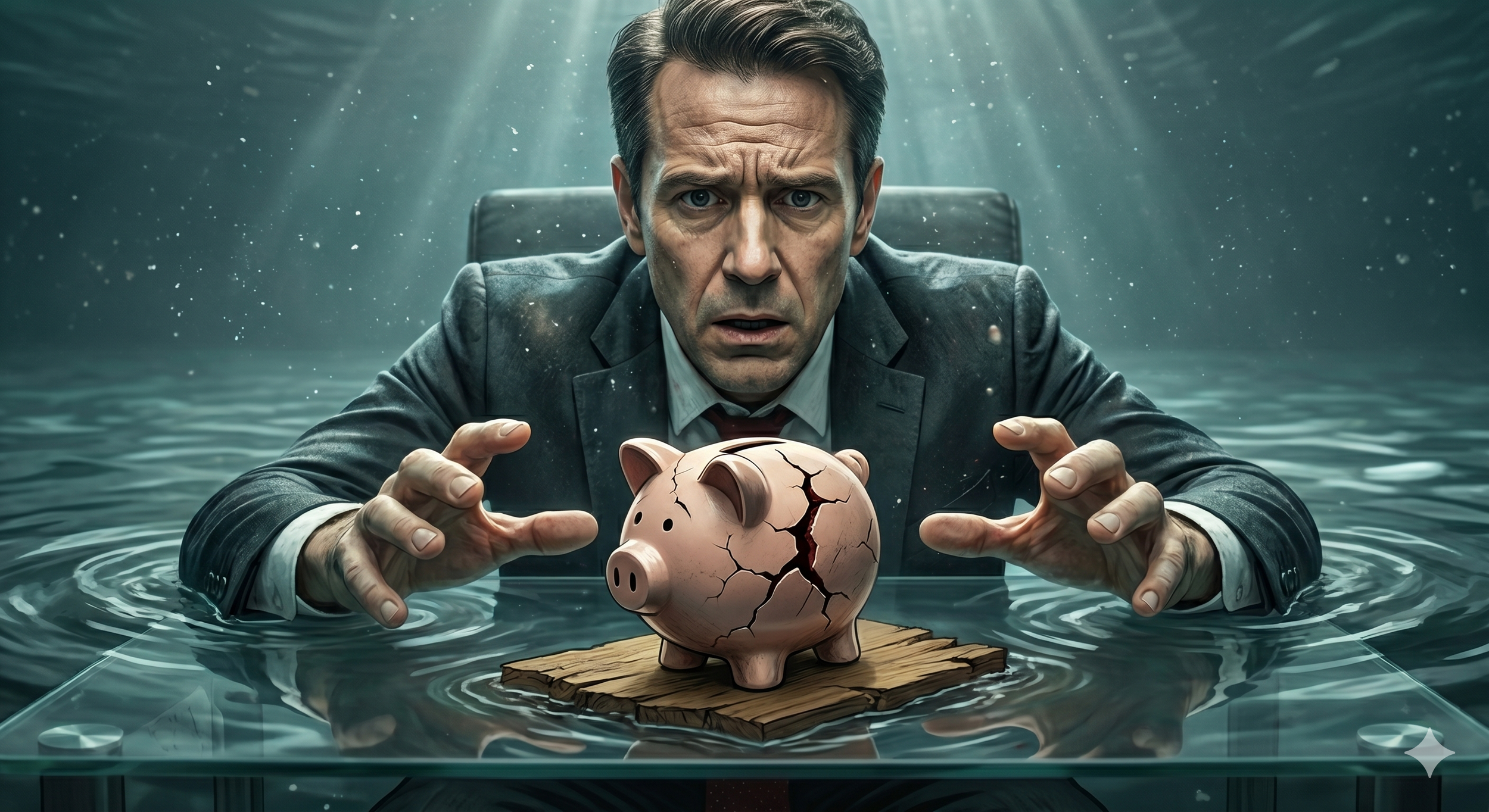
However, this convenience often masks a predatory structure designed to siphon value rather than inject growth. The initial relief provided by a quick deposit rapidly dissolves into a chaotic struggle for survival. What begins as a lifeline transforms into a lead weight, dragging the company beneath the waves of its own obligations. By prioritizing speed over sustainability, these financial products introduce a toxicity that fundamentally alters the trajectory of a business. The damage is not just financial; it is operational, psychological, and often terminal unless restructured and/or refinanced.
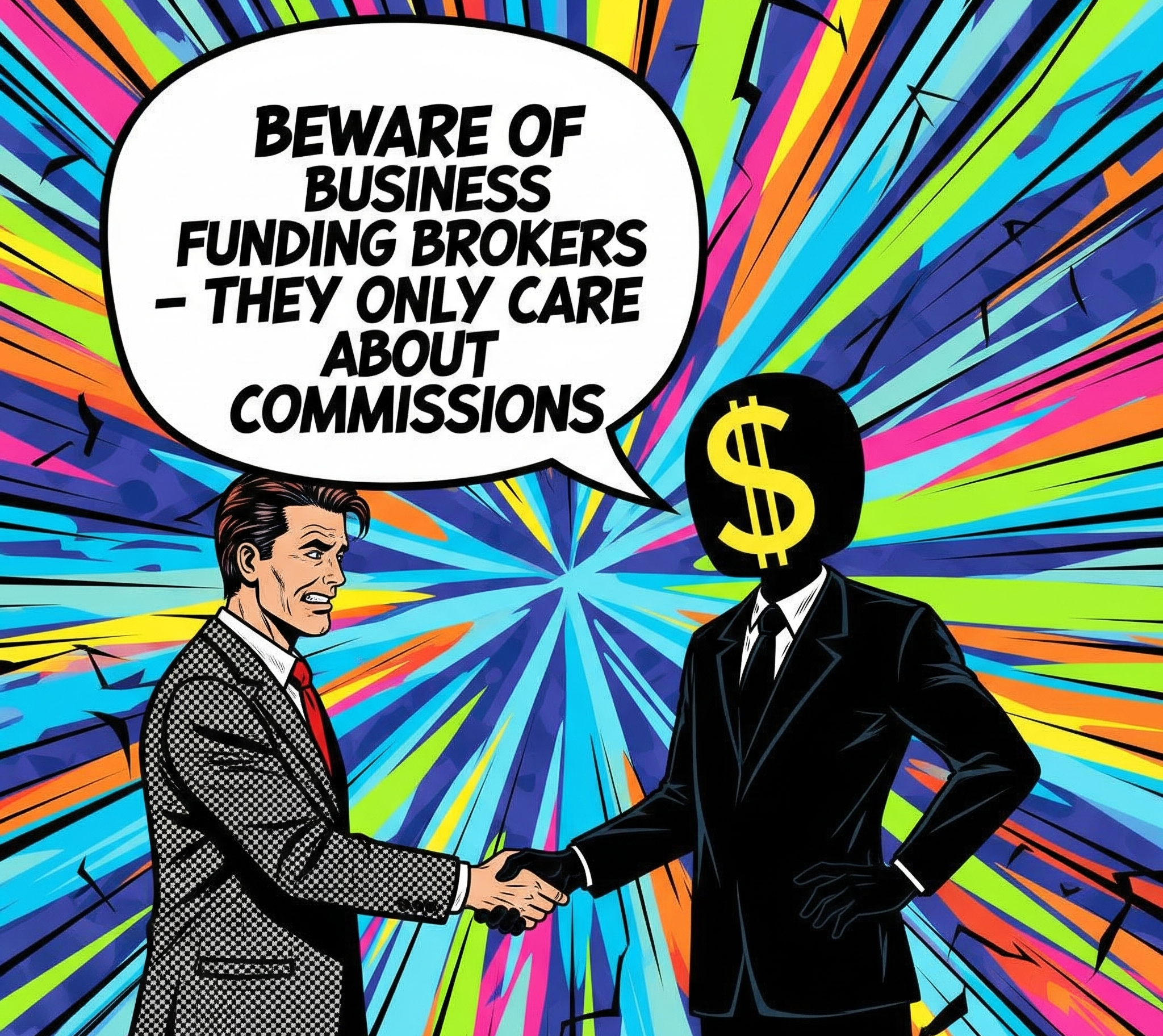
The narrative sold by these funders is one of partnership and support, yet the reality is often strictly transactional and extractive. They rely on the business owner’s lack of time and desperate need for liquidity to push through agreements that no traditional bank would ever sanction.
Let this serve as a warning: the speed of funding is almost always inversely proportional to the safety of the financing.
Understanding this trade-off is the first step in protecting the business legacy you have built.
Decoding the Cost: Factor Rates Versus Annual Percentage Rates
One of the most deceptive tools in the predatory lender's arsenal is the use of "factor rates" instead of an annualized interest rate. When a bank offers a loan, they quote an Annual Percentage Rate, which allows a borrower to compare the cost of capital against other financial products over a standardized year. Merchant cash advance providers and high-interest short-term lenders often reject this standard. Instead, they present a simple multiplier, such as one point four (1.4x).
To the uninitiated eye, a factor rate of one point four on one hundred thousand dollars seems manageable. It suggests a repayment total of one hundred and forty thousand dollars. The business owner calculates this as a forty percent cost of capital. While high, it might seem acceptable for a high-margin project.
The deception lies in the time frame.
These are not multi-year loans; they are often repaid in six to nine months. When you compress that forty percent cost into half a year, the effective Annual Percentage Rate skyrockets into the triple digits, often exceeding one hundred or even two hundred percent.
This obfuscation is intentional. If these contracts stated effectively that you were borrowing money at one hundred and fifty percent interest, no rational business owner would sign. By using factor rates and focusing on the total payback amount rather than the cost of money over time, lenders hide the usurious nature of their product. They sell you on the absolute dollar amount of the "fee," hoping you never run the calculus on the speed of repayment. This mathematical sleight of hand creates a discrepancy between what the business thinks it is paying and the actual economic damage being inflicted on its bottom line.
The Daily Drain: How Remittances Strangle Cash Flow
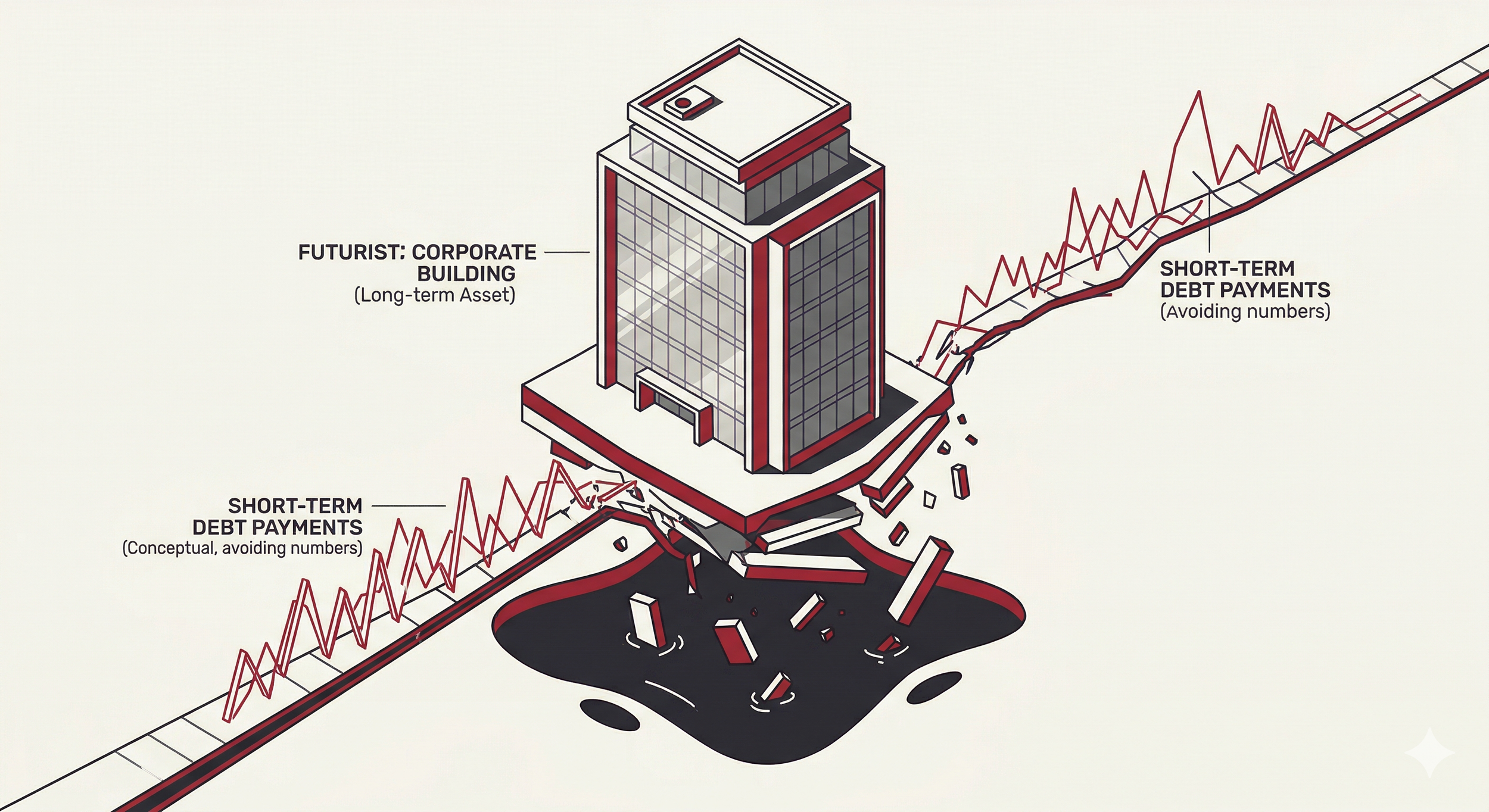
The mechanism of repayment for these short-term business financing products is distinctively aggressive. Unlike a traditional loan with a monthly payment, predatory funders typically require ACH daily or weekly remittances. They gain direct access to the business's bank account, pulling a fixed amount or a percentage of sales every single business day or week. This relentless siphoning of cash occurs regardless of the company's operational reality on that specific day. Whether you sold ten widgets or zero, the lender takes their cut.
This structure destroys working capital. Cash flow is the oxygen of a small business, allowing it to navigate the natural ebbs and flows of commerce. When a lender inserts a straw into the bank account and drinks first every morning, the business is left gasping for air.
The flexibility to pay vendors, cover unexpected minor expenses, or manage payroll fluctuations evaporates. The business owner loses control over their own revenue stream, becoming a conduit that merely passes money from customers to the lender.
The psychological toll of frequent payments is immense. Business owners find themselves waking up in a panic, checking bank balances before dawn to ensure the daily debit won't trigger an overdraft. This creates a "scarcity mindset" that hampers strategic decision-making. Instead of planning for the next quarter, the owner is obsessively focused on surviving the next twenty-four hours or the next week. This myopic focus effectively paralyzes the business, preventing any growth initiatives that require upfront capital or patience.
Balance Sheet Insolvency: The Hidden Accounting Crisis
While the cash flow crisis is felt immediately, a more insidious problem festers on the balance sheet. Insolvency occurs when a company’s liabilities exceed its assets typically by more than 2x. Short-term, high-cost financing accelerates this condition aggressively. Because the cost of this capital is so high, the business rarely generates enough profit from the use of the funds to cover the interest and fees. As a result, the business is effectively consuming its own equity to service the debt.
Furthermore, these funding agreements often encumber the business’s primary assets. The lender files a UCC-1 blanket lien against the company’s accounts receivable, inventory, and equipment, and typically all business assets. This means the assets on the balance sheet are no longer truly free to be leveraged for healthy financing. In the eyes of a traditional bank or a legitimate auditor, the business has become toxic. The liabilities column balloons with the total payback amount—which is fixed and non-negotiable—while the asset column remains static or depletes as cash is drained to pay the funder.
This leads to a state of technical insolvency even if the doors remain open. The business is technically "underwater," owing more than it is worth. This makes an exit strategy, such as selling the business, nearly impossible. A potential buyer will look at the balance sheet and see that the business debt load destroys the company's valuation. The owner is no longer building wealth; they are digging a hole that deepens with every frequent payment. The business exists solely to service its debt, having lost its status as a sovereign economic entity.
The Equity Strip: Working for the Lender
Small business ownership is pursued for the promise of equity—the idea that hard work today translates into retained value tomorrow. Predatory lending reverses this equation. When the cost of capital and debt service payments exceed the net profit margin of the business, the lender is capturing more value from the business’s operations than the owner is. In many cases, the "fee" paid to the lender is larger than the owner's take-home pay or the company's net income.
Consider a scenario where a business operates with a ten percent net profit margin. If they take on financing that costs forty cents on the dollar, they must generate four dollars of revenue just to pay the cost of the money, not including the principal. Since most businesses cannot magically quadruple their volume instantly, the money to pay the lender comes directly from the owner's equity. Retained earnings are wiped out. The owner effectively becomes an unpaid employee of the financing company, assuming all the operational risk while the lender reaps the guaranteed reward.
This equity strip is often permanent. Once that value is transferred to the lender in the form of fees and interest, it cannot be recovered. The years of effort put into building the company's retained earnings can be wiped out in a single six-month term of a bad advance. The business owner is left with a shell of a company—high revenue perhaps, but zero value. It is a wealth transfer from Main Street to Wall Street-backed funding houses, stripping the American small business owner of their retirement and their legacy.
The Cycle of Stacking: Digging a Deeper Grave
The most dangerous phase of this financial pathology is known as "stacking." Because the frequent payments on the first business funding advance are so crippling, the business inevitably runs short on cash flow again—often much sooner than expected. The initial funds were likely used to put out a fire, but the repayment schedule has started a new, larger fire. Seeing the business struggle, aggressive brokers will offer a "second position" or "third position" advance. Of course, they promise to help “refinance” it down the road, which never materializes.
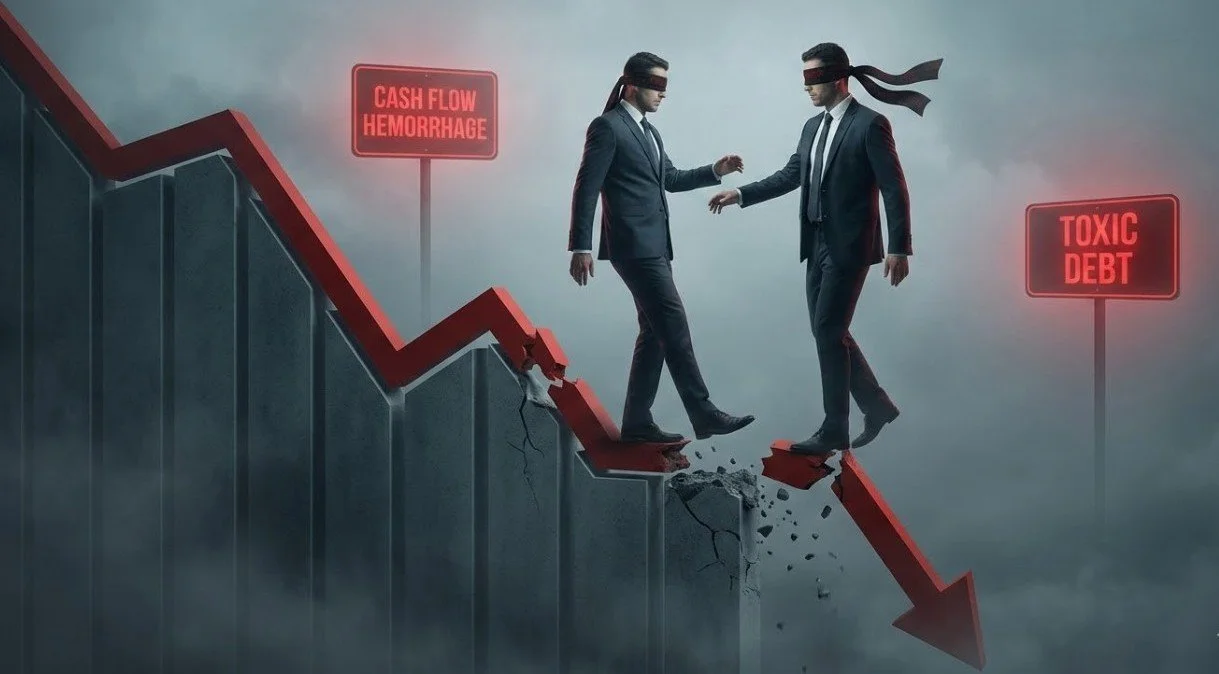
They pitch this as a solution: take a little more money to “bridge the gap”. In reality, this is fatal. The business now has two or three separate lenders debiting the account frequently. The effective interest rates compound, and the cash flow drain becomes a torrent. The business is borrowing from Peter to pay Paul, but Paul charges double what Peter did. This Ponzi-like structure within the business's own accounts can only end in collapse unless drastic changes are made to the capital stack.
Business lenders often encourage this behavior. They see a business that is desperate and willing to sign anything to keep the lights on for another week. They will extend credit even when they know the business cannot afford it, banking on their ability to extract as much cash as possible before the inevitable default. This cycle creates a labyrinth of business debt that is mathematically impossible to escape through normal operations. The only way out becomes a massive infusion of equity or bankruptcy, both of which signal a failure of the business model caused entirely by the financing structure.
Legal Aggression: Confessions of Judgment and Personal Guarantees
IMPORTANT NOTE: Bernarsky Advisors is a business finance and corporate strategy firm and does not provide legal or tax advice. Please consult your company's legal and tax advisors.
The danger of these financial products is not limited to the balance sheet; it extends into the courtroom. Many of these agreements include draconian legal clauses that strip the business owner of their rights to due process. One such tool was the "Confession of Judgment," and while some states have cracked down on this, the spirit of it remains in the aggressive personal guarantees and legal stipulations buried in the contracts.
These clauses essentially state that if the business misses a payment, the lender can instantly claim a judgment against the business and the owner personally, without a trial and without the owner being present to defend themselves. The lender acts as judge, jury, and executioner. Before the business owner even knows there is a serious problem, their personal bank accounts may be frozen, and their personal assets seized.
This pierces the corporate veil that is supposed to protect business owners. The separation between limited liability company and individual is erased. The stress of knowing that one's home, car, and personal savings are on the line for a business debt creates an atmosphere of terror. This legal aggression ensures compliance through fear. Owners will stop paying their vendors, their employees, and even their taxes to ensure the predatory lender gets paid, simply to avoid the immediate devastation of a legal judgment. It prioritizes the predator above all other stakeholders in the business ecosystem.
Operational Paralysis: The Inability to Pivot
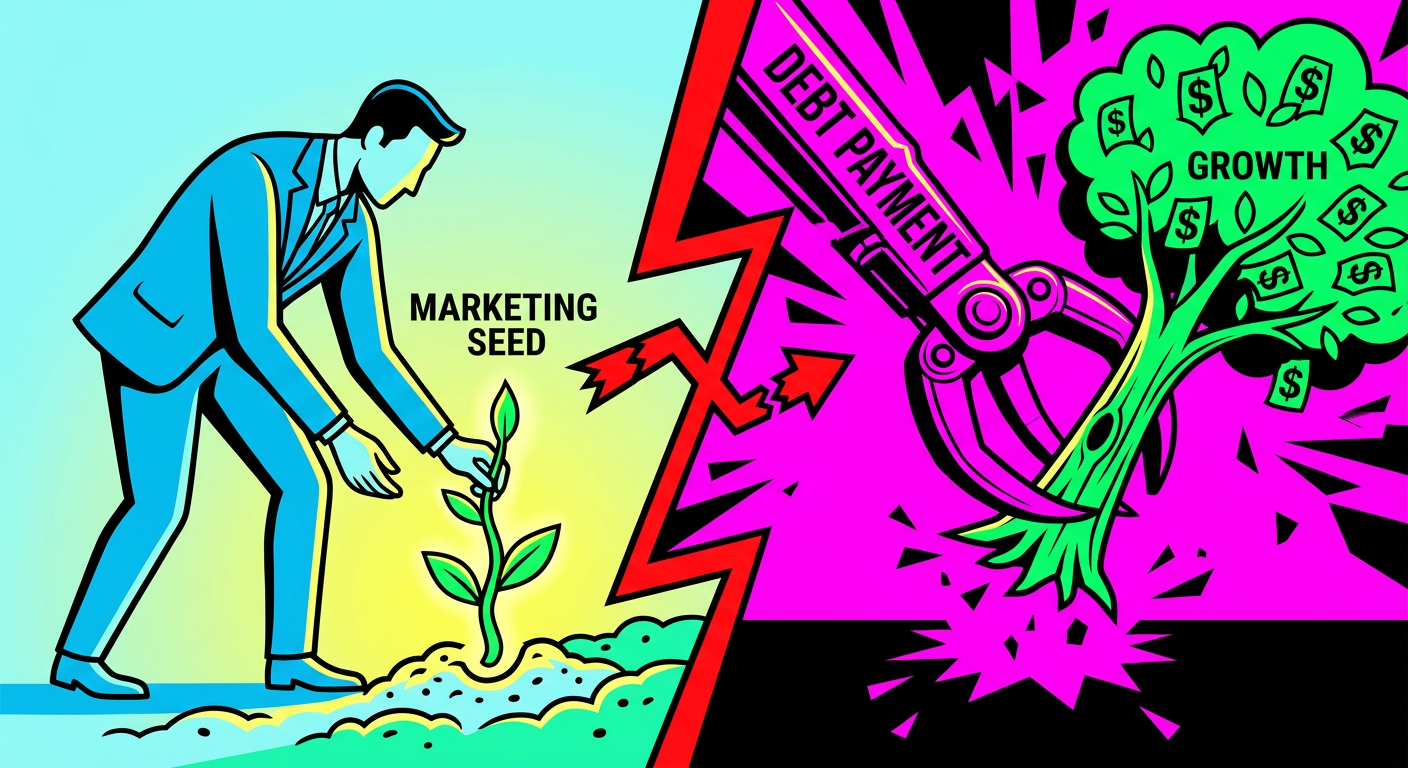
A healthy business needs the ability to pivot. Markets change, consumer preferences shift, and supply chains get disrupted. To adapt, a business needs liquidity and the freedom to make choices. A business burdened by heavy, short-term business debt loses this agility. It enters a state of operational paralysis. Management cannot authorize a marketing campaign to win new customers because every spare dollar is allocated to business debt service. They cannot upgrade aging equipment or hire new talent.
The business enters a zombie state. It continues to operate, churning through transactions, but it is incapable of improvement or evolution. Inventory levels dwindle because there is no cash to restock, leading to lost sales, which further exacerbates the cash flow crunch. This downward spiral is self-reinforcing. The quality of the product or service degrades as corners are cut to save money. Long-time customers notice the decline and leave, reducing revenue further.
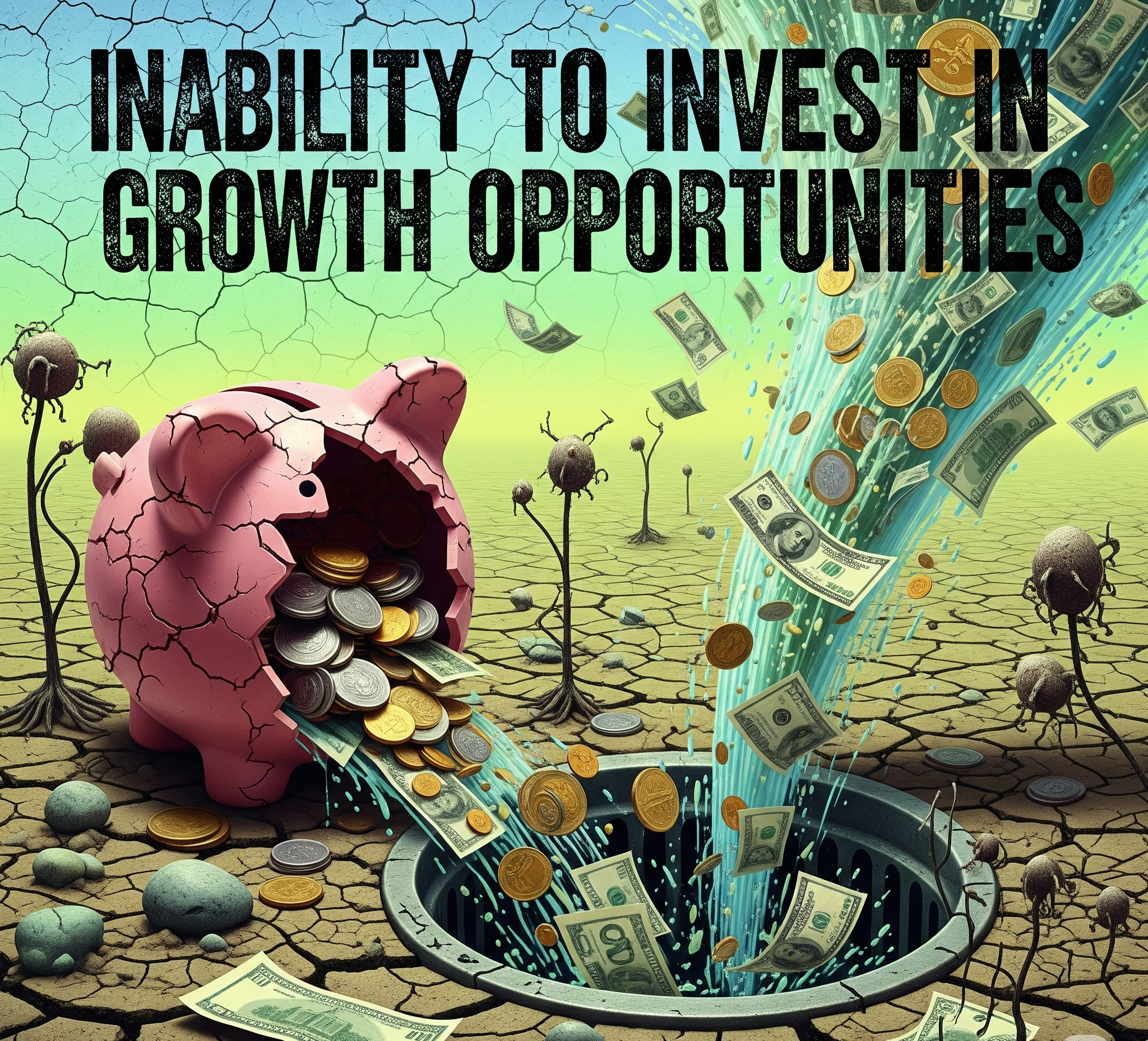
This paralysis allows competitors to gain ground. While the indebted business is fighting to make daily payments, debt-free competitors are investing in innovation and capturing market share. The predatory loan doesn't just cost money; it costs the business its future relevance. By the time the debt is potentially paid off, the market may have moved on, leaving the business obsolete. The opportunity cost of servicing high-interest debt is the complete stagnation of the enterprise.
The Broader Impact: Killing the American Small Business
When we zoom out from the individual tragedy of one company, we see a systemic threat to the American economy. Small businesses are the primary drivers of job creation and local economic stability. When these businesses are hollowed out by predatory lenders, the ripple effects are felt throughout the community. Jobs are lost, commercial real estate goes vacant, and local tax bases erode.
These funders are effectively strip-mining the small business sector. They extract value from local communities and transfer it to centralized funds, often located in major financial hubs. Money that should have stayed in a local town—paying for a child's braces, a renovation on a local home, or a donation to a local charity—is instead funneled into fees for a high-risk lender. This extraction weakens the economic resilience of towns and cities across the United States of America.
Furthermore, the prevalence of these funders distorts the market. It allows zombie companies to survive longer than they should, dragging down industry averages, while simultaneously destroying healthy companies that made one mistake in judgment. It erodes trust in the financial system. Business owners who have been burned become skeptical of all financing, refusing capital that could actually help them grow. The toxicity of this industry poisons the well for legitimate lending, stifling the overall entrepreneurial spirit that drives the nation forward.
The Path to Recovery: Hard Truths and Strategic Exits
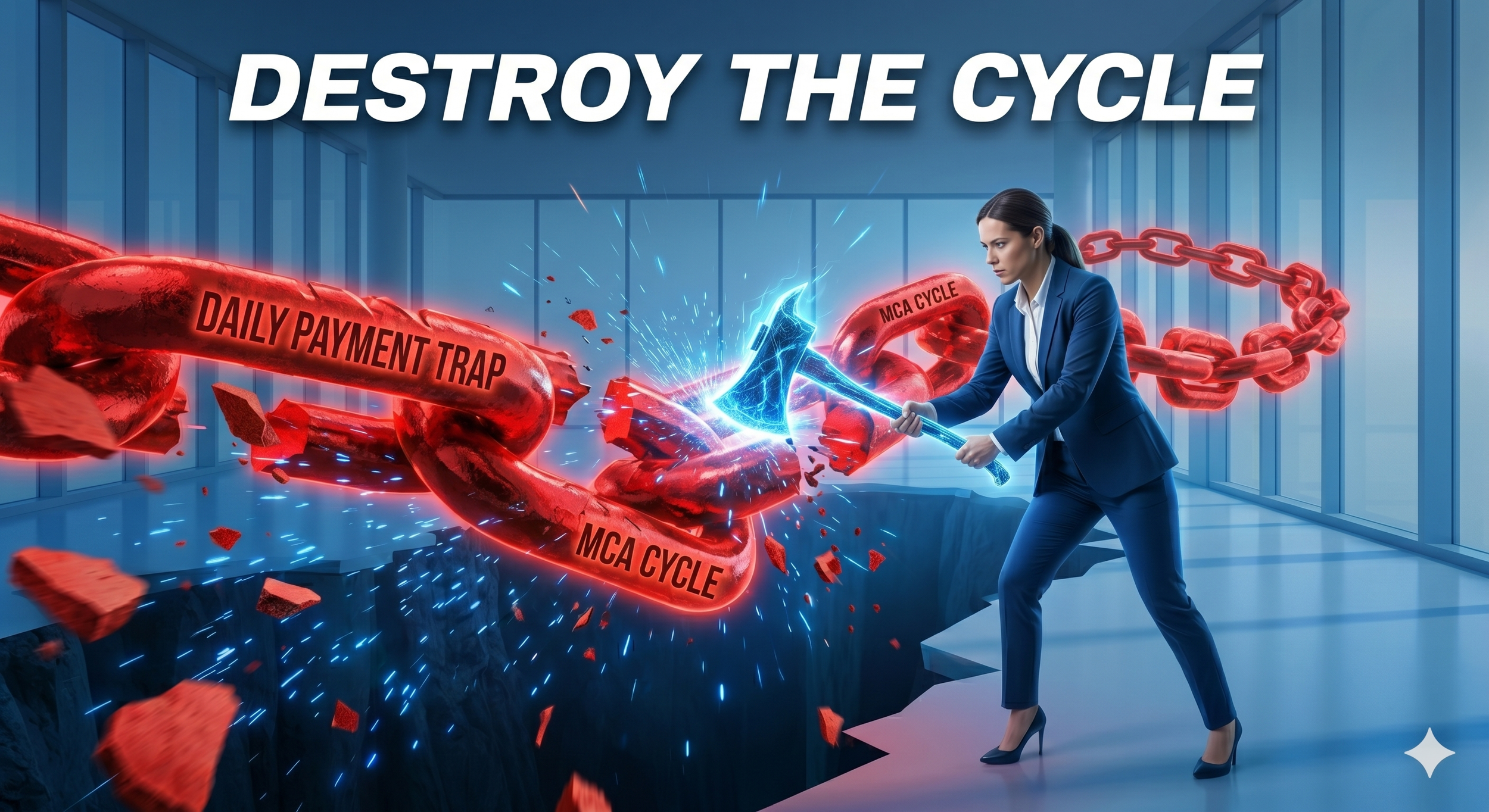
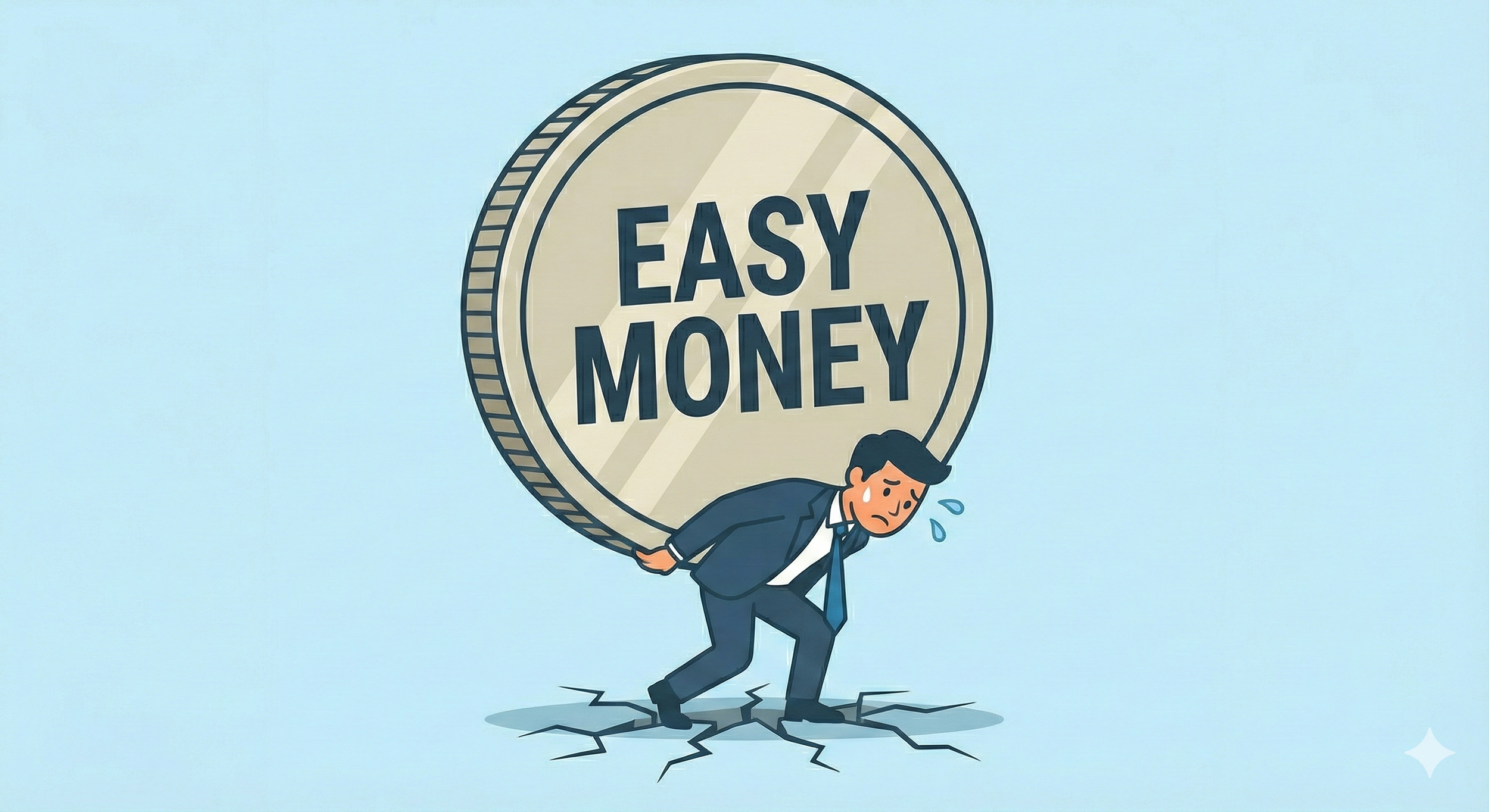
Escaping the grip of predatory business financing requires a confrontation with hard truths. The first step is admitting that the "easy money" was a mistake and that the current path leads to destruction. Business owners must stop the bleeding by refusing to renew or stack additional advances. This often requires a radical restructuring of the business, both financially and operationally. It may mean shrinking the company, restructuring existing business debt, selling off assets, or cutting overhead drastically to realign expenses with the reduced cash flow available after debt service.
Professional help is often necessary. This does not mean finding another broker to perform more transactions—often another trap—but seeking out business restructuring advisors who specialize in business debt management and workout strategies. In some cases, fighting back against the legality of the liens or the methods of collection is the only leverage a business owner has. It is a painful, stressful process, but it is the only alternative to total collapse.
Ultimately, the best defense is education and prevention. Business owners must understand that if a deal sounds too good to be true in terms of speed, it is too bad to be true in terms of cost. Building a relationship with a private credit provider of business financing, maintaining clean financials, and growing at a sustainable pace are the only reliable inoculations against the disease of predatory lending. We must reclaim the narrative that business finance should be a tool for growth, not a weapon of destruction. The survival of the American small business depends on rejecting the toxic allure of easy cash and returning to the fundamentals of sound financial management.
What is the Best Way to Fix Business Debt Payments that are causing Cash Flow issues?
It is NOT by stopping ACH payments.
It is NOT by taking on another business loan.
It is NOT ALWAYS a Refinancing
It is NOT by entering into a debt settlement program.
Find out the BEST strategies to get your Business back to where it was

More Business Finance and Strategy Articles: