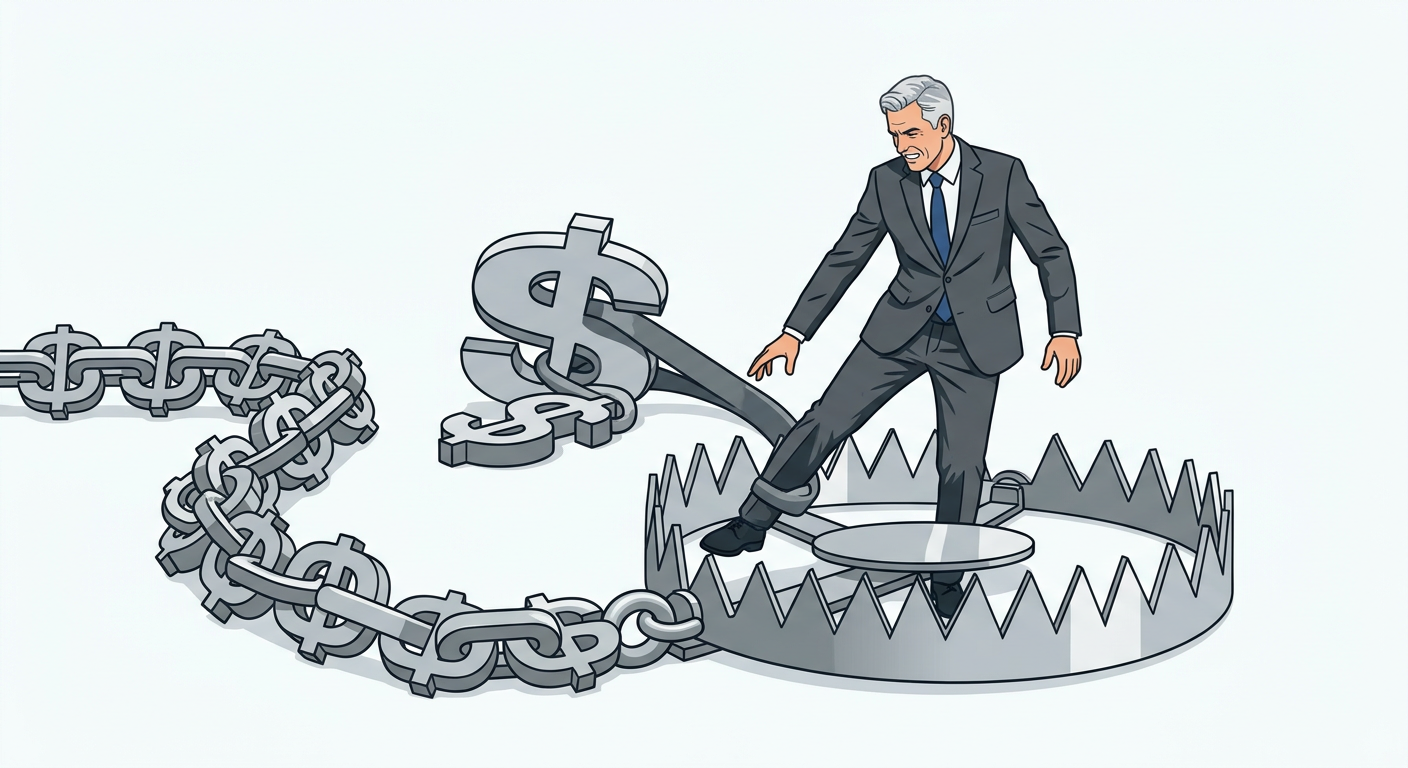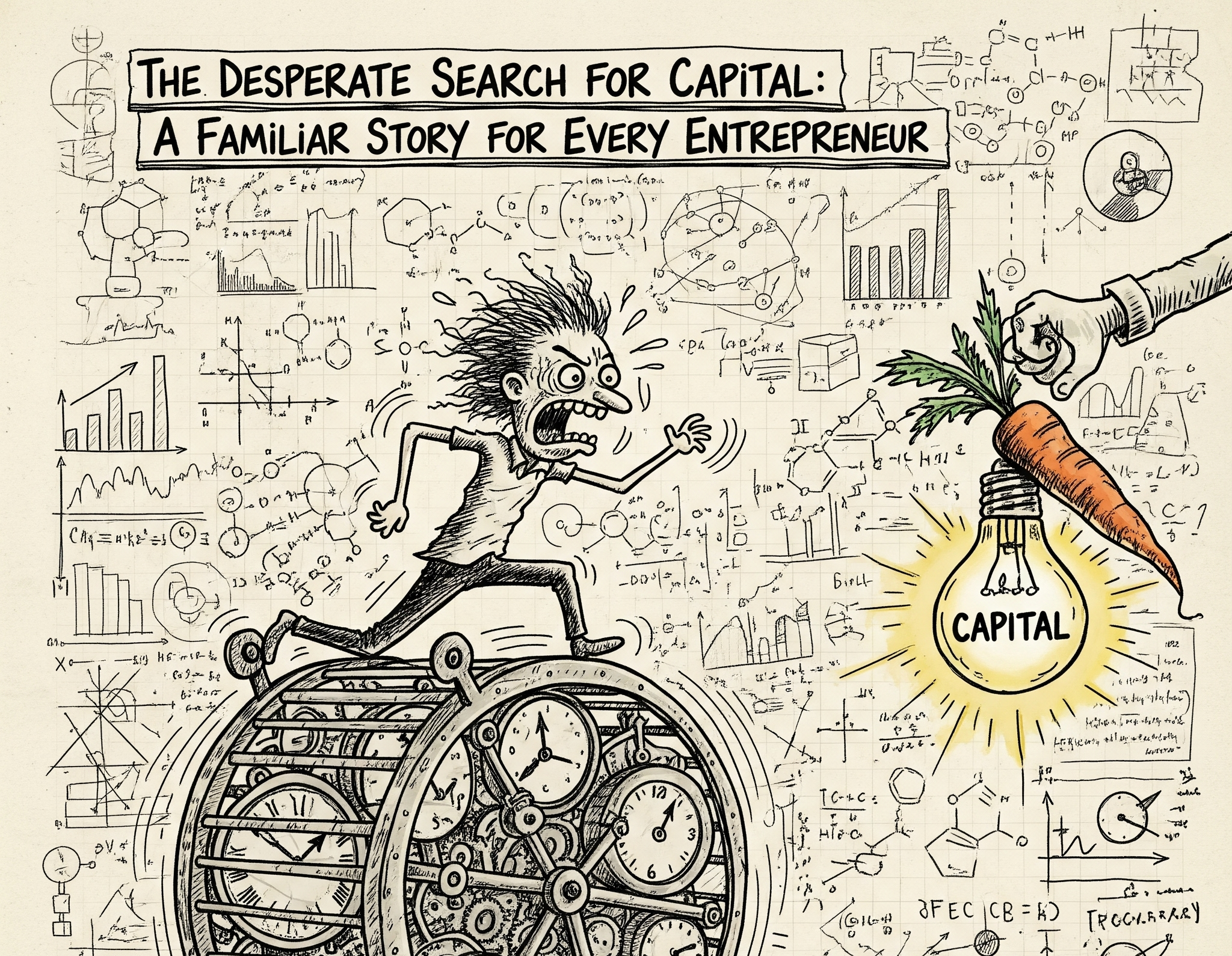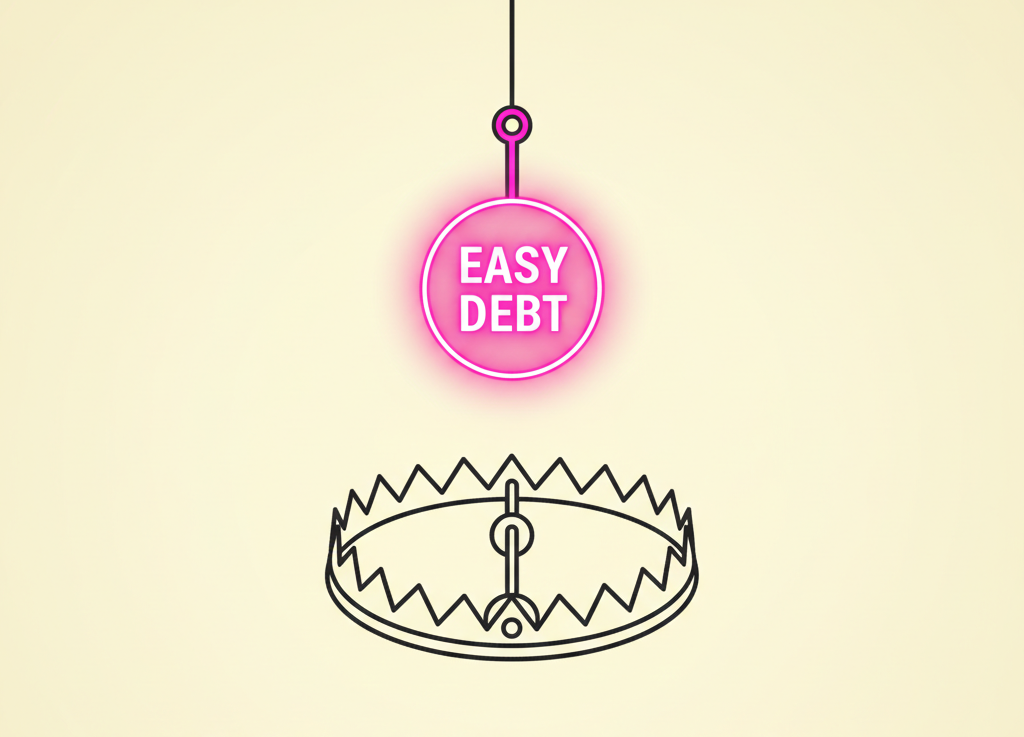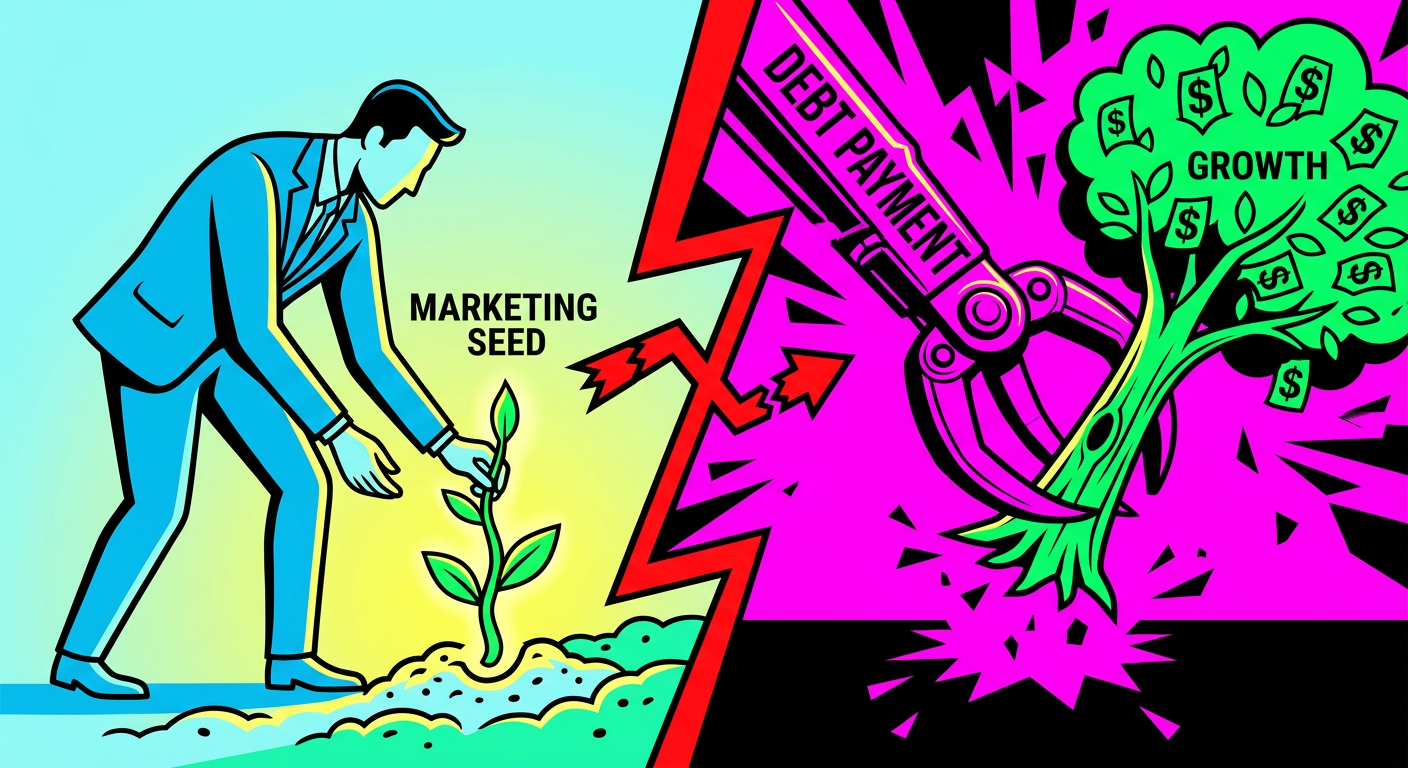
When business cash flow tightens or an urgent growth opportunity arises, the standard three-month wait for a traditional bank loan feels like an eternity. This is why many entrepreneurs turn to the alternative business lending market. However, speed and convenience often come with a hidden, heavy price tag. While some providers offer necessary bridges for business growth, others utilize structures that can slowly bleed a business of its cash flow and ability to invest in the future.
The alternative business lending landscape is a spectrum, ranging from established financial technology companies to aggressive marketplaces and brokers. Understanding the specific mechanisms used by the lenders frequently featured in the alternative business lending space is essential for your survival. This article examines the most common high-risk lenders and the structural "traps" they use, ensuring you can identify when an offer is designed to help your business—and when it is designed to consume it.
The Problem with OnDeck, Bluevine, Celtic Bank, Fundbox, Fora Financial, Kapitus, PayPal Lending, Ready Capital, Shopify Capital and most every Short-Term Business Debt Lender
OnDeck is a pioneer in the online lending space, frequently cited as a top alternative for those who do not plan properly to wait for a SBA loan. However, their primary product is the short-term business term loan or “line of credit” loan, which can be a significant risk for the unwary and uninformed. These loans often carry terms from 12 to 18-months and as short as 6-months with interest rates in excess of 30% APR reaching over 40%+ APR at times. While the speed of funding is a few days or less, the velocity of repayment can cause a massive strain on a healthy company’s operations and cash flow.
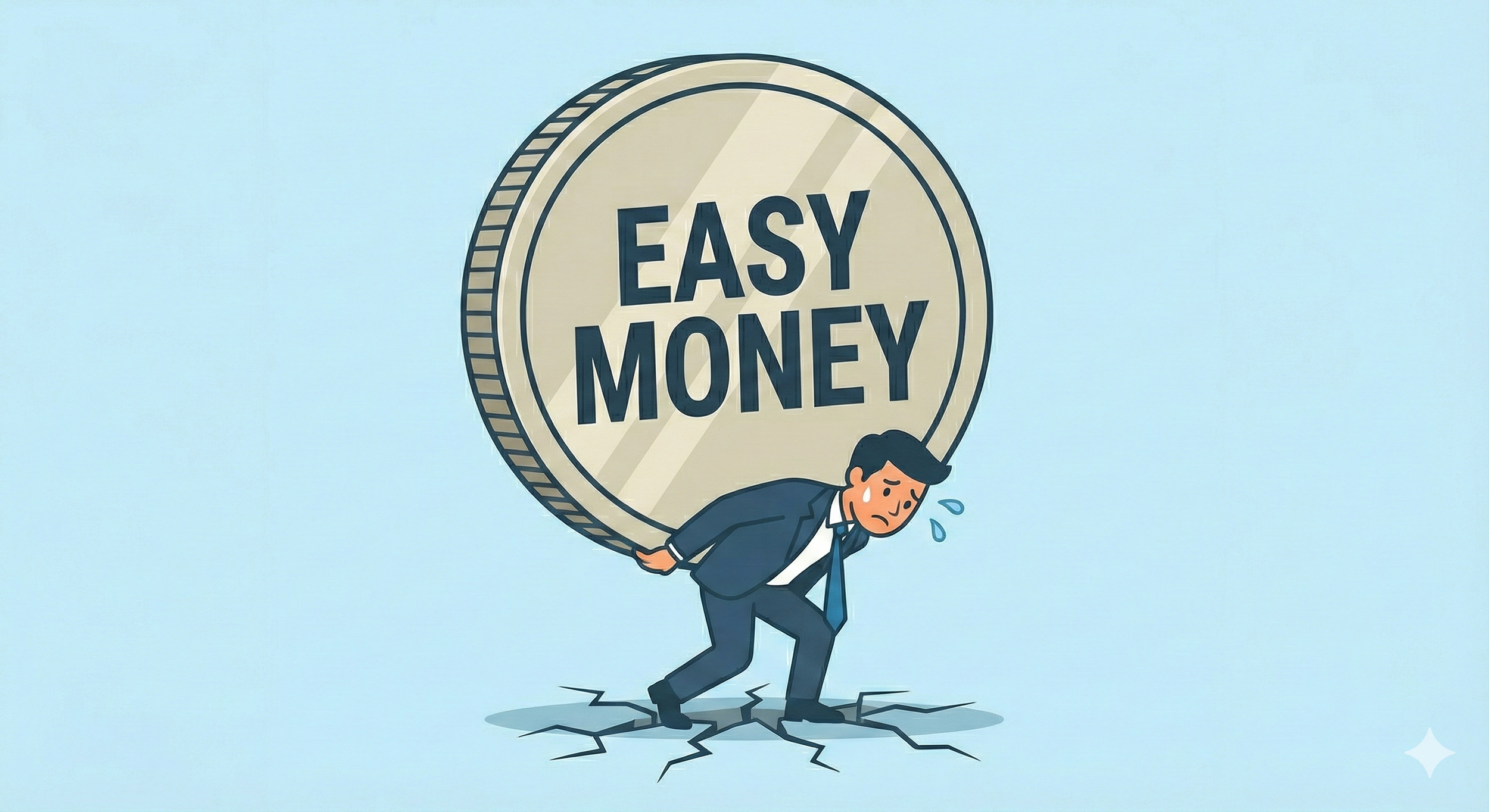
The danger here is not necessarily the lending company itself, but the nature and structure of short-term business debt. Because these loans are repaid over a very compressed timeline, the "effective" APR can be much higher than it appears at first glance. If your business is seasonal or has irregular accounts receivable, the rigid, high-frequency repayment schedule required by lenders like OnDeck, Bluevine, Celtic Bank, Fundbox, Fora Financial, Kapitus, PayPal Lending, Ready Capital, Shopify Capital and others can lead to a business liquidity crisis. Before taking on short-term loan payment velocity, you must be certain that the project you are funding will generate returns fast enough to cover the cost and payback of the short-term business loan.
Biz2Credit and Other Brokers Working for Lenders, Not for You and the Risk of Larger Debt Loads
Biz2Credit acts as a marketplace (3rd party broker), often promising access to amounts as high as $6 million. For a small and medium-sized businesses, being approved for a loan feels like a validation of success, but it can actually be the beginning of the end of your business’s profit and positive cash flow. Aggressive lending platforms often encourage "over-leveraging," where a business takes on more business debt than its profit margins and cash flow can actually support.
Lenders that provide "fast" access to large sums often rely on automated underwriting that may not fully account for your industry’s specific volatility nor account for affordability of the payback schedule of the business loan putting a business in a spot where they have to take a loan that they cannot afford to pay back to maintain liquidity and existence. If you take a larger-sized business loan through a high-speed platform and your revenue dips even slightly, the debt service coverage usually becomes impossible to maintain. The "fast funding" for large amounts often skips the rigorous financial stress-testing that a traditional bank or private long-term lender would perform, leaving you with a business debt burden that acts like a yolk around your business's neck.
The Marketplace Trap of BusinessLoans.com and LendingTree
What is the reason that you constantly get flooded with so many texts, phone calls and emails soliciting business financing? Platforms like BusinessLoans.com and LendingTree are essentially lead-generation engines. While they market themselves as "easy comparison" tools, they often function by selling your data to a wide network of high-interest brokers and aggressive lenders. Once you enter your information, your phone will likely start ringing within minutes with offers from lenders who typically do not have your best interests in mind.
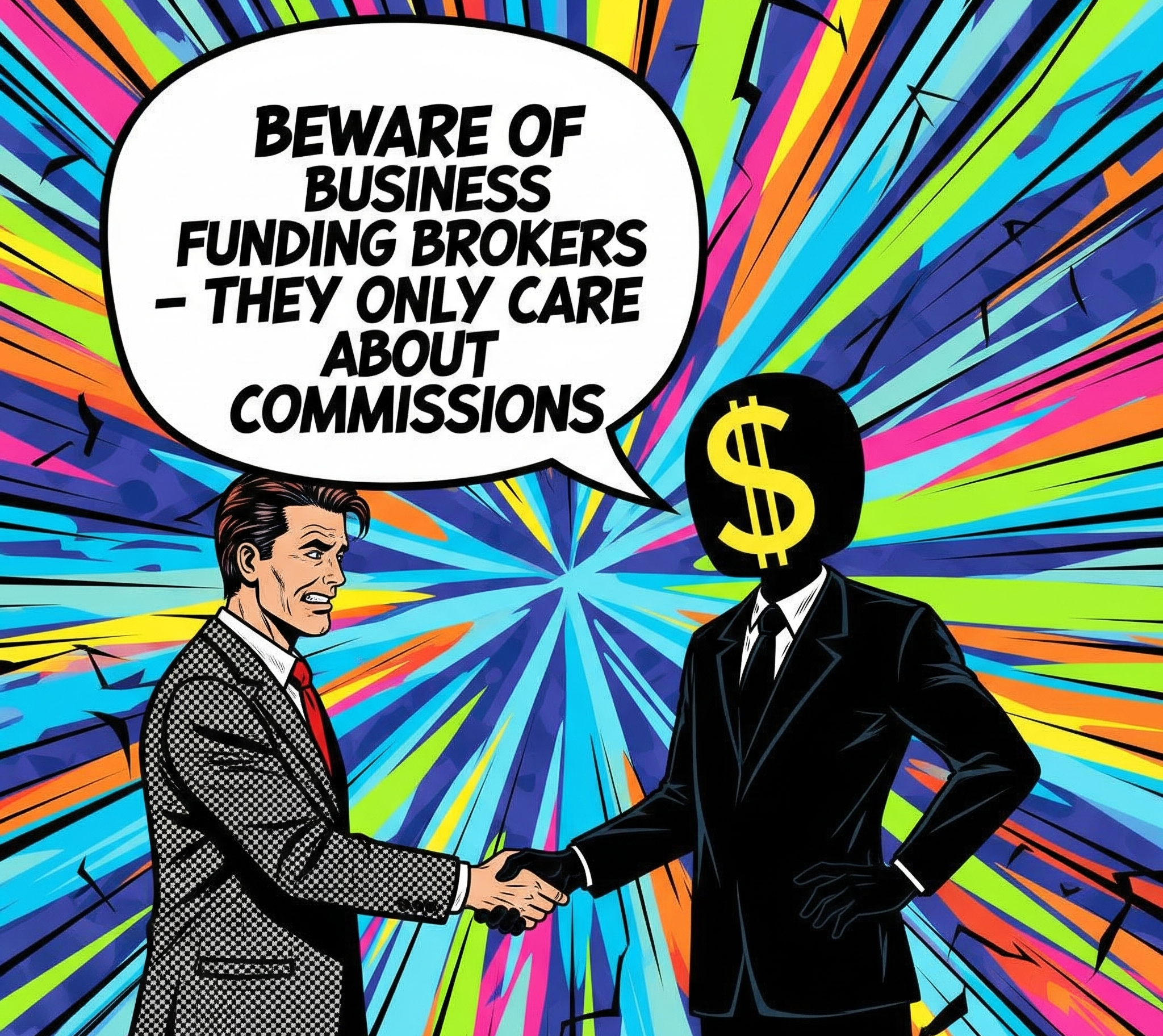
The risk with these marketplaces is the lack of vetting. Because their primary goal is to match you with "anyone" who will fund you so that they get paid direct commissions from the lender, they often steer business owners toward the most expensive products—like Merchant Cash Advances (MCAs)—because those products pay the marketplace the highest referral fees (8% to 15% or 1.08x to 1.15x factor rate commissions on a MCA loan). This creates a conflict of interest where the "best" loan for the marketplace is the worst loan for the business owner. Never assume that just because a lender is listed on a major comparison site, their terms are fair or competitive.
QuickBooks, Shopify, PayPal, Square Loans and the Dangers of Integrated Lending
Top financial sales and payment processing engines and networks like Intuit QuickBooks, Shopify and PayPal have leveraged their position as the some of the world’s leading software to offer "integrated" loans. While this seems convenient, there is a distinct danger in allowing your lender to have 24/7 real-time access to your accounting data. Lenders that integrate directly with your books can see every transaction, every late payment from a client, and every dip in your business cash reserves.
This level of transparency gives the lender an immense amount of leverage over your business. Some integrated lenders use this data to automatically adjust your credit limits or even accelerate repayment if they perceive a change in your risk profile. While QuickBooks itself is a reputable software provider, the trend of "embedded finance" means that your financial data is constantly being used to judge your creditworthiness, often without a human being ever looking at the context behind the numbers.
National Funding, Rapid Finance, Ready Cap Lending, Kapitus, Celtic Bank, Fundbox and the Cost of Lower Mid-Market Speed
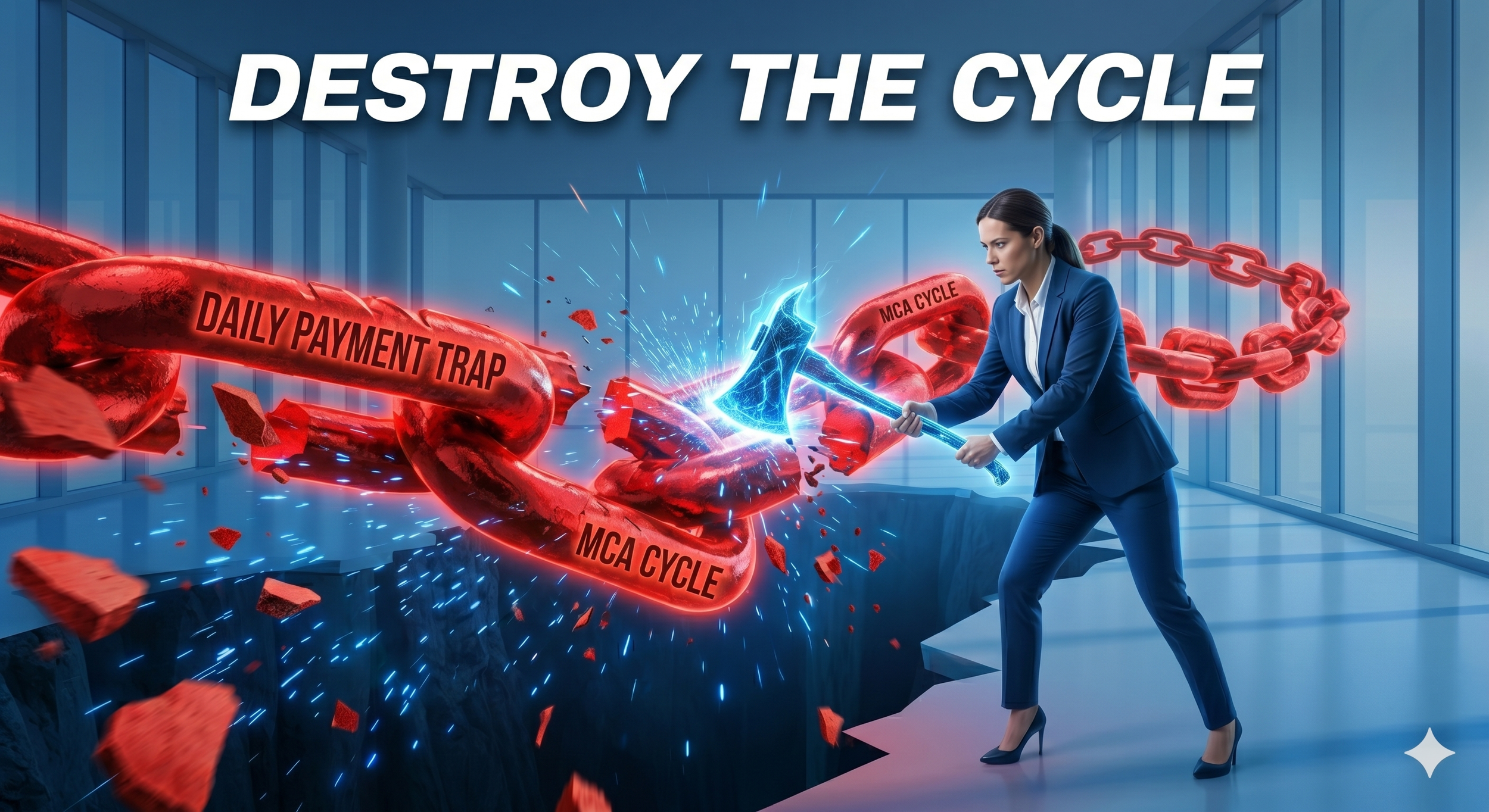
These short-term and expensive business lenders target small to mid-sized businesses that need capital "yesterday." Their model thrives on the fact that busy entrepreneurs often incorrectly prioritize speed over cost. Like many in this competitive business lending space, they frequently utilize the weekly (and even daily) ACH withdrawal method. This overly aggressive repayment structure is specifically designed to minimize the lender's risk while maximizing the burden on the borrower and increasing the effective APR or cost of capital.
For a small to mid-sized business with high overhead, having large amounts of revenue pulled from the business bank operating account every week and even every single business day is a recipe for disaster. It prevents the business from building a cash reserve and makes it difficult to handle payroll during slow periods. Lenders who focus on "24-hour funding" for small to mid-sized companies are often charging a massive "convenience fee" hidden within their interest rates and origination costs. If you aren't careful, the cost of that 24-hour wire could equal several months of your business's net profit.
The Flexible Financing Mirage of SoFi
SoFi has expanded from personal finance into the small business sector, marketing "flexible" financing options. However, "flexibility" in the lending world is often a euphemism for high-interest lines of credit or loans with variable terms that can change based on market conditions. When a lender offers a wide range of products—from term loans to lines of credit—it is easy for a business owner to get lost in the "options" and fail to see the underlying cost.
The primary risk with "flexible" alternative business lenders is the ease with which you can draw down capital. Much like a credit card, these products make it too easy to borrow for "wants" rather than "needs." If your financing is too flexible, you may find yourself using high-interest debt to pay for routine operating expenses, which is a fundamental violation of sound business finance. Using high-interest lines of credit or term loans for daily operations is the fastest way to erode your equity.
QuickBridge and the “Bridge-to-No-Where”
As the name implies, QuickBridge focuses on "bridge" financing—short-term capital meant to get you from point A to point B. However, in the world of predatory lending, these "bridges" often lead to nowhere. Bridge loans are almost always high-interest and come with heavy origination fees. The idea is that you will pay them off quickly with a more permanent and longer-term loan, but if that permanent loan doesn't materialize, you are stuck with some of the most expensive business debt on the market.
Lenders who specialize in bridge loans are betting on your desperation. They know you need the money for a specific purpose and that you likely have very little options. This gives them the leverage to include aggressive terms, such as blanket UCC-1 liens across all of your business assets or personal guarantees that can put your personal assets at risk. A "bridge" is only useful if you are 100% certain there is solid ground on the other side; too often, small businesses use these loans to bridge a gap that is actually a permanent decline in their industry.
1West and What Binary Business Lending Algorithms Lack
1West utilizes what they call the "Automated Business Lending Engine" (ABLE) to provide real-time pre-approvals. This is part of a broader trend in the industry toward "algorithmic lending". When a computer, rather than a human loan officer, decides your fate, the nuances of your business are lost. Algorithms often penalize businesses for minor, temporary issues while ignoring long-term growth potential.
The danger of automated lending is that it is "binary"—you either fit the box or you don't. To fit the box, many business owners are forced to accept terms that are overly restrictive. Furthermore, automated platforms are notorious for "upselling" borrowers. Once the engine has your data, it will constantly offer you "add-on" funding, encouraging a cycle of business debt that keeps your business in a state of perpetual repayment. If your only interaction with a lender is through a portal and an automated engine, you have no partner to turn to when things go wrong.
Lendini and the Illusion of High-Limit Flexibility
Lendini and other groups like them with different names, offers a massive range of funding, from $25,000 to $5 million, and markets itself on "flexibility" for those with lower credit scores. This is a classic "subprime" business lending tactic. By lowering the credit score requirement, these lenders attract businesses that are already in a vulnerable position. They then compensate for the lower credit score by charging much higher interest rates and requiring more collateral.
When a lender offers up to $5 million to a business that may have a credit score as low as 550, they are not doing it out of the goodness of their heart. They are doing it because they have structured the loan in a way that they will profit even if the business fails. This often involves seizing collateral or utilizing aggressive legal clauses that allow them to take control of your accounts receivable. High-limit loans for low-credit borrowers are the most dangerous products in the alternative lending market.
Your Business Can Escape Alternative Lending Plagues
The common thread among all the lenders listed as "alternatives" is that they are businesses designed to make a profit from your need for capital. To protect yourself, you must move beyond the marketing slogans of "fast," "easy," and "flexible." You must become a student of the APR or cost of capital. Always insist that a lender provide you with the total cost of capital expressed as an annual percentage rate, including all fees, origination costs, and interest.
If a lender or broker—whether it is OnDeck, National Funding, Rapid Finance, Ready Cap Lending, Kapitus, Celtic Bank, Fundbox or a marketplace like Biz2Credit, Fundera or Lendini—cannot or will not provide a transparent APR, they are hiding something. Your goal as a small business owner is to build a sustainable, profitable enterprise. You cannot do that if your profits are being eaten by 30%, 40%, 50%, or 100%+ effective annual interest rates. Always view alternative lenders as a last resort, and never sign a contract that includes daily ACH withdrawals, blanket liens, or personal guarantees unless you have had it reviewed with a qualified legal professional. Your business is your life’s work; don't let a "fast" loan turn it into your problem and someone else's profit.
What is the Best Way to Fix Business Debt Payments that are causing Cash Flow issues?
It is NOT by stopping ACH payments.
It is NOT by taking on another business loan.
It is NOT ALWAYS a Refinancing
It is NOT by entering into a debt settlement program.
Find out the BEST strategies to get your Business back to where it was

More Business Finance and Strategy Articles: