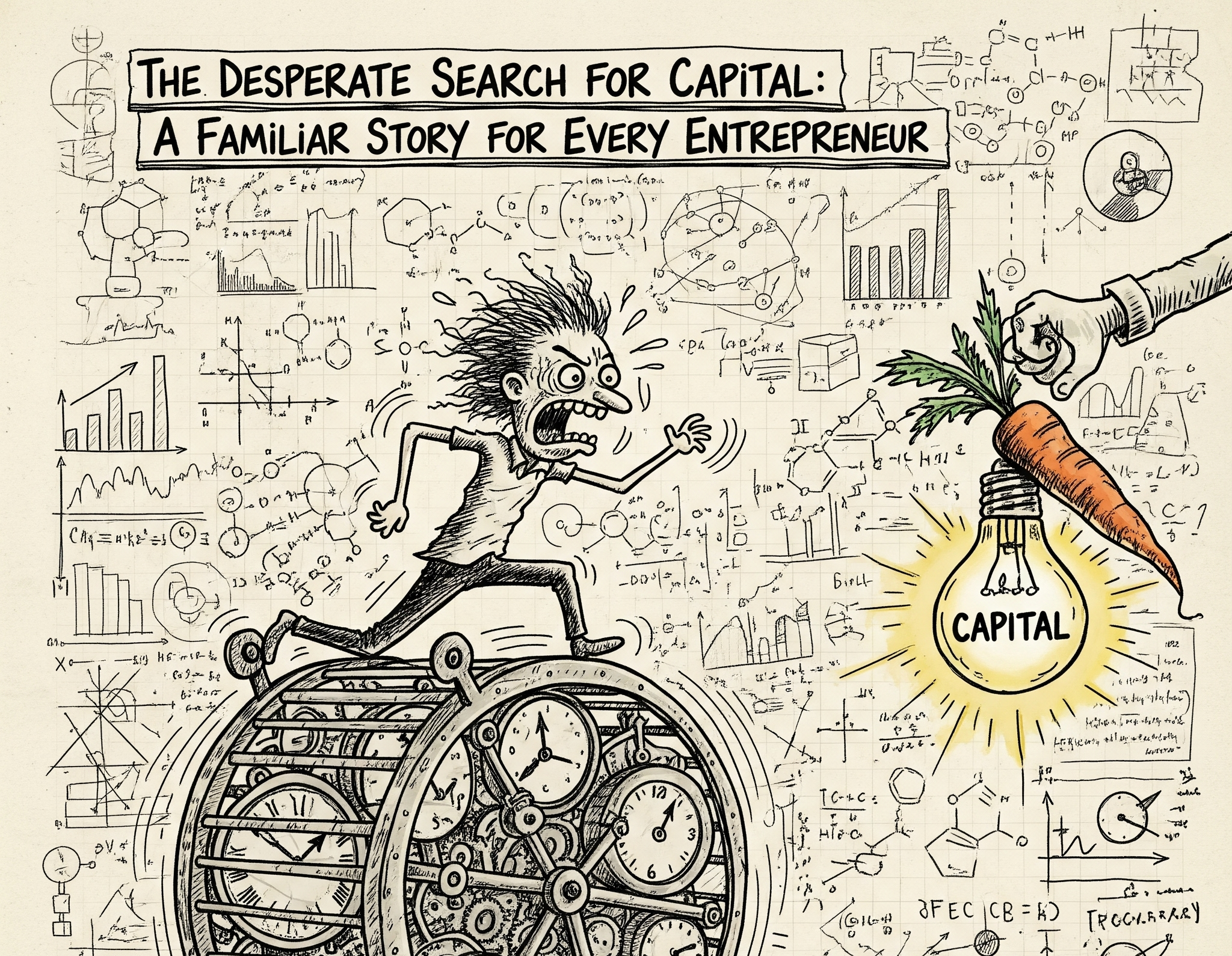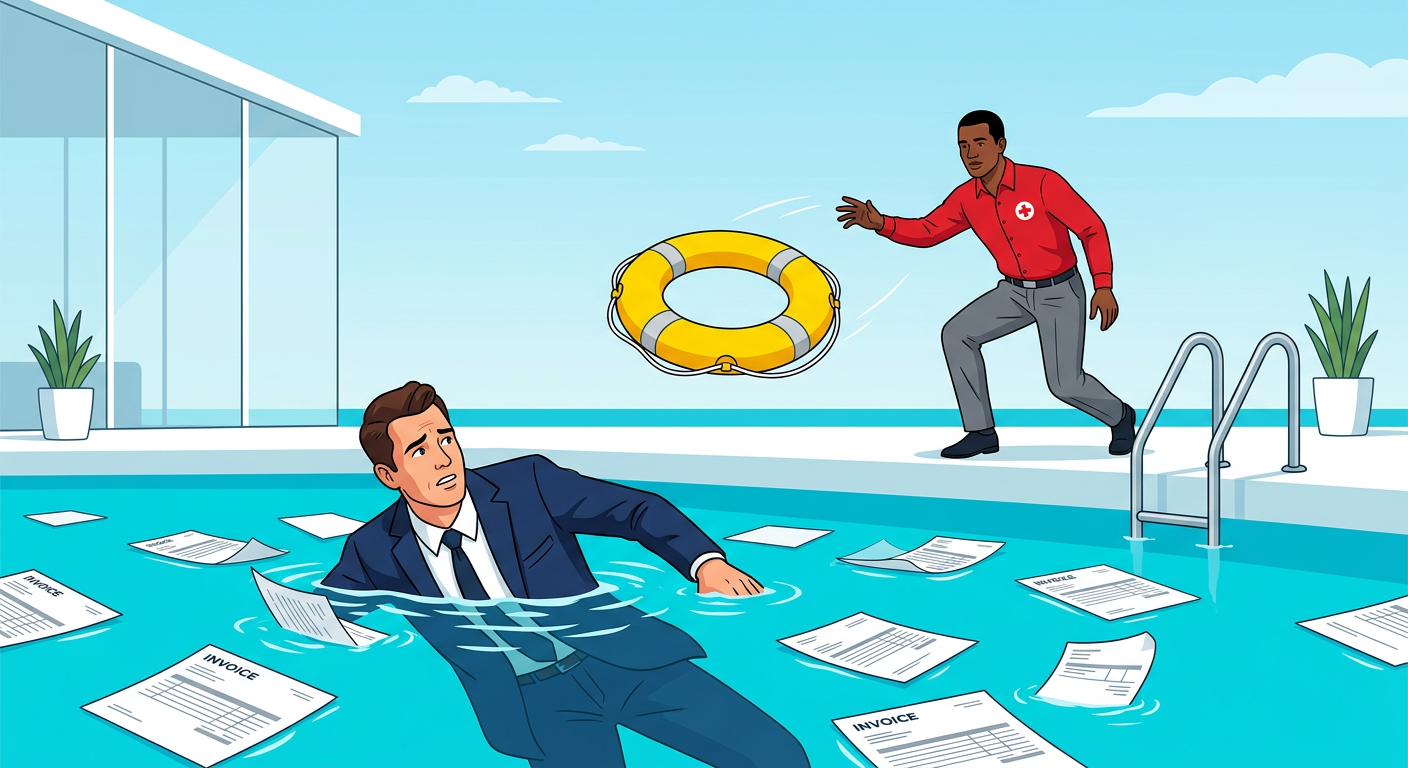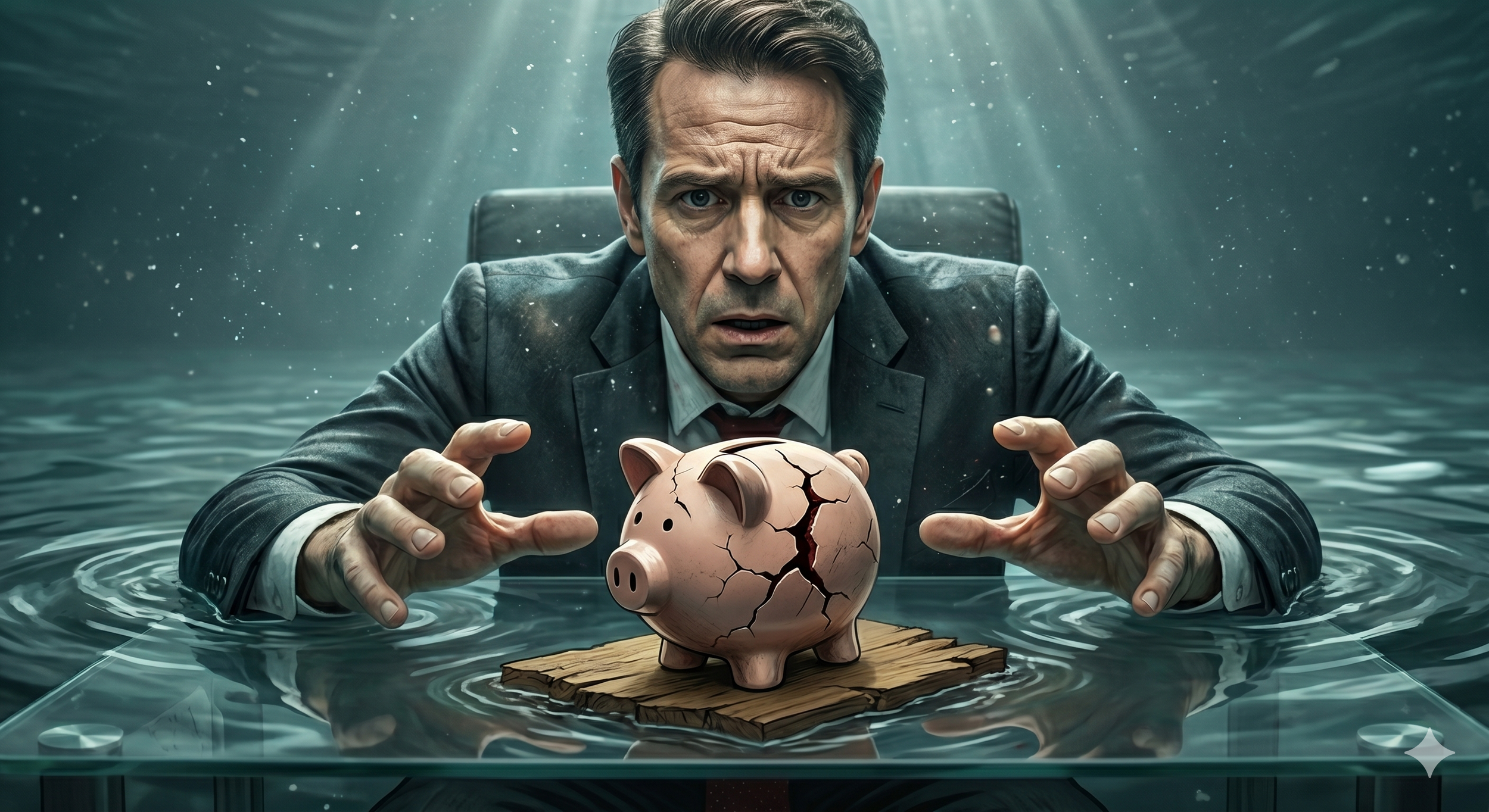
There is a silent crisis brewing beneath the surface of this survival story. For many business owners, the adrenaline of navigating the immediate crisis has faded, only to be replaced by a stark financial reality. The survival phase required capital, and for many, that capital came in the form of borrowed money.
We are now navigating a unique economic landscape where the stimulus has dried up, consumer habits have permanently shifted, and inflation has driven up the cost of goods sold. While the acute phase of the health crisis is over, the chronic phase of the financial crisis is just beginning for Main Street. The "new normal" is about managing a balance sheet that looks drastically different than it did 3 to 5-years ago.
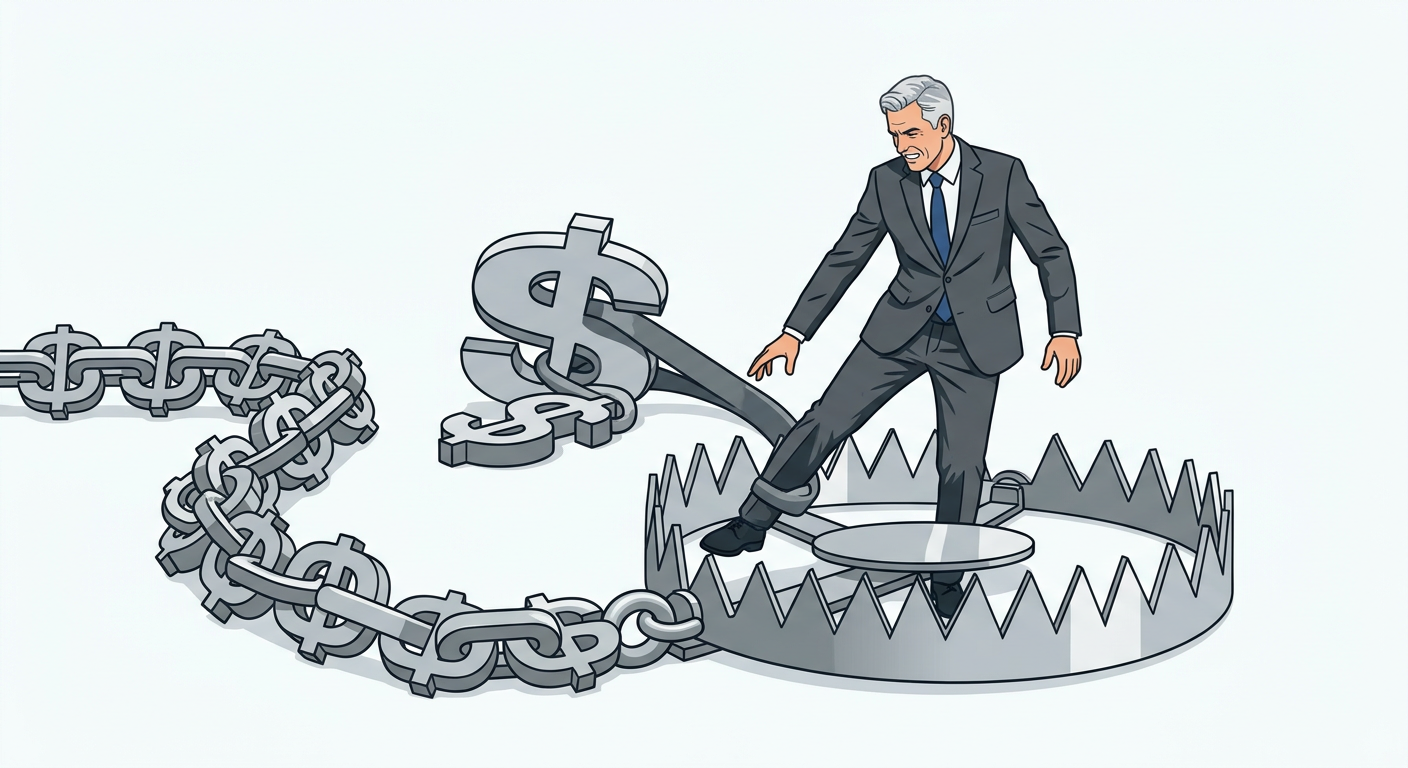
Many business owners are finding that the very tools that saved them—loans, deferred payments, and credit extensions—are now the anchors dragging them down. The revenue may have returned, but the margin for error has vanished.
This section of the economic cycle requires a different mindset. It is no longer about raw survival; it is about stabilization. The businesses that will thrive in the coming decade are those that recognize the game has changed from a sprint to a marathon, and they are currently carrying too much weight in their backpacks to finish the race.
The Trap of Cheap Money and the Burden of Over-Leverage
During the height of the pandemic, liquidity (essentially available and soon-to-be-available cash) was artificially pumped into the economy. Between the Paycheck Protection Program, Economic Injury Disaster Loans (SBA EIDLs), and lenient lending standards from traditional banks trying to be helpful, money was accessible. At the time, borrowing felt like the only logical choice. It was a lifeline.
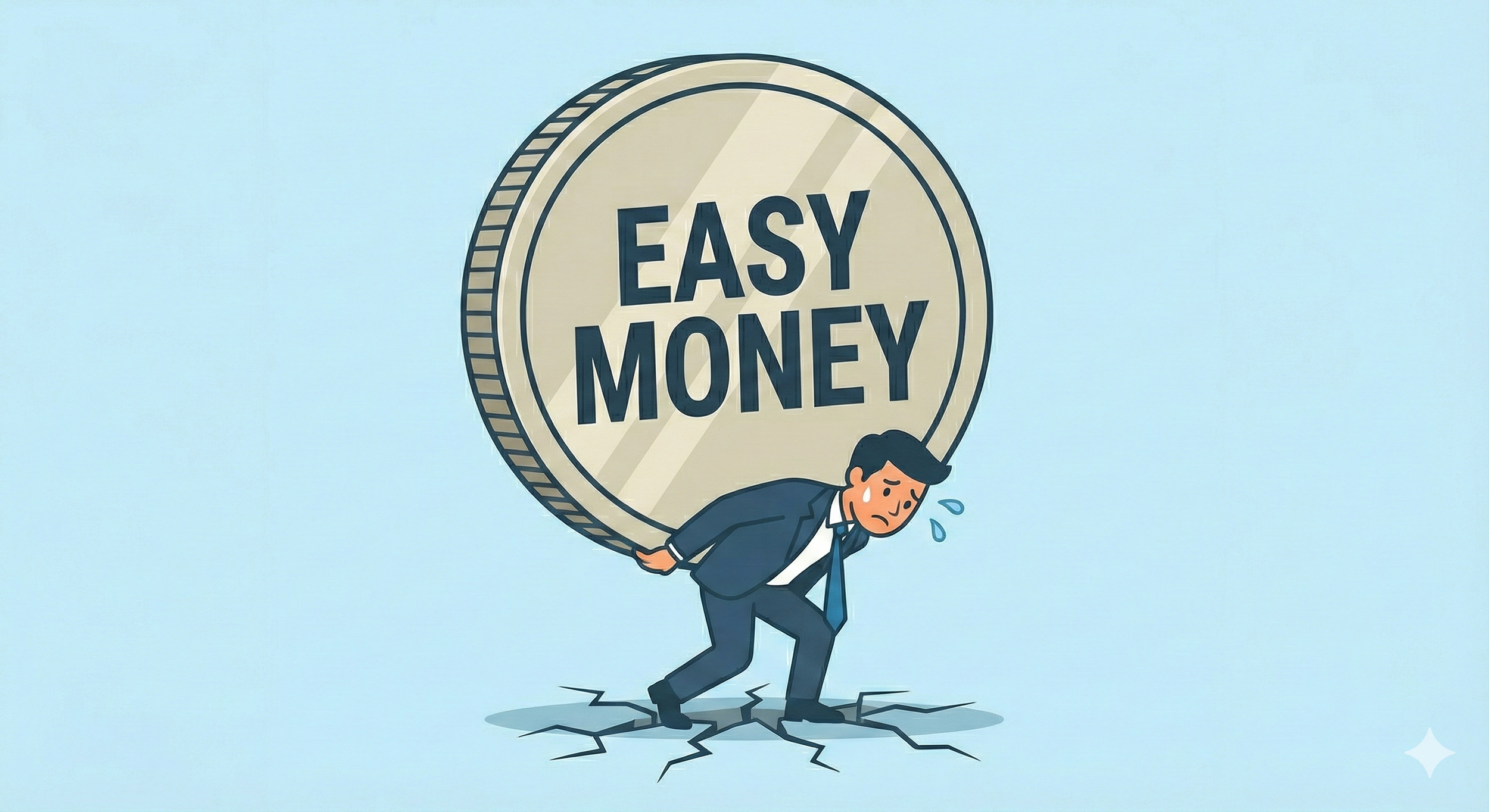
However, the psychological trap of "cheap money" is that it often feels like revenue rather than debt. When the cash hit the bank account, it solved immediate problems, but it created a future liability that many owners are now struggling to service.
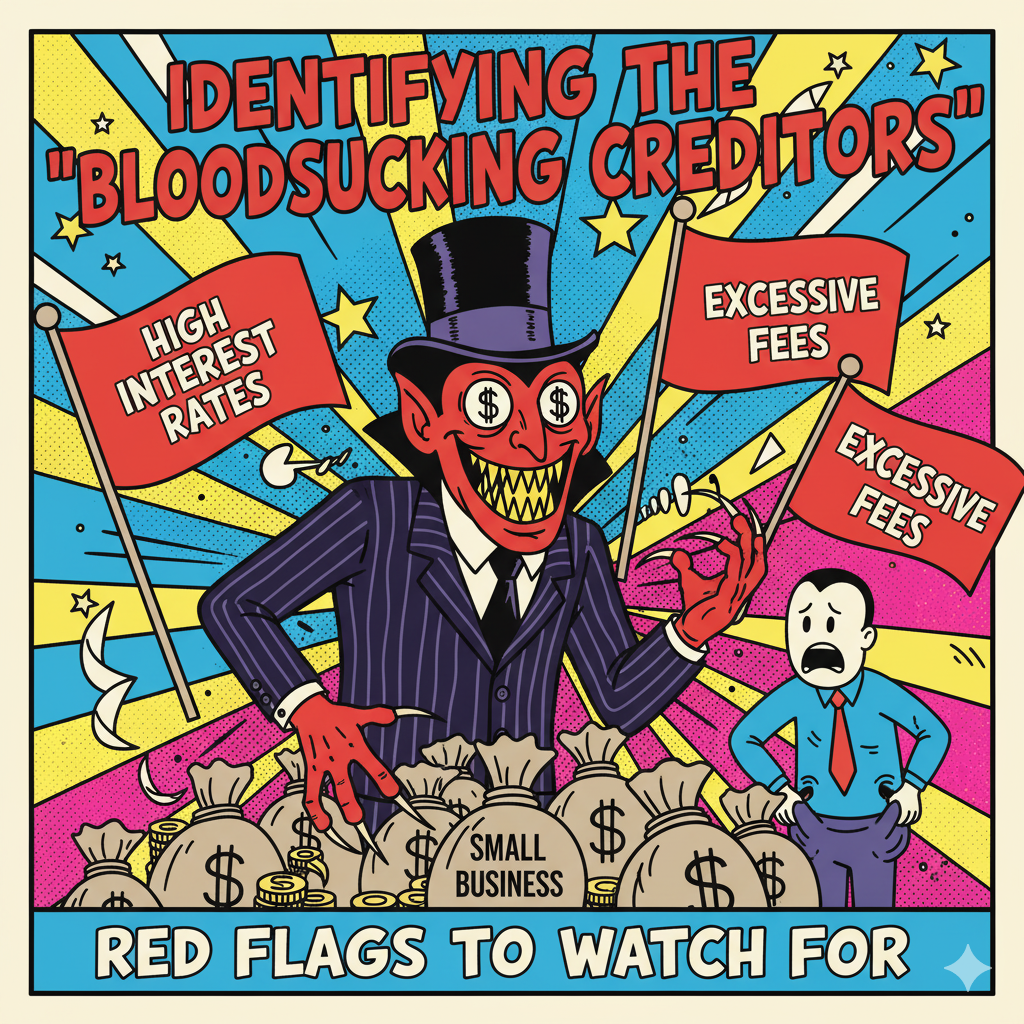
As the US government programs wound down, many entrepreneurs turned to alternative financing to bridge the gaps. This often included high-interest lines of credit or, more dangerously, Merchant Cash Advances (MCAs) and short-term loans. These financial products provided instant liquidity but at an exorbitant cost, often stripping the business of its daily revenue before the owner even opens the doors in the morning. This layering of debt—government loans, bank term loans, and alternative high-interest financing—has resulted in a state of over-leverage.
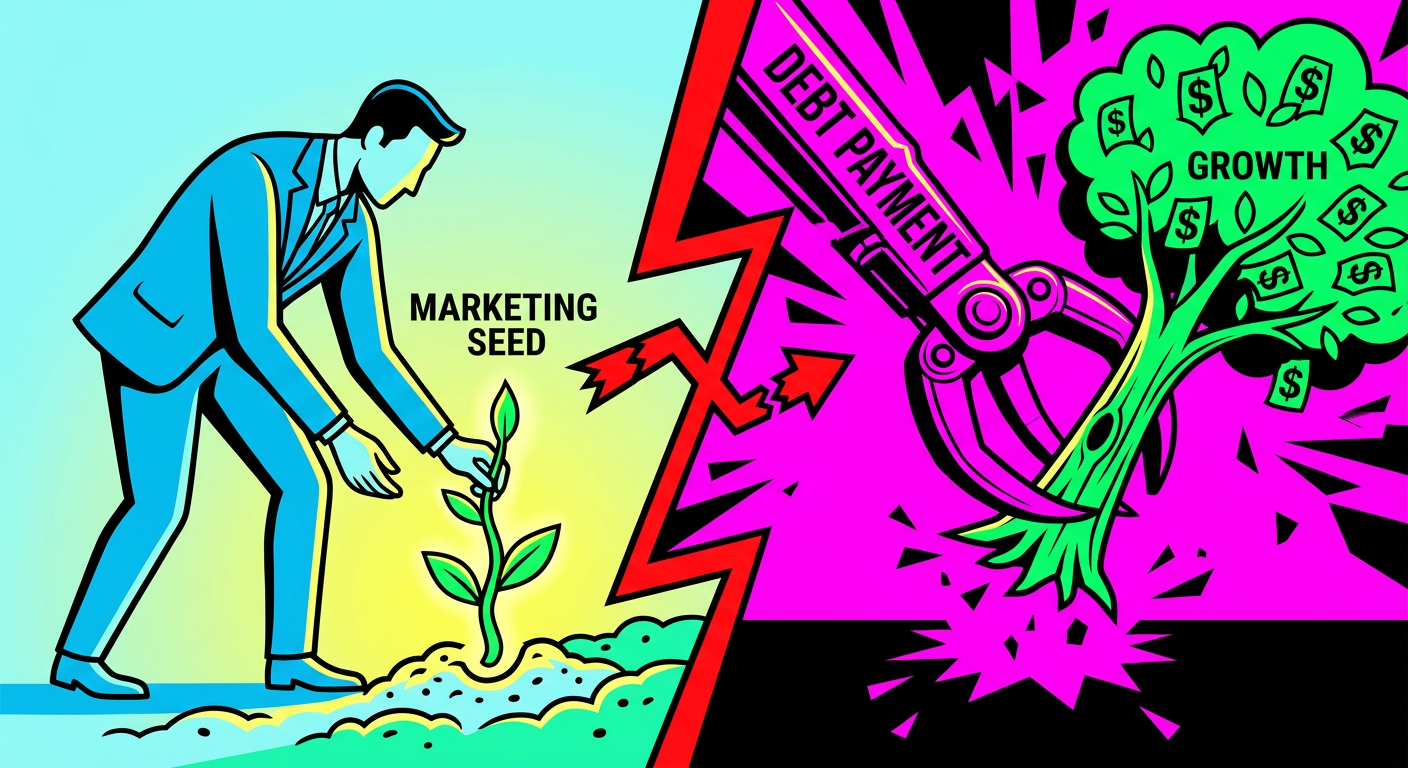
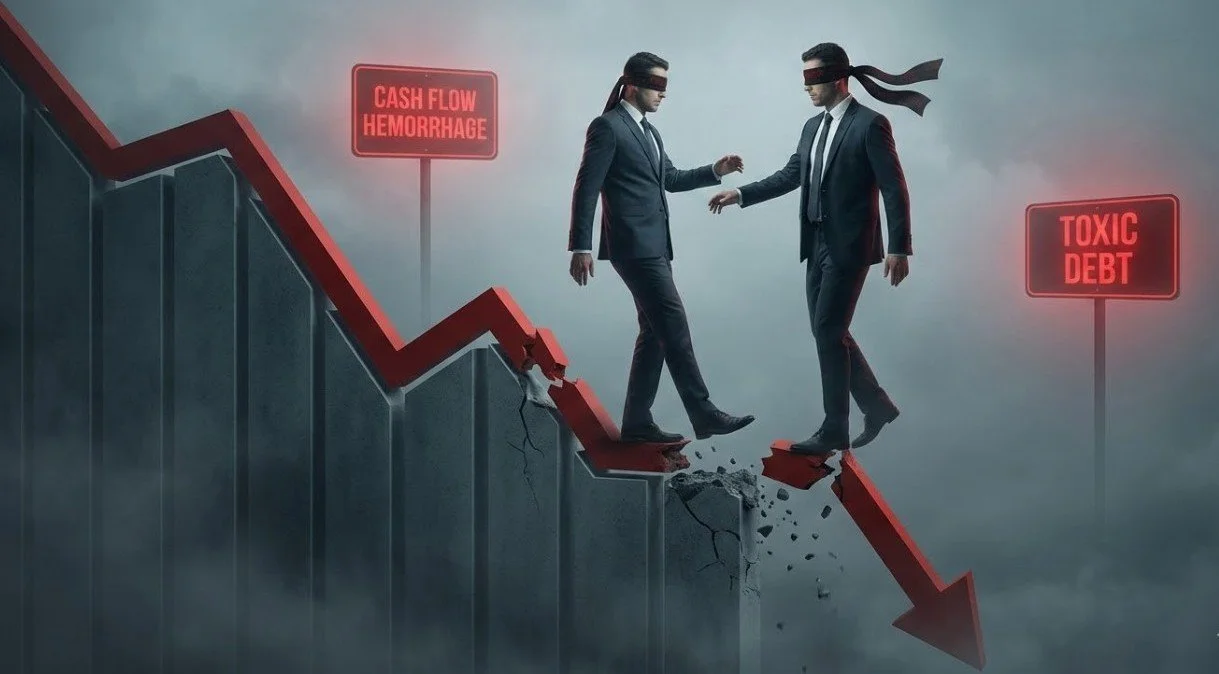
Over-leverage is not a moral failing; it is a mathematical reality. It occurs when a business’s debt service requirements exceed its ability to generate free cash flow. The tragedy is that the underlying business might be sound. The product is good, the customers are loyal, and the demand is there. Yet, the business is failing because the debt structure is mismatched with the revenue reality. The debt taken on to survive the shutdown is now consuming the resources needed to grow in the reopening.
Understanding the Business Liquidity Crisis: Rich on Paper, Broke in the Bank
One of the most frustrating paradoxes for a business owner is looking at a Profit and Loss statement that shows a net profit, yet staring at a bank account balance that is dangerously close to zero.
This is the difference between solvency and liquidity, and in the current economic climate, understanding this distinction is the difference between life and death for a company. Your accountant may tell you that you had a profitable year, but if that profit is tied up in inventory, uncollected invoices, or used to pay down the principal on massive loans, you are effectively broke.
Liquidity is the oxygen of a business. Without it, the engine stops immediately. A business can survive for years without showing a significant accounting profit, provided it has enough cash flow to meet its daily obligations. Conversely, a highly profitable business can fail in a matter of weeks if it runs out of cash. This is the liquidity crunch. It happens when the timing of cash outflows (bills, payroll, debt service) does not align with cash inflows.
For businesses emerging from the pandemic with heavy debt loads, the liquidity crisis is often self-inflicted by aggressive repayment schedules. If you are using all your available cash to aggressively pay down debt because you want to be "debt-free," you are draining your tank before you reach the gas station. In this environment, preserving liquidity must be the primary directive. Being "rich on paper" offers no solace when you cannot make payroll on Friday.
The Philosophy of Survival: You Can't Eat Profits, But You Can Eat Cash
There is an old adage in corporate finance that every small business owner needs to tape to their monitor: "Revenue is vanity, profit is sanity, but cash is king." We need to take this a step further. In times of distress or restructuring, profit is a theory, but cash is a fact. You cannot take your net profit margin to the grocery store. You cannot pay your mortgage with EBITDA. You can only pay with cash. This leads to the brutal truth that you cannot eat profits, but you can eat cash.
This philosophy requires a radical shift in how you view your financial success. In a stable, low-debt environment, maximizing profit is the goal. But in a recovery phase burdened by debt, maximizing cash flow is the only goal. This might mean making decisions that hurt your paper profit but preserve your cash reserves. It might mean selling off slow-moving inventory at a loss just to get the cash back in hand. It might mean delaying a profitable expansion project because it consumes too much capital upfront.
The "can eat cash" mindset prioritizes the ability to fight another day. It recognizes that cash represents options. If you have cash, you can negotiate with vendors. If you have cash, you can handle an emergency repair. If you have cash, you retain control of your destiny. When you run out of cash, even if you are theoretically profitable, you lose control. The bank, the tax man, or the creditors take the wheel. Therefore, every decision must be filtered through the lens of liquidity preservation rather than profit maximization.
Recognizing the Signs of a Cash Flow Cardiac Arrest
Most business failures do not happen overnight; they happen slowly, then all at once. The warning signs of a liquidity crisis are often present months before the bank account hits zero, but busy owners often rationalize them away. The first sign is usually a change in how you manage payables. If you find yourself holding checks in your desk drawer, waiting for a specific deposit to clear before releasing them, you are in the danger zone. This "float management" is a high-wire act that eventually fails.
Another major red flag is the increasing reliance on short-term, high-cost financing to pay long-term obligations. If you are using a credit card or a daily-draw loan to pay the monthly installment on a term loan, you are cannibalizing your future to survive the present. This is the equivalent of paying off a mortgage with a payday loan. It creates a downward spiral where the effective interest rate of your total debt load skyrockets, consuming more and more of your profit margin (if there even is a positive margin).
Employee morale and vendor relationships also serve as early warning systems. When vendors start demanding cash on delivery because you have been consistently late, your supply chain becomes fragile. When you are stressed about payroll every two weeks, your leadership suffers, and your team senses the instability. These operational stressors are direct symptoms of a financial disease. Ignoring them because "sales are up" is a fatal error. Sales volume covers a multitude of sins, but it cannot cover a structural cash flow deficit forever.
Step One: The Triage and Restructuring Phase
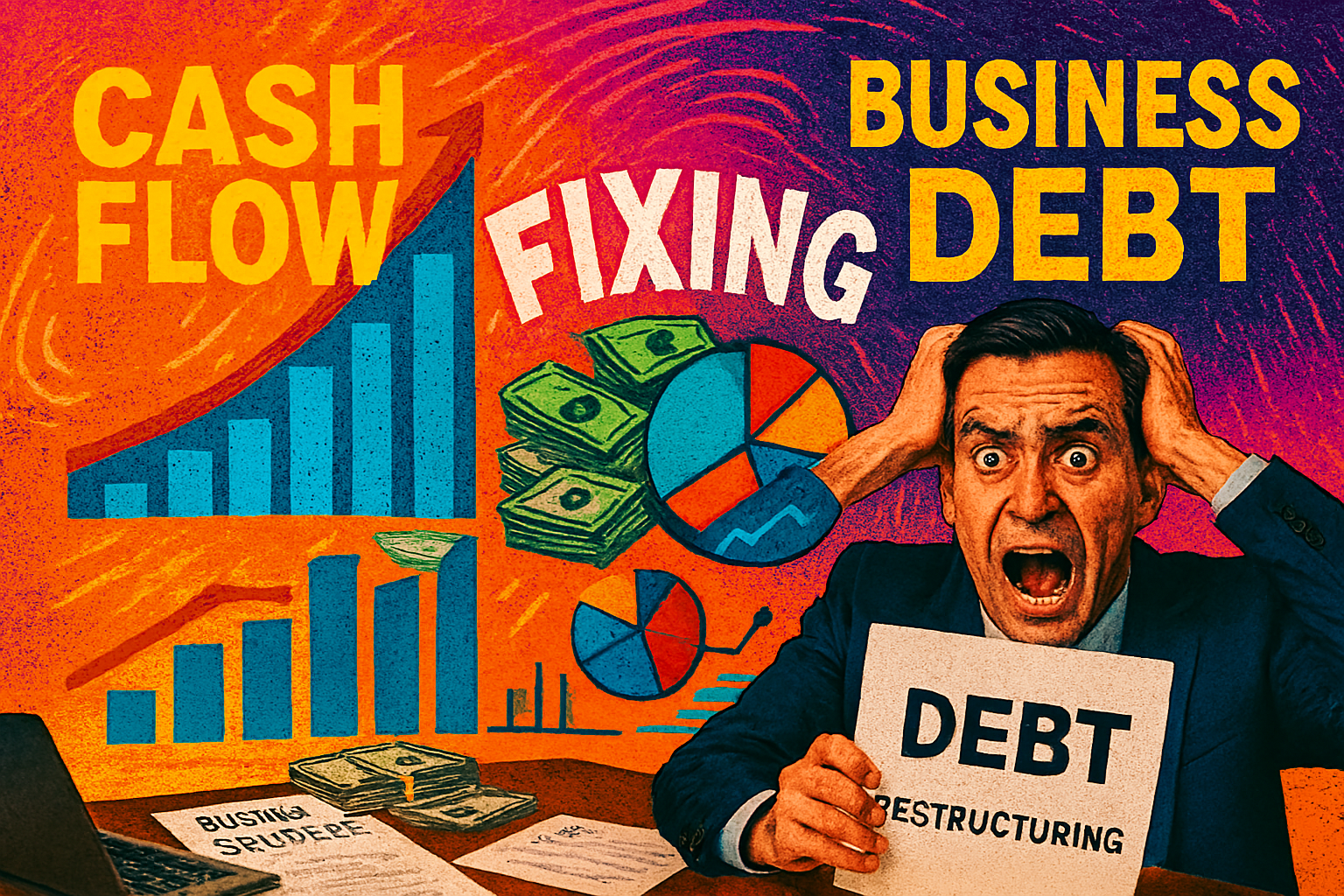
Once you accept that liquidity is paramount and that your current business debt structure is unsustainable, the first step is triage. This involves an immediate halt to business-as-usual financial management. You must stop the bleeding. This often requires a restructuring of existing debt payments. Restructuring is not the same as declaring bankruptcy; it is a strategic negotiation and discussion with current creditors and liabilities to realign your obligations with your current reality.
This process involves contacting creditors and being transparent about the situation. Many business owners fear this conversation, believing it signals defeat. In reality, creditors often prefer a restructured payment plan to a default. They want to get paid, and if that means accepting smaller payments over a longer period, they effectively have no choice if the alternative is zero. You must prioritize which debts are mission-critical. Secured debts and tax liabilities usually take precedence over unsecured vendor debt.
The goal of restructuring is to reduce the monthly cash outflow immediately. This might involve interest-only periods, deferments, or a formal modification of loan terms. It is about buying time. You are clearing the runway so you can get the plane back in the air. This phase is messy and stressful, but it is necessary. You cannot solve a structural problem with a simple loan; you must first fix the structure of the payments you are already making.
Step Two: The Pivot to Refinancing
Restructuring stops the immediate bleeding, but refinancing provides the cure. Once you have stabilized the ship, you must look for capital solutions that replace "bad" debt with "better" debt. In this context, "better" does not necessarily mean a lower interest rate. This is a crucial distinction that many owners miss. In a high-interest rate environment, you might be trading a six percent loan for a ten percent loan. On the surface, this looks like a bad deal. However, if the ten percent loan is amortized over ten years, while the six percent loan effectively demands payment in two years, the higher interest loan is vastly superior for your survival.
Refinancing involves consolidating various short-term debts—credit cards, MCAs, short-term lines of credit—into a single, long-term facility. The objective is to lower the monthly debt service payment, not the total cost of capital. By consolidating, you also simplify your financial life. Instead of managing ten different payment dates and varying interest rates, you have one predictable monthly payment.
This pivot requires preparation. You need clean financials, a clear narrative of why the business is viable, and a realistic projection of how the new loan will improve cash flow. Lenders today are cautious; they want to see that you are using the money to stabilize and secure the business, not just to plug a hole that will reopen next month. The refinancing strategy is the bridge from the post-pandemic chaos to a sustainable future model.
The Magic of Amortization: Why Time Matters More Than Rate
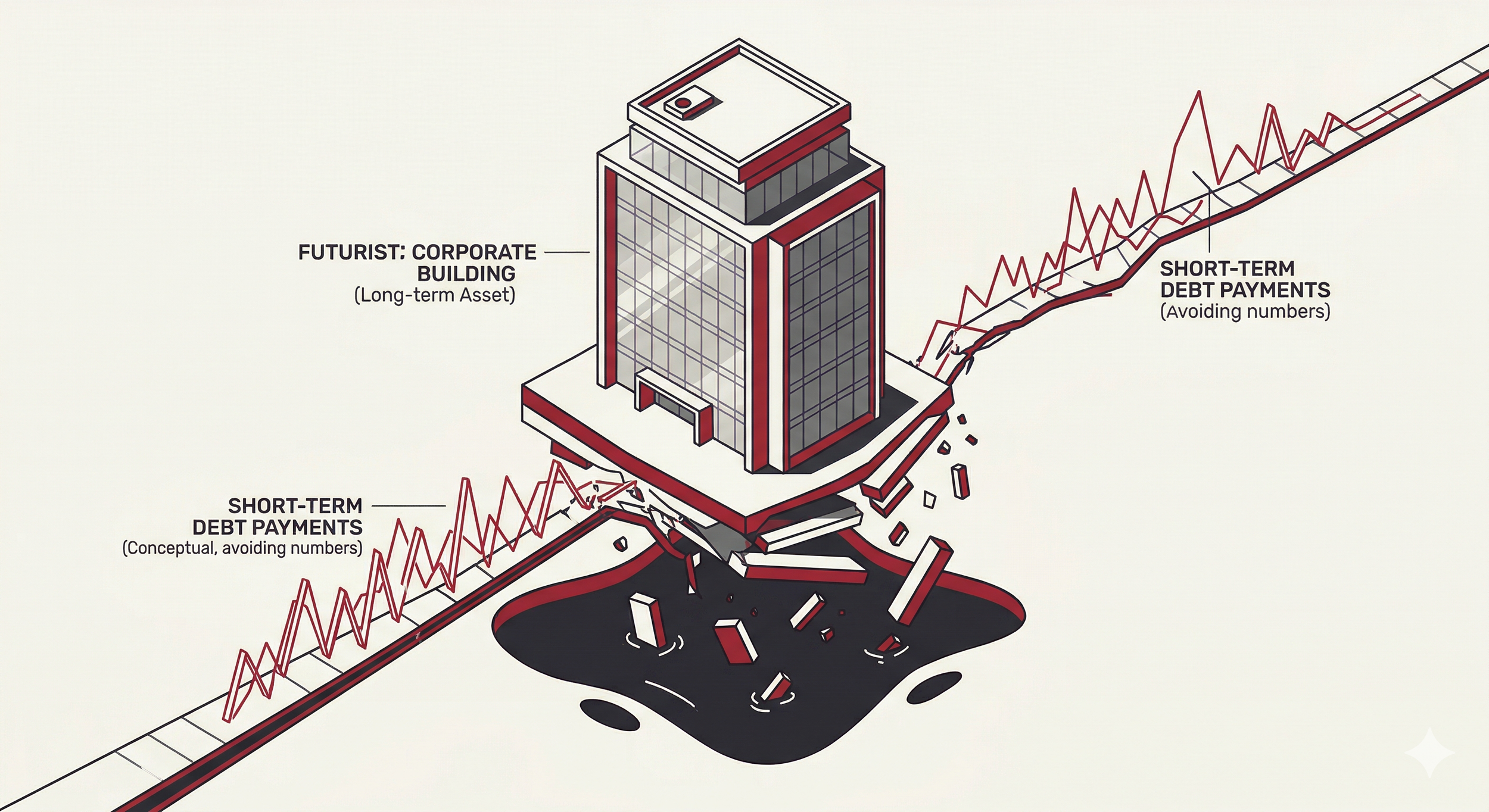
To truly understand why you should trade a lower rate for a longer term, you must understand the power of amortization. Amortization is the schedule over which a loan is paid off. The longer the amortization period, the lower the monthly payment, regardless of the interest rate. When cash flow is your priority, time is your most valuable asset.
Consider a business with one hundred thousand dollars in debt. If that debt must be paid back in twelve months, the monthly cash drain is immense, regardless of the interest rate. If that same one hundred thousand dollars is spread over ten years, the monthly payment drops precipitously, leaving thousands of dollars in the bank account every month to pay for inventory, staff, and marketing. That retained cash is the lifeblood of the business.
Many owners get fixated on the total amount of interest they will pay over the life of the loan. They argue that a ten-year loan is too expensive in the long run. This is "profit thinking," not "cash flow thinking." Yes, you will pay more interest over ten years. But if the short-term loan payments are so high that they force you out of business in six months, the total cost of interest is irrelevant because your business no longer exists. You are paying a premium for the luxury of time and the security of cash flow. It is an insurance policy against insolvency.
Operational Adjustments to Support the Financial Shift
Financial engineering alone cannot save a business; it must be paired with operational discipline. Once you have restructured and refinanced, you must run the business with a renewed focus on cash efficiency. This means tightening your accounts receivable process. You cannot afford to be the bank for your customers. If you are paying your bills in thirty days but your customers are paying you in sixty, you are financing their business at your expense.
Inventory management also becomes a cash flow discipline rather than a merchandising one. Every box sitting on a shelf gathering dust is a stack of dollar bills that you cannot use. It is better to discount dead stock and convert it to cash than to hold out for a higher margin that never comes. Lean operations mean only spending money on things that directly generate revenue or ensure compliance.
Furthermore, this is the time to review every recurring expense. Subscription creep is real. Software, services, and memberships that were signed up for during the boom times must be audited. If it does not contribute to cash inflow, it must go. The goal is to lower your break-even point so that the breathing room created by your refinancing is not immediately consumed by operational bloat.
The Road Ahead: Building a Cash-Resilient Business
The journey from a post-pandemic liquidity crunch to a stable, thriving business is difficult, but it is achievable. It requires a fundamental shift in identity. You are no longer just a builder, an entrepreneur, or a consultant; you are a capital allocator. You are a manager of cash flow. The businesses that emerge from this period successfully will be those that prioritize resilience over reckless growth.
By restructuring your existing obligations and refinancing into longer-term debt, you are building a fortress around your business. You are acknowledging that the economy is cyclical and that the rainy day we all fear is already here. This strategy ensures that you have the umbrella you need to weather the storm.
Remember, the goal of a business is not just to make a profit; it is to stay in business. By embracing the philosophy that you can eat cash but you cannot eat profits, you ensure that you and your employees have a table to sit at tomorrow. The debt can be managed, the terms can be extended, and the pressure can be released. Prioritize liquidity, respect the power of time, and give your business the runway it deserves. The recovery starts not with a spike in sales, but with the stabilization of your cash flow.
What is the Best Way to Deal with Business Debt Payments that are causing Business Cash Flow issues?
It is NOT by stopping ACH payments.
It is NOT by taking on another business loan.
It is NOT ALWAYS a Refinancing
It is NOT by entering into a debt settlement program.
Find out the BEST strategies to get your Business back to where it was

More Business Finance and Strategy Articles: