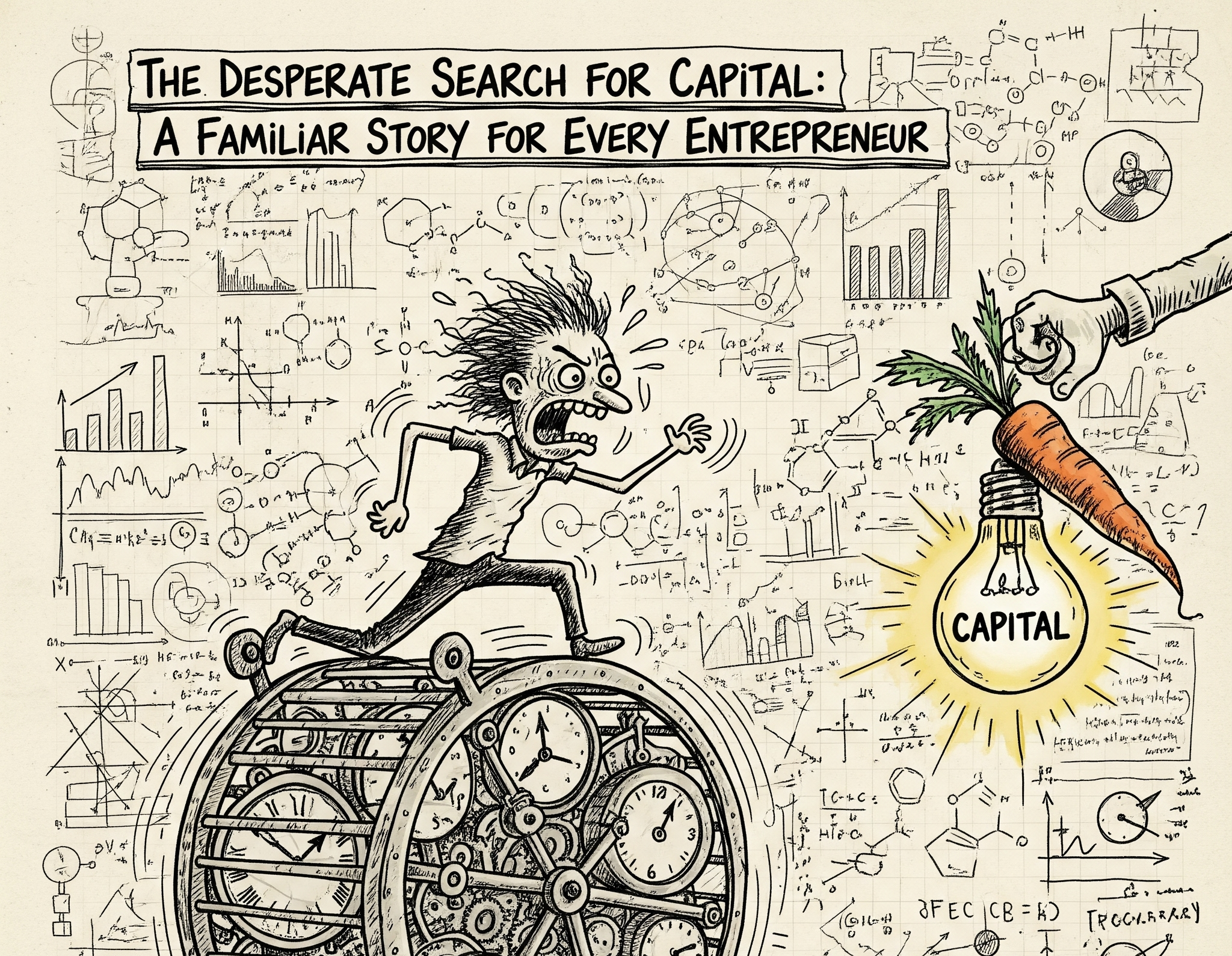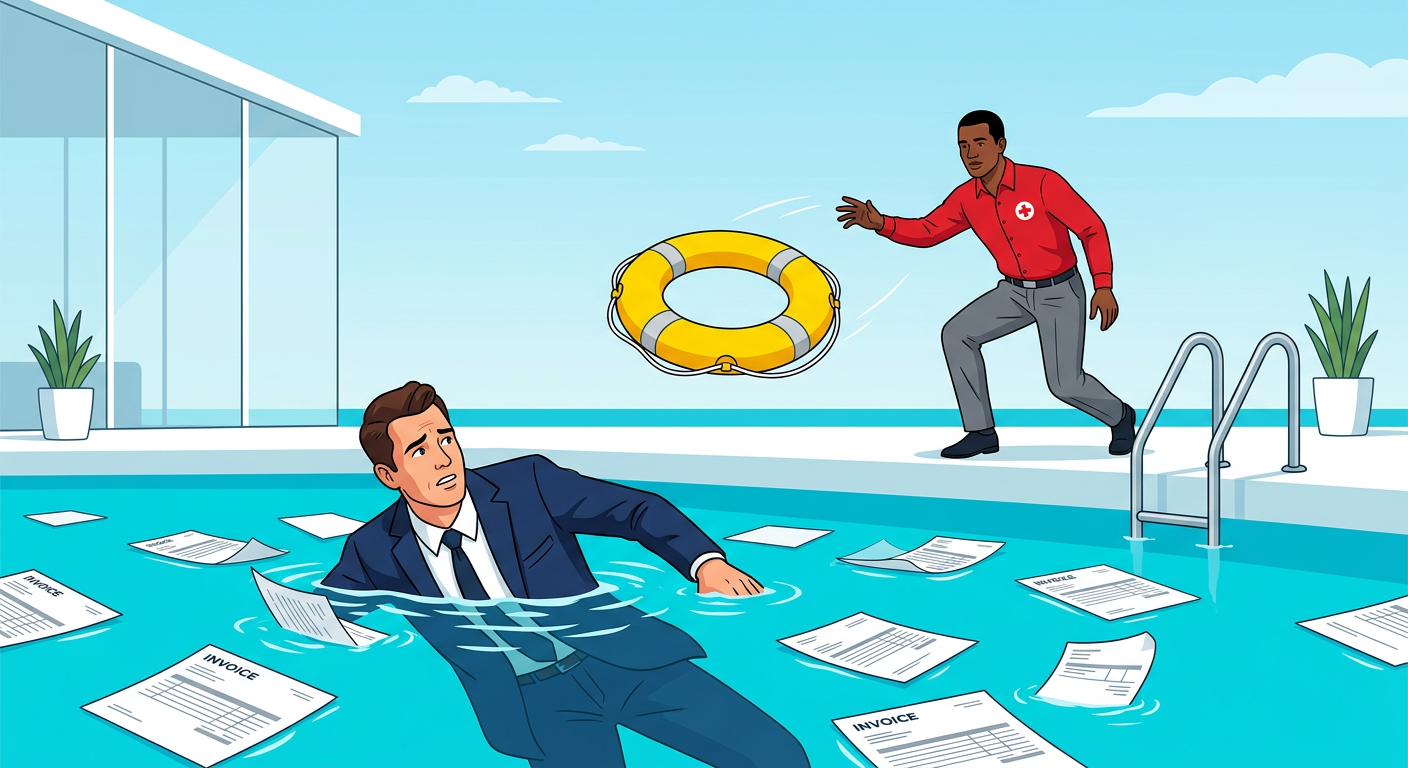
For many business owners, the bank balance feels like a pulse. When it is strong, the business feels healthy and vibrant; when it drops, a sense of tectonic instability sets in.
However, a common misconception is that a lack of business cash is always a result of a lack of profit. In reality, some of the most profitable companies in the world have collapsed because they ran out of liquid currency.
Understanding business cash flow shortages requires moving beyond just the Profit and Loss statement and looking into the mechanical timing of how money moves. A shortage occurs when the timing of your outgoings does not align with the timing of your incomings.
This gap, often referred to as the “cash gap”, can be caused by various internal and external pressures. By identifying these causes early, you can move from a reactive state of "firefighting" your finances to a proactive state of strategic business financial management.
The Pitfalls of Rapid Unmanaged Growth
It seems counterintuitive to suggest that success can be a primary cause of business financial distress, but overtrading is one of the most frequent killers of small and medium-sized businesses. When a business grows rapidly, it requires a significant upfront investment to fulfill new orders. You may need to hire more staff, purchase more raw materials, or increase your marketing spend to keep the momentum going. If your customers are paying on thirty or sixty-day terms, you are effectively financing that growth out of your own pocket.
If the growth happens too fast, your business cash reserves are depleted before the revenue from those new sales actually hits your account. This creates a vacuum where you have high paper profits but zero liquidity. Managing growth requires a delicate balance of ensuring that you have the working capital necessary to bridge the gap between initial outlay and final payment.
Inefficient Accounts Receivable Management
The money owed to you by customers is an asset, but it is an idle one until it is converted into cash. Many business owners find the process of "chasing money" uncomfortable or time-consuming, leading to lax credit control. When payment terms are not strictly enforced, or when invoices are sent out late, the business effectively provides interest-free loans to its clients.
Every day an invoice remains unpaid past its due date is a day that your cash flow is restricted. Furthermore, a lack of clear credit policies can lead to taking on "bad" customers who have no intention or ability to pay on time. Streamlining the accounts receivable process is not just about sending reminders; it is about establishing a culture of prompt payment from the very first interaction with a client.
Excessive Overhead and Fixed Costs
As a business matures, it often collects "operational bloat." These are the recurring expenses that seemed necessary at the time but no longer provide a clear return on investment. High fixed costs, such as expensive office leases, underutilized equipment, or high-tier software subscriptions, create a high "break-even" point. When sales fluctuate, as they naturally do, these fixed costs remain constant, eating into your cash reserves.
Business owners must periodically conduct a "burn rate" audit to distinguish between essential expenses and discretionary ones. If your overhead is too high relative to your average monthly revenue, even a minor dip in sales can trigger a catastrophic cash flow shortage. Flexibility is key; where possible, converting fixed costs into variable costs can provide a much-needed safety net.
The Hidden Weight of Excess Inventory
For businesses that deal in physical goods, inventory represents cash that has been "frozen" in a warehouse or on a shelf. While it is important to have enough stock to meet customer demand, carrying too much inventory is a major drain on business liquidity. This is often caused by poor demand forecasting or the temptation to buy in bulk to secure a discount. However, the savings gained from a bulk purchase are often offset by the costs of storage, insurance, and the risk of the items becoming obsolete or damaged. Additionally, that money is no longer available to pay wages or rent.
Implementing "just-in-time" inventory practices or using data-driven stock management systems can help ensure that your cash is circulating through the business rather than sitting in a box in the back room.
Inaccurate Financials, Reporting, Forecasting and Budgeting
You cannot manage what you do not measure. Many business cash flow shortages are not the result of a sudden catastrophe, but rather a slow decline that was never noticed because the business lacked a formal forecasting and reporting process.
Relying solely on a bank balance to judge financial health is dangerous because it only shows the past, not the future. Without a detailed business cash flow forecast that projects income and expenses at least 13-weeks out, you are essentially flying blind.
Unexpected tax bills, seasonal dips in sales, or planned equipment replacements can all cause a shortage if they aren't accounted for well in advance. A robust budget acts as a roadmap, allowing you to see potential "dry spells" on the horizon and take corrective action before the situation becomes critical.
Profitability Issues and Low Margins
While business cash flow and business profit are different metrics and have different meanings, they are inextricably linked in the long term. If your business model is fundamentally flawed and your margins are too thin, you will never generate enough "excess" cash to build a buffer.
Low margins often stem from a fear of raising prices or an inability to control the cost of goods sold. If you are barely breaking even on every sale, you have no room for error. A single unexpected expense or a late payment from a client can tip the scales. Business operators and owners must constantly evaluate their pricing strategy to ensure it reflects the value provided and covers all associated costs, including the "hidden" costs of administration and overhead. If your profit margins are healthy, your business cash flow will eventually follow, provided your timing is managed correctly.
The Impact of Seasonal Fluctuations
Most businesses experience some degree of seasonality, whether it is a retail store peaking in December or a landscaping company busy in the summer. During the "off-season," revenue can drop significantly while many fixed costs remain the same. If a business does not discipline itself during the "flush" months to save for the "lean" months, it will inevitably face a shortage.
The danger here is the temptation to spend excess cash during peak periods on non-essential upgrades or expansions. Successful seasonal management requires a psychological shift: viewing the high-revenue months not as a windfall, but as a reserve fund for the remainder of the year. Preparing for these predictable cycles is essential for maintaining a steady operational pace year-round.
Unexpected External Economic Shocks
Sometimes, the cause of a business cash flow shortage is entirely outside of the owner's control. Sudden shifts in the economy, such as rising interest rates, inflation increasing the cost of raw materials, or a global supply chain disruption, can wreak havoc on a business's finances.
Furthermore, if a major competitor enters the market or a key industry regulation changes, sales may drop unexpectedly. While you cannot prevent these external shocks, you can mitigate their impact by maintaining a "rainy day" fund. Businesses that operate with zero margin for error are the first to suffer when the external environment turns hostile. Diversifying your client base and your revenue streams can also provide protection against the sudden loss of a major source of income.
Poor Business Debt Management and Business Loan Payment Servicing
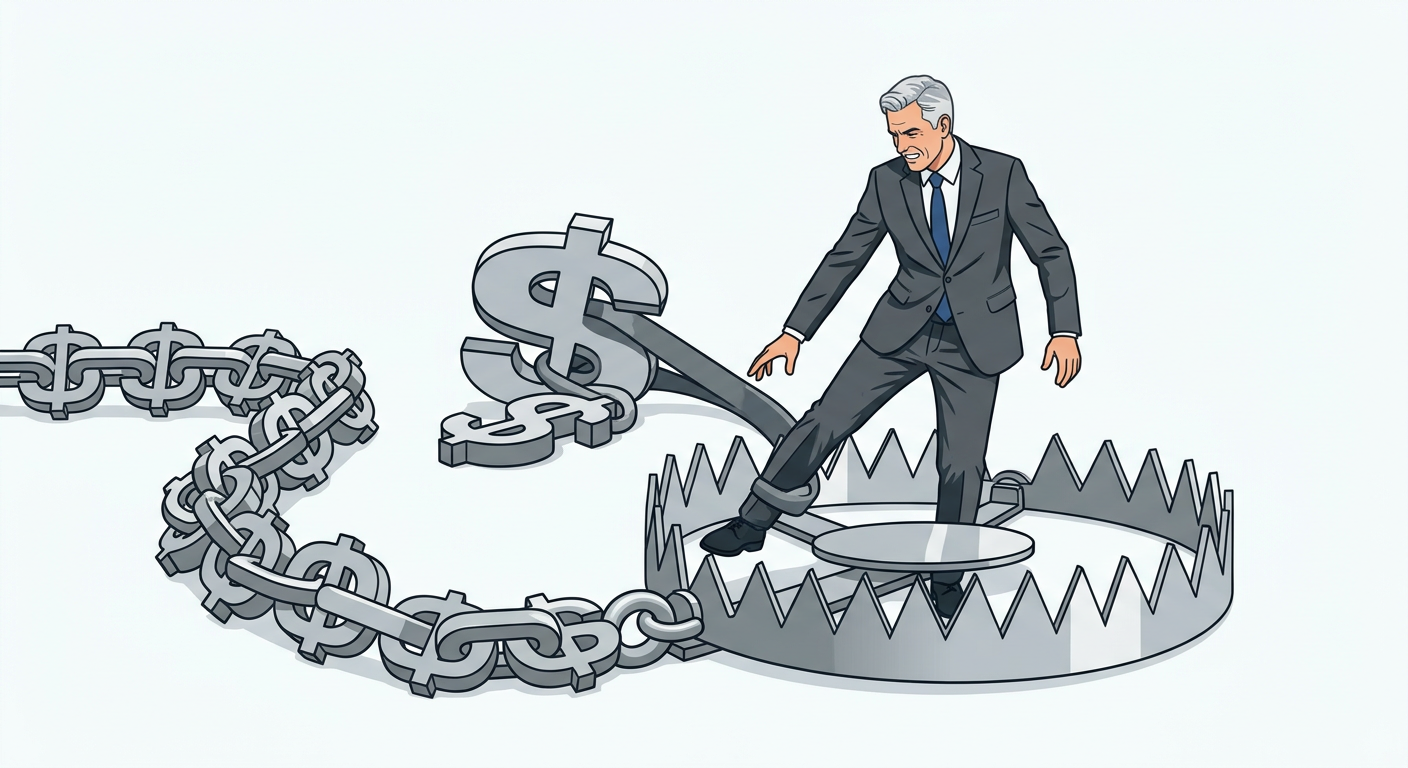
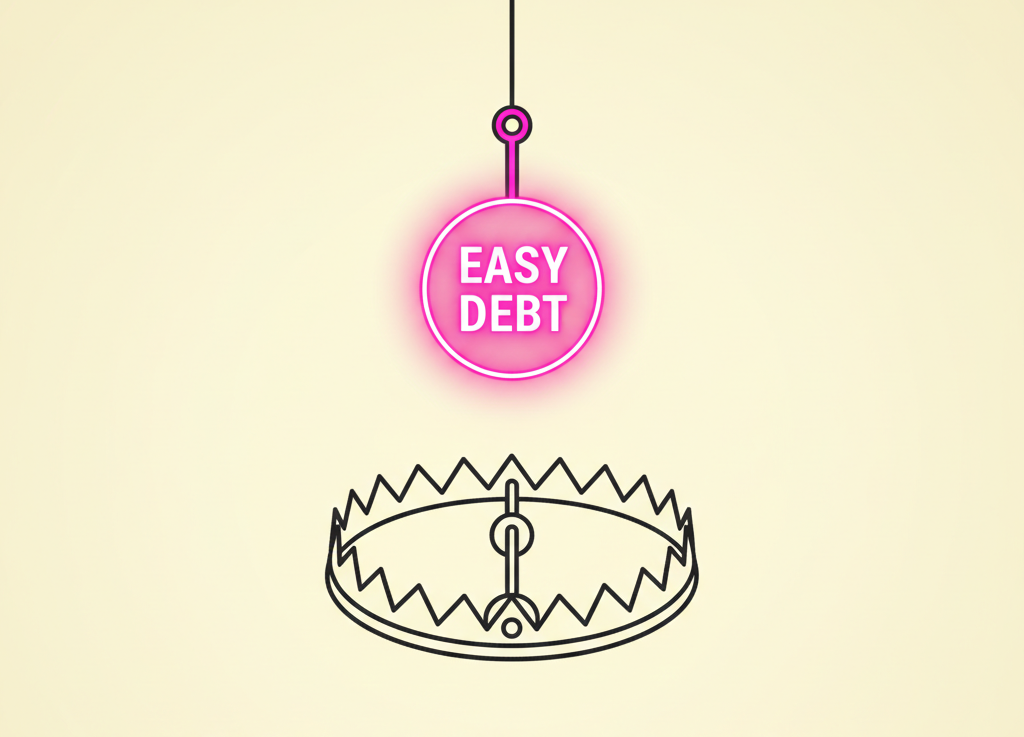
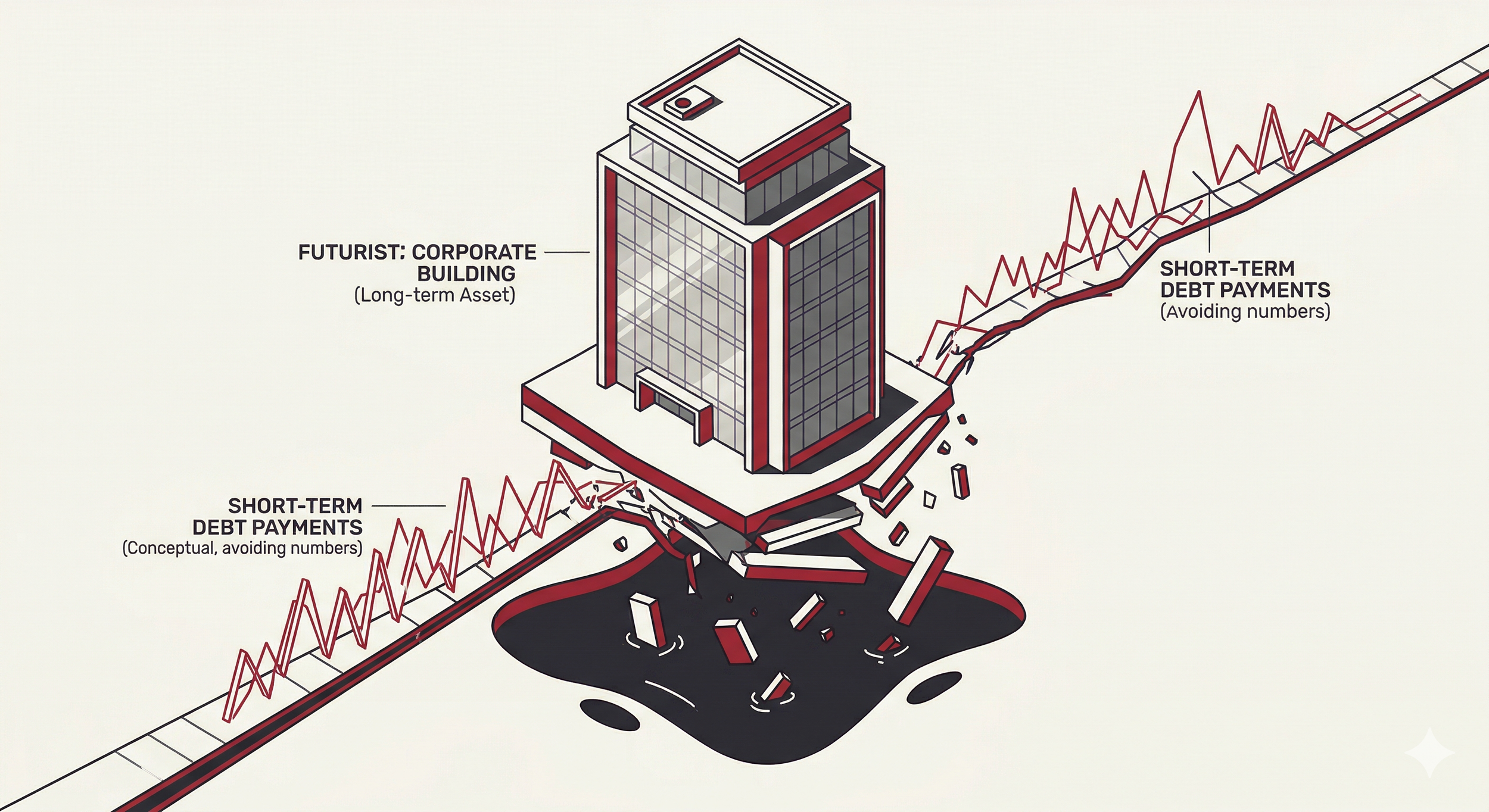
Business debt can be a powerful for growth, but it can also become a noose if not managed carefully. High-interest debt, such as credit card balances or short-term merchant cash advances (MCAs) or opportunistic business term loans can carry monthly payments that consume a disproportionate amount of your cash flow.
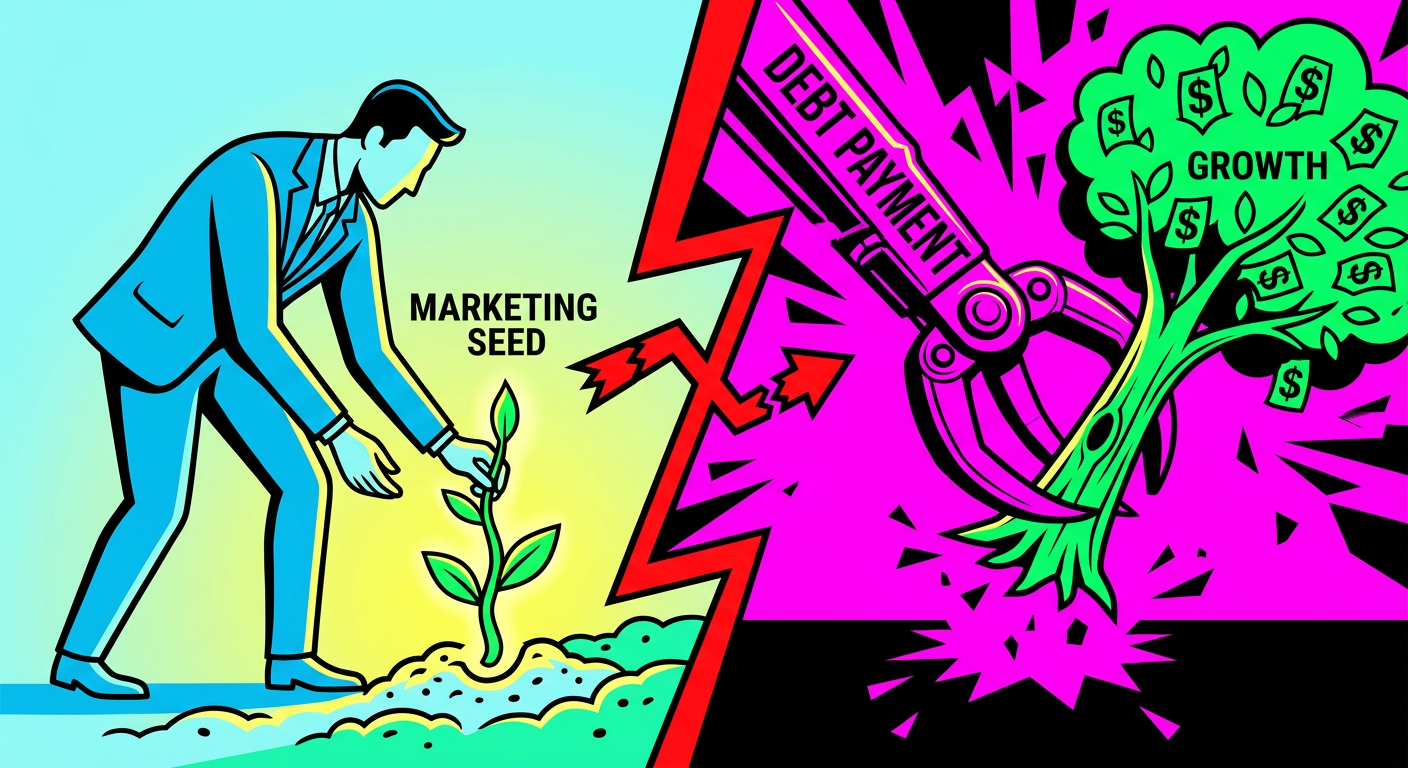
If a business takes on too much in DEBT PAYMENTS relative to its income, or if it uses short-term business debt to fund long-term operating assets, the resulting "debt service" burden can stifle operational flexibility by absorbing all the cash flow needed for operations.
Furthermore, if a business relies on a line of credit to cover basic operating expenses rather than growth initiatives, it is often a sign of deeper systemic issues. Refinancing high-interest and short-term payback business debt or renegotiating repayment terms with lenders can often provide the immediate breathing room necessary to fix the underlying causes of a cash flow shortage.
Managing cash flow is as much about psychology as it is about mathematics. It requires the discipline to look past the excitement of a high-revenue month and the courage to address inefficiencies in your operations. By understanding that a shortage is usually a symptom of a deeper issue—whether that is unmanaged growth, slow revenue collections, or excessive overhead—you can begin to build a more resilient and sustainable enterprise. The goal is not just to survive the next month, but to create a financial foundation that allows your business to thrive in any climate.
What is the Best Way to Fix Business Debt that is causing Business Cash Flow issues?
It is NOT by stopping ACH payments.
It is NOT by taking on another business loan.
It is NOT ALWAYS a Refinancing
It is NOT by entering into a debt settlement program.
Find out the BEST strategies to get your Business back to where it was

More Business Finance and Strategy Articles: