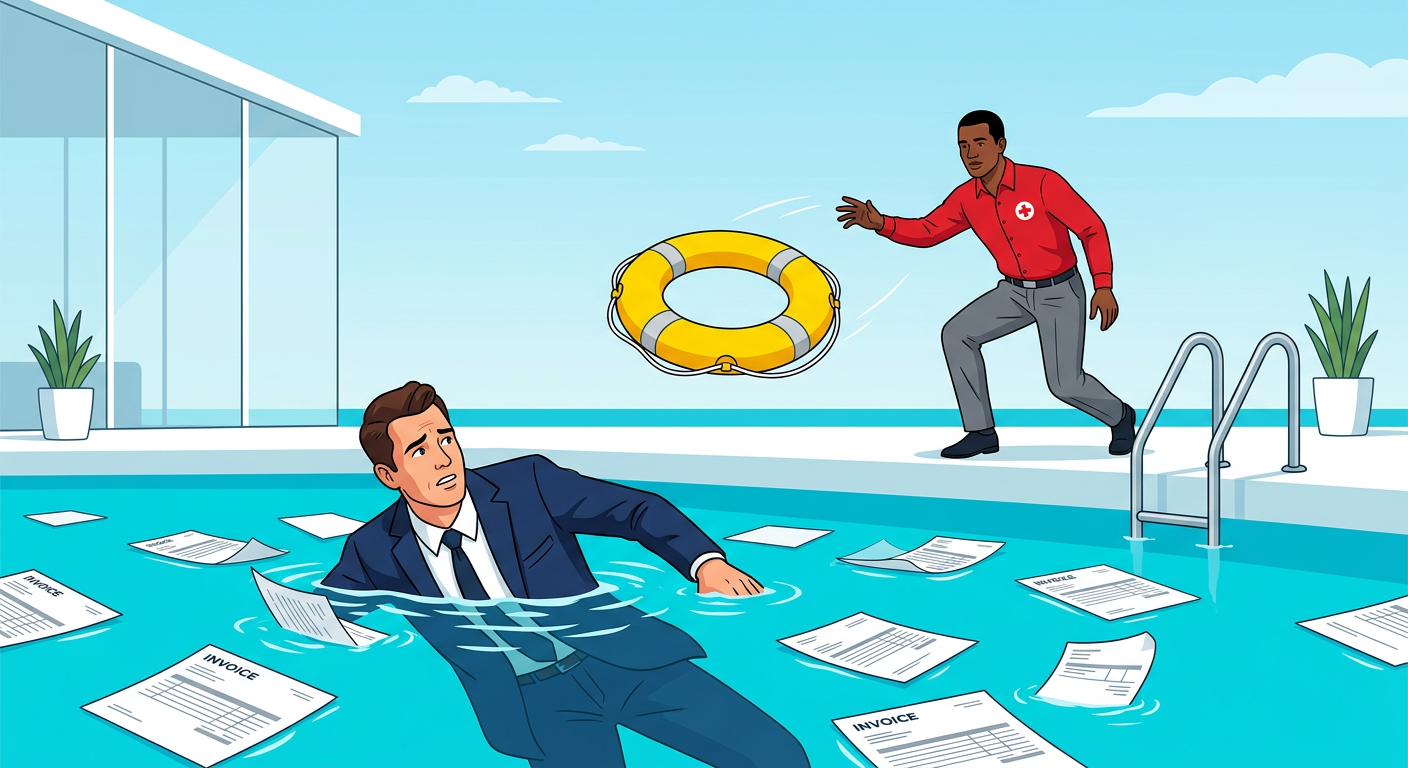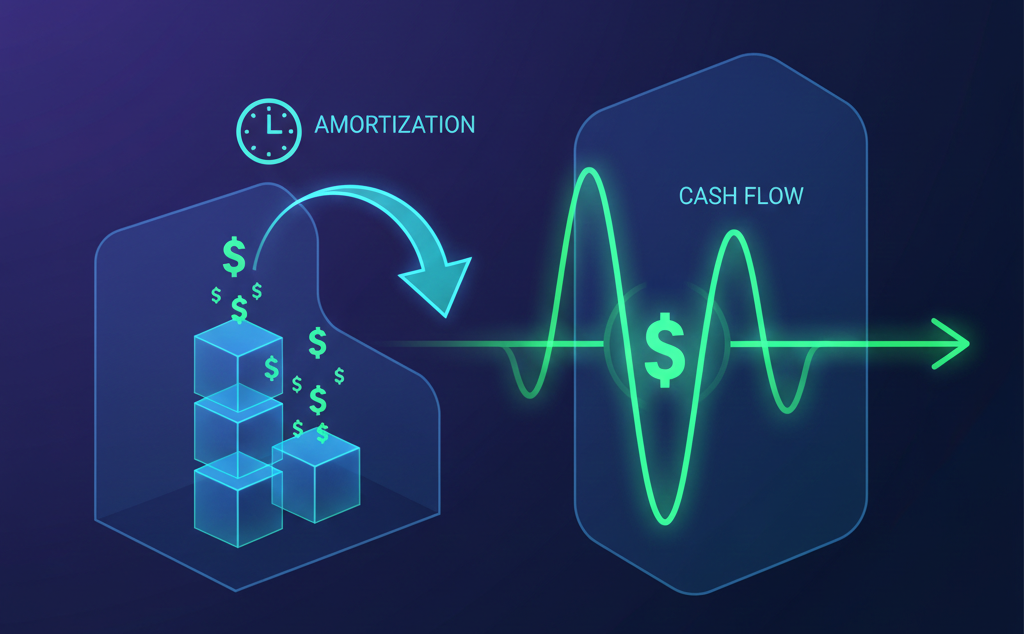
In the world of commercial finance, the structure of a business debt instrument is often more critical than the interest rate itself. While many business owners obsess over a few percentage points, the true architect of business financial stability is the amortization schedule (payback frequency & period). When a business loan’s repayment structure is misaligned with the company’s natural cash flow cycle, it creates a structural friction that can lead to technical insolvency, even for a profitable and thriving enterprise.
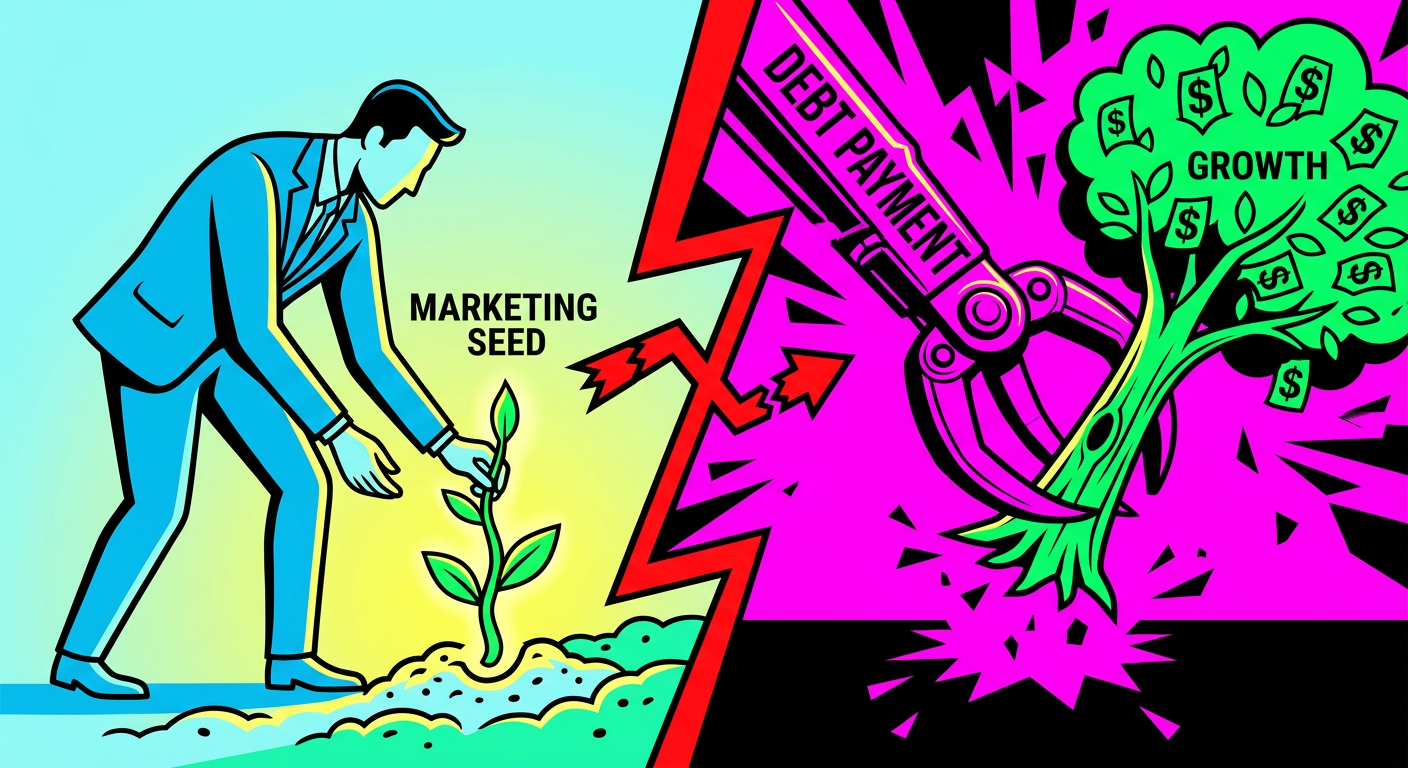
A mismatch between how a business earns money and how it is required to pay it back is a silent profit killer. It forces management into a defensive posture, prioritizing liquidity (a company’s ability to meet near-term obligations) over growth and often leading to a reliance on expensive, short-term "bridge" funding to cover gaps. To build a resilient company, one must ensure that the debt service payments are a synchronized partner to operations, not an adversary.
The Fundamental Friction of Static Amortization
Most traditional loans structures follow a standard monthly amortization path. This linear model assumes a business operates with the predictability of a metronome—constant, even, and unaffected by the seasons. However, the reality of the middle market and small business sectors is anything but linear. Businesses deal with seasonality, project-based revenue, and fluctuating inventory and cash flow cycles.
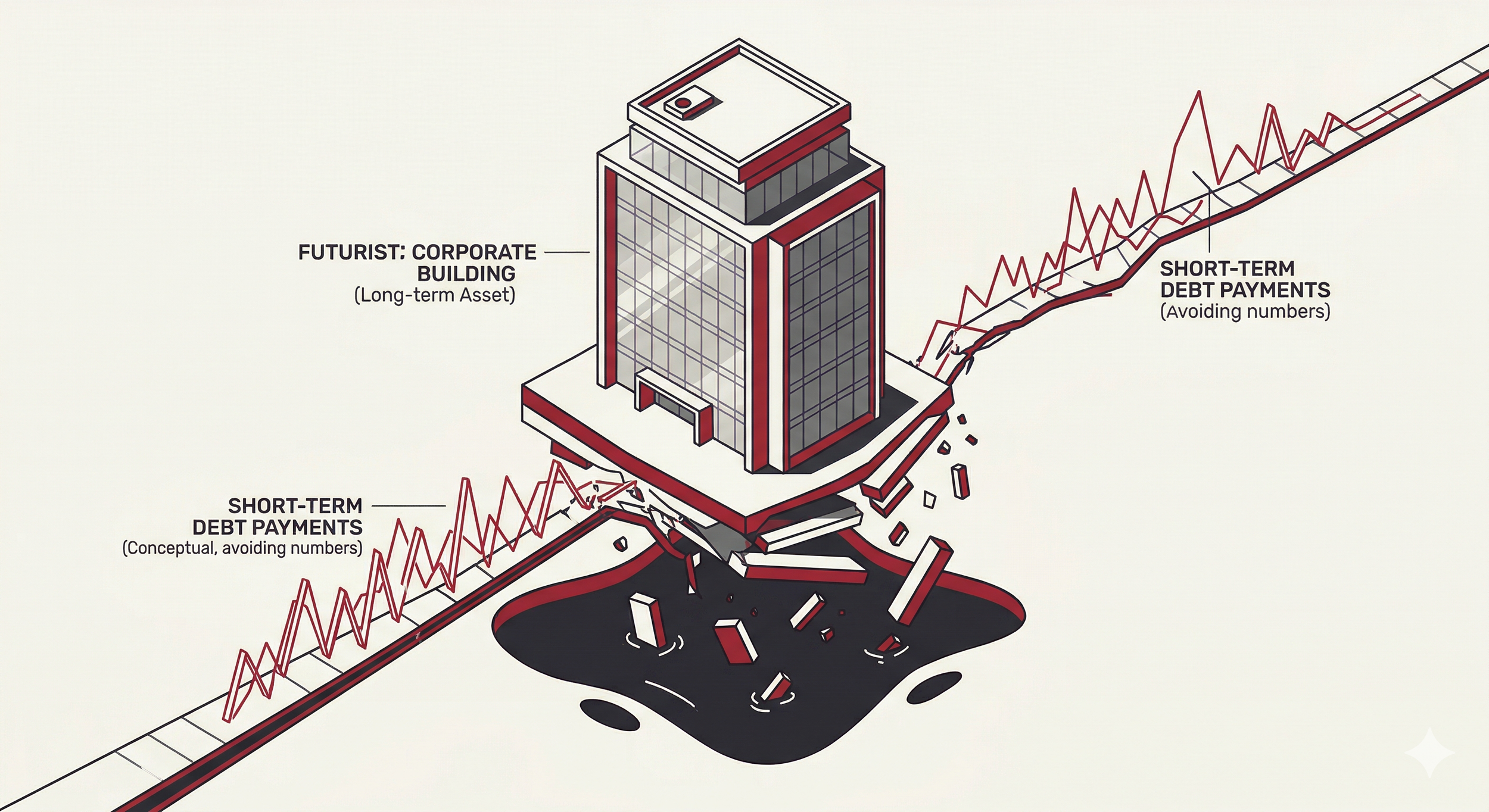
When a fixed monthly payment hits a bank account during a low-revenue month, it doesn’t just deplete cash; it creates an opportunity cost. That capital, which should have been preserved to fund the next ramp-up in operations, is instead diverted to business debt service. This fundamental friction is the primary cause of "growth-induced failure," where a company expands so quickly that its working capital is trapped in receivables while its business debt obligations remain relentlessly fixed.
Deciphering the Cash Flow Cycle vs. the Payment Cycle
The cash flow cycle—or the Cash Conversion Cycle (CCC)—measures how long it takes for a dollar spent on inventory or labor to return to the company as a dollar of revenue. For a manufacturer, this might be 120 days. For a consulting firm, it might be 60 days. The payment cycle, conversely, is almost always 30 days in the eyes of a commercial lender.
This disconnect creates a "liquidity gap." If your business only collects cash quarterly but must pay debt monthly, you are essentially providing an interest-free loan to your lender for two out of every three months. Bridging this gap requires a sophisticated approach to business debt structuring that goes beyond the standard offering of a local brank or online lenders that only offer short-term loans. It requires an understanding of the "troughs" in your fiscal year and ensuring your loan documents account for them.
A good example is an ABL (asset-backed line of credit) which would consider collateral such as accounts receivable, equipment, real estate, inventory, etc… (assets on the balance sheet) and give a loan-to-value against those asset values; and if the amortization is a true line of credit, monthly business debt service is only monthly interest payments on the principal.
The Monthly "Nut" in Seasonal Industries
For industries like retail, agriculture, or specialized construction, seasonality isn't just a factor—it is the defining characteristic of the business. A ski resort making $10,000 in July but $1,000,000 in January cannot survive on a flat amortization schedule. Yet, many seasonal businesses are sold "standard" term loans that require equal payments year-round.
During the off-season, the "nut"—the fixed costs including debt—can consume the entirety of a firm’s cash reserves. By the time the high season arrives, the business is so cash-starved that it cannot afford the inventory or labor necessary to maximize its peak revenue potential. This is a classic case of amortization mismatch. The solution is not more debt, but a restructured schedule that allows for interest-only payments during the off-season or a "sculpted" principal repayment plan that mirrors the revenue curve.
Inventory Hoarding and the Working Capital Trap
For businesses that rely heavily on physical goods, the misalignment often manifests in the inventory cycle. When a business must stock up for a major contract or a holiday rush, its cash is "sitting on the shelf." If a large principal payment is due during this period of high inventory and low cash, the business owner is often forced to choose between paying the lender and paying suppliers.
This trap is exacerbated when lenders use "blanket liens" on all assets, including the very inventory the business needs to sell to pay the business loan. Understanding the relationship between inventory turnover and business debt service is vital. A loan that ignores the reality of inventory build-up is a loan designed for a different business. Strategists must look for "bulge" facilities or revolving lines of credit that can offset the impact of the term loan's amortization during these heavy-stock periods.
The Geometric Trap of Accelerating Principal
One of the least understood aspects of loan amortization is the "weight" of the principal as the loan matures. In a standard self-amortizing loan, the interest portion of the payment decreases over time while the principal portion increases. While this builds equity, it also increases the "hard" cash requirement of the business.
In the later years of a business loan, the tax shield provided by the interest deduction diminishes, but the cash outflow remains the same or effectively increases in terms of its impact on the bottom line. If a business hits a cyclical downturn in the fifth year of a seven-year loan, the heavy principal requirement can be much more damaging than it would have been in the first year. This geometric progression of principal repayment must be planned for through the lens of long-term capital expenditure (CapEx) cycles.
Project-Based Revenue and the Cliff of Fixed Repayment
Government contractors, large-scale engineers, and software developers often live in a world of "lumpy" revenue. They may go months with minimal cash inflows, followed by a massive milestone payment. A standard monthly amortization schedule is a direct threat to this business model.
For these firms, the "cliff" of fixed repayment creates unnecessary stress. The goal of a finance advisor should be to negotiate "milestone-based" principal reductions or to utilize a "sweep" mechanism. In a sweep, a percentage of excess cash flow is used to pay down principal when milestones are met, rather than forcing a rigid monthly amount. This ensures that the debt is paid down when the business is "flush" and preserved when the business is "lean."
The Hidden Cost of "Modified" Cash Flow
When calculating Debt Service Coverage Ratio (DSCR), lenders often use a simplified version of EBITDA. However, EBITDA is not cash. It doesn't account for changes in working capital, taxes, or necessary CapEx. A business might show a healthy EBITDA and a strong DSCR on paper, but still struggle to make its loan payments because its cash is trapped in AR (Accounts Receivable) or spent on replacing a broken piece of equipment.
This "modified" cash flow reality is where the mismatch becomes dangerous. If your amortization is set at 80% of your projected EBITDA, but your actual cash-on-hand is only 50% of EBITDA due to slow-paying clients, you are technically in a liquidity crisis.
Strategic business advisors must insist on "Cash Flow Available for Debt Service" (CFADS) modeling, which accounts for these non-P&L cash movements, ensuring the amortization schedule reflects the bank account, not just the income statement.
Sculpted Amortization as a Strategic Advantage
The antidote to mismatching is "sculpted" or "bespoke" amortization. This is the practice of customizing the principal repayment schedule to match the projected cash flow of the specific project or business. In project finance, this is the gold standard, but it is rarely utilized in general small-business lending.
A sculpted loan might have lower payments in the first 6-months or year, or two years while the business is scaling, followed by a step-up in years three through five. It might even include "seasonal skips" or "payment holidays" during known periods of reinvestment. By fighting for a sculpted schedule during the negotiation phase, a business owner buys themselves the most valuable commodity in business finance: time
The Role of Covenants in Exacerbating Mismatch
Sometimes, the amortization schedule isn't the only problem—it’s the financial covenants that accompany it. Covenants like "Minimum Working Capital" or "Maximum Leverage" or “Paydown the credit line for 30-days per year” can be triggered by the natural fluctuations of the cash flow cycle. If a large debt payment is made during a low-cash month, it might cause the business to dip below its required liquidity ratio, putting the loan into technical default.
This creates a "double whammy": the business is stressed for cash because of the payment, and now the bank has the right to call the loan or increase the interest rate because of a covenant breach. Aligning covenants with the amortization schedule and the cash flow cycle is essential. Covenants should be tested annually or on a rolling four-quarter basis to smooth out the volatility that monthly or quarterly testing creates.
Renegotiation and Refinancing: The Pivot Point
If a business finds itself currently trapped in a misaligned business debt structure, the solution isn't always to "grind it out." Often, the most strategic move is a proactive refinance or a request for a loan modification. Lenders generally prefer a performing loan with a modified schedule over a non-performing loan with a "standard" schedule.
Presenting a lender with a detailed cash flow forecast that demonstrates why a modified amortization schedule is more sustainable is a sign of strong management, not weakness. Whether it’s extending the tenor of the loan to reduce monthly principal or moving to a "bullet" or "balloon" structure that defers principal until a liquidity event, the goal is to bring the business debt amortization back into harmony with the operations.
Business Debt as a Tool, Not a Chain
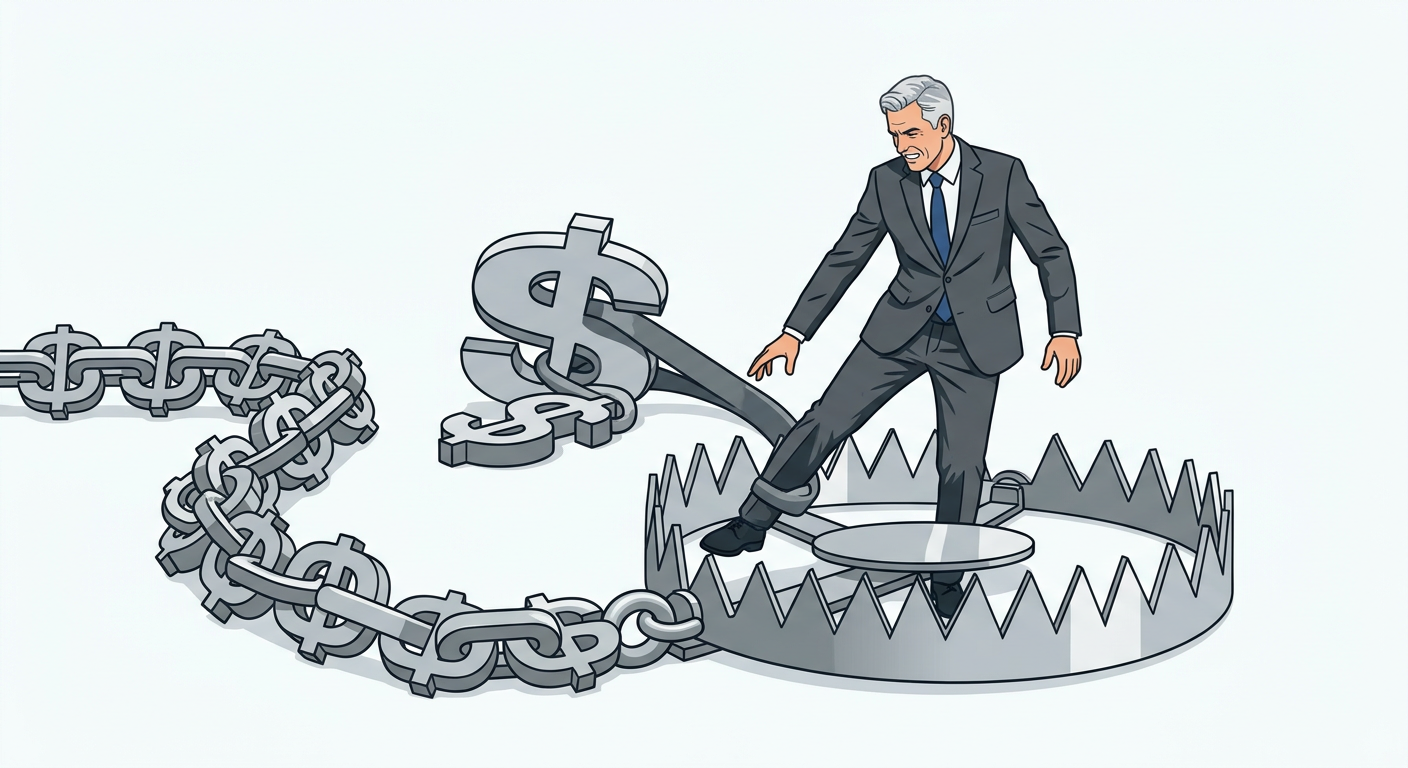
A business loan should be a tool that facilitates growth, not a chain that drags down the enterprise during its natural cycles. By understanding the deep mechanics of how cash moves through a specific industry and ensuring that amortization schedules respect those movements, business owners and their advisors can eliminate one of the most common causes of financial distress.
True financial strategy lies in the details of the "when" just as much as the "how much." When the cash flow cycle and the debt repayment cycle are in sync, the business gains the agility it needs to navigate downturns and the fuel it needs to accelerate when the market presents an opportunity.
Would you like me to generate a table comparing different loan structures—such as Fully Amortizing, Balloon, and Interest-Only—and how they impact cash flow in various business scenarios?
What is the Best Way to Fix Business Debt that is causing Business Cash Flow issues?
It is NOT by stopping ACH payments.
It is NOT by taking on another business loan.
It is NOT ALWAYS a Refinancing
It is NOT by entering into a debt settlement program.
Find out the BEST strategies to get your Business back to where it was

More Business Finance and Strategy Articles: