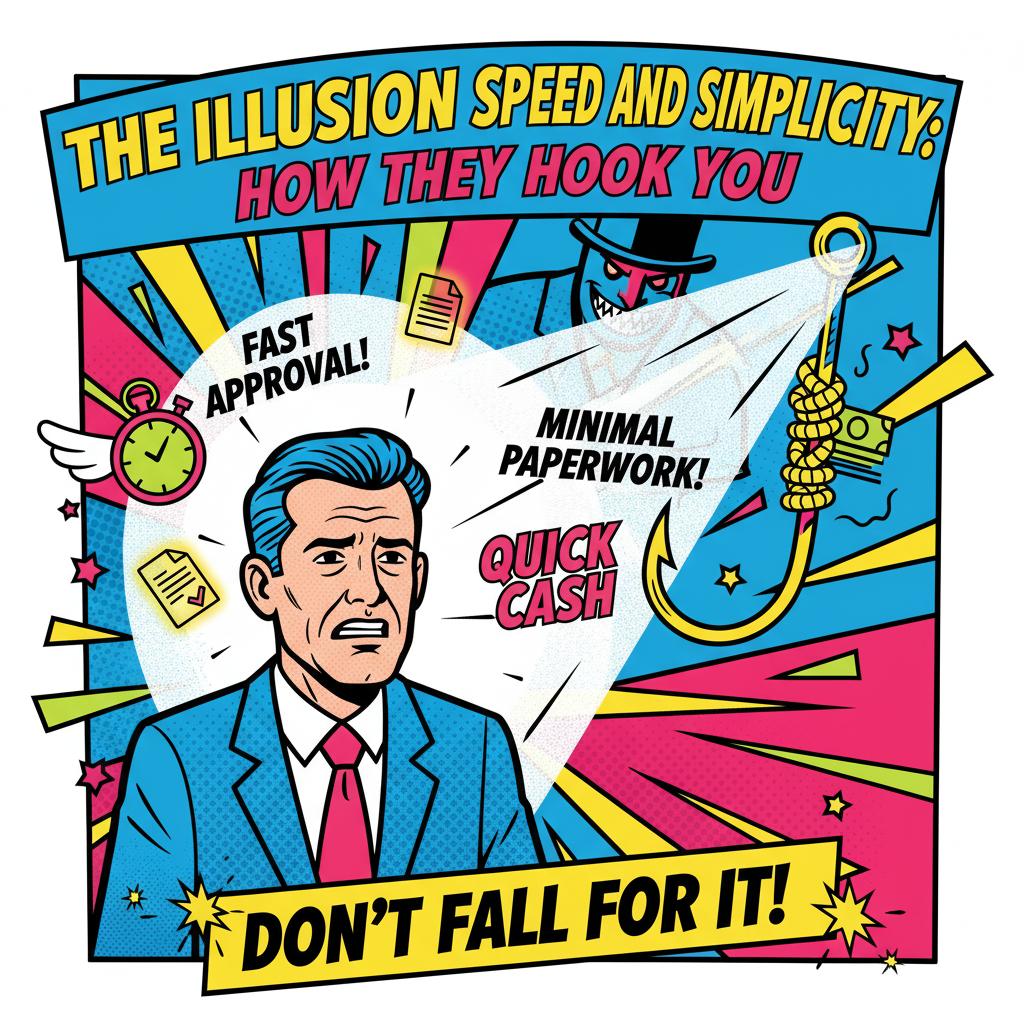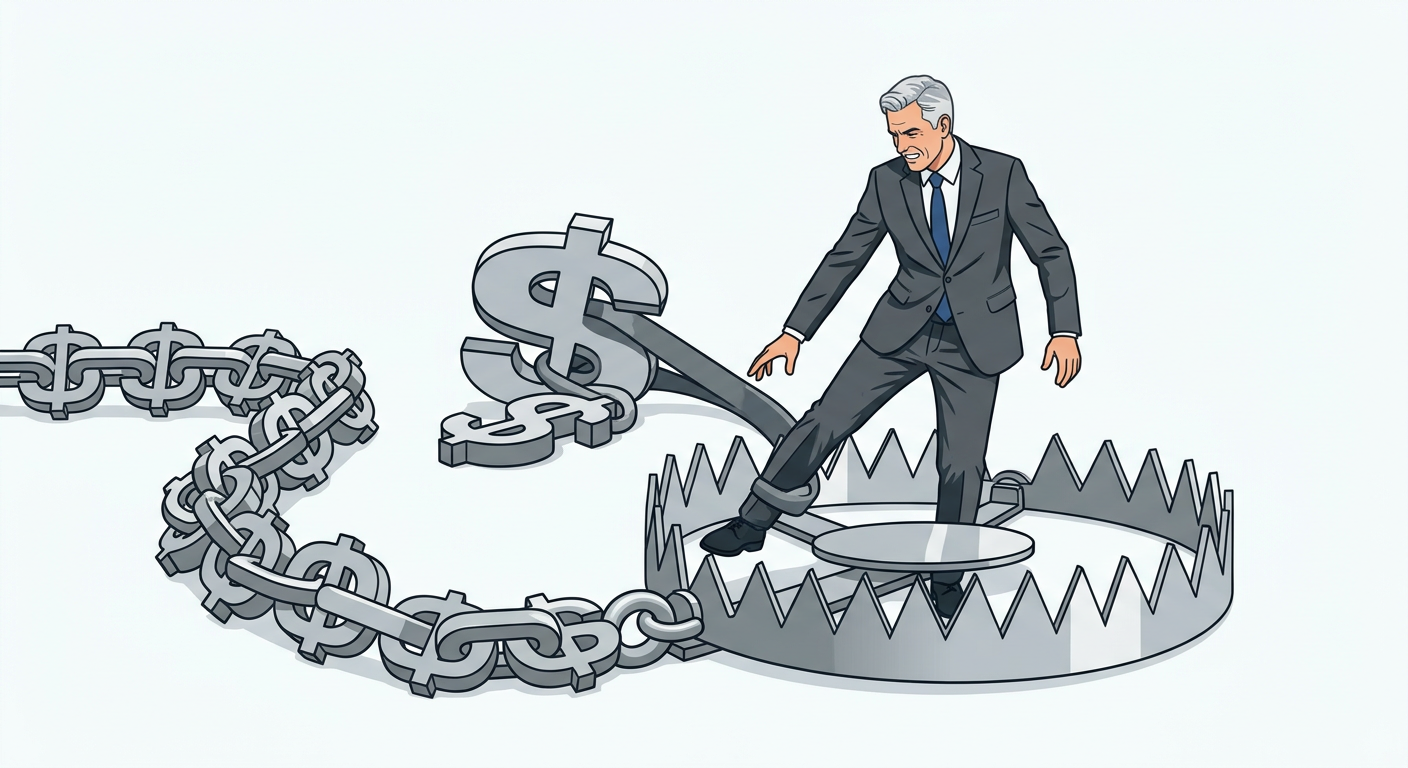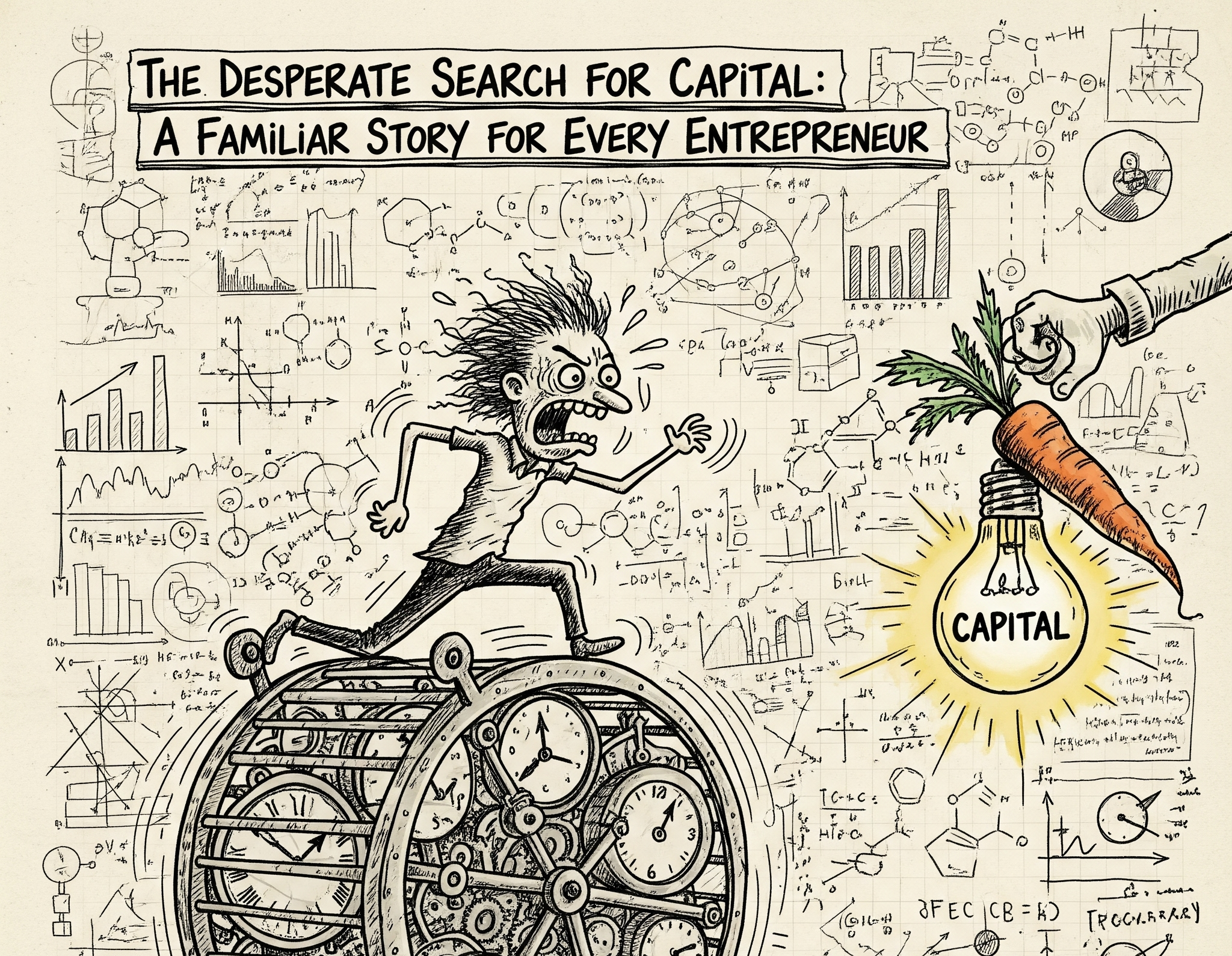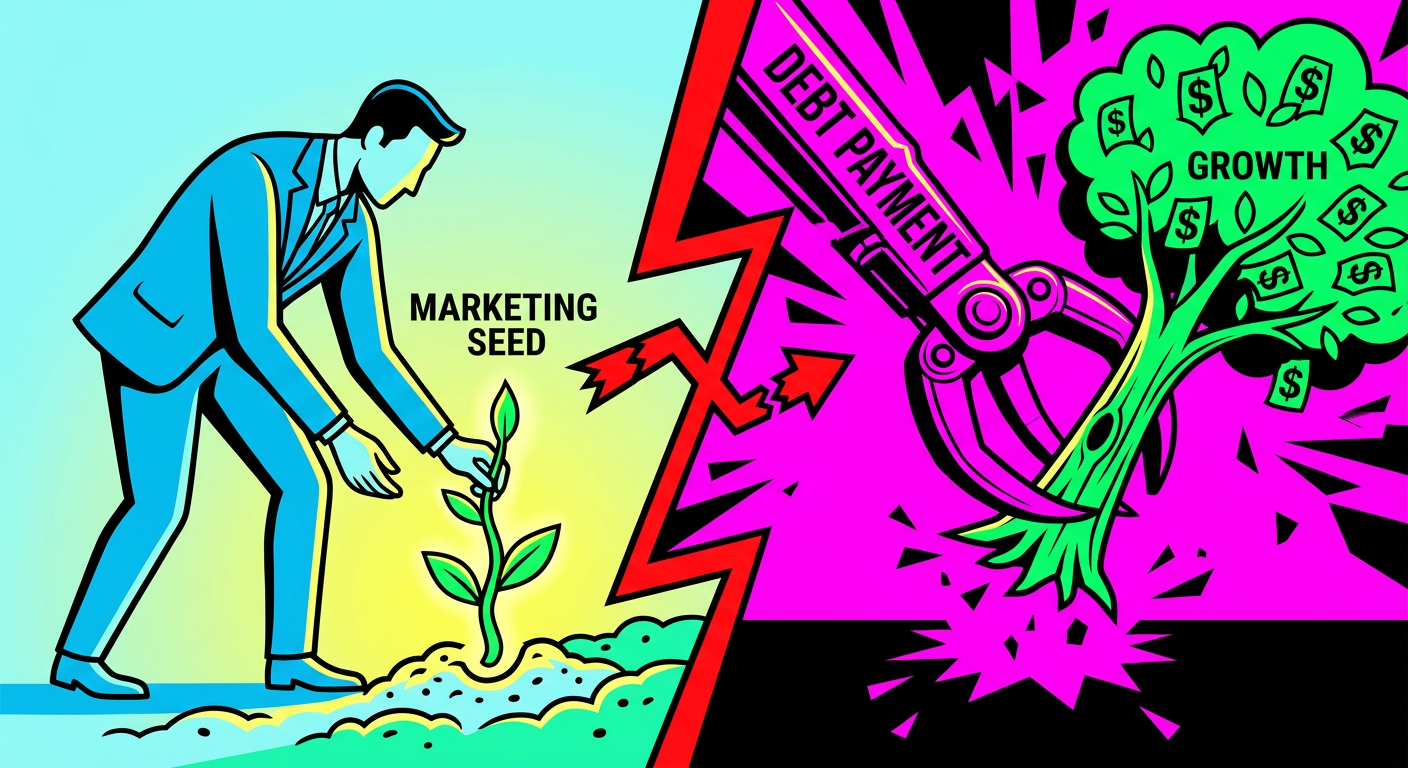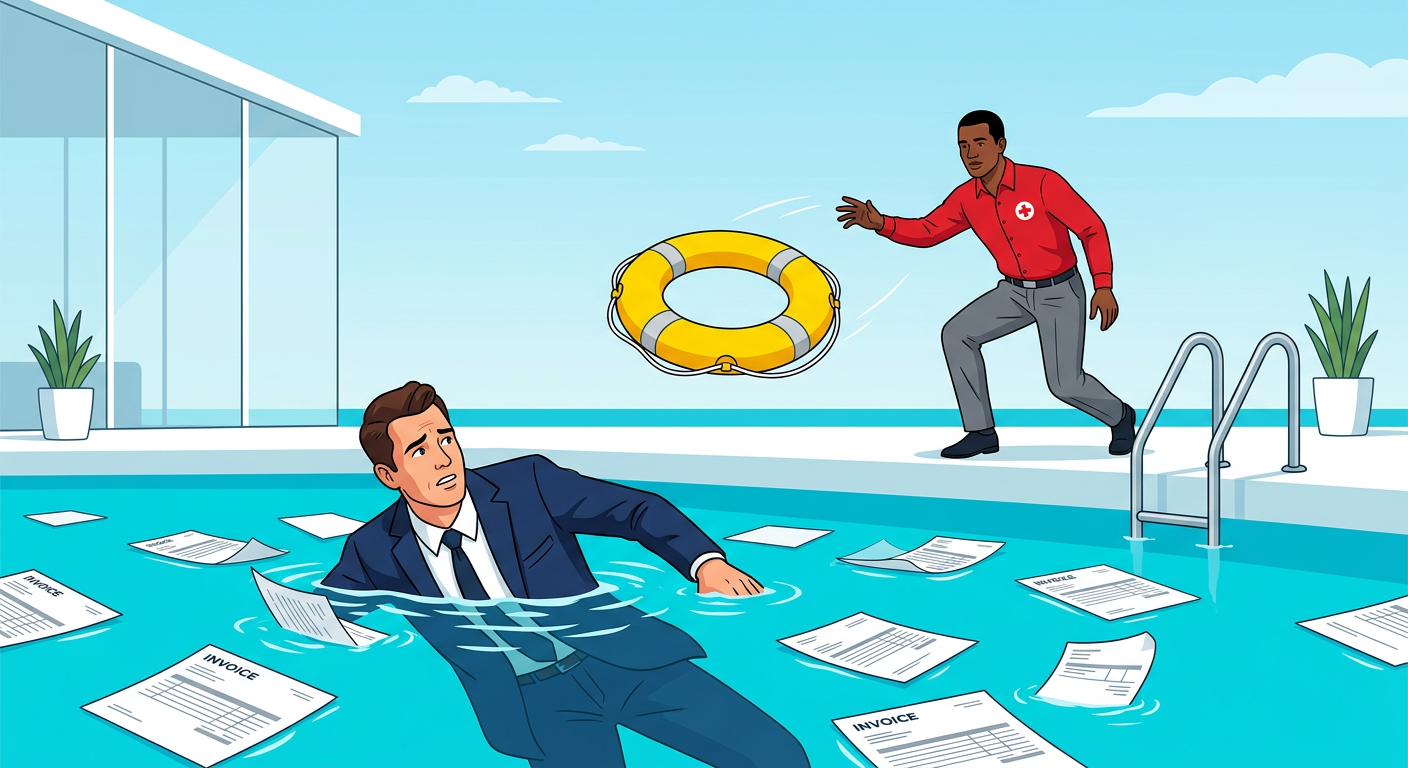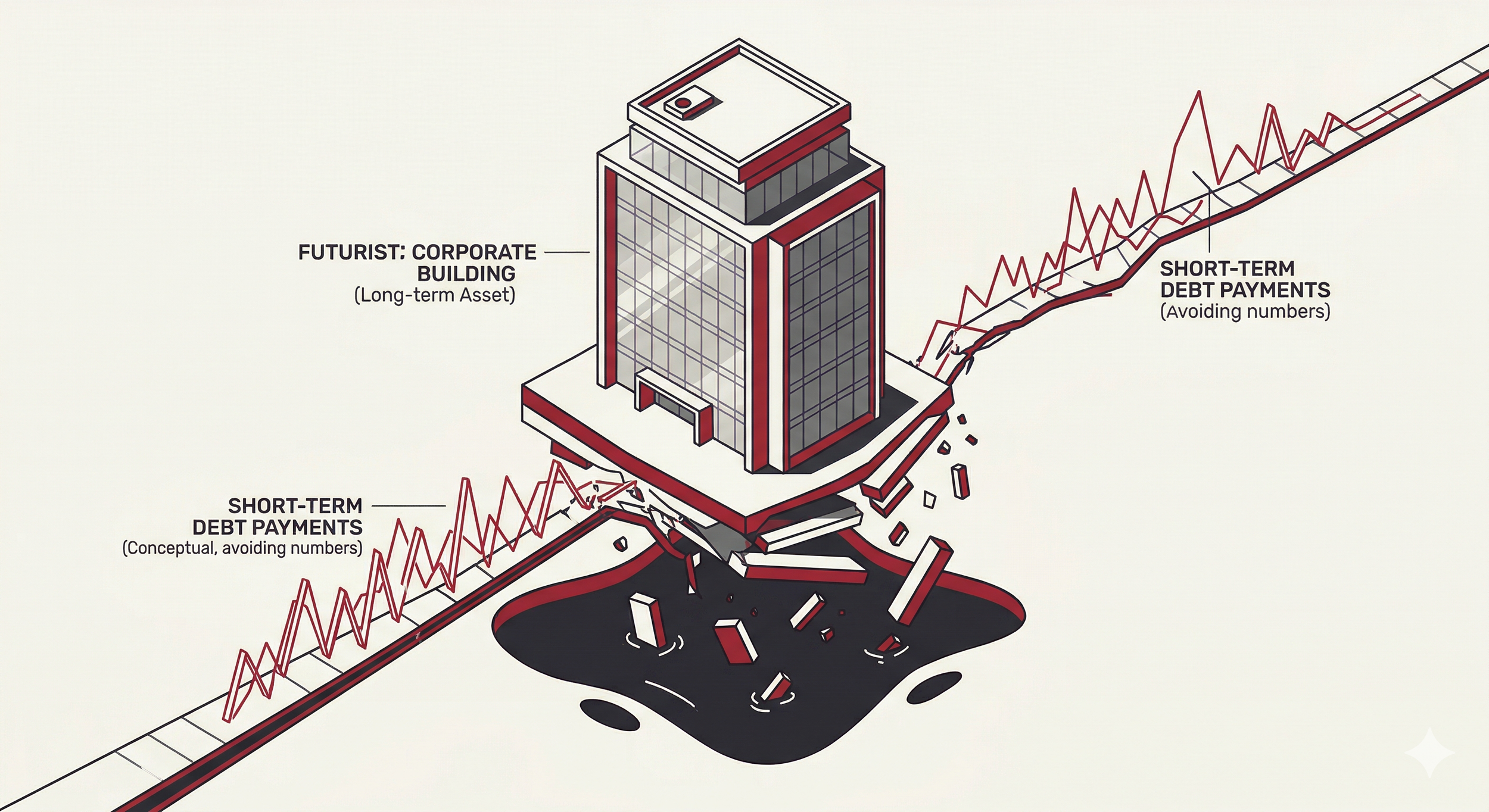
In the ecosystem of small and medium-sized business finance, there is a class of lenders or “funders” that functions less like a capital partner and more like an equity parasite. They don't care about your business plan, your legacy, or your employees. They care about one thing: the velocity at which they can siphon cash out of your operating account. While they brand themselves with sleek, modern logos and talk about "democratizing capital," they are, in reality, high-tech loan sharks.
The short-term lending space is built on a foundation of intellectual dishonesty. Underwriters in this sector are often nothing more than glorified data-entry clerks or automated scripts that ignore every principle of sound finance. They approve loans that they know a business cannot afford to make payments on without experiencing negative cash flow, and they bank on the fact that they can use aggressive, scorched-earth collection techniques to secure their profit before your company inevitably hits the wall. This is not lending; it is a controlled liquidation of your hard-earned equity. Pay or die.
The Fraud of Modern Underwriting
Traditional underwriting is a disciplined science; predatory short-term underwriting is a shell game. In a legitimate financial institution, an underwriter looks at your debt-to-income ratio, your net profit margins, and your industry’s seasonal volatility. They ask, "Can this business repay this debt and still thrive? Can this business afford its payments each month?”
In the predatory short-term space, the "underwriters" ask a much simpler, more dangerous question: "How much did they deposit last month?" By ignoring your expenses—rent, payroll, COGS, and taxes—these lenders provide "approvals" that are mathematically impossible to service. They see a $50,000 deposit and ignore the $49,000 in expenses required to generate it. When they hand you a loan with a daily payment that exceeds your actual monthly net profit, they aren't "helping" you bridge a gap; they are signing your business's death warrant.
The Daily or Weekly ACH Chokehold
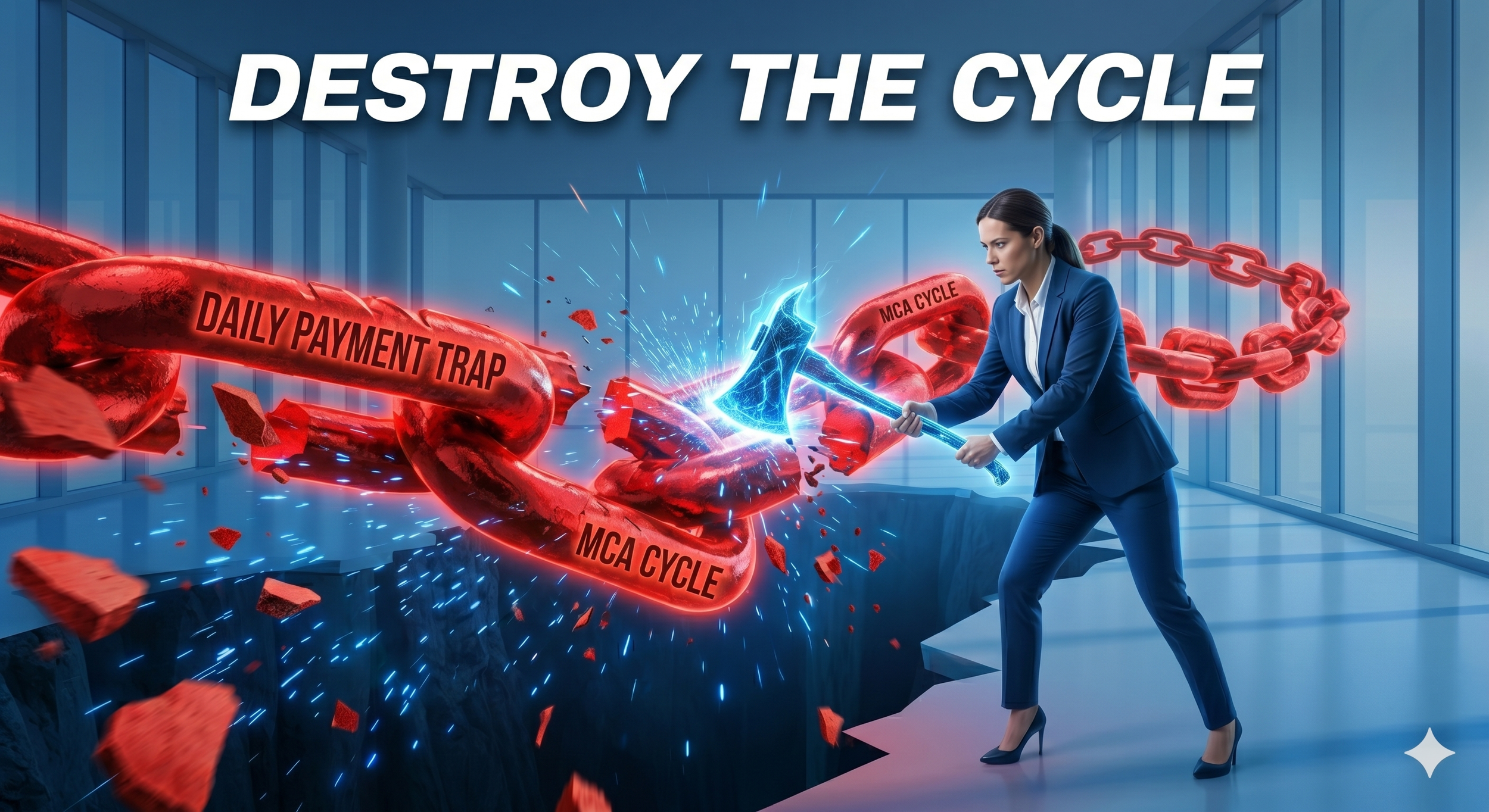
The most lethal weapon in the predatory lender's arsenal is the daily or weekly ACH withdrawal. This is the mechanism that turns a "loan" into a terminal illness. By reaching into your bank account every single morning before you’ve even had your first cup of coffee, these lenders and “funders” strip away the liquidity necessary to run operations now and to invest into the future of a business.
Aggressive repayment schedules that occur daily or weekly are designed to ensure the lender gets paid first, before your employees and before your vendors. This constant, unrelenting drain on your cash reserves prevents you from ever building a "float." You are forced to operate in a state of permanent crisis, where a single slow week can result in a bounced check or a missed payroll. This isn't a repayment plan; it's a chokehold that slowly strangles the life out of your operation.
The Liquidity Vacuum and Immediate Erosion
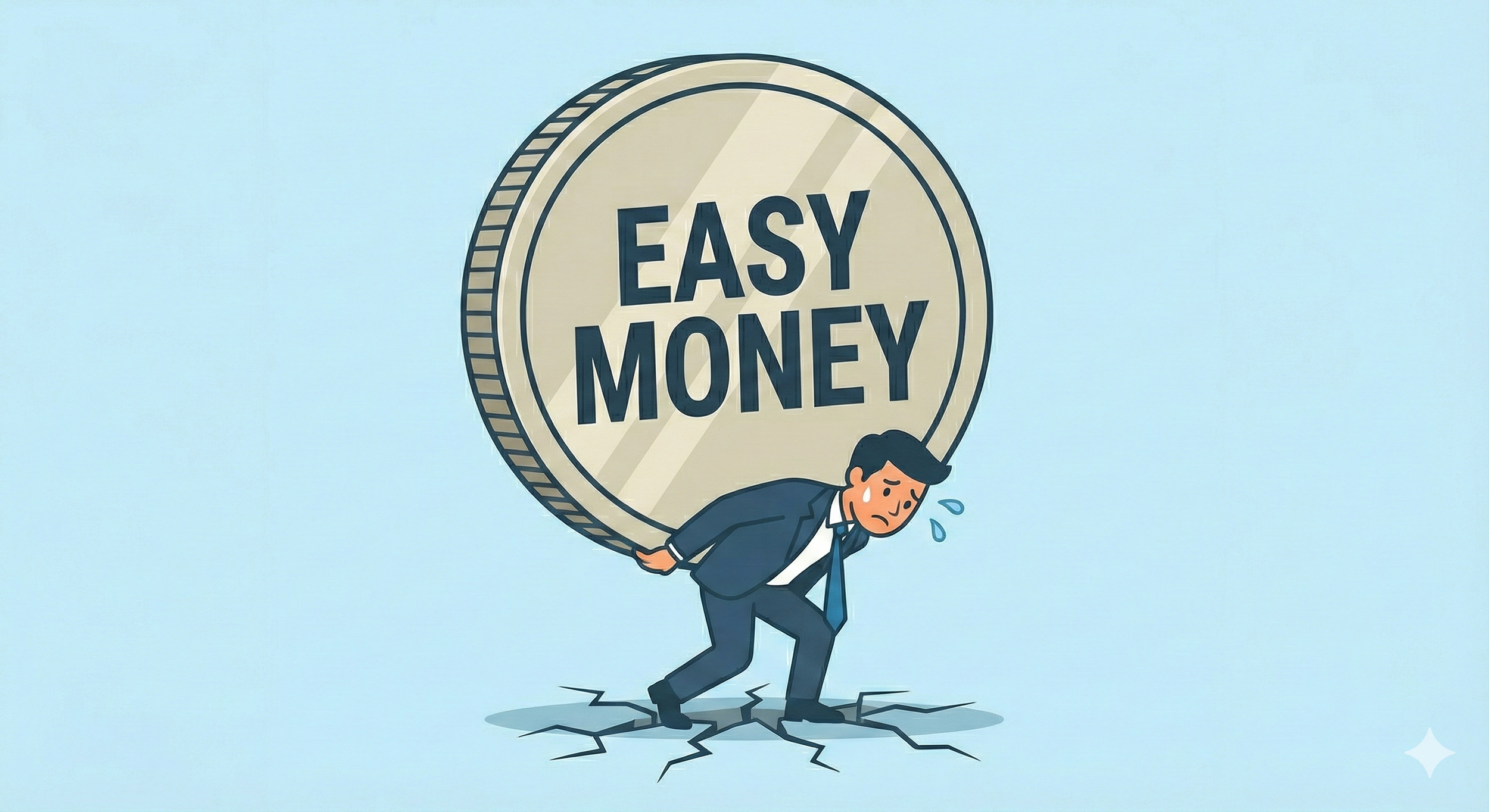
Liquidity is what gives a business owner the power to make moves, pay the bills and for all operations and also to pay business debt payments. It is your defensive shield against emergencies and your offensive weapon for growth. Predatory short-term loans act as a high-powered vacuum that removes that shield. Because the effective interest rates—disguised as "factor rates"—often exceed 60% to 70% APR, the capital you receive is essentially "toxic".
The math is simple and brutal: if the cost of your capital is higher than the profit margin of your business, you are losing money every time you spend a dollar of that loan. You lose right when you sign the contract and take the funding.
You are essentially paying the lender for the privilege of destroying your own company. Within months, the liquidity vacuum leaves you with an empty bank account and a pile of debt payments each week and month that is now larger than the original amount you borrowed due to compound fees from “renewals” or “refinances” which to short-term lenders means “keep them on the hamster wheel”.
Why They Want You to "Stack" Loans
Predatory lenders don't just want one piece of you; they want the whole thing. "Stacking" is the practice of taking out multiple short-term loans or advances simultaneously. In a sane financial world, a lender would see an existing daily or weekly withdrawal and realize the business has no more capacity for debt. In the predatory world, they see that existing withdrawal as blood in the water.
Underwriters in this space frequently ignore UCC filings of other lenders to "stack" a second or third daily payment on top of the first. They know that by doing this, they are pushing the business towards a potential total collapse. However, they also know that the business owner, now desperate and drowning, will take any amount of cash just to survive another week or month. This is a predatory cycle where the lender profits from the very desperation they helped create.
The Myth of “95% Approval Rate”, "Unsecured" and “Bad Credit OK” Accessibility
Lenders who advertise “95% Approval Rate”, "unsecured" or "bad credit is fine" are not being inclusive; they are being opportunistic. They don't check your credit because they don't intend to rely on your integrity or your history to get paid. They rely on the legal "hooks" they've buried in the fine print of their contracts.
When a lender tells you that your 500 credit score isn't a problem, what they are really saying is: "We have enough legal leverage to take your money regardless of your creditworthiness." They rely on blanket UCC-1 liens, personal guarantees of all types, and high-frequency access to your bank account to bypass the need for traditional credit standards. It is an invitation into a trap that is specifically set for those who feel they have nowhere else to turn.
Aggressive Collections Over Sound Analysis
The business model of a predatory lender is built on the back end. If the underwriting is non-existent, the collection department must be a war machine. These firms do not employ "account managers"; they employ "recovery specialists" who are trained in the art of professional harassment.
The moment a payment is missed—even if it’s due to a tight cash flow cycle, a bank error or a minor holiday delay—these lenders move into attack mode. They will file UCC liens against your business and contact your customers to intercept your incoming payments, effectively cutting off your revenue at the source. They will call your personal cell phone, your office, and your emergency contacts dozens of times a day. This aggressive stance is a confession: they know the loan was never affordable, so they must use fear and legal force to jump to the front of the line of creditors.
The Factor Rate Scam
To avoid the "predatory" label and circumvent usury laws (laws surrounding legally chargeable interest rates), these lenders have invented their own language. They will never tell you the APR is 150%. Instead, they will tell you the "buy rate" or "factor rate" is 1.4. This is a deliberate attempt to confuse business owners who are used to annual interest rates.
A 1.4 factor rate means you pay $4,000 in fees for every $10,000 borrowed. If you pay that back over 12 months, it's expensive. If you pay it back over three, six or nine months through daily or weekly withdrawals, the interest rate is astronomical. Furthermore, these "fees" are often "earned" the moment the money is wired. If you try to pay the loan back early to save on interest and fees, you’ll find that the full $14,000 is still due. It is a "heads they win, tails you lose" scenario designed to ensure the lender’s profit is locked in regardless of your business performance.
These types of short-term and predatory business lenders thrive on using legal documents to “get around” laws that are in place to protect American small businesses. Check with your legal counsel for advice on this.
These short-term and predatory business lenders thrive on aggressive collection techniques that destroy your business quickly and your relationship with your clients and vendors. MCA (Merchant Cash Advance) and other short-term predatory lender types will essentially take your accounts receivable by contacting your clients directly and letting you know that you have defaulted on a financing agreement, and agreement that caused a default on a previous agreement (the funder before that funder).
Scorched Earth: The Aftermath of Default
When a business defaults on a predatory short-term loan, the lender doesn't just want the money back; they often execute a "scorched earth" policy. Because they typically require an unconditional personal guarantee, they will not hesitate to go after your personal assets, including your home and your savings.
They will use legal mechanisms like Confessions of Judgment (where legal) to freeze your accounts in hours, not days. This "shock and awe" tactic is designed to paralyze the business owner, preventing them from hiring legal counsel or restructuring their debt. By the time most business owners realize they are in trouble, the lender has already moved to seize the assets, leaving the entrepreneur with a bankrupt business and a ruined personal life.
Loan Underwriters Who Bet Against You
It is a common misconception that lenders want you to succeed so you can pay them back. In the predatory short-term space, the underwriters are often betting against you. They know the average "life" of their borrowers is short. Their goal is to extract the maximum amount of daily or weekly payments plus their "origination fees" (fees paid to your broker plus part of your factor rate totaling 8 % to 15% of total loan) as quickly as possible.
If you default after paying back 70% of the loan, the lender has often already made a significant profit due to the high fees and front-loaded interest. They have already "won." They have no incentive to see you survive for five years; they only need you to survive for five months. This misalignment of incentives is why the underwriting is so abysmal—they aren't looking for a long-term partner; they are looking for a short-term host to feed on... like a predator or a virus, a cancer.
Reclaiming Control of Business and Life
The only way to win against a predatory lender is to never play their game. If you are already "in the system," the first step is to stop the bleeding. Stop taking "consolidation" loans from the same types of lenders, which only resets the clock on your destruction. Consult with a specialized business debt restructuring advisor (and your legal and tax team) who understand how to break the ACH cycle.
For those considering these loans: walk away. No "opportunity" is worth the 24/7 stress of a daily or weekly ACH withdrawal and the high probability of business failure. Seek out traditional SBA lenders, credit unions, or even private equity—any source of capital that relies on actual underwriting and monthly terms. Your business is the result of your sweat and your risk; don't let a predatory underwriter turn your dream into their next quarterly profit report.
What is the Best Way to Fix Business Debt Payments that are causing Cash Flow issues?
It is NOT by stopping ACH payments.
It is NOT by taking on another business loan.
It is NOT ALWAYS a Refinancing
It is NOT by entering into a debt settlement program.
Find out the BEST strategies to get your Business back to where it was

More Business Finance and Strategy Articles: