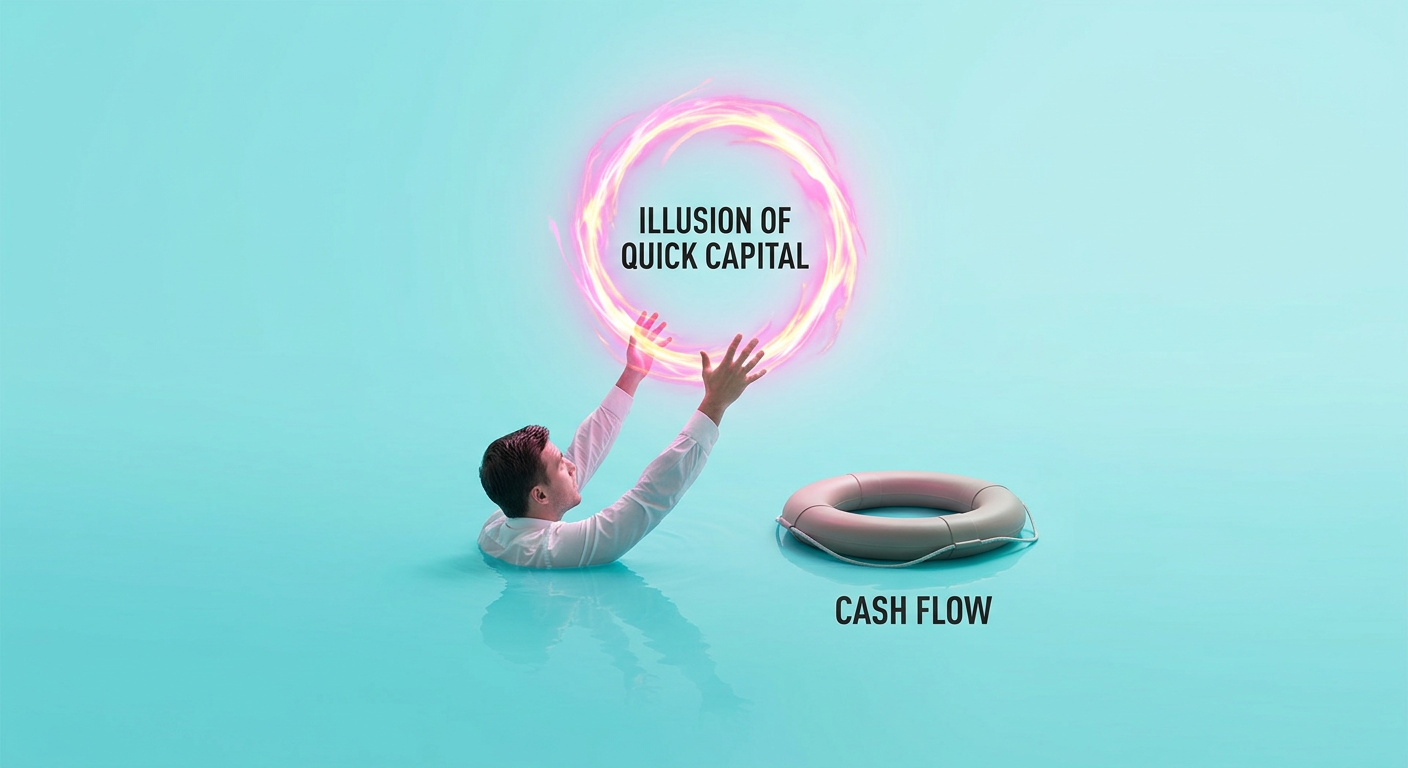
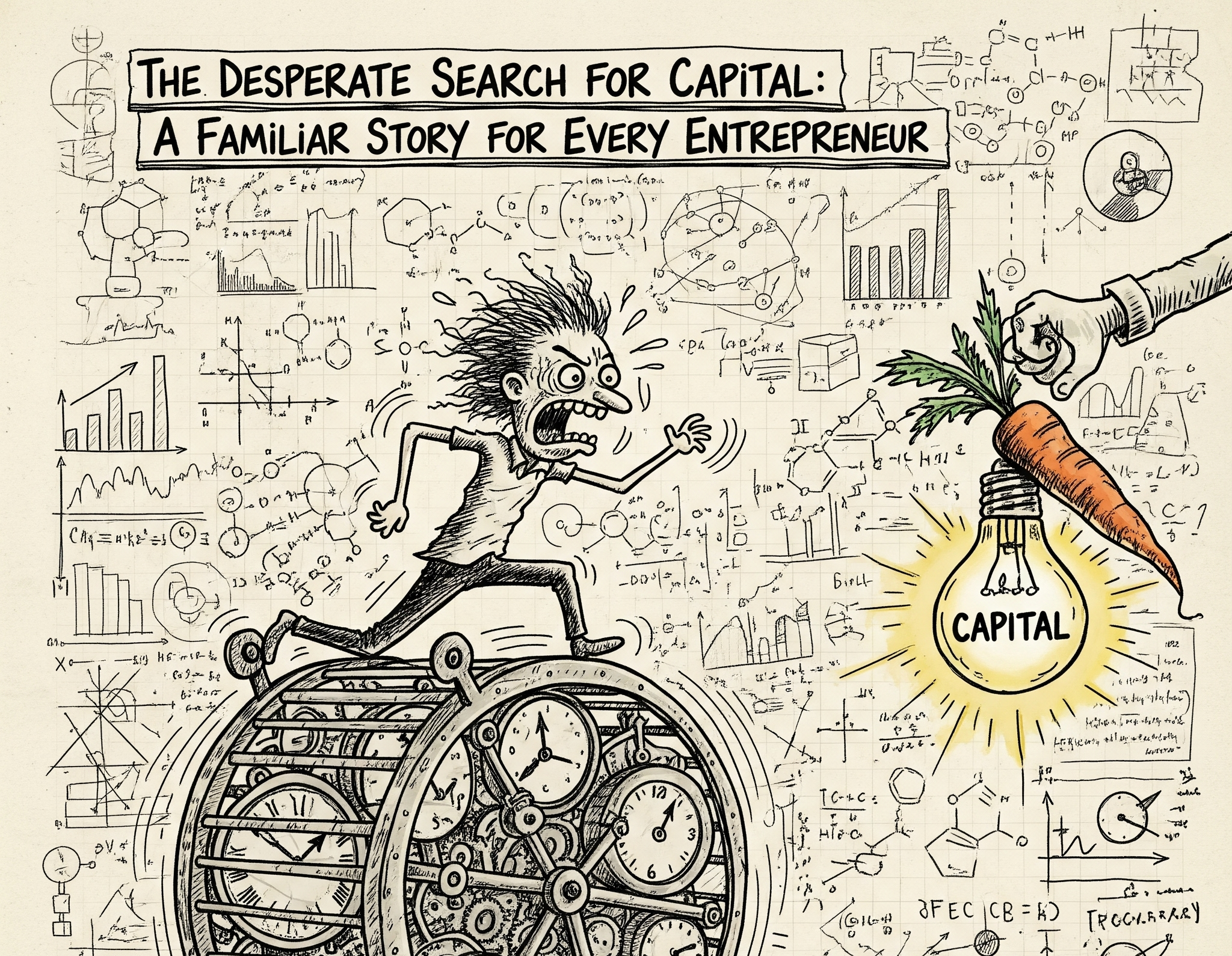
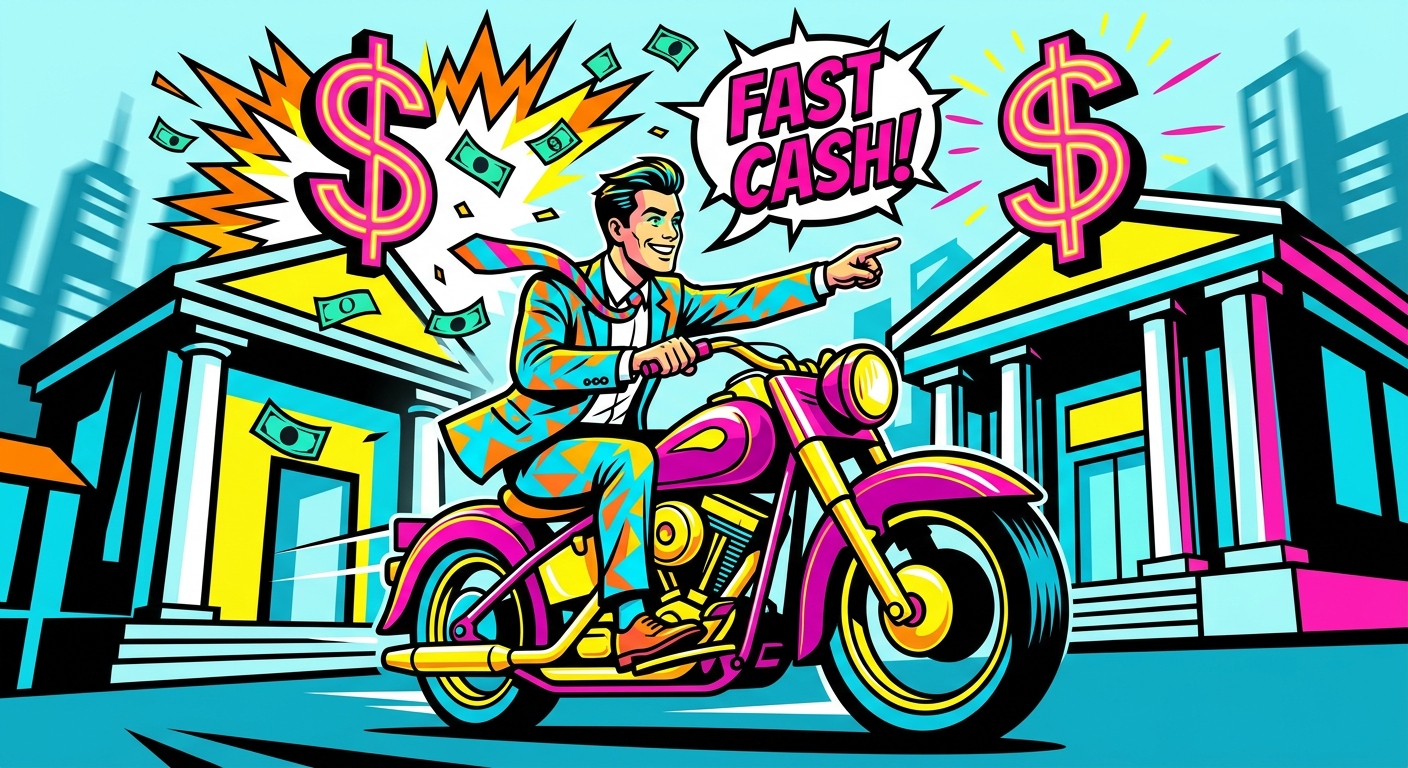
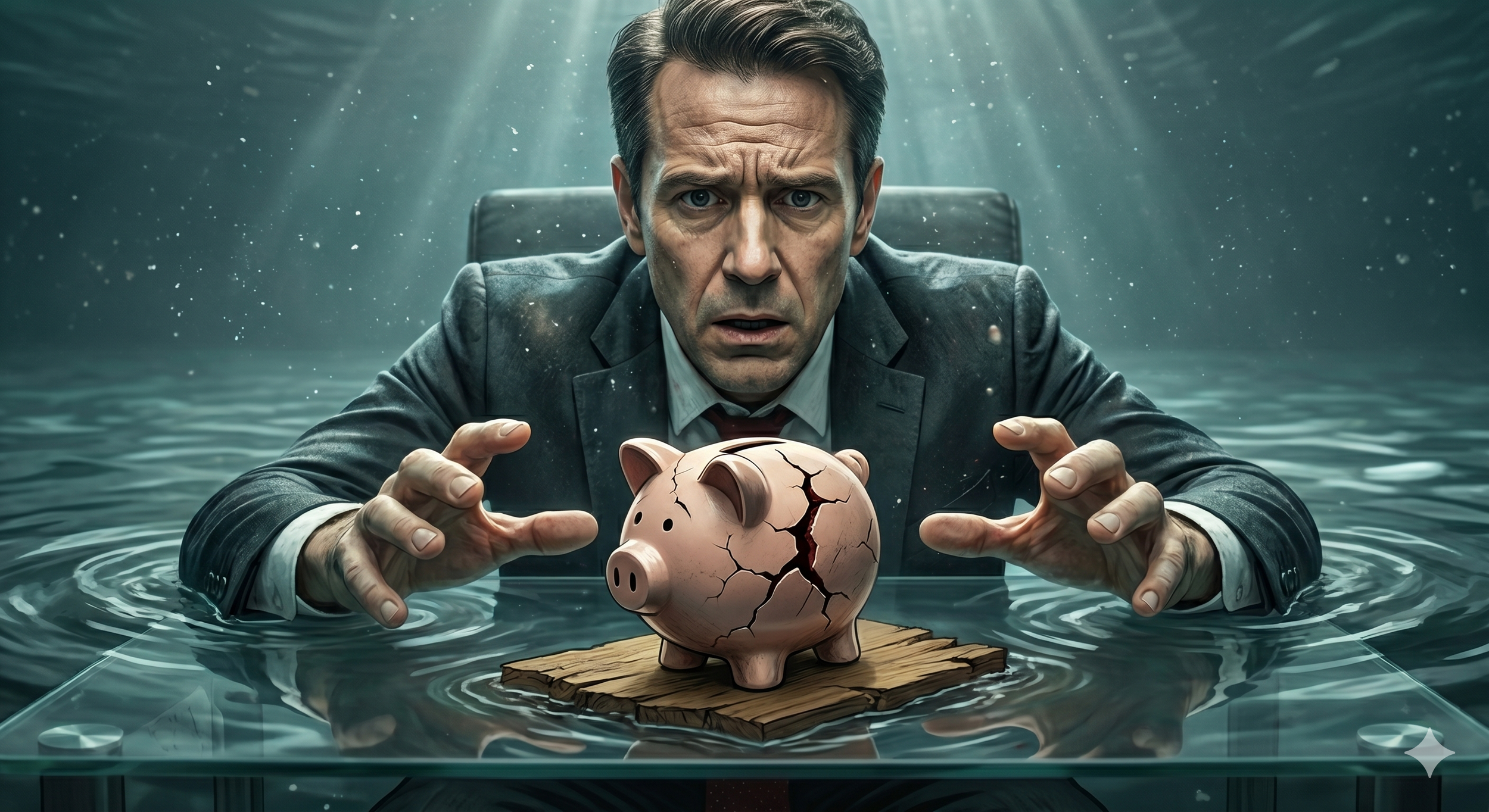
In the modern business financing marketplace, quick-fix capital is often marketed as a lifeline for small and medium-sized businesses, offering immediate relief from cash flow constraints with minimal underwriting. However, beneath the surface of “fast” or “24-hour” approvals and easy accessibility lies a predatory mechanism that effectively dismantles organizations from the inside out by reducing a company’s ability to re-invest into itself.
By trading future revenue for immediate liquidity through high-cost factor rates and daily or weekly remittances, business owners unwittingly enter a cycle of "negative compounding" that siphons off the very resources required to sustain basic operations: Cash Flow
This article explores the systemic erosion of business value that occurs when high-interest, short-term business debt payments replaces strategic reinvestment. Beyond the immediate financial strain, we examine how these obligations create a "lost half-decade," where marketing efforts are silenced, talent acquisition is frozen, and product innovation grinds to a halt.
When an organization prioritizes the profits of a lender over its own growth, it does more than just lose money—it relinquishes its market position to unburdened competitors and traps the business in a state of permanent stagnation.
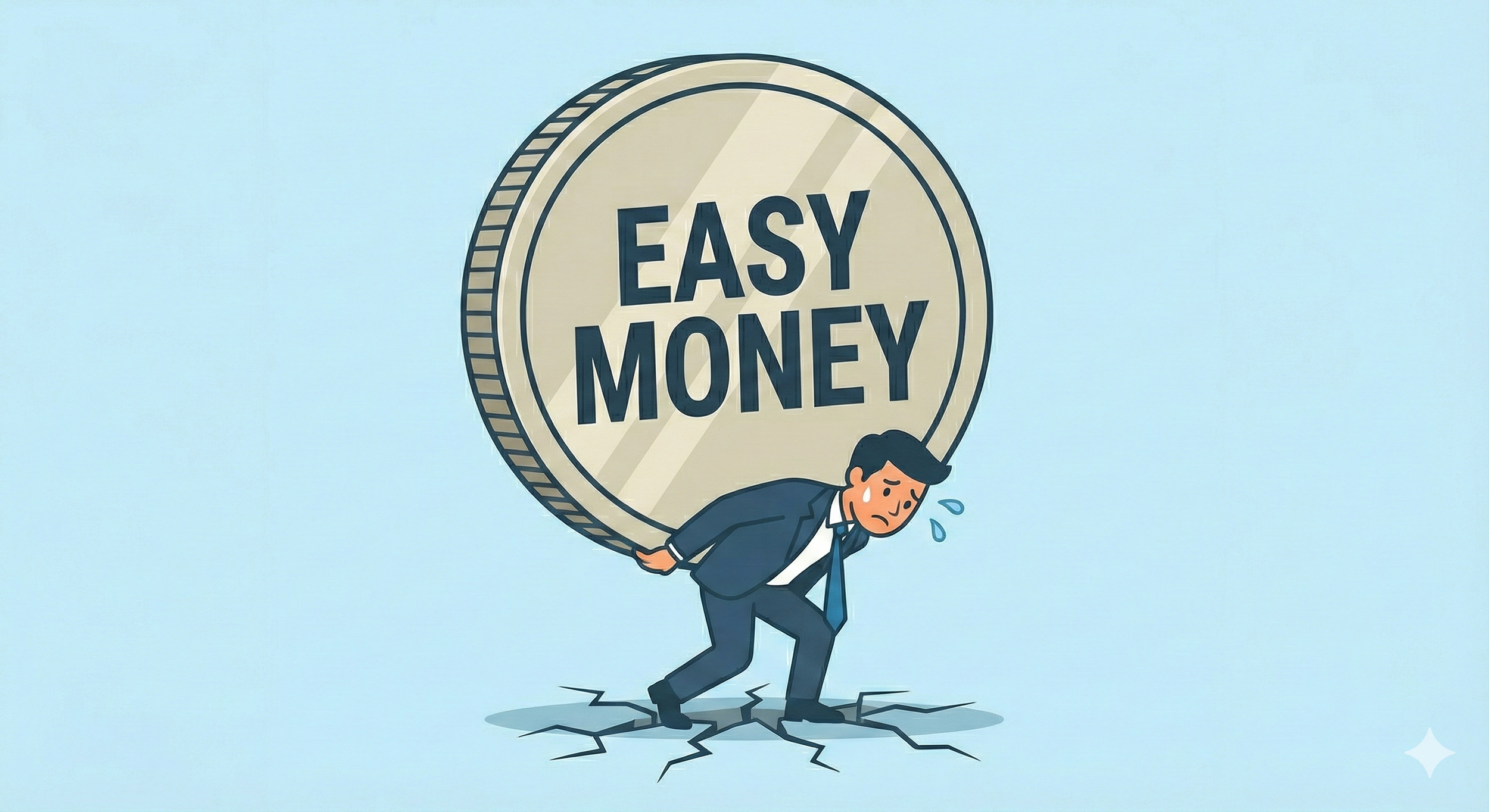
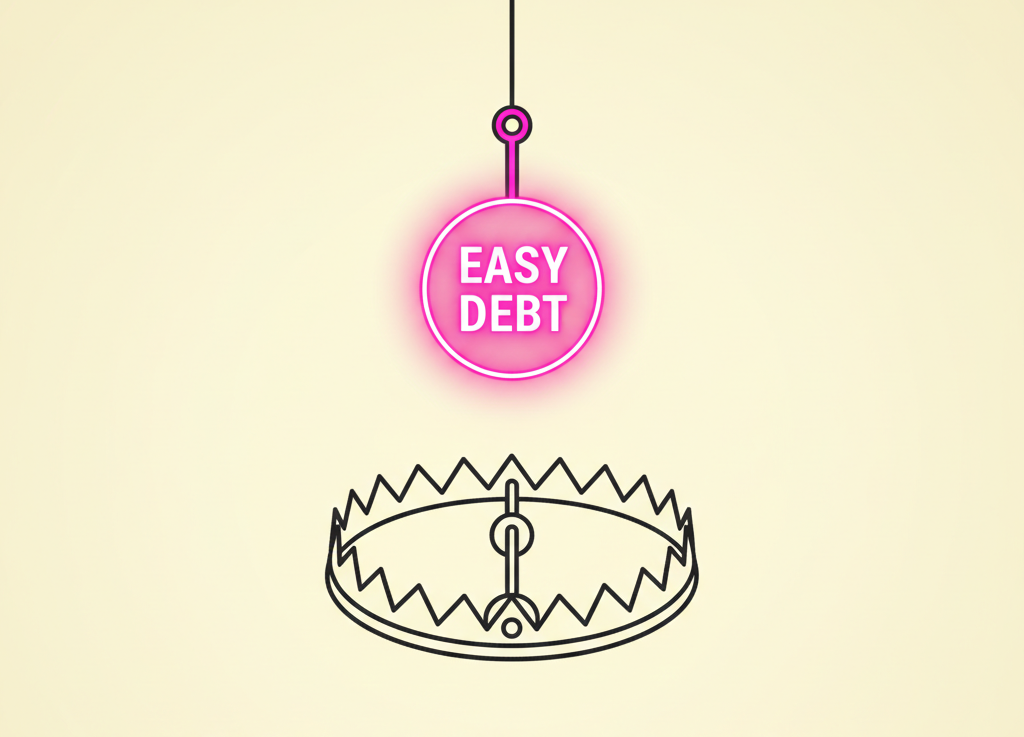
The Hidden Trap of too-Easily-Accessible Business Capital
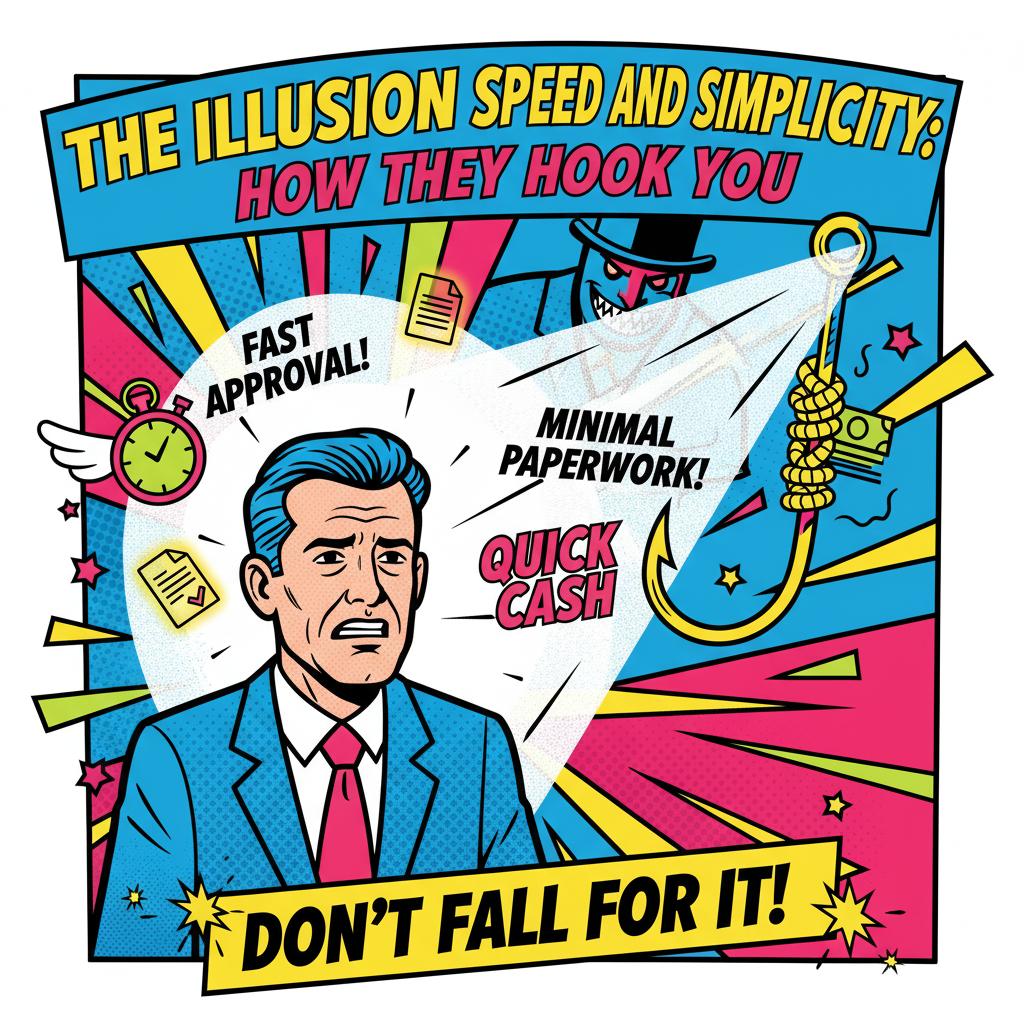
In the modern business landscape, access to capital is often presented as the ultimate solution to all operational hurdles. When business cash flow tightens or an unexpected expense arises, the marketplace offers a dizzying array of quick-fix financial products. These offers usually come with promises of speed and convenience, bypassing the rigorous underwriting of traditional banking.
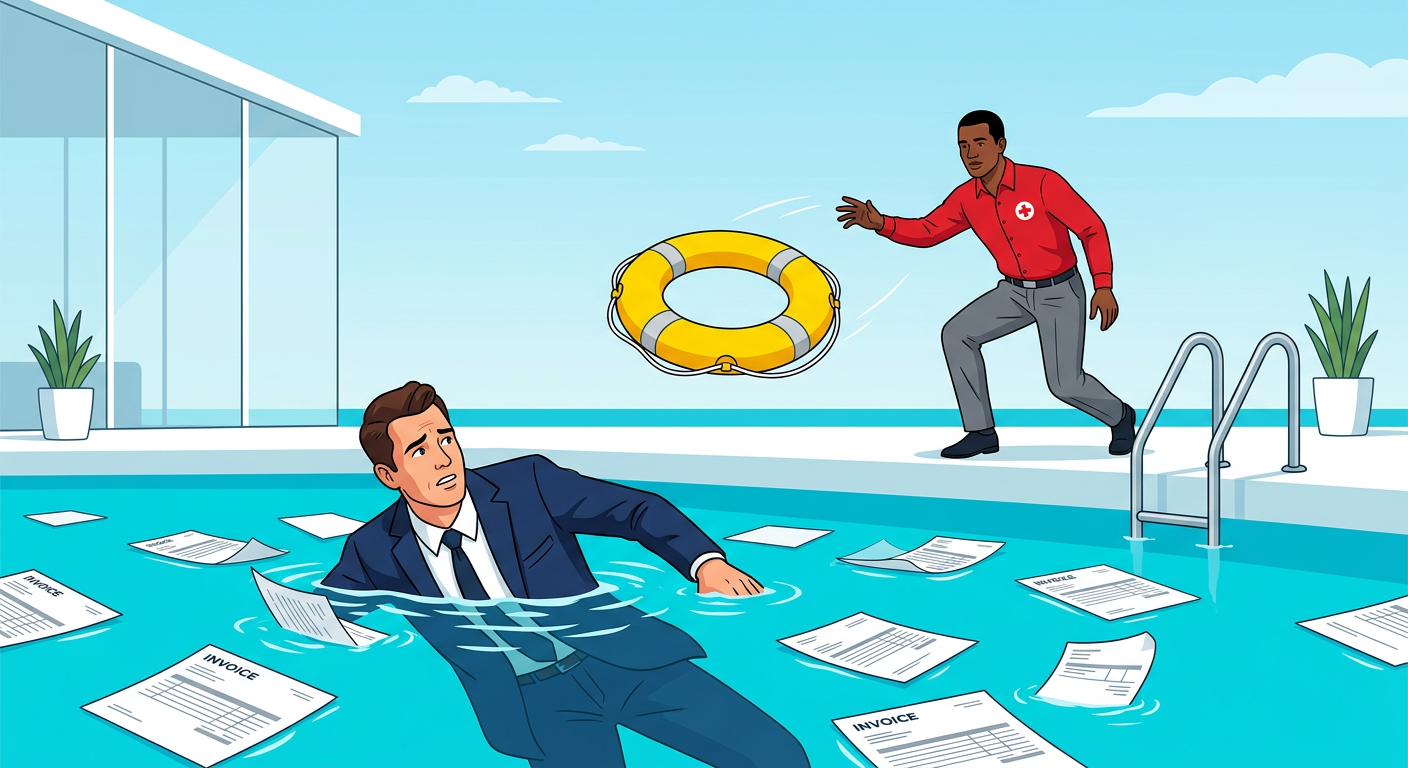
For a stressed business owner, the ability to secure funds “within twenty-four hours” might feel like a lifeline. However, this accessibility frequently masks a dangerous reality. The capital acts not as fuel for the engine, but as a leak in the fuel tank.
When you accept business financing with exorbitant costs—often disguised as factor rates and daily or weekly remittance schedules rather than clear annual percentage rates—you are not merely borrowing money. You are effectively selling your future revenue at a steep discount. The immediate relief of a business cash infusion quickly fades, replaced by the relentless pressure of aggressive repayment schedules.
This is where the silent erosion begins.
It is not always a sudden crash; often, it is a slow, grinding decline where the liquidity needed to run the business is siphoned off daily or weekly, leaving the operational side of the company gasping for air more and more as time passes.
The danger lies in the normalization of this state. Business owners often accept high-cost debt as the "cost of doing business," failing to recognize that this specific type of cost is fundamentally different from rent or payroll. It is a non-productive expense that contributes nothing to the value chain. Instead of purchasing inventory or investing in employees that generates profit, these dollars vanish into the pockets of lenders, providing zero return on investment for the enterprise.
Understanding the True Opportunity Cost
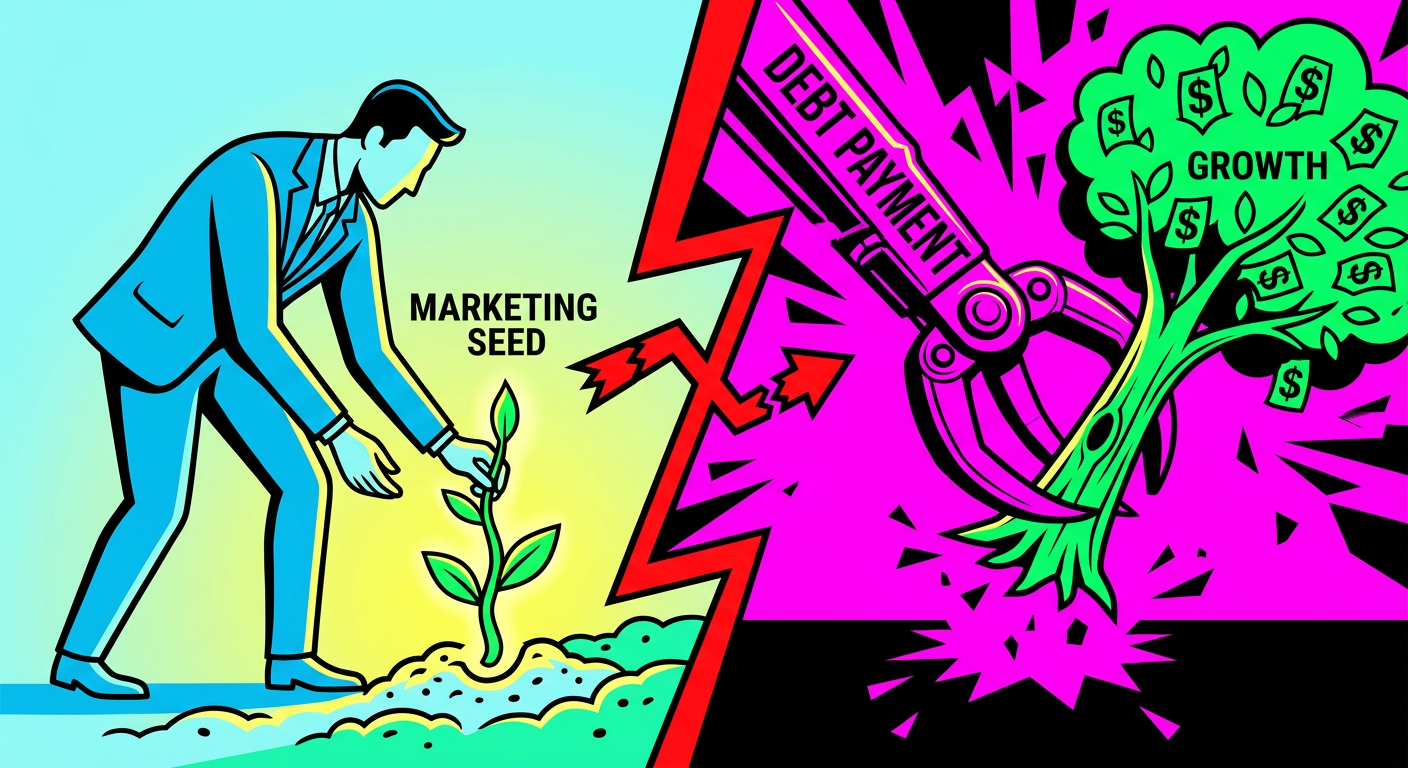
To fully grasp the damage caused by high-interest and short-term payback business debt, one must look beyond the bank balance and understand the economic concept of opportunity cost. Every single dollar that leaves your operating account to service a high-cost loan is a dollar that cannot be deployed elsewhere. Dollars that would otherwise be re-invested into the business, are not available now.
This seems like a simple observation, but the implications are profound when extrapolated over a fiscal year. If a business is paying ten thousand dollars a month in business debt service payments and fees—above and beyond the principal repayment—that is one hundred and twenty thousand dollars removed from the company’s strategic arsenal annually.
That sum is not just missing money; it represents missing potential. That capital could have purchased a new piece of automated machinery to speed up production. It could have funded a complete website overhaul to improve conversion rates. It could have allowed for a bulk inventory purchase to secure a significant supplier discount. When you allocate that cash to interest and fees, you are effectively choosing to stagnate. You are prioritizing the profits of the lender over the growth of your own entity.
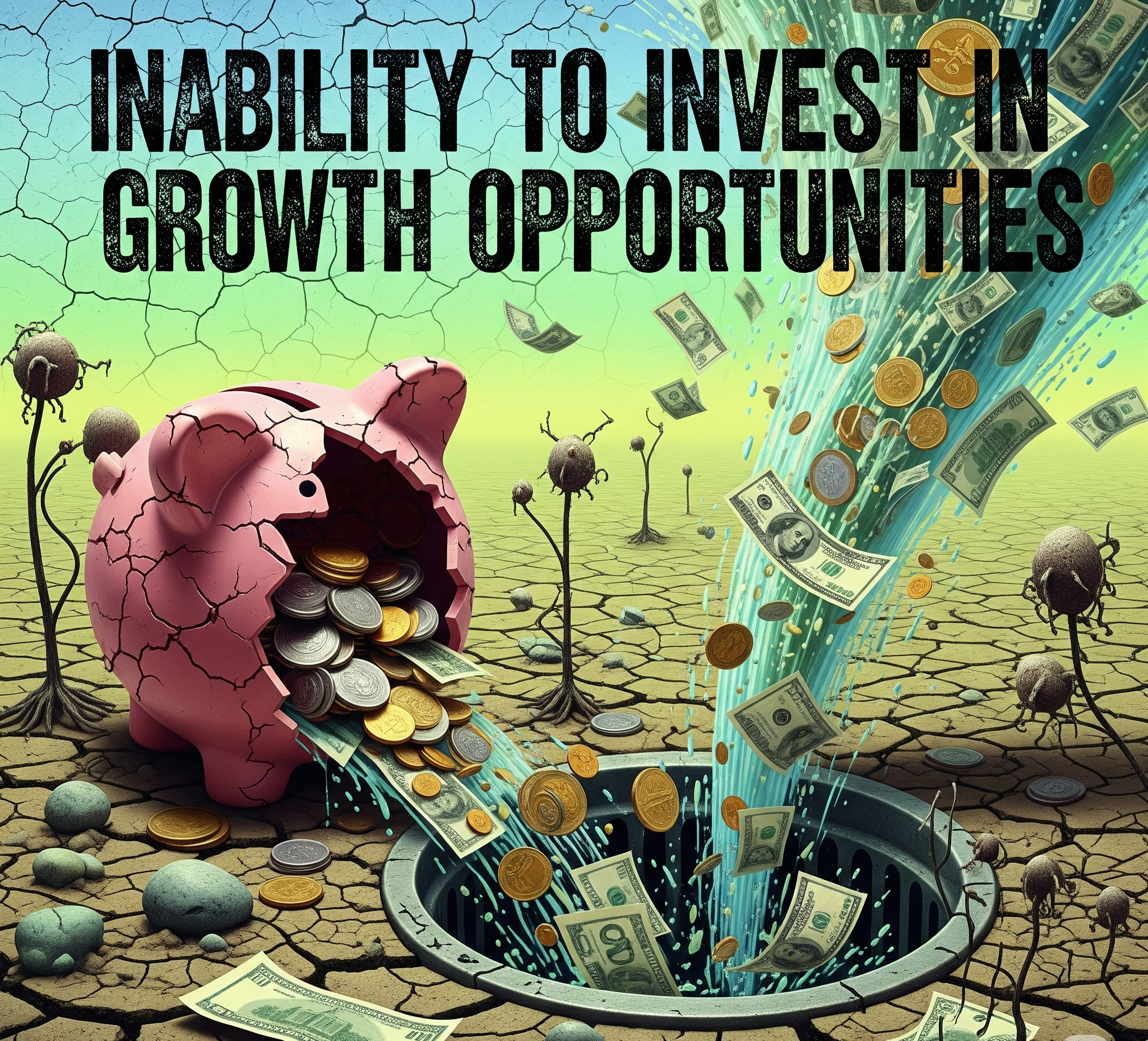
This trade-off is rarely calculated explicitly. Owners see the payment withdrawal and scramble to cover it, but they rarely quantify what that payment prevented them from doing. If you were to visualize your business as a garden, high-cost and short-payback business debt is akin to diverting the water supply to a neighboring lot while expecting your own crops to flourish. The resource depletion ensures that while you might survive the season, you will not have the harvest necessary to expand or thrive in the next one.
Marketing Silence: The First Casualty of Business Cash Flow Strain
When business cash flow becomes constricted by heavy business debt service obligations, marketing is almost invariably the first budget line item to be slashed. Marketing is frequently viewed as a discretionary expense—something you do when you have extra money—rather than a critical engine for future revenue. The logic seems sound in the moment: you cannot pay for Google Ads if you are struggling to make payroll. However, this retreat from the marketplace creates a self-fulfilling prophecy of decline.
Every dollar spent on business debt service is a dollar stripped from your customer acquisition strategy. While you are servicing a merchant cash advance (MCA) or other short-term business loans, you are likely reducing your ad spend budget, pausing your social media campaigns, or delaying the refresh of your branding materials. In a digital-first economy, silence is fatal. If you stop bidding on keywords or stop appearing in social feeds, you do not just pause your growth; you actively disappear from the consumer's consciousness.
Consider the cumulative effect of a year without aggressive marketing. Your pipeline of new leads dries up. Your brand recognition fades. You become reliant entirely on repeat customers, which is a fragile strategy in a competitive market. Meanwhile, the funds that should have been building your sales funnel are being sucked out by creditor’s automated ACH drafts. You are effectively paying for the privilege of shrinking your business’ market presence. The tragic irony is that the very thing that could solve the cash flow problem—more sales—is the first thing you disable to continue to pay for the high-cost and short-term payback business debt.
The Hiring Freeze and Talent Drain
A growing business requires a growing team, or at least a team that is well-compensated and motivated. High-cost business debt creates a paralyzing effect on human resources. When a significant portion of your revenue is earmarked for business loan principal and interest repayment, the liquidity required to hire new talent evaporates. You might need an additional salesperson to work the leads you have, or a customer support specialist to improve retention, but the budget simply is not there. Now, business debt service has consumed the salary cap.
This financial strain forces the existing team to do more with less. Burnout becomes a significant risk as employees are asked to shoulder increasing workloads without corresponding pay raises or support. In a tight labor market, talented employees have options. If your business cannot offer competitive salaries, performance bonuses, or professional development opportunities because every spare cent is going to a lender, you will lose your best people.
The hidden cost here is the loss of institutional knowledge and the expense of turnover. Replacing a skilled employee costs significant time and money—resources you already lack. Furthermore, the inability to hire creates a bottleneck. If you cannot hire more employees, you cannot accept more jobs. If you cannot hire more account managers, you cannot service more clients. The high-cost and short-term payback business debt acts as a ceiling on your capacity, physically preventing the business from scaling up even if the demand exists. You are essentially paying a lender to keep your business small and stuck.
Product Development and Innovation Stalls
Innovation is the lifeblood of longevity. Whether you are a software company, a manufacturer, or a service provider, you must constantly evolve your offering to meet changing customer needs. This requires Research and Development (R&D). R&D is an investment in the future; it is the process of planting seeds that will bear fruit two or three years from now. High-cost business debt creates a "tyranny of the present," forcing you to focus entirely on surviving today at the expense of building tomorrow.
When funds are diverted to exorbitant financing costs, research and development is often halted indefinitely. You delay the launch of the new product line. You postpone the software update that would have added requested features. You stick with the legacy equipment instead of upgrading to the more efficient model. In the short term, this seems manageable. Your current product is still selling, so why worry?
The problem arises when the market shifts. While you were treading water, paying off high-interest loans, the industry and your competitors moved forward. Customers begin to demand the newer features, the faster service, or the better materials that you failed to develop. Because you starved your R&D budget to feed your high-cost and short-term payback business debt, you now find yourself with an obsolete offering. Catching up requires a massive infusion of capital—which you cannot access because you are already over-leveraged. This is how category leaders become irrelevant dinosaurs.
The Compound Effect Over 2 to 3-Years
The damage caused by these business financing decisions is not linear; it is exponential. We must look at the timeline of two to three years to see the full devastation. In the first six months, the pain is acute but manageable: cash is tight, and the owner is stressed. But as the situation drags into year two and year three, the lack of reinvestment begins to compound.
Think of reinvestment like compound interest. When you reinvest profits back into the business—into marketing, hiring, and product—that investment generates a return, which can then be reinvested again. Over three years, this creates a snowball effect of growth. Conversely, when you strip that capital away and allow it go to business debt service, you are experiencing "negative compounding." You miss the first growth cycle, which means you have less capital for the second cycle, and even less for the third.
After 3-years of this cycle, the gap between where your business is and where it should be becomes a chasm. The infrastructure of the company begins to crumble. Marketing assets are outdated. Technology stacks are antiquated. The team is exhausted. The business has not just stood still; it has degraded. The physical assets have depreciated without replacement, and the brand equity has eroded. This is the "lost half-decade" that many businesses rarely recover from, even if they eventually pay off the loan.
Your Competitors Advantages: The Unburdened Rival
While you are navigating the treacherous waters of high-cost and short-term payback business debt, it is imperative to remember that you are not operating in a vacuum. You have competitors. Picture a rival business that is identical to yours in size and scope, but with one key difference: they are not burdened and saddled by predatory business debt. Perhaps they are self-funded, or they have access to prime financing with longer term payback and lower interest rates or cost of capital.
Every dollar that you send to your lender is a dollar your competitor is using to destroy you. While you cut your marketing budget, they are doubling theirs. While you freeze hiring, they are poaching your top talent with better offers. While you delay your new product launch, they are releasing version two of theirs. Over a period of two or three years, this disparity creates an insurmountable market share shift.
The competitor can afford to be more aggressive on pricing because their overhead is lower. They can afford to take risks on new initiatives because they have cash reserves. They can weather economic downturns that would capsize your business. Slowly but surely, customers migrate to the competitor. They see a more vibrant brand, better service, and more innovation. Your loss of market share is not an accident; it is the mathematical result of your competitor having more fuel for their engine. You are fighting a war with one hand tied behind your back.
The Psychological Toll: Survival Mode vs. Growth Mode
We often discuss business in terms of spreadsheets and margins, but we cannot ignore the psychology of the business owner. High-cost and short-term payback business debt shifts the owner's mindset from "Growth Mode" to "Survival Mode." When you wake up every morning worrying about whether the daily or weekly business debt payment debit will clear or how you will make payroll by Thursday, your cognitive bandwidth is entirely consumed by fear and short-term crisis management.
In this state, strategic thinking becomes impossible. You stop planning for the next quarter and start planning for the next hour. You become risk-averse, avoiding the bold moves necessary for expansion because you cannot afford a single misstep. This defensive crouch prevents you from seeing opportunities. You might walk past a potential partnership or a lucrative pivot because you are too focused on the immediate fire drill of cash management.
Your competitors, unburdened by this stress, are operating with clarity and creativity. They are playing offense while you are playing defense. This psychological fatigue trickles down to the entire organization. Leadership becomes reactive rather than proactive. The vision for the company becomes blurry. Eventually, the passion that drove you to start the business in the first place is replaced by resentment toward the financial trap you may be caught in. This loss of visionary leadership is perhaps the most expensive cost of all.
Calculating the True Cost of Daily or WEekly Remittances
The structure of many high-cost and short-term pyabck business financing products is designed to obfuscate the true impact on cash flow. Lenders often use daily or weekly remittances—automatic deductions from your business bank account—rather than a single monthly payment. They might argue this is easier for you to manage, as it tracks with your daily or weekly sales. In reality, this structure is a cash flow chokehold.
Daily or weekly remittances prevent cash from accumulating in your account. You never build up the "float" necessary to make large, strategic purchases. It is difficult to save for a twenty-thousand-dollar marketing campaign when your account is drained every week. This forces you to live hand-to-mouth. You become unable to take advantage of trade discounts for early payment to vendors; instead, you pay late fees because your cash was swept by the lender.
Furthermore, the "factor rate" pricing model used by these lenders hides the true Annual Percentage Rate (APR). A factor rate of one-point-four (1.40x) might sound reasonable, but when paid back over six months, the effective APR can exceed eighty or one hundred percent. If you were to calculate the cost of this capital against the return on investment of your business activities, the math would rarely make sense. There are very few legal business activities that generate a guaranteed return high enough to justify borrowing money at triple-digit interest rates. You are essentially working for the lender, not for yourself.
The Strategic Pivot: Breaking the Cycle
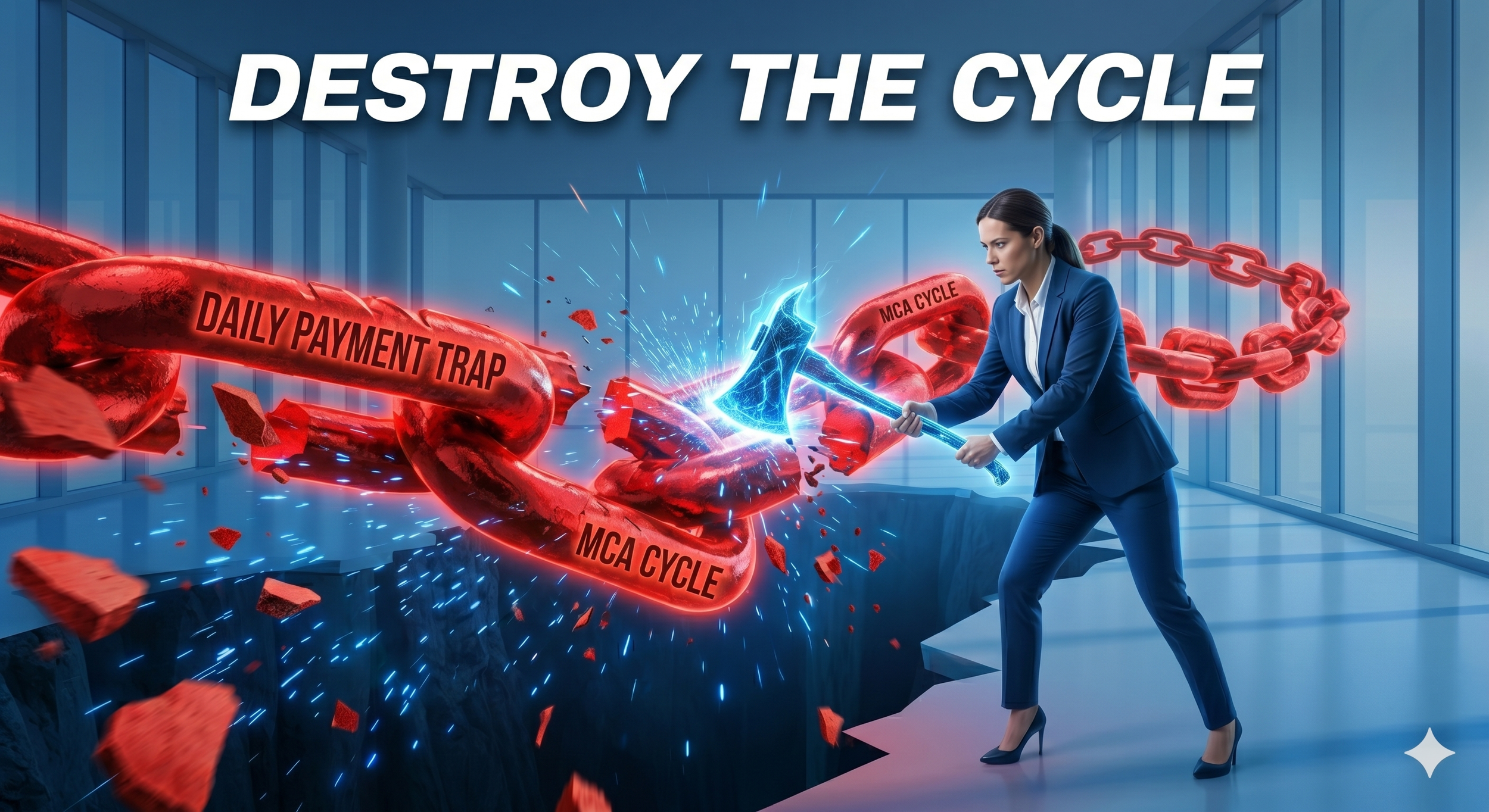
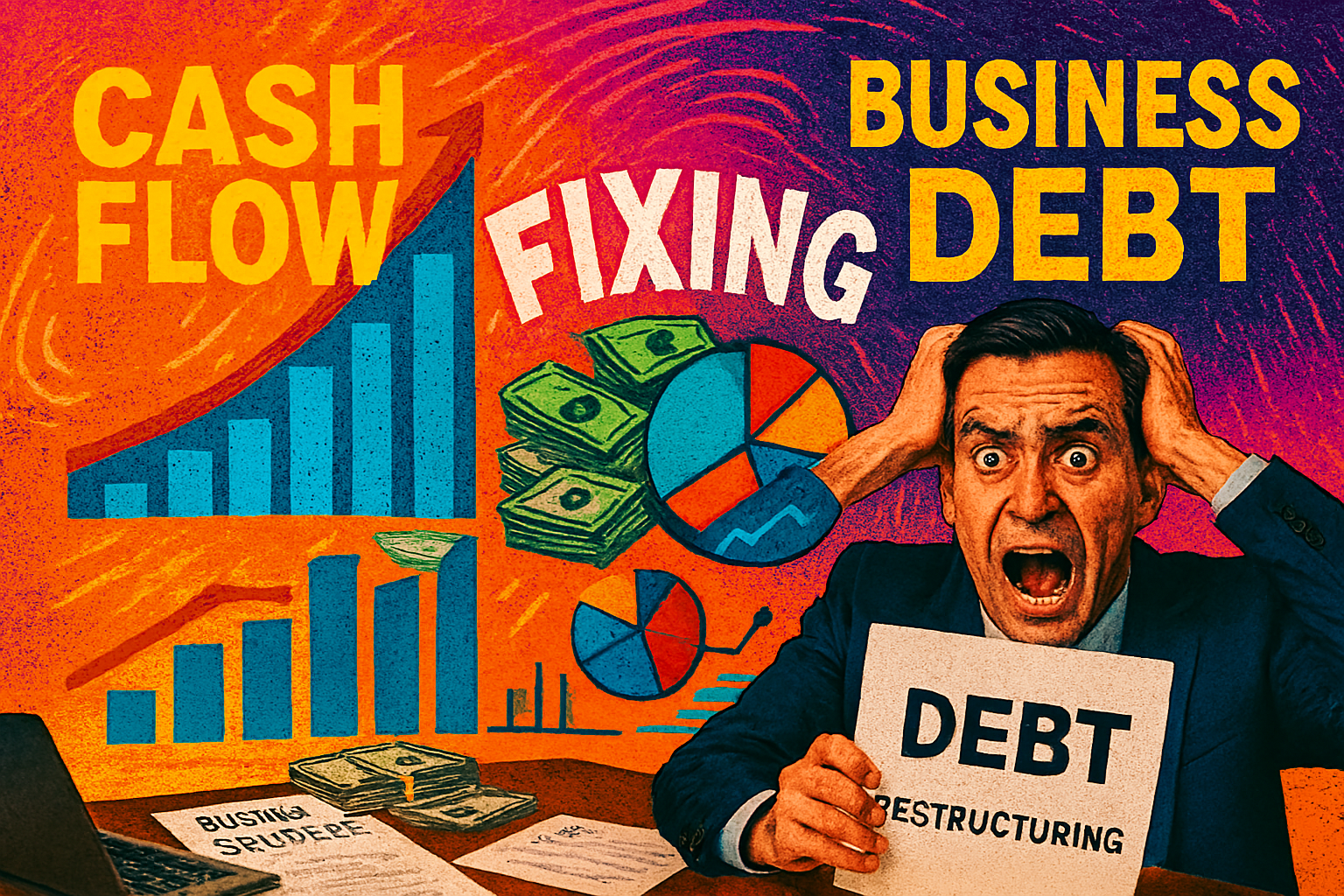
Recognizing the severity of this situation is the first step toward improvement. If your business is currently caught in the cycle of high-cost and short-term payback business debt, the priority must shift immediately toward restructuring the existing business debt by extending terms with creditors, and looking towards a refinance transaction to exit this burden.
This is not just a financial necessity; it is a strategic imperative for survival. Continuing on the current path guarantees a loss of market share and a decline in business value.
The goal is to stop the bleeding. This may involve seeking out legitimate debt consolidation through traditional financing with private credit providers and investment banks, negotiating mutually with existing creditors, or aggressively liquidating non-core assets to pay down business debt principal.
The objective is to “lower” or “retire” business debt payments and free up cash flow—not to spend it, but to reinvest it. Every dollar reclaimed from business debt service must be immediately redirected back into the "Holy Trinity" of growth: Marketing, Hiring, and Product Development.
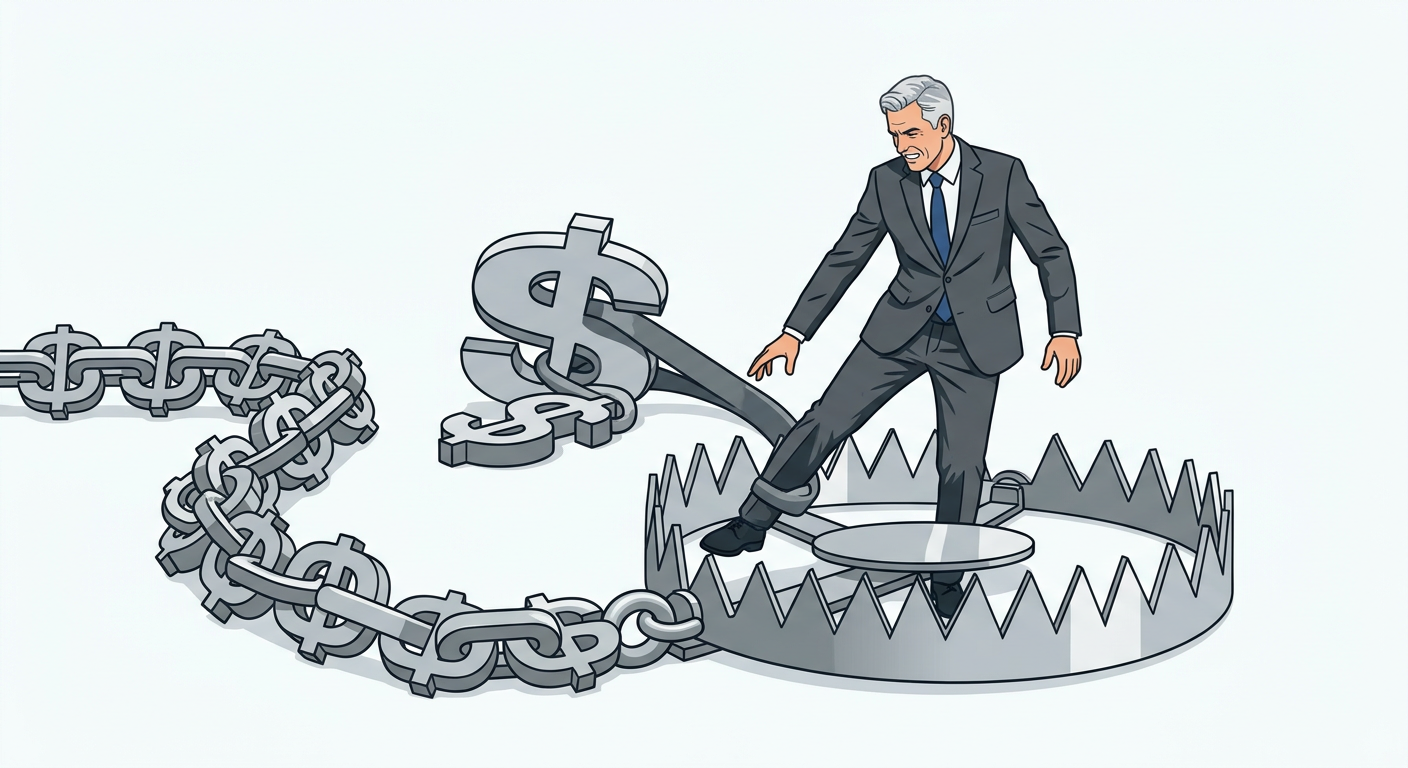
Once you break the chains of exorbitant interest and short-term payback, you will find that the business begins to breathe again. You can re-enter the marketplace with a renewed voice. You can bring on the help you need. You can finally launch that new initiative. The journey from a debt-burdened, shrinking entity to a vibrant, growing competitor is difficult, but it is the only path that leads to long-term success.
You must reclaim your revenue streams and ensure that your hard-earned capital is building your empire, not someone else's. The future of your business depends on ending the era of non-reinvestment and starting the era of strategic growth.
What is the Best Way to Fix Business Debt that is causing Business Cash Flow issues?
It is NOT by stopping ACH payments.
It is NOT by taking on another business loan.
It is NOT ALWAYS a Refinancing
It is NOT by entering into a debt settlement program.
Find out the BEST strategies to get your Business back to where it was

More Business Finance and Strategy Articles: