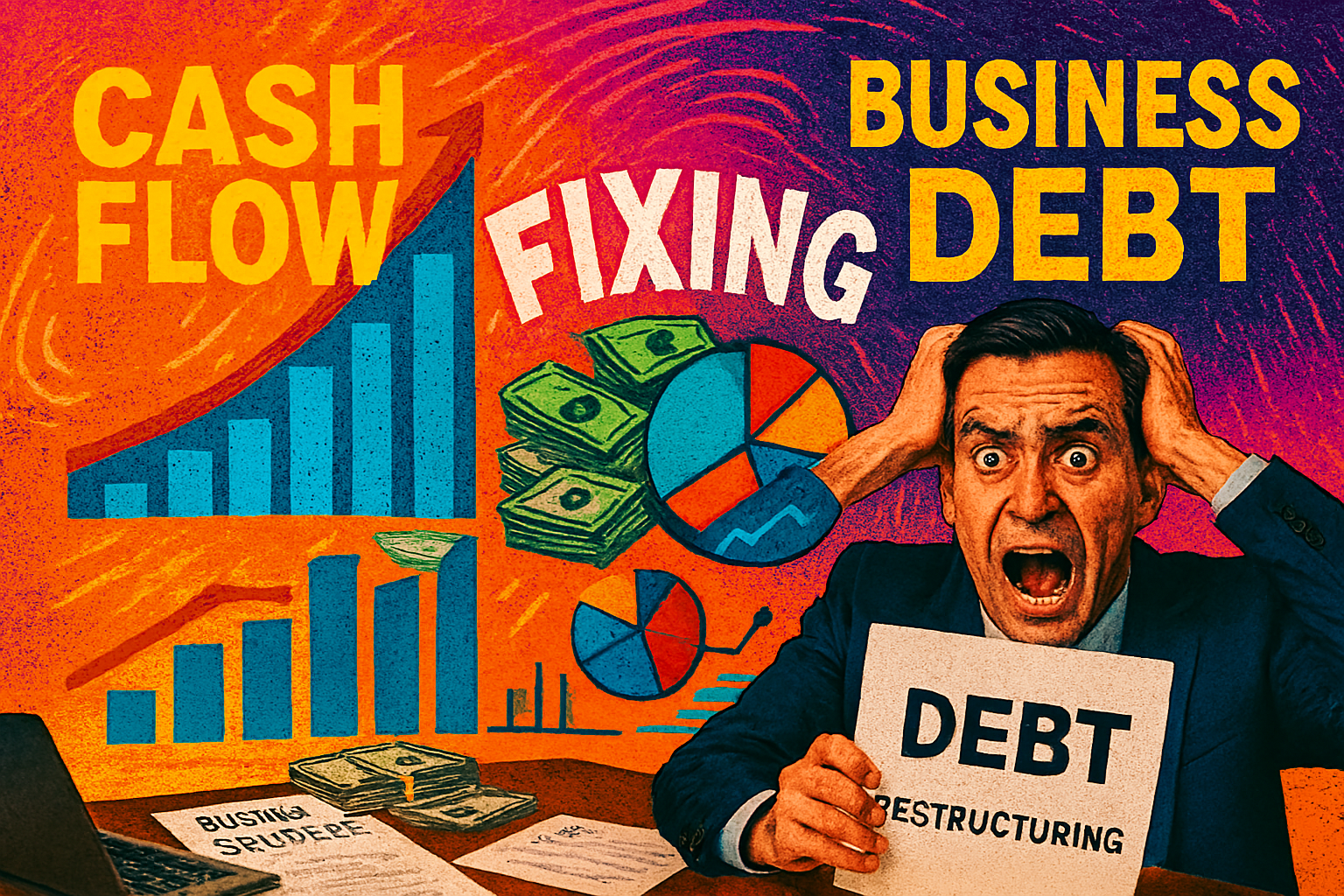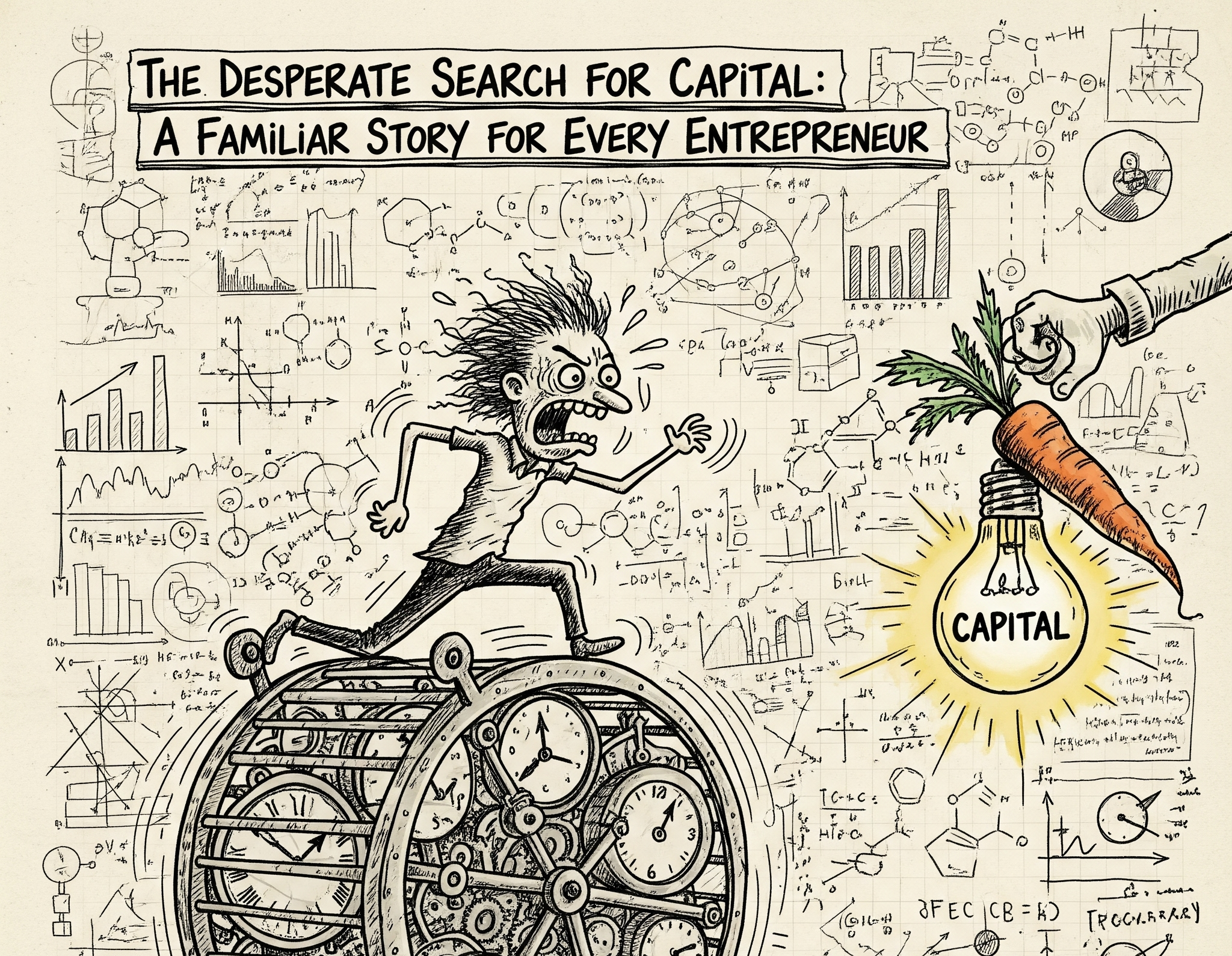
From analyzing the mechanics of short-term versus long-term business financing to weighing the true cost of capital, we provide a strategic roadmap for leveraging business debt to fuel growth rather than choking your business cash flow and operations.
Ultimately, the best scenario is indisputable: long-term, low-cost business debt. It provides the capital necessary for growth without the stranglehold of aggressive repayment. Business owners must resist the emotional urge to clear the books quickly and instead embrace the strategic advantage of amortization.
By keeping cash in the business rather than sending it to the lender, the owner retains the power to steer the company through uncertainty and toward long-term prosperity.
This article challenges the traditional "debt-free" dogma by examining the critical relationship between business loan terms and business operational survival. We will explore why extending your business debt payback period, even at the cost of more total interest paid over the long run, is often the superior strategy for maintaining a healthy business cash flow.
The Cash Flow Conundrum in Modern Business Finance
Every business owner eventually faces the same fundamental tension between the desire to be debt-free and the necessity of maintaining liquidity. It is a psychological and financial battleground where traditional personal finance advice often clashes with sophisticated corporate finance strategy.
When you take out a loan, the immediate instinct is often to pay it back as quickly as possible to "get it over with" and reduce the total interest paid. However, in the context of business operations, this instinct can be perilous. Cash flow is the oxygen of any enterprise; without it, the business suffocates, regardless of how profitable it might appear on paper.
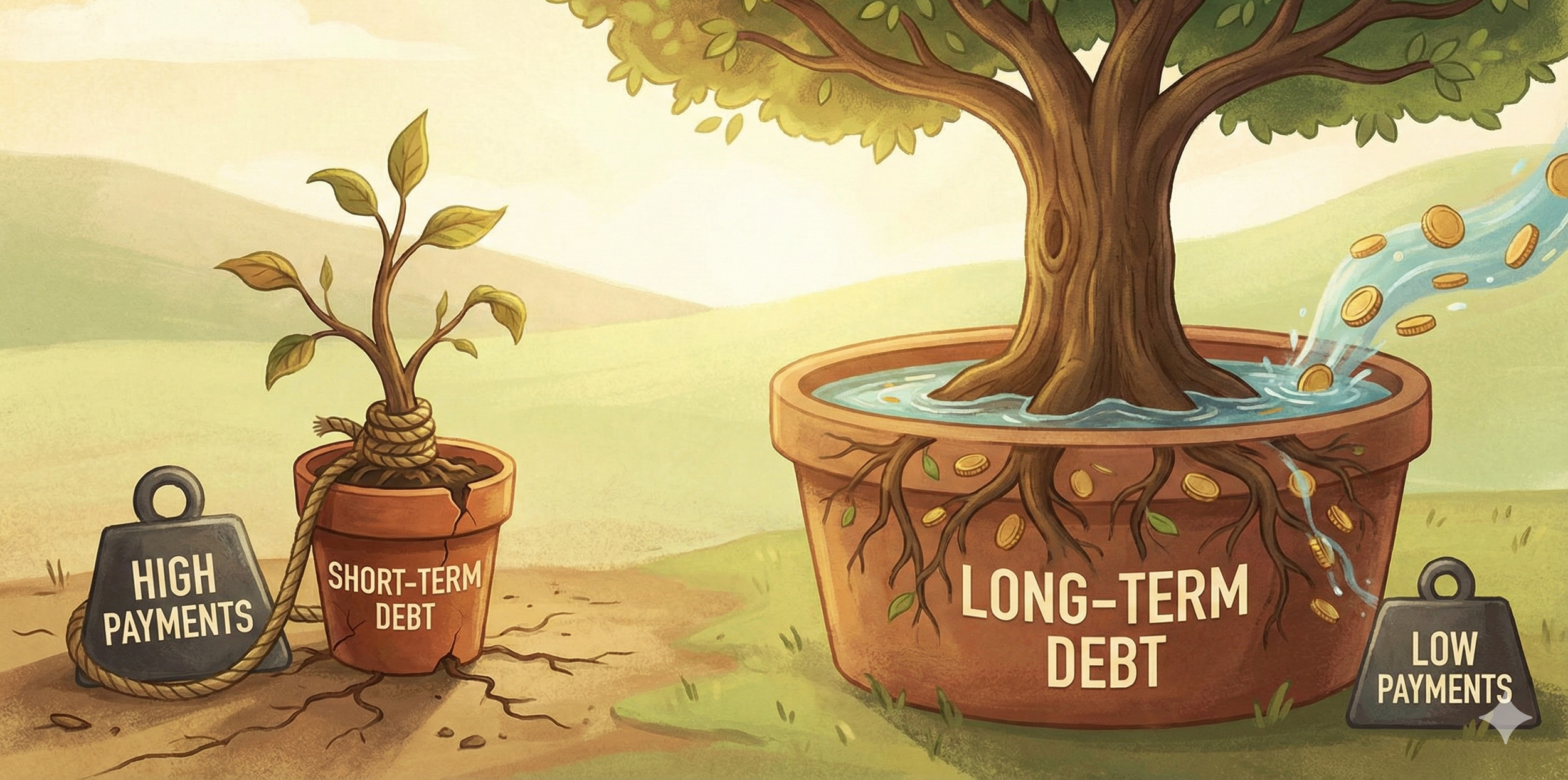
The structure of your business debt, specifically the amortization period or the length of time you have to pay it back, is often more critical to your survival than the interest rate itself. A loan with a short repayment window, such as 12 to 24-months, demands aggressive monthly or weekly cash outlays that strip the business of its working capital and liquidity.
Conversely, a loan stretched over ten years drastically reduces the monthly obligation, leaving more cash in the bank to weather storms, invest in growth, or cover payroll during seasonal dips. This section sets the stage for a critical analysis of why prioritizing cash preservation through longer loan terms is generally the superior strategy for sustainable growth.
We must shift the focus from the total cost of funds to the monthly cost of survival. While it is true that a sometimes a longer loan term results in higher total cost of capital over the life of the loan, the safety and flexibility provided by lower monthly payments are often worth that premium.
This article will dissect the mechanics of short-term versus long-term debt, analyze the true cost of capital, and demonstrate why the "holy grail" of business financing is securing capital that is both long-term and low-cost.
The Psychological Trap of Aggressive Business Debt Repayment
There is a distinct emotional weight to carrying business debt. For many entrepreneurs, business debt feels like a leash, restricting freedom and inducing stress. This emotional response drives many owners to opt for shorter loan terms or to prepay existing debt aggressively. They believe that by eliminating the liability, they are de-risking the business.
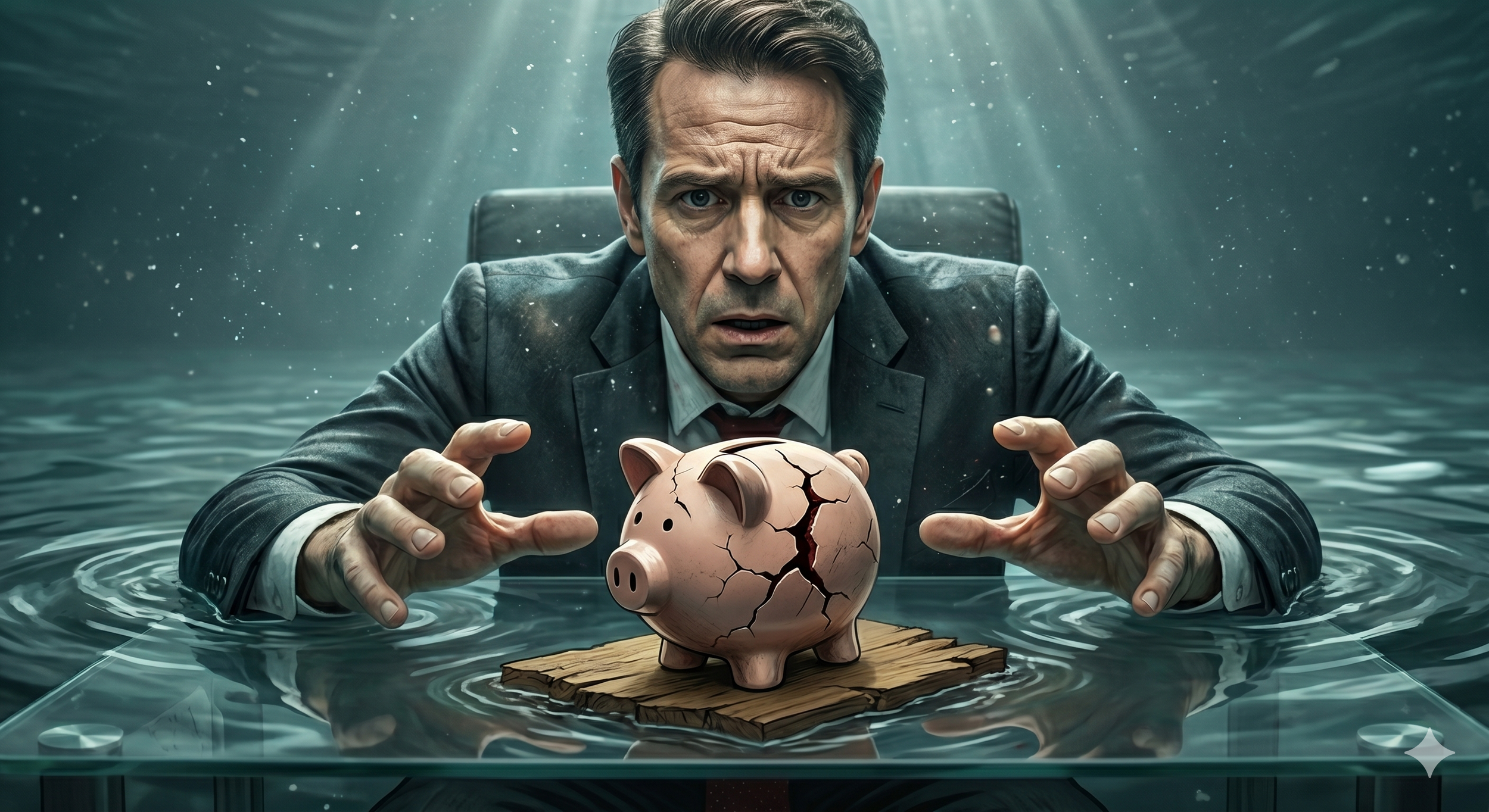
However, this view fails to account for the risk of illiquidity. By rushing to send cash back to the lender, the business owner is voluntarily depleting their own cash (liquidity) reserves. In a volatile economy, cash in the bank is the ultimate hedge against uncertainty.
When an owner prioritizes rapid repayment, they are essentially betting that nothing will go wrong in the near future. They are assuming that sales will remain consistent, that no equipment will break, and that no global events will disrupt their supply chain. If any of these negative variables occur while the business is cash-poor due to aggressive debt service, the business becomes vulnerable to insolvency.
Therefore, the psychological comfort of being "debt-free" creates a false sense of security. True security in business comes from having ample cash reserves to handle the unexpected, even if that means carrying a liability on the balance sheet for a longer duration.
We must distinguish between "good business debt" (useful) and "bad business debt" (harmful) not by the existence of the business debt itself, but by how it affects the company's operations, cash flow and liquidity. Business debt that chokes the operating account is bad, regardless of the interest rate.
Business debt that sits quietly in the background, requiring only a small fraction of monthly revenue to service, is a powerful tool for leverage. Overcoming the psychological need to pay off loans quickly is the first step toward financial maturity and operational resilience.
The Mechanics and Dangers of Short-Term Business Debt
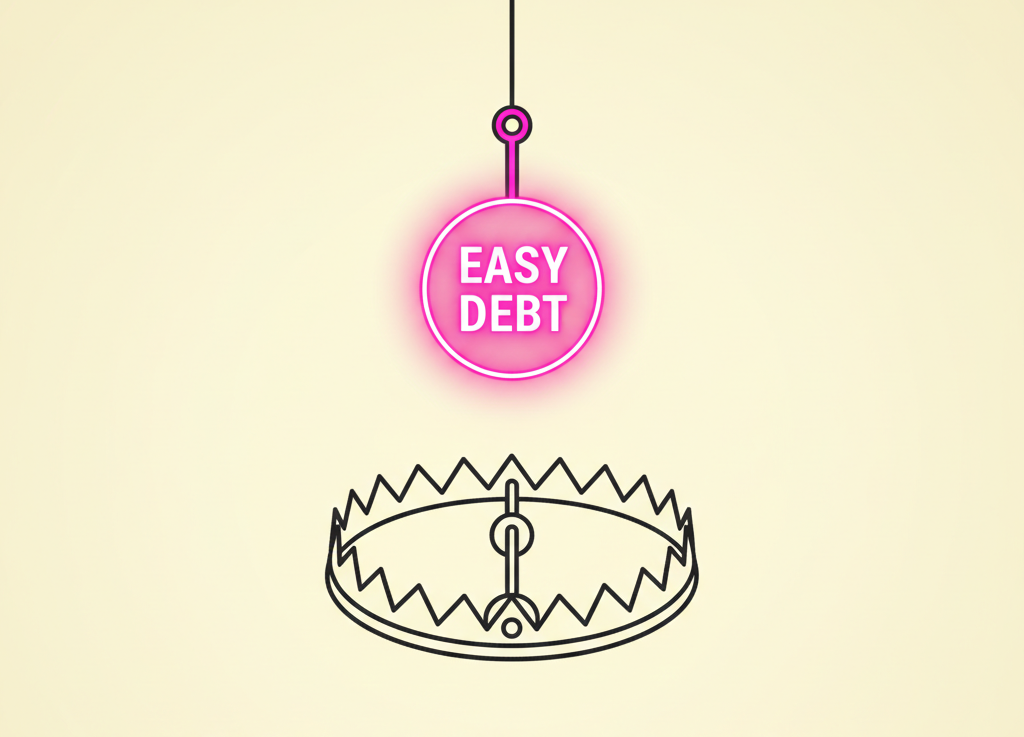
Short-term business debt, typically defined as financing that must be repaid in less than 24-months, acts as a vacuum on a company's cash flow. These business financial products often take the form of merchant cash advances (MCAs), short-term working capital loans, or bridge financing. The allure of these products is usually speed; lenders can fund these loans in a matter of days because they are less concerned with the long-term viability of the business and more concerned with the immediate cash flow they can skim from daily, weekly and monthly deposits.
The math behind short-term debt is punishing. To repay a significant principal amount in such a condensed timeframe, the payments must be extraordinarily high. For example, borrowing $100,000 to be repaid over 12-months requires a monthly outlay of well over $8000, even before factoring in interest or financing costs.
If that same amount were amortized over ten years, the principal portion of the monthly payment would drop to under $1000. This difference is not merely a bookkeeping detail; it is the difference between a business that can hire a new salesperson and one that has to lay off staff to make the short-term business loan payments.
Furthermore, short-term lenders often utilize daily or weekly deduction mechanisms rather than monthly payments. This constant siphoning of funds creates a chaotic cash management environment where the business owner struggles to predict their ending bank balance on any given Friday. This volatility prevents effective planning and forces the owner into a reactive state, constantly shuffling funds to ensure the daily or weekly debits clear. The aggressive nature of short-term business amortization schedules transforms what should be a tool for growth into a monthly emergency.
The Opportunity Cost of Business Capital Outlay
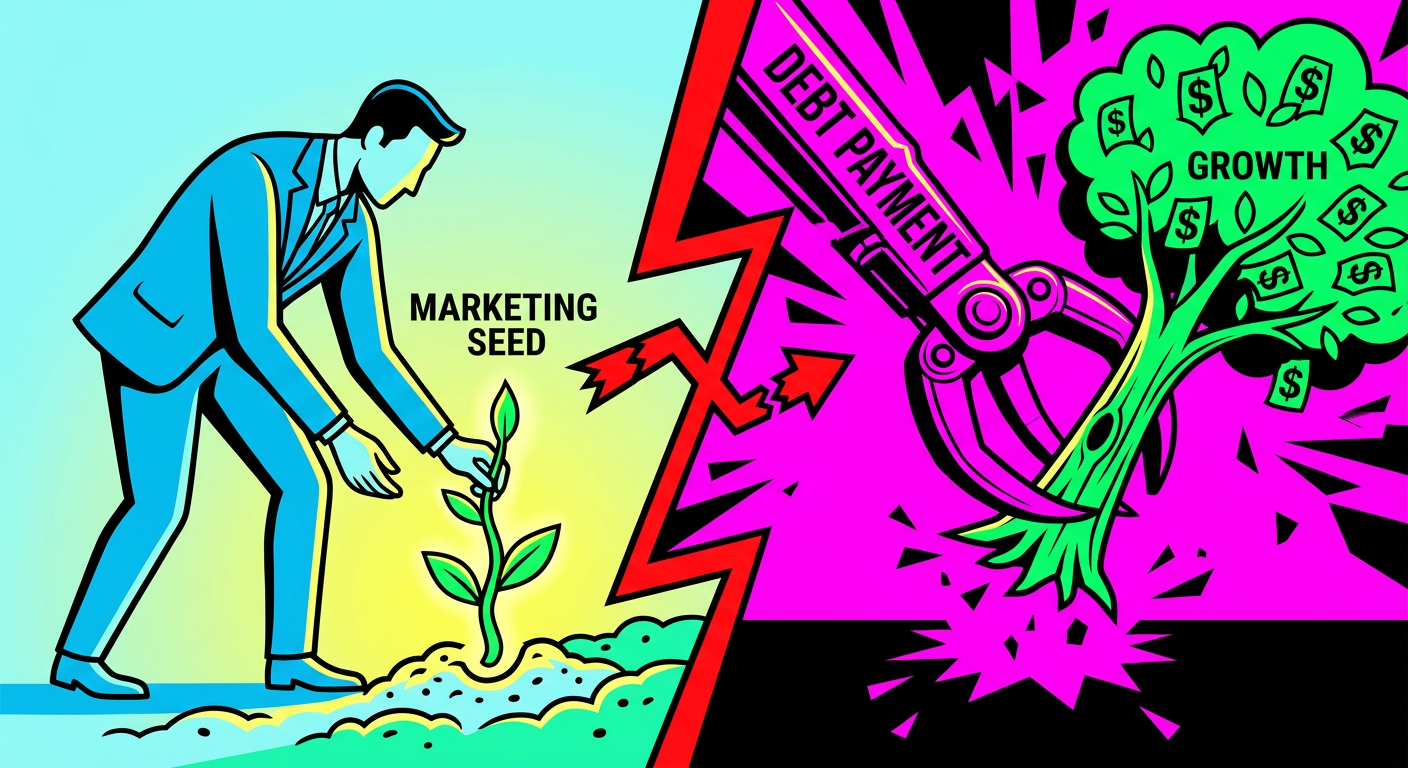
Every dollar sent to a lender is a dollar that cannot be used for other strategic purposes. This is the concept of opportunity cost, and it is the central argument against short-term business debt. When a business is locked into a repayment schedule that consumes a large percentage of its gross revenue, it loses its agility. The business cannot purchase inventory in bulk to secure a discount because the cash is spoken for. It cannot launch a new marketing campaign to acquire customers because the marketing budget has been reallocated to debt service.
The business loses the power of leverage by reducing liquidity in exchange for aggressive business debt payback.
Why would you want to payback a business investment (what you used the business debt for) BEFORE the investment has a chance to return the cost of the investment (principal) and start to generate an internal return for your business?
Consider a scenario where a business has a choice between a two-year loan and a ten-year loan. The two-year loan saves the business money in interest expense, perhaps $20,000 over the life of the loan. However, the high payments of the two-year loan prevent the business from hiring a business development manager who would generate $100,000 in new profit annually. By saving $20,000 in interest, the business has lost $200,000 in potential profit over those 2-years. This is a classic example of stepping over dollars to pick up dimes.
The cost of the capital must be weighed against the return on investment (ROI) of the cash retained. If the business can earn a fifteen percent return on its internal cash by reinvesting in operations, but pays only eight percent interest on a long-term loan, it makes mathematical sense to stretch the loan out as long as possible. By keeping the cash and paying the lower interest rate, the business captures the spread between its internal ROI and the cost of debt.
Aggressive repayment destroys this arbitrage opportunity.
Analyzing the True Cost of Business Capital
When evaluating business debt, operators are often confused by the various metrics used to describe cost: Annual Percentage Rate (APR), factor rates, simple interest, and amortization schedules. In the world of short-term lending, the "cost" is often disguised as a factor rate (e.g., 1.30x), which can seem deceptively low but often translates to an APR exceeding 50% when the short repayment term is factored in. However, even if the APR is high, the more immediate threat is the "cash flow cost."
There is a nuanced trade-off between the percentage rate and the payback period.
A low-interest loan with a very short term can actually be more dangerous to a company's immediate health than a higher-interest loan with a very long term. This is because the short-term loan demands the return of the principal immediately. The "cost of capital" should be viewed not just as the interest expense, but as the "burden on liquidity."
Ideally, a business owner should seek the lowest possible APR, but not at the expense of a viable term. If forced to choose between a 10% interest rate with a 2-year term and a 12% percent interest rate with a 10-year term, the latter is often the safer strategic choice.
The slightly higher interest rate is the price paid for the insurance of liquidity. It is a premium paid to keep cash in the company's control for 8-years longer. Understanding this distinction helps owners look past the headline interest rate and evaluate the loan based on its impact on the company’s monthly budget.
The Power of Business Financing Amortization and Leverage
Amortization is the schedule by which a loan is paid off over time. Lengthening the amortization schedule is the single most effective way to lower monthly business debt service requirements. When a loan is spread over 10 or 25-years, such as with commercial real estate mortgages or SBA 7(a) loans, the principal repayment is diluted to such a degree that it becomes a negligible line item on the cash flow statement. This allows the business to leverage the borrowed capital fully without feeling the immediate pinch of repayment.
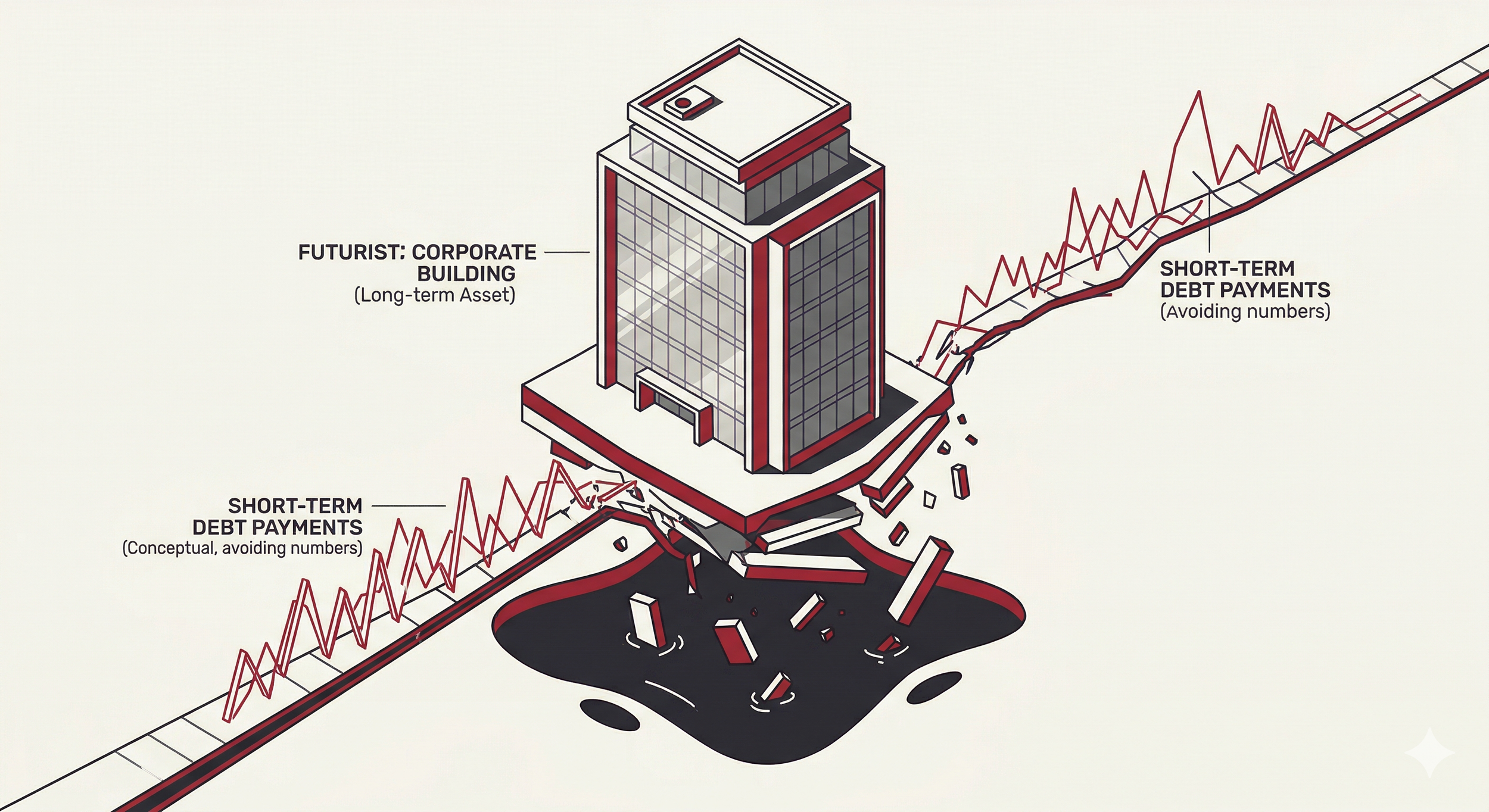
Leverage is the ability to do more with less. By using long-term debt, a business can acquire assets—such as heavy machinery, real estate, or another company—that will generate revenue for decades, while paying for those assets in small increments. The revenue generated by the asset should theoretically exceed the monthly debt service payment, creating positive cash flow from day one. Short-term debt breaks this equation. If the asset has a useful life of 10-years, but the debt must be paid in 2-years, the asset cannot generate enough cash in those first 2-years to cover the payments. The business must then subsidize the asset from other revenue streams, creating a cash flow and liquidity drain.
Long-term amortization aligns the business debt service with the useful life of the investment. It ensures that the asset pays for itself over time. This alignment is crucial for maintaining a healthy business balance sheet. When the business debt term is too short, the liability side of the balance sheet moves faster than the asset side, creating a mismatch that leads to liquidity crises. Extending the payback period corrects this mismatch and restores equilibrium to the financial structure.
Business Risk Management and The Liquidity Buffer
Business is inherently risky. Markets shift, consumer preferences change, and competitors emerge. In this unpredictable environment, a liquidity buffer is the primary defense mechanism. A business with substantial cash reserves can pivot, retool, and survive a downturn. A business that is "cash poor" because it is aggressively paying down debt has no margin for error. If revenue drops by twenty percent, the business with high fixed debt payments faces immediate default.
Long-term business debt acts as a risk management tool by minimizing fixed obligations. By keeping the required monthly payment low, the business lowers its "break-even point"—the amount of revenue required to cover all expenses. A lower break-even point makes the business more resilient to recession. It allows the business to remain profitable—or at least solvent—at lower revenue levels.
Furthermore, in the event of a severe crisis, it is easier to prepay a long-term loan than it is to extend a short-term loan. If a business has a ten-year loan and finds itself flush with cash, it can usually choose to pay down the principal (prepayment penalties notwithstanding).
However, if a business has a short-term loan and runs out of cash, convincing the lender to extend the term is often impossible. The lender will likely demand payment or proceed with liquidation attempts. Therefore, opting for the long term initially provides the option value of prepayment later, whereas opting for the short term eliminates options entirely.
The Unicorn Scenario: Long Term and Low Cost
While we have weighed the pros and cons of rate versus term, the ultimate goal for any business owner is to secure financing that offers the best of both worlds: a long amortization period and a low cost of capital. This scenario is most commonly found in government-backed lending programs, such as the Small Business Administration (SBA) 7(a) or 504 loan programs in the United States, or through private business credit fund term loans, lines of credit and asset-backed financing facilities, secured by strong collateral.
In this "best-case" scenario, the business borrows money at a rate that is only a few percentage points above the prime rate, and the repayment is stretched over 2, 3, 5, 10 or even 25 to 30-year amortization (principal payback and expected cost schedule).
This structure minimizes the cash flow impact to the absolute lowest possible level. The low interest rate ensures that the total cost of borrowing is manageable, while the long term ensures that the monthly payments are a fraction of the business's available cash and cash flow. This type of business debt is accretive to the value of the business; it adds value by allowing for investment at a cost lower than the return on equity.
Securing this type of financing requires preparation. It requires clean and flawless financial statements, strong operator character, a strong credit history, and often, patience during the underwriting process.
Unlike the high-cost, short-term lenders who fund in twenty-four hours, "unicorn" lenders perform deep due diligence. However, the effort is justified. Transitioning a business's debt portfolio from short-term, high-interest products to long-term, low-interest instruments is often the turning point that allows a small business to scale into a medium or large enterprise.
And sometimes, it just means survival!
Strategic Business Refinancing and Business Restructuring
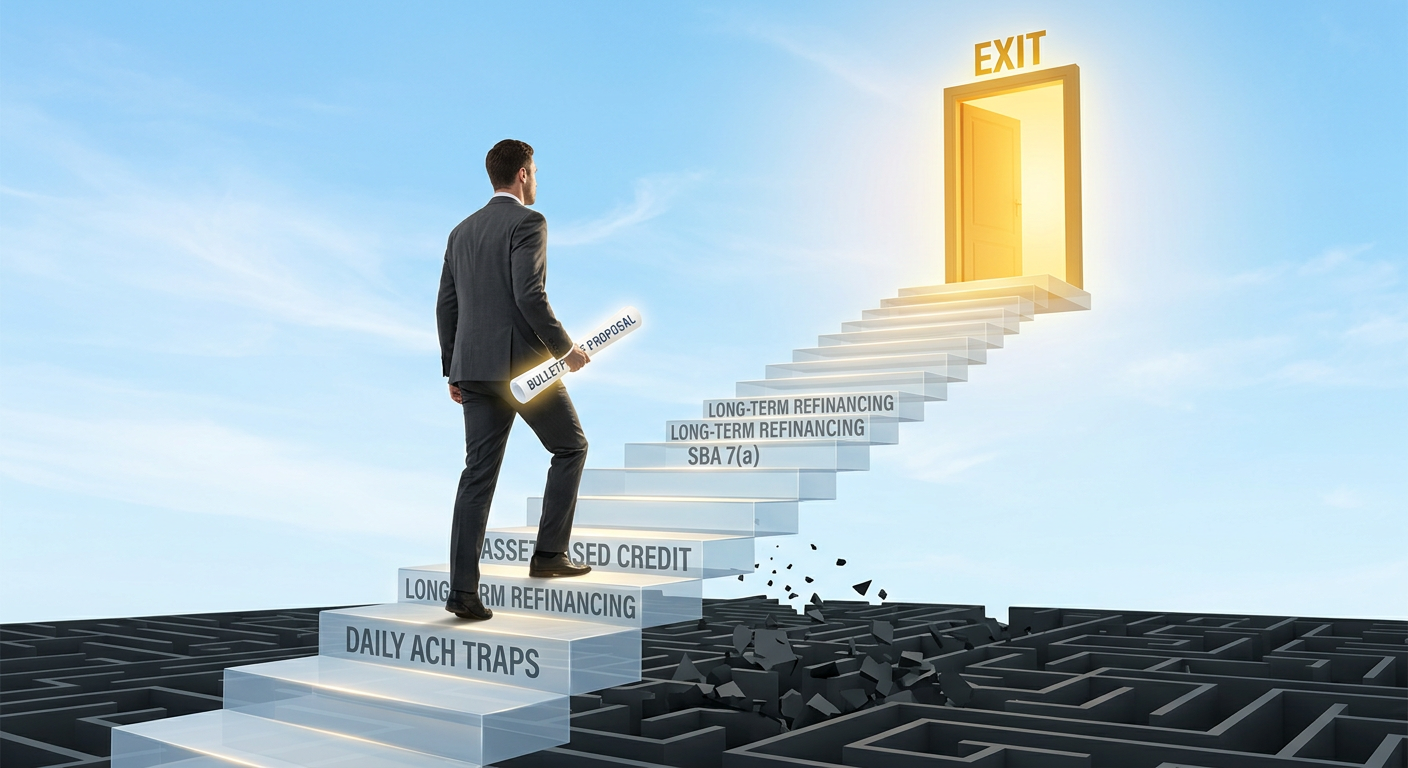
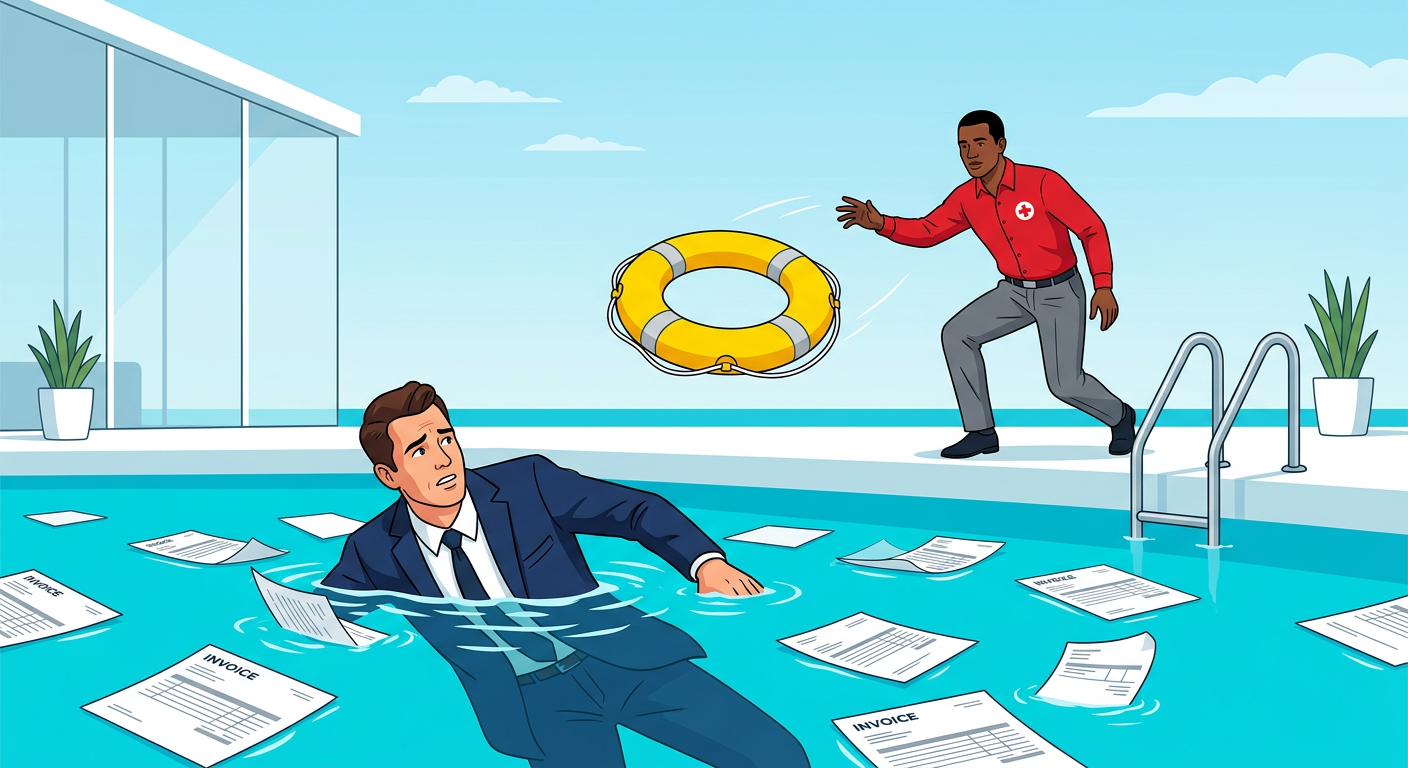
For business owners currently trapped in the cycle of short-term business debt, the path forward involves strategic business refinancing. It is common for businesses to utilize expensive short-term bridge loans to solve an immediate problem, but it is a mistake to rely on them permanently. The goal should always be to refinance that business debt into a longer-term facility as soon as the business qualifies. This process, often called "term out," converts the high-pressure, short-term liability into a manageable long-term note.
Refinancing requires a clear narrative. The business owner must approach a SBA lender or a private credit fund through a business finance advisor, and demonstrate that the high-interest debt was used for a valid purpose and that the business has the cash flow to support a longer term and lower cost loan or financing.
The refinance immediately improves the company's cash flow and liquidity position. For example, refinancing a $50,000 balance that is being paid at $5000 a month into a loan where the payment is only $800 a month instantly frees up $4200 dollars in monthly working capital.
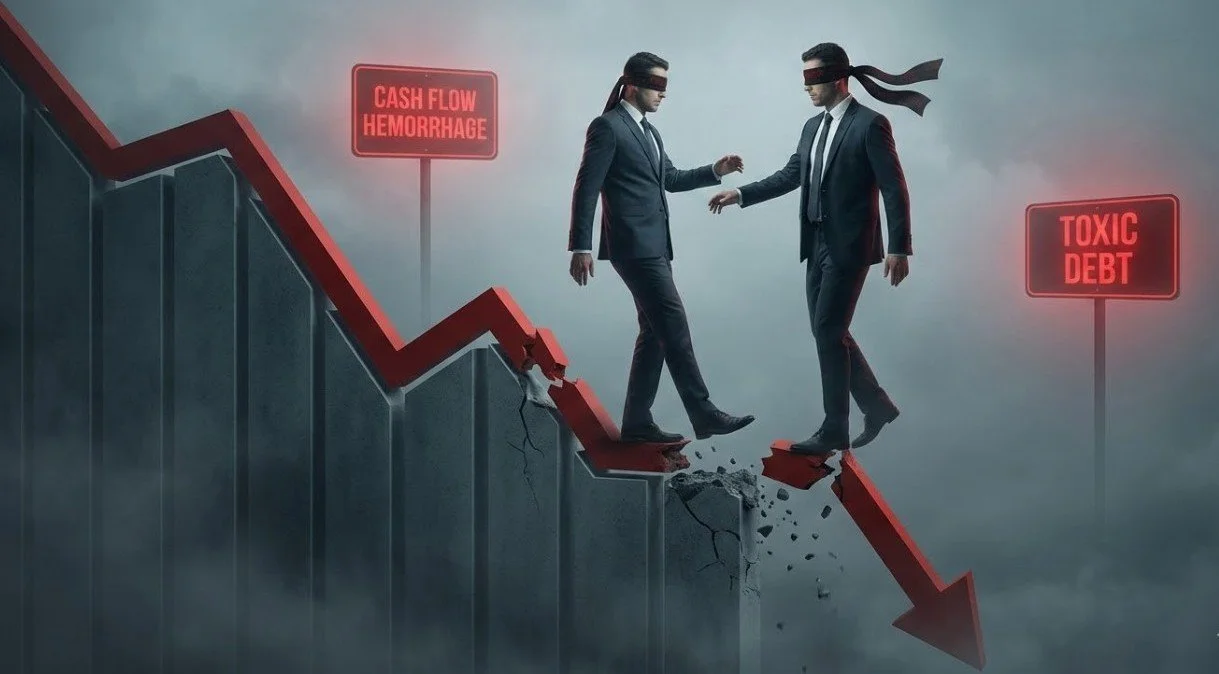
This strategy treats short-term debt as a temporary stepping stone, not a permanent foundation. Owners must be vigilant about their credit profile and business financial ratios to ensuring they remain eligible for this type of business financial restructuring. The danger lies in stacking short-term loans—taking a second high-interest loan to pay the first—which leads to a business debt spiral. Instead, the focus must be on consolidation and extension. Every business financial move should be aimed at pushing the maturity date of the business debt further into the future.
Conclusion: Prioritizing Sustainability Over Speed
In the final analysis on this topic for now, the management of business debt is an exercise in sustainability. The obsession with speed—both in obtaining the loan and in paying it back—is the enemy of stability.
A business is a long-term endeavor, and its financing should reflect that timeline.
While the idea of being debt-free is attractive, the reality of the marketplace demands liquidity. The ability to meet payroll, buy inventory, and handle emergencies is predicated on having cash in the bank, not on having a zero balance on a loan statement.
The most robust financial structure for a business involves securing capital that allows the business to breathe on a cash flow and debt service basis. By prioritizing the longest possible payback period, the owner minimizes the monthly cash outlay, thereby maximizing the "safety margin" of the operation. While the total cost of interest may be higher over the decade, this cost is a valid business expense paid for the privilege of stability and risk reduction.
How valuable is your business cash flow and business liquidity?
What is the Best Way to Deal with Business Debt Payments that are causing Business Cash Flow issues?
It is NOT by stopping ACH payments.
It is NOT by taking on another business loan.
It is NOT ALWAYS a Refinancing
It is NOT by entering into a debt settlement program.
Find out the BEST strategies to get your Business back to where it was

More Business Finance and Strategy Articles: