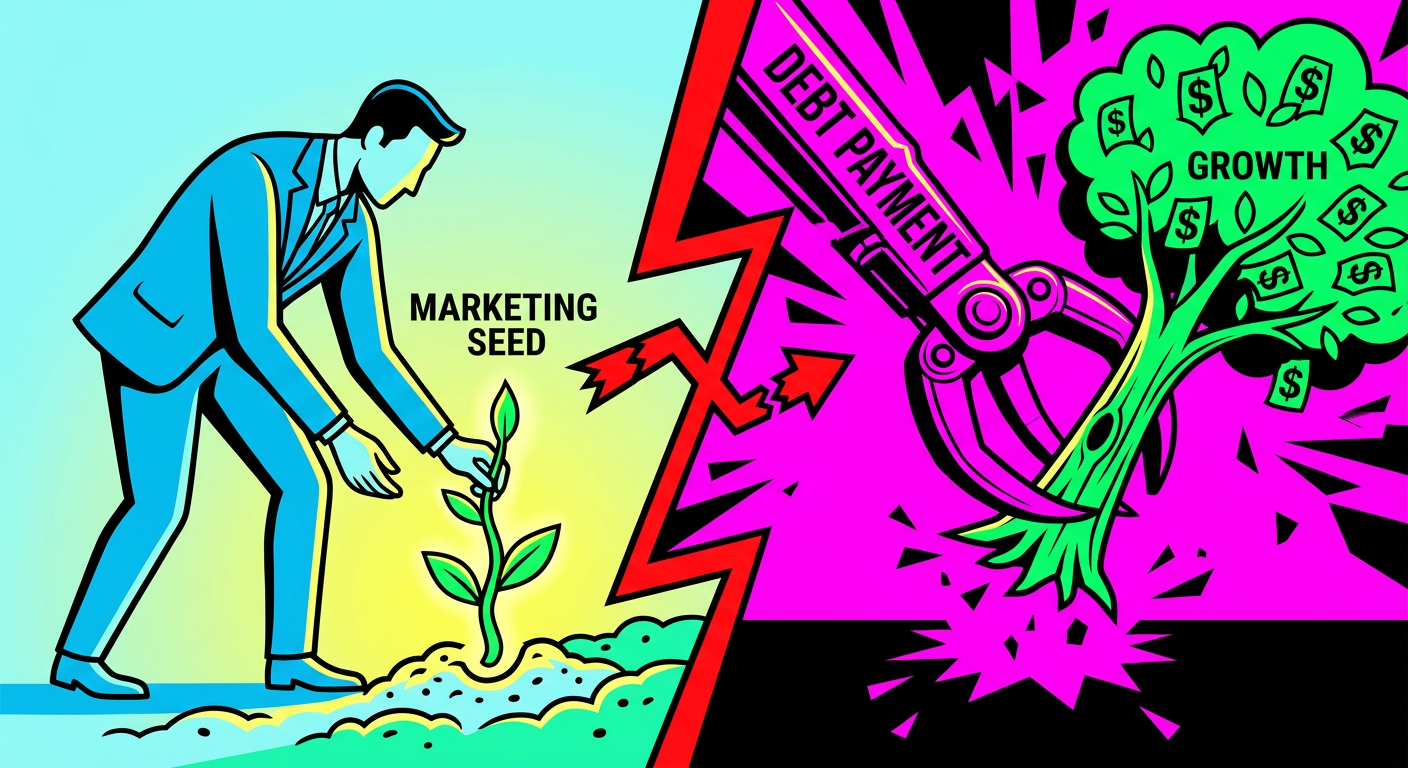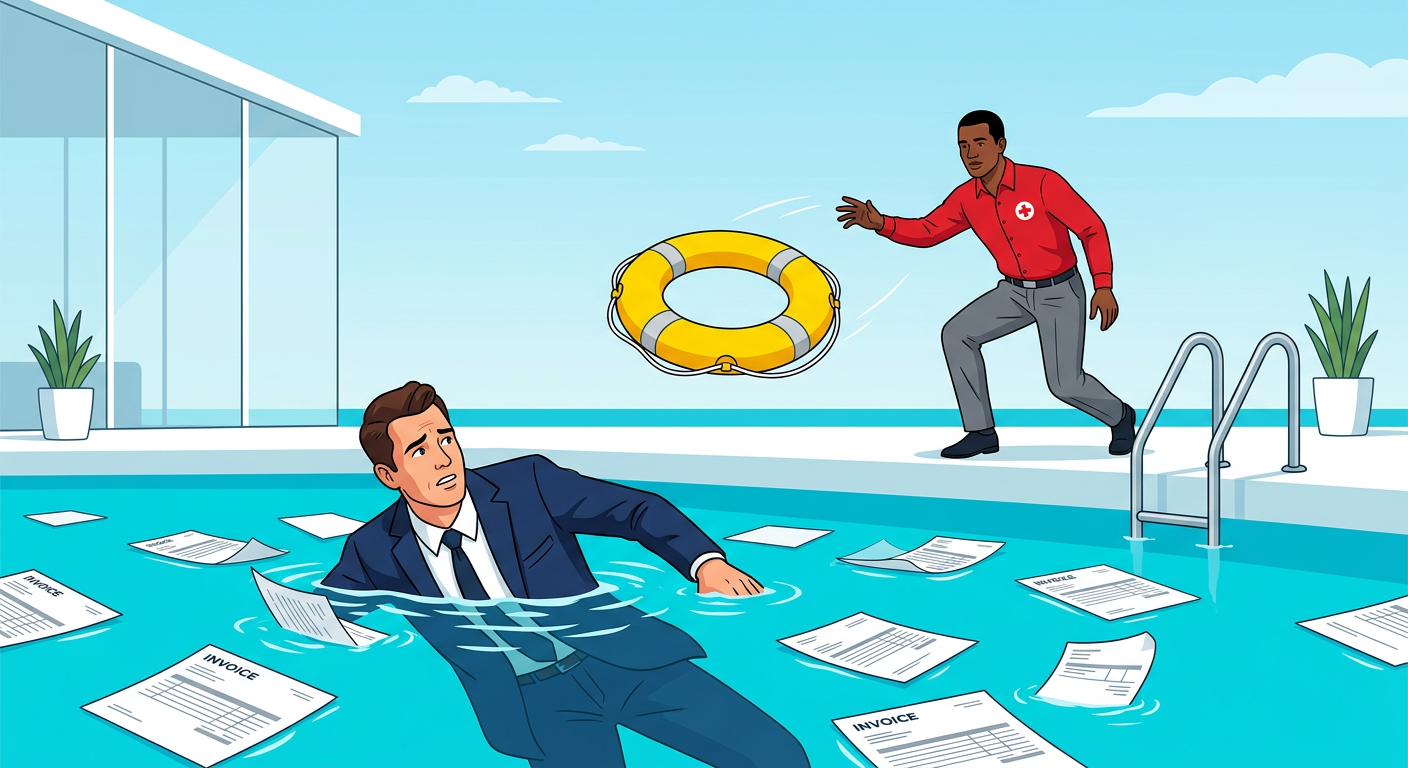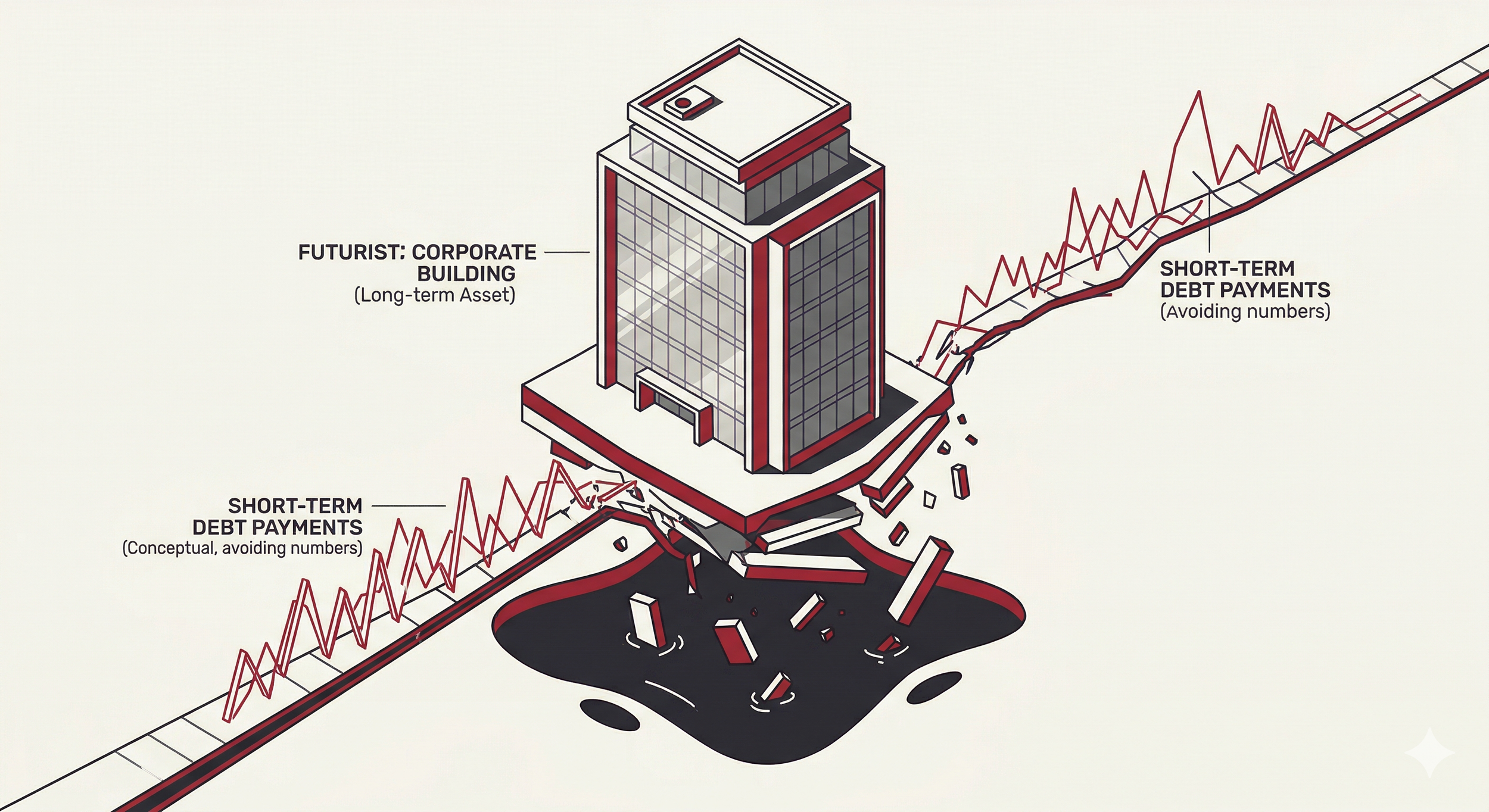
Once a business falls into a cycle where a significant portion of daily or weekly revenue is diverted to business debt service payments (principal and interest), the result is a catastrophic erosion of business liquidity. Operating in a state of negative liquidity—where current liabilities exceed liquid assets—stifles innovation, damages vendor relationships, and ultimately threatens the solvency of the enterprise.
This article outlines a comprehensive, multi-phase strategy for breaking the high-interest debt cycle, restoring positive cash flow, and rebuilding a sustainable capital structure.
Phase I: The Financial Forensic Audit
The first step in recovery is not action, but clarity. You cannot fix what you have not accurately measured. A business in a debt spiral often lacks a "single source of truth" regarding its total obligations.
The Debt Inventory
A recovery begins with a granular accounting of every liability. For each debt, the advisory team must document:
● The Effective APR: Many short-term loans use "factor rates" (e.g., 1.49x) instead of annual percentages. Converting these to a standardized APR reveals the true cost of capital, which often exceeds 40% to 100%.
● The Daily/Weekly Burn: Calculate the exact amount of cash leaving the business on a recurring basis.
● Collateral and Covenants: Identify which assets are "pledged" (e.g., blanket UCC liens on all business assets or personal guarantees).
Liquidity Gap Analysis
Next, perform a forward-looking cash flow forecast. Unlike standard accounting, this must be a 13-week Rolling Cash Flow Forecast. This timeline is short enough to be accurate but long enough to identify upcoming "cliffs" where cash reserves will hit zero.
Note: Negative liquidity is not just a balance sheet issue; it is a timing issue. If your inflows are monthly or bi-monthly but your business debt service is weekly or even daily, you are functionally insolvent despite having a profitable business model.
Phase II: Strategic Debt Intervention
Once the data is clear, the objective shifts to halting the bleeding. This involves moving from passive repayment to active restructuring.
Refinancing vs. Restructuring
It is critical to understand the distinction between these two maneuvers:
● Refinancing: This is the ideal scenario. You replace high-interest debt with a new, lower-interest loan (e.g., an SBA 7(a) loan or a traditional bank term loan or private credit investment fund credit facility). This requires a relatively healthy credit profile and sufficient collateral.
● Restructuring: This is a "workout" scenario for distressed firms. It involves renegotiating the terms of existing contracts. This may include extending the maturity date, reducing the interest rate, or securing a "forbearance" period where only interest is paid.
The Debt Amortization Method
With a focus on preservation of business cash flow, the most effective way to eliminate business debt and improve cash flow and liquidity, is to prioritize paying off the shortest payback period (amortization) on your balance sheet, and/or the highest dollar-value payment. Would you rather pay a “few points” more on a loan and have 2 or 3-years to pay it back, or save a “point or two” but pay the business loan back in 1-year?
Phase III: Operational Efficiency and Liquidity Injection
Breaking the business debt cycle requires more than just moving numbers around a balance sheet; it requires fundamental changes to how the business generates and retains cash.
Accelerating Accounts Receivable (AR)
In a liquidity crisis, your AR is your lifeblood.
● Incentivize Speed: Offer a 2% discount for payments made within 10 days
● Automate Collections: Reduce the "days sales outstanding" (DSO) by using automated reminders and electronic payment portals.
● Invoice Factoring: As a temporary measure, selling your invoices to a factor can provide immediate liquidity, though this should be used cautiously as it carries its own cost of capital.
Extending Accounts Payable (AP)
Simultaneously, you must slow down cash outflows.
● Negotiate Terms: Request an extension from Net 30, 60 or 90 with key suppliers. Long-term vendors are often willing to support a restructuring plan if they believe it ensures the business's long-term survival and increases their likelihood of collection
Inventory Optimization: Liquidate slow-moving inventory at a discount. In a business debt crisis, cash in the bank is worth more than margin on the shelf.
Phase IV: Structural Capital Re-alignment
After stabilizing the immediate business cash flow, the business must build a "liquidity buffer" to prevent a relapse into high-interest borrowing.
Asset-Based Lending (ABL)
If the business has significant machinery, real estate, or high-quality receivables, an ABL facility can provide a revolving line of credit that is much cheaper than unsecured debt. The interest rates are typically tied to the Prime Rate or SOFR, offering a sustainable way to manage seasonal fluctuations.
Equity Infusion or Debt-for-Equity Swaps
In cases where the business debt burden is unsustainable regardless of restructuring, an equity play may be necessary. This could involve:
● Bringing in a Private Equity partner: Trading ownership for a capital injection to wipe out high-interest debt.
Debt-for-Equity Swaps: Negotiating with major creditors to convert a portion of their debt into an ownership stake in the company. This instantly improves the debt-to-equity ratio and eliminates the associated interest expense.
Phase V: Long-Term Financial Health and Resilience
The final stage of the advisory process is establishing the "guardrails" that increases the chances in the future that the business never returns to the high-interest debt cycle.
Building a Liquidity Buffer
Establish a policy of maintaining a "Cash Reserve" equal to 3–6 months of operating expenses. This fund should be held in high-quality liquid assets that are easily accessible but separate from daily operating accounts.
Establishing Primary Bank Relationships
Move away from "fintech" or cash flow lenders and high-cost alternative providers. By maintaining all deposits, payroll, and merchant services with a single Tier-1 or Tier-2 bank, the business builds a "relationship credit" profile that makes it easier to secure traditional financing in the future if the enterprise were to grow large enough.
Continuous Monitoring of Key Metrics
The leadership team must move from looking at the "Bank Balance" to monitoring sophisticated KPIs:
● Current Ratio: (Aim for > 1.5)
● Quick Ratio: (Aim for > 1.0)
● Debt Service Coverage Ratio (DSCR): (traditional lenders typically look for > 1.25; private credit lenders typically look for 0.6 to 1.0 DSCR)
The Path Forward
Breaking a high-interest debt cycle is a marathon, not a sprint. It requires a disciplined combination of forensic accounting, aggressive negotiation, and operational tightening. By following this roadmap, a business can transition from a state of "survival mode" to one of strategic growth and long-term financial stability.
What is the Best Way to Fix Business Debt that is causing Business Cash Flow issues?
It is NOT by stopping ACH payments.
It is NOT by taking on another business loan.
It is NOT ALWAYS a Refinancing
It is NOT by entering into a debt settlement program.
Find out the BEST strategies to get your Business back to where it was

More Business Finance and Strategy Articles: