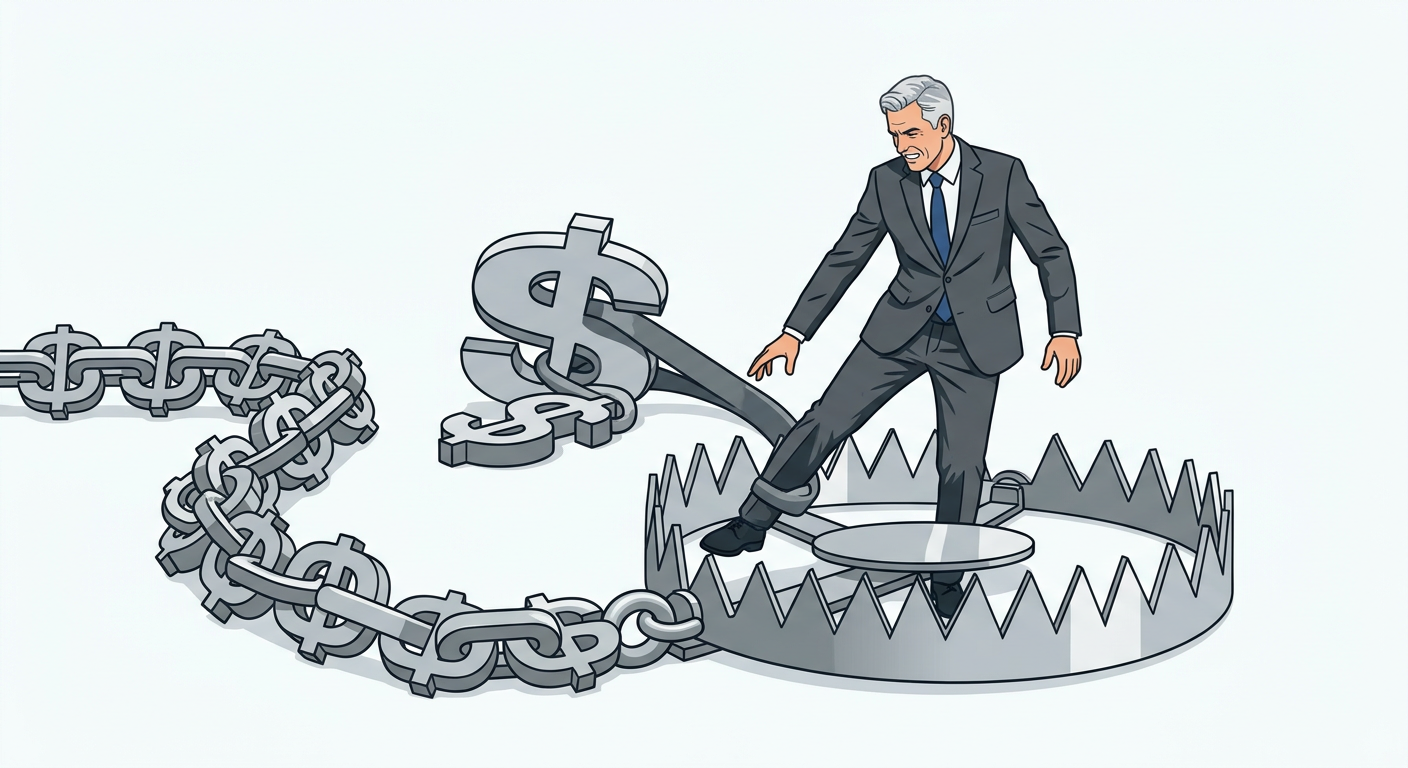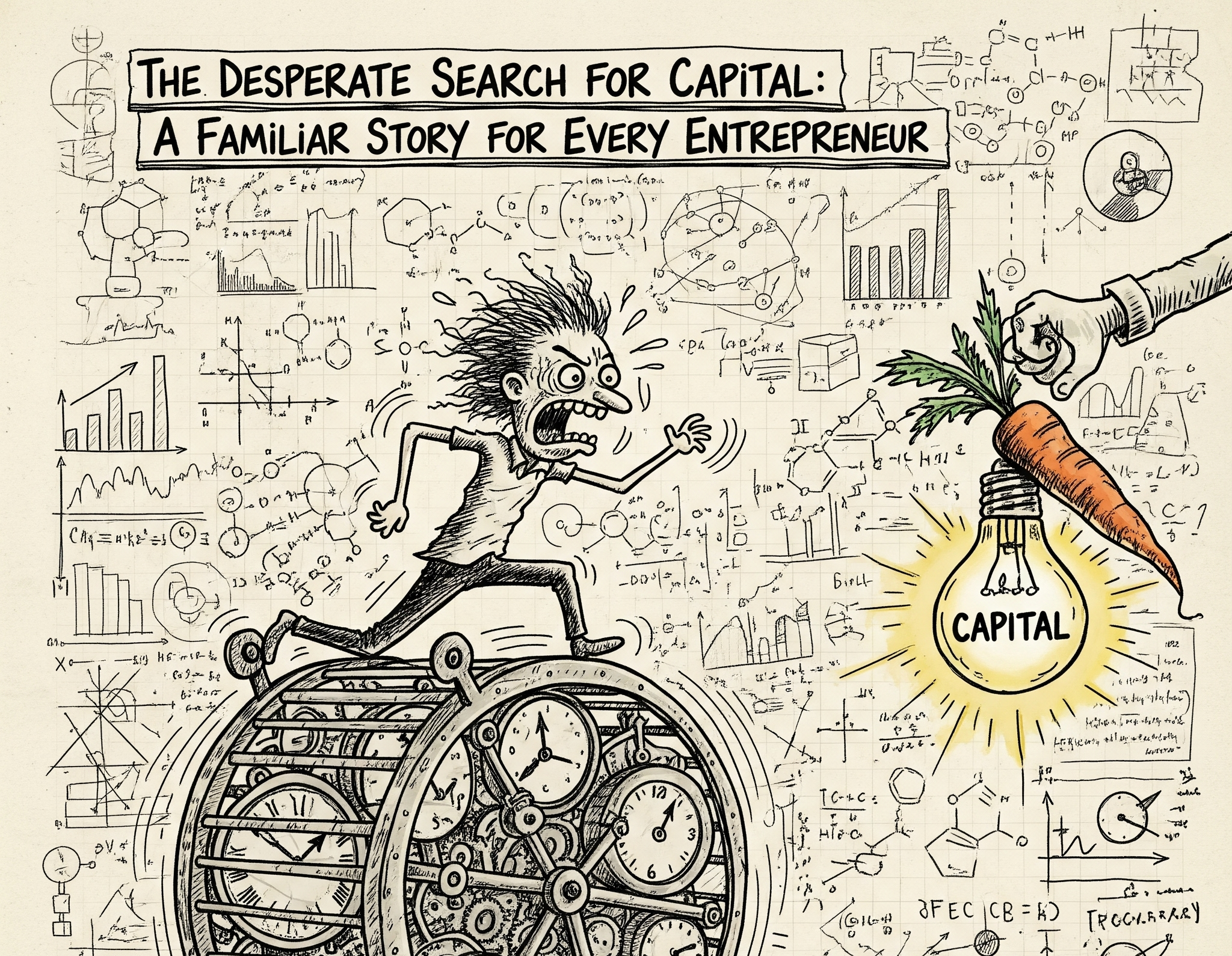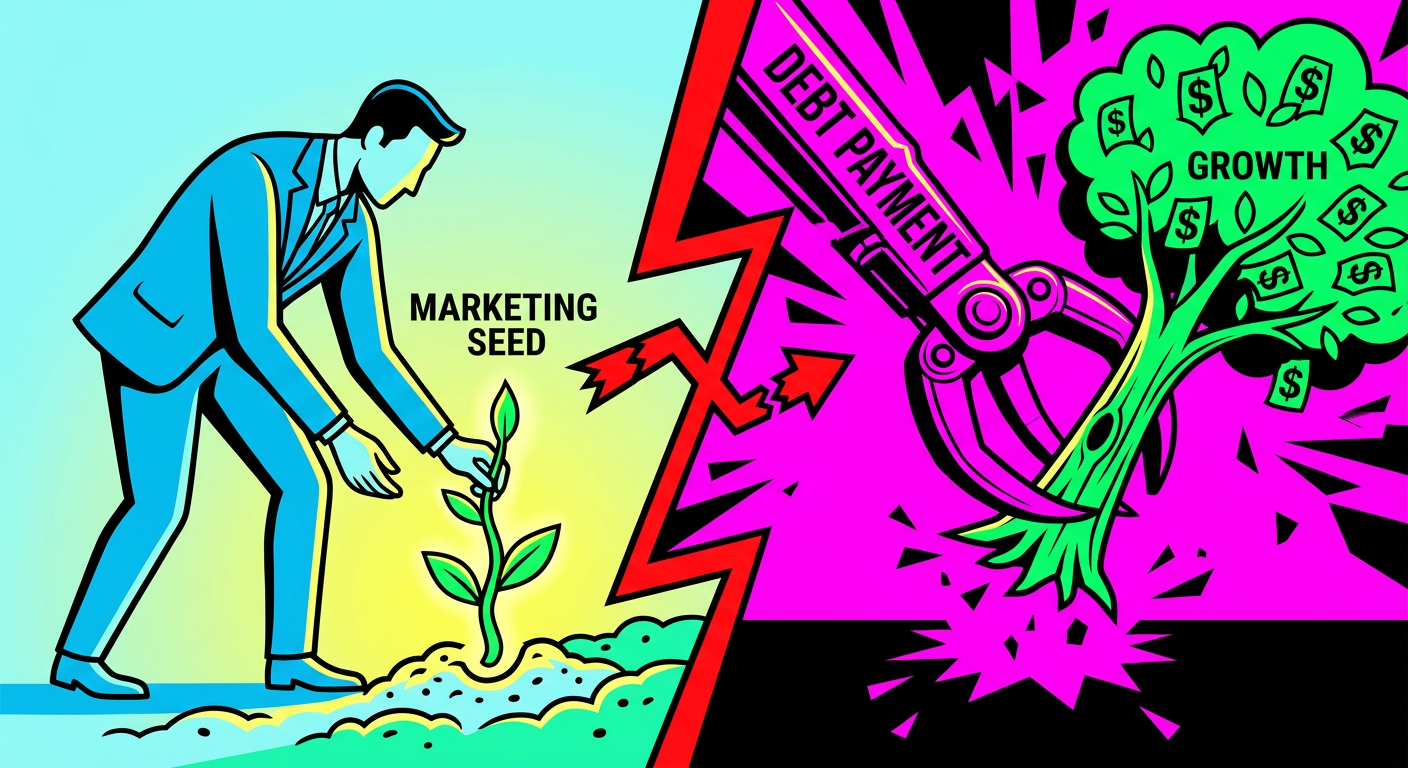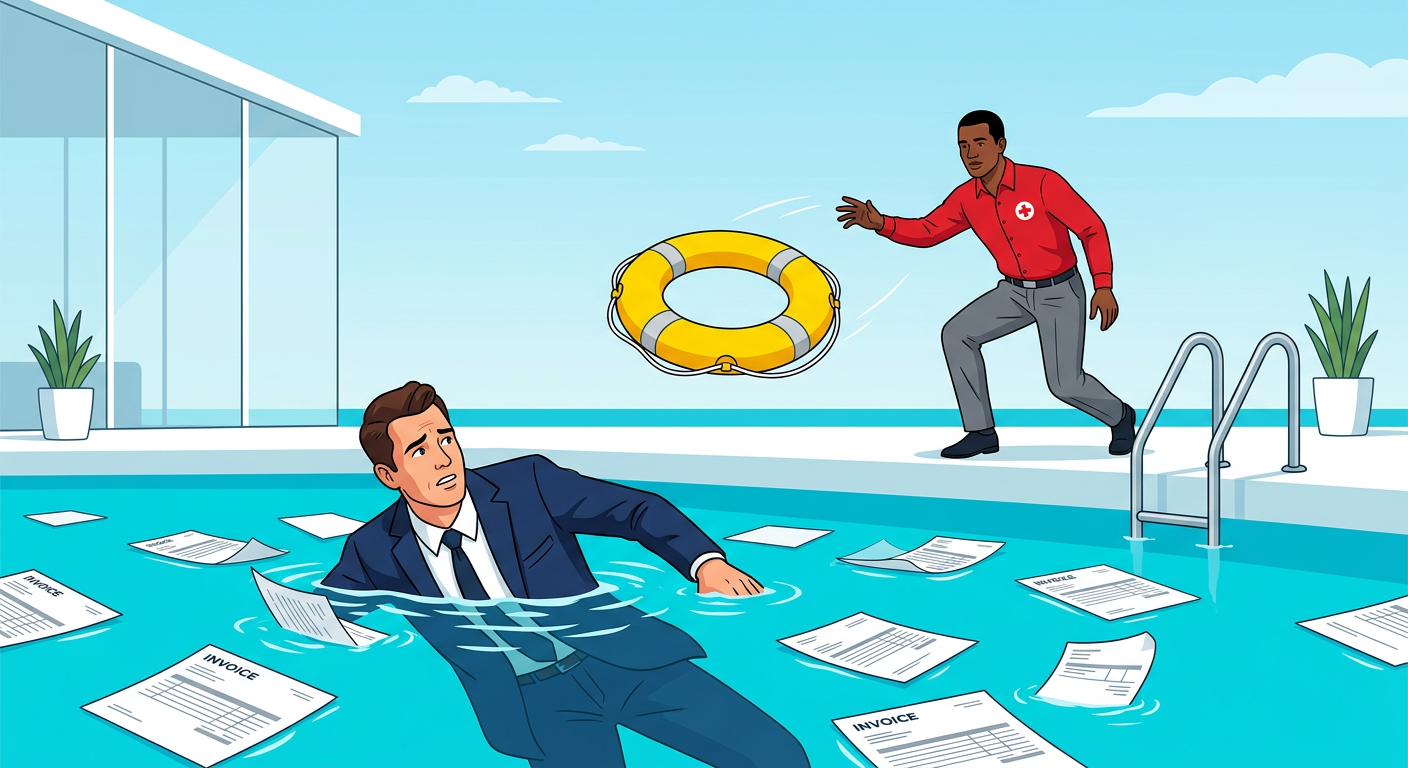
As a business owner, you wear more hats than any single person should. But when it comes to business financing and cash flow—the very lifeblood of your operation—even a small misstep can have a ripple effect that touches every corner of your business.
Strategic financing is not just about securing capital; it’s about making every dollar count, preserving your solvency, and setting the stage for sustainable growth.
This article is your practical guide to the most common, yet most damaging, business financing mistakes businesses make. More importantly, we’ll provide concrete, step-by-step solutions to help you fix them if they’ve already happened, and build a more resilient business financial future.
Mixing Business and Personal Finances
One of the earliest and most pervasive errors a business owner makes is treating their company’s checking account like an extension of their personal wallet. This habit, often starting innocently with a few mixed transactions, quickly spirals into an accounting nightmare. Using a personal credit card for a business expense or, worse, paying a personal bill from the business account, muddies the waters completely.
This lack of separation doesn't just make tax time a colossal headache; it can have severe legal and operational consequences. From a legal standpoint, it can threaten the corporate veil—the legal separation that protects your personal assets from business liabilities. From an operational perspective, it completely obscures your business's true financial health, making it impossible to accurately track profitability or manage cash flow. You cannot make informed decisions about pricing, hiring, or expansion if you don't know exactly what your business is earning and what it is spending.
The Fix: Create Immediate, Absolute Separation
The solution must be swift and absolute. Immediately open dedicated business banking and credit accounts. This includes a business checking account, a business savings account for tax and reserve funds, and one or more business credit cards, if necessary. Never use the business debit card for personal purchases, and never use a personal card for business purchases.
If you have already made this mistake, you need to go back through your bank statements for the entire year and meticulously categorize every single transaction. Use a reliable accounting software package to link your business accounts and ensure every entry is correctly tagged as either business income, business expense, personal draw, or personal injection.
This process is tedious, but it is the critical first step to getting a clear view of your financials and safeguarding your personal assets. If you can afford it, hire a bookkeeper or accountant for a one-time project to help you establish the correct system and clear up the existing mess. The cost of a professional's time now is far less than the cost of an audit or a legal challenge later. The clarity provided by separate accounts is fundamental to all future financing decisions.
Ignoring Cash Flow and Relying Solely on Profit
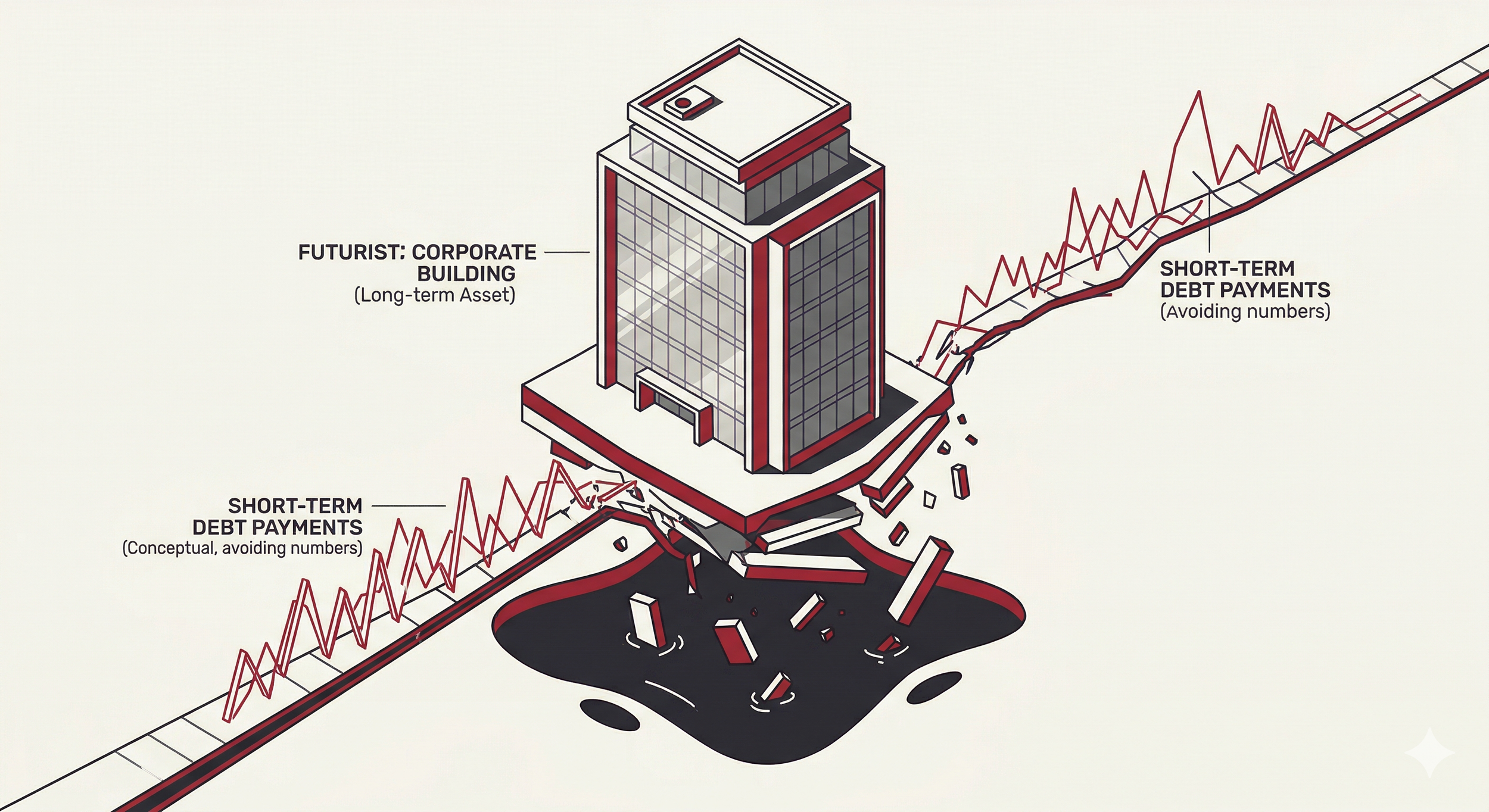
A business can be profitable on paper—meaning its revenue exceeds its expenses—but still be cash-insolvent. This is one of the most common causes of business failure, often referred to as "growing broke." The mistake is in focusing only on the profit and loss (P&L) statement while ignoring the Statement of Cash Flows. Profit is a long-term measure; cash flow is an immediate measure. You pay your bills with cash, not with accounts receivable.
This disconnect often happens when a business has slow-paying clients, manages inventory poorly (overstocking or understocking), or pays for supplies upfront but gets paid by customers on net thirty or net sixty-day terms. A profitable business that runs out of cash because its debtors haven't paid is still a business that can't make payroll, can't pay its rent, and is forced into a desperate scramble for expensive, short-term financing.
Mismanaging the timing of money movement is just as dangerous as simply not making enough money. This timing issue creates cycles of unnecessary financial stress and hinders strategic long-term business operations and planning.
The Fix: Implement Rigorous Cash Flow Forecasting
You must become a cash flow vigilante. Begin by creating a detailed, rolling cash flow forecast for the next 13-weeks. This short-term window is crucial for operational planning. List all expected cash inflows (sales, receivables collections) and all cash outflows (payroll, rent, debt payments, inventory purchases) on the day they are expected to hit the bank account. Not when the invoice is sent, but when the money arrives and leaves.
To improve your situation, take proactive steps: tighten your invoicing and collection process. Invoice immediately upon service delivery and follow up persistently on overdue accounts. Offer small discounts for early payment, and charge interest for late payments if appropriate and legally permissible in your industry. On the expense side, explore negotiating longer payment terms with your key vendors or staggering large purchases. If you have already fallen into the trap, focus all effort on accelerating receivables and securing a manageable business line of credit—a flexible tool to smooth out the inevitable peaks and valleys of cash flow, but only use it for its intended, short-term purpose and pay it down quickly.
Underestimating the True Cost of Financing
When seeking a loan or line of credit, many business owners make the mistake of focusing only on the interest rate, completely neglecting the total cost of capital. They might sign on to a low-rate loan only to be surprised by hidden origination fees, appraisal costs, closing costs, or prepayment penalties that drastically increase the overall expense.
Similarly, opting for short-term, high-cost alternative financing, such as merchant cash advances (MCAs), can carry triple-digit annualized percentage rates (APR) disguised as "factor rates," leading to an unsustainable debt spiral. The true cost of capital extends far beyond the headline interest rate.
Another related misstep is failing to align the loan term with the asset's useful life. Financing long-term assets, like equipment or real estate, with a short-term loan creates a huge repayment burden. Conversely, financing short-term needs, like inventory, with a long-term loan means you'll be paying for that inventory long after it has been sold and the revenue collected, which is an inefficient use of capital that drags down profitability for years.
The Fix: Calculate the Total Cost of Capital
To avoid this mistake, you must calculate the Total Cost of Capital (TCC) for every financing option. Don't just look at the interest rate; ask for an itemized list of all fees and charges—origination fees, legal fees, closing costs, required reserve payments—and compute the true APR. Most reputable banks and lenders are required to provide this information. Be wary of any provider that is evasive or only quotes a "factor rate" or a simple monthly payment without disclosing the underlying fee structure.
If you are already burdened by high-cost debt, the fix is to explore refinancing and debt consolidation. Focus on replacing the most expensive, short-term debt (like high-interest credit card balances or cash advances) with a single, lower-interest, longer-term loan, such as an SBA loan or a conventional term loan. This will reduce your monthly outlay, free up critical cash flow, and give your business breathing room to execute its core strategy. Always work with a trusted financial advisor or banker to review the final loan documents and the repayment structure before you sign them.
Failing to Establish or Monitor Business Credit
Many entrepreneurs start their businesses using their personal credit scores and collateral to secure initial funding. This is often necessary in the early stages, but the mistake is failing to transition to building independent business credit. Lenders and suppliers view a business with its own established credit profile, based on its Employer Identification Number (EIN) and not the owner’s Social Security Number (SSN), as more stable and less of a risk.
When you rely solely on personal credit, you cap your borrowing potential and put your personal assets at greater risk in the event of business insolvency. Furthermore, hard inquiries for business financing can still negatively impact your personal credit score if lenders are pulling your consumer report.
Neglecting to monitor your business credit profile is another critical error. Business credit reporting is often less regulated than consumer reporting, making it susceptible to errors and even fraud, which can, in turn, lead to loan rejections or unfavorable terms when you need funding most.
The Fix: Build and Protect Your Business Credit Score
The first step is obtaining a DUNS number (Data Universal Numbering System) from Dun & Bradstreet, which is often required for establishing a business credit file. Next, you need to open accounts with vendors and suppliers who report payment history to business credit bureaus like Dun & Bradstreet, Experian, and Equifax Business. These are often called "tradelines." Make sure you establish a consistent, impeccable payment history with them; payment history is the single biggest factor in your score.
If your business credit has been damaged, the fix is similar to personal credit repair: pay down revolving debt to lower your utilization ratio and ensure you pay all invoices and loan installments on time, every time. You should also pull your business credit reports from the major bureaus regularly to check for and immediately dispute any reporting errors. The goal is to build a credit history that allows your business to stand on its own two financial feet, independent of your personal financial standing, thereby unlocking better loan rates and higher limits.
Over-Borrowing or Under-Borrowing: The Goldilocks Problem
Borrowing too much or too little can be equally detrimental. Over-borrowing means taking on unnecessary debt. You pay interest on the entirety of the principal, even the portion that sits idle in your bank account, thus wasting precious capital and creating an artificially high debt burden. This can lead to a lower credit rating and cash flow strain that restricts your operational flexibility.
Conversely, under-borrowing—often done out of fear of debt—can be just as damaging. If you secure too little funding for a project, you may run out of money mid-project, forcing you into a desperate search for emergency, high-cost financing or, worse, forcing you to abandon the project entirely, forfeiting the initial investment. This often stems from an overly optimistic financial projection that fails to account for necessary buffers and contingencies.
The Fix: Meticulous Financial Planning and Stress Testing
You must approach financing needs with meticulous planning. Create a detailed Use of Funds statement. Don't just ask for a lump sum; break down every dollar: equipment cost, inventory purchase, marketing budget, hiring expenses, and working capital reserve, and so on. This level of detail shows a lender you are serious and that your request is based on reality, not a guess.
Crucially, include a contingency buffer—typically fifteen to twenty-five percent of the project cost—to cover unexpected delays, cost overruns, or changes in the market. The fix for having made this mistake involves stress-testing your current cash flow against various scenarios (best-case, expected-case, and worst-case). If you over-borrowed, consider prepaying a portion of the loan if there are no heavy penalties (check the loan agreement). If you under-borrowed and now face a shortfall, immediately halt non-essential spending and pursue a small, targeted line of credit or a bridge loan, armed with the new, corrected use of funds plan, proving you learned from the initial mistake.
Neglecting Your Tax Obligations and Reserves
For most all businesses, taxes are a complex, ever-present reality. A major mistake is failing to set aside money for estimated quarterly taxes, sales tax, and payroll tax obligations. This is often driven by poor cash flow management. The money comes in, and the owner sees it as operating cash, spending it on expenses or inventory, only to be hit with a massive, crippling tax bill at the end of the quarter or year. Tax liabilities are non-negotiable and falling behind can lead to severe penalties, interest, liens, and even criminal charges. Spending "the government's money" is a fatal financing error.
Another failure is the lack of a proper financial reserve or "rainy day" fund. Without this buffer, any minor setback—a piece of equipment breaking down, a natural disaster, or a sudden supply chain disruption—becomes a full-blown financial crisis requiring emergency, expensive debt just to keep the doors open.
The Fix: Automate Tax Set-Asides and Build Reserves
To fix this, you need to create a dedicated, untouchable business savings account specifically for taxes. Work with your CPA to determine your effective tax rate and immediately move a calculated percentage of every dollar of revenue into that tax savings account. Treat it as an essential, non-negotiable expense—like rent. For the business reserve, automate transfers of a small percentage of your weekly or monthly revenue—even one or two percent—into a separate emergency fund savings account. This reserve should ideally cover three to six months of operating expenses.
If you are already facing a significant tax debt, do not ignore it. The IRS and state tax authorities are typically willing to work with businesses that communicate and attempt to pay. Immediately consult a tax professional or CPA to arrange an installment agreement or offer-in-compromise if appropriate. Taking this step shows good faith and can often mitigate the accumulation of additional penalties.
Poor Pricing and Margin Management
Many business owners, especially those starting out, are tempted to underprice their products or services to gain market share or secure a high-profile client. This is the "just need exposure" mistake. While securing a foothold is important, pricing a product below its true cost—failing to factor in all direct and indirect expenses, including the owner's salary, overhead, and a reasonable profit margin—leads to revenue without profit, a path to exhaustion and insolvency.
Similarly, poor margin management—allowing costs of goods sold (COGS) to creep up without adjusting pricing, or offering excessive or too-frequent discounts that erode your base price—can hollow out the profit necessary for reinvestment and stability. You can't finance growth, innovation, or future capital expenditures if your gross and net margins are too thin to generate surplus capital. This mistake transforms a viable business idea into a non-viable operation.
The Fix: Conduct a Comprehensive Cost Analysis
The solution is to conduct a meticulous, line-by-line cost analysis. You must know your breakeven point precisely. Calculate not just the direct costs (materials, labor for the product) but also the allocated overhead (rent, utilities, insurance, marketing, administrative salaries) per unit of service or product. Only then can you determine a price that sustains the business and provides funds for growth.
If you realize you have been underpricing, you need to make a strategic adjustment. This can be done by raising prices—often by as much as ten to twenty percent without significant customer loss, especially if you provide superior service—or by finding ways to reduce your COGS through vendor negotiation, bulk purchasing, or process streamlining. For existing underpriced contracts, you may need to phase in the new pricing at renewal or justify the increase with added value. This financial discipline ensures that every sale genuinely contributes to your business's financial health.
Not Maintaining and Reviewing Financial Records
One of the fastest ways to destroy your business's financing potential is to have messy, outdated, or nonexistent financial records. The "shoe-box" method—tossing receipts and hoping for the best—is a form of slow financial suicide. Lenders and investors require clear, accurate, and up-to-date financial statements (Profit & Loss, Balance Sheet, and Statement of Cash Flows) to assess risk. Without them, you are ineligible for most affordable financing options, as you simply cannot prove your ability to repay.
More critically, you lose the ability to manage your business proactively. You cannot spot trends, control runaway expenses, or identify fraud without a current snapshot of your financial reality. Operating on stale, six-month-old data is like driving a car while only looking in the rear-view mirror; you cannot react to what is happening now.
The Fix: Embrace Consistent Bookkeeping and Technology
The fix here is non-negotiable: Adopt professional accounting software and commit to closing your books at least monthly. This is the single most effective habit change a small business owner can make. Software like QuickBooks, Xero, or other industry-specific tools can automate much of the data entry, integrate with your bank accounts, and provide real-time reporting.
If your records are a disaster, the immediate fix is to hire a professional bookkeeper to perform a clean-up and catch-up project. This one-time investment will bring your books current, reconcile all accounts, and set up a proper chart of accounts. Once the system is clean, the ongoing process can be handled in-house or with a part-time bookkeeper, but the commitment to consistency must come from the top—you. Regularly review the key financial statements with your financial professional to understand the story the numbers are telling and make data-driven decisions.
Choosing the Wrong Type of Business Financing for the Business Need
Business financing is not a one-size-fits-all solution. A common mistake is using the wrong financial tool for the job. For example, using a short-term line of credit to finance a large, long-term capital expenditure like a piece of heavy machinery or real estate is a mistake.
The repayment schedule for a line of credit is designed for short-term working capital needs, not multi-year asset purchases. Conversely, taking out an expensive, long-term term loan to cover a seasonal inventory boost is also inefficient, as you’ll be paying interest on the inventory long after it’s been sold and the revenue collected, locking up future capital unnecessarily.
This misapplication of funds often leads to unnecessary interest expense, collateral risk, and repayment difficulty, as the business's cash flow doesn't align with the debt structure. The cash flow generated by the financed asset or activity must support the repayment terms.
The Fix: Match the Tool to the Objective and Term
You must first define the financial need and its expected lifespan.
● Long-Term Assets (Equipment, Real Estate): Use Term Loans or SBA Loans with longer repayment schedules (five to twenty-five years) that match the asset’s useful life and the revenue it will generate.
● Short-Term Working Capital (Inventory, Payroll Gaps, Marketing Campaigns): Use a Business Line of Credit which allows you to draw and repay funds flexibly, paying interest only on the amount used, thus acting as an overdraft protection.
● Receivables Gaps: Use Invoice Factoring or Financing to get immediate cash against outstanding invoices, which solves a cash flow timing problem without incurring long-term debt.
If you have made this mistake, the solution is strategic debt restructuring. Consult with a business financial advisor to see if you can refinance the improperly matched business debt into a more suitable product. For instance, converting a high line-of-credit balance used for equipment into a more manageable, secured term loan can significantly stabilize your monthly cash flow.
Failing to Build a Strong Relationship with a Capital Provider
Many business owners treat their financial institutions as transactional entities—only contacting them when they desperately need money. This short-sighted view is a significant mistake. Banks and commercial lenders value relationships, transparency, and a track record. When a true crisis or a sudden, unexpected opportunity arises, the business owner who has a strong, ongoing relationship with their banker is far more likely to get the funding and favorable terms they need than someone who walks in cold with a panicked request.
Failing to communicate with a lender during a downturn is a catastrophic mistake. Hiding a problem will almost certainly lead to the worst possible outcome, such as an immediate demand for repayment or seizure of collateral, as the lender views you as an uncommunicative, high-risk borrower.
The Fix: Foster Proactive and Transparent Communication
The solution is to shift your mindset from transactional to relational. Schedule an annual or bi-annual meeting with your commercial lender or banker, even when you don't need money. Bring your up-to-date financial statements, discuss your business plan and projections for the coming year, and seek their advice. This transparency builds trust and establishes credibility.
If you are already facing difficulty making payments on an existing loan, the fix is to immediately and proactively contact your lender. Do not wait until you miss a payment. Prepare a realistic assessment of your situation, propose a clear, revised payment plan, and demonstrate the steps you are taking to stabilize the business. Lenders often prefer to work with a struggling but transparent client to arrange a temporary deferral, forbearance, or modification rather than incur the cost and time of default and foreclosure. Your financial partner can be your strongest ally, but only if you bring them into the fold and keep the communication lines open.
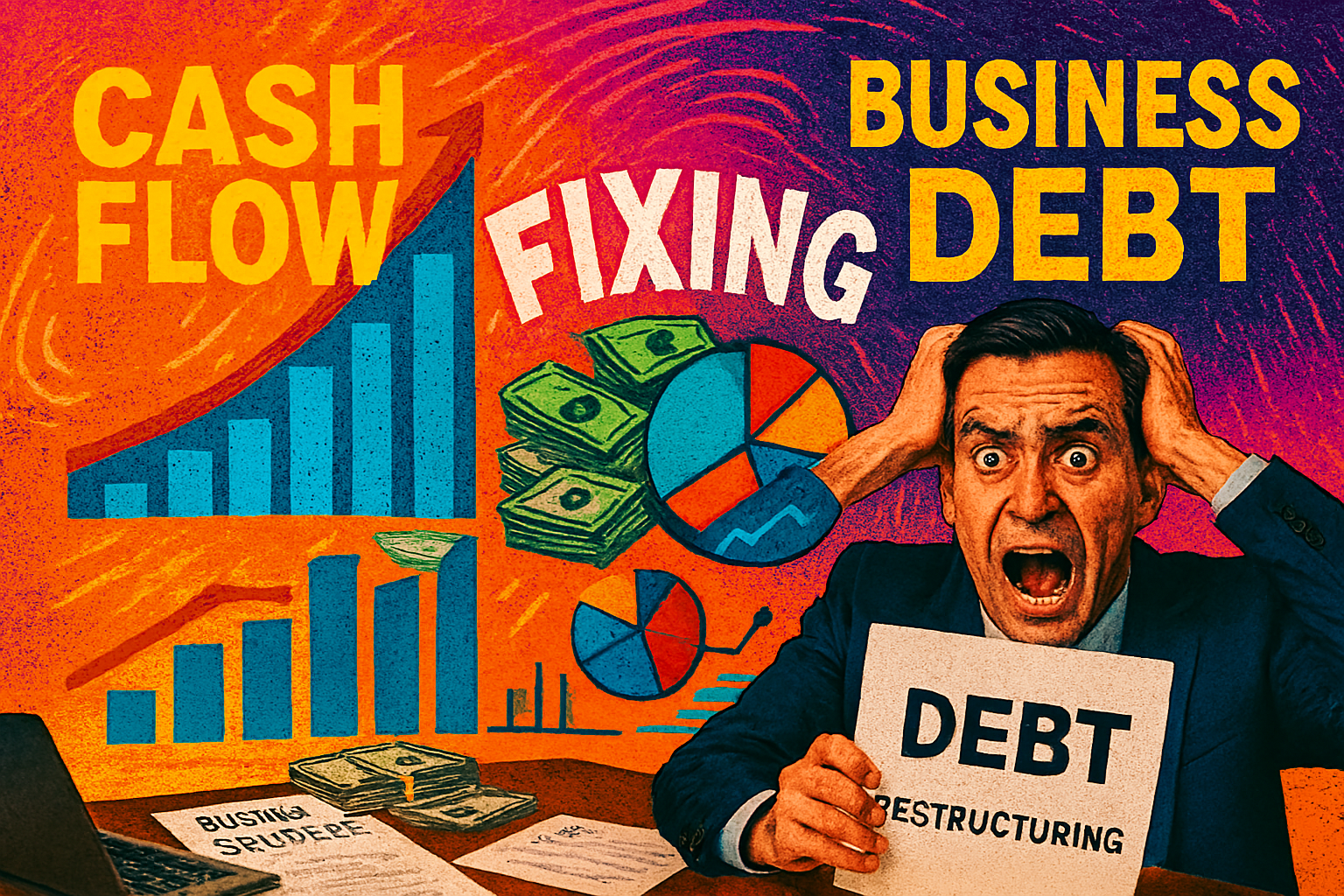
What is the Best Way to Fix Business Debt that is causing Business Cash Flow issues?
It is NOT by stopping ACH payments.
It is NOT by taking on another business loan.
It is NOT ALWAYS a Refinancing
It is NOT by entering into a debt settlement program.
Find out the BEST strategies to get your Business back to where it was

More Business Finance and Strategy Articles: