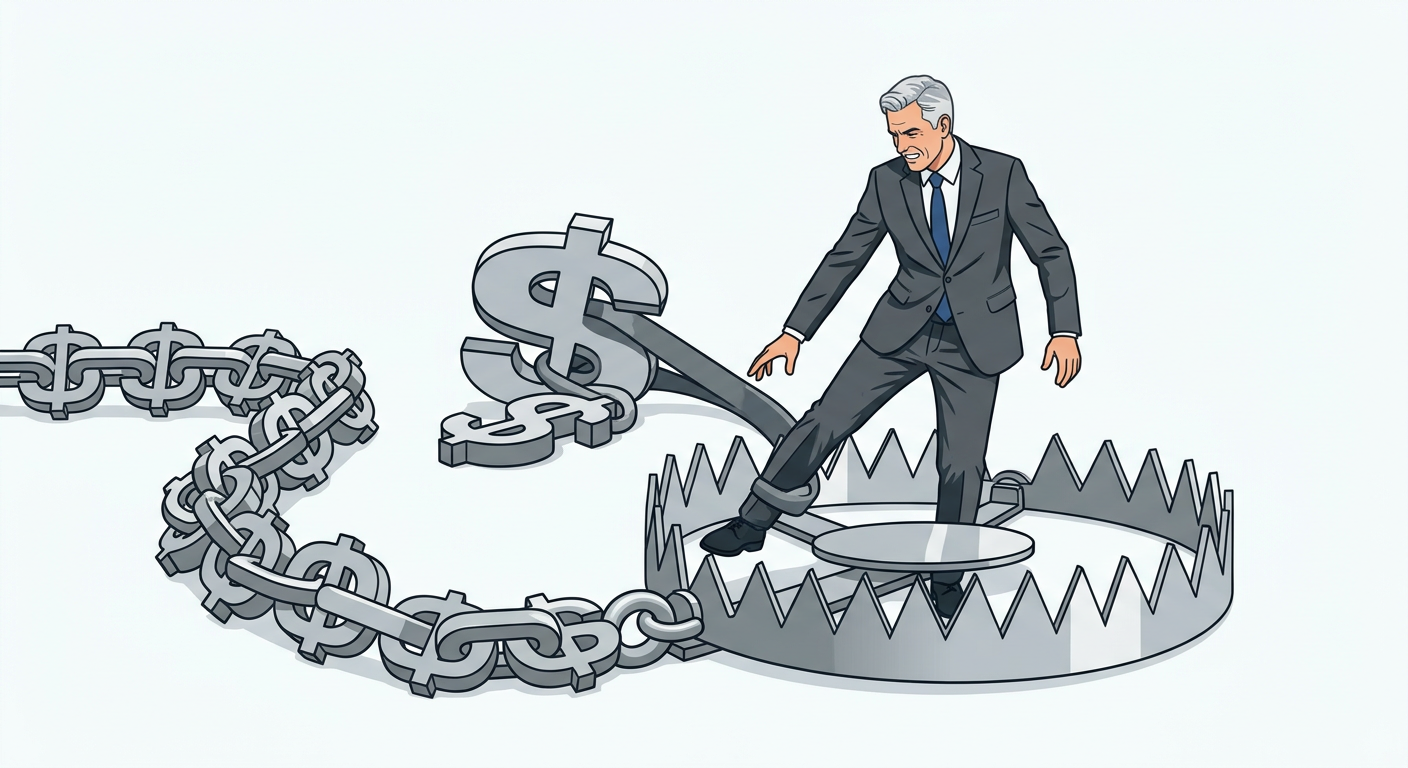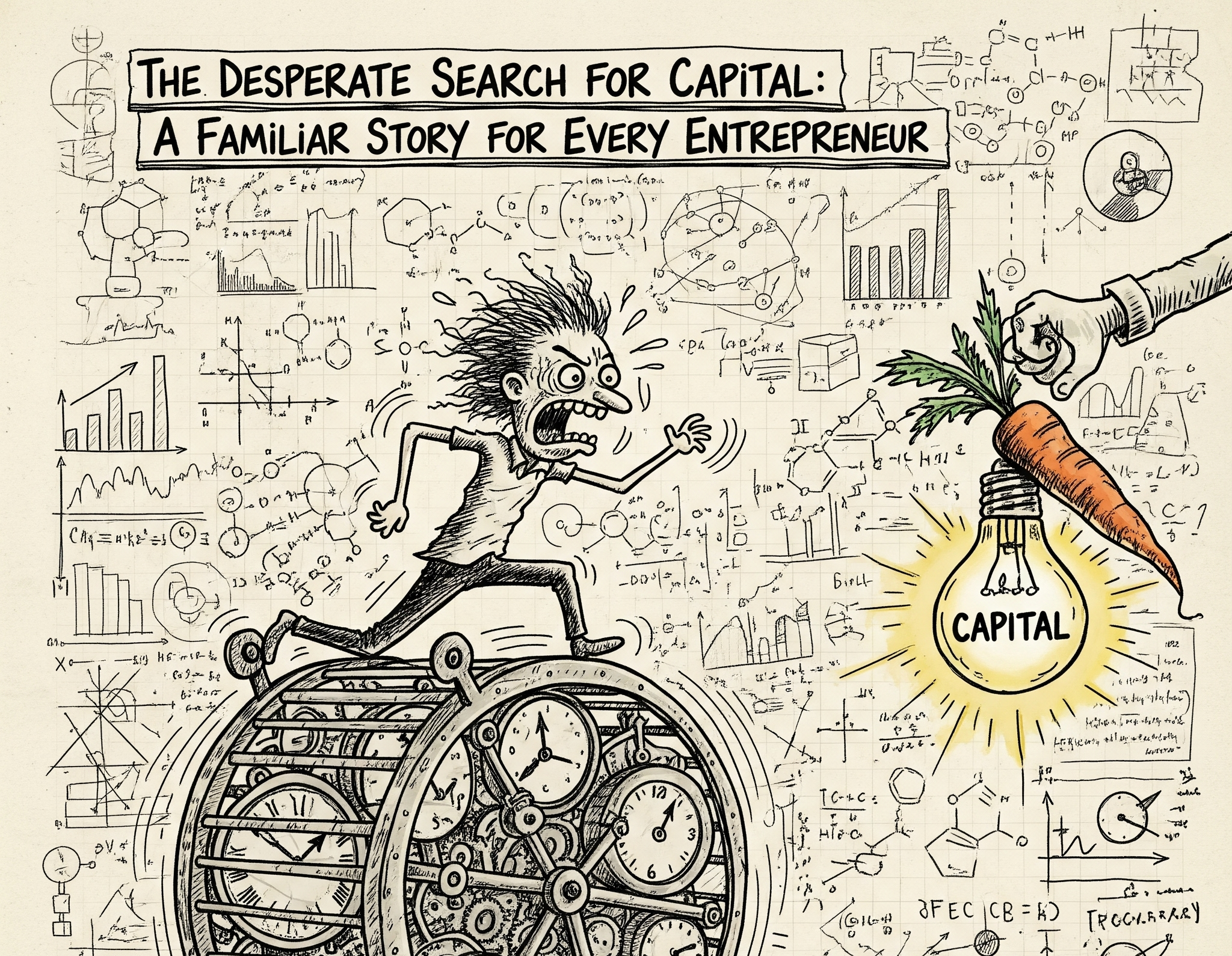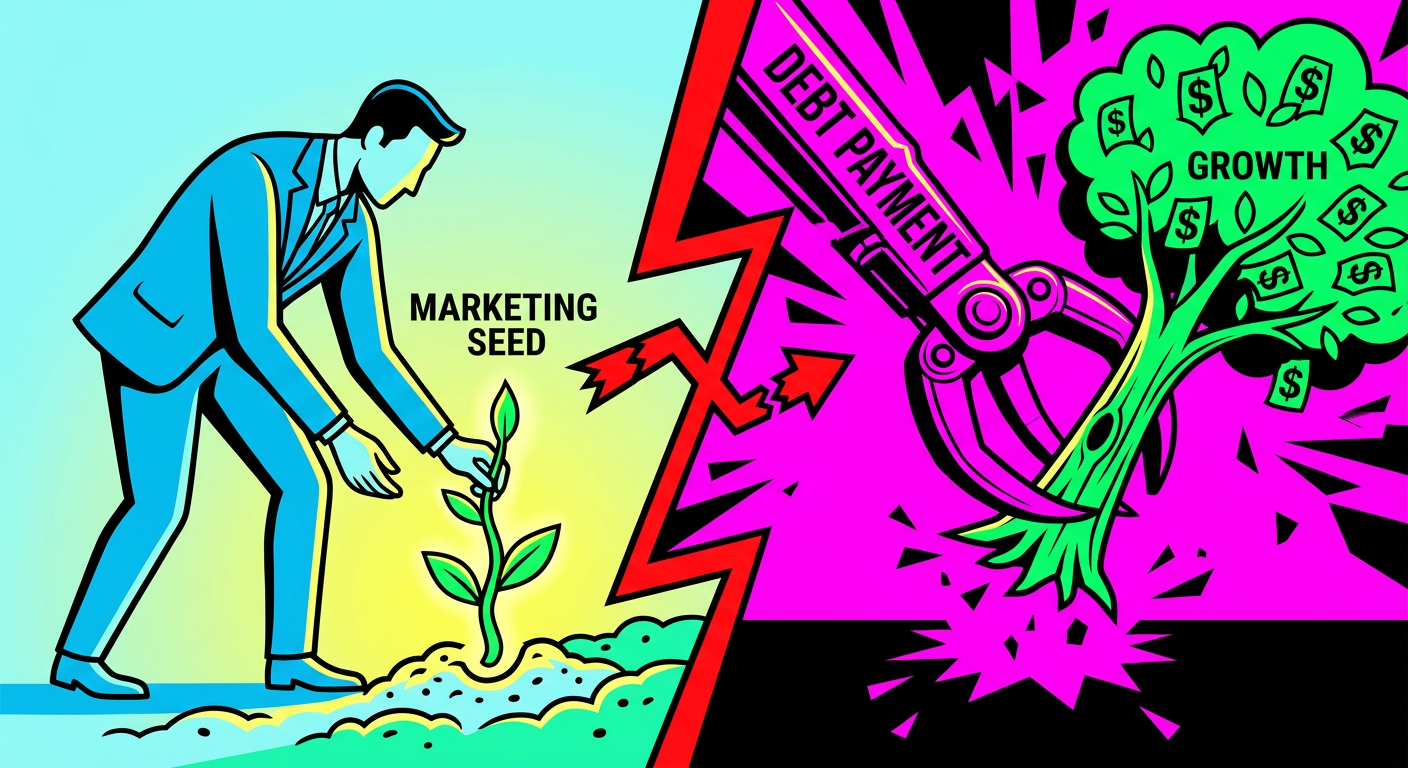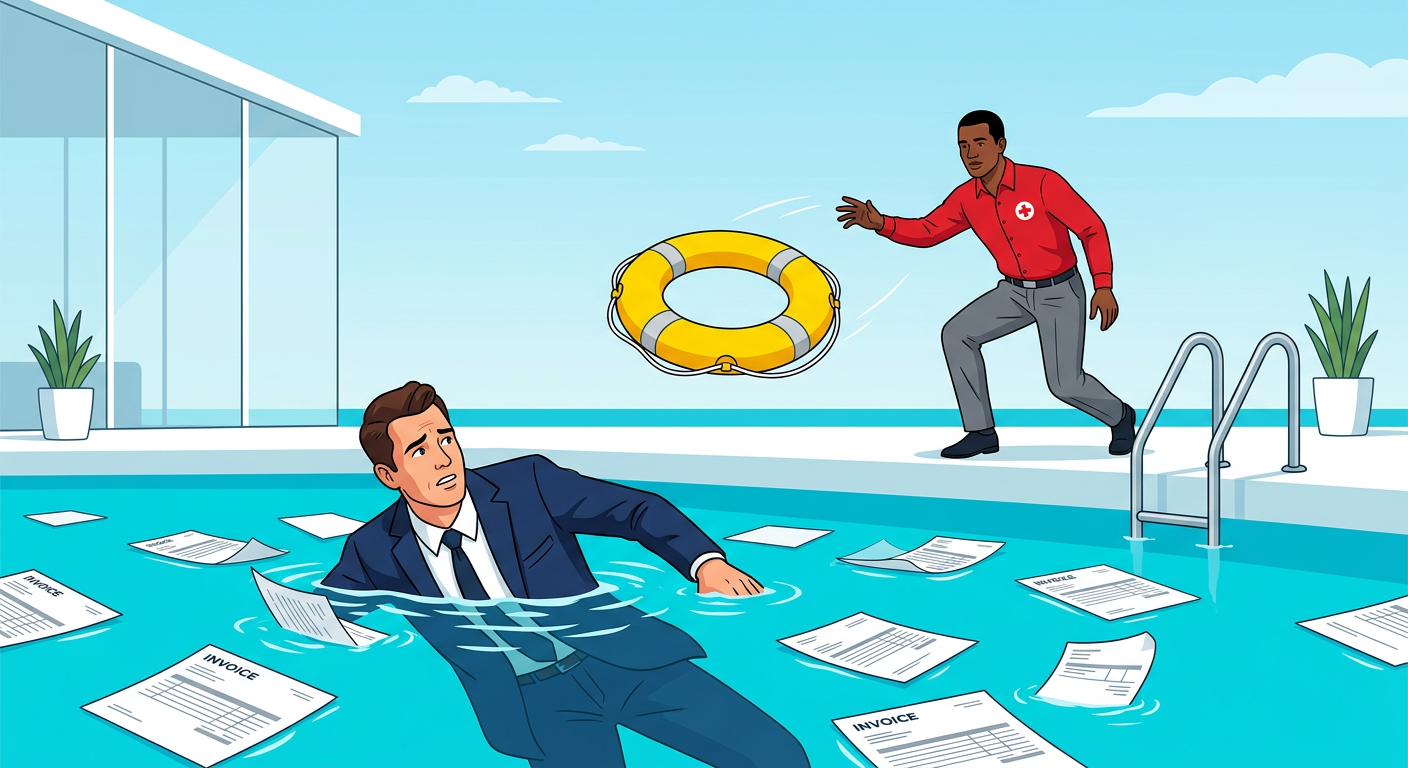
For many business owners, the path to growth is often paved with various forms of financing. However, it is remarkably easy to find yourself in a position where the very capital intended to fuel your expansion begins to choke your daily operations and business cash flow.
When business debt service payments begin to outpace your available business cash flow, you aren't just running a business; you are managing a crisis. The transition from a thriving enterprise to one burdened by high-interest, short-term obligations can happen subtly until the monthly "nut" becomes impossible to crack.
This article explores a comprehensive strategy for restructuring debt, leveraging hidden equity, and reclaiming the financial health of your business.
The Hidden Trap of Short-Term Amortization
The most common misconception in business finance is that the total amount of debt is the primary indicator of financial distress. In reality, the "velocity" of repayment—the amortization schedule—is often the more critical factor. You may have a manageable total business debt load, but if that debt is structured through high-interest, short-term instruments like revenue-based financing or Merchant Cash Advances (MCAs), the daily or weekly withdrawals can decimate your business cash flow and business liquidity.
When a business owner sees their business bank account drained every week or two for debt service, the problem is rarely the interest rate; it is the fact that the lenders are demanding their principal back at an unsustainable rate.
This creates a "liquidity crunch" where, despite having a profitable operation with healthy top-line revenue, the bottom line is eroded by the sheer speed of debt repayment. Recognizing that your issue is a structural one rather than an operational one is the first step toward a solution.
Identifying the Disconnect Between Profit and Cash Flow
It is a frustrating paradox to lead a company that generates significant EBITDA (Earnings Before Interest, Taxes, Depreciation, and Amortization) or NOI (Net Operating Income) yet leaves the owner with almost no personal income. Many business may show an operating profit, yet the owner might only be able to take home a fraction of that, if any.
This disconnect happens when "business paper profit" is consumed by "business debt service." On an income statement, principal payments on loans do not count as expenses, but they certainly count as cash leaving the bank. If your business is generating $10,000 in average monthly profits, but your debt payments are $30,000, you are experiencing negative cash flow. This situation is unsustainable and requires a radical shift in how your balance sheet is organized. To fix this, you must stop looking at your profit and loss statement in isolation and start looking at your debt schedule, or better yet, cash flow statement as a strategic puzzle.
Leveraging Real Estate and Other Business Assets as a Lifeline
Many business owners are "asset rich and cash poor." If you own the commercial property where your business operates, you likely have a powerful tool at your disposal: real estate equity. Over time, as your property appreciates and you pay down your mortgage, a significant gap forms between what you owe and what the property is worth.
For instance, a property valued at $2.0 million with a mortgage balance of $1.0 million represents $1,000,000 in potential dormant capital. In times of financial strain, this equity can be harvested to pay off predatory, high-interest creditors. By refinancing the real estate and "rolling in" the short-term business debts, you essentially trade 40%+ interest rates for 6-7% rates and 12-month repayment terms on weekly payments or daily, for 25-year payback terms with a monthly payment. This single move can drop a monthly debt obligation from $70,000 to a manageable $10,000, immediately restoring thousands of dollars in monthly cash flow to the business.
The Strategic Utility of the SBA 504 Loan
When considering a long-term refinance, the SBA 504 loan program stands out as a premier option for business owners who occupy their own real estate. Unlike traditional conventional loans, the 504 program is designed specifically to promote business growth by offering long-term, fixed-rate financing.
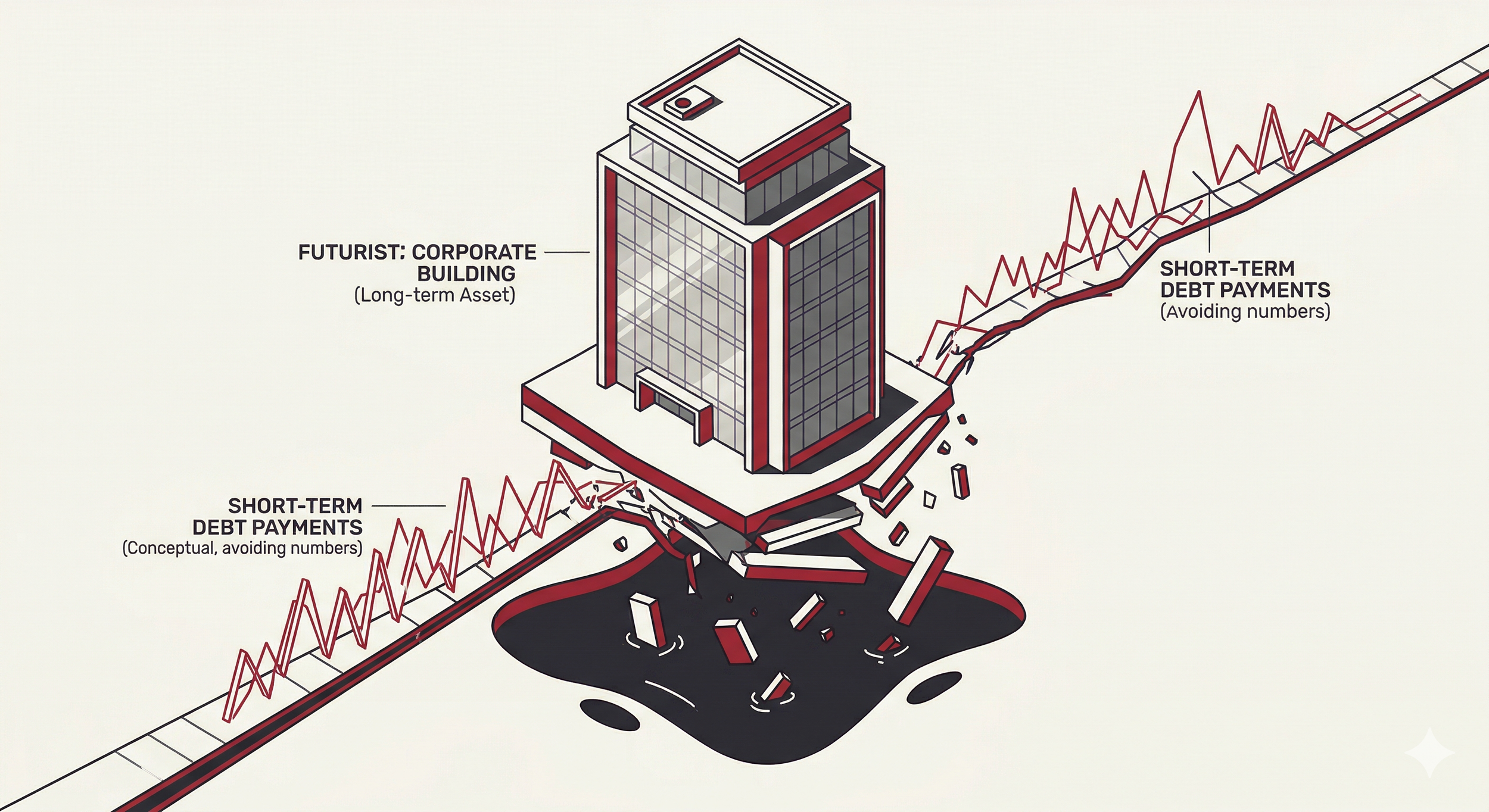
A 504 loan allows you to restructure existing debt and even "re-depreciate" the asset. By transferring business debt into a 25-year mortgage, you align the repayment of that capital with the long-term life of the asset. This is a fundamental principle of sound finance: long-term assets should be funded by long-term debt.
Attempting to fund a long-term business venture with short-term, high-cost bridge capital is a recipe for a liquidity trap. The 504 loan provides the "permanent" financing that allows a business to breathe again.
Bridging the Gap with Second Mortgages
The challenge with a full SBA refinance or a primary mortgage restructuring is that these deals take time—often three to four months. If you are facing a cash flow crisis today, you cannot wait until February or March for relief. This is where a "bridge financing" strategy becomes necessary.
A second mortgage or a commercial bridge loan can act as an interim solution. By securing a second lien on your property, you can extract cash relatively quickly. This capital is then used to "retire" the most aggressive creditors—the ones with daily or weekly ACH withdrawals and personal guarantees that put your family’s security at risk.
While a second mortgage may have a higher interest rate than a first mortgage, its purpose is tactical: it buys you the time and "runway" needed to complete a total financial restructuring without the constant threat of business debt default, business debt collections or a lawsuit.
Managing Predatory Creditors and Contractual Complexity
Not all debt is created equal. Some lenders, particularly in the "revenue-based financing" space, use contracts that are intentionally complex. It is common to find that certain creditors are taking more from your daily and weekly receipts than they are legally entitled to under the fine print of their agreements.
When dealing with multiple lenders, it is essential to have a professional review the full contracts. Understanding the specific terms of your personal guarantees and the exact triggers for default is vital. In some cases, these lenders act in a predatory manner, and knowing where you have legal leverage can be the difference between a negotiated settlement and a catastrophic default. Your goal should be to move away from these "alternative" lenders and back into the arms of traditional banking institutions as soon as your cash flow stabilizes.
The Art of Proactive Creditor Communication
One of the biggest mistakes a business owner can make during a cash flow crunch is "going dark." Silence is interpreted by creditors as a prelude to default, which often triggers aggressive legal action or exercising of creditor’s rights under UCC (Uniform Commercial Code).
The most effective strategy is proactive, template-driven communication. By reaching out to creditors before a payment is missed, you maintain the "moral high ground." Requesting a 60-to-90-day deferment or a temporary interest-only period can provide the immediate relief needed while your refinance is in underwriting. It is also important to contact traditional lenders, such as those holding car loans or equipment leases, to request "hardship" deferments. Crucially, always confirm that these deferments will not negatively impact your personal credit score. Maintaining your credit is essential, as your personal FICO score is often a key requirement for the very refinance that will save the business.
The Critical Role of an Accurate Appraisal
Every restructuring and refinance strategy built on real estate equity hinges on a single number: the appraised value. You cannot guess what your property is worth based on "Zillow" or what a neighbor's building sold for two years ago. To secure a 504 loan or a bridge loan, you need a current, commercial-grade appraisal.
It is often tempting to hire a local appraiser to save money, but in the world of commercial lending, "acceptability" is more important than cost. Many banks have "approved appraiser lists." If you order an appraisal from someone who isn't on the lender's approved list, you may find yourself paying $5,000 for a report that the bank refuses to use, forcing you to start over and lose weeks of precious time. Verification of credentials and lender acceptance must happen before the first check is written to an appraisal company.
Financial Hygiene and Underwriting Readiness
When you are in the middle of a financial storm, the last thing you want to do is organize paperwork. However, "underwriting readiness" is the only way to move at the speed required to save a business. Lenders and bridge funders require clean, accurate, and up-to-date financials.
This includes your Profit & Loss statements, Balance Sheets, and at least 6 to 12-months of business bank statements. If your books are "messy"—perhaps because personal and business expenses are co-mingled or because certain entries haven't been reconciled—it will create red flags for a lender.
Working closely with a financial consultant or a dedicated bookkeeper to ensure your trailing 12-month (TTM) figures are presentable is not just "admin work"; it is a core part of the rescue mission. A lender needs to see that despite the debt load, the underlying business is healthy and capable of servicing the new, lower payment.
Maintaining Operational Control During Restructuring
The final piece of the puzzle is maintaining the day-to-day integrity of the business while the high-level financial engineering takes place. This means monitoring cash flow weekly with extreme granularity. You should know exactly what is in your account every morning and what is scheduled to leave.
One vital rule: never issue a "stop payment" on a creditor’s ACH withdrawal without a specific legal and strategic plan. Doing so can trigger "acceleration" clauses where the entire balance becomes due immediately. Instead, use the time gained from your proactive communication to negotiate temporary arrangements. By meeting weekly with a financial advisor to review progress, you ensure that no ball is dropped.
What is the Best Way to Fix Business Debt Payments that are causing Cash Flow issues?
It is NOT by stopping ACH payments.
It is NOT by taking on another business loan.
It is NOT ALWAYS a Refinancing
It is NOT by entering into a debt settlement program.
Find out the BEST strategies to get your Business back to where it was

More Business Finance and Strategy Articles: