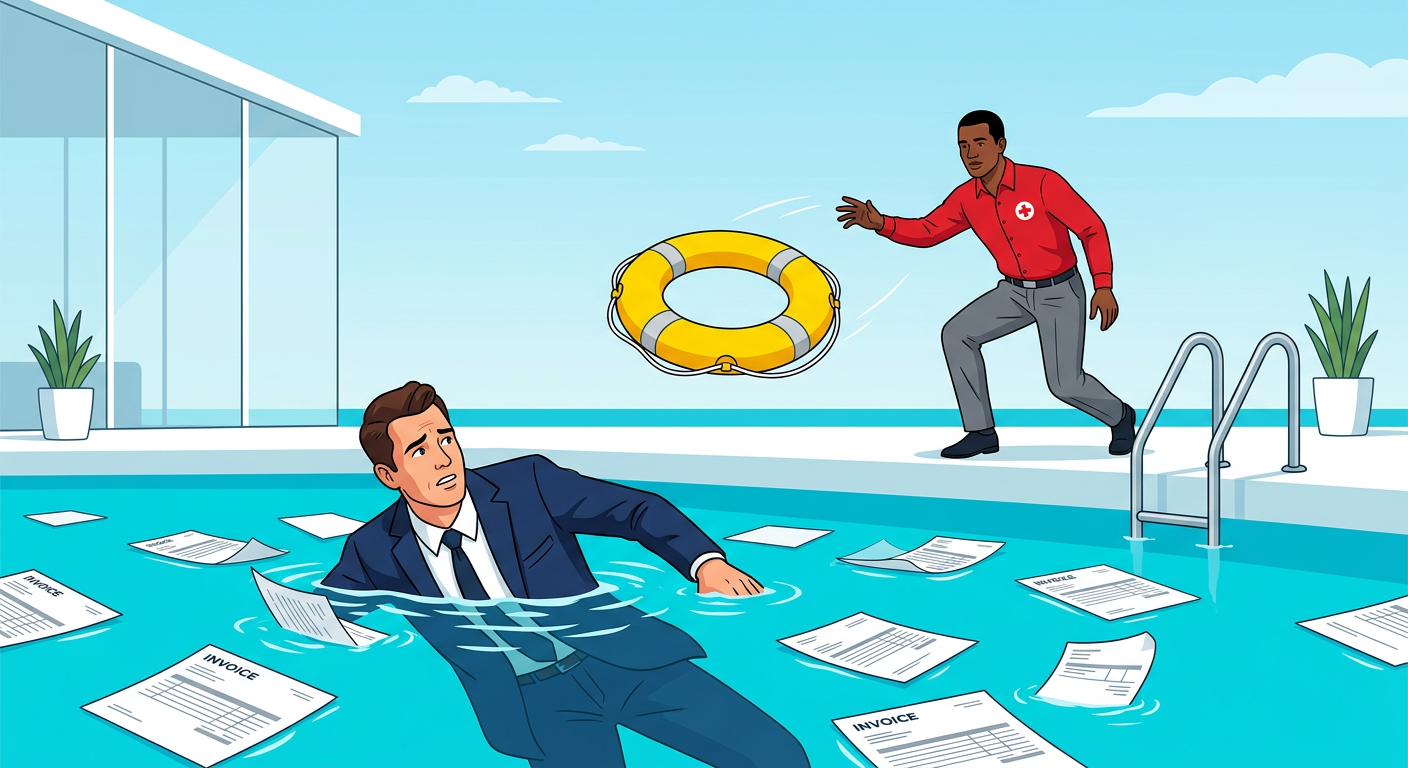
In corporate finance, profitability is often championed as the ultimate indicator of business success. However, seasoned executives and financial professionals understand a more sobering truth: a business can be highly profitable on paper and still face catastrophic failure.
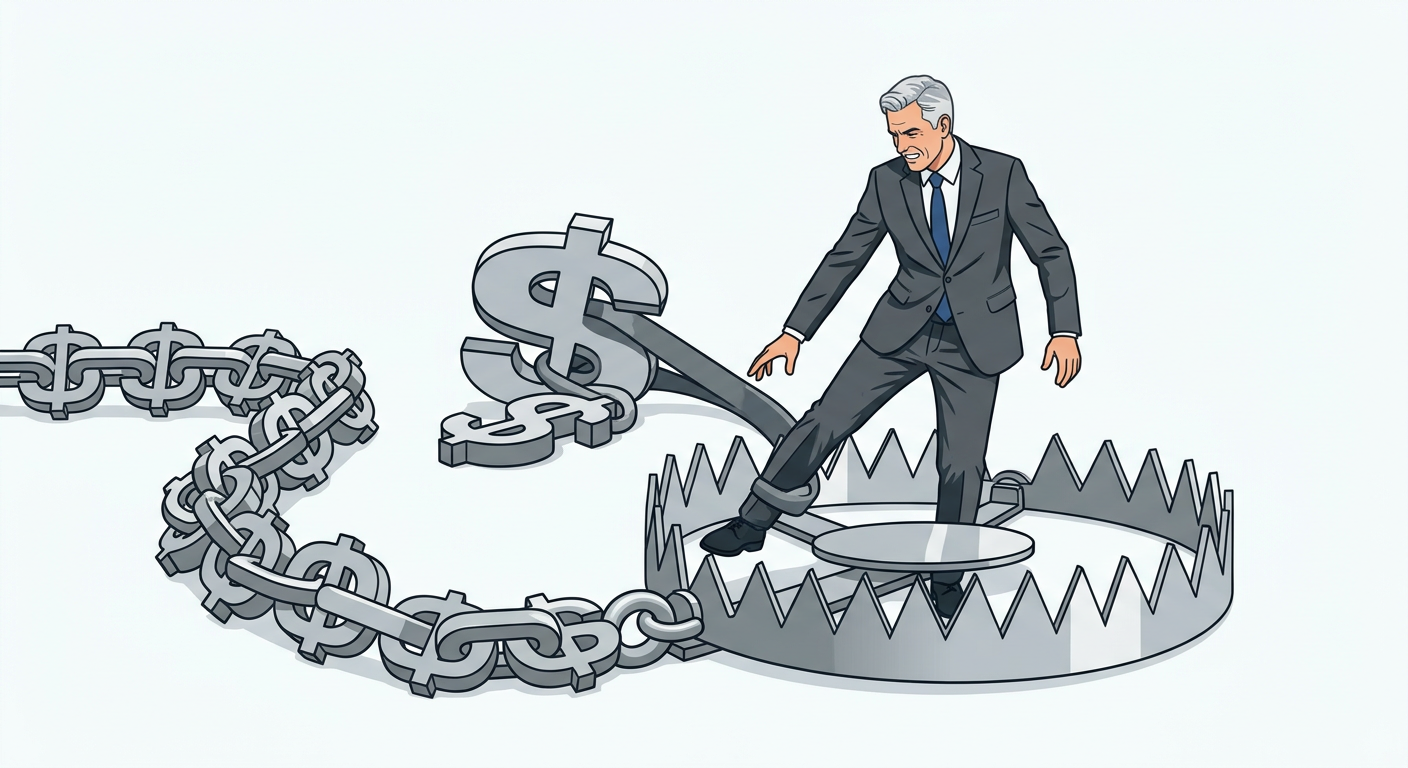
The silent assassin in these scenarios is rarely a lack of revenue or market demand; rather, it is the persistent, suffocating grip of negative cash flow. While cash flow deficiencies can stem from various operational missteps, one of the most destructive and difficult to untangle is a poorly constructed business debt portfolio.
When a company's debt structure is fundamentally misaligned with its operational reality and cash generation capabilities, it creates a systemic liquidity drain. This financial friction prevents the business from fulfilling basic obligations, stifles growth, and forces leadership into a perpetual state of crisis management.
Navigating out of this perilous situation requires a forensic understanding of how specific loan terms, amortization schedules, and capital misallocations drain working capital. It demands a shift away from reactive borrowing and toward strategic financial engineering.
This comprehensive analysis explores the intricate mechanics of how poor debt structures precipitate negative cash flow. It dissects the interconnected financial challenges that businesses face—from high-interest burdens and asset-liability mismatches to the compounding effects of inaccurate accounting—and provides a definitive, strategic roadmap for restructuring debt, reclaiming liquidity, and building an enduring foundation for long-term fiscal health.
The Anatomy of Negative Cash Flow - When Good Revenue Goes Bad
To understand the destructive nature of poor business debt structures, one must first dissect the fundamental difference between revenue generation and cash realization. Under standard accrual accounting, a business records a sale when a product is delivered or a service is rendered, regardless of whether the cash has actually been collected. This creates a scenario where the income statement displays robust sales and healthy gross margins, painting a picture of a thriving enterprise.
However, if the business is simultaneously burdened by aggressive business debt service obligations that require immediate, heavy cash outlays, the actual cash residing in the bank account rapidly depletes. This divergence is at the center of negative cash flow.
When a company's mandatory business debt payments—combining both principal and interest—exceed the net cash generated from its daily operations, it enters a state of structural deficit. The business is effectively bleeding cash flow every month just to service its business debt liabilities.
This situation is particularly insidious because the underlying business model might be perfectly sound; the product is excellent, the market is eager, and the margins are mathematically viable. Yet, the financial architecture supporting the business is fatally flawed.
The consequences of this deficit are immediate and severe. Management is forced to constantly juggle vendor payments, delay essential maintenance, or, in the worst cases, struggle to meet payroll. The focus of the entire executive team shifts from strategic growth and market expansion to desperate, week-to-week survival. Understanding this anatomy is crucial because it highlights that the solution does not always lie in simply selling more products or cutting operational costs; it often requires a fundamental overhaul of the financial scaffolding that holds the business together.
The Amortization Trap - Too Much Principal, Too Little Time
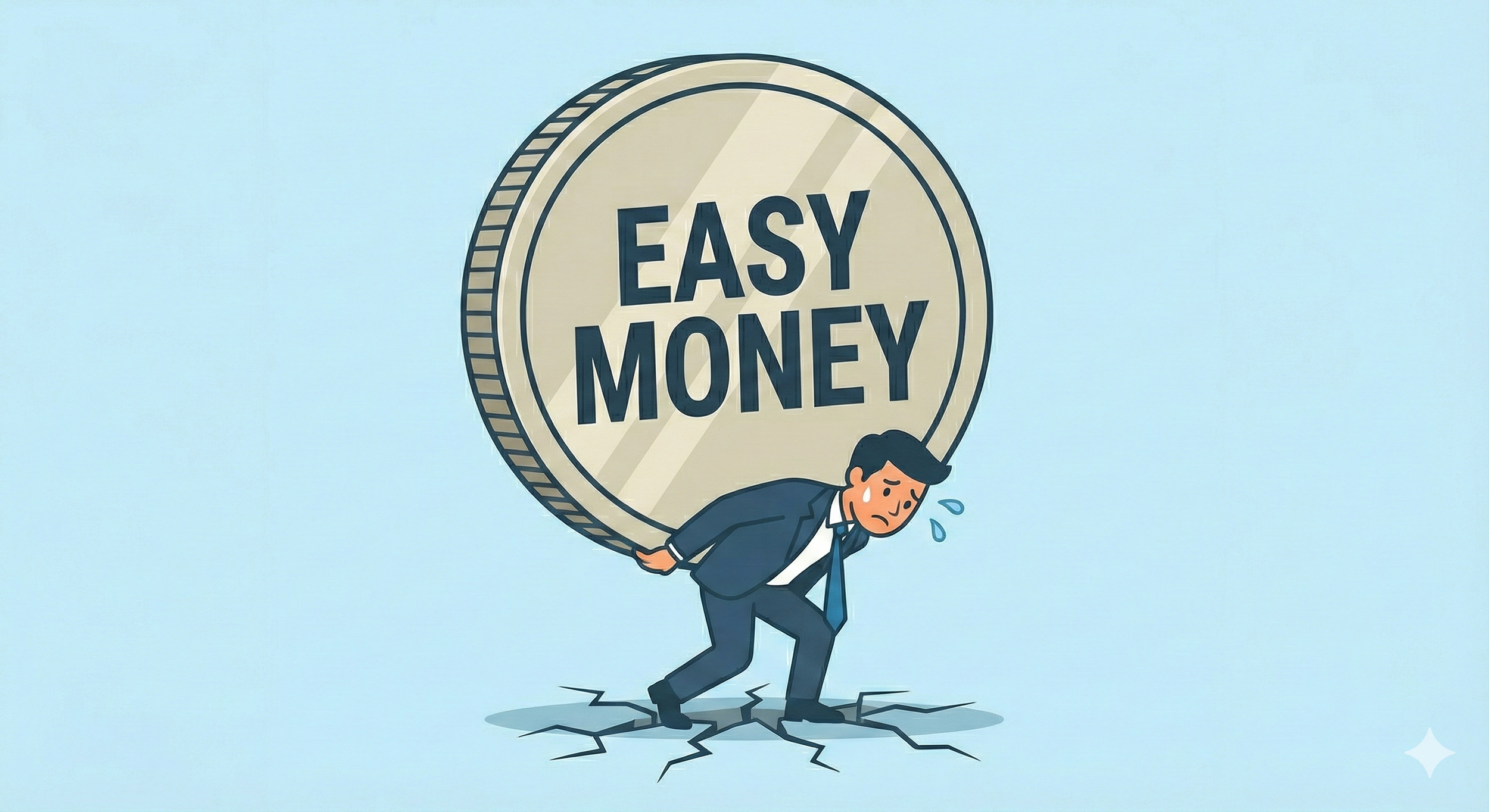
The single most common structural flaw leading to negative cash flow is an aggressive, compressed amortization schedule. Amortization refers to the process of paying off a debt over time through regular payments, which are split between reducing the principal balance and paying the interest. When a business secures a loan with a payback period that is too short relative to the size of the principal, the monthly cash requirement becomes astronomically high and can quickly stifle operations.
Consider a business that borrows a significant sum to fund a major expansion. If that loan is structured with a one-year payback period (short-term), the total monthly obligation will consume a massive portion of the company's operating capital. The business might have easily managed the interest expense, but the rapid, forced repayment of the principal drains the liquidity needed to actually execute the expansion plan.
This is the amortization trap. The company is starving its present operations to rapidly enrich its balance sheet in the future, but it may not survive long enough to see that future.
Escaping this trap requires acknowledging that cash flow, not net income, dictates the ability to service debt. Management must meticulously calculate their Debt Service Coverage Ratio, which measures cash flow available to pay current business debt obligations. If this ratio is critically low due to high principal payments, the immediate strategic imperative is to renegotiate the amortization schedule.
By extending the term of the business loan—for example, stretching a one-year term into a two-year or three-year facility—the business drastically reduces its monthly cash outlay. While this may increase the total interest paid over the life of the loan, it provides the immediate, life-saving liquidity required to keep the business operational, protect working capital, and allow the investment to actually generate a return.
Interest Rate Quagmires - The Slow Bleed of Expensive Capital
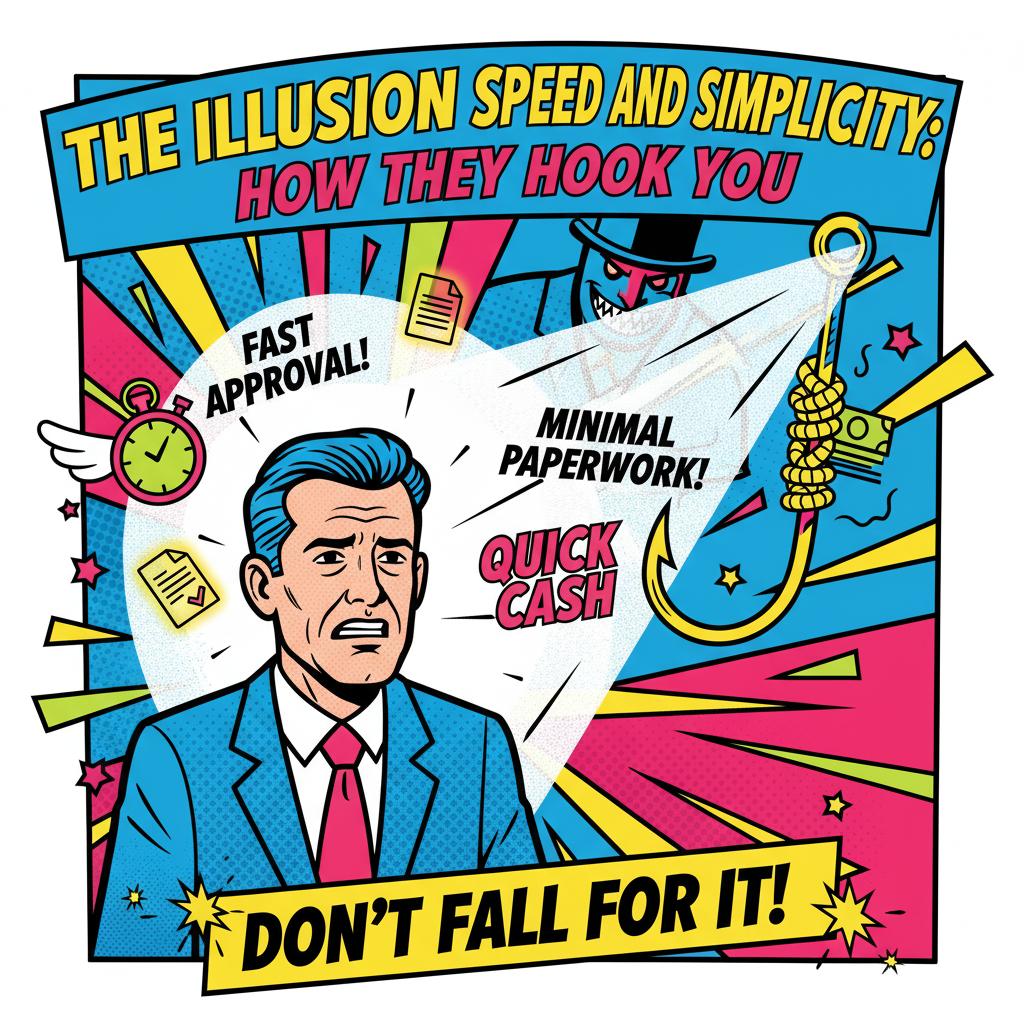
While rapid amortization is a blunt force trauma to cash flow, high interest rates and cost of capital are a slow, continuous bleed that erodes profit margins and suffocates reinvestment. High-cost business debt is frequently acquired when a business is operating without a financing blueprint, reacting to immediate cash shortages by turning to alternative lenders, merchant cash advances (MCAs), or high-yield, short-term bridge loans. These instruments often carry exorbitant annual percentage rates and punitive fee structures that disproportionately drain revenue.
The danger of high-interest business debt lies in its compounding effect on cash flow deficiencies. Because a massive percentage of every payment is directed toward interest rather than principal reduction, the underlying business debt burden remains stubbornly high for extended periods.
The business essentially works for the lender, funneling its hard-earned operational profits into servicing the cost of capital and principal rather than building equity or funding growth. This scenario is exacerbated when the business experiences slight revenue dips; the fixed, high-cost debt payments remain constant, instantly triggering negative cash flow and pushing the company closer to insolvency.
Addressing an interest rate quagmire requires an aggressive and highly structured refinancing strategy. The objective is to replace toxic, expensive capital with traditional, lower-cost commercial debt. This transition, however, is rarely simple. It requires the business to present a compelling case to longer term lenders, which hinges on demonstrating historical revenue stability, presenting a clear turnaround plan, and—crucially—providing pristine, highly accurate financial reporting.
By systematically consolidating multiple high-interest obligations into a single, manageable term loan with a reasonable interest rate, a business can instantly reclaim a significant percentage of its top-line revenue, transforming its cash flow profile overnight.
The Mismatch Dilemma - Funding Long-Term Assets with Short-Term Debt
A profound violation of corporate finance principles occurs when a business uses short-term liabilities to finance long-term assets. This structural mismatch is a guaranteed catalyst for a business cash flow crises. Long-term assets, such as manufacturing equipment, real estate, or expansive technological infrastructure, are designed to generate a return on investment slowly over many years. They are the engines of future profitability. However, when these assets are purchased using short-term financing tools—like drawing down a revolving line of credit or utilizing a high-interest twelve-month loan—the financial timelines are violently misaligned.
The short-term business debt demands rapid repayment, requiring massive cash outflows long before the purchased asset has had the opportunity to generate the revenue needed to cover its own cost. This forces the business to cannibalize the cash flow generated by its existing, legacy operations to pay for the new asset.
Rectifying the mismatch dilemma requires strict adherence to asset-liability matching. The core principle is simple: the lifespan of the financing instrument must mirror the useful economic life of the asset it funds.
Capital expenditures should be financed through long-term commercial mortgages, extended equipment leasing agreements, or the injection of patient equity capital. By restructuring existing mismatched business debt amortizations, effectively converting short-term obligations into long-term, properly amortized facilities, the business relieves the immediate pressure on its working capital.
This synchronization ensures that the asset essentially pays for itself over time through the incremental revenue or operational efficiencies it produces, safeguarding the company's daily liquidity.
The Domino Effect - How Debt Starves Operations and Inventory
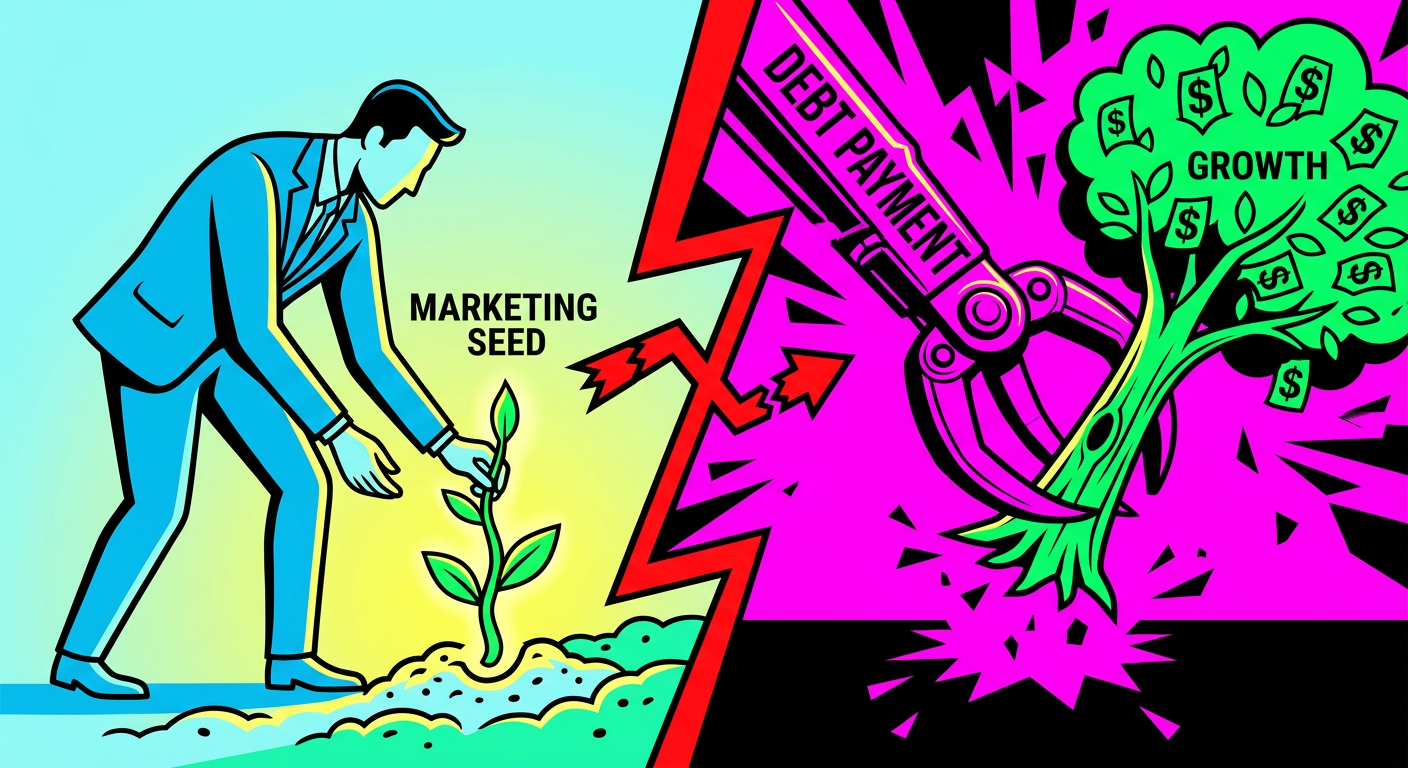
Negative business cash flow created by poorly-aligned business debt structures does not exist in a vacuum; it triggers a destructive domino effect that rapidly degrades every operational facet of the business. One of the first and most critical areas to suffer is inventory management. When every available dollar is earmarked for aggressive business debt service (monthly business debt repayment), the business loses the capacity to optimize its supply chain.
This starvation of capital forces management into reactive purchasing behaviors. Unable to take advantage of bulk pricing or strategic, early-season purchasing, the company is forced to buy inventory in small, inefficient batches just to fulfill immediate orders. This drives up the COGS (cost of goods sold), further compressing margins.
Conversely, businesses in this scenario are also prone to the opposite error: trapped capital from historical over-purchasing. If a company previously tied up massive amounts of cash in slow-moving inventory, and then took on high-interest debt to bridge the resulting liquidity gap, they are caught in a dual trap. They cannot liquidate the old inventory fast enough to pay the business debt, and the business debt payments prevents them from purchasing the right inventory needed for current sales.
Breaking this misaligned amortization cycle requires a dual-pronged approach. First, the debt structure must be realigned to lower the monthly cash burden, as discussed previously. Second, the business must implement ruthlessly efficient inventory management practices. This means adopting data-driven forecasting, liquidating obsolete stock even at a loss to reclaim some cash, and transitioning toward just-in-time inventory models. By simultaneously reducing the debt drain and unlocking capital trapped in warehouse aisles, the business can restore the working capital necessary to operate efficiently and profitably.
Blind Spots - The Role of Inaccurate Financial Reporting
It is nearly impossible to architect a sustainable business debt structure if the foundation of the company's financial data is compromised. Inaccurate financial reporting and flawed accounting creates massive blind spots that lead directly to toxic borrowing decisions and subsequent negative cash flow. When accounting practices are sloppy, incomplete, or rely on outdated methodologies, management cannot accurately assess their true profitability, their current liquidity position, or their actual capacity to service new business debt.
Garbage data inevitably leads to garbage strategy. A company might review a flawed income statement that overstates gross margins due to miscategorized expenses. Believing they are highly profitable, leadership might authorize taking on a large, aggressively amortized loan for expansion. However, because the underlying financials were a mirage, the business actually lacks the cash flow to make the payments, instantly plunging them into a liquidity crisis. Furthermore, inaccurate accounting completely destroys external credibility. When a business attempts to refinance its way out of a poor debt structure, lenders will demand audited or highly reliable financials. If the numbers do not hold up to scrutiny, access to life-saving capital is immediately denied.
Fixing this requires elevating the accounting function from an administrative afterthought to a strategic pillar. The business must implement rigorous internal controls, utilize modern enterprise resource planning systems, and ensure timely, accurate reconciliation of all accounts. Every transaction must be meticulously categorized, and financial statements must reflect reality, no matter how grim that reality might temporarily appear. Only with absolute clarity and truth in reporting can a business accurately calculate its debt service capabilities, negotiate effectively with lenders, and navigate its way back to positive cash flow.
The Absence of Strategy - Operating Without a Financing Blueprint
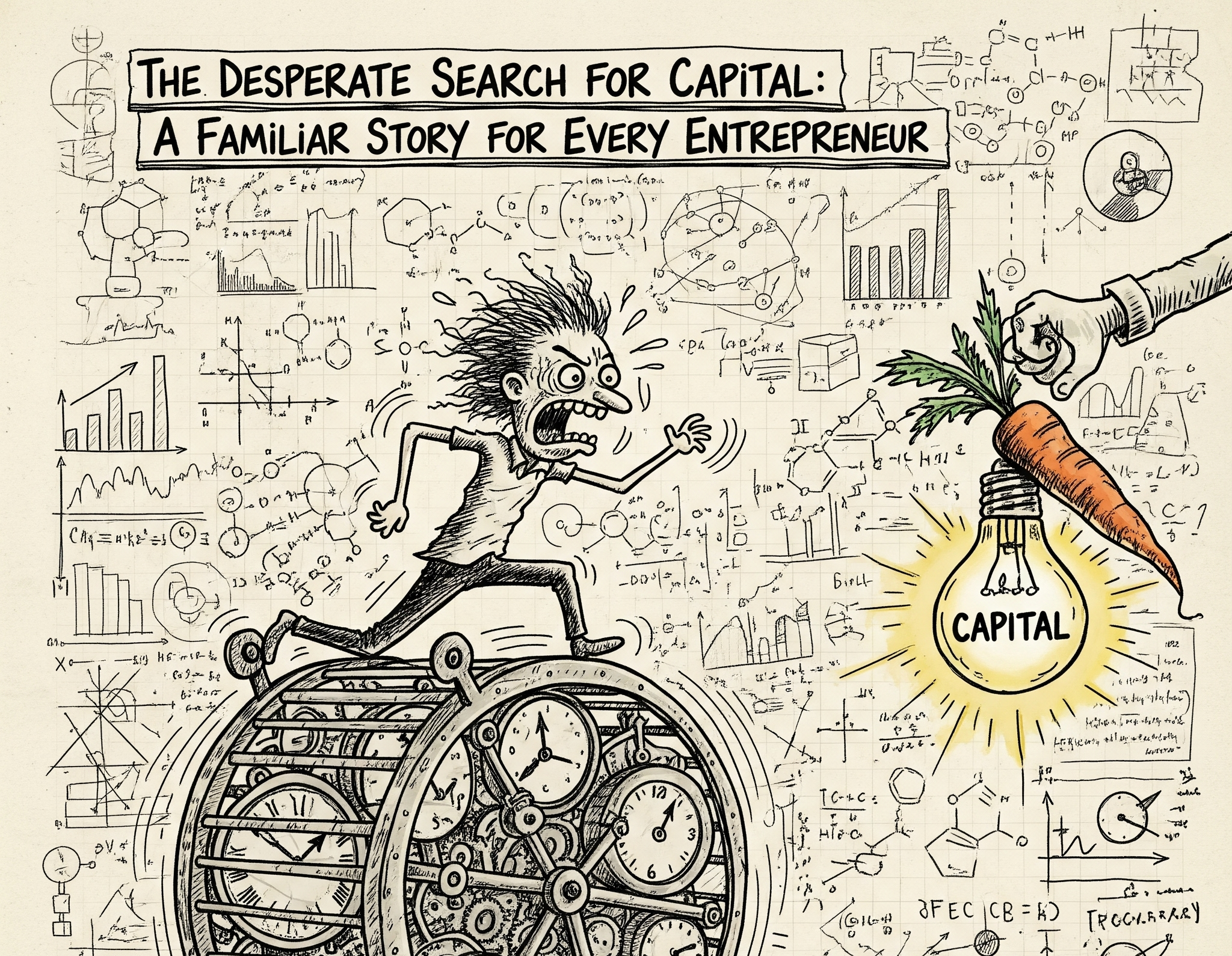
A significant contributor to poorly structured business debt is the absence of a proactive, comprehensive financing blueprint. Many organizations treat capital acquisition as a reactive chore rather than a core component of corporate strategy. They wait until a business cash crisis is imminent or a major expense is unavoidable before scrambling to secure funds. When a business approaches the credit markets under duress, operating on an abbreviated timeline, it forfeits all negotiating leverage.
This reactive posture forces the company to accept whatever capital is available, which usually equates to high interest rates, draconian covenants, personal guarantees, and punishingly short amortization schedules. The lender assumes a higher risk due to the company's desperation, and the terms reflect that risk. The result is a business debt structure designed strictly for the lender's rapid return of capital, not for the business's operational sustainability.
Transitioning away from this dangerous paradigm requires establishing a forward-looking business financial strategy. Management must forecast capital requirements twelve to thirty-six months into the future, anticipating the costs of planned growth, equipment replacement, and potential market contractions. With this blueprint, the business can establish relationships with private credit, commercial banks and investors during periods of strength and stability. By securing lines of credit or negotiating business term loan structures before the cash is actually required, the business ensures access to capital on its own favorable terms. This proactive planning is the ultimate defense against the desperate, toxic borrowing that leads to structural negative cash flow.
Restructuring Existing Business Debt - Realigning Payback Periods
When a business is already suffocating under the weight of poor business debt structures, theoretical planning must give way to immediate, tactical intervention. The primary objective is to stop the negative cash flow hemorrhage by realigning payback periods and modifying the terms of existing agreements. This process, known as business debt restructuring, requires a blend of financial acumen and assertive negotiation.
The first step is total transparency. Management must construct a highly detailed, brutally honest 13-week cash flow forecast that demonstrates exactly when and why the business will run out of money under the current business debt structure. This forecast is not an admission of defeat, but a vital tool for negotiation. Armed with this data, the business must approach its lenders—ideally before a default occurs—to request modifications.
Requests can take several forms. The company might ask for an extended amortization period, spreading the remaining principal over a longer timeframe to drastically reduce the monthly payment. Alternatively, they might request a temporary period of interest-only payments to allow working capital to rebuild during a seasonal slump or an operational turnaround.
Lenders are generally motivated to avoid the costly and lengthy process of default and liquidation. If the business can present a credible, well-documented plan showing that restructuring the business debt will ultimately allow the company to survive and repay the principal, lenders are often willing to participate in realigning the payback periods to restore positive business cash flow.
The Business Debt Refinancing Pivot - Escaping Toxic Business Loan Terms
While business balance sheet (debt) restructuring involves modifying existing agreements, refinancing is the strategy of complete replacement of existing business debt. This is often the necessary pivot when a business is trapped in debt products that are fundamentally toxic—such as daily or weekly-draw merchant cash advances (MCAs) or high-yield alternative business loans that mathematically prevent positive cash flow regardless of operational success. The goal of the business refinancing pivot is to leverage the business's underlying assets or improved operational metrics to secure a single, traditional commercial loan that pays off all the predatory, high-payment debts simultaneously.
Executing this pivot requires meticulous preparation. The business must first stabilize its operations as much as possible, perhaps utilizing the business debt restructuring tactics mentioned above to buy time. Simultaneously, the business accounting function must be flawless, providing potential new lenders with clear, verifiable proof of historical business revenues and projected business cash flows.
The business can then explore various business debt refinancing vehicles. This might involve an asset-backed loan (ABL), where accounts receivable and optimized inventory are pledged as collateral for a revolving line of credit with a low interest rate (typically based on SOFR).
Alternatively, if the business owns real estate, a commercial mortgage can be used to extract equity and consolidate short-term operational debts into a long-term, 25-year amortization schedule. By successfully executing a refinancing pivot, a business can instantly wipe out the crushing monthly payments of toxic debt, replacing them with a manageable, predictable obligation that finally allows the company to breathe, reinvest, and generate positive cash flow.
Building a Resilient Framework - Proactive Cash Flow Management
Fixing a broken business debt structure is a monumental achievement, but it is only the first step toward enduring corporate health. To prevent a relapse into negative cash flow, the business must build a resilient framework centered on proactive cash flow management. This requires a permanent cultural shift within the organization, where liquidity is treated with the same reverence as profitability and revenue growth.
This framework is built on several unyielding pillars. First is the institutionalization of rolling 13-week cash flow forecasts. Management must never again operate without a clear view of their cash position weeks and months into the future, allowing them to anticipate and mitigate shortfalls long before they become crises.
Second is the establishment of rigid capital allocation policies. The business must define strict parameters for taking on new business debt, ensuring that asset-liability matching is always respected and that any new loan includes a rigorous stress test of the Debt Service Coverage Ratio (DSCR) under adverse conditions.
Furthermore, the business must prioritize the accumulation of strategic cash reserves. Operating strictly out of current cash flow leaves the company vulnerable to macroeconomic shocks or unexpected operational hurdles. By consistently skimming a percentage of profits into a dedicated reserve account, the business essentially becomes its own lender of first resort, eliminating the need for reactive, high-cost borrowing in emergencies.
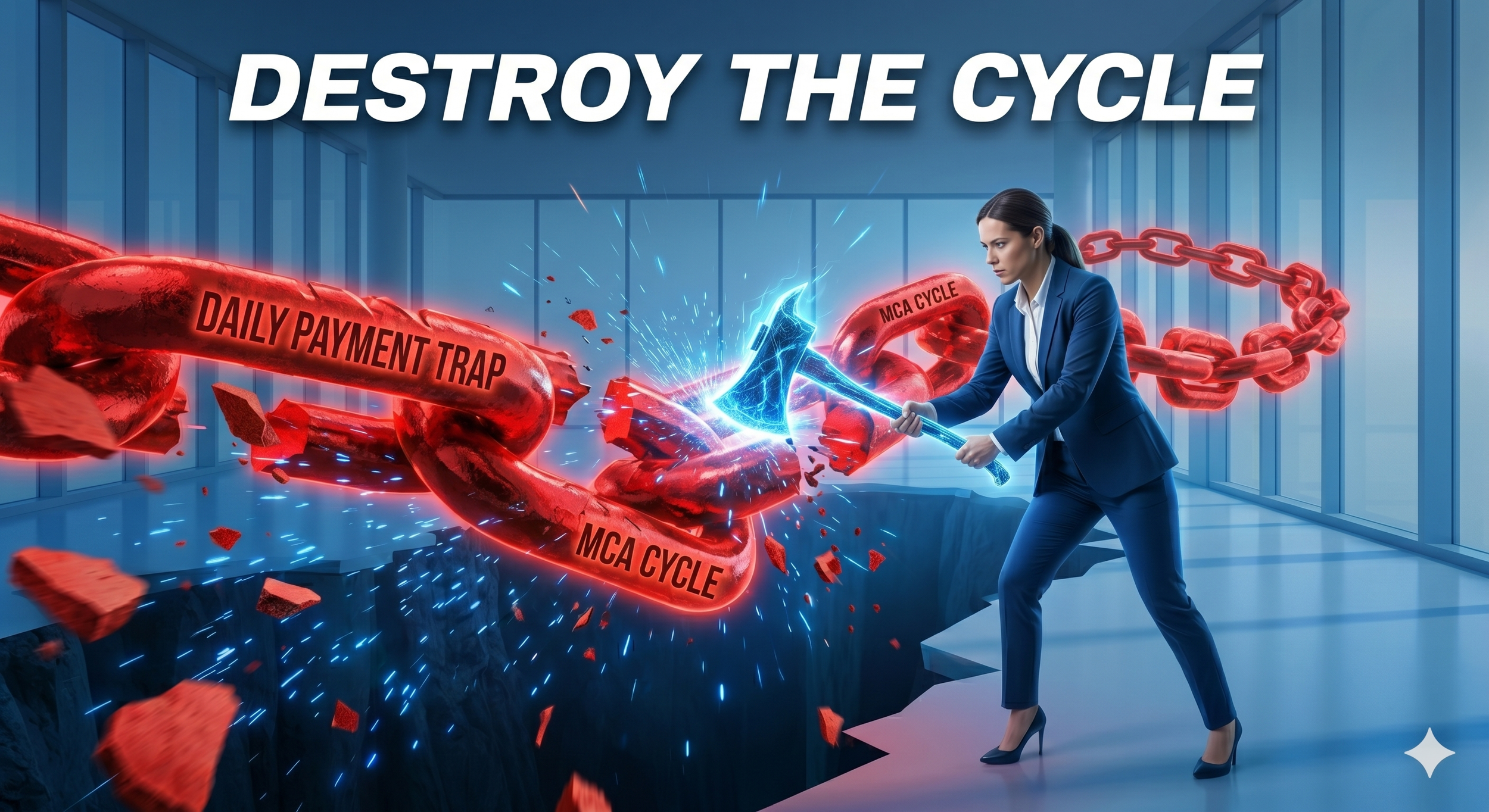
Ultimately, by maintaining pristine business financial reporting, aggressively managing working capital, and treating business debt as a highly calculated strategic tool rather than a desperate lifeline, a business can permanently break the chains of negative business cash flow, ensuring its long-term stability and success in any economic environment.
What is the Best Way to Fix Business Debt that is causing Business Cash Flow issues?
It is NOT by stopping ACH payments.
It is NOT by taking on another business loan.
It is NOT ALWAYS a Refinancing
It is NOT by entering into a debt settlement program.
Find out the BEST strategies to get your Business back to where it was

More Business Finance and Strategy Articles: