

With so many hats to wear, it's easy to focus on the most visible aspects of your business: increasing sales, marketing your products and keeping your customers happy. While these are all critically important, there is a silent, often invisible, force at play that can bring even the most promising enterprise to its knees: cash flow. It's the lifeblood of your business, the current that keeps everything moving. When that flow is disrupted, even by what seems like a minor issue, the consequences can be devastating.
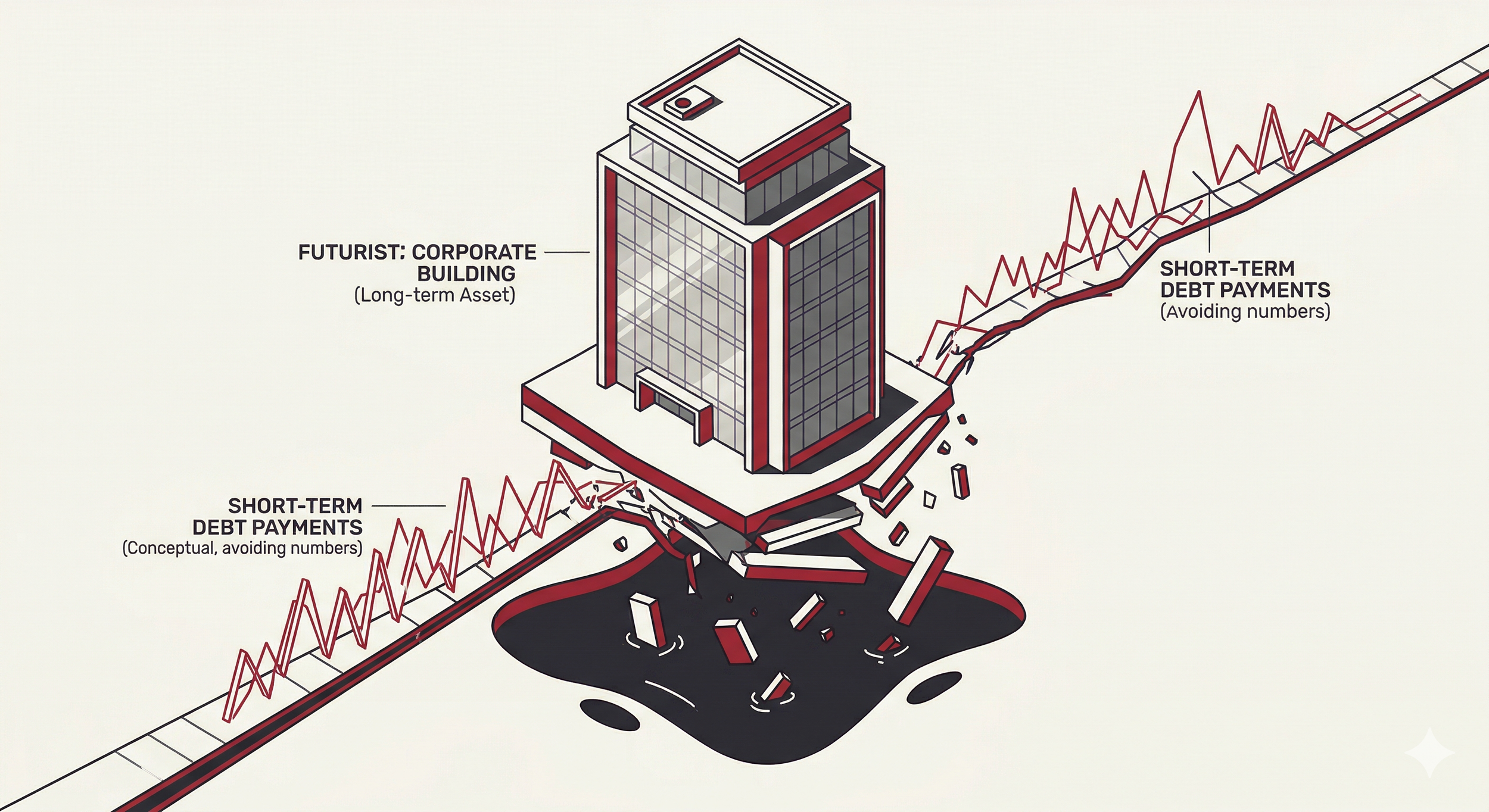
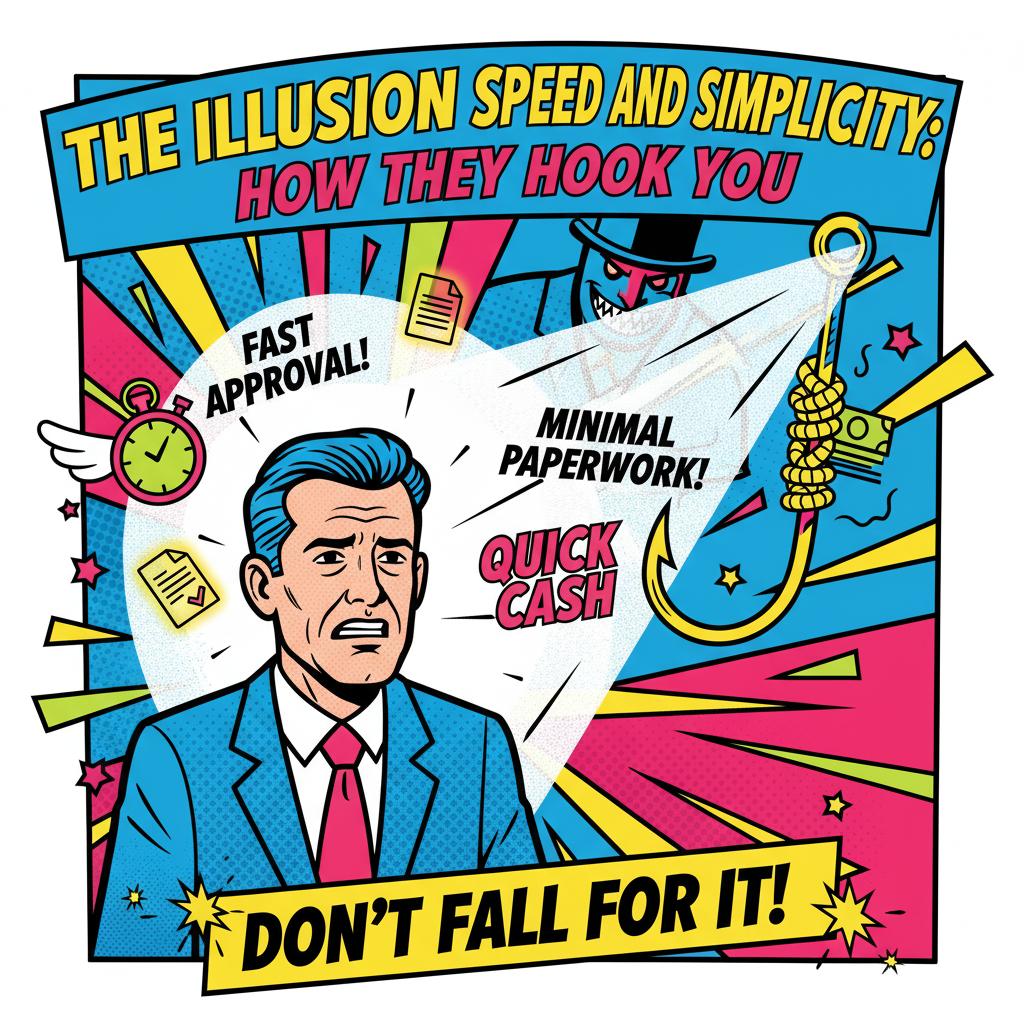
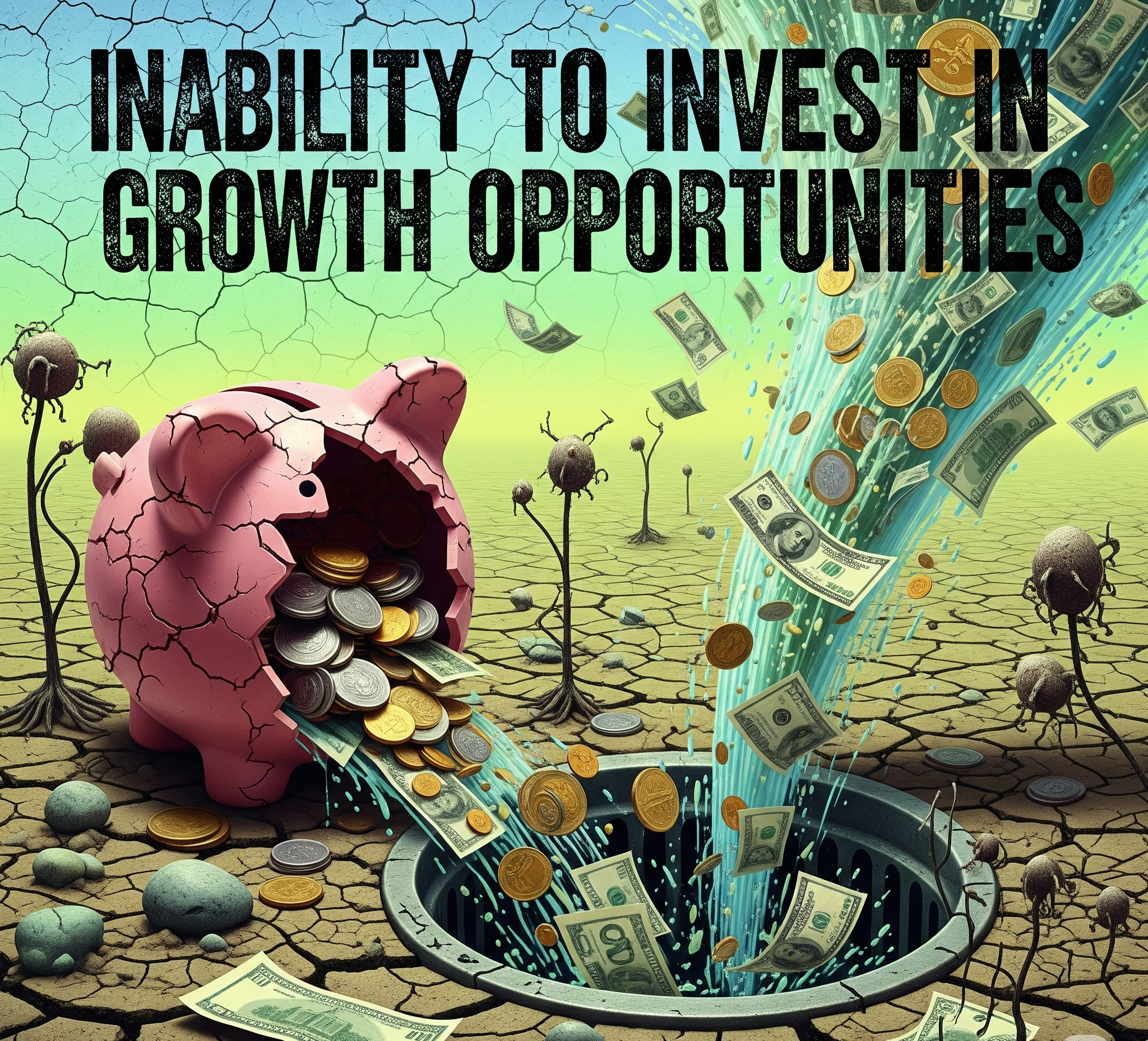
The metaphor of a plugged hole is particularly apt when discussing cash flow. A small leak in a dam, if ignored, doesn't stay small. The constant pressure of the water behind it will exploit the weakness, widening the gap until it becomes a catastrophic failure. Similarly, a small cash flow gap, a temporary shortfall where your expenses are due before your revenue arrives, can seem manageable at first. You might plug it with a credit card, a small loan or by delaying a payment.
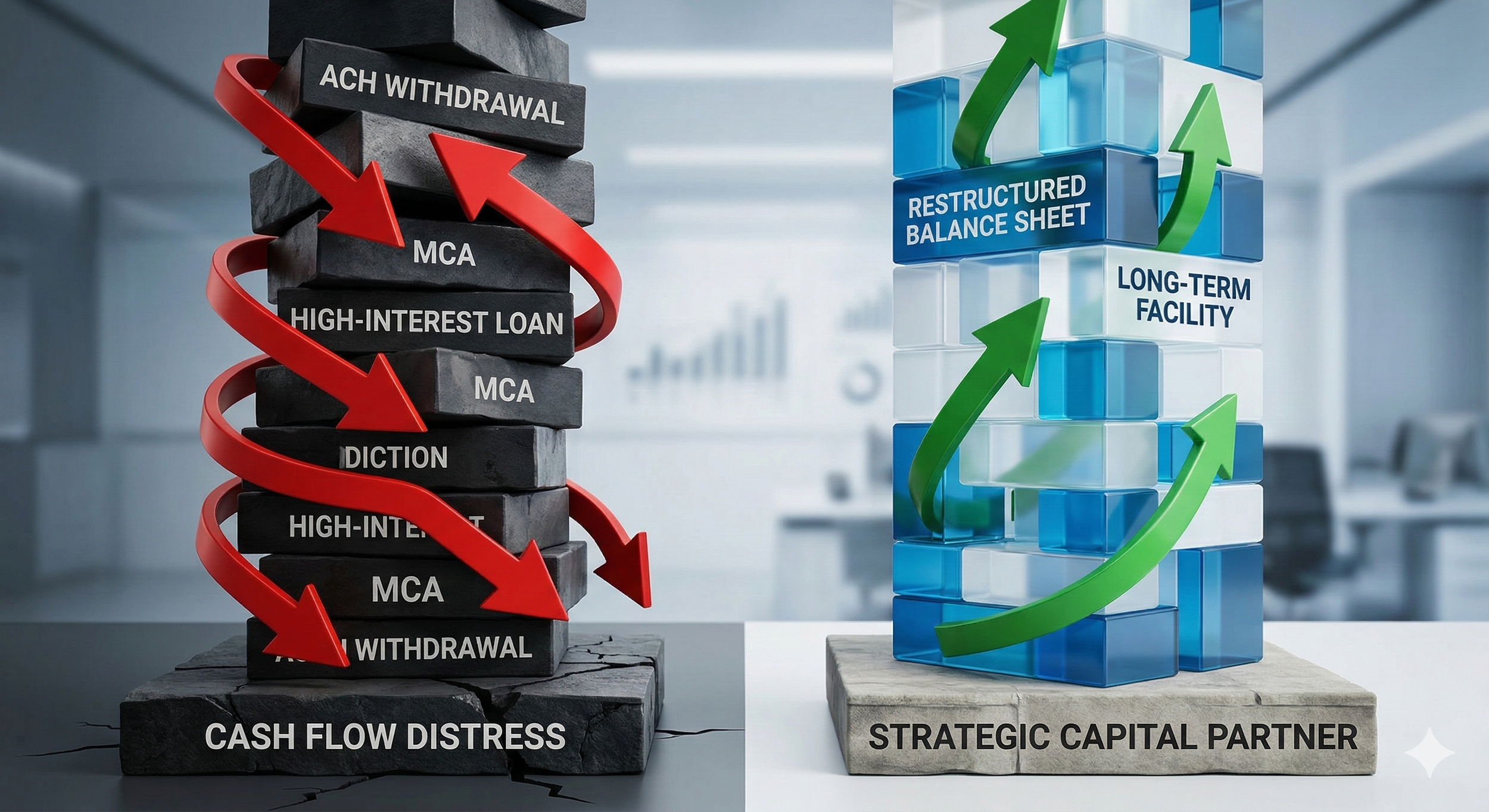
But these are temporary fixes, "plugs" that don't address the underlying issue. The pressure of ongoing operational costs and unexpected expenses will continue to build. That small, seemingly insignificant gap, when repeatedly "plugged" with short-term, high-cost solutions, will inevitably grow larger, creating a cycle of debt and financial instability that becomes increasingly difficult to escape. This article is for the business owner who feels this pressure, who is tired of simply plugging holes and is ready to build a more resilient financial foundation for their business.