


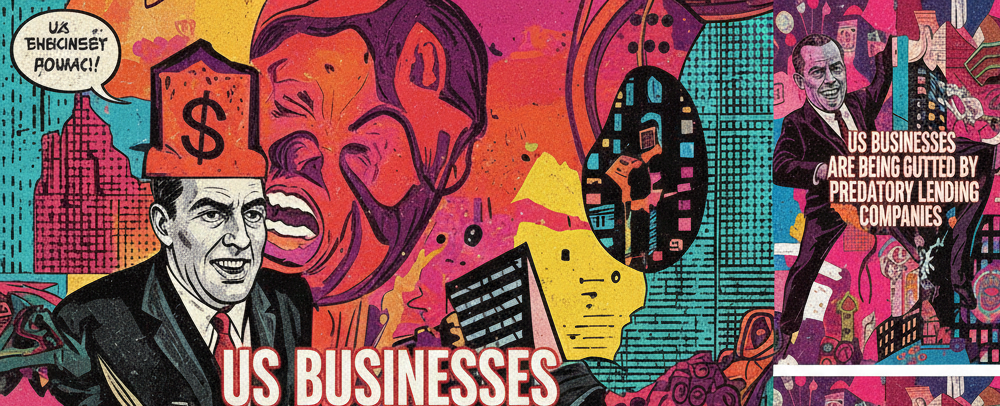
US Businesses are Being Gutted by Short-Term Predatory Lending Companies

US Businesses are Being Gutted by Short-Term Predatory Lending Companies

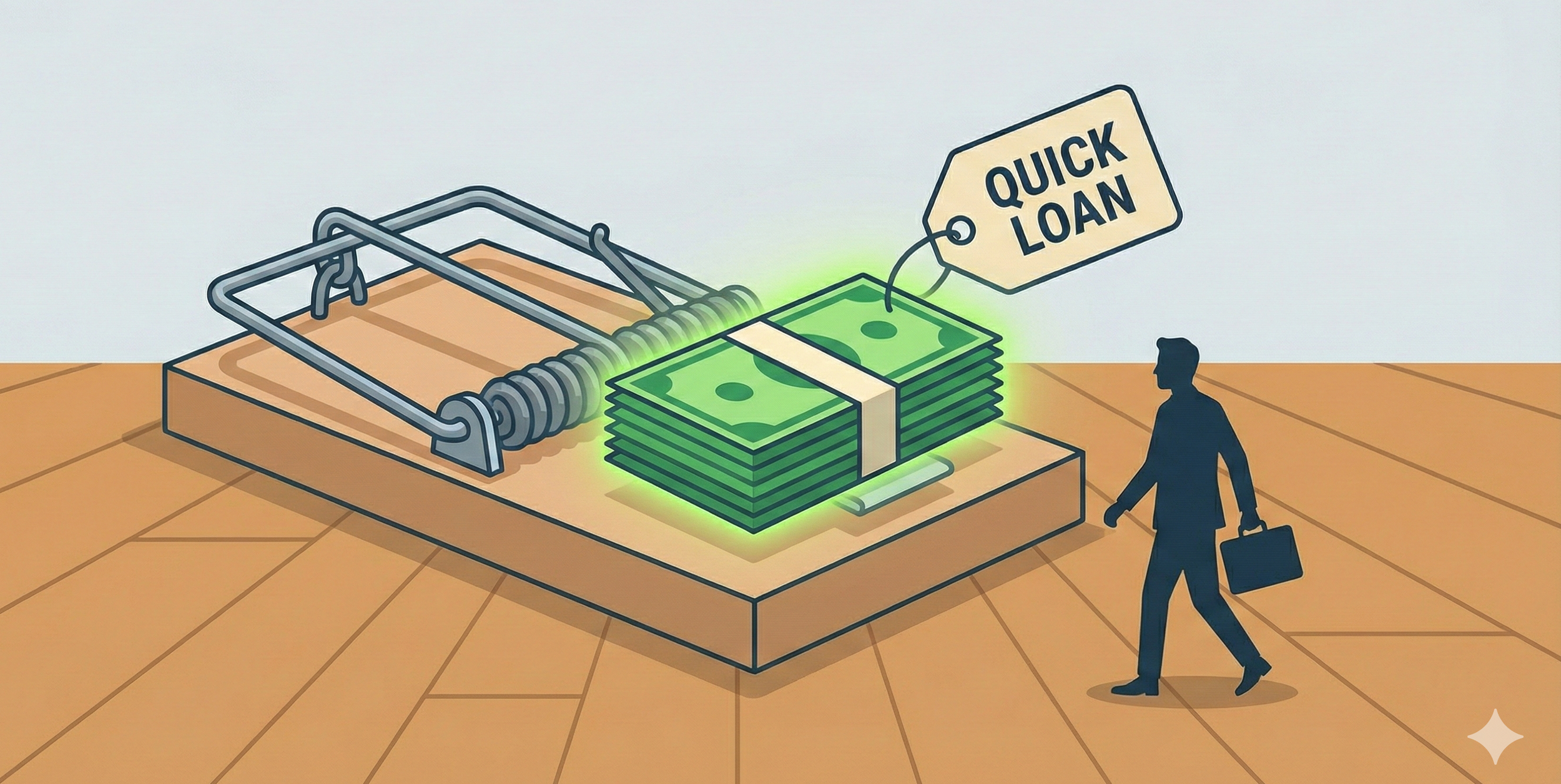
In the ecosystem of small and medium-sized business finance, there is a class of lenders or “funders” that functions less like a capital partner and more like an equity parasite. They don't care about your business plan, your legacy, or your employees. They care about one thing: the velocity at which they can siphon cash out of your operating account. While they brand themselves with sleek, modern logos and talk about "democratizing capital," they are, in reality, high-tech loan sharks.

The short-term lending space is built on a foundation of intellectual dishonesty. Underwriters in this sector are often nothing more than glorified data-entry clerks or automated scripts that ignore every principle of sound finance. They approve loans that they know a business cannot afford to make payments on without experiencing negative cash flow, and they bank on the fact that they can use aggressive, scorched-earth collection techniques to secure their profit before your company inevitably hits the wall. This is not lending; it is a controlled liquidation of your hard-earned equity. Pay or die.

Breaking the High-Interest Business Debt Cycle

Breaking the High-Interest Business Debt Cycle

For many business owners, the path to growth is often paved with various forms of financing. However, it is remarkably easy to find yourself in a position where the very capital intended to fuel your expansion begins to choke your daily operations and business cash flow.

When business debt service payments begin to outpace your available business cash flow, you aren't just running a business; you are managing a crisis. The transition from a thriving enterprise to one burdened by high-interest, short-term obligations can happen subtly until the monthly "nut" becomes impossible to crack.

This article explores a comprehensive strategy for restructuring debt, leveraging hidden equity, and reclaiming the financial health of your business.

Brutal Truths About Business Debt Messes

Brutal Truths About Business Debt Messes

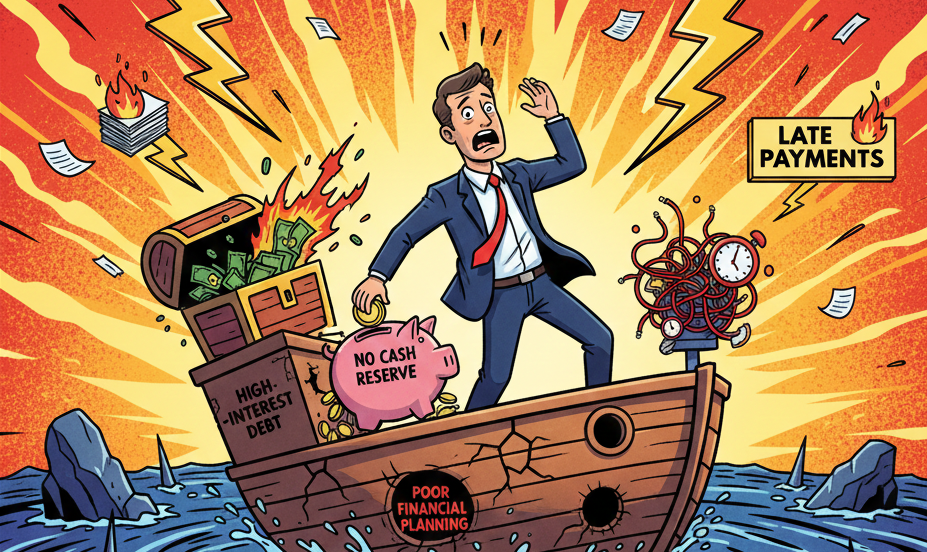
Your business may be in immediate danger. This is not a drill, and it is not a gentle suggestion to review your accounting practices. If you are reading this because your business is drowning in debt, you are standing on the precipice of total insolvency, and the ground is crumbling beneath your feet.

The sleepless nights, the dread of opening your email, the pit in your stomach when the phone rings—these are not just symptoms of stress; they are the warning lights of a catastrophic engine failure.

Your business is heading towards dying. It is harsh to say, but if you do not acknowledge the severity of your situation, you may risk losing everything you have built. The time for optimism and "waiting for the big deal to close" is over. You are in a war for business survival.

How Easy Business Capital Can Be Destructive

How Easy Business Capital Can Be Destructive

Every small business owner knows the feeling of urgent necessity. A piece of critical machinery breaks down, a golden opportunity for bulk inventory arises, or payroll is approaching faster than accounts receivable are clearing.

In these moments, the allure of immediate capital is intoxicating. Alternative, non-bank business lenders and merchant cash advance (MCA) providers market themselves as the saviors of the modern entrepreneur, offering funds in hours with minimal paperwork. They promise agility and speed, bypassing the bureaucratic sloth of “traditional banking”.

However, this convenience often masks a predatory structure designed to siphon value rather than inject growth. The initial relief provided by a quick deposit rapidly dissolves into a chaotic struggle for survival. What begins as a lifeline transforms into a lead weight, dragging the company beneath the waves of its own obligations. By prioritizing speed over sustainability, these financial products introduce a toxicity that fundamentally alters the trajectory of a business. The damage is not just financial; it is operational, psychological, and often terminal unless restructured and/or refinanced.

The narrative sold by these funders is one of partnership and support, yet the reality is often strictly transactional and extractive. They rely on the business owner’s lack of time and desperate need for liquidity to push through agreements that no traditional bank would ever sanction.

Let this serve as a warning: the speed of funding is almost always inversely proportional to the safety of the financing.

Understanding this trade-off is the first step in protecting the business legacy you have built.

Business Debt is Stifling Cash Flow, Now What?

Business Debt is Stifling Cash Flow, Now What?

Every morning or perhaps every Friday, thousands of small business owners across the country wake up to the same digital reality check. Before they can review new orders, check on employee schedules, or pour a cup of coffee, they log into their business bank accounts to see how much cash vanished overnight. For many, the answer is a staggering sum, withdrawn automatically by multiple lenders, merchant cash advance providers, and business financing fintech platforms.

This is the trap of weekly (or daily) remittances, a phenomenon that turns profitable operational models into cash-poor nightmares. When a business owner stares at a balance that is constantly draining due to these high-frequency withdrawals, the psychological pressure to find a quick fix becomes overwhelming.

Business Debt Payback Period vs Cost of Capital

Business Debt Payback Period vs Cost of Capital

From analyzing the mechanics of short-term versus long-term business financing to weighing the true cost of capital, we provide a strategic roadmap for leveraging business debt to fuel growth rather than choking your business cash flow and operations.

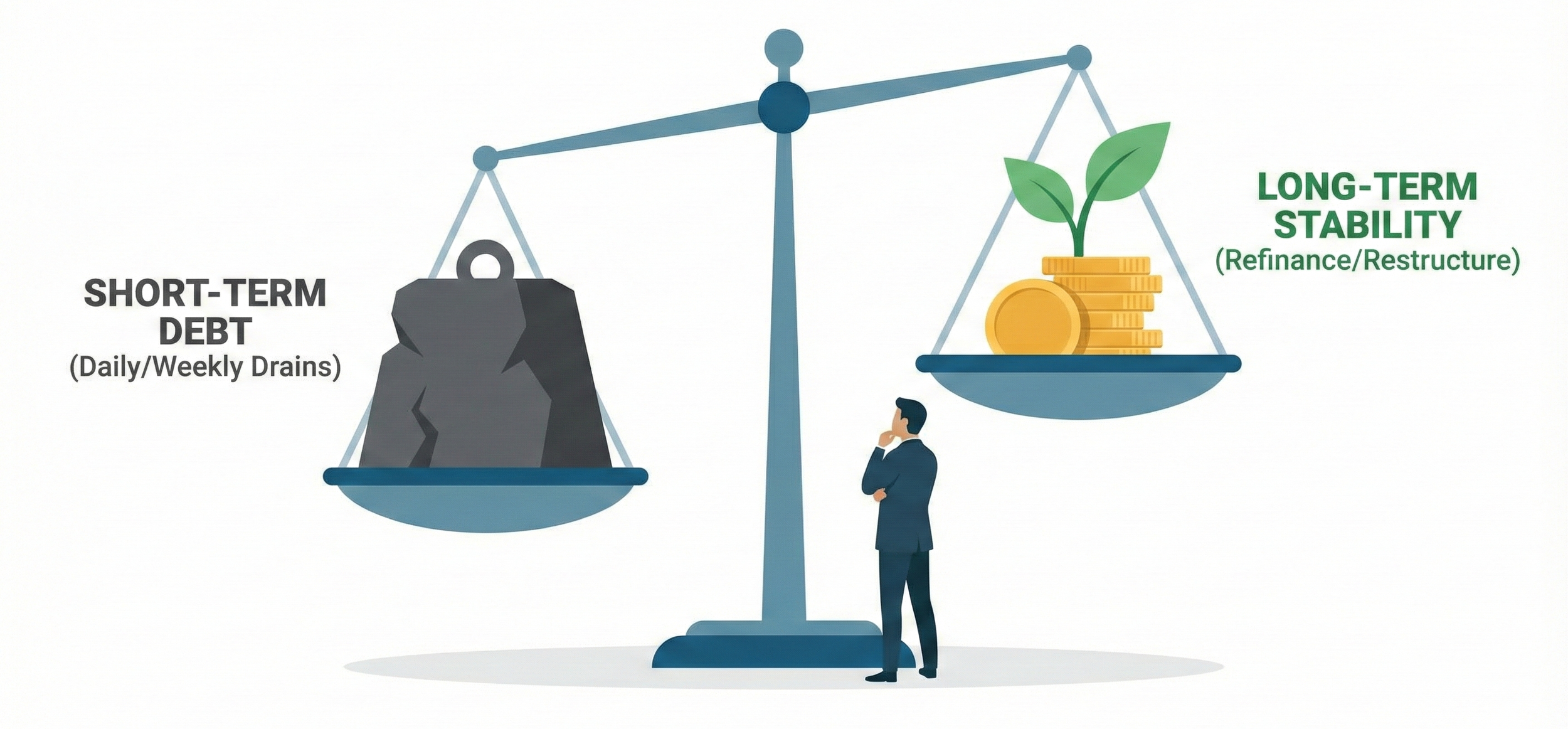
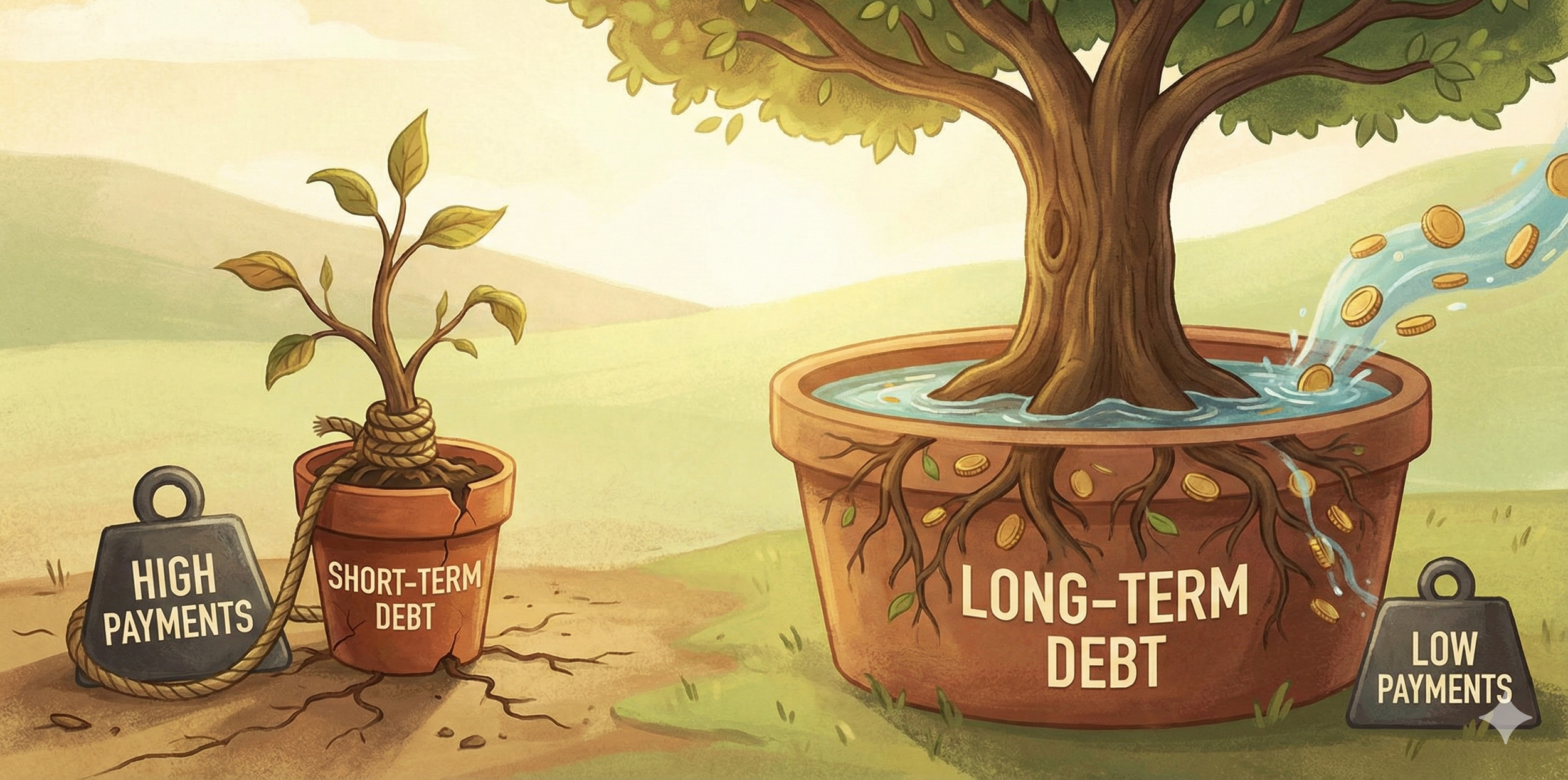
Ultimately, the best scenario is indisputable: long-term, low-cost business debt. It provides the capital necessary for growth without the stranglehold of aggressive repayment. Business owners must resist the emotional urge to clear the books quickly and instead embrace the strategic advantage of amortization.

By keeping cash in the business rather than sending it to the lender, the owner retains the power to steer the company through uncertainty and toward long-term prosperity.

This article challenges the traditional "debt-free" dogma by examining the critical relationship between business loan terms and business operational survival. We will explore why extending your business debt payback period, even at the cost of more total interest paid over the long run, is often the superior strategy for maintaining a healthy business cash flow.

Business Post-Pandemic Financing and Why Survival Was Just the First Step

Business Post-Pandemic Financing and Why Survival Was Just the First Step

There is a silent crisis brewing beneath the surface of this survival story. For many business owners, the adrenaline of navigating the immediate crisis has faded, only to be replaced by a stark financial reality. The survival phase required capital, and for many, that capital came in the form of borrowed money.

We are now navigating a unique economic landscape where the stimulus has dried up, consumer habits have permanently shifted, and inflation has driven up the cost of goods sold. While the acute phase of the health crisis is over, the chronic phase of the financial crisis is just beginning for Main Street. The "new normal" is about managing a balance sheet that looks drastically different than it did 3 to 5-years ago.

Many business owners are finding that the very tools that saved them—loans, deferred payments, and credit extensions—are now the anchors dragging them down. The revenue may have returned, but the margin for error has vanished.

This section of the economic cycle requires a different mindset. It is no longer about raw survival; it is about stabilization. The businesses that will thrive in the coming decade are those that recognize the game has changed from a sprint to a marathon, and they are currently carrying too much weight in their backpacks to finish the race.

Resurrecting a Distressed Business

Resurrecting a Distressed Business

The weight of debt payments and the crushing reality of cash flow shortages can feel like a physical burden. You are likely reading this because the math is no longer working. The inflows are a trickle, the outflows are a flood, and the debt service is consuming every spare dollar of margin you manage to generate. It is a terrifying position, yet it is not a unique one. Countless success stories began as near-failures. The difference between bankruptcy and a legendary turnaround is rarely luck; it is a mixture of brutal honesty, strategic negotiation, and immediate, decisive action.

This guide is designed to walk you through the rigorous process of stabilizing a sinking ship. We will dismantle the complex mechanics of a financial turnaround into actionable, distinct phases. There are no quick fixes here, only hard work and disciplined financial engineering. By following these steps, you move from a state of panic to a state of control, eventually steering the enterprise back toward profitability and growth.

The Business Lender Divide, Speed vs. Stability

The Business Lender Divide, Speed vs. Stability

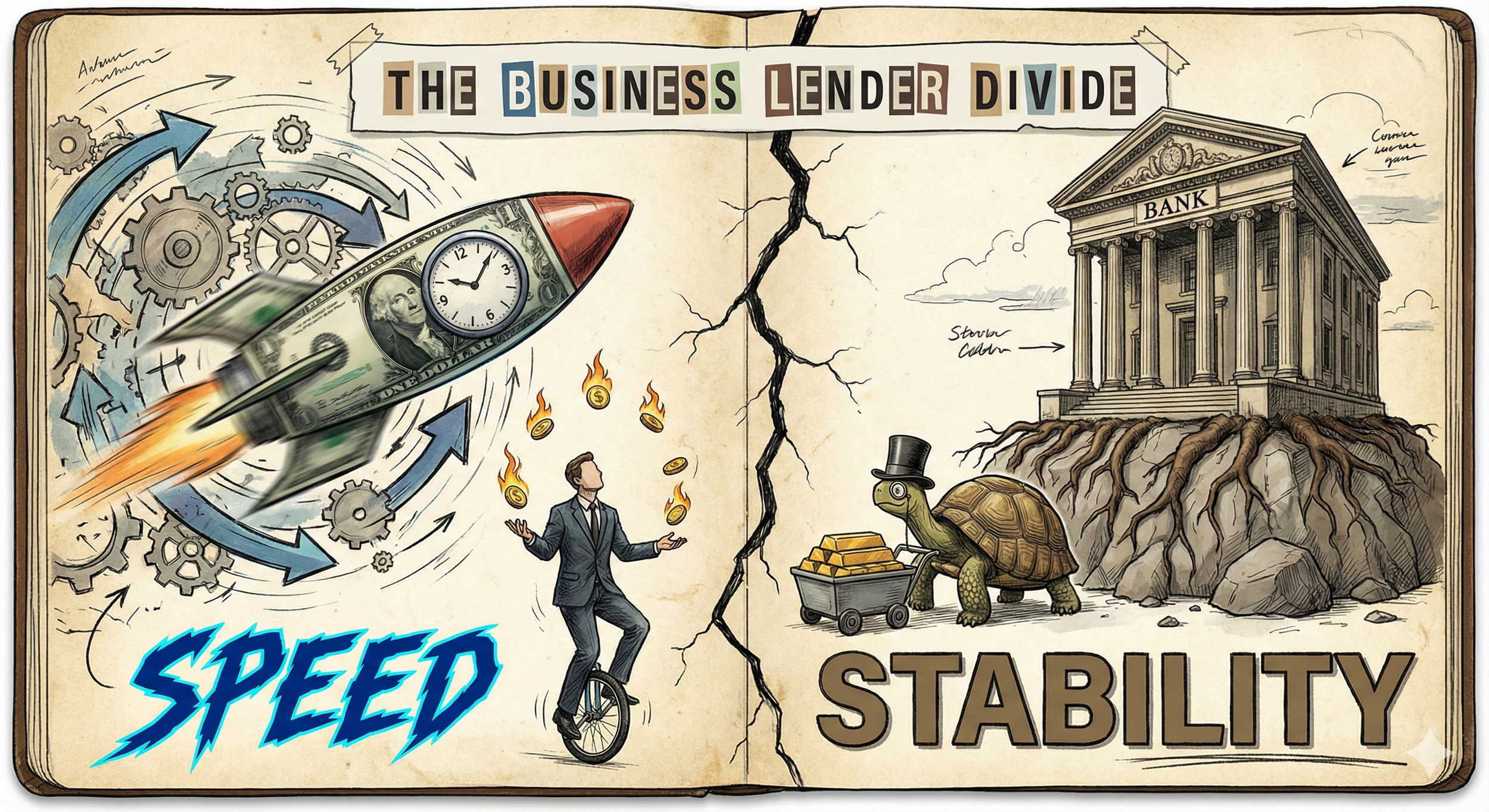
Every small business owner eventually faces the crossroads of capital. You need money to grow, to bridge a gap, or to seize an opportunity that just walked through the door. In that moment of need, the financial market presents you with two very different paths.

One path is paved with speed and accessibility but lined with aggressive demands that can choke your daily operations. The other path is steeper and harder to climb initially, but it leads to a plateau of stability and sustainable growth. This is not just a choice between two different loans; it is a choice between two fundamentally different philosophies of underwriting and two distinct futures for your business cash flow.

Understanding the difference between long-term, EBITDA-based underwriting and short-term, cash flow-only underwriting is the single most important financial lesson a founder can learn. It is the difference between renting money at an exorbitant daily rate and partnering with a creditor who views your success as their security.

To navigate this landscape, you must peel back the curtain on how these lenders think, how they measure risk, and why one model encourages aggressive timelines while the other fosters reinvestment.

Multiple Business Creditors Stifle Growth and Refinancing Potential

Multiple Business Creditors Stifle Growth and Refinancing Potential

For a thriving business owner, the sight of a balance sheet peppered with a dizzying array of different creditors, each with its own terms, conditions, and lien priority, is a red flag that demands immediate attention. This common scenario, often a byproduct of rapid growth or fragmented, opportunistic financing, creates a business financial landscape that is not only difficult to manage but actively works against your company's ability to secure favorable refinancing, obtain competitive costs of capital, and lock in the long-term payback periods essential for stable business cash flow.

This article is a deep dive into the corrosive effect of a fractured business debt liability structure. It is designed to equip you, the business owner, with a clear understanding of why a consolidated, streamlined balance sheet is the bedrock of future financial health and how the current complexity is undermining your company's true value and potential. We will explore the interconnected difficulties presented by a crowded creditor list and outline the compelling case for business financial consolidation.

Things to Avoid in Business Finance

Things to Avoid in Business Finance

Private business ownership is a journey fueled by passion, resilience, and, often, a healthy dose of optimism.

This entrepreneurial spirit is vital, but when that optimism morphs into a passive reliance on "hope" for critical financial outcomes, it becomes a liability.

For owners facing a complex landscape of business financing, relying on wishful thinking can be the difference between securing the capital needed for growth and facing a catastrophic failure.

It is time to replace vague aspirations with concrete, verifiable strategies and robust due diligence, especially when engaging with external business financial advisors and transactional brokers.

Plugging Cash Flow Leaks from Short-Term Debt

Plugging Cash Flow Leaks from Short-Term Debt

Cash flow is the lifeblood of operations. It dictates the ability to pay employees, purchase inventory, and invest in growth. While taking on business debt can be a necessary catalyst for expansion or a lifeline during lean times, a common and devastating pitfall is allowing that debt to create insidious cash flow leaks.

Specifically, debt with a payback period that is too short and a cost of capital that is too high can quickly turn an asset into a liability, plunging even a profitable business into a negative cash flow spiral. This article will break down this critical business challenge and provide actionable strategies for restructuring and refinancing to secure your company's financial future.

Elevating Your Business Financing and Moving Beyond Transactional Debt

Elevating Your Business Financing and Moving Beyond Transactional Debt

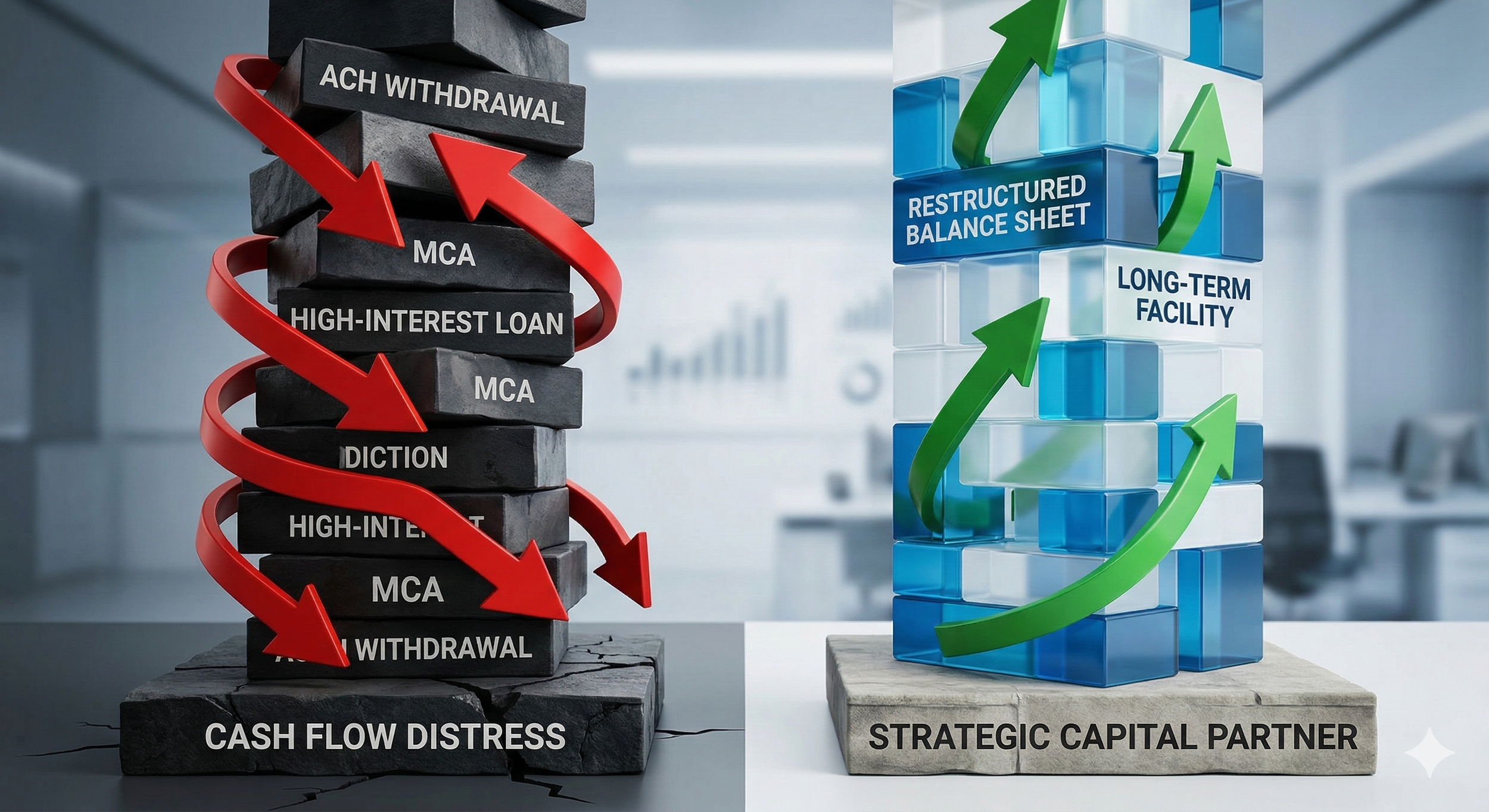
Many businesses initially rely on a patchwork of short-term, transactional financing solutions—credit cards, 12 to 24-month term loans, merchant cash advances MCAs, or short-duration lines of credit.

While these tools can be essential for bridging immediate gaps or seizing fleeting opportunities, an over-reliance on them can ultimately stunt growth and stifle cash flow. The time inevitably comes to move beyond this expensive, fragmented business financing approach.

This article explores the critical shift from transactional debt to a strategic capital partnership, focusing on how refinancing your business debt into a longer-term structure can fundamentally transform your cash flow and prepare your business for its next level of expansion.

Business Lenders Disguised as Equity Leeches

Business Lenders Disguised as Equity Leeches

The need for business working capital—whether it’s bridging a seasonal gap, covering an unexpected spike in payroll, or strategically stocking inventory for a projected boom—is an inevitable reality. This need often sends a business owner looking for a short-term cash flow lender.

These short-term cash flow lenders (under 18-months payback) providers advertise speed, minimal paperwork, and simplicity, making them appear to be a financial lifeline. However, beneath the surface of convenience lies a perilous trap.

A specific and dangerous breed of these quick-cash providers operates as an "equity leech," employing debt structures so aggressive that they extract value disproportionate to the actual risk or term of the financing.

While they may not demand common stock, their methods ultimately cripple the company’s financial integrity, severely impacting the founder’s equity position and the future realizable value during an eventual sale or restructuring.

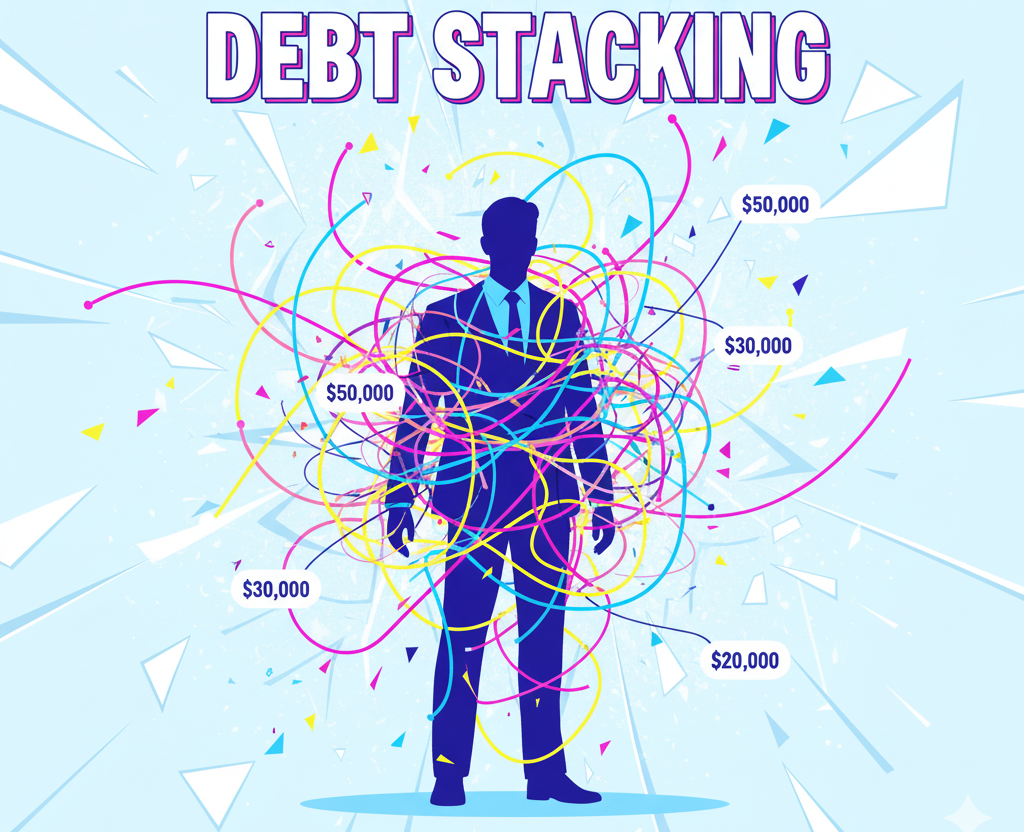
Business Debt "Stacking" is Dangerous

Business Debt "Stacking" is Dangerous

For business owners, it can be tempting to piece together various funding solutions, especially when one lender doesn't fully meet your capital needs or when rapid opportunities arise.

This practice is often referred to as business debt stacking, and while it might seem like a clever way to access necessary capital, it carries significant, often unseen, risks that can cripple your business's future cash flow and severely damage both your business and personal creditworthiness.

Understanding these dangers is the first step toward smart, sustainable financing.

Why Short-Term Business Debt Can Cripple Your Business

Why Short-Term Business Debt Can Cripple Your Business

When an immediate need for business capital arises—be it for inventory, a sudden equipment repair, or bridging a cash flow gap while waiting on slow-paying invoices—short-term business debt (business financing with a repayment period of typically under two years) can look incredibly appealing.

It’s fast, accessible, and often requires less stringent documentation than a multi-year bank loan. However, this immediate gratification is a classic financial trap.

While a short-term loan might solve a problem today, its fundamental structure—specifically its high cost of capital and aggressive amortization schedule—can quickly and brutally undermine your company's cash flow and devastate your Profit and Loss (P&L) statement.

This article breaks down the subtle but severe financial wounds inflicted by short-term debt, and why it should be treated as a last resort, not a primary financial tool.

Easy Money Lenders Crushing US Businesses

Easy Money Lenders Crushing US Businesses

A significant business threat is currently operating within the modern financial landscape, one that targets your ambition and your periodic need for business capital: the proliferation of opportunistic lenders selling what amounts to a financial death trap.

These entities, frequently operating outside the sphere of traditional banking, are making it "WAY TOO EASY" for businesses to borrow money. In doing so, they are systematically setting up countless dedicated entrepreneurs for financial failure.

This problem extends far beyond merely high interest rates; it involves a fundamentally flawed and destructive underwriting philosophy based primarily on top-line cash flow, completely ignoring the critical metrics of profitability, EBITDA, or the genuine capacity to service debt payments.

This article serves as a crucial warning, a thorough examination of this modern lending squeeze and a guide to financial self-protection for every small business in the United States.

Business Cash Flow Crisis from Short-term Loans

Business Cash Flow Crisis from Short-term Loans

It's at this vulnerable moment that the siren song of short-term loans from certain types of creditors becomes almost irresistible.

They promise quick access to funds, often with seemingly minimal paperwork and rapid approval times. In your desperation, it's easy to see these offers as a lifeline, a way to bridge the gap and get your business back on solid footing.

However, for many business owners, these short-term loans can turn into a dangerous trap, sucking the cash flow and lifeblood out of their already struggling enterprises.

This article will delve into the perils of these "bloodsucking creditors" and their short-term loan offerings, providing you with the knowledge and strategies to navigate cash flow challenges without falling victim to predatory lending practices. We will explore the common tactics these lenders employ, the true cost of their loans, and, most importantly, viable alternative solutions to help your business thrive in the long run.

Business Turnaround Planning

Business Turnaround Planning

A Business Turnaround Plan is not a suggestion; it's a brutal, immediate action to halt the bleeding, stabilize the cash position, and force profitability back into the ledger. 

This process is a high-stakes financial war fought on three fronts: aggressive cash flow correction, ruthless balance sheet restructuring, and a total overhaul of the profit and loss statement. 

You must abandon sentimentality, embrace radical change, and execute with an almost militaristic discipline to extract the business from its current downward spiral and forge a sustainable, profitable entity.

Fixing Business Mistakes with Financial and Operational Resilience

Fixing Business Mistakes with Financial and Operational Resilience

Every successful entrepreneur can point to moments where they took a wrong turn—a bad hiring decision, a poorly timed product launch, or, most commonly, a critical error in business financing or operations.

Mistakes aren't the end; they are data points.

The difference between a business that thrives and one that folds often comes down to its ability to recognize these errors quickly, own them, and implement structured solutions.

This article will walk you through common pitfalls, especially in the crucial areas of financing and your balance sheet, and outline the strategies and team you need to move from correction to sustained growth. It requires a resilient mindset and a commitment to rigorous, data-driven cleanup.