Drowning in Business Debt? Cash flow issues? We can help you. Refinance. Restructure. Reorganize.
If you are currently paying excessive annualized rates on a 6 to 12-month payback period for business funding such as merchant cash advance (MCAs) or short-term business loans, you are not stuck, you are misinformed and have been misled. Many business owners with strong personal credit (680, 700 and higher) and a stable operating history are placed into expensive, short-term financing not because it is their best option, but because it is the fastest and most profitable option for the broker who arranged it.

This article pulls back the curtain on the specific tactics these brokers use, from the bait and switch to the fake “unsecured” loan pitch to the commission structure that quietly decides which lender gets your business. If you are currently shopping for capital, or you already have a deal on the table, understanding these tricks could save your company from a financing decision you cannot undo.
The critical error occurs when this temporary emergency capital becomes a permanent fixture on the corporate balance sheet. High-frequency payment structures, such as daily or weekly ACH withdrawals, create a highly volatile environment where capital behaves remarkably like a tightly stretched rubber band. The moment revenue enters the business operating accounts, it immediately snaps back to the aggressive creditors, leaving the operation starved for the very working capital it initially borrowed. This continuous, rapid outflow of cash paralyzes future growth, prevents strategic investment and places immense psychological strain on the leadership team trying to manage the daily chaos of low business liquidity.
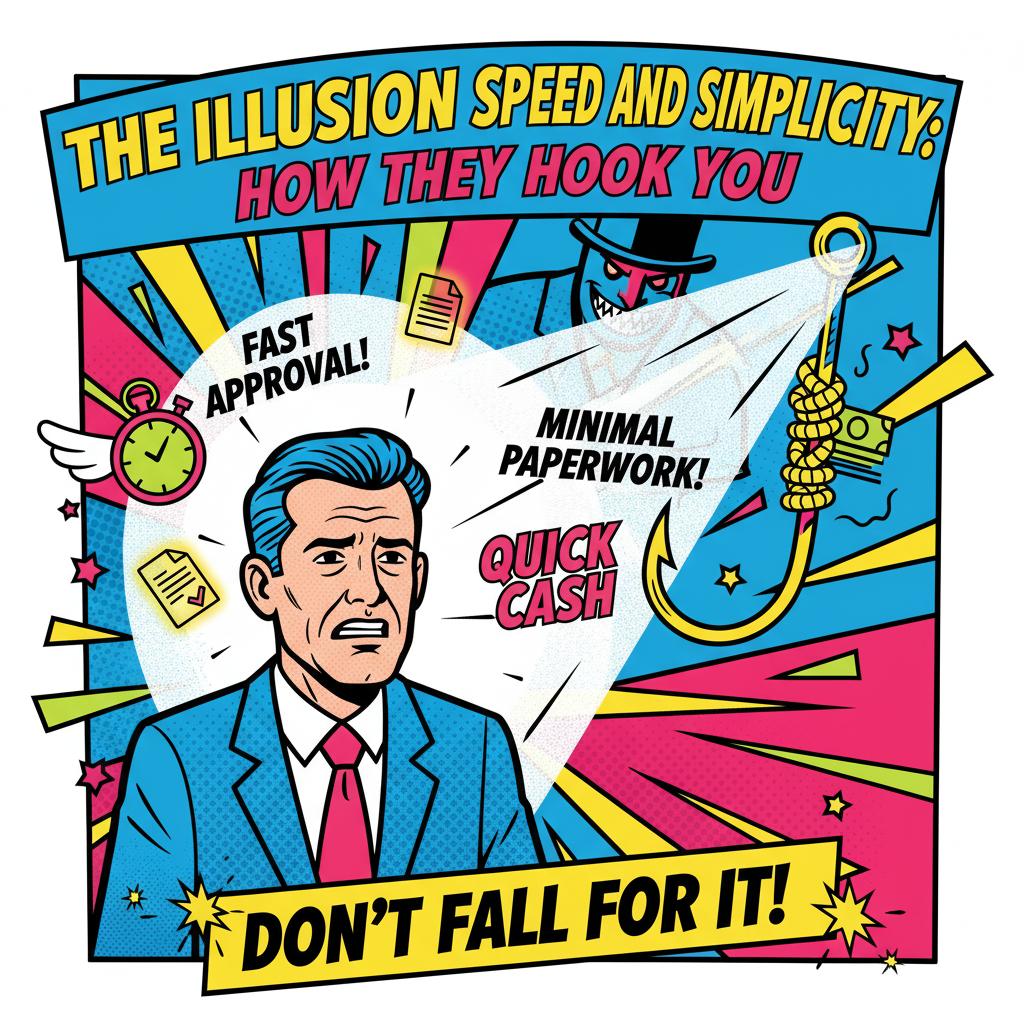
You may be feeling the squeeze of business financing that was supposed to help you grow. Many business owners discover too late that the money they borrowed came with hidden costs that drain cash, disrupt operations and leave them more vulnerable post-transaction. The problem is rarely just the interest rate. It is the short payback period. The disconnect starts with the people and processes that stand between you and the longer-term, affordable business capital you need.
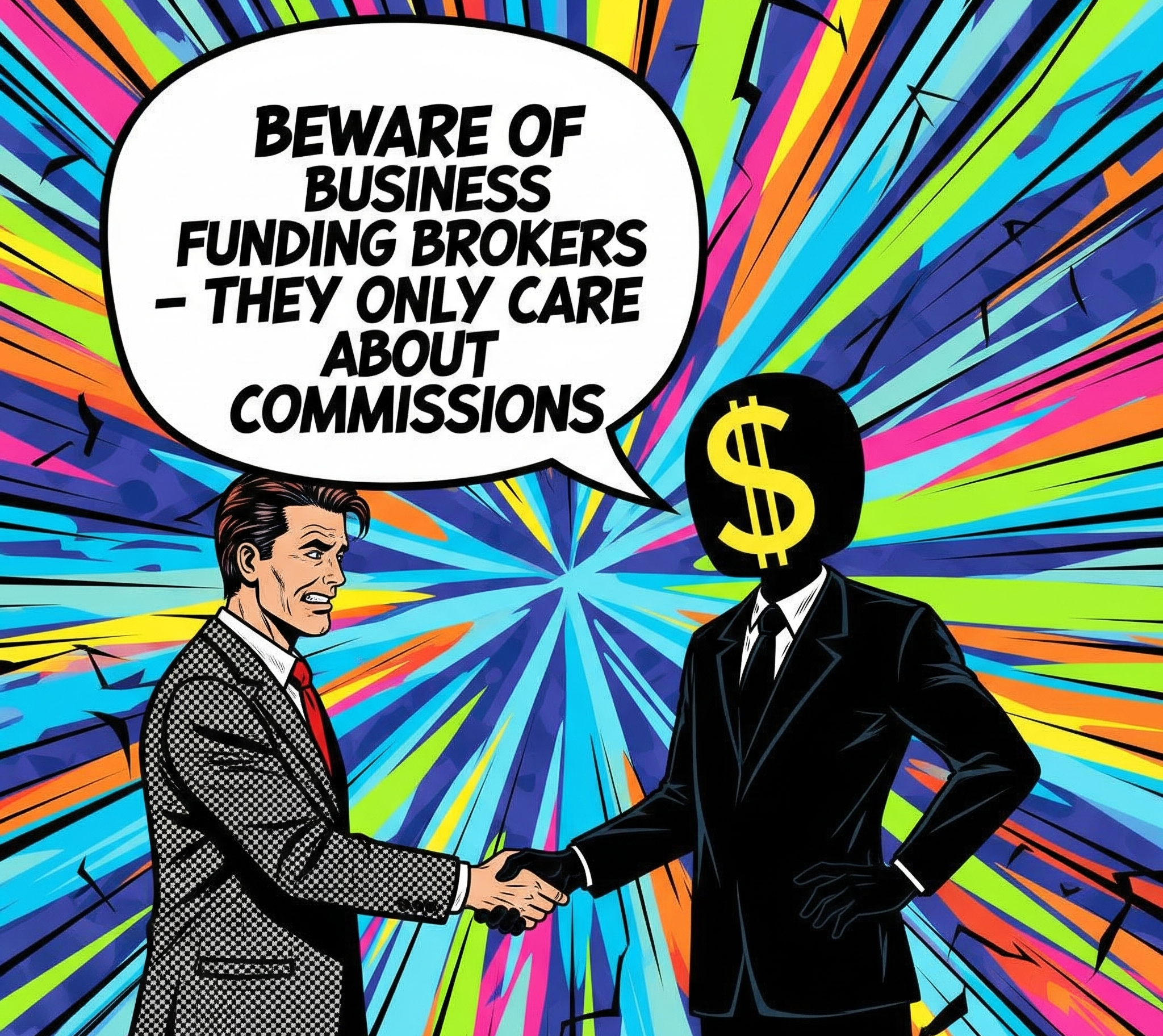
Business “funding” brokers present themselves as your advocates while collecting commissions from the lenders. Cash-flow lenders approve funding deals with underwriting that prioritizes volume over sustainability. The result is financing that extracts every available dollar of free cash flow and sometimes forces you to plug gaps with personal equity or high-interest credit cards. In the worst cases, you end up stacking new business debt just to service the old (reverse Ponzi scheme). This article explains how those dynamics work and what you can do to protect and fix your business balance sheet.

Let’s dismantle the most pervasive, dangerous and financially destructive myths currently surrounding business financing. By forcefully exposing the deceptive tactics and misleading rhetoric often employed by business funding brokers and aggressive alternative lenders, our primary goal is to empower you with the essential knowledge required to make highly informed and strategic business financial decisions. From exploring the dangerous illusion surrounding interest rates to uncovering the heavily disguised traps of revenue purchase factor rates and hidden broker commissions, we will systematically explore the critical nuances that ultimately dictate the true cost and operational impact when taking on business debt. Armed with the unvarnished and objective truth, you can more confidently and safely navigate the complex capital markets.